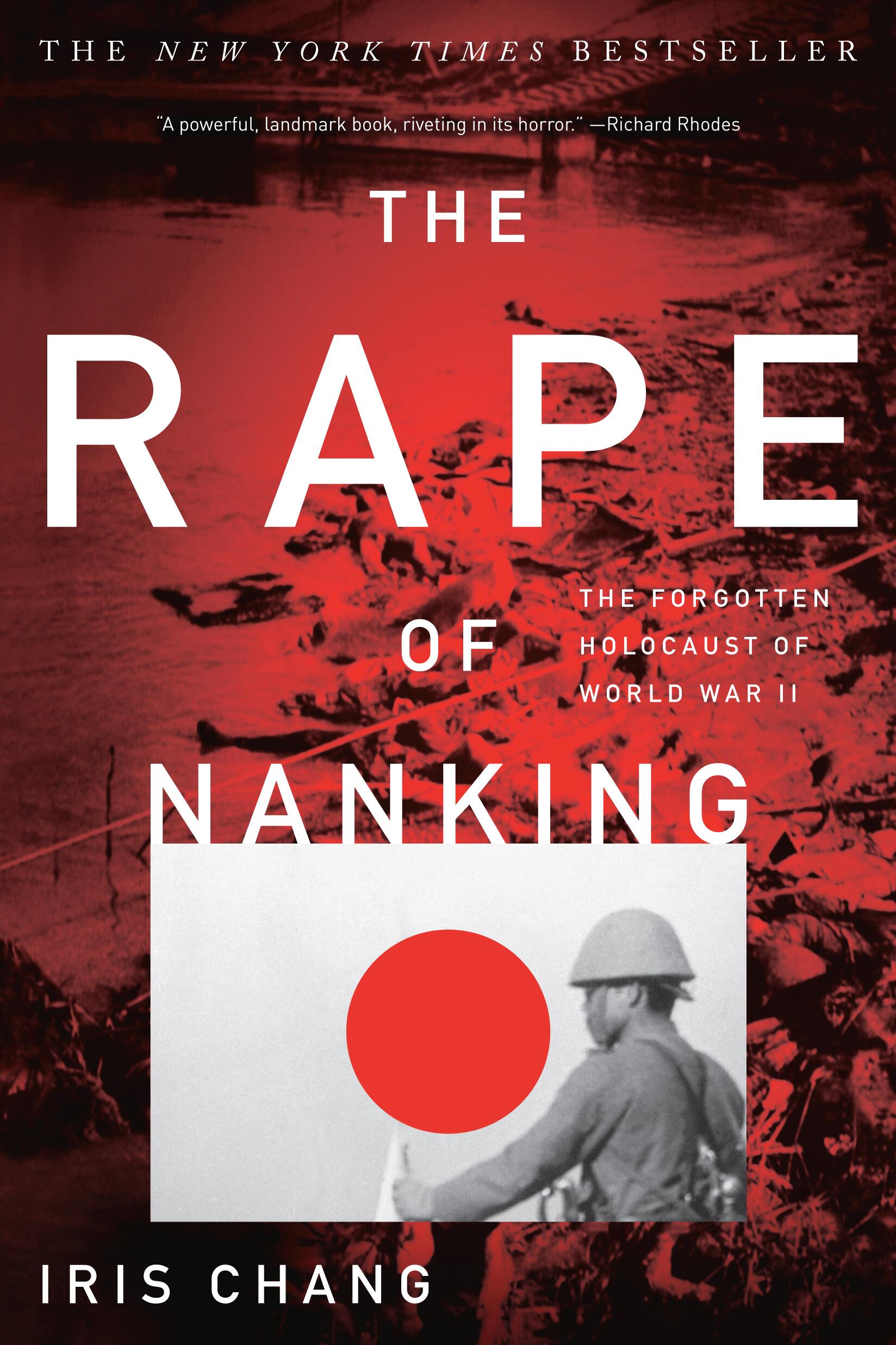
In the annals of history,certain events linger like shadows,beckoning us to confront their truths,no matter how uncomfortable they may be. Iris Chang’s poignant narrative, “The Rape of nanking,” thrusts one such dark chapter into the light, compelling readers to grapple with the atrocities of the Second Sino-Japanese War. With a meticulous blend of personal accounts,historical research,and a visceral narrative style,Chang invites us to bear witness to the horrors that unfolded in Nanking,a city that became synonymous with suffering and resilience during the bleak winter of 1937-1938. This review seeks to navigate the intricate layers of Chang’s work, examining not just the harrowing events she recounts, but also the broader implications of memory and accountability in the storytelling of history. As we explore the depths of “The Rape of Nanking,” we must consider how Chang’s voice shapes our understanding of this painful past,prompting a necessary reflection on the human capacity for both inhumanity and compassion.
Exploring the Historical Context Behind the Atrocities of Nanking

To understand the harrowing events of the Nanking Massacre, one must delve into the intricate socio-political landscape of early 20th-century China. The backdrop of this atrocity is painted with nationalistic fervor, imperialist ambition, and the chaos following the collapse of the Qing Dynasty. The rise of the Japanese Empire, asserting itself militarily following the Frist Sino-Japanese War, set the stage for a brutal conquest marked by an unyielding appetite for expansion. as Japan invaded Chinese territories, particularly in the late 1930s, the notion of total war morphed public policy into one that disregarded human rights, effectively institutionalizing violence against Chinese civilians. This resulted not only in military strategies that favored brutality but also in a pervasive dehumanization of the Chinese populace, which normalized the concept of collateral damage in warfare.
Amidst this turmoil,the cultural identity of China faced a profound crisis. The vacuum left by political instability and the fragmented national identity made the populace vulnerable to acts of extreme violence. Some of the key factors contributing to this tragedy include:
Best-Selling Books in This Category



- Lombardo, Claire (Author)
- Military Superiority: japan’s military advancements emboldened troops to commit acts of unspeakable cruelty.
- Weakness of the Chinese Government: The nationalist government struggled to unify and protect its citizens.
- International Indifference: The international community largely turned a blind eye to the atrocities, failing to provide timely intervention.
This complex interplay between power dynamics, cultural identity, and international relations ultimately elucidates the dark historical context that facilitated the Nanking Massacre. Recognizing these elements is vital in understanding how atrocities can emerge from the abyss of human conflict.
The Power of personal Narratives in Iris chang’s Unflinching Examination

Iris Chang’s incisive exploration of historical atrocities is illuminated through the prism of personal narratives, which serve as both a stark reminder and a powerful vehicle for empathy. In her examination of the Rape of Nanking, she masterfully weaves individual accounts into the broader tapestry of suffering, creating a visceral connection between the past and present. These narratives are not mere annotations of history; they breathe life into statistical data, turning abstract figures into relatable human experiences. Through the voices of survivors, Chang transcends the traditional confines of historical writing, encouraging readers to confront the uncomfortable truths of wartime brutality and its lasting impact on collective memory.
Personal stories embedded within Chang’s text highlight the resilience and anguish experienced by those who lived through the horrors of Nanking. The vivid recounting of events not only honors the victims but also serves as a call to remember and reflect. Chang’s use of first-hand testimonies and eyewitness accounts underscores the importance of individual experiences in shaping historical discourse. By centering these voices, she challenges readers to grapple with the complexities of humanity—both its capacity for cruelty and its potential for compassion. This integration of personal narratives ultimately reinforces the need for historical awareness and advocacy, ensuring that such atrocities are not repeated.
Unpacking the Emotional Weight of Survivor Testimonies

The emotional depth of survivor testimonies serves as a powerful anchor for understanding the events described in Iris Chang’s poignant narrative. Each account encapsulates the raw horror of human experience,evoking feelings of anguish,resilience,and the struggle for justice. As we delve into the voices of those who lived through the atrocities, we confront the multifaceted impacts of trauma. The survivors’ words are not mere recollections; they are living legacies that demand attention. Their stories transcend time, forging a connection between past and present, compelling readers to reflect on the importance of remembering history to prevent its repetition.
In presenting these testimonies, Chang invites us to not only bear witness but also to engage with the complex emotional landscape that survivors navigate. The weight of their experiences is palpable, revealing the psychological toll of violence and oppression. To illustrate this dynamic, consider the following table showcasing key themes found in survivor accounts:
| Theme | Description |
|---|---|
| Resilience | A profound capacity to endure despite unimaginable suffering. |
| Isolation | The feeling of being alone in their trauma, even among loved ones. |
| Hope | The persistent desire for justice and recognition of their suffering. |
Exploring these themes allows readers to grasp the nuances of emotional weight carried by the survivors and encourages a broader conversation on the long-term effects of historical trauma. By engaging deeply with these testimonies, we find not only an authenticity grounded in pain but also a beacon of hope that reinforces the need for collective remembrance and healing.
A Detailed Analysis of the Impact of War on Cultural Identity

The devastation wrought by warfare extends far beyond the battlefield; it seeps into the very fabric of cultural identity. In Iris Chang’s ‘The Rape of nanking’, we witness how horrific acts of violence can erode the collective memory and historical consciousness of a people. The atrocities committed during the Nanking Massacre not only shattered lives but also left a scar on the Chinese identity. This confrontation with such traumatic history forces communities to grapple with their heritage and cultural narratives, frequently enough leading to a profound sense of loss and dislocation. Cultural practices, traditional values, and communal ties are challenged, as survivors and their descendants wrestle with the dual burden of remembering the past while striving to forge a future.
Moreover, the impact of war on cultural identity can manifest in various forms, including the reshaping of art, literature, and personal testimony. Chang emphasizes the importance of storytelling as a means of reclamation, where the act of documenting horror becomes a pathway for healing and identity reconstruction. The voices of the victims serve as a reminder of resilience amidst suffering, fostering a renewed sense of cultural pride.Additionally,the aftermath of such events often sparks debates over representation and interpretation,leading to a wider discourse on historical narratives,national identity,and the necessity of remembrance in the face of profound tragedy.
The Role of Memory and Remembrance in Healing Historical Trauma
Memory serves as both a sanctuary and a battlefield in the quest for healing historical trauma. In the case of Iris Chang’s poignant account, the retelling of the Nanking Massacre becomes a conduit for collective memory, forcing both individuals and societies to confront the shadows of their past. The act of remembrance is not merely a passive reflection; it is a vital practice that recovers lost narratives and honors the suffering of those who endured unimaginable horrors. By documenting these experiences, Chang challenges her readers to grapple with the implications of silence and complicity, reminding us that healing necessitates acknowledgment.
Moreover, the process of remembrance allows communities to forge a path toward reconciliation and understanding. It creates space for dialog, empowering survivors and descendants to share their stories, fostering empathy across generational lines. This engagement can catalyze transformative actions, such as educational initiatives and commemorative events, that further solidify the importance of these histories in contemporary society.The interplay between suffering and remembrance underscores the profound necessity of collective healing and serves as a reminder that the past is never truly buried. Embracing the narrative of trauma can lead to an informed future where such atrocities are neither repeated nor forgotten.
Critique of the Historical Accountability in Chang’s Work

In examining Iris Chang’s work, it’s crucial to consider the portrayal of historical accountability. While The Rape of Nanking serves as a visceral account of the atrocities committed during the Nanking Massacre, it raises questions around the representation of responsibility among various actors. Chang’s narrative, while emotionally powerful, sometimes shifts focus primarily toward the perpetrators without adequately addressing the broader societal and political contexts that enabled such horrors. This approach risks simplifying the complex nature of historical accountability, which extends beyond individual actions to encompass systemic failures and collective complicity.
Furthermore, Chang’s reliance on survivor testimonies and graphic descriptions is a double-edged sword.On one hand,it humanizes the victims and evokes empathy; on the other hand,it may overshadow the necessary critical analysis of the geopolitical circumstances of the time. Readers are left with a compelling story that highlights the brutality but may struggle with discerning the nuanced layers of historical responsibility. Considerations include:
- Media representation - How narratives shape public understanding of history.
- Government complicity – The role of state actors in both perpetration and denial.
- Historical revisionism – Attempts to contest or downplay the events of Nanking.
Visual and emotional Imagery: How Descriptions Shape Reader experience
The power of imagery in literature lies in its ability to conjure vivid scenes and evoke deep emotional responses. In “The Rape of Nanking,” Iris Chang employs an array of visual descriptions that pull readers into the harrowing realities of war. Consider the visceral portrayals of the Nanking Massacre,where the juxtaposition of serene landscapes and horrific violence creates a jagged contrast. Through detailed depictions of suffering, readers are transported into a world where humanity teeters on the brink of extinction, forcing them to confront the stark realities faced by victims. The relentless, haunting imagery of blood-soaked streets and the terrified expressions of innocent civilians become imprinted on the reader’s mind, ensuring that the event is not merely a distant historical fact but a lived experience that lingers long after the last page is turned.
Equally compelling is the emotional resonance that Chang masterfully weaves into her narrative. The capacity for description to evoke empathy is paramount in her storytelling, as she paints the emotional anguish of the survivors through phrases that capture their deep despair, longing for justice, and the guttural pain of loss. Readers may find themselves grappling with feelings of outrage and sorrow, which serve to anchor historical facts in personal experience. The following table illustrates significant emotions portrayed in the text alongside their corresponding descriptive imagery:
| Emotion | Imagery Description |
|---|---|
| Outrage | “Their screams echoed in the silence of the night, like a haunting melody of despair.” |
| Sorrow | “Eyes filled with tears, reflecting the shattered dreams of a lost generation.” |
| Helplessness | “The weight of despair hung heavy,each moment stretched taut with the burden of survival.” |
By weaving these rich illustrations together with emotional depth, Chang not only informs but transforms the reader’s understanding, making the narrative an urgent call for remembrance and justice.
The Influence of Documented Evidence on Public Perception

The impact of documented evidence on public understanding cannot be understated, particularly in the case of historical atrocities depicted in works like iris Chang’s *The Rape of Nanking*. Chang meticulously compiled eyewitness accounts, official documents, and survivor testimonies to paint a vivid picture of the events that transpired during the Second Sino-Japanese War. This rigorous documentation transforms personal narratives into collective memory, unveiling the harsh realities that can frequently enough be overshadowed by time and political agendas. By grounding her narrative in substantiated evidence, Chang provides readers with a framework for empathy, encouraging them to confront uncomfortable truths rather than dismiss them.
Moreover, the dissemination of such documented evidence creates a ripple effect, shaping public discourse and influencing societal values.It nurtures a demand for accountability and reconciliation, prompting discussions on reparations and justice for the victims. as societal memory is reconstructed through shared narratives, a more informed public emerges—one that recognizes the weight of history and its implications for contemporary issues. Key contributing factors to this conversion include:
- Awareness: Enhanced understanding of past atrocities fosters informed dialogue.
- Empathy: Personal testimonies evoke human compassion, bridging cultural divides.
- Advocacy: documented evidence empowers movements advocating for justice and recognition.
Engaging with the Controversial Responses to the Book

The publication of iris Chang’s *The Rape of Nanking* ignited a flurry of reactions, some intense and divisive, reflecting varying perspectives on historical narratives and cultural memory. Critics of the book often argue that Chang’s portrayal of the events leads to a one-dimensional representation of the Japanese people during World War II, overshadowing the multifaceted nature of historical atrocities. This has sparked discussions around the necessity of balanced accounts that include perspectives from multiple sides,which can sometimes be lost in powerful narratives that emphasize suffering and victimhood. These critiques raise significant questions about the responsibility of authors to provide a comprehensive view of history without undermining the emotional weight of the experiences of survivors.
Conversely, advocates for Chang’s work highlight its role in shedding light on overlooked atrocities, arguing that such narratives are essential in confronting uncomfortable truths, particularly when they involve egregious violations of human rights. They contend that the emotional resonance of Chang’s writing mobilizes empathy and urges readers to confront the burdens of historical memory. This has prompted a broader dialogue regarding the role of literature in societal healing and historical reckoning. Such discourse invites readers to reflect on their own responses to historical content, potentially encouraging deeper engagement with the complexities surrounding events like the Nanking Massacre.
| Position | Arguments |
|---|---|
| Critics |
|
| Advocates |
|
The Ethical implications of Storytelling in Historical Non-Fiction
are profound, particularly as exemplified by Iris chang’s gripping narrative in The Rape of Nanking. When recounting deeply traumatic events, authors face the dual responsibilities of honoring the truth and the victims while ensuring that their narratives do not exploit or sensationalize horror for shock value. This tension raises several critical considerations, such as:
- Authenticity of Voices: How does one accurately portray the experiences of those affected without imposing an author’s bias?
- Impact on Survivors: What are the potential consequences for survivors and their families when painful histories are brought to light?
- Ethical Responsibility: To what extent should an author hold themselves accountable for the historical narrative they present?
Moreover, storytelling in this context requires careful navigation of cultural sensitivities and historical accuracy. Chang’s work exemplifies the need for a compassionate approach that prioritizes the lives and stories of individuals. A thoughtful examination of the following factors is essential:
| factor | Consideration |
|---|---|
| Contextualization | How the history is situated within broader socio-political frameworks. |
| emotional Resonance | The balance between conveying emotion and maintaining objectivity. |
| Legacy | The long-term implications of sharing these narratives on collective memory. |
Recommendations for further Reading on Nanking and World War II
For those who seek to delve deeper into the history surrounding Nanking and the broader context of World War II,a collection of compelling literature awaits your exploration. Iris Chang’s ‘The Rape of Nanking’ serves as a crucial starting point,illuminating the horrors faced during that dark period. Alongside Chang’s seminal work, consider the following titles that expand upon the themes of trauma, memory, and resilience:
- ‘The Nanking Massacre: A Japanese Journalist Confronts Japan’s National Shame’ by Katsuichi Honda – This book provides a counter-narrative from within Japan, offering insights into the national discourse regarding the atrocities.
- ‘The Man Who Stole a Mountain’ by david Lee – A gripping exploration of war crimes linked to the Nanking” upheaval and the resultant sociopolitical upheaval.
- ‘Nanking 1937: A Love Story’ by Ha Jin – This novel beautifully intertwines historical fiction with heartfelt storytelling, capturing both the devastation and human connection amidst chaos.
- ‘The Rape of Nanking: The Forgotten Holocaust of World War II’ by Iris Chang (the revised edition) – For those who wish to revisit this poignant work, the updated edition includes new insights and reflections on the impact of Chang’s writing.
In addition to these books,films and documentaries can enrich your understanding of the Nanking Massacre. A valuable resource is the documentary ‘Nanking’, which compellingly narrates survivor testimonies and contextualizes the atrocities with historic footage.To further aid your exploration, here is a concise table of noteworthy films and their themes:
| film Title | Year | Themes |
|---|---|---|
| ‘Nanking’ | 2007 | survivor Testimonies, Historical Context |
| ‘City of Life and Death’ | 2009 | Human Struggle, Moral Ambiguity |
| ‘The Flowers of War’ | 2011 | Human Resilience, Sacrifice |
Insight into Iris Chang’s Life and the Motivation Behind Her Writing

Iris Chang’s journey as a writer was deeply influenced by her upbringing and a profound sense of responsibility to bear witness to historical atrocities. Growing up in a Chinese-American family, she was frequently exposed to tales of personal and collective struggles faced by her ancestors.These narratives shaped her understanding of cultural identity and the moral imperative to document the past. Chang’s drive to uncover the truth was propelled by her innate empathy and her belief that storytelling coudl shine a light on the darkest corners of human history. As she delved into the events surrounding the Nanjing Massacre, she sought not just to recount the horrors endured by the victims, but to challenge the silence that had enveloped this atrocity for decades.
Through her meticulous research and compelling prose, Chang’s work serves as both a historical account and a requiem for the victims.Her ability to bring to life the harrowing experiences of those who suffered in Nanking is remarkable; she employed a combination of *interviews,personal narratives,* and *historical records* to create a comprehensive view of the tragedy. Chang’s writing is an act of defiance against the erasure of memory, reminding readers that the past cannot be forgotten. This urgency resonates throughout her work, driving her to advocate for acknowledgment and remembrance. Ultimately, her dedication to justice and truth transcends mere historical reporting, urging society to recognize the impact of violence and the essential need for healing and reconciliation.
to Wrap It Up
As we delve into the haunting pages of “The Rape of Nanking,” Iris Chang’s meticulous research and heartfelt narrative serve as a powerful reminder of the atrocities that can unfold in the shadows of history. Her work not only sheds light on the brutal events of 1937 but also urges us to confront our collective memory and the weight of silence that often follows tragedy. By unveiling these dark truths,chang invites readers to reflect on the past and consider the lessons that must not be forgotten.
In closing, “Unveiling Darkness” is not merely a review; it is a call to acknowledge the depths of human suffering and resilience. It encourages us to bear witness, to remember, and to ensure that such horrors are never repeated. Chang deftly challenges us to engage with the complexities of history, compelling us to seek understanding amidst the darkness. Remember, the stories of the past shape our present, and it is through the lens of remembrance that we can hope to illuminate a more compassionate future.