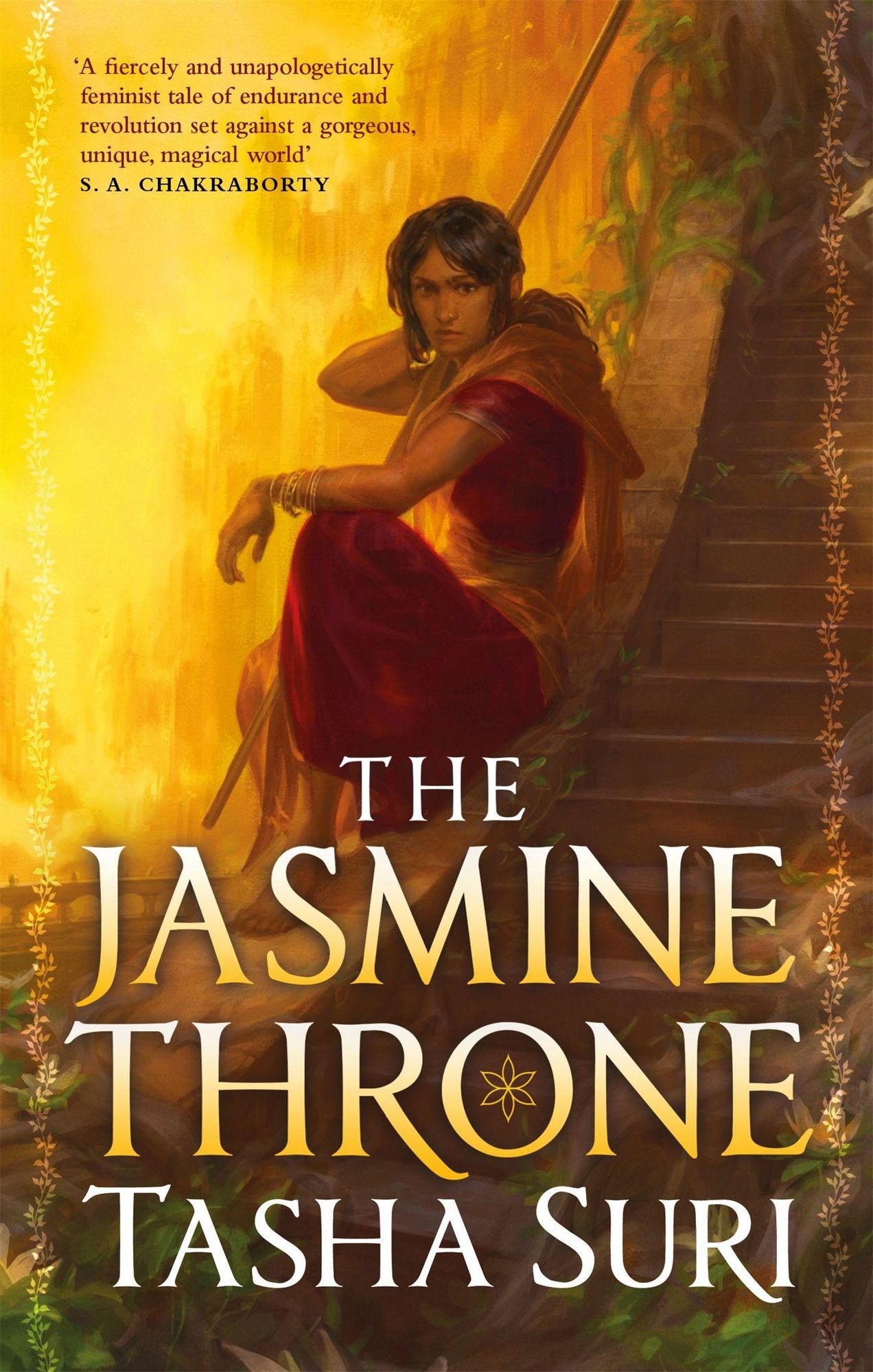
In the sprawling landscape of contemporary fantasy, few novels manage to weave political intrigue and raw emotion with the delicate precision of Tasha Suri’s The Jasmine Throne. A tale that pulses with power, secrets, and the unyielding struggle for agency, this debut invites readers into a richly imagined world where every whispered alliance and hidden truth shapes destinies. In this review, we delve beyond the vibrant prose and complex characters to explore how The Jasmine Throne unravels conventional fantasy tropes, revealing a story as intricate as the silk threads of a royal tapestry.
Exploring the Intricate Worldbuilding and Rich Cultural Inspirations Behind The Jasmine Throne’s Setting

The setting of The Jasmine Throne is a tapestry woven from the vibrant threads of South and southeast Asian cultures, creating a world that pulses with authenticity and depth. Tasha Suri doesn’t merely borrow elements; she reimagines them, infusing her narrative with a lush sensory experience that feels both familiar and magically new.From intricate palace rituals to the evocative descriptions of spices, textiles, and religious symbolism, every detail offers readers a portal into a richly constructed realm where power is as much about ancestral legacy as it is about political maneuvering.
At the heart of this worldbuilding lies a complex social hierarchy and a pantheon of deities that reflect the multifaceted nature of faith and governance. Below is a glimpse into some key cultural elements that shape the narrative’s landscape:
Best-Selling Books in This Category


- Royal Court Customs: Elaborate ceremonies blend devotional practices with political strategy.
- spiritual Traditions: Faith is portrayed as a living force, influencing characters’ decisions and worldviews.
- Artisan Crafts: Textiles, jewelry, and architecture symbolize status and identity within the empire.
- Language and Names: Rooted in linguistic traditions that enhance authenticity and cultural resonance.
| Element | Inspiration | Impact |
|---|---|---|
| Palace Gardens | Mughal & Rajput influences | Symbolize control over nature & serenity amidst conflict |
| Religious Rituals | Hindu & Buddhist motifs | Express themes of sacrifice and devotion |
| Textile Patterns | Traditional Indian block prints | Illuminate social status and personal identity |
A Deep Dive into the Complex Characters and Their Interwoven Journeys of Power and Betrayal
At the heart of The Jasmine Throne lies a rich tapestry of characters whose motives and desires spiral into a labyrinth of intrigue. From the exiled princess brimming with quiet defiance to the captive priestess wielding forbidden powers, every individual challenges traditional archetypes with nuanced layers of vulnerability and strength. Their internal struggles are expertly woven together, crafting a narrative where trust is a scarce commodity and alliances are as fragile as thay are strategic. The delicate balance of power is not only external but intensely personal, reflecting the cost of survival in a world where loyalty is currency and betrayal a constant shadow.
The complexity of these figures is mirrored in their intertwined destinies, forming a dynamic ecosystem of shifting loyalties and secret ambitions. Through unexpected unions and fraught confrontations, the novel explores how history and personal pain shape decisions that alter the course of kingdoms. Below is a brief breakdown of the central players and their key attributes, revealing the delicate roles they play in this enthralling struggle:
- Priya, the Captive Priestess: Enigmatic and resourceful, she commands dark magic while wrestling with her identity and the weight of prophecy.
- Malini, the Exiled Princess: Fierce and introspective, her quest for justice unsettles the throne’s status quo.
- King Varun: Ruthless and calculating, a ruler whose paranoia fuels both protection and devastation.
- General Arjun: loyal yet conflicted,embodying the tension between duty and conscience.
| Character | Primary Motivation | Relationship Dynamics |
|---|---|---|
| Priya | Survival & Power | Allies with Malini, Distrusts King |
| Malini | Revenge & Redemption | Dependent on priya, Opposes King |
| King Varun | Dominion & Control | Manipulates General Arjun |
| General Arjun | Honor & Duty | Torn between King and Conscience |
Unpacking the Themes of Imperialism, Oppression, and Rebellion That Drive the narrative Forward
At the heart of the story lies a complex interplay between empire and resistance, where the weight of an oppressive regime looms over every decision and alliance. Suri masterfully crafts a world where power is both coveted and corrupting, and the consequences of imperialism ripple through the characters’ lives like an unrelenting tide.The novel explores how systems built on subjugation not only crush bodies but also extinguish hope, making every act of defiance-a whispered secret, a stolen glance, a calculated rebellion-a spark of light in an otherwise darkened realm.
- Imperialism’s multifaceted grip: It’s not just about dominion but about erasing identity and silencing voices.
- Oppression as a lived reality: Everyday survival becomes a revolutionary act, pushing characters toward unexpected alliances.
- Rebellion as conversion: the uprising is not mere chaos; it’s a radical reimagining of what freedom could mean.
| Theme | Manifestation in the Story | Impact on Characters |
|---|---|---|
| Imperialism | Conquest of lands and cultures | Identity crisis, loss, and resistance |
| Oppression | Systematic silencing and exploitation | Hidden defiance, strategic submission |
| Rebellion | Uprisings and secret alliances | Hope, sacrifice, and renewal |
Examining the Poetic Writing Style That Evokes Vivid Imagery and emotional Depth Throughout the Novel
Tasha Suri’s prose dances with a lyrical grace that effortlessly conjures vivid scenes, making each setting pulse with life. Her masterful command of sensory detail transforms mundane moments into immersive experiences:
- The scent of jasmine mingling with the sharp tang of salt air, hinting at hidden gardens and oceanic mysteries.
- Velvet dusk skies painted in bruised purples and bleeding oranges,evoking a sense of foreboding calm before chaos.
- The soft rustle of silk against skin, grounding the reader in tactile reality while opening doors to cultural richness.
Each image is a brushstroke on a canvas of intricate emotions, allowing readers to dwell in the tension between desire and duty. The prose does not merely describe; it embodies the characters’ inner landscapes, making their fears and passions almost tangible. Through this evocative style, love becomes a living flame-both a source of warmth and potential destruction-while power pulses uneasily beneath every spoken word.
| Literary Device | Effect | Example |
|---|---|---|
| Imagery | Paints detailed sensory scenes | “Fragrant jasmine blossoms shivered under moonlight.” |
| Metaphor | Expresses complex emotions | “Power is a double-edged thorn, drawing blood as easily as breath.” |
| Rhythmic pacing | Mirrors emotional intensity | Varies sentence length to create tension and release. |
The Role of Magic and Mysticism in Shaping the Story’s Political and Personal Conflicts
Magic in The Jasmine Throne is more than mere spectacle; it acts as a catalyst that intensifies the tangled web of political intrigue and personal vendettas. Throughout the narrative, mystical forces intertwine with the ambitions of rulers and rebels alike, blurring the lines between power wielded openly and secrets kept in shadows.This interplay crafts a world where the arcane becomes a form of currency-both coveted and feared. The infusion of mysticism elevates conflicts beyond traditional political maneuvering, transforming every alliance and betrayal into a move on a chessboard where unseen energies influence the outcome.
At its core, the novel’s magic challenges characters’ identities and loyalties, revealing the fragility beneath their public facades. Consider the following elements that showcase how mysticism shapes the story:
- Enchanted artefacts that shift the balance of power during crucial confrontations
- Secrets drawn from ancestral magic, unearthing truths that alter alliances
- Spiritual rituals, which expose vulnerabilities and test trust between allies
- Magical oppression and control, acting as metaphors for the larger societal struggles at play
| Magic Aspect | Impact on Political Conflict | Impact on Personal Conflict |
|---|---|---|
| Forbidden Rituals | Undermine royal authority | Fuel inner turmoil and guilt |
| Prophetic Visions | influence decision-making | Heighten anxiety and doubt |
| Arcane Bonds | Create uneasy alliances | Test personal loyalties |
How The Jasmine Throne Challenges Traditional Fantasy Tropes with Its Nuanced Female Protagonists
Tasha Suri masterfully subverts the typical heroic mold by breathing life into her female leads, who are neither flawless nor archetypically virtuous. These characters operate within the gray areas of morality, driven by complex emotions and ambitions. Unlike traditional fantasy heroines confined to roles of saviors or passive nobles, the women in this narrative weave their destinies with *quiet power* and *unspoken resilience*. Their struggles are intimate yet epic, marked by internal conflicts and difficult choices that ripple through the kingdom’s fate. This intricate portrayal invites readers to witness not simplistic triumphs, but the nuanced intersections of vulnerability, courage, and political cunning.
The novel’s approach also challenges gender expectations by presenting female characters who defy one-dimensional stereotypes:
- Ambition without shame: Women who openly strive for authority without sacrificing their agency or desires.
- Collaboration over rivalry: Relationships built on mutual respect and strategic alliances instead of clichés of catty competition.
- Power in vulnerability: Embracing emotional depth as a source of strength, not weakness.
This portrayal reinforces that power in Suri’s world is multifaceted, and female characters navigate it as layered individuals, not mere plot devices. Their nuanced depictions enrich the fantasy genre,offering refreshing perspectives on what it means to wield influence and forge identity.
| Traditional Trope | Suri’s reinvention |
|---|---|
| Infallible Heroine | Flawed, self-questioning leaders |
| Female Rivalries | Complex alliances and empathy |
| Victimhood | Active agents of change |
Balancing Dark intrigue and Moments of Tenderness to Create a Compelling and Layered Storytelling Experience
Tasha Suri masterfully intertwines shadowy intrigues with profound emotional depth,crafting a narrative that refuses to settle into a single mood. The novel’s dark corridors conceal not just political machinations but also the raw, fragile hopes of its characters. This delicate balance is achieved through nuanced character interactions that explore vulnerability amid power struggles. The tension between ambition and affection plays out with a subtlety that enthralls, making the story as much about whispered secrets as about stolen glances and moments of unexpected kindness.
These contrasting layers enrich the reading experience, inviting readers to linger between the lines and savor these fleeting sparks of tenderness.Consider how the interplay between darkness and light unfolds:
- Power dynamics drive suspense, yet moments of empathy humanize even the most formidable figures.
- Intricate political schemes contrast with intimate personal revelations, deepening emotional engagement.
- Relentless tension is periodically softened by genuine connections, offering relief without undermining stakes.
| Element | Impact |
|---|---|
| Dark Intrigue | Heightens suspense and conflict |
| Moments of Tenderness | Builds character depth and reader empathy |
| Layered Storytelling | Keeps narrative compelling and unpredictable |
Specific Recommendations for Readers Seeking Immersive Fantasy Novels That Blend Politics and Mythology
For readers drawn to narrative tapestries where political intrigue and ancient myths are woven seamlessly, the Jasmine Throne delivers an experience both rich and revelatory. Suri’s world-building immerses you in a realm where the delicate balance of power teeters on whispered alliances and forgotten legends, turning every gesture and secret into a catalyst for upheaval. The novel’s layered characters embody the moral complexities of leadership, while the mythological elements infuse the story with a timeless resonance that elevates the stakes beyond mere throne games.
To enhance your journey through this multifaceted tale, consider exploring works that echo its deft fusion of politics and fantasy.Here are a few essential companion reads that complement Suri’s style and tone:
- “The Priory of the orange Tree” by Samantha Shannon – an epic blend of dragons and courtly power struggles.
- “The Goblin Emperor” by Katherine Addison – a nuanced exploration of court politics through the lens of unexpected rulership.
- “The Curse of Chalion” by Lois McMaster Bujold – where divine intervention and royal destiny collide.
| Key Aspect | Why It Resonates |
|---|---|
| Political Complexity | Intricate plots that challenge the reader’s perceptions of power and loyalty |
| Mythological Depth | Ancient lore that drives character motivations and world history |
| Character-driven | Multi-dimensional protagonists who navigate both personal and political battles |
Analyzing the Pacing and Plot Structure That Keeps Readers Engaged From Start to Finish
Tasha Suri masterfully balances moments of tension and calm, crafting a rhythm that mirrors the ebb and flow of the novel’s emotional core. The pacing is neither rushed nor stagnant; rather, it allows readers time to fully immerse in the intricacies of the characters’ motivations and the lush tapestry of the world they inhabit. This careful modulation avoids typical fantasy pitfalls-where sprawling world-building can bog down the story-by weaving essential details seamlessly into scenes that propel the narrative forward.Each chapter acts like a stepping stone, building anticipation while delivering satisfying payoffs that reinforce the stakes without overwhelming.
The plot structure employs a skillful interplay between multiple perspectives,which enriches the storytelling through varied lenses and internal conflicts. Key twists and revelations are strategically placed to maintain suspense, often emerging through:
- Interpersonal conflicts that reveal hidden loyalties and shifting power dynamics.
- Political intrigue that underscores the fragility of alliances and trust.
- Mythic elements that deepen the stakes and connect personal struggles to larger forces.
These elements combine in a layered narrative web, ensuring that readers remain invested from the first page to the final, breathtaking climax.
| Element | Impact on Engagement | Example in the Novel |
|---|---|---|
| Multi-viewpoint Narration | Provides emotional depth and contrasting viewpoints | Rai and Malini’s alternating chapters |
| Strategic Revelations | Maintains suspense and reader curiosity | Unveiling of secret alliances |
| Political Intrigue | Enhances tension and stakes | Power struggles within the empire |
The Use of symbolism and Metaphor to Enhance Themes of Power, Sacrifice, and Identity
Throughout The Jasmine Throne, suri masterfully weaves layers of symbolism that resonate deeply with the novel’s core themes. the recurring image of the jasmine flower,delicate yet intoxicating,serves as a metaphor for the characters’ intertwined fates-beauty that blooms amidst darkness,signaling both allure and hidden danger. This symbolism extends to the throne itself,an emblem of burden and authority,embodying the fragile balance of power and the sacrifices demanded by leadership. The richly detailed settings also act as living metaphors, with crumbling palaces reflecting decaying dynasties and internal decay mirroring the protagonists’ struggles with identity and loyalty.
Highlighting the nuanced use of metaphor, the narrative delves into the personal transformations of its characters through symbolic acts and objects. Consider the following table, which encapsulates key metaphors and their thematic meaning:
| symbol | Meaning | Theme |
|---|---|---|
| Jasmine flower | Beauty, secrecy, resilience | Identity & Power |
| Broken Throne | Shattered authority, sacrifice | Power & responsibility |
| Fire and Ash | Destruction, renewal | Sacrifice & Transformation |
- Fire as both a destroying force and a purifying agent reveals the complexity of sacrifice-painful yet necessary.
- Veils and Masks symbolize hidden identities and the facades maintained by those in power.
- Water frequently appears as a metaphor for cleansing and rebirth, reflecting the characters’ emotional journeys.
Through these rich layers of symbolism and metaphor, Suri elevates her narrative beyond a mere tale of political intrigue, inviting readers to explore the delicate balance of power, the costs of sacrifice, and the search for self that lies beneath the surface. This literary craftsmanship not only enhances emotional depth but also crafts a vivid tapestry where meaning unfurls in every carefully chosen detail.
Reflecting on The Jasmine Throne’s Impact Within Contemporary Fantasy and Queer Literature
The Jasmine Throne carves a distinct niche in contemporary fantasy by weaving intricate themes of power, rebellion, and identity alongside lush, immersive world-building. Unlike traditional fantasy narratives that often hinge on clear-cut heroes and villains, Tasha Suri invites readers into a complex interplay of motives and loyalties, where every character’s ambition is deeply human and relatable. This nuanced approach not only revitalizes the genre but also amplifies voices that have remained on the margins-notably those of queer characters whose desires and struggles are portrayed with authenticity and depth. By framing political intrigue and magical realism through the lens of queerness, the novel challenges conventions and encourages a reevaluation of the boundaries defining power and agency within fantasy landscapes.
importantly,Suri’s work contributes substantially to queer literature beyond representation alone. The narrative boldly explores themes of forbidden love, identity concealment, and the societal cost of secrecy, underscoring the emotional and political stakes for queer characters in patriarchal systems. This intersection fosters a richer, more inclusive reader experience, where themes resonate across both cultural and personal dimensions. The impact is palpable in how it inspires a new wave of fantasy that embraces diverse identities and celebrates stories where the subversive and the sacred coexist seamlessly.
| Aspect | Impact on Fantasy | Contribution to Queer Literature |
|---|---|---|
| Character Complexity | Multi-layered protagonists blurring hero/villain lines | Authentic queer identities portrayed beyond stereotypes |
| Thematic Depth | Power and rebellion infused with cultural richness | Exploration of secrecy, love, and societal oppression |
| World-Building | Unique magical system intertwined with political intrigue | Creates space for queer narratives within fantasy realms |
| Narrative Influence | Inspires genre to embrace complex moral landscapes | Elevates queer storytelling as central, not peripheral |
why Tasha Suri’s Voice Shines as a Unique and Vital Force in Modern Fantasy Fiction
Tasha Suri weaves her narratives with a voice that feels both deeply intimate and expansively epic, capturing the rich textures of culture, identity, and power dynamics with an authenticity rarely seen in modern fantasy. Her prose effortlessly bridges the lushness of traditional world-building with a probing, contemporary emotional intensity. Her characters are not just vessels for plot but are living, breathing entities whose desires and fears reverberate long after the last page is turned. Through intricate storytelling steeped in South Asian-inspired lore,Suri challenges genre conventions,offering fresh perspectives on authority,resistance,and the nuances of sovereignty in a world teetering between tyranny and liberation.
What elevates her voice to a vital force in the fantasy landscape is her commitment to layered representation and moral complexity. Rather than painting heroes and villains in stark black and white, Suri invites readers into a spectrum of motivations and consequences, making each choice weighty and real. Below is a glimpse of key facets that highlight why her narrative style is revolutionary:
- multidimensional female protagonists who defy archetypal restraints.
- Mythology interwoven with political intrigue, enriching her storytelling fabric.
- A nuanced exploration of power’s cost, both personal and societal.
- poetic language that elevates every scene, painting vivid emotional landscapes.
| Element | Impact | Example in The Jasmine Throne |
|---|---|---|
| World-building | Immersive and rich | Azad lands teeming with history and magic |
| Character Depth | Emotionally complex | Priya and Malini’s intertwined destinies |
| Thematic Layers | thought-provoking | Power, colonialism, and identity |
In the intricate dance of power and secrecy that Tasha Suri choreographs throughout The Jasmine Throne, readers are invited to navigate a world both haunting and mesmerizing. This review has only skimmed the surface of the novel’s layered narrative, where every whispered alliance and veiled ambition carries weight. Whether you find yourself captivated by the blossoming of unlikely alliances or drawn to the shadows where true motives hide, The Jasmine Throne stands as a formidable tale of strength and vulnerability entwined. As the final page turns, the echoes of its stories linger-inviting reflection on the cost of power and the secrets we keep along the way.