In the vast landscape of historical narratives, certain stories emerge that challenge us to reflect on the depths of human endurance and compassion. The Tattooist of Auschwitz, a novel that delves into one of history’s darkest chapters, invites readers into an intimate portrayal of life within the Auschwitz concentration camp. In this review, we embark on a thoughtful exploration of the book’s themes, character portrayals, and its delicate balance between history and fiction, aiming to uncover how it contributes to our understanding of humanity amid unimaginable hardship.
Exploring the Emotional Depths of The Tattooist of Auschwitz and Its Impact on Readers’ Understanding of History
The narrative of The Tattooist of Auschwitz plunges readers into the harrowing reality of the Holocaust, yet it is indeed through the human experiences woven delicately into the plot that the story attains profound emotional resonance. The protagonist’s role as the tattooist-branding prisoners with indelible marks-becomes a chilling metaphor for loss, identity, and survival. This intimate viewpoint allows readers to empathize with the victims beyond mere historical facts, illuminating the raw emotions beneath the surface of recorded events. Readers are compelled not only to witness the cruelty but to understand the resilience and quiet acts of courage that flickered amidst the darkness.
- Emotional immersion: The book’s detailed personal accounts invite readers to connect deeply with individual stories.
- Humanizing history: It presents the complex emotions of hope, love, and despair within a brutal context.
- Reflective impact: Encourages readers to contemplate the moral ramifications and lasting effects of prejudice and dehumanization.
By blending meticulous historical details with rich emotional storytelling, the novel reshapes the reader’s understanding of the Holocaust into a personal journey of survival and empathy.The tactile imagery of the tattooist’s duties paired with poignant acts of kindness illustrate a paradox of humanity in inhumane conditions. This duality deepens the historical comprehension, turning abstract statistics into names, faces, and untold stories. The book becomes a bridge – from the past to the present – urging readers to internalize lessons about identity, memory, and compassion.
| Element | effect on Reader |
|---|---|
| Personal Narrative | Fosters empathy beyond historical detachment |
| Historical Accuracy | Builds credibility and immersive realism |
| Symbolism of Tattooing | Represents loss of identity and resilience |
| Acts of Humanity | Highlight hope amidst tragedy |
How the Narrative Structure Enhances the Storytelling and Maintains Reader Engagement Throughout the Book

Best-Selling Books in This Category


The narrative structure of The Tattooist of Auschwitz masterfully interweaves multiple perspectives, allowing readers to connect deeply with the characters’ emotional journeys. By alternating between the protagonist’s introspective moments and the broader horrors surrounding the concentration camp, the story avoids stagnation and continually renews interest. This careful balance of personal reflection and historical context creates a rhythm that mimics the unpredictability of life under extreme oppression, keeping the reader emotionally tethered throughout the book.
Moreover, the carefully paced revelations and subtle foreshadowing techniques build a steady momentum that enhances suspense without overwhelming the reader. The use of concise chapters and strategic cliffhangers compels readers to keep turning pages, eager to uncover what lies ahead. Consider the following elements that exemplify this approach:
- Alternating viewpoints: Provides varied emotional depth.
- Temporal shifts: Facilitates a layered understanding of events.
- Balanced pacing: Maintains tension and breathing space.
- Emotion-driven narration: Encourages empathy and investment.
| technique | Effect on Reader | example |
|---|---|---|
| Foreshadowing | Builds suspense | Hints before major events |
| Cliffhangers | Encourages continued reading | Chapter endings with unresolved tension |
| Intimate narration | Increases emotional connection | First-person reflections |
A Closer Look at Character Development and the Portrayal of Resilience Amidst unimaginable Hardship
Through the lens of Lale Sokolov’s harrowing journey,the narrative meticulously constructs characters who are not merely survivors but embodiments of complex humanity. Each individual is layered with fears,hopes,and moral dilemmas that transcend the stark setting of a concentration camp. The author’s skillful portrayal reveals that resilience here is not a monolithic trait but a multifaceted spectrum-ranging from small acts of kindness to profound sacrifices. This nuanced character development allows readers to witness how despair can coexist with determination, and how the spirit can flicker even in the darkest moments.
Key elements highlighting resilience include:
- Quiet resistance through preserving identity and language
- Fragile bonds of trust amid suspicion and loss
- Moments of humanity shining through in acts of compassion
- Internal struggles balancing survival instincts with morality
| Character | Resilience Manifestation | Symbolic Meaning |
|---|---|---|
| Lale Sokolov | Preserving hope by tattooing names with care | Humanity amidst dehumanization |
| Gita | Maintaining emotional strength through love | Love as survival mechanism |
| Other prisoners | Small acts of rebellion and solidarity | Collective defiance |
The Role of Historical Accuracy in Shaping the Authenticity and Credibility of the Novel’s Events
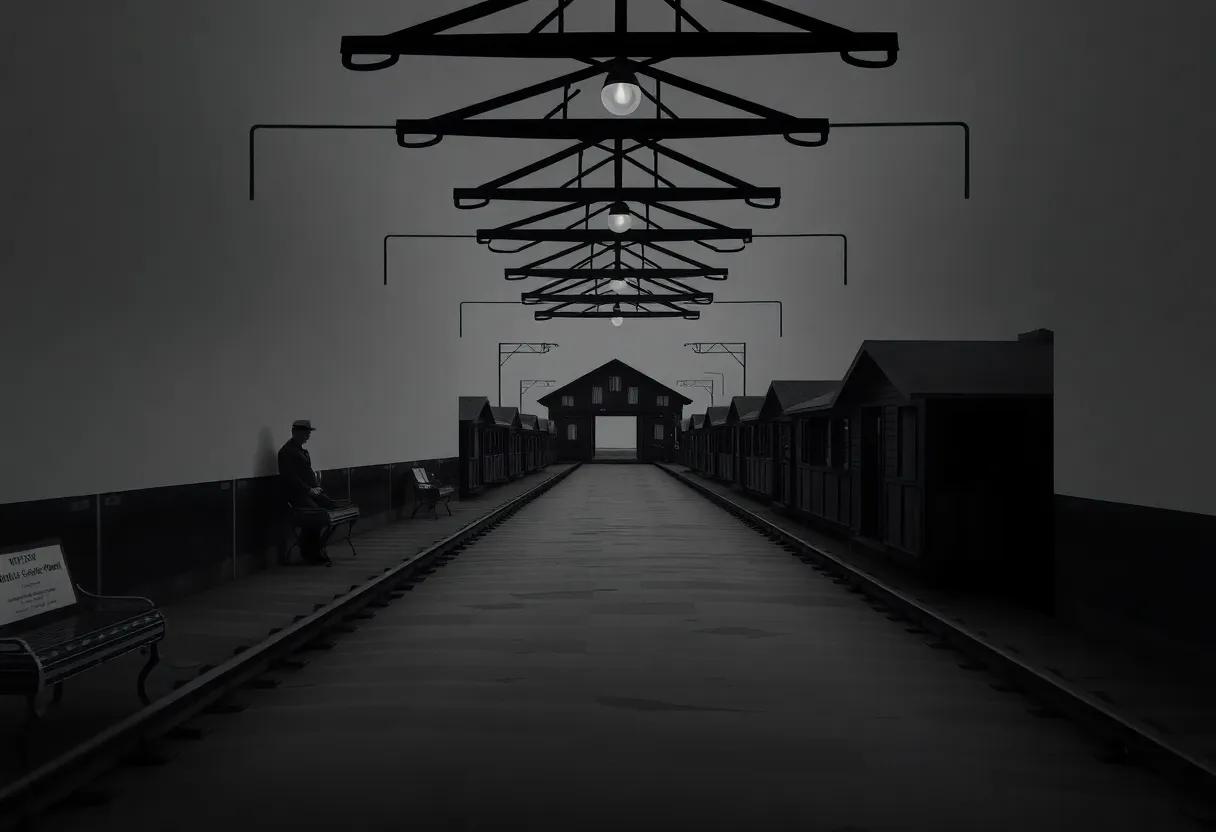
The Tattooist of Auschwitz masterfully intertwines meticulously researched historical facts with the compelling narrative of lale Sokolov’s experiences, grounding the novel’s emotional intensity in a framework of authenticity. By weaving real events, dates, and settings into the fabric of the story, the author cultivates a palpable sense of realism that enhances the reader’s immersion. This purposeful attention to accuracy is not merely a backdrop but serves as a powerful tool that validates the harrowing experiences depicted,inviting readers to confront the brutal realities of the Holocaust without dilution or fiction. The use of authentic details-ranging from the minutiae of camp life to the stark routines enforced by the Nazi regime-cements the novel’s credibility and elevates its impact beyond mere storytelling.
- Historical Context: Accurate portrayal of Auschwitz camp life, hierarchy, and daily struggles.
- Character Realism: based on true-life figures with verifiable backgrounds.
- Event Chronology: Timelines that align closely with documented historical records.
such fidelity to historical truth allows readers to appreciate not only the individual resilience of the characters but also the broader human perseverance amidst atrocity.The novel acts as a bridge between the past and present, reminding us of the lived experiences behind cold statistics and historical textbooks. This blend of emotional narrative with factual precision ensures the reader’s trust, positioning the story as both a moving personal account and a sobering historical document.
| Aspect | Impact on Novel | Reader takeaway |
|---|---|---|
| Historical Accuracy | Enhances believability | Deepens emotional connection |
| Authentic Characters | Increases relatability | Invokes empathy and understanding |
| Event Authenticity | Supports narrative integrity | Promotes awareness of history |
Examining Themes of love, Hope, and Survival Within the Harsh Realities of Auschwitz

Within the bleak corridors of Auschwitz, where despair sought to consume every soul, the narrative blossoms with moments of love and hope that defy the oppressive darkness. The Tattooist of Auschwitz intricately weaves the human capacity for connection amidst unimaginable horror,revealing that love often surfaces not as a distraction but as a powerful act of resistance. The delicate relationship at the story’s heart becomes a beacon, showcasing how even a fleeting touch or whispered reassurance can ignite flickers of hope and courage in the face of brutality.
Survival, here, is not just physical endurance but an emotional and spiritual tenacity. The characters, through their shared experiences and intertwined fates, embody resilience by clinging to small yet profound acts:
- Secret promises that sustain belief in a future beyond the fences.
- Quiet acts of kindness that restore fragments of humanity torn apart by cruelty.
- Remembering loved ones as a form of resistance against erasure.
These elements resonate in a poignant table below, highlighting the interplay of themes that enrich the narrative:
| Theme | manifestation | Impact on Characters |
|---|---|---|
| love | Gentle gestures, loyalty | provides emotional sanctuary |
| Hope | Dreams of freedom, secret vows | Ignites resilience, sustains spirit |
| Survival | Endurance, small rebellions | Affirms identity, preserves dignity |
The Use of Symbolism and Imagery to Convey Complex Emotions and Experiences in the Concentration Camp
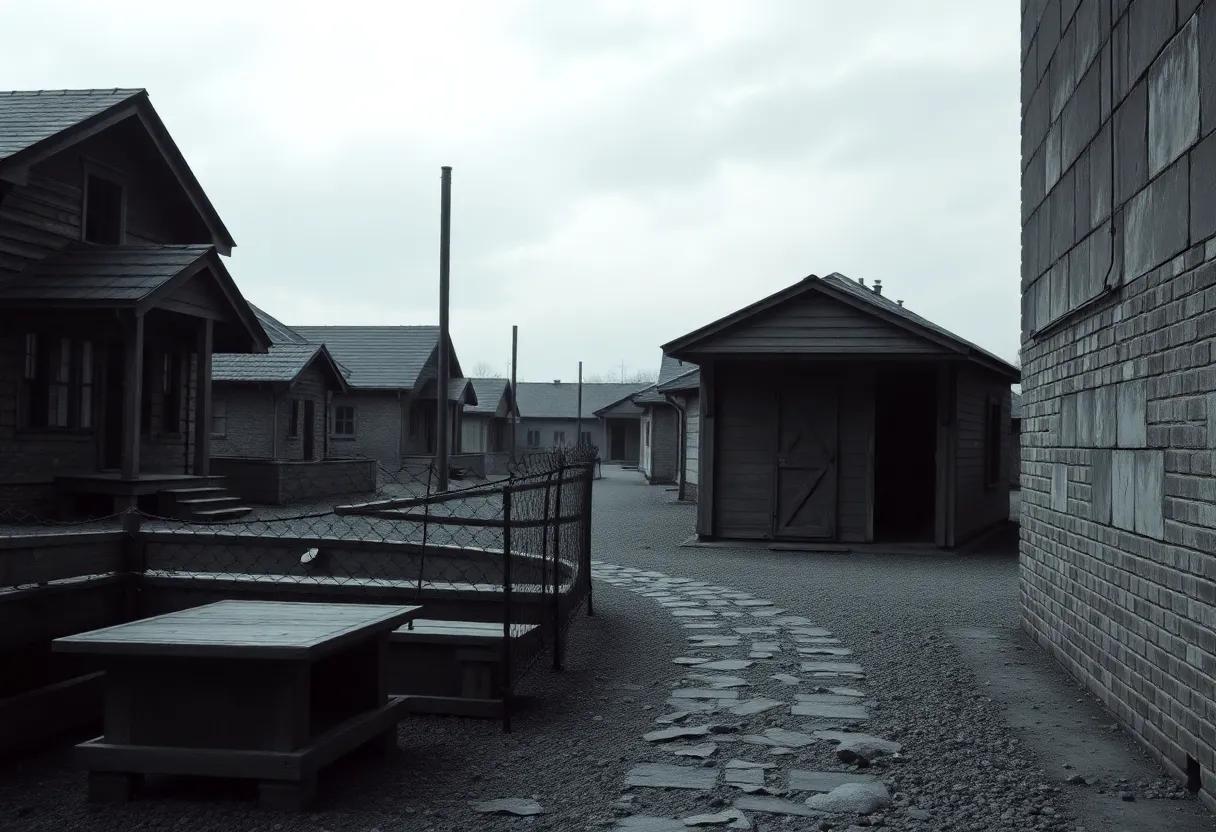
Throughout the narrative,the author masterfully employs symbolism and imagery to breathe life into the haunting emotional landscape of the camp. objects and recurring motifs serve as silent witnesses to the prisoners’ suffering and resilience. For example, the tattooed numbers etched onto skin transcend mere identification marks, representing stolen identities and the indelible scars left by trauma. Similarly, the stark contrast between light and shadow within the camp’s confines becomes a visual metaphor for fleeting hope amidst pervasive despair.
The vivid imagery also fosters a sensory connection, allowing readers to almost feel the chilling cold, hear whispered prayers, and sense the oppressive silence that enveloped the prisoners. This technique deepens empathy and highlights the multifaceted human experience beyond physical survival. Key symbols and their emotional resonances include:
- The inked numbers: a constant reminder of dehumanization and loss of autonomy
- Barbed wire: representing barriers-both physical and psychological-between freedom and captivity
- Flickering candlelight: symbolizing fragile hope and the persistence of faith
- Colors such as gray and muted tones: evoking the bleakness and monotony of camp life
Balancing Sensitive Content with Compassion: How the Author Approaches the subject Matter Respectfully
In tackling a subject as heavy and deeply personal as the Holocaust, the author demonstrates a profound sensitivity that permeates The Tattooist of Auschwitz. Rather than sensationalizing the horrors, the narrative focuses on the resilience and humanity of the individuals caught in the unimaginable. This respectful portrayal allows readers to engage with the story on an emotional level without feeling overwhelmed by despair. The use of delicate language and measured pacing ensures that each character’s story is honored, providing a compassionate lens through which the grim realities are conveyed.
To maintain this balance, the author employs several thoughtful techniques throughout the novel:
- Character-Centered Storytelling: Prioritizing personal experiences over graphic descriptions.
- Subtle Symbolism: Using metaphors and imagery to hint at trauma rather than depict it explicitly.
- Respectful Dialog: crafting conversations that reflect dignity and hope amidst adversity.
- Historical Accuracy: Grounding the story in well-researched facts, enhancing authenticity without exploitation.
| Technique | Purpose |
|---|---|
| Character-Centered Storytelling | Fosters empathy with individuals |
| Subtle Symbolism | Softens harsh realities |
| Respectful Dialogue | Maintains dignity of subjects |
| Historical Accuracy | Builds credibility and trust |
Comparing The Tattooist of Auschwitz to Other Holocaust Literature to Understand Its Unique Contributions

The Tattooist of Auschwitz distinguishes itself within Holocaust literature by focusing intimately on the personal journey of Lale Sokolov, the tattooist tasked with marking prisoners’ identities. Unlike broader historical accounts that depict the vast scale of suffering, this narrative delves deeply into the moral complexities faced by an individual caught within the machinery of oppression. The book’s unique lens offers readers a nuanced exploration of survival, resilience, and quiet acts of humanity amid relentless brutality. Its emphasis on love and hope, woven throughout the harsh realities of the camp, provides a stark contrast to the predominantly somber and tragic tones common in holocaust memoirs.
When compared side by side, several key features emerge that set The Tattooist of Auschwitz apart:
- Personalization: A detailed character study with emotional intimacy rarely found in survivor testimonies.
- Moral Ambiguity: Illustrates the challenging choices made in life-threatening circumstances rather than presenting clear-cut heroes and villains.
- Heartfelt Narratives: Highlights moments of kindness and connection as counterpoints to cruelty.
| aspect | Common Holocaust Literature | The Tattooist of Auschwitz |
|---|---|---|
| Scope | Broad historical overview | Individual’s intimate experience |
| Tone | Predominantly tragic, reflective | Mixture of grim reality and hope |
| Focus | Systematic cruelty and resistance | Human relationships and survival ethics |
Reader Recommendations Based on Emotional Readiness and Interest in Historical Fiction
For readers who find themselves emotionally prepared to delve into narratives that wrestle deeply with trauma, survival, and human resilience, The Tattooist of Auschwitz offers a poignant journey that balances stark reality with moments of hope. This is not simply a historical novel; it is indeed an intimate exploration of human endurance under the most harrowing conditions. Those interested in stories where character development intertwines intimately with historical events may find this book both moving and illuminating.However, the emotional weight demands a readiness to confront difficult themes without dilution.
If your interests lean toward historical fiction but you prefer lighter or more distanced accounts of the past, consider pairing this reading with options that provide broader context or less intense emotional engagement.Below is a quick guide to help align your emotional readiness with fitting recommendations:
- Emotionally Prepared & Deeply Interested: the Tattooist of Auschwitz, Schindler’s List, Night by Elie Wiesel
- Interested but Prefer Distance: The Book Thief, All the Light We Cannot See
- Exploring WWII History - Lighter Reads: The Guernsey Literary and Potato Peel Pie Society, Sarah’s Key
| Emotional Readiness | recommended Titles | Why? |
|---|---|---|
| High | The Tattooist of Auschwitz, Night | Unflinching portrayal of survival and emotional depth |
| Moderate | The Book Thief, All the Light We Cannot see | Engaging stories with historical detail but tempered tone |
| Low | Guernsey Literary and Potato Peel Pie Society | Gentler narratives focused on community and hope |
The Lasting Influence of The Tattooist of Auschwitz on Contemporary Discussions of Holocaust Memory
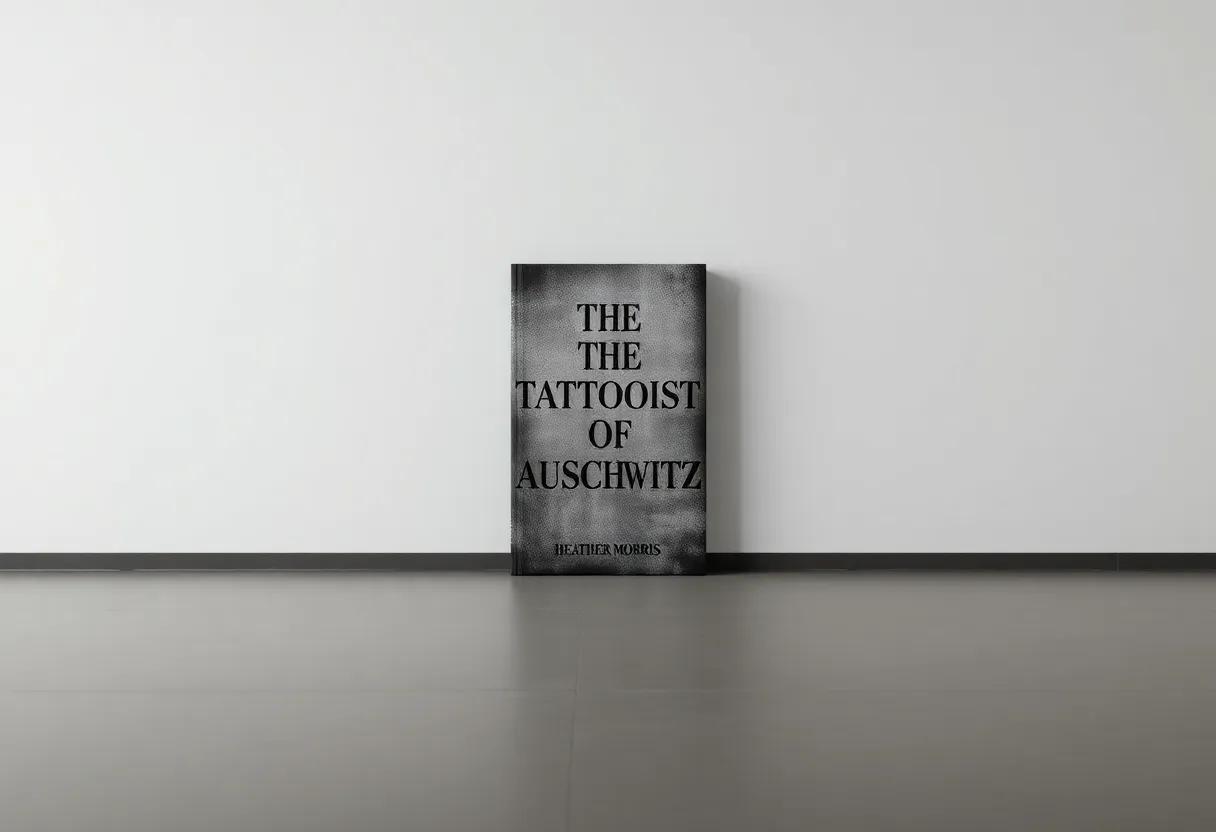
The Tattooist of auschwitz has transcended the boundaries of historical fiction to become a pivotal influence in how we engage with Holocaust memory today. By interweaving personal narratives with historical atrocities, the novel invites readers to confront the complexities of human resilience and ethical ambiguity amidst incomprehensible suffering. Its vivid portrayal of individual stories challenges the often monolithic representations of Holocaust victims, reminding contemporary audiences that memory is as much about personal connection as it is about collective history. This nuanced narrative fosters empathy and encourages ongoing dialogues about the importance of bearing witness and the moral responsibility of remembrance.
In educational and commemorative contexts, the novel serves as a catalyst for meaningful discussions, often sparking reflections on the nature of memory, identity, and testimony. Below is an overview of key themes the book has inspired in modern conversations:
- Personalization of History: Highlighting intimate experiences within vast historical events.
- Morality under Oppression: exploring ethical dilemmas faced in extreme conditions.
- Resilience and Hope: Illuminating the human capacity to endure through connection and love.
- Memory Preservation: Stressing the urgency of storytelling for future generations.
| Impact Area | Contemporary relevance |
|---|---|
| Education | Integrates firsthand experiences into curricula that foster empathy |
| Memorial Culture | Inspires personalized commemorations and interactive exhibits |
| Public Discourse | Encourages nuanced conversations beyond statistics and dates |
Reflection on the Author Heather Morris’s Background and Her approach to Bringing This Story to Life

Heather Morris’s journey to telling the story of The Tattooist of Auschwitz is as captivating as the narrative itself. With a background rooted in journalism and screenwriting, Morris honed her skills in unearthing poignant truths and conveying them with clarity and compassion. Her collaboration with Lale Sokolov, the tattooist whose real-life experiences form the backbone of the novel, was pivotal. Morris’s dedication to preserving authenticity shines through her meticulous research and intimate interviews, embedding a genuine voice in every chapter. This blend of emotional engagement and factual retelling allows her to honor history without sacrificing narrative depth.
What sets Morris’s approach apart is her ability to weave personal memory with sweeping historical events,creating a tapestry that resonates deeply with readers. Instead of merely chronicling facts, she employs a narrative style that emphasizes resilience, love, and humanity amidst the horrors of Auschwitz. Key elements of her storytelling include:
- Personal testimony: Prioritizing survivor insights to maintain authenticity.
- Emotional restraint: Portraying tragedy with dignity, avoiding sensationalism.
- Cultural sensitivity: Respecting the complex historical and social contexts.
| Aspect | Morris’s Approach |
|---|---|
| Research Method | Personal interviews & Archival Materials |
| Narrative Technique | First-person,intimate storytelling |
| Focus | Humanity within historical trauma |
| Reader Impact | Emotional engagement and reflection |
In closing,The Tattooist of Auschwitz offers a poignant glimpse into humanity’s resilience amid unfathomable darkness. While the narrative navigates the delicate balance between personal memory and historical record, it ultimately invites readers to reflect on the enduring spirit that survives even the bleakest chapters of history. This book, with its quiet strength and sobering truths, lingers long after the final page-challenging us to remember, to empathize, and to never forget the stories etched into the fabric of our shared past.