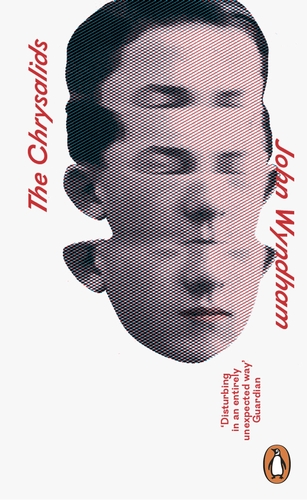
In a world where conformity is sacred and deviation is met with fear, John wyndham’s Teh Chrysalids offers a haunting meditation on change and isolation. This novel, weaving elements of dystopia and speculative fiction, invites readers to ponder the boundaries of normalcy and the human cost of rigid societal expectations.In this review, we delve into the layered narrative of The Chrysalids, exploring how its themes resonate beyond its post-apocalyptic setting to reflect timeless questions about identity, acceptance, and transformation.
Exploring the Complex Themes of Change and Acceptance in The Chrysalids and Their Relevance to Modern society

At its core, The Chrysalids deftly unpacks the intricate interplay between change and acceptance within a society shackled by rigid norms. The narrative paints a stark picture of how fear of the unknown breeds exclusion and hostility, forcing those who diverge from the perceived ‘norm’ into isolation. This theme resonates deeply with readers as it mirrors the universal human experience of grappling with difference-whether it be cultural, physical, or ideological. The story’s portrayal of characters who navigate their shifting identities amid a hostile environment encourages reflection on how societal acceptance can evolve, expanding beyond superficial conformity to embrace genuine diversity.
In a modern context, the lessons gleaned from this text are more relevant than ever. We live in an era where rapid technological advancements and shifting cultural landscapes challenge our preconceptions about identity and belonging. The novel’s exploration prompts us to ask:
Best-Selling Books in This Category

- How do we define normalcy in a world that is in constant flux?
- What barriers prevent us from accepting change in ourselves and others?
- in what ways can empathy overcome the fear that fuels isolation?
These questions remain at the heart of contemporary social conversations,making the book a poignant reminder that progress often demands both courage and compassion. To better understand these dynamics,consider the following comparison between societal responses to difference in The Chrysalids and today:
| Aspect | The Chrysalids Society | Modern Society |
|---|---|---|
| Reaction to Difference | Rejection and ostracism | gradual inclusion and advocacy |
| Basis of Fear | Religious dogma and tradition | Ignorance and misinformation |
| Path to Acceptance | Secret tolerance and escape | Open dialog and education |
Character Development and Emotional Depth That Bring The Chrysalids’ Protagonists to Life with Nuanced Authenticity

The protagonists in The Chrysalids are crafted with a remarkable blend of subtlety and complexity, allowing readers to experience their inner worlds with striking authenticity. David, the central character, steers the narrative through his evolving awareness of difference and belonging, making his emotional journey both relatable and compelling. His internal conflicts-ranging from guilt and fear to hope and courage-are portrayed with intricate nuance,painting a vivid portrait of a young mind grappling with the harsh realities of a rigid society. This deep emotional layering invites readers to engage empathically, fostering a connection that transcends the page.
Beyond David, the supporting characters contribute diverse emotional textures that enrich the novel’s fabric. Their interactions weave a rich tapestry of trust, suspicion, love, and alienation. Consider this emotional complexity matrix illustrating key character traits and their transformative arcs:
| Character | Core Trait | Emotional Conflict | Development Highlight |
|---|---|---|---|
| David | Curiosity | Fear vs. Acceptance | Embracing Difference |
| Stefan | Loyalty | Trust vs. Betrayal | Defining friendship |
| Sophie | Vulnerability | Concealment vs. Courage | Revealing Identity |
| Rachel | Wisdom | Hope vs. Doubt | Leadership Emergence |
The Symbolism of Isolation and Difference and how It Shapes the Narrative’s Tension and Reader Engagement
The narrative deftly employs isolation as more than just a setting-it becomes a living, breathing force that governs the characters’ lives and decisions. Characters who deviate from the norm are cast out, their differences marked as threats to societal order. This exclusion amplifies the tension, not only between individuals but also within the reader, who is compelled to question the ramifications of such rigid conformity. Through evocative imagery and subtle storytelling, isolation is portrayed as both a physical and psychological barrier, one that shapes the very fabric of the community and the characters’ identities.
The tension escalates as the narrative explores the consequences of being different in a world obsessed with uniformity. This dynamic creates a powerful connection with readers, who are invited to empathize with those on the fringes. The novel’s use of isolation and difference prompts contemplation of broader themes such as fear of the unknown and the price of acceptance.Below is a concise comparison highlighting how isolation and difference work in tandem to heighten narrative stakes:
| Aspect | Isolation | Difference |
|---|---|---|
| Role | Physical and social separation from society | Cause of ostracism and conflict |
| Effect on Characters | Creates vulnerability and resilience | Generates internal and external struggle |
| Reader Engagement | Instills empathy and suspense | Challenges reader’s perceptions of normativity |
A Close Look at the Narrative Structure and Pacing That Maintains Suspense and drives the Story Forward

In The Chrysalids, the narrative unfolds with a intentional rhythm that expertly balances moments of tension with introspection. The story’s pacing mirrors the protagonist’s psychological journey, accelerating during episodes of danger and restraint when exploring themes of conformity and fear. this ebb and flow create a palpable suspense as readers are drawn deeper into a world where secrecy is survival. the use of multiple perspectives and gradual revelations sustains intrigue,allowing the narrative to peel back layers of societal norms and personal fears without revealing the full scope too swiftly.
The structure leverages concise chapters punctuated by sharp, impactful scenes that emphasize critical turning points. These moments serve as anchors, propelling the plot forward while giving space for thoughtful reflection on themes of change and isolation. Below is a breakdown of key elements contributing to the story’s charged rhythm:
- Strategic scene transitions that maintain momentum without overwhelming the reader.
- Minimal exposition, favoring action and dialogue to advance the plot.
- Juxtaposition of calm and chaos, enhancing the emotional stakes.
- Climactic build-ups that reward patient readers.
| Element | Effect on Narrative | Example |
|---|---|---|
| Fragmented Perspective | Heightens mystery and suspense | Unreliable whispers about telepathy |
| Short Chapters | Accelerates pace during crises | Escape sequences and confrontations |
| Reflective Passages | Deepens themes of isolation | David’s inner conflict |
The Role of Dystopian World-building in Highlighting Social Commentary and Ethical Dilemmas in The Chrysalids
The meticulously crafted dystopian setting in The Chrysalids acts as a powerful mirror reflecting society’s fears, prejudices, and the consequences of rigid conformity. Within this bleak future, the oppressive emphasis on genetic ”purity” transcends mere plot device, evolving into a catalyst for exploring profound social commentary. By constructing a world where deviation from the norm is met with fear and persecution,the narrative invites readers to examine the damaging effects of intolerance and dogmatic thinking in our own communities. The stark boundaries of David’s society underscore the fragility of acceptance and challenge us to question the ethical cost of enforcing unity at the expense of diversity.
Ethical dilemmas abound as characters grapple with enlightenment in a world that punishes difference. The fear-driven control mechanisms raise pivotal questions about the cost of security and the price of fear-based governance. through David’s eyes, we witness a tension between preservation and progression, highlighting themes that resonate far beyond the fictional setting:
- The morality of conformity versus individuality
- The consequences of suppressing innovation and change
- The conflict between communal safety and personal freedom
- How fear shapes social and ethical norms
| Aspect | Illustration in The Chrysalids | Social Reflection |
|---|---|---|
| Fear of the Other | Outcasts hunted for mutations | Xenophobia and discrimination |
| Control of Knowledge | Religious dogma restricts scientific inquiry | Censorship and fear of innovation |
| Resistance to Change | Punishment for deviations in behavior | Societal stagnation and repression |
Insightful Examination of the Moral Questions Raised about Diversity, Conformity, and Compassion
Unfolding Layers of Diversity and Conformity within this narrative reveals a world where deviation from the norm is met with fear and persecution. The society depicted challenges conventional understandings of acceptance, presenting conformity not as a mere social expectation, but as a stringent moral imperative. This dichotomy forces readers to grapple with questions about the value and cost of uniformity. Is the preservation of societal order justifiable when it demands the sacrifice of individuality? The characters’ struggles underscore the tension between embracing difference and enforcing sameness, inviting reflection on how communities today might still wrestle with similar ethical dilemmas.
Compassion emerges as a subtle yet powerful undercurrent, contrasting sharply with the rigidity of the social order. Acts of empathy are portrayed as revolutionary gestures, capable of bridging isolation and fostering understanding amidst cruelty. the novel’s exploration extends beyond judgment to highlight the human capacity for kindness in hostile environments. Consider the following elements critical to this theme:
- Recognition of shared humanity despite visible differences
- Risk-taking to protect the vulnerable
- Internal conflicts between self-preservation and altruism
| Element | Impact |
|---|---|
| Compassion | Challenges societal norms |
| Diversity | Tests boundaries of acceptance |
| Conformity | Enforces exclusion and fear |
The Impact of Language and Dialogue Style on Creating an Immersive and Reflective Reading experience
In The chrysalids, language is not merely a tool for communication but a crucial element that shapes the entire narrative atmosphere. The author’s deliberate selection of simple yet evocative dialogue reflects the insular and rigid society of Waknuk, where conformity reigns supreme. Characters speak with a stark clarity that mirrors their limited worldview, emphasizing obedience and fear of the “Other.” This minimalist dialogue style invites readers to fill the emotional and psychological gaps, fostering a deeper immersion in the text. The strategic pauses and unspoken tensions between characters amplify the themes of isolation and suspicion, making every exchange laden with underlying meaning. Consequently,the sparse conversations become a conduit for exploring identity and belonging.
Key elements of dialogue style in the novel include:
- Repetitive phrases that reinforce societal dogma.
- Subtle hints of rebellion embedded in seemingly innocent statements.
- emotional restraint highlighting internal conflicts.
| Dialogue Feature | Effect on Reader |
|---|---|
| Short, clipped sentences | Creates tension and urgency |
| Formalized vocabulary | Conveys societal control and rigidity |
| Symbolic silences | Amplifies unsaid fears and hopes |
this carefully crafted language and dialogue style do more than tell a story – they immerse the reader in a world constrained by fear and conformity, encouraging introspection about prejudice and acceptance. The interplay between what is said and what remains unspoken draws readers into a reflective state, making the experience both intimate and thought-provoking.
Recommendations for Readers Interested in thought-Provoking Dystopian Novels and Societal Critiques
For readers drawn to narratives that challenge societal norms and delve into the complexities of human nature under extreme conditions, The Chrysalids offers a compelling exploration of isolation and transformation. Those who appreciate works that blend dystopian settings with profound ethical questions may also find these titles thought-provoking:
- Brave New World by Aldous Huxley - A chilling vision of a technologically engineered society obsessed with conformity and consumption.
- Never Let Me Go by Kazuo Ishiguro – A haunting tale that questions humanity and identity in a subtly dystopian world.
- The Handmaid’s Tale by Margaret Atwood – A gripping critique of patriarchal control and loss of autonomy.
- Fahrenheit 451 by Ray Bradbury – An urgent warning about censorship and the suppression of dissenting ideas.
| Book | Theme | Why It Resonates |
|---|---|---|
| The Chrysalids | Conformity vs.Difference | Explores fear of the other and the courage of acceptance. |
| Brave New World | Control & Consumerism | Examines manufactured happiness and societal control. |
| Never let Me Go | Identity & Humanity | Questions what it means to be human in oppressive systems. |
| The Handmaid’s Tale | Oppression & Resistance | Highlights struggles for freedom under patriarchal rule. |
Engaging with these novels will enrich your understanding of how speculative fiction serves as a mirror reflecting societal anxieties and transformative possibilities. Each story peels back layers of social constructs to reveal uncomfortable truths about control, belonging, and the human spirit’s resilience. Whether you seek a literary journey into future dystopias or nuanced societal critiques, these selections complement The Chrysalids‘ themes with fresh perspectives and intricate world-building.
How The Chrysalids Challenges Perceptions of Normality and encourages Empathy Toward Those Who Are Different
The Chrysalids boldly confronts society’s rigid definitions of normality by presenting a world where deviation is not just frowned upon but feared and punished. Through the eyes of its characters,the novel reveals the harsh realities of ostracism inflicted on those who dare to be different. The narrative compels readers to question the arbitrary boundaries set by cultural dogma and invites reflection on how these limits stifle diversity and growth. By illustrating the profound emotional and physical isolation experienced by the protagonists, the story draws a powerful parallel to the struggles faced by marginalized groups in real life, challenging us to reconsider our own biases and the often unquestioned standards we impose.
- Fear of the unknown: The community’s paranoia drives their intolerance, highlighting how societal fear fuels exclusion.
- Empathy through perspective: Readers gain intimate insight into the characters’ courage and pain, fostering compassion.
- Redefining humanity: The novel blurs the line between normal and abnormal, urging a more inclusive view of what it means to belong.
this exploration of difference is further underscored by the nuanced relationships among characters, where bonds are tested but ultimately affirm the value of acceptance.The moral complexities and nuances prompt a deep emotional engagement, encouraging an empathetic worldview. The narrative’s subtle questioning of inherited prejudices serves as a timeless call to embrace change and diversity, reminding us that true humanity lies in understanding and celebrating difference rather than condemning it.
The Enduring Legacy of The Chrysalids in Young Adult Literature and Its Influence on Contemporary Storytelling
The Chrysalids remains a cornerstone in young adult literature, not only for its compelling narrative but also for the timeless exploration of themes like conformity, difference, and resilience. By weaving a dystopian world where deviation is feared and punished, John Wyndham challenges readers to reflect on the nature of acceptance and the costs of societal rigidity. Its influence ripples through contemporary storytelling, inspiring authors who dare to question norms and explore the complexities of identity in increasingly diverse worlds. The novel’s subtle blend of science fiction and coming-of-age elements has paved the way for stories that embrace vulnerability and transformation without sacrificing suspense or emotional depth.
Its impact can be seen in numerous modern works that echo its key motifs. Consider the elements below, wich highlight how the Chrysalids shaped narrative approaches in young adult fiction:
- Exploration of Isolation: Characters navigating loneliness as an inevitable result of their uniqueness or beliefs.
- Subversion of Utopian Ideals: Revealing the dark undercurrents beneath seemingly perfect societies.
- Complex Character Arcs: Emphasizing personal growth through adversity and societal rejection.
| Aspect | Legacy in Young Adult Literature | Contemporary Examples |
|---|---|---|
| Theme of Otherness | Portrays characters marginalized for their differences | Books like “The Giver” and ”Divergent” |
| Dystopian Worldbuilding | Creates oppressive societies that challenge freedom | Series like “The Hunger Games” |
| Hope and Resistance | Focuses on characters who strive for change | Novels such as “Legend” and “the Maze Runner” |
Evaluating the Balance Between Action and Philosophy in The Chrysalids’ Narrative to appeal to Diverse Audiences
The Chrysalids masterfully interweaves brisk, gripping action sequences with deep philosophical reflections, creating a narrative rhythm that captivates a broad spectrum of readers. on one hand,the novel’s fast-paced moments-such as daring escapes and tense confrontations-serve as vital catalysts driving the plot forward,engaging those who crave excitement and adventure.On the other, its philosophical examinations of conformity, otherness, and identity provoke thoughtful introspection, inviting readers to ponder the societal implications of fear and exclusion.This duality ensures that the story doesn’t just entertain but also stimulates,offering multiple layers for different audiences to connect with.
The balance is further illustrated through the novel’s characters, whose individual journeys navigate both external peril and internal moral dilemmas. This harmony can be seen in the following interplay:
| aspect | Action | Philosophy |
|---|---|---|
| Plot Movement | High-tension chases and conflicts | Exploration of societal norms |
| Character Development | Physical trials and survival | Questioning identity and humanity |
| Reader Engagement | Suspense and excitement | ethical contemplation and empathy |
By effectively blending these elements, The Chrysalids refuses to appeal to a single audience type. Instead, it invites readers who seek edge-of-their-seat narrative beats and also those who appreciate reflective, philosophical undercurrents. This careful equilibrium widens its appeal, allowing it to resonate deeply with both action enthusiasts and contemplative thinkers alike.
The Contribution of John Wyndham’s writing Style and Visionary Imagination to The Chrysalids’ Lasting Popularity
John Wyndham’s writing style in The Chrysalids masterfully blends clarity with subtle complexity, creating a narrative that is both accessible and profoundly thought-provoking. His deliberate use of a first-person perspective invites readers into David’s intimate world, capturing the tension between his inner desires and the rigid societal norms that govern his community. Wyndham’s prose, frequently enough simple in diction but rich in symbolic meaning, encourages readers to ponder the implications of conformity, fear, and the suppression of difference. This clarity paired with thematic depth allows the novel to resonate across generations,making it a timeless exploration of human nature and societal evolution.
Wyndham’s visionary imagination shines in his detailed construction of a post-apocalyptic society, where the fear of deviation leads to isolation and persecution.He doesn’t just tell a story; he creates an immersive world that critiques contemporary social attitudes under the guise of speculative fiction. this foresight is evident in how elements such as:
- Genetic mutations symbolize diversity and the potential for human evolution.
- Strict dogma represents the dangers of authoritarian control.
- Telepathic abilities illustrate the possibility of deeper human connection beyond physical limitations.
Through these visionary components, Wyndham crafts a narrative that challenges readers to reconsider definitions of normality and progress, underpinning the novel’s enduring popularity in literary circles and beyond.
The Chrysalids serves as a poignant mirror reflecting the complexities of change and the deep solitude it can bring. This thought-provoking journey invites readers not only to witness a world shaped by fear and conformity but also to question the boundaries of acceptance in their own lives. As the final pages close, we are left to ponder the enduring resilience of the human spirit amid transformation and isolation-an invitation that lingers long after the story fades to silence.