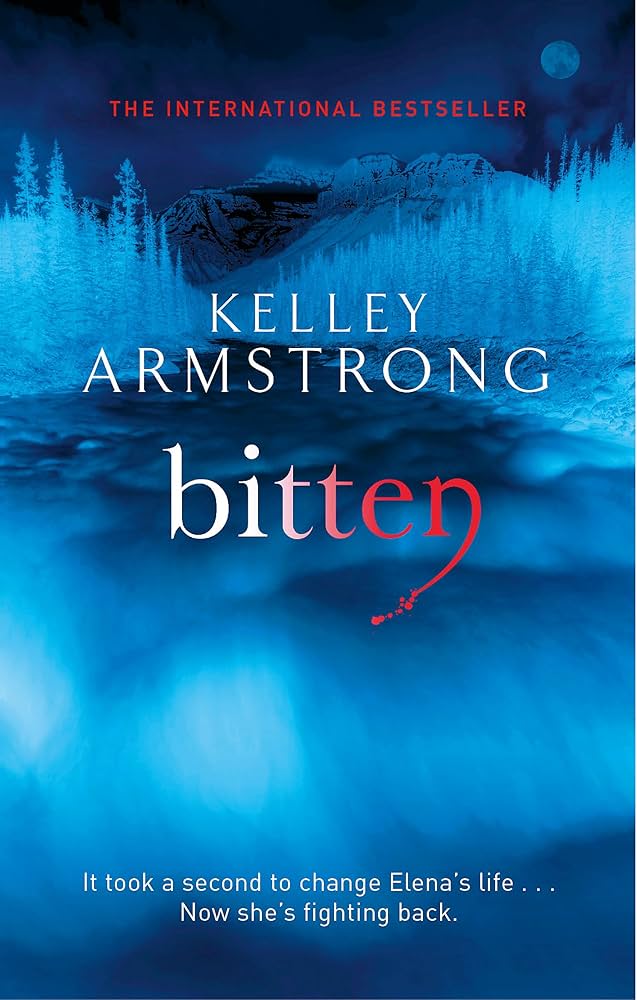
In a literary landscape teeming with supernatural tales and mythical creatures, Kelley Armstrong’s Bitten emerges as a compelling voice that both honors and reinvents the urban fantasy genre. Unraveling “Bitten” invites readers to navigate the intricate layers of armstrong’s novel, exploring how the story’s rich mythology and complex characters breathe new life into familiar themes. This review delves into the elements that make Bitten a standout work, offering a fresh outlook on what urban fantasy can achieve beyond its well-trodden tropes.
Exploring the Unique Urban Fantasy Elements That Set Bitten Apart From Its Genre Peers
Bitten carves out a unique niche in the urban fantasy landscape by seamlessly weaving together visceral werewolf lore with deeply human emotions.Unlike many contemporaries that focus solely on the supernatural spectacle, Kelley Armstrong’s novel delves into the psychological intricacies of its protagonist, Elena Michaels, the world’s only female werewolf. This perspective shifts the narrative from mere fantasy tropes to a profound exploration of identity, gender dynamics, and the struggle for acceptance within and beyond the pack. The raw authenticity of the pack’s hierarchical structure, combined with modern-day settings, lends a fresh realism that draws readers deeply into a world where mythical and mundane collide.
Another standout feature is the novel’s dedication to crafting a complex social ecosystem – one where alliances, rivalries, and power shifts function just as crucially as the supernatural abilities themselves. Below is a snapshot of key urban fantasy elements in Bitten compared to genre staples:
| element | Bitten | Typical Urban Fantasy |
|---|---|---|
| Protagonist’s Unique Trait | Female Werewolf Leading a Pack | Often Male or Magical Hybrid |
| Focus on Social Structures | Intricate Pack Dynamics & Politics | Loosely Defined Factions |
| Blend of Realism and Myth | Modern Canadian Settings with Mythology | Urban Metropolises with Fantastical Overlay |
| Thematic Focus | Identity, Loyalty, and Female Empowerment | Action and Magical Conflict |
- Character depth over spectacle: emotional struggles take center stage.
- Dynamic pack politics: Intricately portrayed social hierarchies.
- Setting authenticity: Richly detailed Canadian wilderness juxtaposed with urban life.
Delving Into the Complex Character Development and Emotional depth within Bitten’s Narrative

Best-Selling Books in This Category


At the heart of this narrative lies a protagonist whose evolution transcends typical genre constraints. The emotional depth is intricately woven with moments of vulnerability and fierce resilience, offering readers a palpable sense of authenticity rarely achieved in urban fantasy. Each character, whether ally or adversary, undergoes transformative arcs that challenge their beliefs and compel them to confront internal and external conflicts.This layered portrayal invites the audience not simply to observe but to empathize with the struggles — creating a tapestry of human emotion wrapped within supernatural elements.
What truly sets the story apart is its masterful balance between raw emotions and the broader mythos it builds. The narrative deftly explores themes such as:
- Identity and Self-Discovery: Characters grapple with their place in both mundane and mystical worlds.
- Trust and Betrayal: Every relationship is tinted by uncertainty, creating tension and depth.
- Power and Responsibility: The consequences of supernatural abilities weigh heavily on their decisions.
This combination crafts a cinematic emotional panorama that continues to resonate long after the final page.
| Character | Primary Emotion | Key Conflict |
|---|---|---|
| Elena Michaels | Defiance | Acceptance of her dual nature |
| Clayton Danvers | Guilt | Reconciling leadership with personal desires |
| Jared | longing | Choosing between loyalty and love |
How Kelley armstrong Crafts a Suspenseful and Immersive Paranormal World in Bitten

Kelley Armstrong’s mastery in Bitten lies in her meticulous world-building that intertwines the primal and the modern with deft precision. She crafts a setting where the supernatural doesn’t just exist but breathes with its own rules, histories, and social dynamics. Her werewolf society is layered with intricate politics, cultural norms, and personal conflicts that drive both the plot and character development. The palpable tension arises not merely from external threats, but also from the internal struggles of identity, loyalty, and survival. armstrong’s vivid descriptions engage all senses, transporting readers into a universe where danger simmers beneath the seemingly mundane, keeping the atmosphere thick with suspense.
Armstrong’s approach to immersion is further amplified through her nuanced characters, whose raw emotions and complex motivations resonate deeply, turning the paranormal into something startlingly relatable. She incorporates elements such as:
- Authentic dialog that captures both human and wolf instincts
- Dynamic pacing that fluctuates between heart-pounding action and quiet, introspective moments
- Intricate relationships that add emotional depth and unpredictability
These components converge to create a narrative that feels alive, making the pulse of the supernatural world throb just beneath the surface of everyday life. Below is a quick look at how Armstrong balances the supernatural elements with grounded storytelling:
| Element | Execution | Impact on Suspense |
|---|---|---|
| Wolf Pack Hierarchy | Detailed power struggles and alliances | Creates constant tension and mistrust |
| Human-Wolf Blend | Protagonist’s dual identity conflict | Heightens emotional stakes and unpredictability |
| Urban Setting | Modern world with lurking supernatural threats | Blurs reality and fantasy, enhancing immersion |
Examining the Balance Between Action, Romance, and Mystery in the Storyline of Bitten
The narrative of Bitten gracefully weaves together pulse-pounding action, simmering romance, and intricate mystery, creating a tapestry that keeps readers hooked from start to finish. The action sequences are not mere spectacle but essential to showcasing the protagonist’s raw strength and the primal conflicts that shape her world. Intense battles and adrenaline-fueled escapes are laced with emotional depth, revealing vulnerabilities beneath the fierce exterior. Meanwhile, romance is handled with subtlety and a measured pace, allowing relationships to evolve naturally against a backdrop of tension and danger, adding layers of emotional resonance without overwhelming the plot.
Mystery in the story functions not only as a plot device but as a way to explore the characters’ identities and the hidden politics of their supernatural society. Armstrong masterfully balances secrecy and revelation, ensuring that each unanswered question propels the story forward. below is a simple breakdown of how each genre element contributes to the overall experience:
| Element | Primary Role | Impact on Story |
|---|---|---|
| Action | Conflict & Pace | Drives momentum and reveals character resilience |
| Romance | Emotional Depth | builds connection and internal conflict |
| Mystery | Intrigue & World-Building | Unfolds secrets and motivates plot twists |
- Action scenes amplify the stakes without overshadowing character development.
- Romance provides a grounded human lens amidst supernatural chaos.
- Mystery encourages readers to piece together clues, deepening engagement.
The role of Pack Dynamics and Werewolf Mythology as Portrayed in Bitten’s Urban Setting
In Kelley Armstrong’s narrative universe, the intricate social structure of werewolf packs transcends mere lore, embedding itself deeply within the urban fabric of the story. Rather than portraying werewolves as solitary beasts or wild monsters, the packs function as complex, sometimes fragile communities bound by loyalty, hierarchy, and coded traditions. This dynamic not only lends authenticity to the characters’ motivations but also mirrors the unseen social hierarchies of city life,making their interactions resonate far beyond fantasy. The tension between personal freedom and pack allegiance drives much of the story’s conflict, illuminating the struggle to balance primal instincts with human emotions.
Armstrong also deftly reinterprets classic werewolf mythology, stripping away some of the usual gothic clichés and instead situating it within modern urban realities. By mixing ancient rites with contemporary settings, she crafts a mythology that is both timeless and immediate. Key elements include:
- Change as a rite of passage: The shift from human to wolf is not just physical but symbolic, marking an individual’s acceptance of their role.
- Alpha leadership complexities: Rather than a tyrannical figure, the alpha’s role is portrayed with nuance, emphasizing diplomacy and survival strategy in an unpredictable urban jungle.
- Pack rituals and customs: These traditions provide emotional texture, grounding supernatural elements in relatable social behavior.
| Element | urban Interpretation | Mythological Roots |
|---|---|---|
| Transformation | Coming-of-age metaphor in city life | Full moon metamorphosis ritual |
| Alpha dynamics | Leadership politics in human corporations | Wolf pack dominance hierarchy |
| Pack Loyalty | Community survival networks | Ancient tribal bonds |
Insights Into the themes of Identity and Belonging That Drive Bitten’s Central Conflict
At the heart of Bitten lies a rich exploration of how identity is both a gift and a burden. Elena Michaels, as the series’ first female werewolf, grapples with the duality of her existence-caught between the human world she cherishes and the primal pack instincts she cannot deny. This tension creates a compelling canvas where questions of self-acceptance, transformation, and societal roles collide. The novel doesn’t just depict a struggle for survival; it delves deep into the nuances of what it means to belong when one’s identity defies easy categorization. Her journey showcases the delicate balance between embracing one’s nature while resisting the desire to be defined solely by it.
Belonging, in this universe, transcends traditional group dynamics and becomes a lens through which loyalty, trust, and alienation are examined. The werewolf pack operates with rigid rules, yet Elena’s story challenges these conventions, highlighting the complexity and cost of fitting in. Through moments of betrayal, acceptance, and fierce protection, the narrative uncovers layers of social hierarchy and emotional connection that reflect real-world struggles for identity validation. Consider the following table that maps Elena’s shifting roles within the pack and her personal identity:
| Aspect | Before Awakening | After Transformation |
|---|---|---|
| Self-Perception | Ordinary Human | Complex Hybrid |
| Social Role | Isolated Outsider | Essential Pack Member |
| Internal Conflict | Desire for Normalcy | Struggle for Acceptance |
| Emotional Connection | Detached | Deep Loyalty & Love |
- Identity is fluid and multifaceted, not fixed.
- belonging is earned through vulnerability and courage.
- Conflict arises when societal expectations clash with self-acceptance.
- Transformation challenges but also empowers personal growth.
Analyzing Kelley Armstrong’s Writing Style and Its Impact on Pacing and reader Engagement
Kelley Armstrong crafts her narrative with a blend of sharp dialogue and vivid descriptions that create an immersive urban fantasy world. Her writing is notably characterized by a quick rhythm, which melds seamlessly with moments of introspection without slowing the story’s momentum. This balance ensures that readers remain hooked, drawn not only by the *what* of the plot but also by the *who* behind the actions. Armstrong’s knack for weaving internal conflict within external thriller elements amplifies the emotional stakes,making every page turn feel urgent and necessary.
Her approach to pacing is accentuated through purposeful chapter lengths and strategic cliffhangers, cultivating sustained reader engagement. For example, shorter chapters often end on a tantalizing note, encouraging binge-reading sessions, while lengthier ones provide depth and world-building. The following table illustrates how this structure supports reader interest:
| Chapter Type | Typical Length | Impact on Pacing | Reader Effect |
|---|---|---|---|
| Action-Packed | 8-12 pages | Accelerates momentum | Heightened excitement |
| Character-Driven | 15-20 pages | Slows for depth | Emotional connection |
| Plot-Development | 10-15 pages | Balances pace | Maintains curiosity |
- authentic voice: Armstrong’s language mirrors her protagonist’s tone-sharp,witty,and relatable.
- Strategic tension: Moments of suspense are woven naturally rather than forced, keeping readers invested.
- Dynamic scene shifts: Transitions between urban settings and supernatural elements create constant intrigue.
Why Bitten Remains a Fresh and Relevant Contribution to Contemporary Urban Fantasy Literature
Armstrong’s Bitten continues to captivate readers by seamlessly blending classic supernatural elements with modern sensibilities. Unlike many urban fantasy novels that rely excessively on archetypal tropes, Bitten thrusts readers into a world where the emotional complexity of its characters shines as brightly as the suspenseful plot. The protagonist’s struggle to reconcile her human instincts with her werewolf identity provides a nuanced exploration of self-acceptance, making the narrative resonate beyond the paranormal thrill. This emotional depth, paired with armstrong’s crisp, vivid prose, ensures that Bitten feels both timeless and remarkably grounded in today’s cultural landscape.
Several innovative aspects contribute to the novel’s longevity and relevance in contemporary urban fantasy literature:
- realistic Character Dynamics: Relationships in Bitten are intricately layered,avoiding clichés often seen in the genre.
- Authentic Urban Setting: The story’s backdrop is richly detailed, creating an immersive environment that enhances the supernatural elements without overshadowing them.
- Progressive Themes: Issues of identity, belonging, and morality are thoughtfully woven into the narrative, reflecting broader societal dialogues.
| Element | Traditional Urban Fantasy | Bitten’s Approach |
|---|---|---|
| Character Complexity | Often one-dimensional | Layered and emotionally rich |
| Setting | Generic cityscapes | Vivid,authentic urban environments |
| Thematic Depth | Surface-level conflict | Explores identity and morality |
Specific Recommendations for Readers Who Enjoy Supernatural Thrillers and Strong Female Leads
For those captivated by tales that weave the eerie with the adrenaline of suspense,the narrative propulsion in Kelley armstrong’s work offers exactly that blend. The urban setting is more than just a backdrop; it becomes a playground where shadows stretch longer and mysteries lurk beneath mundane city lights. What elevates this story from typical supernatural thrillers is its commitment to authentic tension, punctuated by unexpected twists that keep readers guessing until the final page.
what readers can anticipate from this novel:
- Complex Female Protagonist: A heroine who balances vulnerability with fierce independence, making her journey emotionally gripping and relatable.
- Layered Worldbuilding: Urban fantasy elements intertwined seamlessly with contemporary issues, enriching the narrative texture.
- Pulled-String Suspense: A plot that steadily tightens, coupled with supernatural lore that feels fresh yet grounded.
- Engaging Supporting Cast: Characters with depth, motivations, and secrets that enrich the storyline beyond the central figure.
| feature | Why It Matters |
|---|---|
| Strong Female Lead | Empowers readers with a heroine who defies stereotypes and embraces complexity. |
| Urban Fantasy Setting | Creates an immersive atmosphere where magic intersects everyday life. |
| Thrilling Suspense | maintains engagement through unpredictable narrative turns. |
| Rich Character Dynamics | Adds depth and realism to the supernatural world portrayed. |
Comparing Bitten to other Works in the Urban Fantasy Genre to Highlight Its Distinctive Qualities
While many urban fantasy novels rely heavily on their supernatural elements to drive narratives, Bitten stands out by deeply intertwining character psychology with its mythos. Unlike series such as The Mortal Instruments by Cassandra Clare or Jim Butcher’s Dresden Files, Armstrong’s work leans into the emotional and moral complexities of living between two worlds. The protagonist’s internal struggles and the weight of her dual identity receive as much attention as the action-packed scenes, creating a more intimate experience that speaks to readers craving depth over spectacle.
- Realistic pack dynamics: The portrayal of werewolf communities is nuanced and grounded, avoiding clichés of pack loyalty and hierarchy.
- Authentic female perspective: Elena’s voice is refreshingly candid, blending vulnerability with fierce independence.
- Modern Canadian setting: The use of contemporary locations adds relatability and breaks away from the usual urban fantasy backdrops.
To illustrate how Bitten distinguishes itself,consider the following comparison with other hallmark series:
| Aspect | Bitten | The Mortal Instruments | Dresden Files |
|---|---|---|---|
| Protagonist Focus | Emotional complexity of a female werewolf leader | Teenage Shadowhunter’s coming-of-age | Hard-boiled wizard detective |
| Supernatural Integration | Subtle,psychological and community-driven | action and romantic fantasy-driven | Crime procedural with urban magic |
| Setting | Contemporary Canada | Urban New York City | Urban Chicago |
| Tone | Dark,introspective,and mature | Youthful,adventurous,often dramatic | Witty,noir-inspired,gritty |
How Bitten Invites Readers to Question Morality and Loyalty Through Its Dark,Nuanced Storytelling
Bitten In this web of intricate relationships and conflicting instincts,subtle storytelling devices heighten the tension between personal ethics and collective allegiance. The novel’s nuanced approach is highlighted by:
Theme Impact on Reader Ambiguity of Morality Encourages critical self-reflection Shifting Loyalties Challenges traditional perceptions of allegiance Identity and Survival Evokes empathy in complex decisions
The Writer Behind Bitten Kelley Armstrong and Her Influence on Modern Fantasy Fiction
Kelley Armstrong has carved a distinctive niche in the realm of urban fantasy through her compelling storytelling and richly developed characters. As the creator of the “Bitten” series, she artfully blends elements of myth, suspense, and emotional depth, elevating the genre beyond traditional boundaries.Armstrong’s nuanced portrayal of werewolves challenges common stereotypes, presenting them not merely as monstrous beings but as complex, relatable individuals navigating identity and belonging in a modern world. this fresh perspective resonates with readers craving authenticity in supernatural narratives, making her work both influential and groundbreaking.
Her influence extends beyond character innovation; Armstrong’s storytelling structure and world-building set a template many contemporary fantasy authors emulate. By intertwining everyday realities with the supernatural in a seamless fashion, she invites readers into immersive, believable universes where stakes are intensely personal yet universally relevant. The following table highlights key facets of Armstrong’s influence compared to typical genre conventions:
| Aspect | Traditional Urban Fantasy | Kelley Armstrong’s Approach |
|---|---|---|
| Character Depth | Often flat or purely archetypal | Psychologically complex, morally ambiguous |
| World-Building | Fantastical but loosely defined | Meticulously layered, grounded in reality |
| Plot | Action-driven, formulaic | Emotionally driven, unpredictable |
| Thematic Focus | Good vs. evil dichotomy | Exploration of identity, power, and belonging |
Ultimately, Armstrong’s influence invites writers and readers alike to rethink what urban fantasy can achieve – transforming it from mere escapism into a vehicle for exploring the complexities of modern life through a supernatural lens. Her legacy continues to inspire evolving narratives that balance thrilling fantasy with profound human experience.
In the ever-evolving landscape of urban fantasy, Bitten by Kelley Armstrong offers a narrative that feels both familiar and refreshingly original. Through its intricate world-building and complex characters, the novel invites readers to explore themes of identity, loyalty, and transformation against a backdrop that pulses with supernatural intrigue. whether you’re a seasoned fan of the genre or new to these shadowy realms, Bitten stands as a compelling entry that unravels the threads of classic fantasy and weaves them into something distinctly its own.As the final page turns, it leaves you pondering not just the fate of its characters, but the enduring allure of a story where the extraordinary lurks just beneath the surface.