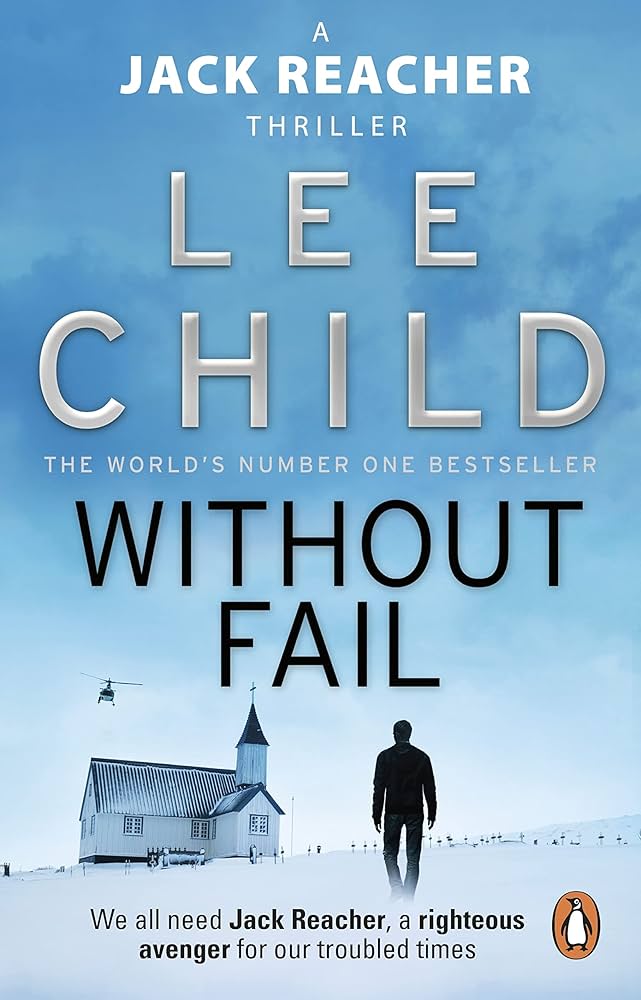
In the realm of thriller fiction, few authors command attention quite like Lee Child, whose deft storytelling and relentless pacing have garnered a devoted readership. Without fail, one of the standout entries in his Jack Reacher series, invites readers into a high-stakes world where tension simmers beneath every page. This review seeks to unpack the layers of suspense woven throughout the novel, exploring how Child balances plot intricacy with character progress while maintaining an unyielding momentum. Join me as we delve into the mechanics of Without Fail and consider what makes it a compelling, if sometimes polarizing, chapter in the ever-evolving saga of Jack Reacher.
Exploring the Mastery of Suspense and Tension Crafting Techniques in Lee Child’s Without Fail

The novel employs several distinct methods that elevate its tension, including:
Best-Selling Books in This Category


- Gradual escalation: Challenges increase incrementally,ensuring tension builds steadily rather than through abrupt shocks.
- Unreliable allies: characters who blur the line between friend and foe, keeping loyalties in question.
- Time constraints: Deadlines and ticking clocks force characters into high-pressure decisions.
- Environmental hazards: The setting itself becomes an unpredictable antagonist, amplifying unease.
These elements intertwine seamlessly to sustain a relentless atmosphere of suspense that defines the novel’s heartbeat.
| Suspense Technique | Effect on Reader | Example in Without Fail |
|---|---|---|
| Gradual Escalation | Builds anticipation and investment | Increasing threats during the protection mission |
| Unreliable Allies | Creates doubt and suspicion | Conflicting motives of Secret Service agents |
| Time Constraints | Generates urgency and pressure | Race against time to prevent an assassination |
A Deep Dive into Character Development and Jack Reacher’s Intriguing Moral Complexity

Lee Child masterfully crafts Jack Reacher not just as a relentless action hero but as a figure brimming with nuanced contradictions. Reacher’s moral compass doesn’t point to a fixed north; rather, it oscillates between rigid principles and pragmatic adaptability. This fluidity creates a dynamic tension that keeps readers on edge-questioning not only what Reacher will do next but why he chooses to do it.His decisions are rarely black-and-white, embodying shades of gray that reflect real-world ethical ambiguity. The interplay between his solitary disposition and innate sense of justice invites readers into a complex psyche, challenging typical thriller archetypes.
What makes Reacher’s character so compelling? Consider these facets:
- Internal conflicts: Balancing personal codes against external demands.
- Reluctant heroism: Often acting out of necessity rather than desire.
- Emotional restraint: A guarded persona masking deeper vulnerabilities.
- Sharp intellect: Using wit as much as brawn to navigate danger.
| Aspect | Description |
|---|---|
| Self-reliance | Lives off the grid, reliant only on his skills and instincts. |
| Justice | Enforces his own brand of fairness, sometimes bending rules. |
| Empathy | Subtle yet sincere; acts protectively for the vulnerable. |
| Conflict Style | Calculated violence tempered by strategic retreat when needed. |
Examining the Plot Structure and Pacing That Keep Readers Hooked from Start to Finish

Lee Child masterfully orchestrates the narrative by balancing meticulous detail with brisk action,creating a rhythm that continuously engages readers. The pacing modulates perfectly-moments of relentless chase and confrontation seamlessly give way to quieter, introspective segments that deepen character development. This dynamic approach prevents fatigue,allowing tension to build organically. Child’s keen understanding of narrative momentum is evident in how he layers subplots, each unveiling fresh complications that feel both surprising and unavoidable. The stakes escalate naturally, compelling readers to turn pages with an irresistible urgency.
Beyond pacing, the plot’s architecture plays a vital role. The story employs:
- Clear, goal-oriented sequences that illuminate the protagonist’s mission
- Strategic reveals that sharpen mystery and suspense
- Interwoven character motivations that enrich conflict complexity
Such elements work in concert to sustain the narrative’s tension while enriching its texture. Below is a breakdown of how key plot components align across the story’s acts, demonstrating Child’s structural precision:
| Story Act | Primary Focus | Impact on Pace |
|---|---|---|
| Setup | Establish stakes and characters | Measured, immersive introduction |
| Confrontation | Escalating obstacles and tension | Fast-paced, dynamic action |
| Resolution | Climactic showdown and closure | Intense, tightly-wound crescendo |
The Role of Setting and Atmosphere in Enhancing the Thrilling Experience of Without Fail

lee Child masterfully crafts a world where every locale is not merely a backdrop but a living, breathing entity that intensifies the suspense. From the bustling, high-stakes corridors of Washington D.C. to the isolated, ominous sites where Jack Reacher conducts his investigations, each setting pulses with a palpable sense of urgency and dread. The contrast between the familiar political arena and the shadowy corners of danger amplifies the reader’s immersion, turning settings into silent narrators that heighten tension and foreshadow impending conflict.
The atmospheric details in Without Fail work like subtle brush strokes on a canvas,painting a mood that is as essential as the plot itself. Whether it’s the persistent chill in the air hinting at looming danger or the claustrophobic interiors where secrets fester, these atmospheric choices keep readers on edge. The interplay of light and shadow, noise and silence, chaos and calm creates an ambiance that mirrors jack Reacher’s calculated yet unpredictable nature.
- Dynamic environments reflect the high stakes of the narrative
- Visual contrasts enhance emotional tension
- Ambient sounds and weather underscore key plot moments
| Setting | Atmospheric Qualities | Effect on Suspense |
|---|---|---|
| Washington D.C. | Political buzz, intense pressure | Heightens urgency and stakes |
| Remote Surveillance Locations | Isolation, suspenseful quiet | Creates tension and anticipation |
| Underground Meeting Places | Dim lighting, hidden dangers | Invokes mystery and distrust |
analyzing Key Scenes That showcase Lee Child’s Skill in Building Intense Suspense

One of the most compelling aspects of Lee Child’s narrative prowess in Without Fail is his masterful construction of tension that never feels forced or artificial. Key scenes unfold with a meticulous pacing that steadily tightens the noose around the protagonist, Jack Reacher. For example, the sequence where Reacher shadows a highly trained Secret Service agent demonstrates child’s skill in layering suspense through subtle sensory details-footsteps muffled by snow, glances exchanged in crowded urban settings, and the intermittent crack of a distant gunshot. These elements combine to create a claustrophobic atmosphere where the reader is pulled into every heartbeat and every calculated pause,making the tension palpable.The subtle interplay between anticipation and action showcases how Child avoids over-exposition, trusting the reader to sense unease and danger brewing beneath the surface.
- Foreshadowing through environment: Snow-covered streets hinting at danger lurking beneath serenity.
- Unseen threats: The impact of what isn’t immediately revealed amplifies suspense.
- Character interplay: Dialog that conveys double meanings and hidden motives.
Additionally, Child excels in building suspense by putting Reacher in situations where choices weigh heavily and consequences ripple unpredictably.A striking instance is the intense car chase sequence, which is not just a physical ordeal but a psychological one, exhibiting Reacher’s interplay between calculated calm and reactive instinct. The narrative timeline tightens here, with page-turning momentum balanced by quiet moments of reflection, allowing readers to fully grasp the stakes at hand. Using pacing as a tool, Child alternates between fast-paced action and slow-burning dread, crafting suspense that feels dynamic and multidimensional rather than monotonous. The table below highlights notable scenes and the specific suspense techniques employed in each.
| Scene | suspense Technique | Effect on Reader |
|---|---|---|
| Reacher tails agent through snowy streets | Environmental foreshadowing | Heightened alertness and unease |
| Secret dialogue in tense dialogue | Double meanings and concealed motives | Persistent curiosity and suspicion |
| High-speed car chase | Rapid pacing with psychological insight | Adrenaline-fueled engagement |
Themes and Symbolism: Uncovering Deeper Meanings Beneath the Action-Packed Narrative

Beyond the pulse-pounding suspense and relentless pacing, Lee Child’s without Fail masterfully threads subtle themes that elevate the narrative. At its core, the novel wrestles with the fragility of trust – not just between characters, but within oneself. Jack Reacher’s journey is as much about inner certainty as external threats, challenging readers to consider how confidence can both empower and isolate. Additionally, the motif of morality in gray zones permeates the story, questioning the dichotomy of right and wrong amidst a world ruled by hidden agendas and personal loyalties.
- Trust vs. Paranoia: The delicate balance between safeguarding and suspicion.
- Duty vs. Choice: Exploring the conflict between personal morals and professional obligations.
- Strength in Vulnerability: Moments where seeming weakness reveals true resilience.
Symbolism enriches these themes, with recurring elements such as the chessboard representing strategic moves in a deadly game, and the motif of shadows underscoring the elusive nature of truth. this layered use of symbols invites readers to peer beneath the surface action, compelling them to decipher hidden messages that resonate long after the last page is turned. The following table highlights prominent symbols and their interpretive weight, inviting a closer look at their narrative significance:
| Symbol | Meaning | Role in Story |
|---|---|---|
| Chessboard | Strategic Maneuvering | Reflects Reacher’s calculated risks |
| Shadows | Hidden Truths | Represents elusive threats and secrets |
| Broken Watch | Time & Mortality | Emphasizes urgency and life’s fragility |
How Without Fail Balances Action with Psychological Insight for a Rich Reader experience

Lee Child’s *Without Fail* masterfully intertwines pulse-pounding action with a deep dive into the human psyche, crafting an experience that goes far beyond the typical thriller race against time. Throughout the novel, the protagonist’s physical feats are never just for show; they serve as gateways into his strategic thinking, moral dilemmas, and emotional resilience. This balance allows readers to connect on a psychological level, transforming every high-stakes encounter into a nuanced exploration of fear, trust, and determination.
Several key elements facilitate this rich symbiosis:
- Complex Character motivations: actions flow naturally from characters’ internal struggles rather than contrived plot devices.
- Psychological Pacing: Moments of introspection create tension as potent as any gunfight, urging readers to ponder the stakes beyond the explosions.
- Authentic Dialogue: Conversations cleverly reveal layered intentions, blurring the line between ally and adversary.
| Element | Impact on Reader |
|---|---|
| Action Scenes | Immersive thrill + adrenaline spike |
| Psychological Insight | Emotional depth + intellectual engagement |
| Character Development | Empathy + sustained interest |
This deliberate interplay suggests that *Without Fail* does not just entertain-it invites the reader to experience suspense through a lens of emotional intelligence and mental acuity. The result is a story that lingers, as much a study of human nature as it is a high-octane narrative.
Recommendations for Fans of Thriller and Suspense Genres Looking to explore Lee Child’s work
To start your journey into Lee Child’s gripping universe, here are a few titles and authors that echo the intensity and cerebral twists found in Without fail:
- Robert Crais</strong – For fans of character-driven plots layered with tension.
- Michael Connelly</strong – If intricate investigations and relentless protagonists appeal to you.
- Vince Flynn</strong – For political intrigue mixed with suspense and fast-paced action.
| Title | Why It Resonates | Similar Elements |
|---|---|---|
| The Lincoln Lawyer | Clever legal twists and a morally complex hero. | Tense dialogue, strong protagonist |
| The Kill Artist | A blend of espionage and deep psychological tension. | Suspenseful plot, high stakes |
| Gone Girl | Unpredictable twists and unreliable narration. | Plot surprises, dark undercurrents |
Comparing Without Fail with Other Novels in the Jack Reacher Series for New Readers

For new readers stepping into the world of Jack Reacher through Without Fail, the novel offers a finely tuned balance of suspense and character depth that stands confidently alongside the other entries in the series. Unlike some of the earlier books, which focus more on the sheer physicality of Reacher’s confrontations, this novel delves deeper into the psychological tension and tactical maneuvering that define Reacher’s approach to danger. The plot’s pace is brisk yet deliberate, giving readers time to appreciate the intricate cat-and-mouse game Reacher plays with his adversaries. Newcomers will find the book accessible without needing prior background, thanks to subtle character recaps woven seamlessly into the narrative.
When placed alongside other notable titles like Killing floor and one Shot, Without Fail shines with its unique blend of personal stakes and political intrigue. While some novels prioritize explosive action, this one leans into strategy and suspense, making it a distinctive choice for readers seeking a layered thriller. Below is a quick comparison highlighting where Without Fail fits within the broader Jack Reacher landscape:
| Aspect | Killing Floor | Without Fail | One Shot |
|---|---|---|---|
| Action Intensity | High | Moderate | High |
| Psychological Suspense | Moderate | High | Moderate |
| Character Development | Strong introduction | Deepened background | Focused |
| Political Elements | low | Meaningful | Minimal |
- New readers will appreciate the methodical pacing balanced with unexpected twists.
- The novel’s exploration of Reacher’s analytical skills sets it apart from purely action-driven stories.
- Its nuanced portrayal of national security concerns adds a layer of realism.
The Impact of Lee Child’s Writing Style on Modern Thriller Literature and Reader Engagement

Child’s writing style has influenced modern thriller literature by shifting the focus toward a protagonist-driven, minimalist framework that still delivers expansive story arcs. Characteristics such as:
- Economy of language: Avoiding superfluous details, keeping the tension tight.
- Vivid character sketches: Using sharp dialogue and subtle cues rather of overt exposition.
- Clever structural pacing: Alternating moments of high intensity with reflective pauses.
have become benchmarks for authors aiming to emulate Child’s ability to maintain suspense without sacrificing depth. This style not only enhances immediate reader engagement but also ensures long-term attachment to the characters and narratives. below is a quick comparison illustrating core elements contributing to this impact:
| Element | Lee Child’s Approach | Typical Genre Norm |
|---|---|---|
| Sentence Structure | Short,impactful,rhythmic | Variable length,often verbose |
| Character Development | Subtle,action-driven,with internal reflection | Expository and overt backstory |
| Pacing | Consistently taut with strategic lulls | Fluctuating and sometimes uneven |
Practical Tips for Aspiring Writers Inspired by Without Fail’s Narrative Techniques

Lee Child’s mastery of pacing in Without Fail offers invaluable lessons for writers struggling to keep readers engaged. One of the standout techniques is his use of strategic pauses-moments where tension subtly builds without overt action,making eventual climaxes much more impactful. Aspiring writers should experiment with varying sentence lengths and well-timed breaks in the narrative to control the flow of information and develop suspense. Furthermore, Child’s knack for layering subplots ensures the main storyline remains gripping while enriching the reading experience with complexity and depth.
Another key takeaway lies in his character development, which remains grounded yet compelling throughout the thriller. Characters are revealed not just through direct description,but through their reactions to mounting threats-a method that breathes authenticity into the narrative. Writers can adopt this technique by showing who their characters are through decisions made under pressure, allowing readers to connect emotionally. Below is a simple breakdown of techniques, inspired by Without Fail, that writers can integrate into their own storytelling:
| Technique | Purpose | How to Apply |
|---|---|---|
| Strategic Pauses | Build suspense | Use shorter paragraphs and let silence speak |
| Layered Subplots | Enhance complexity | Interweave secondary conflicts with the main plot |
| Character Under Pressure | Reveal true motives | Show characters’ choices in critical moments |
A Closer Look at Lee child as a Writer: Influences, Career, and Contributions to Thriller Fiction

Lee Child’s literary craftsmanship is deeply rooted in a blend of classic thriller conventions and contemporary narrative techniques. Drawing inspiration from iconic authors like John D. MacDonald and Ross Macdonald, Child reinvents the archetype of the lone-wolf protagonist with his compelling character Jack Reacher. His writing thrives on *precision pacing* and *minimalist prose*, which not only markup the tension but also create a cinematic reading experience. Child’s background as a television executive adds a visible influence to his work, evident in his sharp dialogues and episode-like chapter structures that keep readers hooked. His ability to balance intricate plots with accessible language has broadened the appeal of thriller fiction, making it enticing both for casual readers and genre aficionados.
Contributions to thriller fiction by Child extend beyond just storytelling. He has redefined the genre’s hero through Jack Reacher’s nomadic lifestyle, moral compass, and raw physicality, infusing a modern flavor to action-driven narratives. This approach encourages a more nuanced exploration of justice, ethics, and individualism within the framework of suspense. Below is a quick snapshot of Child’s career landmarks and signature elements that have cemented his place in contemporary thriller literature:
| Aspect | Details |
|---|---|
| First Published Book | Killing Floor (1997) |
| Signature Protagonist | Jack Reacher |
| Writing Style | Lean, fast-paced, dialogue-centered |
| Recurring Themes | Justice, morality, freedom |
| Industry Impact | Modernizing thriller heroes, crossover appeal |
Without Fail stands as a compelling piece in Lee child’s Jack Reacher saga-balancing relentless action with moments that invite us to pause and consider the undercurrents of trust and vulnerability. Whether you’re a longtime fan or a newcomer curious about the mechanics of suspense, this novel offers a rich landscape to explore.As the final pages close, it leaves readers not just with answers, but with the lingering thrill of uncertainty that defines grate suspense storytelling.