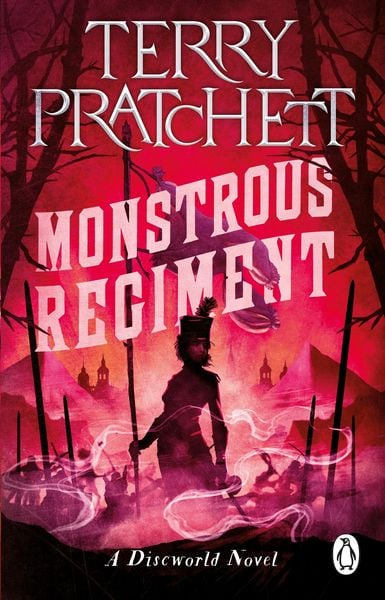
In the vibrant tapestry of Terry Pratchett’s Discworld, Monstrous regiment stands out as a compelling exploration of identity, courage, and societal expectation. Unmasking Valor: A Thoughtful Look at Pratchett’s Monstrous Regiment invites readers to peel back the layers of this beloved novel, offering fresh insights into its enduring themes and wit. This review embarks on a journey through Pratchett’s satire and storytelling, examining how the book challenges conventions while celebrating the complexity of heroism in unexpected forms.
Exploring the Intricacies of Gender and Identity in Pratchett’s Monstrous Regiment with Subtle Humor and Sharp Commentary
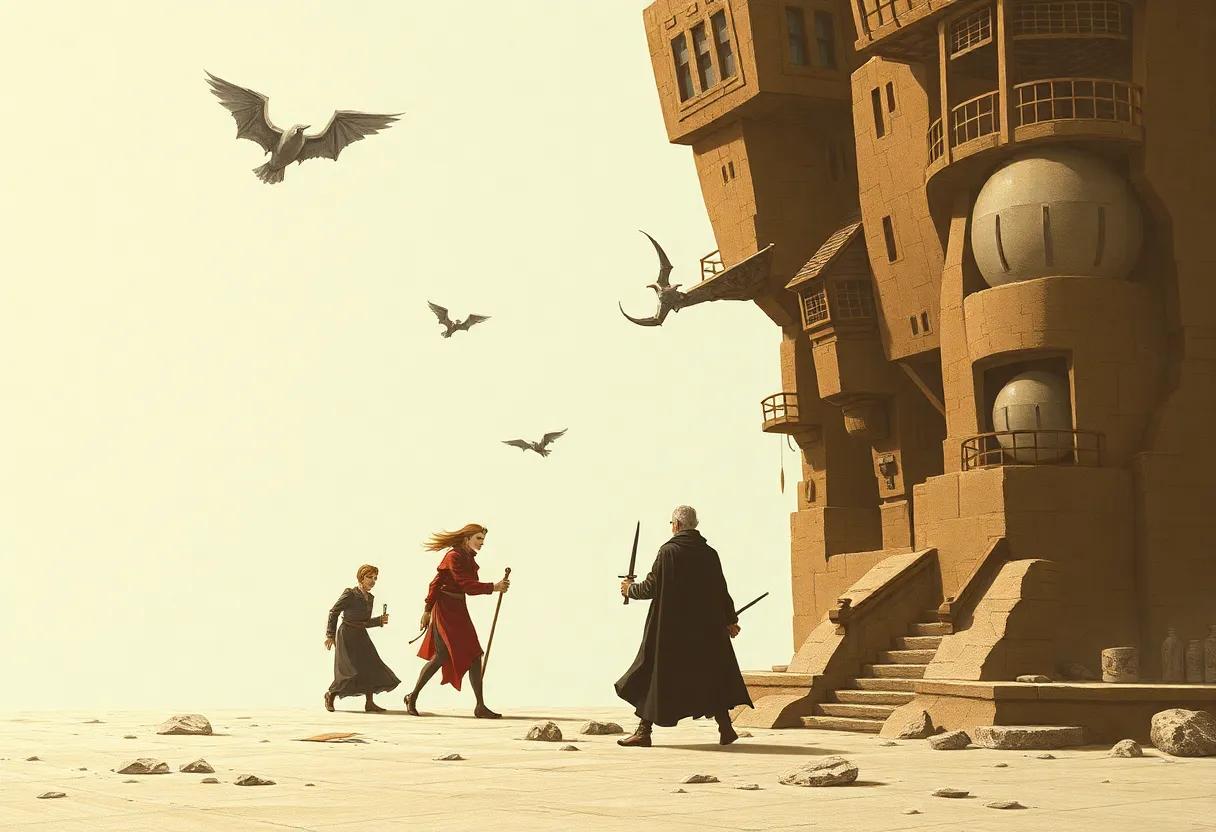
In Monstrous Regiment, Pratchett masterfully dismantles customary notions of gender through a cast of characters who defy stereotypes with both courage and wit. By placing Polly Perks and her fellow soldiers in a world reluctant to accept their true identities, he shines a light on the performative aspects of gender roles. The narrative cleverly uses humor as a scalpel, cutting through societal expectations without losing its sharp edge. This subtle balance allows readers to engage with weighty themes-such as self-discovery and societal conformity-through the disarming lens of satire, encouraging reflection without moralizing.
Pratchett’s commentary extends beyond individual identity, exploring the collective power dynamics embedded in cultural narratives.The novel’s humor often reveals how arbitrary and constructed these roles can be,and the absurdity that follows when people fight to maintain rigid distinctions. Consider this compact breakdown of key thematic contrasts:
Best-Selling Books in This Category

- Matthews, Jay (Author)
- Language: english

- Rees, Anuschka (Author)
| Conventional Expectation | Pratchett’s Subversion |
|---|---|
| Warriors are men | women disguised as men |
| Leadership demands power and aggression | Leadership through empathy and solidarity |
| Gender defines ability | Individual merit surpasses labels |
- Identity as a flexible and performative concept
- humor as a vehicle for critical reflection
- Society as a structure both oppressive and changeable
How Monstrous Regiment Challenges Traditional War Narratives through its Unique Blend of Satire and Social Critique
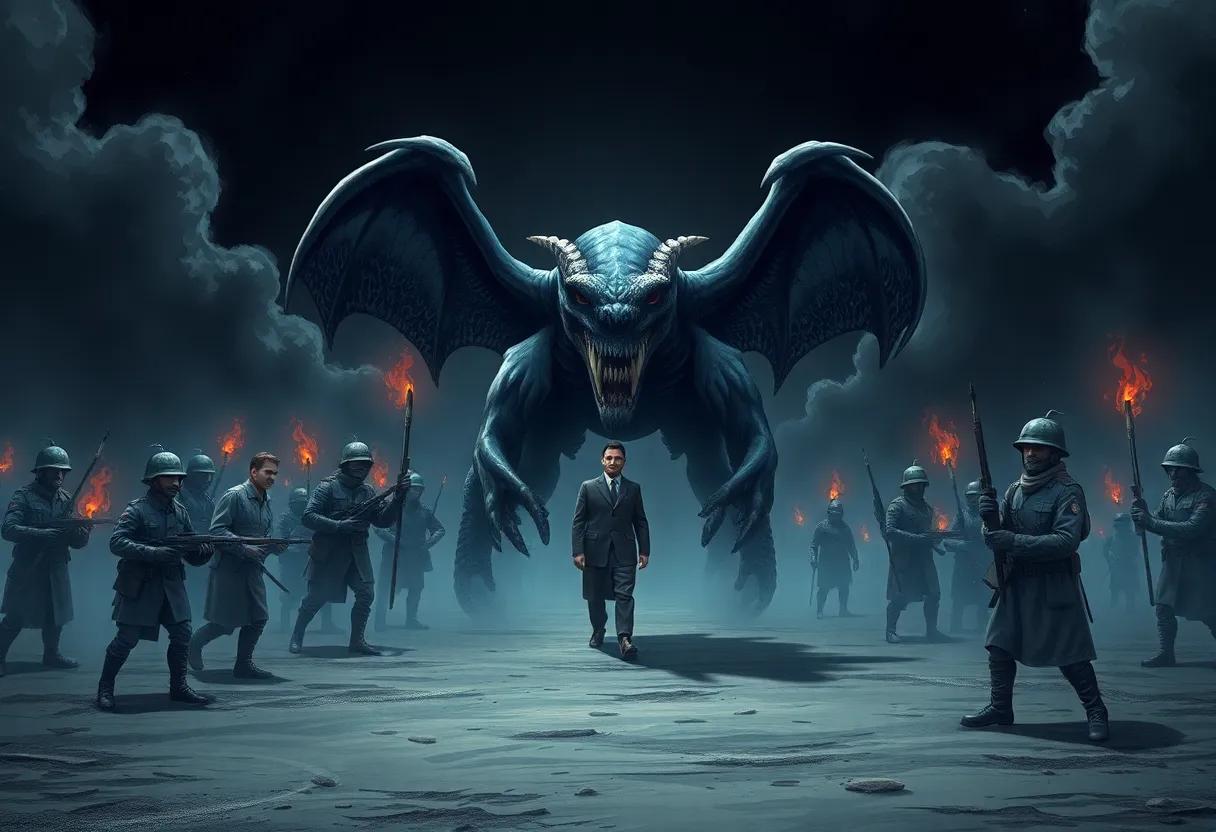
In Monstrous Regiment, Pratchett masterfully dismantles the glorified image of war by weaving satire into the fabric of his storytelling, exposing the absurdities that often underpin military conflict. Through the unconventional journey of Polly Perks-disguised as a man to join the army-the narrative critiques traditional notions of heroism, masculinity, and nationalism, encouraging readers to question the societal ideals that fuel endless battles. The humor, sharp yet empathetic, serves not only to entertain but to spotlight the ironies within the machinery of war, revealing both the futility of blind allegiance and the human cost hidden beneath medals and marching drums.
Pratchett’s approach is distinctive in how it combines social commentary with a narrative structure that defies typical war epics. Instead of glorifying combat,the story highlights the camaraderie among diverse individuals bound by necessity rather than ideology. This blend is exemplified in the themes explored through characters and plot devices, such as:
- The subversion of gender roles: Challenging binary gender expectations within a patriarchal military system.
- Questioning authority: portraying flawed leaders whose decisions often exacerbate conflicts.
- Deconstruction of patriotism: Showing how allegiance can be manipulated for power rather than justice.
| Element | Traditional Narrative | Pratchett’s Satirical Twist |
|---|---|---|
| Heroism | Brave, male soldier with undeniable valor | A disguised woman whose valor comes from resilience, not bravado |
| Leadership | Commanding generals as infallible strategists | Imperfection and absurdity in high command decisions |
| War’s Purpose | Defined honor, nation-building | Questioning motives, exposing futility and propaganda |
The Role of Camaraderie and Personal Growth among Soldiers in the Harsh Realities Portrayed by Pratchett
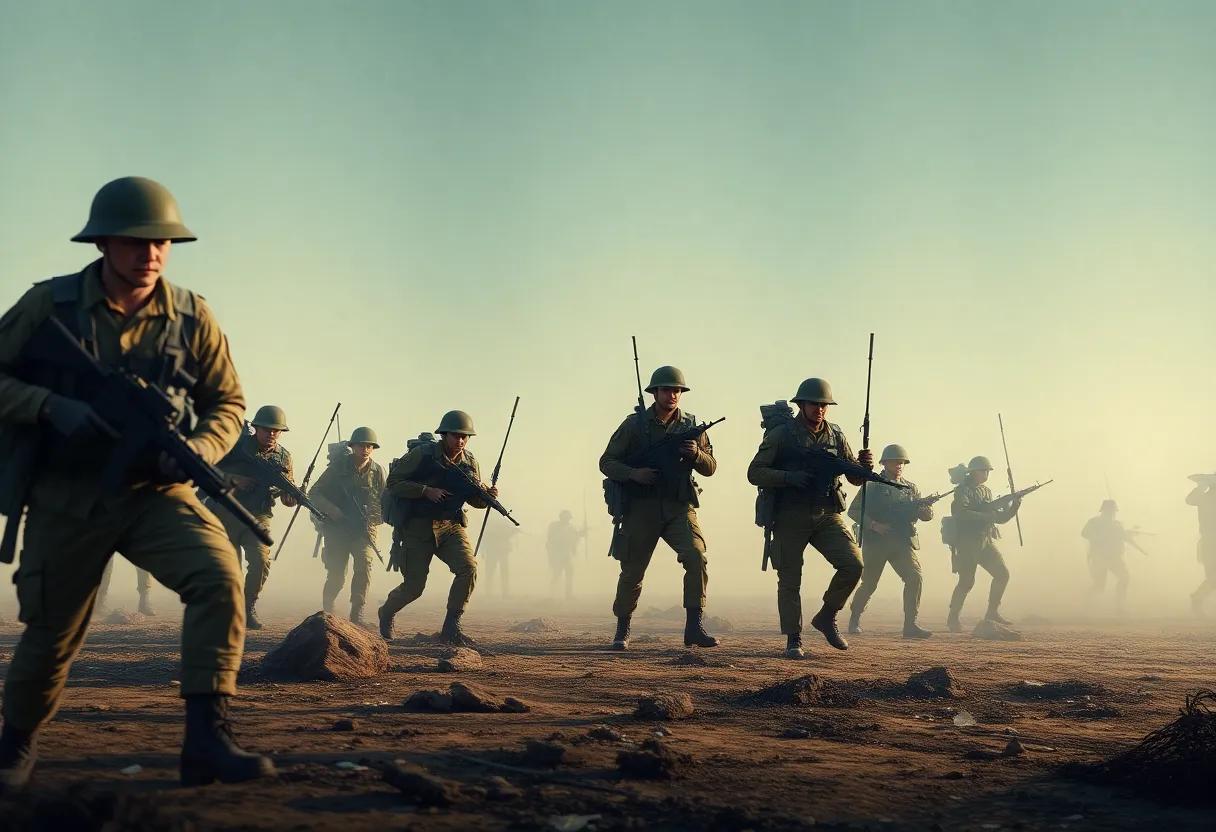
In Monstrous Regiment, Terry Pratchett masterfully reveals how camaraderie becomes a vital lifeline for soldiers who navigate the chaos and uncertainty of war. The bonds forged between characters transcend mere survival tactics; they evolve into a powerful source of emotional resilience and collective identity. through shared hardship,moments of doubt are softened by laughter,and fears are diminished by unwavering support. This deep fellowship challenges traditional notions of valor by illustrating that true bravery often springs not from solitary heroism, but from the unity of a diverse and flawed group confronting adversity together.
Alongside the tangible solidarity, personal growth emerges as an equally profound theme. The harsh realities faced by the regiment dismantle preconceived ideas about strength, gender roles, and duty, offering a nuanced portrait of self-discovery amid turmoil.Characters evolve beyond stereotypes-shifting from uncertainty and insecurity to confidence and agency-highlighting the transformative power of experience and reflection. The following table encapsulates key moments where individual growth intertwines with collective strength:
| Character | Moment of Growth | Impact on Regiment |
|---|---|---|
| Polly Perks | Embracing leadership despite fear | Encourages unity and hope |
| Private Detritus | Questioning personal prejudices | Fosters empathy within the group |
| Sergeant Jackrum | Balancing toughness with compassion | Strengthens morale and discipline |
Analyzing the Use of Symbolism and Allegory that Elevates Monstrous Regiment beyond a Typical Fantasy Novel
In Monstrous Regiment, Terry Pratchett wields symbolism and allegory not just as decorative literary tools, but as the backbone of his narrative’s deeper meaning. The very title itself evokes a powerful symbol: a regiment composed of the “monstrous,” those who defy established societal norms by embracing strength and agency in a male-dominated world. Through this, Pratchett critiques gender roles and challenges traditional heroic archetypes. The soldiers’ experiences become allegorical, representing marginalized voices and the persistent struggle for identity and recognition in the face of rigid hierarchy. Symbolism blooms in the novel’s uniforms and battlefield, which transcend their literal function to illustrate conformity, disguise, and the complexity behind appearances.
Pratchett’s use of allegory extends beyond mere gender commentary, layering a subtle critique of nationalism, war, and the absurdity of blind loyalty. The fictional conflict, with its mix of realpolitik and personal quests, serves as a mirror reflecting the futility and often farcical nature of real-world conflicts. This dynamic is encapsulated by the recurring motifs of masks and mirrors-signifying how characters both hide and reveal their true selves amid chaos. Below is a breakdown of key symbolic elements Pratchett employs, showcasing how each enriches the story’s texture:
- The Regiment’s Uniforms: Symbolize both unity and the erasure of individuality.
- Disguise: Highlights themes of identity fluidity and societal roles.
- The Battlefield: An allegory for internal and external struggles.
- Mysticism and Prophecy: Represent fatalism contrasted with free will.
| Symbol | Allegorical Meaning | Impact |
|---|---|---|
| The Help of the Gods | Divine Favor vs. Human agency | Questions faith and self-determination |
| Whiskey (in disguise) | The strength beneath the veneer | Challenges gender perceptions |
| The War Itself | Senseless tradition vs. questioning conscience | Encourages critical reflection on conflict |
The Impact of Pratchett’s wit and Wordplay on the Reader’s Engagement with Complex Themes and Characters
Pratchett’s brilliance lies not only in the narrative arc but in the delicate balance of wit and wordplay that threads through every page. His playful use of language acts as a gateway, transforming potentially heavy themes into accessible explorations.The reader is gently nudged to laugh while concurrently reflecting on serious subjects such as identity, courage, and societal expectations. This clever intertwining means that complex characters aren’t presented as mere symbols but as fully fleshed individuals whose struggles resonate deeply, all while keeping the tone intriguingly light and engaging.
Consider how humor becomes a tool for subversion, inviting readers to question norms without feeling lectured. Through sharp dialog and unexpected puns, Pratchett crafts an experience where engagement is as much about amusement as it is about insight. Below is a concise overview of how this impact manifests:
| Element | Effect on Reader | exmaple from Monstrous Regiment |
|---|---|---|
| Irony | Challenges assumptions | The disguised protagonist questions gender roles |
| Wordplay | Maintains engagement through humor | Quirky military jargon with double meanings |
| Satire | Exposes societal flaws | Mocking of bureaucratic inefficiency |
- Emotional depth combines with laughter to enhance empathy.
- Complexity is demystified, encouraging active interpretation.
- Characters are made relatable despite fantastical elements.
A Deep Dive into the Moral Ambiguities Faced by Characters in the Crossfire of War and loyalty
In Monstrous Regiment, Terry Pratchett intricately weaves a tapestry of characters who must navigate the blurred lines of duty and conscience amid the chaos of war. The soldiers, bound by oaths to commanders and causes, constantly grapple with decisions that challenge their personal ethics. Loyalty becomes a double-edged sword-while it fosters camaraderie and purpose, it also forces sacrifices that question the very notion of heroism. For instance,Polly’s journey reveals that valor isn’t synonymous with blind obedience but often requires a deliberate choice to defy expectations in pursuit of a higher moral ground.
these dilemmas manifest vividly in moments where characters must weigh their allegiance against the harsh realities of conflict. pratchett’s narrative style highlights that war is not a simple clash of good versus evil but a complex dance of intentions, mistakes, and survival instincts. To exemplify this, consider the moral calculus faced by the soldiers:
- Protecting comrades vs. obeying questionable orders
- Preserving personal integrity vs. achieving tactical objectives
- Questioning authority vs. maintaining unit cohesion
| Character | Moral Conflict | Resolution |
|---|---|---|
| Polly | Disguising identity to fight | Embraces truth to inspire change |
| Sergeant | Following orders vs. empathy | Balances discipline with compassion |
| Lieutenant | Personal ambition vs. troop welfare | Prioritizes soldiers’ wellbeing |
Examining the Narrative Structure and Pacing that Keeps Monstrous Regiment Both Entertaining and Thought-Provoking
Terry Pratchett’s narrative in Monstrous Regiment is a masterclass in balancing brisk pacing with layered storytelling. The plot advances with nimble precision, never allowing the reader to linger too long in one place, yet each scene is rich with nuanced commentary on war, gender roles, and societal expectations. The alternating tones-combining sharp wit with poignant moments-create a rhythm that keeps the audience both amused and intellectually engaged. Readers encounter a story that sprintingly moves from humorous banter to unexpected revelations, maintaining momentum without sacrificing depth.
This dynamic pacing is supported by a cast of vivid characters whose intertwined arcs build tension and provoke reflection. The structure smartly intersperses moments of introspection with action-driven sequences, creating a compelling ebb and flow. Consider the following breakdown of key narrative elements that contribute to this balance:
| Element | Function | impact |
|---|---|---|
| Character Growth | Layered personalities with evolving beliefs | Engenders empathy and challenges stereotypes |
| Strategic Pacing | Fast-moving plot intermixed with reflective pauses | Maintains engagement and deepens thematic resonance |
| Multiple Perspectives | Shifts narrator viewpoints | Broadens understanding of societal complexities |
| Humor & Satire | Sharp wit to soften harsh realities | Encourages critical thinking without alienation |
Recommendations for Readers Seeking Thoughtful Fantasy That Balances Humor, Heart, and Political Insight
For those eager to dive into a fantasy realm where laughter and reflection walk hand in hand, this novel offers a masterful balance. Its witty narrative draws readers into a world bursting with vibrant characters who challenge societal norms while sparking genuine empathy. Through clever satire, the story exposes the absurdities of war and gender roles without sacrificing heartfelt moments. Such a seamless blend ensures that readers are entertained yet prompted to reconsider the structures underpinning power and identity.
Readers who thrive on thoughtful fantasy should consider exploring:
- Discworld novels by Terry Pratchett for their sharp political commentary wrapped in humor.
- Works that challenge traditional heroism and explore moral complexity, such as The Goblin Emperor by Katherine Addison.
- Stories where ordinary individuals embark on remarkable journeys, highlighting courage in unexpected forms.
| Element | Why It Matters |
|---|---|
| Humor | Engages readers and softens tough themes |
| Heart | Builds emotional investment in characters |
| Political Insight | Encourages critical thinking about society |
Considering Monstrous Regiment’s Place Within the Larger Discworld Series and Its Unique Contributions
monstrous Regiment carves out a singular niche within the sprawling Discworld universe by boldly addressing themes of gender, identity, and war through a lens rarely explored in fantasy literature. Unlike its predecessors, the novel doesn’t just entertain with wit and whimsy but challenges readers to question societal norms and preconceived notions of bravery. Pratchett’s deft interweaving of humor and gravitas invites a fresh outlook, offering a narrative where the chaos of battle serves as a backdrop to a deeper commentary on the power structures that define and confine individuals.Through the eyes of Polly Perks and her makeshift company, the story becomes a microcosm of revolt, resilience, and redefinition – hallmarks that elevate this installment beyond mere adventure.
Its unique contributions can be distilled into several critical aspects that ripple across the Discworld series:
- Subversion of traditional fantasy tropes: Eschews the typical hero’s journey, favoring ambiguity and moral complexity.
- Exploration of gender politics: Centers on women soldiers disguising themselves in a male-dominated world, spotlighting issues of inequality.
- Socio-political satire: Sharp, insightful critique of nationalism and militarism wrapped in Discworld’s characteristic humor.
- Character-driven story arcs: Emphasizes personal growth over epic quests, making its heroes relatable and nuanced.
| Novel | Key Themes | Unique Element |
|---|---|---|
| Monstrous Regiment | Gender, War, Identity | Gender disguise and critique of militarism |
| Guards! Guards! | Order, Corruption, Heroism | Introduction of city Watch and urban fantasy |
| Mort | Death, Fate, Growth | Personification of Death as a character |
| Small Gods | Religion, Belief, Power | Philosophical satire on faith |
How Pratchett’s Personal Experiences and Empathy Influence the authenticity of His Characters and Themes
Pratchett’s ability to weave deeply authentic characters springs largely from his own life’s tapestry woven with strife, empathy, and an acute awareness of human complexity. His experiences battling a debilitating illness did not dim his keen insight; rather, they enriched his narrative voice with profound compassion and resilience. This personal history breathes life into the soldiers of Monstrous regiment, whose vulnerabilities and courage resonate because they reflect a genuine understanding of struggle and strength. The characters are not mere archetypes but fully realized individuals, painted with empathy that transcends the page, prompting readers to challenge societal norms and preconceptions about identity and belonging.
Within the novel, themes such as the fluidity of gender roles and the often invisible braveries of everyday life are explored with nuance and sensitivity, hallmarks of Pratchett’s humanistic approach. His empathy manifests through complex moral dilemmas and a careful balance between humor and seriousness, which encourages readers to engage thoughtfully rather than react superficially. Consider this breakdown of key traits and thematic elements, reflecting his personal influence:
| Characteristic | Influence From Pratchett | Effect in Monstrous Regiment |
|---|---|---|
| Empathy | Life challenges and health struggles | Multi-dimensional characters with genuine emotions |
| Humor | Using wit as coping mechanism | Lightens serious themes without trivializing |
| Social commentary | Observations on society’s constraints | Exploration of gender and societal roles |
| Resilience | Personal perseverance | Protagonists who defy odds with quiet strength |
- Authentic dialogue: Conversations reveal the inner conflicts and humanity of the characters.
- Subtle world-building: Contexts hint at broader cultural critiques influenced by real-world observations.
- Layered themes: Gender identity, war’s futility, and personal valor intertwine seamlessly.
In unmasking the layers within Monstrous Regiment, Pratchett invites readers to reassess not only the nature of courage but also the roles we assign in the grand theater of war and identity. This thoughtful exploration deftly blends humor and insight,reminding us that valor frequently enough wears unexpected faces. Whether you’re a seasoned Discworld traveler or a newcomer, Monstrous Regiment promises a journey that challenges and entertains in equal measure-leaving you with much to ponder long after the last page is turned.