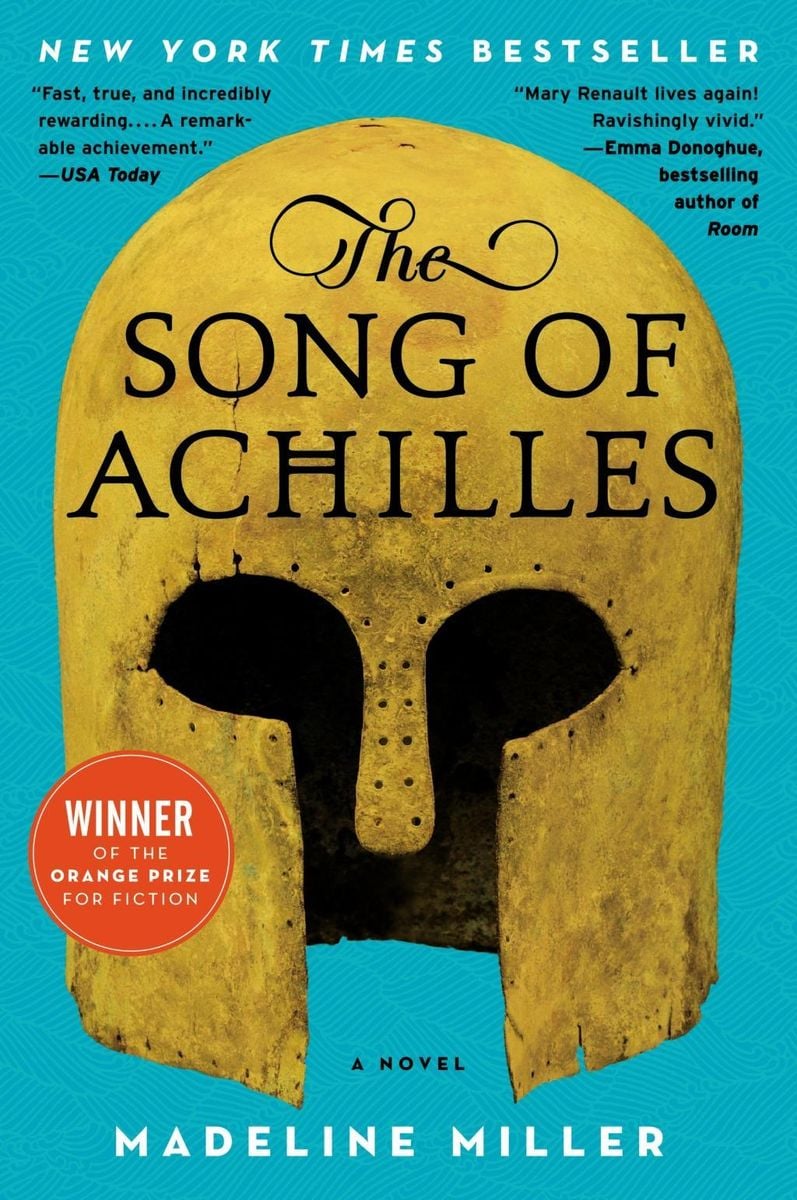
In literature, few stories intertwine myth and memory as seamlessly as Madeline Miller’s The Song of Achilles.Revisiting this celebrated novel invites readers to explore not only its retelling of ancient legend but also the delicate layers of human experience that pulse beneath the epic narrative. This review takes a thoughtful look at how Miller reimagines the familiar tale of Achilles and Patroclus, balancing timeless themes with fresh emotional insight, and offers an possibility to reflect on why this modern classic continues to resonate in contemporary storytelling.
Exploring the Reinterpretation of Greek Mythology Through a Contemporary narrative Lens

In reimagining ancient tales, The song of Achilles intricately weaves classical mythology with the emotional depth of modern storytelling. This approach transforms familiar heroes into relatable figures, stripped of their traditional grandeur and rendered with profound vulnerability. Through this lens, mythic narratives are no longer distant myths etched in stone but living stories that explore complex human experiences such as love, identity, and fate. The novel’s retelling challenges readers to reconsider the timeless relevance of thes myths, emphasizing that the essence of heroism often resides in internal struggles rather than external conquests.
Key elements that set this reinterpretation apart include:
Best-Selling Books in This Category



- Emotional Intimacy: Focusing on personal relationships and inner conflicts.
- Perspective Shift: Revisiting the story from lesser-known viewpoints,offering fresh insights.
- Contemporary Themes: Addressing issues like identity and mortality with modern sensibilities.
| Mythological Character | Traditional Portrayal | Contemporary Reinterpretation |
|---|---|---|
| Achilles | Invincible warrior, driven by honor | Emotionally conflicted and vulnerable |
| Patroclus | Sidekick and friend | Complex lover and narrator |
| Hector | Noble hero, defender of Troy | Symbol of tragic humanity |
Unpacking the Emotional Depth and Complexities of the Central relationship in The Song of Achilles

The relationship between Achilles and Patroclus is rendered with a poignancy that transcends traditional mythic portrayals,inviting readers into a layered exploration of love,loyalty,and identity.their bond is neither simple nor linear; it is fraught with tension and tenderness, fear and courage. Through Patroclus’s eyes, we witness a hero shrouded in vulnerability, whose emotional depth contrasts starkly with the archetypal image of invincibility. This nuanced portrayal challenges readers to reconsider familiar narratives and embrace a more intimate understanding of heroism, defined as much by emotional resilience as by martial prowess.
Key facets of their connection emerge vividly, revealing a spectrum of experiences that shape their intertwined fates:
- Shared histories: Childhood memories that forge a foundation of trust and companionship.
- Unspoken desires: Moments of silent understanding that deepen their emotional attachment.
- Conflicting loyalties: The strain between personal devotion and societal expectations, which complicates their alliance.
- Transformational growth: How their relationship serves as a catalyst for self-revelation and sacrifice.
| emotion | Impact on Relationship |
|---|---|
| Loyalty | Anchors the characters despite external chaos |
| Jealousy | Reveals insecurities that humanize both |
| Grief | Propels narrative tension and ultimate sacrifice |
| Hope | Illuminates their enduring bond beyond mortal fate |
The Role of Memory in Shaping Characters’ Identities and Motivations Throughout the Story

Memory in The song of Achilles acts as both a mirror and a map, reflecting the characters’ inner worlds while guiding their decisions and desires. Achilles’ recollections of his childhood, his training under chiron, and his tender moments with Patroclus create a tapestry of vulnerability beneath the warrior’s bravado. These memories not only define his identity but also fuel his motivations, turning personal grief into legendary resolve. Similarly,Patroclus’ own remembrance of loss and exile informs his quiet strength,shaping his loyalty and his will to protect. Through each character’s lens, memory becomes an emotional anchor that propels the narrative forward, intertwining past pain with present purpose.
The story carefully weaves memory into dynamic character development, highlighted by moments of reflection that reveal intimate truths and unspoken fears. Consider the emotional resonance in Achilles’ recollections, where joy and sorrow coalesce:
| Memory Type | Impact on Character | Motivational Outcome |
|---|---|---|
| Childhood Training | Instills discipline and pride | Determination to uphold honor |
| Shared Tenderness | Reveals vulnerability | Strengthens emotional bonds |
| Loss and War | Ignites rage and grief | Compels heroic actions |
- Memory as identity: establishes personal and mythic legacies.
- Memory as motivation: transforms past experiences into future drives.
- Memory as emotional depth: unveils the internal conflicts beneath heroic facades.
Examining the Poetic Language and Symbolism that Enrich the Reader’s Immersive Experience
The lyrical prose in The Song of Achilles weaves a tapestry where every word pulses with layered meaning. The poetic language transcends mere storytelling, drawing readers into a sensory-rich world where emotions bleed into the landscape. Patroclus’s quiet observations and Achilles’ fiery spirit are not just depicted but felt through metaphors that echo ancient myth and human vulnerability. This literary craftsmanship invites readers to immerse themselves in the emotional currents,experiencing joy,longing,and tragedy not as distant concepts but as immediate,vivid sensations.
Symbolism operates as a subtle yet profound guide throughout the narrative, enriching the text’s depth and resonance. Objects, nature, and even colors become vessels carrying the weight of fate and memory:
- The sea reflects both isolation and the vastness of destiny
- Olive branches symbolize peace and fragile hope among turmoil
- Fire embodies passion, destruction, and transformation
These elements intertwine, creating a symbolic language that deepens the reader’s engagement, nurturing a contemplative atmosphere where myth and emotion entwine. the story’s poetic dimension thus acts as a bridge-between past and present, between the mortal and the divine, and most poignantly, between the reader’s heart and the timeless ache of remembered love.
Balancing Historical Context with Modern Themes of Love, loyalty, and Heroism
Madeline Miller masterfully intertwines the grandeur of ancient myth with the intimate emotions that define human experience. While echoing the epic grandeur of Homeric tales,the narrative bravely navigates the turbulent waters of personal identity and forbidden love,reflecting themes that resonate deeply with contemporary readers. The portrayal of Achilles and Patroclus moves beyond mere historical mythos, inviting an exploration of love as a powerful, transformative force, challenging rigid norms of the past and shedding light on the vulnerabilities and loyalties that shape us all.
The novel’s blend of heroic valor and tender intimacy offers a nuanced reinterpretation that honors the source material while inviting modern reflection. Through delicate balance, the story expands on traditional ideas of heroism – shifting from mere physical prowess to a broader understanding that encompasses courage of the heart and soul. This duality surfaces repeatedly, as demonstrated in the table below, illustrating how ancient themes are reimagined alongside fresh emotional truths:
| Ancient Theme | Modern Interpretation |
|---|---|
| Warrior Honor | personal Integrity & Compassion |
| Fate and Prophecy | Choice and Self-Discovery |
| Bloodline and Duty | Love and Loyalty Beyond Boundaries |
insights into the Author’s Creative Choices That Challenge Traditional Mythological Portrayals
In reimagining the ancient narrative, the author defies the archetypal depictions of heroes by emphasizing emotional vulnerability and intimate relationships over traditional glorifications of war and conquest. This purposeful shift allows readers to engage with mythological figures not as distant icons but as profoundly human characters, grappling with love, loyalty, and identity. The bold choice to highlight themes of queer love and personal struggle actively challenges the heteronormative and often monolithic portrayals prevalent in classical retellings, inviting a more nuanced and empathetic understanding of the mythos.
- Subversion of heroism: portraying Achilles through the lens of tenderness and self-doubt
- Emphasis on relational dynamics: focusing on the bond between Achilles and Patroclus as central to the narrative
- Interweaving memory and myth: blending past and present to explore the fragility of legend versus personal truth
The narrative structure further challenges tradition by weaving together dual perspectives that blur the lines between history and fiction. This approach destabilizes the reader’s expectations, encouraging reflection on how myths are constructed and remembered. By employing a lyrical prose style that concurrently feels timeless and immediate, the author creates an immersive experience that reframes well-known events, thereby revitalizing their meaning for contemporary audiences.
| Traditional Portrayal | Author’s Creative Choice |
|---|---|
| Glorified warrior archetype | Complex, emotionally layered hero |
| Heteronormative romance | Exploration of queer intimacy |
| Linear epic narrative | Fragmented, memory-driven storytelling |
The Impact of Myth Retelling on Modern Readers’ Understanding of Ancient Stories
Retelling ancient myths through a contemporary lens serves not only to revive forgotten narratives but also to deepen modern readers’ connection to timeless themes. The song of Achilles weaves a fresh perspective into the well-trodden tale of Homer’s heroes, inviting readers to explore identity, love, and fate beyond traditional frames.By humanizing characters often reduced to archetypes, the novel encourages an intimate reflection on the emotional landscapes that myths once only hinted at. This revival sparks a dialog between past and present, allowing readers to grapple with the eternal relevance of ancient stories in today’s social and cultural contexts.
Such retellings also prompt readers to reconsider the fluidity of memory and history. Myths, after all, were originally oral and malleable, shaped by each storyteller’s culture and time. Modern reinterpretations serve as a reminder that these stories are living, breathing entities, constantly evolving in meaning. Below is a simple comparison highlighting how key elements transform through retellings like The Song of Achilles:
| Aspect | Ancient Myth | Modern Retelling |
|---|---|---|
| Character Depth | Heroic Archetypes | complex Emotions |
| Relationship Focus | Political Alliances | Personal Bonds |
| Narrative Voice | Epic Omniscient | Intimate First-person |
| Thematic Emphasis | Honor and Glory | Love and Vulnerability |
- Reimagined identities challenge conventional readings and open up discussions on portrayal.
- Emotional realism bridges the gap between mythic grandeur and human experience.
- Dynamic storytelling revitalizes mythology for a diverse, modern audience.
A closer Look at Character Development and their Transformations Across the Narrative Arc
in The Song of Achilles, characters are sculpted not merely as static figures within a mythic framework but as evolving entities shaped by love, loss, and the inexorable tides of fate. Achilles, frequently enough epitomized as the warrior of unmatched valor, is reimagined through Patroclus’s intimate gaze, revealing layers of vulnerability and longing. This nuanced transformation invites readers to witness how his legendary bravado coexists with moments of doubt and tenderness, painting a portrait of a hero deeply humanized by personal connection. Equally compelling is Patroclus himself, whose journey from a marginalized childhood to a central role in the Trojan saga challenges traditional hero archetypes and underscores the power of resilience and quiet courage.
Throughout the narrative,relationships act as catalysts for transformation,with each key figure confronting and reshaping their identities in response to shifting dynamics and imminent tragedy. The interplay of emotions-ranging from affection and jealousy to grief and redemption-propels characters into uncharted territories of self-awareness. Below is a brief overview of pivotal character shifts that illustrate these complexities:
| Character | Initial Trait | Core Transformation | End State |
|---|---|---|---|
| Achilles | Invincible warrior | From prideful hero to vulnerable lover | Tragic figure shaped by love and loss |
| Patroclus | Outcast and uncertain | From sidelined companion to emotional anchor | Embodiment of quiet strength and sacrifice |
| Briseis | Captured prize | From powerless detainee to self-aware survivor | Agent of resilience within chaos |
This evolving character landscape enriches the narrative with a layered emotional resonance, transcending the familiar myths to explore the transformative power of memory and human connection.
Themes of Fate and Free will Interwoven With Personal and Cultural Memory in the Novel
Within the narrative tapestry of The song of Achilles, the delicate dance between fate and free will comes alive through the intimate choices and broader cultural forces shaping the characters’ lives.The characters seem tethered to an inescapable destiny, yet they continuously navigate moments where their decisions ripple beyond prophecy.This tension invites readers to ponder whether destiny is an unbending script or a framework within which personal agency wields quiet power. The novel skillfully portrays this interplay by embedding mythic inevitability alongside acts of rebellion, love, and sacrifice, creating a landscape where history and memory both confine and empower.
Simultaneously, personal and cultural memory serves as a bridge connecting the heroic past to the present, fleshing out legendary figures with human depth and emotional resonance. Memory here is not passive recollection but an active force,shaping identity and perception across generations. Consider the ways in which stories echo within the novel:
- Oral tradition as a vessel for honoring fallen heroes and preserving values
- Individual remembrance as a source of healing and transformation amidst tragedy
- Cultural mythmaking reinforcing collective beliefs while allowing space for reinterpretation
| Aspect | Role in the Novel |
|---|---|
| Fate | Guides events with inevitability, creating tension and drama |
| Free Will | gives characters scope to challenge or embrace destiny |
| Cultural Memory | Preserves heroic ideals and communal values through stories |
| Personal Memory | shapes individual identity, emotions, and motivations |
Recommendations for Readers Seeking a Fresh Perspective on Classic Mythological Tales
For readers eager to dive into classical mythology through a new lens, The Song of Achilles offers an intimate retelling that rehumanizes legendary figures often enshrined in distant grandeur. rather than focusing solely on epic battles or divine interventions, this narrative prioritizes the emotional textures of love, loyalty, and the complexities of heroism.To enrich this experience, consider exploring works that similarly blend historical myth with contemporary sensibilities, where storytelling becomes a bridge between ancient worlds and modern hearts.
- Madeline Miller’s Circe – A feminist reimagining that gives voice to one of mythology’s most enigmatic figures.
- Pat Barker’s the Silence of the Girls - A powerful perspective from the women overshadowed by the Trojan War.
- david Almond’s Skellig – Though not mythological, it beautifully melds mystical elements with human experience.
| Book | Unique Angle | Recommended For |
|---|---|---|
| The Song of Achilles | Romantic and personal retelling of myth | Those who appreciate character-driven narratives |
| Circe | Empowerment through mythological voice | fans of strong female protagonists |
| The Silence of the Girls | War’s impact from the sidelined perspective | Readers interested in untold stories |
When engaging with these stories, consider approaching them not as static relics, but as living dialogues between past and present. Each narration invites readers to question traditional interpretations and to see myths as vessels of timeless human emotions, conflict, and transformation. Taking this mindset fosters a richer appreciation not only of the narratives themselves but also of the evolving cultural conversations that shape their resonance today.
Considering the Book’s place Within Contemporary Mythology-Inspired literature
The Song of Achilles emerges as a distinctive voice amidst a sea of mythology-inspired narratives that have surged in recent years. Unlike traditional retellings that frequently enough emphasize grand heroism and epic battles, Madeline Miller’s work delves deeply into the intimate and human aspects of myth. By reframing Achilles’s story through Patroclus’s eyes, the novel invites readers to reconsider well-worn legends, shining a light on emotions and relationships that frequently enough remain in the shadows of heroic epics. This approach aligns with a broader literary trend that privileges character-driven storytelling over mythic grandeur, offering fresh perspectives on age-old tales.
Within contemporary literature, a few key elements distinguish this novel’s place in the evolving dialogue around myth:
- Personalization of Myths: Transforming iconic figures into complex characters grappling with love, loss, and identity.
- Intersection with Queer Themes: Exploring sexuality in ways that echo but also expand upon classical narratives.
- Blending History and Fantasy: Grounding stories in researched detail while weaving in fantastical elements that blur genre lines.
| Aspect | Traditional Mythology | The Song of Achilles |
|---|---|---|
| Perspective | Omniscient, heroic focus | First-person, intimate |
| Theme | Honor, glory, fate | Love, vulnerability, identity |
| Characterization | Archetypal heroes | Nuanced, flawed individuals |
Reflections on the Author’s background and How It Influences the storytelling Approach
The author’s rich cultural heritage and academic background breathe new life into the ancient narrative, weaving a tapestry where classical mythology meets contemporary sensibility.Their profound understanding of Greek history and literature is not just an academic exercise but an intimate dialogue with the past, allowing the story to transcend mere retelling. This deep connection manifests in a storytelling approach that values emotional depth over grandiose spectacle, highlighting the human vulnerabilities and desires embedded within epic tales.
Influenced by both scholarly insight and personal empathy, the narrative technique employs:
- Nuanced characterizations that reveal internal conflicts alongside mythic heroism
- lyric prose that evokes a sense of nostalgia and timelessness
- Interplay between memory and myth where subjective experience adds layers of meaning
| Author’s Influence | Storytelling Element |
|---|---|
| Classical Scholarship | Authentic mythological detail |
| Personal Experience | Intimate, emotional resonance |
| Contemporary Perspective | Modern themes of identity and love |
In revisiting The song of Achilles, this reflection explores not only the enduring power of myth but also the intimate human emotions woven through its timeless narrative. whether you are a long-time admirer or a newcomer to Madeline Miller’s world, the novel invites readers to rediscover ancient tales through a tender, thoughtful lens.Ultimately, it reminds us that memory and myth are not fixed relics of the past but living stories continually shaped by how we choose to remember-and retell-them.