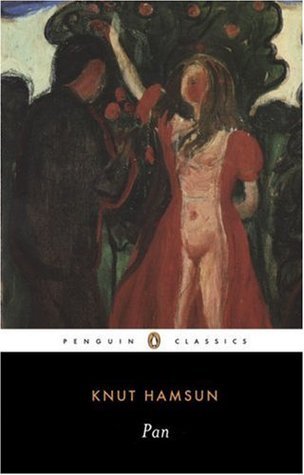
When I first opened Knut Hamsun’s Pan I wasn’t expecting how immediate it would feel — the prose lands close to the skin, and small incidents acquire a surprising weight. Reading it in a single sitting made me aware of how a mood can shift in a paragraph and how quiet detail can unsettle as much as loud events.
I won’t retell the plot, but I will say the book kept pulling me back to its spare, sharp observations and to the way solitude and desire sit side by side on the page. If you like writing that stays intimate and a little restless, this one rewards paying attention.
The lakeside world in Pan where wind light and solitude shape every small moment
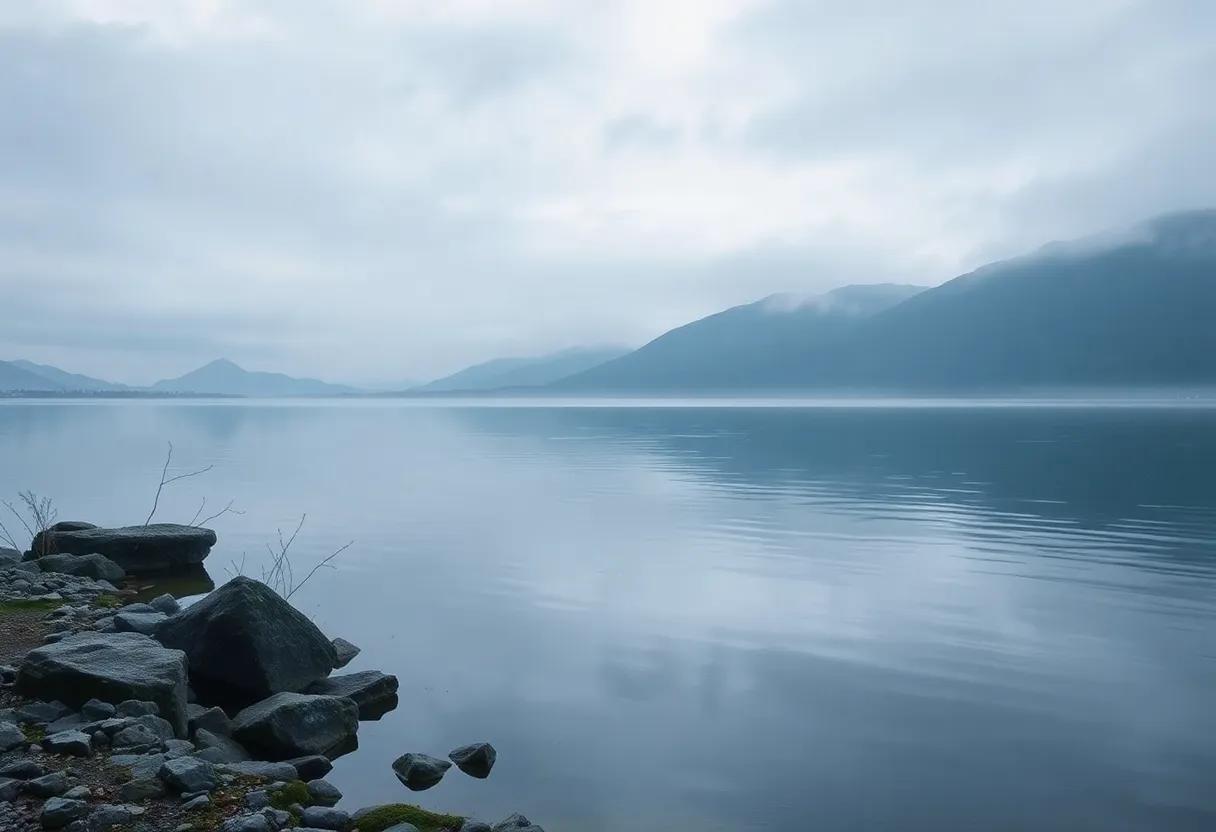
Reading Pan made me notice how a single gust can rearrange an entire moment: the wind animates the reeds, the boat’s wake, the hush between two birds, and suddenly everything feels arranged to a slower heartbeat. light is almost a character too — thin winter shafts that strip a face to its edges or molten summer glints that make the water pulse — and Hamsun trusts those shifts to carry emotion without spelling it out.I found myself pausing over tiny scenes I would normally rush past, because here a dropped thought or a flicker on the lake holds as much weight as any speech. The prose invites a kind of close attention that’s less about plot and more about how small moments swell into meaning.
Best-Selling Books in This Category


- Haig, Matt (Author)
The solitude at the lakeside has a double voice: it frees the senses and sharpens desire, but it also keeps loneliness constantly in the corner of the eye. I felt pulled into Pan’s quiet world so that othre people’s presences — a single laugh, a boat’s return — register like earthquakes; at the same time, some stretches linger so long in stillness that the tempo can feel indulgent. That patience, though, is part of the book’s reward: you leave with a clearer sense of how wind, light, and solitude shape not only the landscape but the inner weather of anyone who lives there.
The mysterious river that echoes the hero’s moods and mirrors inner storms

hamsun turns the river into more than scenery — it becomes a kind of temperamental friend that echoes what the hero can’t say. When Glahn is restless the current seems to fret and hiss; when he is numb with loneliness the water lies glassy and indifferent. I kept finding myself watching the descriptions of the river almost as closely as I watched the characters: a sudden gust makes it roar like a warning, a pale morning hush reflects his private tenderness, and at moments it even feels like the only honest presence that answers him back.
Reading those passages, I felt oddly companioned by the landscape; the river reads like an inner weather report for a man who can’t name his feelings. At times the long,lyrical attention to moving water slowed the book’s pace more than I wanted,but more often it paid off — the mood it creates makes the scenes with people sharper by contrast. There are few novels where a stretch of water can feel so much like a confidant: unsettling in its moods, sometimes consoling, sometimes brutal, and always somehow true to the way the hero is breaking and holding together. Quiet, restless, and revealing, the river stayed with me long after I put the book down.
A quiet man caught between longing and stubborn reserve on forest paths
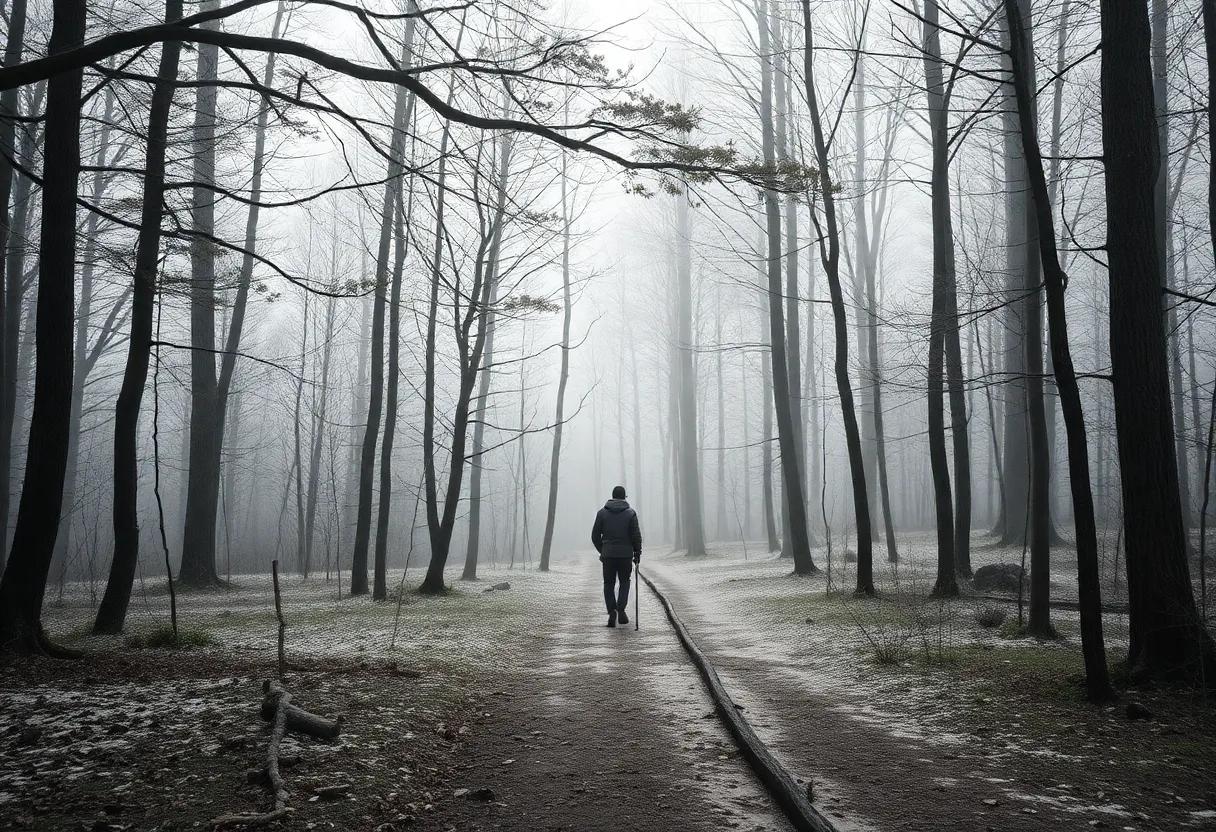
Reading Glahn feels like walking behind someone who keeps stopping to listen to a distant bird and then suddenly turns away, embarrassed to be seen. He is quietly magnetic — a man whose longing is almost a physical thing and whose reserve acts like armor. The forest paths become more than setting; they are the places where his desires tiptoe out and then retreat, where a gentle touch or a clumsy word can shift everything. I found myself wanting to urge him on and protect him at once, because Hamsun makes his silences as revealing as any confession.
There are moments when his stubbornness reads as willful blindness: jealousy that turns petty, decisions that hurt even as they’re meant to shield him. Those flaws make him real rather than heroic.Small things stayed with me — the awkward gifts, the sudden bursts of tenderness, the ways he misreads kindness for condescension:
- walks that become confessions without words
- timid attempts at love that end up sounding like accusations
- the stubborn retreat back into the woods after a brief, bright hope
sometimes the brooding lingers too long, slowing the pace, but more often it deepens the ache of watching a gentle person caught between wanting and refusing to be wanted.
The slow burn of desire that reshapes a simple life into unforeseen chaos

Reading Pan felt like watching a small, stubborn ember grow into a fire you can’t ignore. Hamsun collects everyday moments — a shared silence by the water, a teasing look, a careless compliment — and because the characters are so vividly present, each tiny thing takes on weight. That quiet accumulation is the novel’s power: desire isn’t sudden or theatrical, it is patient and insinuating, changing how the protagonist moves through the woods, how he listens to the wind, how he answers people. I found myself both captivated and a little impatient at times; the pace lets the feeling settle under your skin, but it can also feel like treading the same path until its danger becomes obvious.
what surprised me was how this slow heat rearranges a life that seemed content with solitude. Choices that once felt simple begin to splinter — casual confidences turn into suspicion, ordinary walks into rehearsals for confrontation — and the calm of the wilderness turns oddly complicit. small, almost silly incidents become catalysts for misunderstandings and quiet cruelties; you watch a man who loved silence invite chaos simply by wanting to be loved back. There are moments when the tight focus on inner mood teeters into repetition, yet that very insistence makes the eventual unraveling feel inevitable and eerily believable. The result is less a melodrama than a quiet catastrophe: graceful, patient, and thoroughly unsettling.
The tense meetings and small gestures that reveal the fragile threads of love

Reading those encounters felt like watching two birds meet on a wire: every movement is careful, full of possibility, and the air between them hums. Glahn and Edvarda rarely need long speeches; the real drama lives in pauses, in the way a laugh cuts off or a look lingers too long.I found myself leaning into those moments—feeling the quiet swell of desire, then the sharp edge of misunderstanding—as if the island around them made every sound louder. Silence becomes a language here, and the tension in their meetings is more revealing than any confession. sometimes the scenes hang so persistently on a single glance that they felt almost unbearable, but that intensity is also what kept me reading.
What moved me most were the small, almost trivial gestures that carry the weight of everything they don’t say. A glove handed over, a cigarette offered and refused, a hand that brushes a sleeve—these tiny exchanges stitch together the fragile idea of a relationship in a way grand declarations never could. They also show how delicate their connection is: one careless word or moment of pride can tear the seam. A few of the scenes dragged for me, and at times Edvarda’s teasing felt crueler than necessary, yet those little acts kept the emotional truth intact. I kept returning to them in my mind,trying to read what lay beneath each gesture:
- an accidental touch that becomes a promise
- a laugh that masks hurt
- the intentional silence that says more than any apology
They made the love in the book feel both vivid and alarmingly breakable.
Language that breathes like the forest with short sharp lines and soft echoes
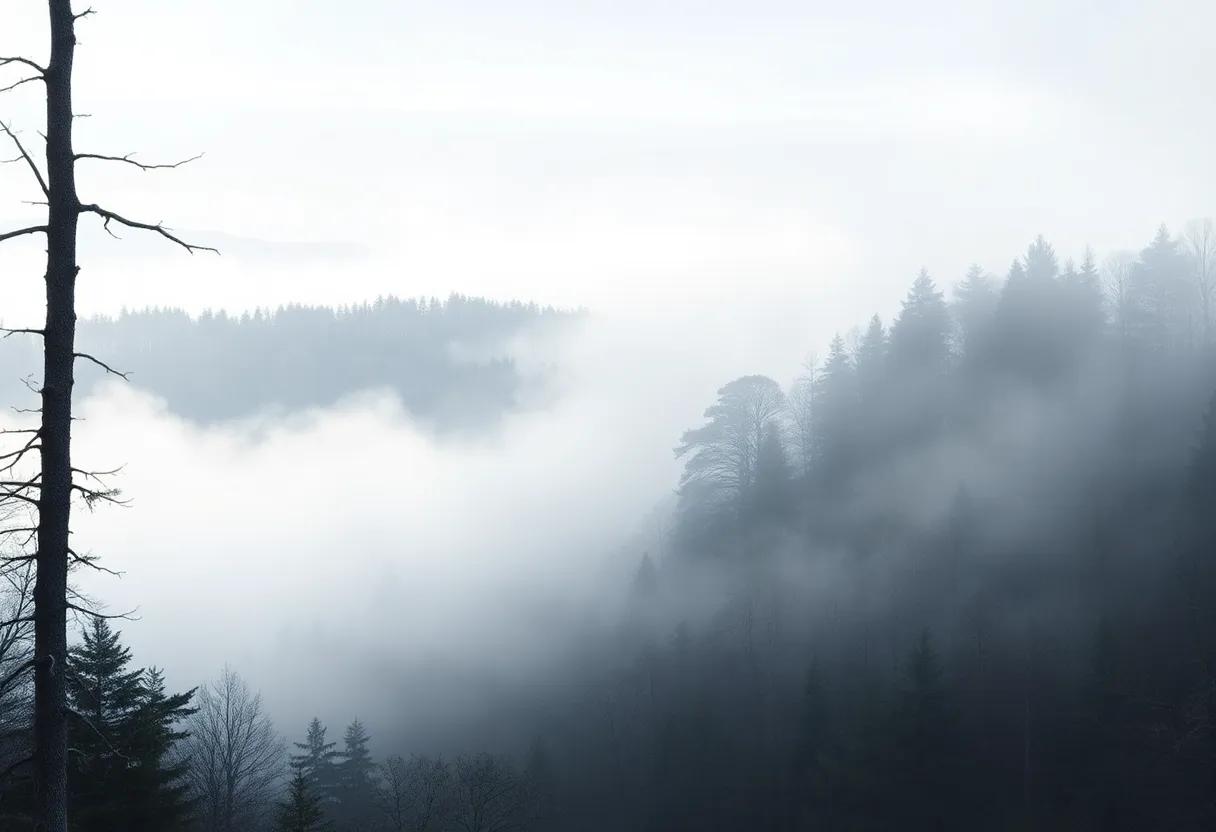
Reading Pan felt like stepping into a breathing wood: sentences come in short, sharp lines—a twig snapped underfoot—and then the prose unfurls into soft echoes that linger. I found myself pausing in the same places I imagined Glahn pausing, caught by a smell or a tilt of light. Hamsun’s style is spare but often intensely sensory; a single, economical sentence can carry the weight of an entire scene. It made the world feel immediate and intimate, as if the forest itself were speaking through the narrator’s breath.
That tight, rhythmic language shapes how the story feels more than any plot twist. Moments of passion arrive like sudden gusts,then leave a hush that lets silence do the work. Sometimes the economy of phrasing left me wanting—an ache for more context or a smoother transition—but more often it sharpened emotion instead of blunting it. The effects I kept returning to were:
- an intense sense of presence — you here and feel the landscape
- a loneliness that isn’t explained so much as felt
- a cadence that makes desire sound urgent and fragile
The language isn’t always comfortable, but it makes the book feel alive in a way I haven’t forgotten.
Nature as companion and judge where birds stones and water keep their secrets

Reading Pan, I kept feeling the landscape as a presence just as alive as any person in the book. The birds are not mere background; they gossip, watch and sometimes mock. Stones and shoreline hold memories the characters cannot name, and water moves like a mood—calm, then suddenly accusing. Nature is both companion (offering quiet company to loneliness) and judge (its indifference frequently enough feeling like verdict). I found myself pausing with the narrator on the beach, listening to gulls and thinking the world around him knows more than he does about his mistakes and desires.
Sometimes the prose lingers on landscapes to the point the story slows, but those pauses are where the book feels truest: the wildness teaches you to observe, feel, and forgive the small human follies. The senses take over in those stretches—salt,stone,and wind—and they shape how you read the characters’ passions and failures. A few moments felt repetitive,yet the repetition mirrors the rhythms of the coast. Small details that stayed with me most:
- the sharp, fast call of a bird like a sudden memory
- the blunt, unjudging weight of stones underfoot
- the constant, shifting voice of the sea
These natural elements make the island less like setting and more like a living presence that keeps its secrets close.
Loneliness that feels alive and heavy a slow companion on every page

Reading Pan felt like walking with a presence that never spoke but always watched — alive and heavy, as if loneliness had taken on the weight of the forest itself. Glahn’s silences are almost tactile: the creak of the cabin, the dark between the pines, the awkward pauses with Edvarda all register not as absence but as a kind of living thing that breathes along with him. I found myself noticing tiny domestic details because they carried the mood forward — a cup left on a table, a boot by the door — and those small objects became proof that someone was there and also utterly alone.
That slow,stubborn solitude shapes the book’s heartbeat: scenes unfurl at the pace of long afternoons,emotions simmer rather than explode,and sometimes the quiet lingers too long and the middle of the book can feel meandering. Still, even when I grew impatient, I admired how persistent the feeling is — not just a backdrop but a force that nudges every choice and missed connection. In the end loneliness reads like another character, equal parts companion and weight, and it’s the thing I kept turning back to days after I finished the last page.
Knut Hamsun the solitary writer whose life and voice echo in this story
Reading Pan felt like eavesdropping on a solitary mind. Hamsun’s solitude seems to seep into every scene: the close attention to small, tactile details, the sudden, private eruptions of feeling, the long pauses that say more than dialog ever could. I found the voice intoxicatingly immediate — sometimes tender, sometimes cruel — and it made the forest and the sea live as if they were part of a single, lonely consciousness. There were moments when that intimacy turned unsettling, as if the narrator’s obsessions swallowed up the world around him.
That same solitude is both the book’s greatest strength and its occasional weakness. It gives the prose a jagged beauty and a fierce honesty, but it also narrows the frame so much that some people and events feel underdrawn or one-note. I admired the rawness and felt moved by certain passages, yet at times I wished for a little more distance or another perspective to balance the intensity. Still, the voice lingers — quiet, stubborn, and oddly companionable — long after you close the cover.
Lingering Echoes of Pan
Reading Pan feels like stepping into a half‑remembered landscape where language does the work of weather and mood. The narrator’s voice keeps you close,so that small gestures and silences gain a kind of gravity.
When you close the book there is an odd mix of warmth and unease — a tenderness that resists tidy resolution and a solitude that continues to animate thought. The emotional aftertaste is not an answer but a persistent mood that returns in quiet moments.
For readers attuned to precise,inward narratives and the tension between longing and isolation,Pan lingers in memory. It stays with you not as plot to recount but as a felt shape of feeling and place.