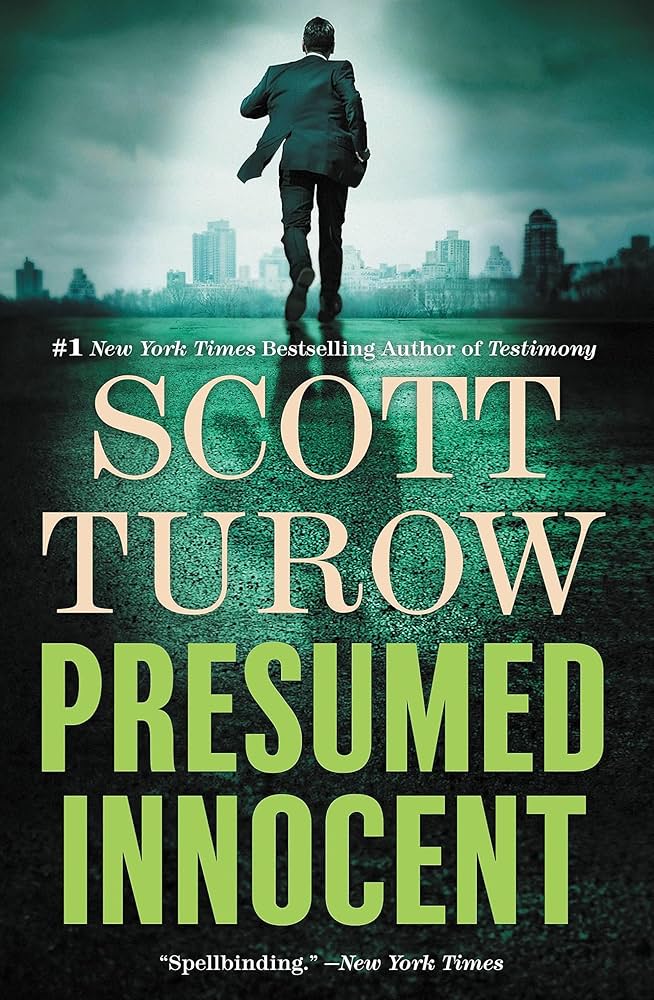
I picked up Presumed Innocent to fill an evening and ended up reading well past midnight.Turow’s prose felt like an experienced colleague explaining a case—clear, a little weary, and focused on the small details that keep you turning pages. My first impression was that this is a book that rewards close attention rather than flashy twists.
If you like courtroom stories that hinge on character choices and procedural nuance, this one will likely keep you guessing.In the pages that follow I’ll explain what worked for me, what didn’t, and whether Presumed innocent still earns its reputation.
Slow burn opening that hooks you with a late night murder and legal doubt

I didn’t expect to be grabbed by the throat on page one, but Turow’s opening sneaks up on you. It’s a slow burn — not flashy, but steadily tightening — anchored by a late-night murder that lands like a cold fact in the middle of the night. From the first awkward phone calls and shuffled office whispers, I felt the air of suspicion thicken around Rusty Sabich; the kind of doubt that doesn’t shout but stays with you, making every small.detail feel like evidence. That patient pacing means the book builds unease rather than giving instant adrenaline, and that worked for me even when it occasionally moved at a glacial pace through legal minutiae.
Best-Selling Books in This Category


- Haig, Matt (Author)
What kept me reading was how the story lets you live inside uncertainty — the law becomes less a shield than a lens that distorts as much as it clarifies. Characters are all a little compromised, so you never feel safe picking a side; I found myself changing my mind about guilt and innocence more than once. A few things that hooked me:
- the quiet domestic details that contrast with the crime,
- the slow drip of procedural details that feels real,
- and the way Turow turns simple scenes into moral riddles.
If you’re looking for a fast thrill you might be impatient, but if you like being unsettled and curious, the opening is a brilliant, patient trap.
Courtroom tension and the trial scenes that keep the pages flipping like a film
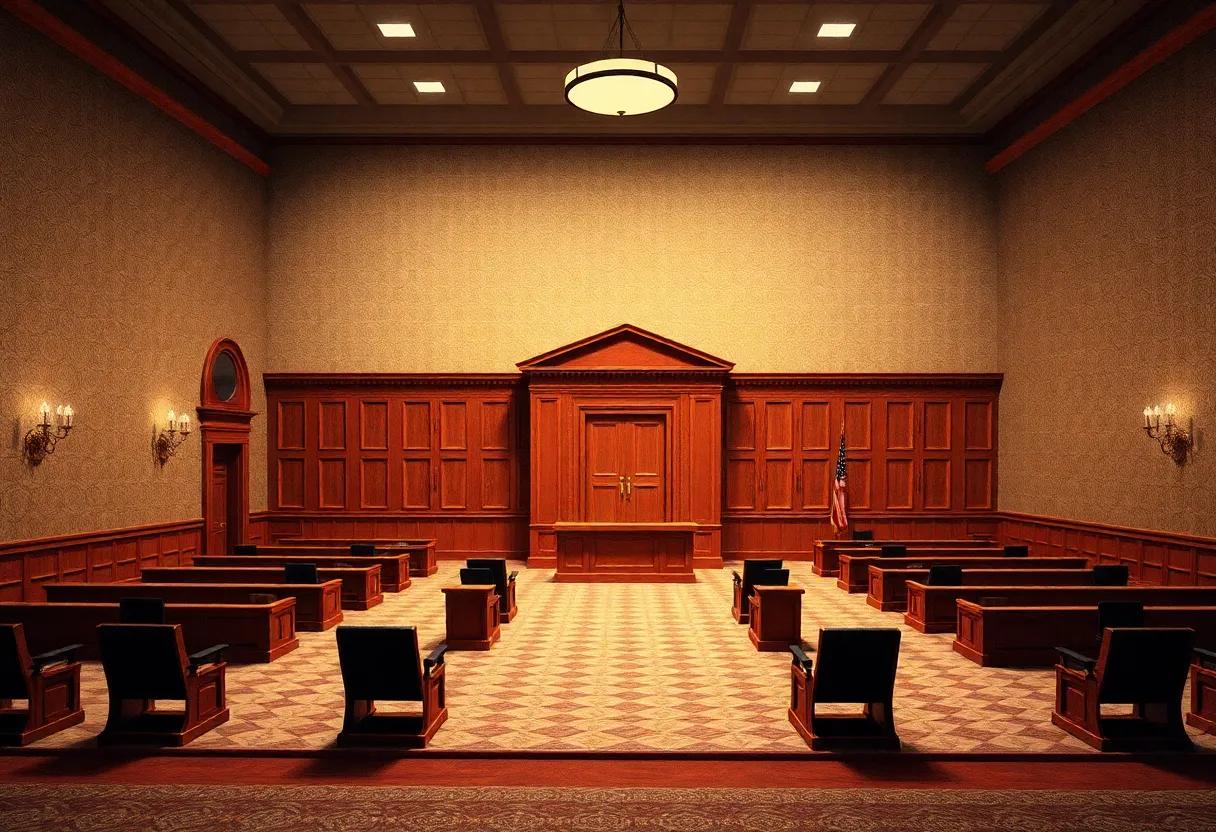
Turow stages the trial scenes like a director working the best angles: close-ups on witnesses, sudden cutaways to the jury, and long, slow pans over the small, telling things—fingerprints, a coffee stain, a furtive glance. I found myself leaning forward in the same way I do at a movie’s tense moment, heart ticking a little faster with every witness called. Cross-examination sequences are the real engines here; they yank the rug out from under testimony, and when a testimony flips you can feel the room shift. Rusty’s internal commentary threads through the proceedings, so even the dry procedural stretches carry a personal, claustrophobic weight.
There are times when the legal detail bogs the pace—long procedural stretches can feel dense if you’re not a courtroom junkie—but mostly Turow balances that with crisp human drama, petty courtroom theater, and genuine surprises. What kept me turning pages was less a single twist than a steady drip of tension: the small humiliations,the sudden silences,the way reputations erode in public. A few things that stood out to me:
- Sharp, unpredictable testimony that rewrites what you thought you knew.
- The rhythm of interrogation—calm, then explosive—so it never felt static.
- The personal stakes for the characters, which make every legal maneuver feel intimate and hazardous.
Even when the book settles into legal minutiae, the courtroom remains alive—cinematic, messy, and impossible to put down.
Rusty Sabich as a flawed narrator offering doubt guilt and quiet desperation in close up
Reading Rusty Sabich feels like being pressed close to a face in a crowd: you catch every twitch, every half-swallowed thought. His first-person voice pulls you into a private rehearsal of guilt and hesitation — the kind of doubt that settles in the throat and makes ordinary decisions feel like confessions. I found myself watching how he rationed the truth to himself, how legal precision became a way to argue with his own memory. That intimacy is raw and often uncomfortable in a way that made the book hard to put down.
As he’s so candid about his flaws, Rusty is oddly sympathetic even as he frustrates you: his defensiveness, the tiny rationalizations, the slow circling back to the same painful scenes.At times his internal monologue loops — a pacing hiccup — but those moments also deepen the sense of quiet desperation that undercuts the courtroom spectacle. In short, he’s an unreliable companion whose confessions do more to reveal his character than any outside witness ever could.
Pacing and momentum from slow burn to sudden revelations and courtroom climaxes

I read Presumed Innocent knowing it would be more crawl than sprint at first, and I loved that patient darkness. Turow lets scenes linger on the mundane — depositions,office chatter,the small anxieties of Rusty — until those little details accumulate into a weight you can feel. The book is a slow burn in the best sense: the atmosphere thickens, relationships fray, and every quiet scene starts to hum with possible meaning. Admittedly, the middle can feel a touch dense; there were moments I wanted the plot to move faster, but those pauses made the later shocks land harder.
When the story flips from hush to reveal, everything snaps into a different gear: surprises come fast, emotions get raw, and the courtroom sequences have a real, sweaty electricity to them. I found myself leaning forward, partly as the stakes finally match the simmering dread that came before, and partly because Turow times his reversals so they feel earned. What makes those climaxes work for me are simple things I found myself returning to on the ride home:
- the characters’ moral confusion, which raises the stakes beyond guilt or innocence
- small evidentiary details that suddenly rewrite motives
- moments where Rusty’s inner voice contradicts his public persona
There are a few twists that felt a bit telegraphed, but overall the shift from slow render to courtroom fireworks is satisfying — messy and human rather than neatly tied up, which felt right for the story.
Legal detail and courtroom procedure that feel authentic without losing story momentum
Turow’s knowledge of the legal world is obvious in every sidebar and sidebar-free glance into a courtroom — the little rituals, the way evidence is marshaled, the hush before a juror is sworn. Those details never feel like showboating; they make the setting authentic without stopping the clock.For me,the most effective moments are when legal procedure and personal shame collide: a finding motion becomes a confession,a line of questioning peels back a memory. Because the story is told from Rusty’s perspective, the procedural scenes carry emotion as much as fact, so the hearings and depositions propel character as well as plot, keeping the book moving even through pages of technicality.
I will admit some stretches bog down — pages of legal maneuvering can feel dense if you’re not hungry for lawyering — but the tension rarely dies. The courtroom sequences feel lived-in because of small, human touches: a worn legal pad, a judge’s bored tic, a witness trying to hide a tremor. Those moments are what kept me reading, not the jargon itself. Elements that stood out to me as especially convincing and absorbing included:
- the ritual of jury selection and its quiet cruelty
- the tactical chess of cross-examination
- the way procedural delays amplify Rusty’s paranoia
Even when the procedure slows the pace, it usually serves the larger strain of guilt and accusation that makes the book hard to put down.
Supporting cast and relationships that complicate motives and add quiet emotional weight

What surprised me most after finishing the book was how the secondary players keep tugging at the story’s moral strings. Colleagues who trade small favors and sharper suspicions, a bold prosecutor who seems to need a conviction more than the truth, and Rusty’s own lawyer-friend who mixes fierce loyalty with courtroom coldness — all of them make the question of motive messier than the central accusation. The dead woman’s absence is oddly present; memory and rumor shape people as much as hard evidence. Those domestic and office interactions turned what could have been a single-minded whodunit into a study of guilt, loyalty, and the quiet ways people betray one another.
On a personal level I found those relationships where the book slows down to be the most affecting. A few pages of procedural detail can drag, but then Turow drops in a private scene — a fractured phone call with Rusty’s wife, an uneasy coffee among colleagues — and suddenly the stakes feel human, not just legal. The supporting cast doesn’t just point fingers; they add a kind of sad intimacy, small emotional debts that never fully settle and leave you thinking about the characters long after the trial ends.
Chicago atmosphere and the rainy city backdrop that feels like another character in the book

Reading Presumed Innocent felt like walking through a wet city at night — the rain doesn’t just set the scene, it presses against the characters. Chicago in Turow’s hands is sharp and wet and full of corners where secrets hide; I found myself picturing damp alleyways, the courthouse lights smeared by drizzle, and the lake’s gray presence as if Chicago itself were another character watching every move. that persistent weather gave the book a claustrophobic intimacy: the city’s mood seeped into the characters’ choices and made doubt feel physically heavy.
Sometiems Turow lingers on the city’s textures in ways that slowed the momentum for me, but more often those details paid off by grounding the legal drama in a real, tactile place. Small things kept bringing me back: the hiss of rain on windows, the tug of a coat collar against wind, the bar room that smelled of cigarettes and bad coffee — they made the moral fog of the plot believable.
- Rain-dulled streetlights and courthouse steps
- Office coffee and stale cigar smoke
- The lake’s distant, indifferent roar
Even when the pacing flagged, Chicago’s presence made the story feel lived-in rather than just plotted on paper.
Language and narrative voice balancing legal jargon with clear emotional scenes and detail

Rusty Sabich’s voice is the book’s strongest magnet: his memory-laced, sometimes defensive first-person narration keeps the legal mechanics from feeling cold. Turow sprinkles exacting courtroom language and procedural detail, but he always lets a private moment—an image of a child’s laugh, the sting of a marriage fight—cut through the jargon and remind you there’s a person thinking these thoughts. Those moments make the law feel like a living thing, not just an obstacle to be described.
At times the legal material does slow the pace; some hearings and motions pile up in ways that can feel dense. Still,the pauses often deepen the emotional payoff when Rusty’s inner contradictions surface,and I appreciated how the technicalities gave weight to his doubts and defenses. The balance isn’t perfect, but the mixture of legal rigor and intimate confession kept me invested and, more than once, surprised by how human the courtroom drama could be.
Final verdict on why this trial thriller still lands and who will enjoy its slow burn
Reading Presumed Innocent felt like slipping into something quietly corrosive: the procedural details and first-person confession of Rusty Sabich slowly tighten around you until the moral fog becomes its own kind of suspense. There are moments when the pacing lingers—some courtroom stretches and procedural asides felt a little dated to me—but those same stretches let character and doubt grow believable rather than manufactured. By the time the pieces click into place,the book’s patient intensity has paid off; it doesn’t shout,but it lingers in the head in a way that more sensational thrillers rarely do.
If you like a mystery that lives in character and result more than in constant plot gymnastics, you’ll find a lot to admire here. The book works best for readers who appreciate:
- Slow-burn tension over rapid-fire twists
- Complex, morally messy protagonists
- Legal detail that feels lived-in rather than decorative
- A moodier, more introspective take on guilt and truth
If you want nonstop action or a clean-cut hero, this won’t be your ideal match—but if you enjoy being nudged into uncomfortable sympathy and left turning the moral questions over in your head, it’s worth the ride.
Scott Turow a seasoned lawyer turned storyteller his presence felt through every courtroom scene
Reading Turow feels oddly like sitting beside a lawyer who has finally decided to tell stories rather of briefs — his experience is everywhere, but never showy. The courtroom scenes in particular have a lived-in texture: the small, procedural gestures, the way testimony lurches from factual to personal, the uneasy etiquette of cross-examination. Those details made me trust the world on the page; even when the legal jargon slowed things down, it gave the book a kind of unsettling precision that kept me leaning forward, imagining the room, the jury, the quiet colliding with the dramatic.
Rusty and the supporting cast come across as people rather than plot devices, and Turow’s voice keeps moral choices intentionally messy — you never quiet land on cozy answers. Occasionally the book bogs in exposition or revisits the same legal mechanics a bit too frequently enough, which sapped my momentum at times, but the overall effect is strong: his authorial presence is felt not just in the facts he knows, but in the cool, watchful way he lays out doubt and sympathy. I finished feeling less like a spectator of a trial and more like someone who’d been quietly persuaded to care. There’s a steady, human intelligence here that stays with you.
By the time the gavel falls on Presumed Innocent, you’ve been both spectator and juror in a drama that refuses tidy endings. Scott Turow builds his case with careful increments — testimony, memory, motive — and leaves the reader to weigh each fragment.The novel doesn’t promise catharsis so much as complication: a portrait of justice and human fallibility rendered in measured,forensic prose.
If you come for courtroom fireworks,you’ll find procedural rigor and well-placed surprises; if you come for deep character study,you’ll encounter moral ambiguity that lingers after the last page. Neither flawless nor frivolous, the book’s strengths are its craft and its capacity to unsettle certainties rather than merely resolve them.
So whether you file Presumed Innocent under “timeless legal thriller” or “thoughtful, occasionally slow-burning read,” it remains worth your attention if you appreciate stories that ask more questions than they hand answers.Verdict: a layered,controlled novel that will satisfy readers willing to sit through a trial of conscience as much as a trial in court.