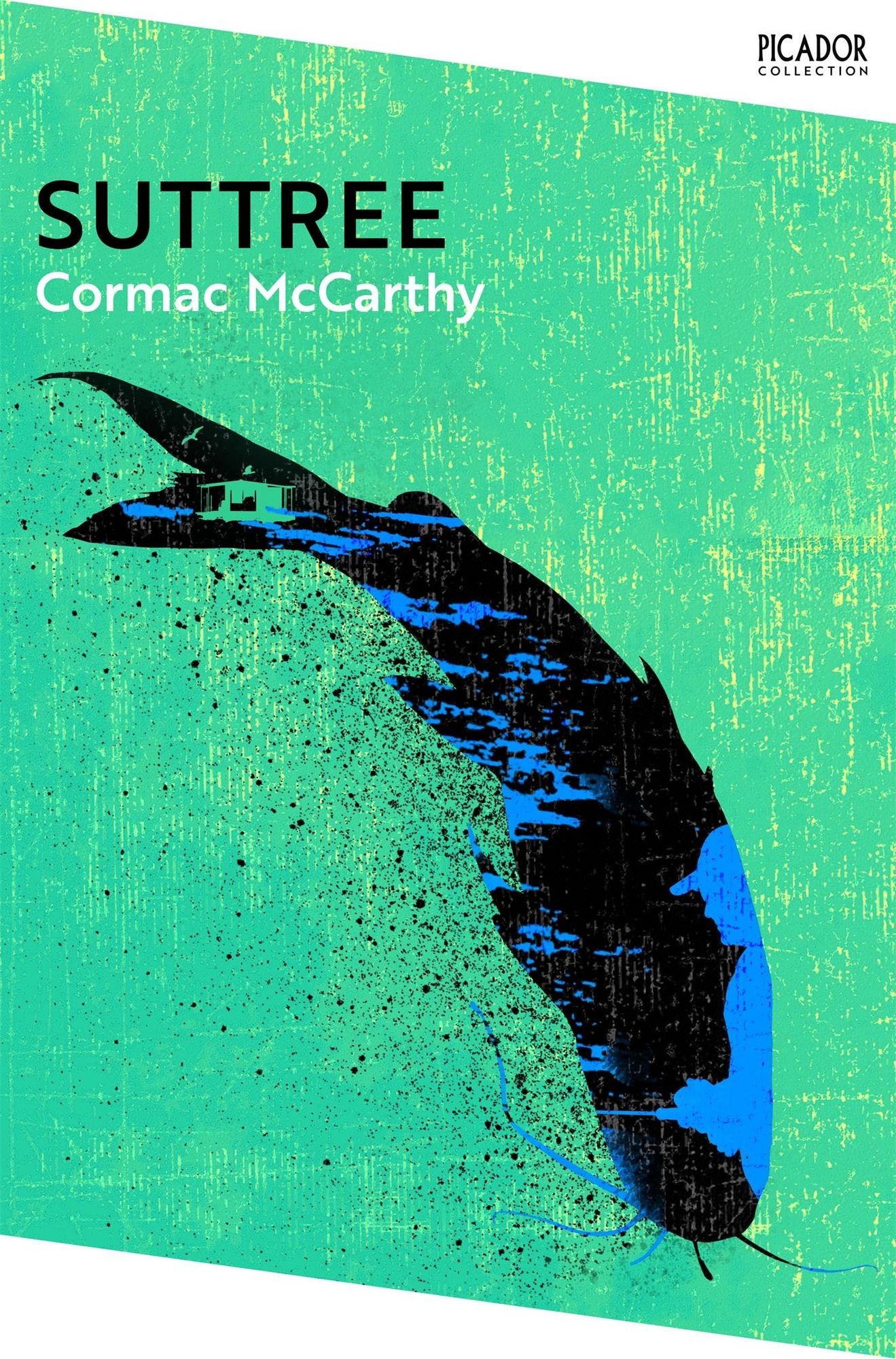
In the sprawling landscape of American literature, few works capture the raw, unvarnished essence of life on the margins quite like Cormac McCarthy’s Suttree. Navigating Shadows: A Balanced Reflection on cormac McCarthy’s Suttree invites readers on a thoughtful journey through the novel’s dense atmosphere and complex characters,peeling back layers of darkness and light with careful precision. This review explores the book’s intricate tapestry-its lyrical prose, haunting themes, and moral ambiguities-offering a measured contemplation that neither glamorizes nor condemns, but instead seeks to understand the shadowy world McCarthy so vividly conjures.
Exploring the Depths of Human Isolation and Connection in cormac McCarthy’s Suttree
Cormac McCarthy’s Suttree masterfully oscillates between the haunting solitude of its protagonist and the fleeting warmth of human bonds. The narrative plunges deep into the psyche of Cornelius Suttree, a man who deliberately distances himself from mainstream society yet cannot escape the intrinsic human longing for connection. This tension is reflected through the vivid portrayal of Knoxville’s riverbanks-a place where isolation is both a physical state and an emotional condition. The book doesn’t merely depict loneliness as a void but rather as a complex landscape where despair and hope coexist.
The characters surrounding Suttree resemble constellations in this shadowy universe of solitude-each one offering moments of genuine interaction, however brief or broken. Their relationships can be summarized in the following ways:
Best-Selling Books in This Category



- Transient Companionships: Ephemeral but deeply impactful, these connections reveal humanity’s fragile bonds.
- Unspoken Understanding: Silent interactions speak volumes about empathy beyond words.
- Communal Isolation: Even when together,the characters grapple with their own loneliness,highlighting the paradox of crowding and solitude.
| Aspect | Manifestation in Suttree |
|---|---|
| Physical Isolation | Suttree’s self-imposed exile near the river |
| emotional Isolation | Internal conflicts and suppressed trauma |
| Moments of Connection | Brief encounters and shared hardships |
| Symbolism | The river as both barrier and conduit |
In capturing this delicate balance, McCarthy does not resort to sentimentality. Instead, he uses raw language and stark imagery to reveal an authentic human experiance-where isolation is not merely a curse but also a crucible from which connection, however fragile, can emerge. This exploration challenges readers to reflect on their own shadows, encouraging a nuanced understanding of what it means to be truly alone yet quietly tethered to others.
The Poetic Language and Vivid Descriptions that Bring Knoxville’s Underworld to Life

Cormac McCarthy masterfully employs a poetic cadence that transcends mere storytelling, inviting readers into a world where every sentence drips with sensory richness. His prose flows with an almost hypnotic rhythm, capturing the grime and beauty of Knoxville’s underbelly with a painter’s precision. Through vivid imagery-such as the “smoky tendrils curling through dim-lit alleyways” or “rust-choked boats moored like resting beasts along the riverbank”-McCarthy breathes life into a landscape that is both harsh and hauntingly lovely. This language doesn’t just describe; it evokes a visceral atmosphere where the city’s shadows pulse with untold stories, pulling readers deeper into Suttree’s fractured reality.
The novel’s imagery works on multiple levels, blending natural elements with the grit of human existence to create a tapestry that feels raw yet lyrical. Here, even commonplace scenes-such as a market stall or a carcass strewn by the river-are transfigured into symbols of survival and decay. A glimpse at the following table reveals how McCarthy’s detailed descriptions layer meaning and mood:
| Element | Description Example | Evoked Feeling |
|---|---|---|
| Riverbank | “dark waters swallowing the light” | Isolation, mystery |
| Alleys | “narrow veins humming with whispered secrets” | Intrigue, tension |
| Decay | “bones bleached clean beneath a merciless sun” | Mortality, desolation |
Through such meticulously crafted images and lyrical prose, McCarthy captures the paradox of Knoxville’s underworld-a place where beauty and brutality coexist, and the poetic becomes a means of survival amid darkness.
Balancing darkness and Humor: The Shifting Tones Throughout McCarthy’s Narrative
McCarthy’s narrative in Suttree operates in a fascinating tension between the bleak and the absurd, weaving a complex emotional fabric that reflects the protagonist’s fractured existence. Moments of darkness-manifested through themes of loss,decay,and alienation-are often punctuated by bursts of wry humor and ironic observations. This interplay serves not only to humanize Suttree but also invites readers to confront the discomfort of despair without becoming mired in it. The humor is never gratuitous; instead, it functions as a vital counterbalance, providing relief and highlighting resilience amid hardship.
The oscillation between these tones can be mapped through key narrative elements,offering insight into McCarthy’s craftsmanship:
- Darkness: Vivid descriptions of poverty,violence,and existential inertia immerse the reader in a somber atmosphere.
- Humor: Dry wit and eccentric characters introduce moments of levity, challenging traditional notions of tragedy.
- Transition Points: These shifts frequently enough occur unexpectedly, mirroring Suttree’s own unpredictable journey.
| Aspect | Effect on Narrative |
|---|---|
| Dark Imagery | Evokes empathy and introspection |
| Comic Relief | Prevents emotional fatigue |
| Juxtaposition | Enhances thematic depth |
Unpacking the Complex Character of Cornelius Suttree and His Search for Redemption
Cornelius Suttree emerges as a profoundly layered figure-a man navigating the murky waters of his past while wrestling with his own shortcomings. Living on the fringes of society along the Tennessee river, Suttree epitomizes the complex struggle between self-imposed isolation and a desperate need for connection. His journey is not a straightforward quest for redemption but a nuanced dance between despair and hope, regret and resistance. Through his encounters with a vivid cast of characters, he reflects themes of survival, loss, and the faint glimmers of grace that punctuate a seemingly broken existence.
- Displacement: Suttree’s physical and emotional estrangement mirrors broader societal detachment.
- Moral Ambiguity: His decisions challenge readers to grapple with the complexity of human nature.
- Search for Meaning: Moments of introspection reveal his longing for purpose beyond mere survival.
| Aspect | Manifestation in Suttree | Implication |
|---|---|---|
| Isolation | Voluntary retreat from family and society | Highlights inner conflict and alienation |
| Redemption | Fluctuating hope amidst hardship | Suggests complexity of forgiveness |
| identity | Struggles to reconcile past and present | Represents universal search for self |
The Role of Nature and the River as Both Sanctuary and Threat in the Novel

In Suttree, the river pulsing through the narrative serves as a dual symbol-both a cradle of refuge and a subtle predator lurking beneath the surface. The natural world surrounding Suttree’s existence is painted with a palette of contrasts: it offers solace, a space for reflection and escape from societal constraints, yet it harbors unpredictability and danger. The riverbanks are sanctuaries where characters find moments of peace, camaraderie, and even fleeting joy among the weeds and driftwood. However, this same environment is indifferent, occasionally antagonistic, reminding readers that nature operates beyond human desires-with its floods, lurking currents, and cold embrace carrying risk as surely as comfort.
- Sanctuary: The river as a place for withdrawal and solace
- Threat: underlying dangers masked by natural beauty
- Mutability: Nature’s constant change reflecting life’s instability
This ambivalence is crystallized in McCarthy’s meticulous descriptions-the river not only shapes the physical landscape but also mirrors the internal turmoil and resilience of its inhabitants. The interplay between sanctuary and threat is a constant undercurrent, expressed through natural elements that both comfort and exclude. through this, McCarthy blurs the lines between safety and peril, reminding us that the boundary between sanctuary and danger is as fluid as the river’s own shifting course.
| Nature’s Face | Characteristics | Impact on Suttree |
|---|---|---|
| River | Calm yet unpredictable | Provides escape and imminent risk |
| Forest | Quiet sanctuary, dense and isolating | Offers solitude but breeds isolation |
| Wildlife | Both companion and threat | reflects untamed survival |
Themes of Survival, Loss, and Resilience Interwoven in Suttree’s Journey

At the core of Suttree‘s narrative lies an intricate dance between survival and loss,where every choice and encounter etches deeper into the protagonist’s shadowed existence. McCarthy crafts a world where resilience emerges not as triumphant heroism but as quiet endurance, a testament to human fragility and strength intertwined. Suttree’s journey meanders through the grit and grime of Knoxville’s underbelly,capturing moments of stark loneliness alongside fleeting connections that illuminate the rawness of human experience. each hardship faced-whether from nature’s indifference or society’s rejection-adds layers to his evolving identity,revealing survival as a complex mosaic rather than a simple act of will.
Thematically, Suttree invites readers to dwell in the liminal spaces between despair and hope. These elements are woven through:
- Isolation: A pervasive force that shapes Suttree’s choices and perceptions.
- Memory and Loss: Haunted reflections that underscore the cost of detachment.
- Small Triumphs: Moments of connection and understanding that punctuate the bleak environment.
| Theme | expression in Suttree’s Journey | Impact on narrative |
|---|---|---|
| Survival | Daily struggles with poverty and nature | Grounds story in gritty realism |
| Loss | Severed family ties and missed opportunities | Shapes emotional gravity |
| Resilience | Perseverance amidst isolation | injects subtle hope and complexity |
Together, these themes create a textured portrait of a man navigating shadows, where survival is entwined with sorrow, and resilience flickers quietly beneath the surface.
How McCarthy’s Nonlinear Storytelling Shapes Reader Engagement and Understanding

McCarthy’s nonlinear narrative structure invites readers into a labyrinthine experience where time folds back on itself, memories intermingle with the present, and the linear progression of events dissolves into a mosaic of moments. This approach demands active participation, compelling readers to piece together disparate scenes and emotional beats like shards of stained glass, each fragment revealing nuances of Suttree’s turbulent world. Rather than delivering a straightforward plot, the story’s temporal fluctuations mirror the protagonist’s own fragmented psyche, deepening the immersive quality of the text and challenging assumptions about cause and effect in storytelling.
Such storytelling reshapes reader engagement by fostering a contemplative rhythm rather than swift consumption. As the narrative jumps between timelines and perspectives, a subtle interplay emerges, captured in the table below, illustrating the tension between memory and reality in selected passages:
| Passage | Temporal Shift | Effect on Understanding |
|---|---|---|
| Chapter 5 – Riverbank reflection | flashback to childhood | deepens emotional resonance |
| Chapter 11 – Market scene | Jump ahead in time | Highlights consequences subtly |
| Chapter 16 – Night encounter | Interlaced present and memory | Creates ambiguity and suspense |
- Engagement: Readers are encouraged to actively decode narrative layers, forging personal meaning.
- Understanding: Nonlinear shifts reveal character motivations indirectly, demanding interpretive investment.
- Atmosphere: The fractured timeline enhances the book’s dreamlike, sometimes haunting ambiance.
A Closer Look at Supporting Characters Who Populate Suttree’s Bleak but Rich World
McCarthy’s Suttree is populated by a motley crew of characters whose lives brush against the protagonist’s with a bittersweet poignancy, adding layers of texture to the novel’s gritty tapestry. These figures, often marginalized and flawed, serve not only as companions and foils but as living testaments to the resilience found within despair. From the grizzled drunkards who haunt the riverbanks to the enigmatic wanderers drifting through Knoxville’s underbelly, each supports the narrative with distinct voices and backstories. their presence underscores the themes of survival and isolation, grounding Suttree’s solitary journey in a community that is both fractured and fiercely human.
- Moonlight Graham: A soulful presence embodying lost dreams and the passage of time.
- Jude: A chaotic spirit whose turbulent life mirrors the novel’s blending of violence and dark humor.
- Pickle: Represents the desperation and fleeting joys of those struggling on the margins.
Beyond mere background, these characters illuminate Suttree’s internal struggles and the bleak beauty of his world. Their interactions create a mosaic of human experience-marked by brief moments of kindness, tragic missteps, and whispered hopes. The dynamics among them reflect an uneasy balance between connection and alienation, emphasizing how even in darkness, there exists a complex network of relationships that define identity and belonging.
The Symbolism of Shadows and Light as Reflections of Moral Ambiguity

In Suttree, shadows and light unfold as more than mere visual elements; they serve as potent metaphors for the intricate moral landscape Cormac McCarthy crafts. The interplay of darkness and illumination mirrors the protagonist’s internal struggles and the ambiguous nature of human choices. Shadows often veil motives and truths, suggesting that beneath every seemingly clear action lies a complex web of intentions and consequences. Conversely, moments of light-whether literal sunrays breaking through the canopy or instances of self-awareness-offer fragile glimpses of clarity and redemption, highlighting the fragile balance between virtue and vice.
This duality is artfully represented through recurring motifs and contrasts that invite readers to embrace uncertainty rather than seek simplistic binaries. Consider how characters oscillate between empathy and cruelty, hope and despair, and how environments shift from oppressive gloom to moments of serene brightness. The following table encapsulates these opposing forces and their symbolic resonance within the narrative, drawing a vivid picture of McCarthy’s nuanced world:
| Element | Symbolic Meaning | Impact on Narrative |
|---|---|---|
| Shadows | Concealment, moral complexity, hidden fears | Highlight characters’ flaws and ethical uncertainty |
| Light | Revelation, hope, transient clarity | Moments of insight, fleeting redemption |
- Shadows act as a canvas for doubt, suggesting that morality is never black and white.
- Light punctuates the darkness, symbolizing fragile opportunities for grace and understanding.
- The tension between the two forces pushes readers to question the simplicity of “good” and “evil.”
Recommendations for Readers Seeking a Challenging Yet rewarding Literary Experience

For readers who thrive on narratives that demand patience and contemplation, Suttree offers a literary journey both perplexing and profoundly rewarding. This novel does not cater to the casual browser; instead, it invites immersion into a world where beauty often emerges from hardship and prose flows with rich, poetic cadences. To navigate its complexities, approach the text with an open mind and an attitude that embraces ambiguity. You may find it helpful to engage with the book in small portions, allowing time to reflect on the vivid imagery and layered character interactions that define McCarthy’s unique voice.
Consider incorporating these approaches to enrich your reading experience:
- Journaling insights: Capture your thoughts on recurring motifs or memorable passages to track your evolving understanding.
- Discussion groups: Sharing perspectives with fellow readers can unearth nuances you might otherwise overlook.
- context exploration: Delve into the socio-economic backdrop of 1950s Knoxville to ground the setting and characters in past reality.
| Element | Benefit for Readers |
|---|---|
| Nonlinear structure | Encourages active interpretation and personal connections. |
| Rich descriptive passages | Paint vivid emotional landscapes to immerse the senses. |
| complex protagonist | Offers profound character study with moral ambiguity. |
Embarking on this challenging literary voyage promises a richly rewarding encounter for those willing to embrace its shadows. The intricacies of Suttree don’t unfold instantly but reveal themselves gradually, providing an illuminating reflection on resilience, identity, and the human condition that lingers long after the final page is turned.
Comparing Suttree to McCarthy’s Other Works: Style, Themes, and Evolution

Suttree stands apart within Cormac McCarthy’s oeuvre both stylistically and thematically, offering a more introspective and fragmented narrative compared to the stark minimalism and biblical gravitas seen in works like The Road or Blood Meridian. the prose in Suttree meanders with a poetic, almost languid rhythm, embracing the textures of impoverished Knoxville life rather than the desolate wilderness or violent frontiers that dominate his later novels. Unlike the biblical allegories and apocalyptic settings that characterize much of McCarthy’s later work, suttree delves deeply into human vulnerability, social marginalization, and the hauntings of personal pasts with a raw and sometimes rambling warmth. This novel captures a youthful McCarthy experimenting with narrative form, enriching his language with vivid, sometimes grotesque imagery that echoes the chaotic inner life of its protagonist.
Examining this evolution through a thematic and stylistic lens reveals key contrasts and continuities, as summarized below:
| Aspect | Suttree | Later Works (e.g., The Road, Blood Meridian) |
|---|---|---|
| writing Style | Richly descriptive, episodic, lyrical wanderings | Sparse, biblical cadence, often brutal and austere |
| Themes | Isolation, poverty, resilience, human connection | Existential struggle, violence, morality, fate |
| Setting | Urban river life, 1950s Tennessee | Mythical or post-apocalyptic landscapes, American frontier |
| Character Focus | Deep psychological interiority and flawed humanity | Archetypal figures embodying universal struggles |
While Suttree offers a more intimate exploration of flawed humanity in a defined social and historical moment, McCarthy’s later works push into a broader metaphysical arena, wrestling with morality and chaos on a near-mythic scale. This shift marks the author’s evolution from a deeply grounded humanist storyteller toward the creator of a haunting,iconic vision of human endurance and despair. Yet beneath these distinctions,the persistent examination of alienation,survival,and grace connects all his works in a haunting literary continuum.
About Cormac McCarthy: The Master Storyteller Behind Suttree’s Darkly Luminous World

Cormac McCarthy’s literary prowess is unmistakably woven into the fabric of Suttree, a novel that both illuminates and shadows the human condition. Far from mere storytelling, McCarthy crafts a tapestry of life on the fringes, where beauty and desolation collide in a persistent dance. His prose is simultaneously raw and lyrical, inviting readers into a world where the mundane is transformed into something profoundly poetic. Through his manipulation of language and setting, McCarthy elevates the ordinary struggles of Cornelius suttree into an exploration of existential grit and fragile hope.
Key elements defining McCarthy’s artistry in Suttree include:
- Rich, immersive descriptions: Painting vivid scenes that evoke both nostalgia and melancholy.
- Complex characters: Flawed,haunting,yet deeply human figures that linger long after the last page.
- Philosophical undertones: Contemplations on fate, mortality, and salvation woven seamlessly into dialog and narrative.
- Unflinching realism: No glossing over hardship, capturing life’s grittiness with brutal honesty.
| Aspect | Signature Traits | Reader Impact |
|---|---|---|
| Language | Poetic, dense, visceral | Emotional immersion and cognitive challenge |
| Themes | Isolation, decay, redemption | Provokes reflection on human fragility |
| Setting | Volatile river landscape | Grounds narrative in tangible, symbolic environment |
Suttree remains a labyrinth of contradictions-beautiful yet brutal, haunting yet profoundly human. McCarthy’s tapestry of shadowed lives invites readers to wander without clear direction, challenging us to find meaning amid the murk. Whether you emerge enthralled or exhausted, this novel offers no easy answers, only the enduring echo of a voice unafraid to confront the darkness. Navigating its depths is less a journey toward resolution and more an embrace of complexity-a literary experience that lingers long after the final page is turned.