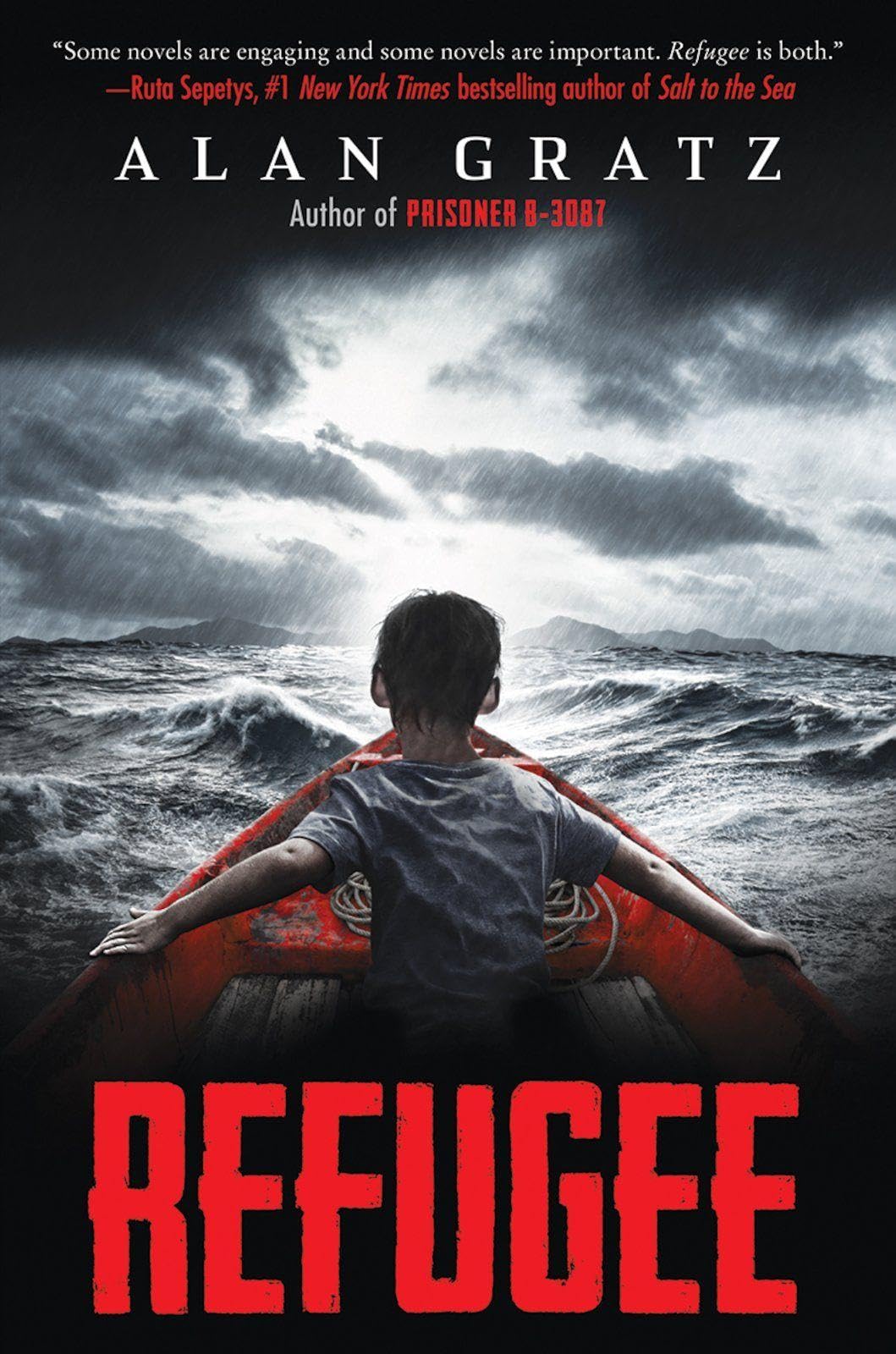
In a world increasingly marked by displacement and resilience, Alan Gratz’s Refugee emerges as a poignant tapestry of survival, courage, and the enduring human spirit. Navigating Journeys of Hope: A Thoughtful Review of Refugee by Alan Gratz invites readers to delve beyond the surface of this powerful narrative, exploring the intertwined stories of three young protagonists as they confront the harsh realities of forced migration. This review seeks to illuminate the ways in which Gratz crafts a compelling, accessible account that not only educates but also fosters empathy-offering a timely reflection on the lived experiences behind global headlines.
Exploring the Heartfelt Narratives That Weave Together Refugee Experiences Across Time and Cultures

Alan Gratz’s Refugee masterfully intertwines the journeys of three young protagonists hailing from vastly diffrent eras and backgrounds,yet all united by the harrowing experience of fleeing their homes. Through the lens of Josef, Isabel, and Mahmoud, readers witness the universal pulse of displacement - the heartache of severing roots, the uncertainty of perilous voyages, and the relentless spark of hope that sustains the human spirit. This narrative approach not only emphasizes the shared struggles of refugee experiences but also highlights the resilience and courage embedded within diverse cultures and ancient contexts.
What makes these stories resonate so profoundly is the delicate balance Gratz maintains between the specificity of individual circumstances and the broader themes that connect them.From the rise of Nazi Germany to the Cuban boat flights and the Syrian civil war, the novel invites readers to engage with:
Best-Selling Books in This Category

- Register, Charles A. (Author)


- Schade, Leah D. (Author)
- The enduring impact of political turmoil on everyday lives
- The generational fears and hopes that transcend time
- The shared humanity that underpins moments of crisis and compassion
these intertwined narratives form a rich tapestry that challenges readers to consider how history repeats itself and to recognize the strength found in stories of survival and empathy.
| Character | Origin | Era | Key Challenge |
|---|---|---|---|
| Josef | Germany | 1930s | Escaping Nazi persecution |
| Isabel | Cuba | 1990s | Seeking freedom by sea |
| Mahmoud | Syria | 2010s | Fleeing civil war |
Analyzing the Multifaceted Characters and Their Emotional Journeys Through Danger and Resilience

Alan Gratz masterfully crafts characters whose emotional depth transcends the pages, inviting readers into harrowing landscapes of fear, hope, and endurance. Each protagonist’s journey is a tapestry woven with threads of vulnerability and strength, reflecting the human spirit’s ability to navigate overwhelming adversity. From the palpable anxiety of fleeing violence to fleeting moments of solace, the characters embody the complex interplay between despair and resilience. Their personal stories serve as compelling reminders that behind every refugee statistic lies an individual brimming with courage and dreams, pushing forward despite uncertainty.
The emotional trajectories of the characters are further illuminated by their dynamic reactions to danger and displacement. Gratz does not shy away from illustrating the raw realities of refugee experiences-such as loss, prejudice, and fractured identities-while also showcasing the unyielding drive for survival and connection. The following table highlights key emotional milestones encountered by the main characters, encapsulating their growth and the overarching themes of endurance:
| Character | Primary Emotional Challenge | Turning Point | Outcome |
|---|---|---|---|
| Joey | Fear of separation | Reuniting with family | Renewed hope |
| Isabel | Overwhelming uncertainty | Protecting her brother | Empowered resilience |
| Mahmoud | Loss of home and identity | Acts of kindness from strangers | Restored faith in humanity |
- Fear and uncertainty drive initial responses,yet slowly give way to moments of bravery.
- Interpersonal bonds emerge as vital sources of emotional sustenance amid chaos.
- Change is portrayed through subtle shifts-from helplessness to agency.
The Impact of Historical Contexts in Shaping the Realism and Urgency of Each Storyline in Refugee
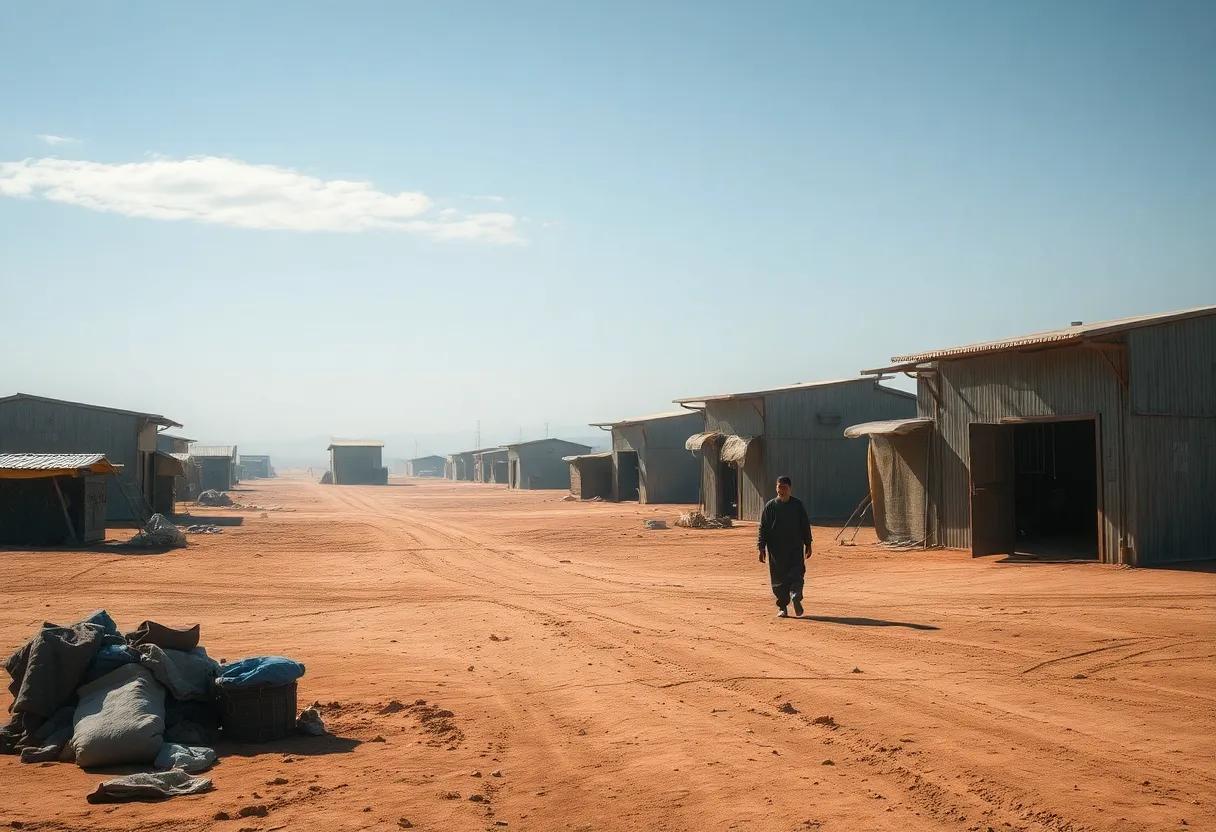
Alan Gratz masterfully weaves historical realities into his narratives, lending each storyline a palpable sense of realism and urgency. By grounding the journeys of Josef, Isabel, and Mahmoud in distinct yet equally harrowing time periods-Nazi Germany in 1939, Cuba in 1994, and Syria in 2015-the novel invites readers to traverse varied landscapes of fear, survival, and resilience. This intentional positioning emphasizes not only the shared struggles of refugees across generations but also the specific socio-political pressures faced by each protagonist. The historical contexts serve as both backdrop and catalyst, shaping characters’ decisions and shaping the immersive tension that propels the narrative forward.
To understand the multifaceted layers of these stories, consider the following factors that deepen the reader’s connection to each journey:
- Political Oppression: The rise of Nazism, Cuba’s economic collapse, and the Syrian civil war create urgent escapes.
- Family Separation Risks: Each timeline shows the agonizing paths families take under extreme duress.
- Geopolitical Barriers: Borders, immigration policies, and the shifting sands of asylum add complexity to the refugee experience.
| Time period | Primary Threat | Key Challenge |
|---|---|---|
| 1939 – Nazi Germany | Persecution based on identity | Escaping concentration camps |
| 1994 – Cuba | Economic hardship and political isolation | Risky journey across the sea |
| 2015 – Syria | Civil war and bombings | Crossing multiple borders on foot |
Examining themes of Survival, Hope, and Humanity Amidst Displacement and Uncertainty
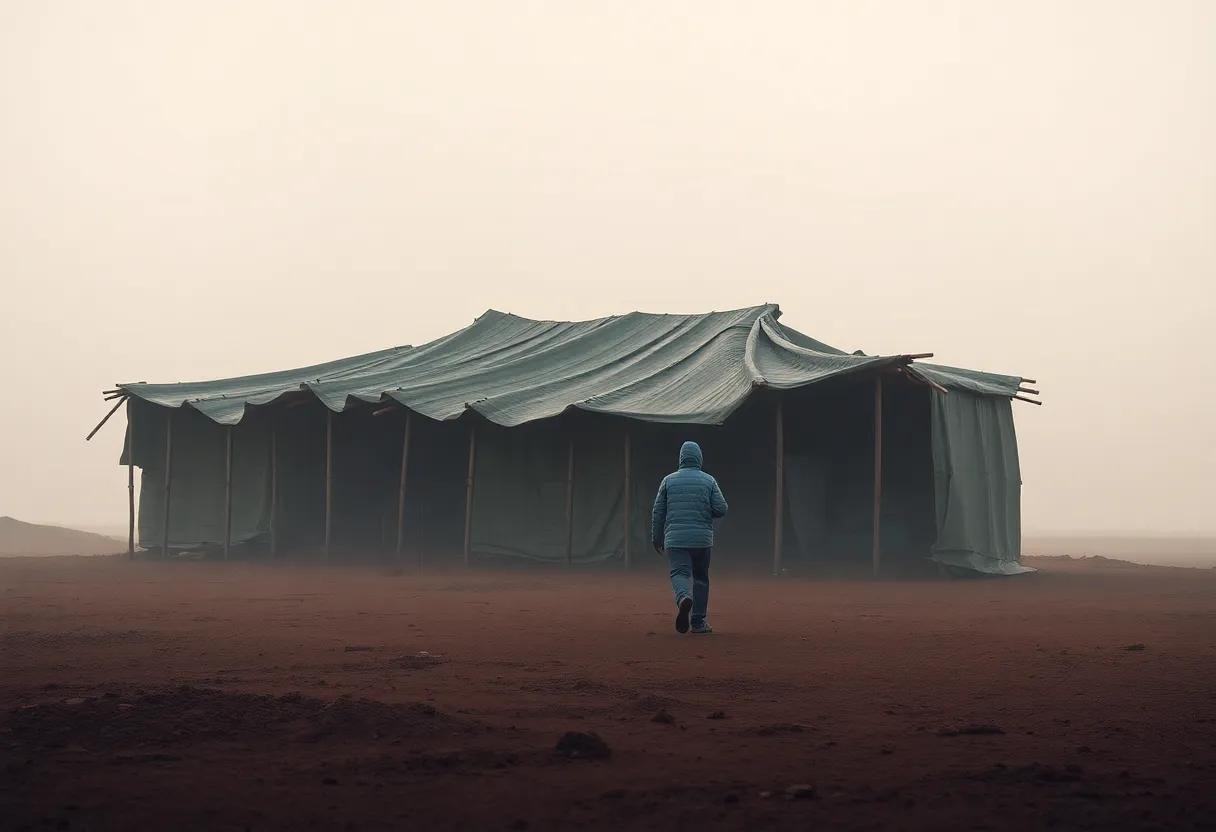
Alan Gratz’s Refugee weaves a powerful narrative that captures the resilience of the human spirit amid harrowing adversity. The stories of Josef, Isabel, and Mahmoud unfold as distinct yet interconnected journeys, each reflecting the urgent drive for survival when home becomes a place of danger rather than safety. Through their eyes, readers encounter the rawness of displacement-uncertainty, loss, and the relentless pursuit of sanctuary.Gratz masterfully avoids painting these characters as mere victims; instead, he highlights their courage, resourcefulness, and unwavering hope that propels them forward despite overwhelming odds.
Within this tapestry of struggle, moments of profound humanity emerge, reminding readers that even in crises, compassion and solidarity endure. The novel invites reflection on these core themes through vivid snapshots of daily life on the move:
- Small acts of kindness: Sharing food or shelter with strangers on perilous journeys.
- Fragile bonds: New relationships formed to withstand hardship.
- Hope’s persistence: Dreams of a better future that sustain vitality.
| Theme | Illustration in Refugee | Emotional Impact |
|---|---|---|
| Survival | Escape across treacherous waters and war-torn landscapes | Tension mixed with admiration |
| Hope | Dreams of safe lands and reunited families | Inspiration and longing |
| Humanity | Acts of generosity and empathy among strangers | Connection and warmth amidst coldness |
How Alan Gratz Balances Educational Content with Engaging Storytelling to captivate young Readers

alan Gratz masterfully intertwines historical facts with vivid narratives, creating a tapestry that educates without overwhelming young readers. His unique approach transforms complex topics such as displacement, war, and survival into relatable experiences by focusing on the personal journeys of his characters.This balance is not accidental; Gratz employs immersive storytelling techniques that highlight individual emotions and decisions, making historical events accessible and emotionally resonant. By embedding accurate context within compelling plots,he encourages readers to explore difficult themes while maintaining a strong emotional connection.
- Multi-outlook narratives: Offers diverse viewpoints to foster empathy and critical thinking.
- Age-appropriate language: Simplifies complex issues without diluting the gravity of the subject matter.
- Fast-paced plotlines: Keeps engagement high, ensuring readers remain invested through natural curiosity.
| Element | Effect on Readers |
|---|---|
| Character-driven stories | Fosters empathy and personal connection |
| Integrated historical facts | Encourages learning without feeling like a textbook |
| clear moral dilemmas | Invites reflection and critical thinking |
The result is a narrative that not only captivates but also inspires thoughtful discussion and awareness. Gratz’s skill lies in ensuring that educational content serves as the foundation rather than the forefront, allowing the story and characters to shine. Readers are not simply passive consumers of history; they become active participants, navigating the challenges alongside the protagonists. This careful calibration makes Refugee not only an engaging read but also a powerful tool for young readers to understand and empathize with real-world issues beyond the page.
The Role of Diverse Perspectives in Broadening Empathy and Understanding for Refugee Crises
Through presenting multiple vantage points, the narrative unfolds a panoramic view of the refugee experience, transcending singular stories to reveal a mosaic of human emotion and resilience. Alan Gratz skillfully interweaves the voices of distinct characters, each from varied cultural and historical backgrounds, allowing readers to immerse themselves in the unique challenges and hopes that define escape and survival. This plurality not only deepens empathy but also dismantles stereotypes, inviting readers to see beyond the headlines and statistics to recognize shared dreams and fears.
By embracing such diverse perspectives, the story encourages a richer dialog around displacement, offering invaluable insights into the complexities of refugee crises. consider the ways these distinct journeys highlight common threads:
- family bonds tested and fortified through adversity
- Loss and resilience as universal human experiences
- Cultural identity challenged but preserved
- Hope and agency as catalysts for survival
| Perspective | Time Period | Region |
|---|---|---|
| Jewish Refugee | 1930s | Europe |
| Cuban Refugee | 1990s | Caribbean |
| Syrian Refugee | 2010s | Middle East |
This table encapsulates how Gratz’s novel spans time and geography, reminding readers that while contexts may differ, the core human spirit in flight remains a constant. The blend of perspectives is not merely additive but transformative, expanding understanding and igniting a more compassionate global conversation.
Evaluating the Book’s Pacing and Structure in Maintaining tension and Reader Investment Throughout
Alan Gratz masterfully balances pacing and narrative structure in Refugee, ensuring the tension never wanes while maintaining reader engagement. The novel’s tripartite storyline alternates among three young protagonists,each facing harrowing journeys from different periods and places. This interwoven timeline creates a rhythmic ebb and flow that keeps readers eagerly turning pages. By switching perspectives just at moments of peak suspense, Gratz crafts a compelling sense of immediacy and urgency without overwhelming the reader. The pacing is purposeful and nuanced, allowing moments of reflection and emotional depth amidst the fast-paced escapes, which enriches the overall storytelling experience.
Structurally, the novel excels by utilizing a blend of short chapters, cliffhangers, and shifting viewpoints, creating a mosaic of survival and resilience that feels both intimate and expansive. Key strengths include:
- Concise chapters that propel narratives forward swiftly
- Strategic placement of cliffhangers to heighten suspense
- A balanced rhythm between action and contemplation
- Parallel story arcs that converge thematically, deepening emotional resonance
Below is a simple breakdown illustrating how the pacing aligns with narrative highs and lows throughout the book:
| Section | Pacing | Tension Level |
|---|---|---|
| Introduction of Characters | Moderate | Medium |
| Inciting Incidents | Fast | High |
| Mid-Journey Challenges | Variable | High to Medium |
| Climactic Escapes | Rapid | Peak |
| Resolutions & Reflection | Slower | Low to Medium |
Visual and Descriptive Language That Brings the Harsh Realities of Refugee Life Vividly to the Page
Alan Gratz masterfully employs sensory details and
- Descriptive metaphors: Gratz compares harrowing emotions to natural disasters, amplifying their impact.
- Concrete details: The worn shoes, the frayed passports, and the empty bellies paint a stark reality.
- Dynamic contrasts: Moments of serene beauty intermittently clash with scenes of violence and uncertainty.
| Element | Effect on Reader |
|---|---|
| Detailed sensory description | Creates immersion and empathy |
| Raw emotional language | Fosters a deep connection to characters |
| Imagery of conflict and hope | Highlights the complexity of refugee experiences |
Gratz’s prose does not shy away from the harshness of reality, yet it balances bleak depictions with moments of resilience and humanity. This nuanced storytelling invites readers to reflect on the multifaceted lives behind the headlines. the storytelling is punctuated with evocative descriptions of both physical and emotional landscapes – from cramped dinghies bobbing precariously at sea to the warmth found in a shared meal amidst uncertainty. Such detail not only paints a clear picture but also honors the dignity and strength of those who endure these daunting journeys.
Suggestions for Using Refugee as a Companion in Educational Settings to Foster Global Awareness
Integrating Refugee into the classroom invites educators to create a dynamic space where literature becomes a bridge to global empathy. Teachers might consider pairing the novel with critical discussion prompts that encourage students to unpack the historical and geopolitical contexts influencing each protagonist’s journey. Encourage learners to engage in role-playing exercises, stepping into the shoes of Josef, Isabel, or Mahmoud, which cultivates a profound emotional understanding beyond mere facts.Highlighting the parallels between the characters’ struggles and current global events adds immediacy and personal relevance, fostering a classroom atmosphere rich with compassion and awareness.
To enrich this experience further, collaborative projects can illuminate the multifaceted nature of refugee experiences. Suggested activities include:
- Mapping Journeys: students create visual timelines tracing the characters’ migrations alongside real-world refugee routes.
- Comparative Analysis: Groups research different refugee populations worldwide,drawing connections to themes in the book.
- Guest Speaker Sessions: Inviting refugees or advocates to share firsthand stories complements the novel’s narrative with lived realities.
These approaches not only amplify global awareness but also invigorate empathy-driven learning, cultivating a generation of informed global citizens.
| Activity | Objective | Skills Developed |
|---|---|---|
| Mapping Journeys | Visualize refugee paths | Research & critical thinking |
| Comparative Analysis | Understand diverse experiences | Collaboration & empathy |
| Guest Speaker Sessions | connect literature with reality | active listening & cultural awareness |
Recommendations for Readers Seeking Powerful Stories That Illuminate Courage and Compassion in Adversity
For readers drawn to narratives that showcase the unyielding spirit of humanity, stories like Refugee offer a profound lens into lives marked by both hardship and heroism. These tales do more than recount events-they capture the intricate dance of courage and compassion that emerges when people face seemingly insurmountable odds. If you seek literature that not only engages the heart but also challenges perceptions, immersing yourself in stories where resilience shines brightest will resonate deeply. Such works illuminate how compassion can be a beacon, guiding individuals through darkness toward hope and renewal.
To enrich your literary journey, consider exploring themes where adversity acts as a crucible for growth and empathy. Books that delve into the shared struggles of displacement, family bonds under strain, and acts of kindness in dire circumstances expand our understanding of human connection.here are some compelling qualities to look for:
- True-to-life protagonists whose courage feels palpable and inspiring
- Interwoven narratives that reflect diverse perspectives on hardship
- Emotional depth that captures moments of vulnerability alongside strength
- Compassion-driven resolutions that affirm hope and humanity’s resilience
| Recommended Titles | Core Themes |
|---|---|
| The Breadwinner by Deborah ellis | Female resilience in war zones |
| Inside Out and Back Again by Thanhha Lai | Immigrant struggles & family love |
| A Long Walk to Water by Linda Sue Park | Survival and hope amid conflict |
The Lasting Emotional and Intellectual impact of Refugee on Its Audience and Broader Social Conversations
Alan Gratz’s Refugee crafts an emotional tapestry that lingers long after the final page is turned, inviting readers into the intimate struggles of those uprooted by conflict and fear. the novel’s triptych narrative not only humanizes historical events but also bridges disparate experiences into a shared human journey of resilience and hope. Audiences are left with a nuanced understanding that goes beyond headlines and statistics, fostering empathy through vivid storytelling. This emotional resonance encourages readers-young and old alike-to reconsider their perceptions of refugees, inspiring conversations about compassion, justice, and global responsibility.
Intellectually, the book challenges readers to grapple with complex social issues: forced migration, cultural displacement, and the interplay of political turmoil with personal fate. Its wide-ranging historical contexts serve as a catalyst for broader discussions about humanitarian crises, citizenship, and the power of solidarity. Consider the following key takeaways that frequently enough emerge in dialogues sparked by Refugee:
- The universality of hope and fear across different times and places
- The importance of historical awareness in understanding present-day refugee situations
- The role of empathy in breaking down stereotypes and promoting inclusive communities
- Recognition of resilience as a shared human quality transcending culture and geography
| Impact Area | Emotional Response | Intellectual Engagement |
|---|---|---|
| Empathy Building | Personal connection to characters’ struggles | Questions about social justice and ethics |
| Awareness Raising | Emotional impact of historical events | Exploration of global refugee policies |
| Inspiration for Action | Motivation to support refugees | Critical thinking on humanitarian responses |
Refugee’s Contribution to Contemporary Young Adult Literature Focused on Social issues and Real-World Challenges
Alan Gratz’s Refugee weaves a powerful narrative that transcends borders and generations, capturing the essence of displacement with profound empathy. By focusing on the lives of young protagonists fleeing war, persecution, and danger, the novel brings to light the nuanced realities faced by refugees worldwide. It boldly addresses complex social issues such as immigration, xenophobia, and the quest for safety, making these themes accessible to a young adult audience. The characters’ journeys are not only physical but also emotional,highlighting resilience,hope,and the universal desire for a better life.This approach enriches contemporary young adult literature by providing perspective rarely seen in mainstream media, fostering understanding and compassion among readers.
Beyond storytelling,refugee serves as an educational tool,encouraging discussions about real-world challenges through its multi-layered narrative structure. The book effectively illustrates how history, politics, and human rights intersect with individual experiences, offering readers a vivid glimpse into harsh realities that continue to shape our global community. Below is a glimpse into the key elements presented in the novel that resonate deeply with readers:
- Historical Context: Three distinct eras and settings highlight the perpetual nature of displacement.
- Character Diversity: Reflects a broad spectrum of refugee experiences across different cultural backgrounds.
- Emotional Depth: Portrays the psychological impact of loss, fear, and hope on young minds.
- Social Relevance: encourages empathy and challenges prejudices in contemporary society.
| Theme | Representation in Refugee |
|---|---|
| Displacement | Voyages across oceans and continents by necessity, not choice. |
| Survival | Overcoming life-threatening obstacles through courage and unity. |
| Identity | Struggles of maintaining selfhood amidst upheaval and prejudice. |
| Hope | Enduring belief in a better future despite continuous hardships. |
Insights into Alan Gratz’s Background, Motivations, and Writing Style That Enrich the Reader Experience
Alan Gratz’s rich background as a seasoned storyteller deeply informs his narrative approach in Refugee. With experience spanning various historical fiction projects and a passion for bringing real-world events to life, Gratz channels empathy and authenticity into every page. His motivations lie in amplifying voices that often go unheard, particularly those of displaced individuals and families facing unimaginable adversity. This commitment is woven seamlessly into his storytelling, creating characters whose journeys resonate with both young readers and adults alike. Gratz’s extensive research and conversations with refugees ensure that the novel’s diverse perspectives are portrayed with accuracy and respect, transforming historical facts into stirring, relatable human experiences.
stylistically, Gratz employs a dynamic narrative structure that interlaces the stories of three young refugees from different eras and corners of the globe. This technique not only maintains a compelling pace but also invites readers to draw parallels between different crises and cultures. Key elements of his style include:
- Vivid, concise prose that evokes strong imagery without overwhelming young audiences.
- Multi-perspective storytelling that highlights the universal themes of hope and survival.
- Emotional depth balanced with moments of resilience and courage to inspire readers.
| Element | Impact |
|---|---|
| Historical accuracy | Builds credibility & educates |
| Character relatability | Engages empathy & connection |
| Interwoven timelines | Highlights timelessness of struggle |
Refugee by Alan Gratz invites readers to step into the shoes of those seeking safety and a new beginning, weaving together stories that resonate with both historical gravity and timeless humanity. Through its carefully crafted narratives,the book challenges us to confront uncomfortable truths while fostering empathy and understanding. Whether you approach it as a poignant history lesson or a compelling tale of resilience, Refugee leaves a lasting impression-a quiet call to remember that every journey of hope carries the weight of countless dreams.