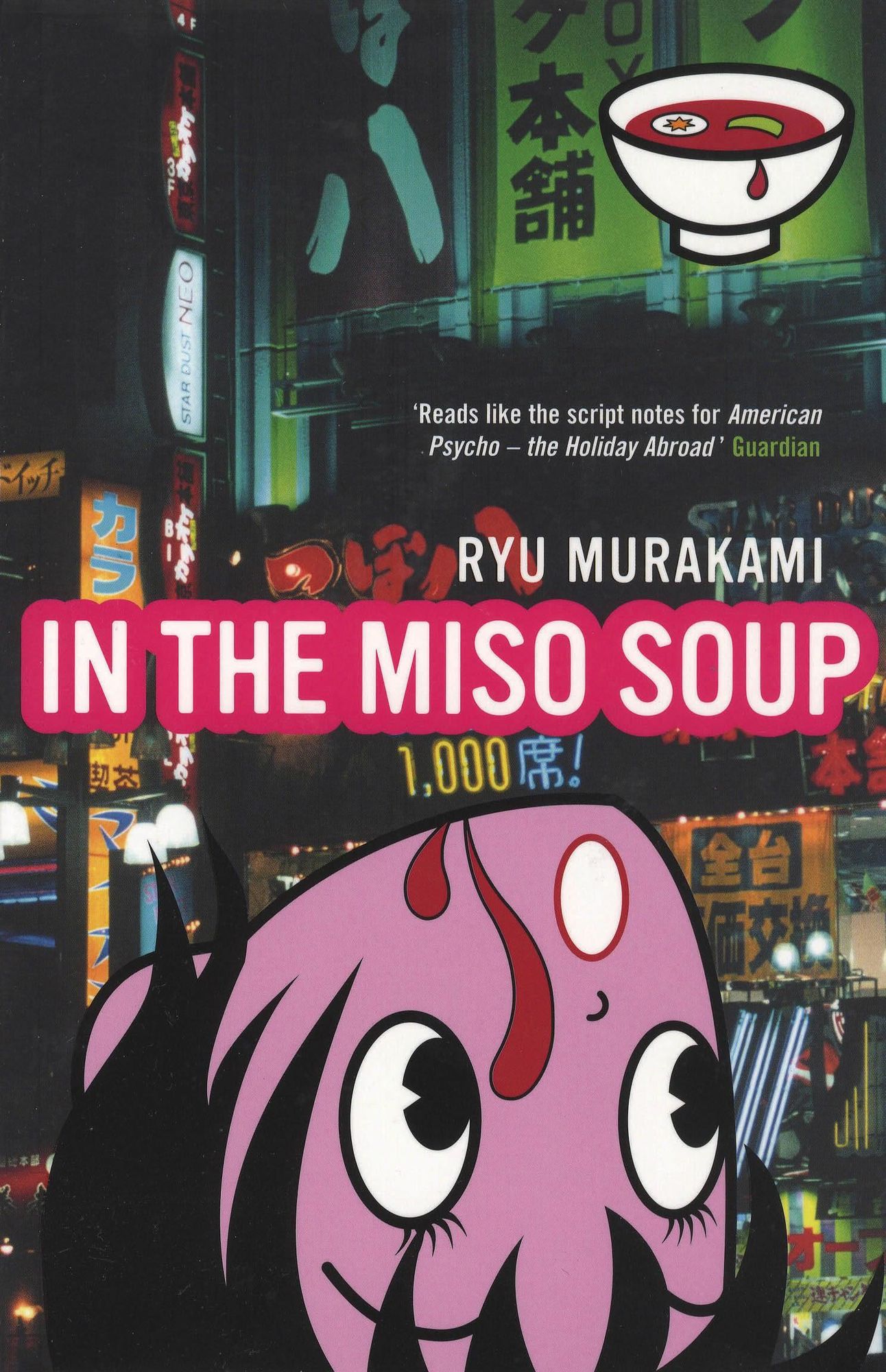
In the shadowed alleys of Tokyo’s neon-lit nightlife, where desire and danger intertwine, Ryu Murakami’s In the Miso Soup emerges as a provocative exploration of darkness lurking beneath the city’s vibrant surface. This haunting novel, unflinching in its portrayal of human obsession and moral ambiguity, draws readers into a labyrinth of psychological tension and unsettling encounters. As we delve into Murakami’s unsettling narrative, Navigating Darkness and Desire offers a thoughtful examination of the forces that shape his characters’ fractured lives, inviting reflection on the complexities hidden within modern urban existence.
Exploring the Murky Intersection of Tokyo’s Nightlife and Psychological Horror in In the Miso Soup
Ryu Murakami’s narrative plunges readers into the shadows of Tokyo’s neon-lit afterhours,where glamour and menace coexist in an unsettling dance. The city’s nightlife pulsates with artificial charm,yet beneath the surface lies a suffocating atmosphere brimming with existential dread. The author’s portrayal is strikingly raw, presenting a tortuous journey through the cracks of urban euphoria. Characters navigate dimly lit clubs, exclusive hostess bars, and labyrinthine alleys, embodying a collision of desire and decay that blurs the line between fascination and fear.This liminal space becomes a breeding ground for psychological horror, where the external vibrancy masks profound internal disquiet.
- Contrasting moods: euphoric escapism vs. creeping paranoia
- Visual motifs: neon glows, shadows, and reflections
- Emotional undertones: alienation, obsession, and vulnerability
- Setting as character: Tokyo itself emerges as an enigmatic presence
The psychological terror in Murakami’s work doesn’t rely on gore or supernatural elements but rather festers within the human psyche and cultural dislocation. His protagonist’s encounters reveal a disturbing gap-a psychological abyss-where surface appearances deceive and the true monstrosities lurk in plain sight. This subtle horror is amplified by the author’s sparse, incisive prose, evoking a sense of unease that lingers beyond the final page. The narrative challenges readers to confront uncomfortable truths about the darker facets of human nature entwined deeply with Japan’s pulsating metropolis.
Best-Selling Books in This Category


| Element | Effect on Atmosphere |
|---|---|
| Nightclubs & Hostess Bars | Facade of glamour masking deep unease |
| Tokyo Streets at Night | Labyrinthine,isolating,enigmatic |
| Protagonist’s outlook | Detached observer,slowly unraveling |
A Deep Dive into the Unsettling atmosphere and Evocative Settings That Define Ryu Murakami’s Narrative Style

Murakami constructs his world with a masterful precision that makes every street, bar, and alleyway pulsate with an eerie vitality. His settings are never mere backdrops; they actively breathe tension into the narrative, styling the reader’s experience with an omnipresent sense of unease. From the neon-lit chaos of Tokyo’s nightlife to the claustrophobic interiors where characters collide, the atmosphere becomes a character itself-an invisible force shaping desires and fears alike. The reader is drawn into an urban labyrinth where shadows hide unspeakable impulses and every moment teeters on the edge of menace and allure.
Key elements defining this atmosphere include:
- Contrasts of light and darkness: Murakami plays with chiaroscuro to symbolize the duality of innocence and corruption.
- Isolation amidst crowds: His characters exist in a paradox, utterly alone even in the blistering pulse of Tokyo’s mobbed venues.
- Intimate, tactile descriptions: The sticky texture of miso soup mirrors the murky emotional waters his characters navigate.
| Setting Details | Emotional Impact |
|---|---|
| Neon-drenched streets | Creates disorientation and allure |
| Dimly lit karaoke bars | Amplifies intimacy and hidden secrets |
| Claustrophobic hotel rooms | Invokes tension and impending threat |
Examining the Complex Character Dynamics and the Haunting Presence of the Foreigner in Murakami’s Tale

At the heart of Murakami’s narrative lies a tangled web of psychological interplay, where each character becomes a vessel for deeper meaning and unease. The foreigner, enigmatic and unsettling, acts less as a person and more as a spectral force-an embodiment of Western influence clashing with Tokyo’s neon-lit underbelly. His presence distorts the ordinary interactions around him, amplifying the shadows lingering beneath casual encounters. This tension surfaces in the layered relationship between the narrator and the foreigner; their connection oscillates between fascination and dread, trust and suspicion, weaving an intricate dance that challenges the reader’s perception of reality and morality.
- Key Interactions and Themes:
- Alienation versus belonging – the foreigner’s invisibility in a crowded metropolis.
- Power imbalance – subtle shifts in dominance underscored by cultural differences.
- The coexistence of desire and violence – blurred lines that constantly threaten to break.
- Psychological hauntings – past traumas manifesting through present dynamics.
| Character | Role | Symbolism |
|---|---|---|
| The Narrator | Observer & Victim | Ambivalence & Moral Conflict |
| The Foreigner | Predator & Phantom | Otherness & Existential threat |
| Supporting Tokyoites | Background Chorus | Urban Anonymity |
Thematic Exploration of Violence, Alienation, and Desire as Portrayed Through the Lens of Tokyo’s Underworld
Within the shadowy corridors of Tokyo’s underworld, Murakami crafts a world where violence is not only physical but existential. The narrative pulses with a tension that is both chilling and hypnotic, as characters navigate a labyrinth of emotional detachment and brutal encounters. Violence operates on multiple layers-manifesting in sudden, savage outbursts and also in the silent fractures of alienation that isolate individuals from society and themselves. This duality challenges readers to question the boundaries between predator and prey, self and other, bringing Tokyo’s gritty nightlife into sharp, unsettling focus.
Desire in Murakami’s depiction is equally complex,serving as both a driving force and a source of destruction. It seeps through the cracks of the city’s neon glow like an intoxicating yet corrosive undercurrent. The characters’ yearnings-whether for connection, power, or escape-reveal the fragile human impulses masked by cold facades and urban anonymity. This interplay of cruelty and longing is mirrored in the setting itself, where:
- Neon-lit streets symbolize fleeting hope and perpetual entrapment.
- Shadowy alleys echo unspoken fears and hidden desires.
- Clandestine bars become spaces of both solace and peril.
| Theme | Portrayal | Effect on Characters |
|---|---|---|
| Violence | physical aggression and psychological menace | Fear, trauma, detachment |
| Alienation | Emotional disconnection and isolation | Loneliness, identity crisis |
| Desire | Longing for intimacy and control | Obsession, vulnerability |
How In the Miso Soup Challenges Western Perceptions of Japanese Culture and Urban Anxiety

Murakami’s narrative boldly dismantles the sanitized, exoticized images often associated with Japanese culture in Western media. Through the shadowy alleys of Tokyo’s nightlife, In the Miso soup exposes a raw underbelly of urban life that defies simplistic cultural stereotypes. Rather of the serene traditions or high-tech utopias frequently portrayed, readers are thrust into a world where desire and danger intermingle, and appearances mask unsettling truths. The novel’s protagonist grappling with a twisted tour guide not only unravels a suspenseful plot but also challenges the reader to reconsider their preconceived notions about the “mystical East.” This subversion urges a critical reflection on how cultural misunderstandings frequently enough obscure the complexities of contemporary Japanese society.
- Urban alienation: The book illustrates how Tokyo’s sprawling metropolis fosters not community, but isolation and mistrust.
- Sexual commodification: Murakami critiques the commodification of intimacy in a city where human connections can feel transactional or superficial.
- Cultural myth vs reality: It confronts Western fantasies with a stark and unsettling portrayal of modern Japan’s moral decay.
| Theme | Western Perception | Murakami’s Portrayal |
|---|---|---|
| Japanese Culture | Elegant, mysterious, conventional | Complex, gritty, conflicted |
| Urban Experience | High-tech, efficient, orderly | Chaotic, isolating, hazardous |
| Social Dynamics | polite, harmonious, structured | Alienating, deceptive, volatile |
The Role of Sensory Imagery and Symbolism in Building Tension and Unease Throughout the Story

Murakami’s masterful use of sensory imagery plunges the reader directly into the neon-lit labyrinth of Tokyo’s underbelly, where every smell, sound, and tactile sensation amplifies the story’s growing sense of dread. The pervasive stench of sweat and liquor isn’t just background; it seeps into the narrative fabric, making the setting palpably oppressive. Subtle details-a flickering fluorescent light, the brittle crackle of a cigarette, the unsettling silence between conversations-are meticulously layered to evoke unease. This immersive approach invites readers to not only observe but feel the mounting tension, as the sensory cues forewarn of deeper, unseen horrors lurking beneath the surface glamour of nightlife.
- Sound: The discordant echo of footsteps and hushed whispers set an ominous tempo.
- Smell: Lingering odors of decay and alcohol symbolize moral corruption.
- Tactile sensations: The unbearable stickiness of humidity intensifies claustrophobia.
Parallel to this sensory bombardment, symbolism weaves through the narrative as a silent conductor of psychological unease.Objects such as the recurring motif of the miso soup-typically a comfort food-mutate into symbols of decay and ambiguity.The murky liquid becomes a metaphor for the protagonist’s swirling confusion and the blurred boundaries between predator and prey. Likewise, the pervasive darkness is not only literal but symbolic, reflecting the murkiness of human desire and the inescapable shadows cast by one’s own conscience. Through these symbols,Murakami crafts an undercurrent of dread that resonates beyond the plot,haunting the reader’s subconscious long after the final page is turned.
Assessing the Novel’s Pacing and Narrative Structure in Maintaining a Relentless Psychological Grip

Murakami’s craftsmanship lies in his meticulous control over pacing, which functions like a slow burn, gradually intensifying the reader’s sense of unease. The narrative shifts effortlessly between moments of mundane Tokyo nightlife and escalating threat, creating a rhythm that oscillates unsettlingly between calm and chaos. This purposeful tempo not only mirrors the psychological unraveling of the protagonist but also envelops the reader in the same claustrophobic tension. Murakami’s spare yet immersive prose lifts every scene, making time feel elastic-stretched during dialog yet snapping shut when violence is hinted at, pulling the audience deeper into the unfolding darkness.
The novel’s narrative structure further reinforces this relentless psychological grip through a subtle layering of perspective and suspense. The use of an unreliable narrator, paired with incremental reveals, invites readers into a web where truth is perpetually questioned. The pacing is carefully segmented, with each chapter acting as a pulse in the story’s heart-sometiems slow and reflective, sometimes sharp and jarring. This dynamic is evident in the table below,highlighting key narrative moments and their impact on tension:
| Chapter | Narrative Beat | Psychological Impact |
|---|---|---|
| 1 | Introduction of protagonist’s routine | Building normalcy; subtle unease |
| 4 | Frist encounter with the enigmatic tourist | Rising curiosity and suspicion |
| 7 | Sudden,violent outburst | Shock and shattered trust |
| 10 | Ambiguous reflections and doubts | Deepening psychological turmoil |
- Slow Reveal: Information is doled out at a pace that keeps readers guessing.
- Shifting Perspectives: Offers glimpses into hidden motives and elusive truths.
- Juxtaposition: Ordinary scenes collide with disturbing events, amplifying tension.
Why Fans of Psychological Thrillers and Cultural Noir Should Add This Dark Gem to Their Reading List

Fans of psychological thrillers will find themselves drawn into the claustrophobic tension of In the Miso Soup, where Ryu Murakami masterfully dissects the dark recesses of the human psyche. The novel’s exploration of unsettling obsession and the blurred lines between predator and prey creates an atmosphere thick with dread and anticipation. Murakami doesn’t just tell a story; he immerses readers in a disorienting, cinematic experience that challenges perceptions of reality and morality, appealing to those who crave narratives that are as intellectually stimulating as they are chilling.
Beyond its gripping psychological elements, the novel immerses readers in a vivid and unflinching portrait of Tokyo’s nightlife-a microcosm of cultural noir that unveils the city’s underbelly behind neon lights and glossy smiles. The juxtaposition of glamour and decay is captured through haunting imagery and raw dialogue, transporting readers into a world where desire and danger coexist uneasily. If you appreciate stories that unravel social facades while probing darker cultural themes, the novel’s incisive depiction of urban alienation and moral ambiguity will resonate profoundly.
| Element | Appeal to Fans |
|---|---|
| Psychological Depth | Intense character introspection and mental unease |
| Atmosphere | Moody, suspenseful ambiance with cinematic qualities |
| Cultural Insight | Raw depiction of Tokyo nightlife and societal shadows |
| Plot Dynamics | Unpredictable tension with layered moral questions |
Navigating the Ethical Ambiguities and moral Questions Raised by Murakami’s Provocative Protagonists

Murakami’s characters often dwell in a liminal space where traditional morality blurs into unsettling ambiguity. His protagonists provoke readers to grapple with discomfort, challenging black-and-white perceptions of right and wrong. In In the Miso Soup, the interplay between innocence and depravity unfolds through a tense cat-and-mouse dynamic, urging us to question how much darkness resides beneath everyday facades. This ethical tension is not merely a narrative device but a mirror reflecting society’s hidden vices and suppressed desires.
What makes Murakami’s work profoundly unsettling is his refusal to offer clear moral judgments. Rather, he presents a spectrum of behavior that prompts introspection. The characters’ actions invite questions such as:
- What defines humanity when instincts clash with social norms?
- Can empathy coexist with fascination for violence?
- How do power dynamics distort consent and complicity?
| Ethical Theme | Murakami’s Exploration |
|---|---|
| Identity | Fluid, fragmented, shadowed by hidden motives |
| Violence | Both repulsive and magnetic, unsettling attraction |
| Morality | Ambiguous, context-dependent, morally grey zones |
This creative ambiguity leaves readers suspended in moral uncertainty, a hallmark of Murakami’s provocative storytelling. By dismantling ethical absolutes, he compels us to confront the contradictions within ourselves and the society we inhabit.
the Impact of Ryu Murakami’s writing on Contemporary Japanese literature and International Readers

Ryu Murakami’s writing has undeniably carved a distinctive niche in contemporary Japanese literature by boldly exploring the darker corridors of human psyche and societal undercurrents. his works, frequently enough characterized by a raw, unflinching portrayal of desire, violence, and alienation, challenge traditional narrative structures and cultural taboos, pushing readers to confront uncomfortable truths. Unlike the more restrained storytelling seen in mainstream Japanese fiction, Murakami dives deep into the chaotic interplay of modern urban life, where existential dread meets hedonistic escapism. This fearless approach has not only inspired a new generation of Japanese writers to embrace edgier themes but also expanded the thematic palette of the nation’s literary scene.
Beyond Japan’s borders, Murakami’s narratives resonate powerfully with international readers, who frequently enough find themselves drawn to his candid depictions of worldwide human struggles beneath the veneer of Japanese society. His deft blending of cultural specificity with themes like moral ambiguity, identity, and societal disillusionment creates a bridge that transcends language and geography. key elements that define Murakami’s international appeal include:
- Psychological Depth: Exploring characters’ inner turmoil with nuanced precision.
- Urban Noir Atmosphere: Crafting settings that feel both distant and intimately familiar.
- Societal Critique: Highlighting the fractures within modernity and capitalism.
- Stylish Minimalism: Employing prose that is economical yet evocative.
| Market | Reception | Influence |
|---|---|---|
| Japan | critical acclaim, cult following | Influenced transgressive fiction movement |
| United States | Growing readership among literary circles | inspired contemporary noir authors |
| Europe | Appreciated for cultural insight | Expanded understanding of Japanese modernity |
Unpacking the Nuanced Critique of Modern Society Embedded Within the Novel’s Sinister undertones

Beyond the unsettling narrative and the chilling atmosphere, the novel offers a sharp, almost surgical critique of contemporary urban life.The pervasive sense of alienation and moral decay manifests through characters who embody the dissonance between surface-level pleasures and their underlying void. Murakami’s depiction of Tokyo’s nightlife reveals a cityscape teeming with fragmented humanity,where desire is commodified and authentic connection is elusive. This duality is not merely a backdrop but a mirror reflecting society’s increasingly transactional nature and the erosion of empathy in the face of relentless consumerism.
Embedded within this grim tableau are subtle calls to question our complicity in a world where darkness is sanitized as entertainment. the novel’s sinister undertones serve as a metaphorical warning, drawing attention to:
- The shallow allure of escapism masking deeper societal anxieties
- The objectification embedded in both personal and commercial relationships
- The invisible fractures created by cultural disconnection and hypermodernity
| Theme | Societal Reflection | Literary Technique |
|---|---|---|
| Alienation | Urban isolation | Symbolism |
| Desire | Commodified relationships | Juxtaposition |
| Decay | Moral ambiguity | Atmosphere |
Profiling Ryu Murakami the Author Behind In the Miso Soup and His Influence on Dark Psychological Fiction

Ryu Murakami’s literary landscape is painted with strokes of unsettling intensity and a deep exploration of the human psyche’s shadowed alleys. Known for his razor-sharp depiction of urban malaise, Murakami’s work transcends simple storytelling to probe the dark undercurrents of desire, alienation, and violence. His narrative style blends raw realism with surreal detours, creating a distinctive voice that resonates powerfully within the realm of dark psychological fiction. Through a fearless examination of the grotesque and the lovely,Murakami crafts characters who are both unpredictable and hauntingly familiar-a testament to his ability to navigate the murky intersections of morality and madness.
The author’s influence extends beyond mere thematic boldness. His technique-marked by minimalist prose, stark imagery, and an atmosphere thick with tension-encourages readers to confront uncomfortable truths. Themes often explored in his work include:
- Existential isolation in modern society
- The blurred boundaries between predator and prey
- Societal decay and personal disintegration
- The duality of human nature
These elements collectively inform a genre-defining approach that has inspired a generation of writers to delve deeper into the darker shades of human experience.Below is a concise overview of Murakami’s literary impact:
| Aspect | Contribution |
|---|---|
| Psychological Depth | Intricate character studies revealing inner turmoil |
| Atmosphere | Evokes a claustrophobic sense of urban dread |
| Thematic Innovation | Juxtaposes violence with mundane reality |
| Genre Influence | shaped the framework for contemporary noir and horror |
In the Miso Soup leaves readers adrift between unease and intrigue, challenging them to confront the unsettling shadows lurking beneath the surface of modern Tokyo’s neon glow. Ryu Murakami’s prose, sharp and unrelenting, navigates the complexities of darkness and desire with a chilling authenticity that lingers long after the final page. Whether viewed as a piercing psychological thriller or a haunting cultural portrait, the novel invites reflection on what hides behind the masks we wear-and the truths we dare not face. As the city’s lights flicker out, so too does the line between predator and prey, leaving a story as enigmatic and haunting as the night itself.