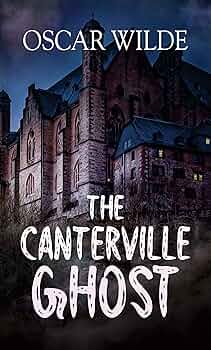
Oscar wilde’s The Canterville Ghost is a whimsical blend of eerie tradition and sharp wit, a story that dances gracefully between the spectral and the satirical. In this review,we delve into how Wilde masterfully employs humor not only to entertain but also to weave subtle moral reflections into his narrative. Far from a mere ghost story, The Canterville Ghost invites readers to explore themes of redemption, cultural clash, and forgiveness, all while laughing at the absurdities that arise when the supernatural meets the mundane. This examination seeks to illuminate the ways in which Wilde’s playful approach both honors and upends the conventions of haunting tales, leaving a lasting impression that lingers beyond the final page.
Exploring the Blend of Wit and Spookiness in The Canterville Ghost That Captivates Readers Across Generations
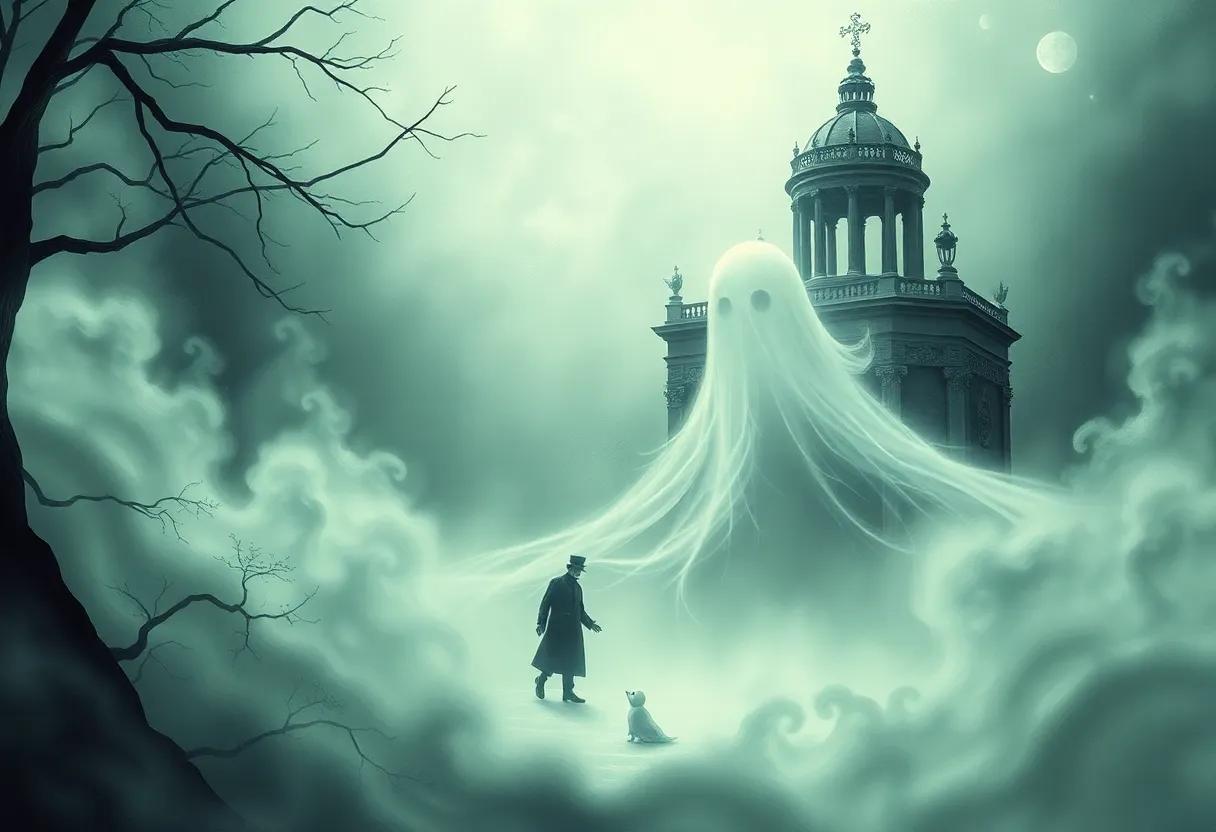
Oscar Wilde masterfully intertwines sharp wit with eerie elements, crafting a tale where humor and hauntings coexist in perfect harmony. Unlike traditional ghost stories saturated with gloom, The Canterville Ghost introduces readers to a spectral figure who is as much a source of laughter as he is of fear. Wilde’s playful subversion of the haunted house trope – from the ghost’s futile attempts to frighten the pragmatic Otis family to the clever american responses - highlights a cultural clash ripe with satire. This blend not only entertains but also disarms the reader, making the supernatural approachable and the moral undertones more resonant.
At the heart of the story lies a rich tapestry of themes that invite reflection beyond the laughs and chills. The narrative delicately explores:
Best-Selling Books in This Category


- Redemption: The ghost’s journey towards forgiveness illuminates the transformative power of compassion.
- Tradition vs. modernity: The Otis family’s practical mentality challenges the old-world mysticism embodied by the ghost.
- Human folly: Through humorous misunderstandings and clever repartee, Wilde critiques social pretensions and stubbornness.
| Aspect | Witty Element | Spooky Element |
|---|---|---|
| Character | The Otis family’s deadpan pragmatism | Sir Simon’s ghostly antics and moans |
| Setting | Modern furniture clashing with ancient manor | The dark corridors and hidden passages |
| Plot | Comedic ghost-hunting mishaps | Haunting and curse-breaking climax |
How Wilde Uses Haunting Humor to Challenge Victorian Social Norms and Satirize Cultural Pretensions
Oscar Wilde masterfully intertwines the eerie with the comedic, turning the traditional ghost story trope on its head to expose the contradictions of Victorian society. Through the playfully spectral antics of the Canterville Ghost, Wilde mocks the era’s rigid class structures and its obsession with propriety. The ghost’s futile attempts to frighten the pragmatic American family become a satire on cultural pretensions, illustrating how Victorian aristocratic airs were frequently enough met with pragmatic skepticism from modernity. This collision between old-world traditions and new-world sensibilities creates a humorous lens through which Wilde challenges the solemnity of social norms, inviting readers to question the validity of inherited customs.
Wilde’s use of humor is not merely for entertainment; it serves as a subtle yet powerful tool in dissecting moral hypocrisies. The characters embody contrasting cultural attitudes-where the ghost clings to outdated notions of honor and haunting, the Otis family responds with irreverence and common sense. This tension is captured in the table below,which highlights the juxtaposition between their values:
| Victorian Aristocracy (The ghost) | Modern American Family (The Otises) |
|---|---|
| Upholds heritage and tradition as supreme | Values practicality and innovation over legacy |
| Emphasizes social etiquette and formalities | Demonstrates casual,down-to-earth behavior |
| Believes in supernatural mystique | Rejects superstition in favor of rationality |
The humorous clashes underscore Wilde’s critique of cultural rigidity,revealing how societal norms can be as ghostly illusions-haunting yet powerless against the living vibrancy of change. By blending the spine-chilling with the absurd, Wilde invites the audience not only to laugh but also to reflect on the absurdity of moral posturing.
Unpacking the Moral Lessons Embedded in the Supernatural Encounters Between the Otis Family and the Ghost
In Oscar Wilde’s tale, the supernatural experiences shared by the Otis family and the ghost diverge far from traditional frightful hauntings, instead weaving a fabric of moral reflections beneath the humor and spectral antics. The ghost, burdened by his past misdeeds, serves as a living reminder that redemption is accessible even in the afterlife. Through the Otis family’s unapologetic modernism, wilde critiques old-world pretensions and champions values such as forgiveness, empathy, and sincere human connection. The ghost’s eventual transformation highlights the liberating power of compassion and the idea that courage can dispel even the darkest shadows.
These encounters subtly encourage readers to reconsider the nature of right and wrong, emphasizing that personal growth often emerges from unexpected relationships and challenges. key lessons manifest throughout the story, illustrated by the otis family’s responses:
- Pragmatism over superstition: Their pragmatic approach deflates fear and empowers understanding.
- Kindness transcending fear: The young Virginia’s compassion ultimately breaks the ghost’s cycle of torment.
- Humor as a coping mechanism: the family’s lightheartedness turns eerie encounters into opportunities for growth.
| Supernatural Element | Moral Angle | Implication |
|---|---|---|
| Ghost’s endless Haunting | Consequences of past sins | Mortals must confront and amend mistakes |
| Otis Family’s Blunt Reactions | Rejecting irrational fears | Strength through reason and humor |
| Virginia’s Compassionate Act | Redemption through empathy | forgiveness as a path to peace |
The Role of Irony and Parody in Creating a Playful Yet Thought-Provoking Narrative Atmosphere
Wilde masterfully weaves irony into the fabric of the narrative, creating a delightful tension between expectation and reality. The traditional ghost story tropes are flipped on their head, with the haunting figure portrayed less as a source of terror and more as a source of comic frustration. This inversion is not accidental; it serves to spotlight the absurdity of rigid social norms and Victorian moral rigidity. Through sharp contrasts, Wilde invites readers to laugh at the ghost’s futile attempts to terrify the pragmatic Otis family, whose rationality and modern sensibilities undermine the ghost’s haunting ambitions. Here, irony operates as a subtle critique, encouraging the audience to question accepted truths while being entertained.
Parody amplifies this effect by mimicking the Gothic genre’s stylistic elements only to subvert them playfully. Wilde uses exaggeration and caricature to poke fun at both the haunting and the living characters: the ghost’s pompous declarations become comedic rather than frightening, while the American family’s pragmatic attitudes humorously clash with British tradition. This interplay achieves more than mere humor; it fosters a narrative atmosphere that is at once lighthearted and philosophically engaging. The following table illustrates key elements Wilde parodies and their narrative consequences:
| Element Parodied | Traditional Role | Wilde’s Treatment | Narrative Impact |
|---|---|---|---|
| Ghost’s Terrifying Presence | Source of fear and suspense | Clumsy, frustrated, and comic figure | Invokes laughter instead of fear |
| haunted Mansion | Atmosphere of gloom and dread | Blend of the mundane with the supernatural | Creates playful yet eerie setting |
| Victorian Morality | Solemn and didactic tone | Whimsical critique through humor | Provokes reflection on societal norms |
Character Analysis Highlighting the Contrast Between American Practicality and British tradition in the story

wilde masterfully crafts his characters to embody the clash between American pragmatism and British aristocratic tradition. The otis family – with their no-nonsense, business-minded approach – dismiss the ghost’s haunting with a mixture of modern skepticism and practical problem-solving. Mr.Otis, in particular, treats the supernatural encounter like a mere inconvenience, offering mundane solutions such as “stain remover” rather of superstition. This reflects a distinctly American mindset prioritizing efficiency and rationality, which starkly contrasts with the ghost’s adherence to the old-world customs of haunting and honor.
Simultaneously occurring,Sir Simon,the Canterville Ghost,represents the weight of British historical legacy and tradition,trapped by centuries of unresolved guilt and ritualized behavior. His attempts to frighten the Otises are met with bafflement rather than fear, frustrating his very identity as a spectral figure bound by convention. This clash is highlighted in the table below, illuminating their opposing worldviews:
| Aspect | American Practicality | British Tradition |
|---|---|---|
| Reaction to the Ghost | Dismissive, humorous, solution-oriented | Serious, ritualistic, haunted by guilt |
| values | Modernity, progress, skepticism | Heritage, honor, superstition |
| Interaction Style | Pragmatic, irreverent, casual | Formal, somber, traditional |
| Effect on Story | Breaks tension with comedy, drives action | Maintains eerie atmosphere, evokes sympathy |
Ultimately, this juxtaposition heightens both the comedic and moral dimensions of the tale, revealing how old-world ghosts may be dispelled not by banishment but by understanding and the fresh perspective of the new world.
the Symbolism Behind The Canterville Ghost’s Redemption and its Reflection on Forgiveness and Transformation
At the core of Wilde’s tale lies the redemption of the Canterville ghost, which serves as a profound symbol for the power of forgiveness to transcend even the most entrenched bitterness. The ghost’s torment, born of past sins and unresolved guilt, is eventually soothed not by vengeance but by compassion and understanding from the Otis family-especially the young Virginia. This transformation illustrates how grace can break the cycles of suffering that bind souls,reflecting Wilde’s subtle advocacy for empathy as a catalyst for moral renewal. The ghost’s release from eternal punishment signifies that redemption is accessible through sincere forgiveness, highlighting a universal human truth wrapped in a supernatural narrative.
Wilde cleverly uses the ghost’s journey to explore themes of personal change and emotional healing, turning what could be a typical haunting into a narrative rich with symbolism about metamorphosis. Rather than merely a figure of fear,the ghost becomes a mirror reflecting the possibility of growth beyond one’s mistakes. This is enhanced through key motifs such as:
- Light piercing darkness: symbolizing hope and renewal.
- The passage of time: representing acceptance and the inevitability of change.
- Intergenerational connection: bridging past and present grievances towards harmony.
Together, these elements weave a powerful moral tapestry, urging readers to consider how forgiveness can lead to profound transformation-both for others and within themselves.
Wilde’s Narrative Technique: Combining gothic Elements with Lighthearted Dialogue and comedic timing
Wilde masterfully intertwines the eerie ambiance of traditional Gothic storytelling with a refreshing twist-witty, lighthearted dialogue that keeps readers both intrigued and entertained. His skillful use of comedic timing punctuates moments of supernatural suspense with levity, preventing the narrative from sinking into pure horror. This balance not only offers readers a multifaceted experience but also invites a critical reflection on the absurdities of both ghostly myths and Victorian society. Through sharp exchanges and playful banter, Wilde dismantles typical ghost story conventions, crafting a tale where apparitions become subjects of charm rather than dread.
The narrative’s clever interplay can be seen in how characters respond to hauntings with skepticism, pragmatism, and humor. The American family’s modern, no-nonsense attitudes clash amusingly with the ghost’s archaic torment, highlighting themes of cultural contrast and change.Below is a brief look at how Wilde’s technique amplifies the story’s tone:
| Gothic Element | Lighthearted Counterpart | Effect on Reader |
|---|---|---|
| Ancient cursed mansion | Practical American family | Undermines fear; creates humor |
| Terrifying ghostly apparitions | Sarcastic and witty remarks | Softens horror; enhances engagement |
| Dark family curse | Playful forgiveness and redemption | Infuses optimism; conveys moral growth |
- dialogue serves as a weapon against fear.
- Comic timing diffuses tension and surprises readers.
- The blend of tones encourages reflection on moral themes without melodrama.
Visualizing the setting: How Canterville Chase Enhances the Mood and Supports the story’s Themes
Canterville chase itself breathes life into Wilde’s narrative, serving as more than just a backdrop but as a character woven deep into the story’s fabric. The eerie manor, with its creaking floors and shadowy corridors, conjures a palpable atmosphere of suspense that is simultaneously spooky and whimsically ironic. This deliberate duality in the setting mirrors the story’s tone-the macabre blending seamlessly with satire-allowing readers to oscillate between chills and chuckles. Every cobweb-laden corner and ancient artifact subtly amplifies the ghostly legend, while also highlighting the clash between American pragmatism and British tradition, a central theme in the tale. The setting’s haunting charm invites readers to explore not only the paranormal but also the cultural and moral questions Wilde cleverly embeds.
Moreover, the environment’s rich details play a crucial role in emphasizing the story’s moral undertones. The contrast between the aged,haunted mansion and the pragmatic,tongue-in-cheek attitudes of the Otis family underscores themes of redemption,forgiveness,and the clash between modernity and superstition. Below is a simple breakdown of how Canterville Chase influences mood and theme:
| Setting Element | Mood Influence | Theme Support |
|---|---|---|
| Ancient Portraits | Mysterious, eerie | Legacy and history |
| Furnished Library | Warm, reflective | Knowledge vs. superstition |
| Dark Hallways | Unsettling, suspenseful | Fear and courage |
| Moody Weather | Gothic, dramatic | Transformation and redemption |
In essence, Canterville Chase is meticulously crafted to not only heighten the eerie humor that defines Wilde’s story but also to symbolize the deeper moral lessons at play. the setting’s interplay between tradition and change enriches the narrative, inviting readers to laugh, reflect, and ultimately embrace the timeless human values cleverly disguised beneath the ghostly antics.
Recommendations for Readers Seeking a Balance of Humor, mystery, and Ethical Reflection in Classic Literature
For readers craving a literary cocktail of wit, enigma, and earnest contemplation, Wilde’s The Canterville Ghost offers an irresistible blend. Its charm lies not only in the spectral antics but also in the way humor gracefully unravels complex moral questions without ever feeling heavy-handed. The story’s playful banter between the American Otis family and the English ghost invites us to laugh, yet it simultaneously provokes reflection on themes such as forgiveness, redemption, and cultural clashes. Those in search of layered narratives will find Wilde’s work a masterclass in balancing levity with depth.
Complement your reading with these suggested classics that echo similar tones and philosophies:
- The Importance of Being Earnest by Oscar Wilde – Satirical comedy meets social critique.
- Dr. Jekyll and Mr. Hyde by Robert Louis Stevenson – A gripping exploration of duality and morality.
- The Picture of Dorian Gray by Oscar Wilde – Wit and aestheticism wrapped in ethical quandaries.
- The Strange Case of dr.Jekyll and mr. Hyde by R.L. Stevenson – Dark mystery with psychological insight.
| Book | Tone | Key Theme |
|---|---|---|
| The Canterville Ghost | Humorous, lighthearted | Redemption through compassion |
| The Importance of being Earnest | Satirical, witty | social superficiality |
| Dr. Jekyll and Mr. Hyde | Dark, suspenseful | Duality of human nature |
Why The Canterville Ghost Continues to Inspire Adaptations in Theater, Film, and Contemporary Media
The magic of Oscar Wilde’s The Canterville Ghost lies in its unique blend of wit, satire, and timeless human truths. This balance has made it a versatile canvas for creators, allowing for reinterpretation across various forms – from stage plays and silent films to modern podcasts and graphic novels.the story’s core conflict between old-world traditions and new-world pragmatism continues to captivate audiences, making it simultaneously humorous and thought-provoking. Moreover, its supernatural elements are playfully subverted, inviting a lighter, frequently enough comedic take that makes the ghost a familiar, endearing character rather than a terrifying specter.
Adaptations thrive because the original tale offers multiple layers to explore, often tailored to the sensibilities of contemporary audiences. Themes such as redemption,cultural clash,and the innocence of youth become strong anchors in reinterpretation. Creators emphasize different aspects depending on context, allowing adaptation to reflect societal shifts. Key elements that make it endlessly adaptable include:
- humor with heart: The ghost’s misadventures create laughs that soften the moral lessons underneath.
- Character dynamics: The interplay among the ghost and the Otis family offers dramatic tension and warmth.
- Universal themes: concepts like forgiveness and transformation resonate across cultures.
- Supernatural charm: Ghostly folklore fused with Victorian wit appeals to fantasy lovers and skeptics alike.
| Adaptation Medium | Notable Feature | Audience Appeal |
|---|---|---|
| Theater | Live comedic timing and interactive ghost effects | Families, literature enthusiasts |
| Film | visual humor and period atmosphere | Cinema lovers, classic adaptation fans |
| Contemporary Media | Podcast storytelling and graphic novel stylization | Younger audiences, digital natives |
The Enduring Appeal of Wilde’s Signature style Demonstrated Through His Clever Use of Language and Puns
Wilde’s mastery of language transforms The Canterville Ghost into a tapestry woven with wit and subtle social critique. His clever deployment of puns doesn’t merely entertain; it serves as a mirror reflecting the absurdities of Victorian society. throughout the story, we encounter moments where double meanings and playful twists on words gently mock rigid traditions, inviting readers to reconsider the boundaries between the supernatural and the mundane. This linguistic dance not only enriches the narrative but also endears Wilde’s voice to generations, as the sharp humor remains as engaging today as it was over a century ago.
Key elements of Wilde’s linguistic charm include:
- Subtle irony: Characters often say one thing while meaning another, emphasizing contradictions in social norms.
- Playful wordplay: Puns that cleverly reference ghostly themes juxtaposed with domestic situations.
- Satirical diction: Elevated phrasing contrasted with mundane concerns to enhance comedic effect.
| Exmaple | Interpretation |
|---|---|
| “Blood stains upon the American family’s white English rug.” | A pun on literal ghosts versus cultural ‘stains’ and clash of traditions. |
| “Sir Simon’s more than a little deadpan in his humor.” | Wilde’s tongue-in-cheek nod to both the ghost’s state and his dry wit. |
Insight into Wilde’s Life and Literary Career That Influenced His Approach to Writing The canterville Ghost
Oscar Wilde’s life was a tapestry of contradictions-witty and satirical yet deeply reflective, flamboyant and tragic all at once. His upbringing in an intellectually vibrant family and education at Oxford immersed him in classical literature and philosophy, fueling his penchant for irony and social critique. This unique blend of experiences manifests vividly in The Canterville Ghost, where Wilde channels both his sharp wit and his critique of Victorian society. the story’s humorous clash between the old-world ghost and the pragmatic American family mirrors Wilde’s own interest with the tensions between tradition and modernity, highlighting how his personal encounters and social observations shaped his storytelling approach.
Wilde’s literary career was marked by celebrated plays, essays, and novels, all unified by his masterful use of humor and moral undertones. His experiences with societal judgment and his unorthodox lifestyle infused his writing with subtle lessons on tolerance,forgiveness,and the absurdity of social pretensions. In The Canterville Ghost, these themes are evident through its playful tone and the redemptive arc of the spectral protagonist. Below is a brief look at key facets from Wilde’s life and career that echo in the narrative:
- Intellectual family background: Fueled his love for classical myths and literary allusions.
- Oxford education: Developed his skill in paradox and epigrammatic wit.
- Social outsider experience: Inspired themes of judgment, scandal, and redemption.
- Theatrical success: Honed his dialogue style and dramatic structure.
| Wilde’s Influence | Effect on The Canterville ghost |
|---|---|
| Family Wit & Irony | Sharp, humorous narrative voice |
| Classical Education | Rich symbolic references |
| Social Marginality | Sympathy for outcasts |
| Playwriting Craft | engaging dialogue and pacing |
The Canterville Ghost stands as a timeless dance between laughter and reflection, where Oscar Wilde’s wit illuminates the shadows of superstition and human folly alike.Its playful hauntings invite readers not only to chuckle at the ghost’s spectral misadventures but also to ponder the deeper moral currents flowing beneath the surface. Whether approached as lighthearted entertainment or a subtle critique of societal norms, the story’s charm endures-reminding us that humor and haunting are sometimes just two sides of the same mysterious coin.