In the vast landscape of speculative fiction, few works capture the haunting complexity of humanity’s encounter with the unknown as vividly as Roadside Picnic. Straddling the boundary between science fiction and philosophical inquiry, this enigmatic novel invites readers to wander through a world forever altered by an inexplicable event-one that both bewilders and beckons with equal intensity. delves into the layers of this literary masterpiece,unpacking its themes,symbolism,and enduring impact on the genre.As we step cautiously into the eerie, zone-like milieu crafted by Arkady and Boris Strugatsky, we begin to unravel not only the mysteries of the story but the reflections it casts upon our own reality.
The Mysterious Setting of the Zone and Its Symbolic Significance in the Narrative

The Zone, as depicted in Roadside Picnic, is not merely a physical space but a labyrinthine enigma that captivates both characters and readers alike. Its eerie landscapes are woven with contradictions-lush growth coexisting with deadly anomalies, silent stillness pierced by inexplicable phenomena.This eerie environment functions as a mirror reflecting humanity’s deepest anxieties and desires.Symbolically, the Zone is a manifestation of the unknown consequences of human curiosity and ambition, a terrain where the boundaries between reality and the surreal become blurred. It challenges the explorers not only to navigate perilous terrain but to confront existential questions about the price of progress and the limits of human understanding.
Within the narrative, several symbolic layers emerge through the Zone’s tangible and intangible elements, such as:
Best-Selling Books in This Category

- The Artifact Fragments: Represent the remnants of a catastrophic event beyond human comprehension, hinting at the fragility of civilization.
- Deadly Anomalies: Serve as metaphors for unseen consequences and the unpredictability of tampering with forces beyond control.
- The Forbidden Perimeter: Symbolizes society’s attempt to contain or ignore dangerous truths.
| Symbolic Element | Interpretation |
|---|---|
| The Zone’s Landscape | Humanity’s subconscious-wild, untamed, and mysterious |
| Stalkers | Ambiguous boundary-crossers-seekers of forbidden knowledge |
| Anomalies | Unpredictable dangers tied to human hubris |
Unpacking the Philosophical Themes Embedded Within the Story’s Post-Apocalyptic Landscape

the post-apocalyptic realm in Roadside Picnic serves not just as a haunting backdrop but as a vessel for profound philosophical inquiry. It challenges the very notions of human purpose and the search for meaning in a seemingly indifferent universe. The Zone, enigmatic and capricious, becomes a mirror reflecting humanity’s existential anxieties-where familiar laws break down and where the boundary between the known and the unknowable constantly shifts. This terrain pushes characters to confront truths about survival, morality, and the fragments of hope left in a shattered world.
Embedded within this desolate environment are various themes that invite readers to question:
- The Illusion of control: How much agency do individuals truly possess when confronting forces beyond understanding?
- Ethical ambiguity: What compromises become necessary when survival clashes with conventional moral codes?
- The Search for Meaning: can purpose arise from chaos, or is it simply a human construct imposed on randomness?
| Philosophical Theme | Symbolic Portrayal | Core Question |
|---|---|---|
| Existential Uncertainty | The unpredictable anomalies | What defines reality when natural laws fail? |
| Ethical Flux | Survival-driven decisions | Is morality absolute or situational? |
| Human Hubris | Zones’ uncontrollable nature | Do humans overestimate their dominion over nature? |
Character Development and the Complex Motivations Driving the Protagonists’ Actions
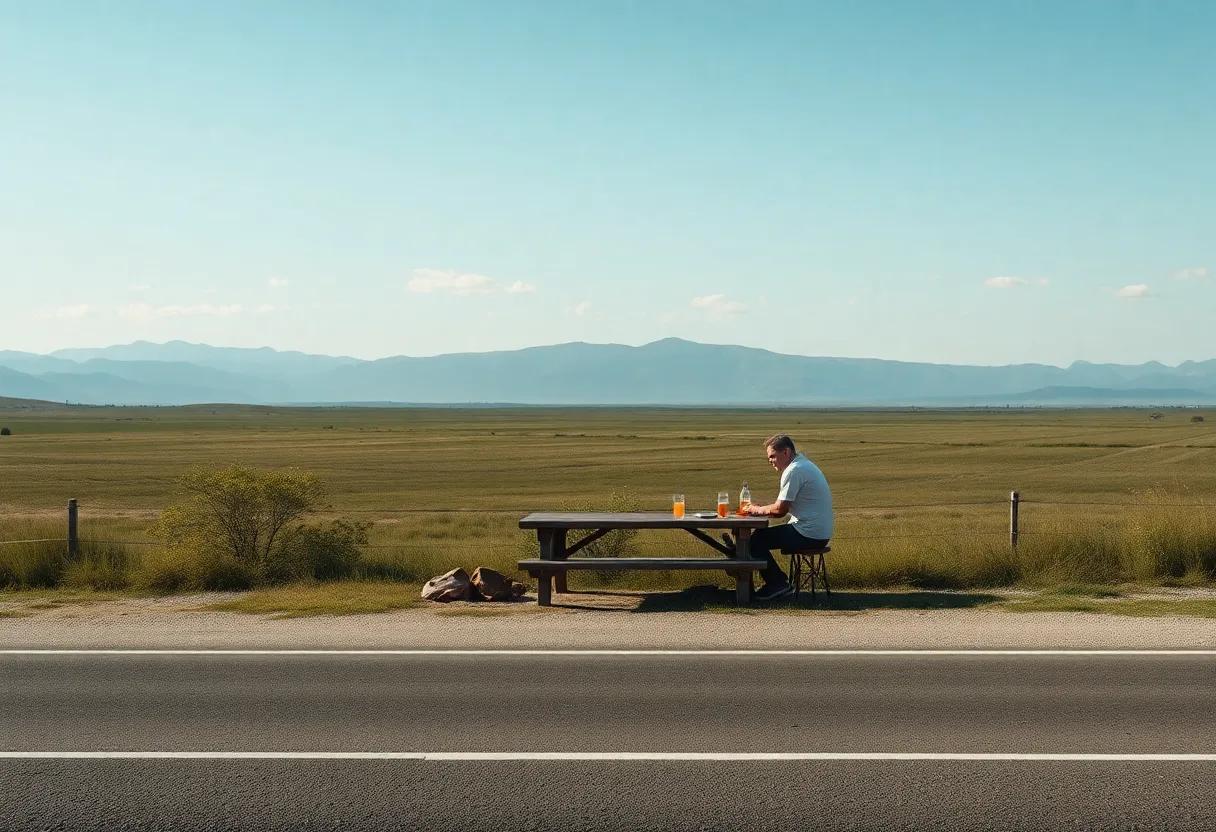
The protagonists in Roadside Picnic are not mere adventurers exploring a mysterious and hazardous zone; they are deeply flawed individuals whose motivations weave a rich tapestry of desperation, hope, and existential angst. rather than operating on simple desires or clear-cut moral codes, their actions are propelled by a complex interplay of personal loss, societal pressures, and an almost obsessive yearning to find meaning in the chaos.This nuanced portrayal invites readers to question the very nature of purpose – where curiosity becomes compulsion, and survival blurs with self-destruction.
Looking closer, key figures reveal layers of conflicting drives that humanize their journeys:
- Redrick “Red” Schuhart: A stalker wrestling with guilt and obligation as he balances family obligations with the deadly allure of the Zone’s secrets.
- Kirill: A representation of cold War urgency, focused on the scientific and military potential of the Zone, frequently enough clashing with ethical boundaries.
- Martian and other minor characters: Serving as reflections of societal decay and the fragmented psyche of a world transformed by the unknown.
| Character | Primary Motivation | Internal Conflict |
|---|---|---|
| Redrick ”Red” Schuhart | Protect family & uncover truth | Survivor’s guilt vs. personal ambition |
| Kirill | Scientific knowledge & control | Ethics vs.Cold War pragmatism |
| Martian | Navigate chaos | Order vs. entropy |
This table encapsulates the driving forces and inner turmoil at the heart of the narrative, highlighting how character depth elevates the novel beyond science fiction into a profound meditation on human nature when pushed to the edge.
The Role of Science and Technology in Shaping the Story’s Intriguing World-Building
The fabric of the story’s world is intricately woven with manifestations of advanced science and enigmatic technology, serving as both a backdrop and a catalyst for the narrative. The mysterious zone, a scar left by an otherworldly visitation, acts as a crucible where the rules of nature are bent, giving rise to artifacts and phenomena that challenge human understanding. Thes elements are not mere gadgets or plot devices; they represent the blurred intersection between human curiosity and the unfathomable unknown. In this context, technology is more than a means to an end-it embodies the consequences of mankind’s insatiable quest for knowledge and the unpredictable ripple effects when science ventures beyond earthly bounds.
Key aspects of the zone’s technology enrich the sensory and thematic landscape, including:
- Unpredictable Artifacts: Objects with seemingly random properties, defying conventional physics, which drive both awe and fear.
- Environmental Anomalies: Zones where gravity, time, or biology behave inconsistently, creating a living paradox.
- Human Adaptations: The physiological and psychological effects on stalkers who navigate the perilous terrain,shaped by exposure to alien tech.
| Scientific Phenomenon | Effect on Zone | Story Implication |
|---|---|---|
| Gravity Flux | Localized weightlessness | Challenges physical exploration |
| Temporal Distortion | Time loops and delays | Creates suspense and existential puzzles |
| Bio-Mutations | Altered flora and fauna | Highlights dangers and unpredictability |
Collectively,these scientific marvels paint a landscape that demands more than brute force or traditional survival instincts.Rather, the story encourages a deep contemplation of human ingenuity facing incomprehensible phenomena, revealing the fragile boundary between mastery and chaos. It’s this complex fusion of technology and environment that transforms the zone into a character in its own right-an enigmatic entity that shapes the motivations, fears, and ultimately, the fate of those who dare to enter.
Narrative Style and Pacing: How the Story balances Suspense with Reflective Moments
At its core, the narrative unfurls with a deliberate rhythm that masterfully oscillates between pulse-quickening tension and contemplative stillness. The prose doesn’t rush; rather, it invites readers to linger in the eerie quietude of the Zone as much as it plunges them into its unpredictable dangers. this balance ensures the suspenseful chase for artifacts and survival doesn’t overshadow the deeper philosophical musings embedded within every footstep into the unknown. Moments of sharp, incisive action are often cushioned by reflective pauses, allowing characters and readers alike to absorb the profound implications of their journey.
Key elements that enhance this dynamic storytelling include:
- Strategic pacing that mirrors the Zone’s unpredictable nature-slow and dense one moment, frenetic and chaotic the next.
- The use of introspective monologues and dialogues that unpack the emotional and ethical weight of exploration.
- Rich environmental descriptions that act almost as characters themselves, slowing down the tempo to evoke a haunting atmosphere.
| Story Element | Effect on Pacing | Resulting Impact |
|---|---|---|
| Action Sequences | Accelerated tempo | Heightened suspense and urgency |
| Reflective Passages | Slowed momentum | Deeper character insight and thematic resonance |
| Environmental Detail | Variable pacing | Immersive world-building and mood |
Exploring the Ethical Dilemmas Presented by Contact with the Unknown and Its Consequences
Humanity’s encounter with the unknown, as portrayed in Roadside Picnic, opens a Pandora’s box of ethical conflicts that challenge our preconceived notions of responsibility and survival. The alien phenomenon,shrouded in mystery and littered with inexplicable artifacts,becomes a testing ground for human greed,curiosity,and morality. Are the salvagers who risk life and limb justifiable in their pursuit of rare, other-worldly treasures? Or does their intrusion represent a blatant disregard for the potential dangers and broader cosmic consequences? The novel deftly blurs the lines between victim and culprit, forcing readers to confront uncomfortable questions about exploitation and respect for what remains beyond human comprehension.
The consequences of this contact ripple far beyond individual actions, affecting communities and even the planet’s future. Environmental degradation, health hazards, and social decay emerge as silent echoes of the interaction with the Zone. Underneath the surface lies a complex web of intentions and outcomes, summarized in the following table, which captures the multifaceted ethical dimensions:
| Ethical Concern | human Response | Potential Consequence |
|---|---|---|
| Exploitation of Artifacts | Illegal scavenging for profit | Environmental destabilization |
| Scientific Curiosity | Research and experimentation | Unintended contamination |
| Governmental Control | Strict quarantines and secrecy | Suppression of public knowledge |
- Responsibility: Should knowledge of the unknown come with safeguards to protect humanity?
- Transparency: To what extent should governments keep the public informed?
- Boundaries: Is there a moral line that must not be crossed when interacting with otherworldly phenomena?
The impact of Environmental and Social Commentary Woven Throughout the Plot
Roadside Picnic seamlessly embeds profound environmental and social questions into its narrative fabric, inviting readers to reflect on humanity’s relationship with both nature and technology. The Zone, a mysterious and contaminated area filled with unexplainable phenomena, serves as more than just a setting-it becomes a symbol of unchecked human curiosity and the lasting scars of exploitation. Through the characters’ interactions with the Zone, we witness a microcosm of societal inequalities and moral dilemmas, highlighting how different groups navigate the blurred lines between survival, greed, and ethical responsibility.
The novel’s social commentary shines through a tapestry of themes:
- The consequences of technological hubris – the Zone’s alien artifacts challenge humanity’s understanding and control over nature.
- Class disparity and economic desperation – stalkers risk their lives scavenging for treasures, reflecting the divide between the privileged and the marginalized.
- The ambiguity of progress – what benefits some might spell disaster for others, urging readers to question linear notions of advancement.
| Theme | Representation in the Plot |
|---|---|
| Curiosity vs. Danger | Character explorations into the Zone’s hazards |
| Exploitation | Stalkers risking all for artifacts |
| Moral Ambiguity | Ethical compromises amid survival |
Visual Imagery and Descriptions That Bring the Bizarre World of Roadside Picnic to Life
Every corner of the Zone pulses with vivid and unsettling imagery that etches itself into the reader’s mind.The narrative deftly paints landscapes where nature clashes with unknown phenomena: twisted metal scraps gleam beneath unnatural hues, while patches of glowing moss creep stealthily over abandoned vehicles. This surreal terrain breathes life into a world where the familiar is distorted, captured in haunting descriptions that balance the eerie and the beautiful. The authors use sharp contrasts-between desolation and unexpected wonder-to evoke a sense of wandering through an alien dreamscape, where reality’s laws are bent with unsettling precision.
The descriptive richness extends to the strange artifacts scattered like cryptic relics, each carrying its own mystery and weight. Below is a speedy glimpse of notable elements that build this enigmatic backdrop:
- Golden Sphere: A smooth orb radiant with an inner light, defying gravity and comprehension.
- Gravi-magnet: An object that warps magnetic fields, causing compasses to spin wildly.
- Invisible Thread: Delicate filaments that tether space and time in tangled knots.
- Phantom Echo: A sound that lingers long after its source has vanished.
| Visual Element | Effect on Characters | Symbolism |
|---|---|---|
| Shimmering Fog | Disorients explorers, blurring reality | Uncertainty of knowledge |
| Sunken Car | traps unwary scavengers | Decay and lost progress |
| Cracked Monolith | Holds residual, unexplained power | Broken promises of technology |
Comparing Roadside Picnic to Other Works in the Science Fiction Genre and Its Unique Contributions
roadside Picnic stands apart within the science fiction genre through its subtle exploration of the unknown, contrasting sharply with the genre’s often grandiose space operas and futuristic epics. Unlike traditional sci-fi narratives that focus heavily on technological advancements or heroic quests, this novel delves into the quite aftermath of an otherworldly visitation. The “Zone” itself is less a setting for cosmic battles and more a haunting character – ambiguous, dangerous, and laden with inexplicable phenomena that resist neat scientific clarification. this approach fosters a sense of existential unease rather than wonder, inviting readers to ponder humanity’s vulnerability and insignificance in the face of incomprehensible forces.In comparison, many mainstream sci-fi works prioritize clear-cut progress or conflict resolutions, making Roadside Picnic a pioneer in blending speculative fiction with philosophical introspection.
Its unique narrative also emerges from a grounded perspective where the focus lies on ordinary people – the stalkers who scavenge the Zone – rather than on larger-than-life heroes or cosmic saviors. The novel’s pragmatic depiction of a post-event world,where alien artifacts cause both awe and destruction with unclear purpose,challenges readers to reconsider the familiar tropes of discovery and conquest. The table below highlights some distinct qualities where Roadside Picnic diverges from other notable science fiction classics:
| Aspect | Roadside Picnic | Typical Sci-Fi Works |
|---|---|---|
| Focus | Human reaction to alien leftovers | Technological progress or alien encounters |
| Tone | Melancholic, contemplative | Optimistic, adventurous |
| characters | everyday individuals, flawed and vulnerable | Heroes or scientists with clear goals |
| Mystery | Unexplained, ambiguous phenomena | Frequently enough explained or resolved |
Why Roadside Picnic Remains Relevant and Resonant in Contemporary Literary Discussions
Roadside Picnic continues to capture the imaginations of readers and critics alike with its profound exploration of human curiosity, fear, and the unknown. Its portrayal of the Zone-a haunting landscape riddled with inexplicable artifacts-serves as a metaphor for humanity’s constant grappling with the consequences of technology and knowledge beyond comprehension. The novel’s unsettling atmosphere and philosophical undertones invite readers to reflect on the blurred boundaries between survival and morality in a world transformed by forces beyond control.
In contemporary literary discussions,the book’s relevance is amplified through themes that resonate in today’s society:
- Environmental Impact: The Zone as an allegory for ecological disaster and human negligence.
- Ethical Ambiguity: Characters’ morally complex decisions echo modern debates on technological ethics.
- Existential Questions: The search for meaning amid chaos mirrors current philosophical inquiries into human purpose.
| Aspect | Contemporary Parallel | lasting Impact |
|---|---|---|
| Ambiguous Technology | AI and biotech ethics | Provokes critical thought |
| Uncharted Territory | Space exploration | Inspires wonder and caution |
| Human Resilience | Survival in crisis | Highlights emotional complexity |
Practical Recommendations for Readers Interested in Philosophical and Speculative Fiction
For those venturing into the realms of philosophical and speculative fiction, it’s essential to embrace narratives that challenge conventional perspectives rather than simply entertain. Roadside Picnic is a prime example of this, encouraging readers to grapple with existential questions and the ambiguity of scientific progress. When approaching such works, patience and openness to interpretative ambiguity enrich the experience, allowing the themes of human limitation and cosmic indifference to resonate more deeply. Engaging with companion essays or discussions can also illuminate the layered symbolism embedded in the story, turning the reading experience into a dynamic mental exploration rather than passive consumption.
To cultivate a richer understanding and appreciation, consider incorporating these practical strategies:
- Annotate While Reading: Jot down reflections or questions in the margins to track evolving thoughts about the text’s philosophical motifs.
- Join Discussion Forums: Platforms like Reddit or Goodreads often host vibrant communities dissecting speculative fiction themes.
- Cross-reference Similar Works: Exploring authors like Philip K. dick or Ursula K. le guin can deepen insight into speculative narrative techniques.
- Take Note of Ambiguities: Embrace unresolved plot elements as invitations to personal interpretation rather than flaws.
| Tip | Benefit |
|---|---|
| Reflect Daily | Enhances philosophical insight through gradual absorption |
| Engage Creatively | Stimulates creativity by visualizing alternate realities |
| Balance Reading Pace | Prevents burnout and encourages deeper understanding |
| Research context | Offers background to better grasp speculative elements |
The lasting legacy and Influence of Roadside Picnic on Science Fiction and Popular Culture
The reverberations of Roadside Picnic are felt profoundly within the corridors of science fiction and popular culture, shaping narratives that grapple with the unknown and the enigmatic. Its vision transcended mere storytelling, inspiring a new wave of speculative fiction that centers on the interaction between humanity and incomprehensible forces. From spawning influential video games like S.T.A.L.K.E.R. to motivating philosophical debates about humanity’s place in a universe governed by indifferent cosmic phenomena, the novel has entrenched itself as a seminal work. Creators across media have drawn from its haunting atmosphere and provocative questions, embedding the Zone’s mystique into the collective imagination.
Its impact extends beyond narratives into thematic frameworks, manifesting in elements that recur across genre literature and visual storytelling:
- Ambiguous Threats: The Zone as a symbol of unpredictable menace that defies straightforward explanation.
- Human Curiosity vs Cosmic Indifference: Exploration as both folly and necessity in the face of vast unknowns.
- Ethical Complexity: The moral murkiness surrounding exploitation, survival, and scientific progress.
| Area of Influence | Examples |
|---|---|
| Video games | S.T.A.L.K.E.R., Metro 2033 |
| films & TV | Stalker (1979), Altered States |
| Literature | Works by china Miéville, Jeff VanderMeer |
The Life and Vision of Arkady and Boris Strugatsky and Their Contribution to Literary History
Arkady and Boris Strugatsky, the iconic duo of Soviet science fiction, crafted narratives that transcended the genre’s conventional boundaries. Their works merge profound philosophical inquiries with dystopian imagination, creating universes where human nature is both a vehicle and a victim of unusual circumstances.Unlike mere escapist fiction, their stories demand reflection on society, ethics, and the consequences of unchecked technological ambition. The brothers’ distinct narrative style, often marked by a blend of dry wit and somber introspection, subtly critiques authoritative regimes while exploring the complexities of human progress and morality.
Several core elements define their impact on literary history, including:
- Innovative Worldbuilding: Crafting the enigmatic zones filled with alien artifacts that resist easy interpretation.
- Humanistic Themes: Focusing on flawed, deeply human protagonists confronted with ethical dilemmas.
- Philosophical Depth: Interrogating the cost of knowledge and the shadow of existential uncertainty.
| Aspect | contribution |
|---|---|
| Narrative Style | Blending speculative fiction with social realism |
| Thematic Focus | Ethical ambiguity in human progress |
| Legacy | Inspiring generations of writers and filmmakers globally |
Exploring the Enigmatic Zone invites readers not just to revisit the haunting corridors of Roadside Picnic but to contemplate the shadows that linger long after its pages close. It’s a thoughtful journey through a narrative as mysterious and unsettling as the Zone itself-one that challenges perceptions and lingers quietly,much like the story’s elusive artifacts,in the corners of the mind. Whether you are a longtime admirer or a curious newcomer, this review offers a grounded reflection on a novel that continues to provoke questions rather than provide answers, reminding us that some enigmas are meant to endure.