
I picked up Iain M. Banks’s The Algebraist with the usual expectation of sharp ideas and dark humor, and within the first handful of chapters I realized this one moved at its own, deliberately slow rhythm. My first impression was a mix of fascination and patience: there are passages that made me laugh out loud and others that demanded a second read to untangle details.
Reading it felt like joining a long,elaborate conversation halfway through — sometiems frustrating,often rewarding — and that kept me curious enough to keep going. In the paragraphs that follow I’ll try to explain which parts felt like the book’s greatest strengths for me and where it stalled, without spoiling the twists that make it distinctive.
Journey through the ancient gas giant cities and their vast living networks
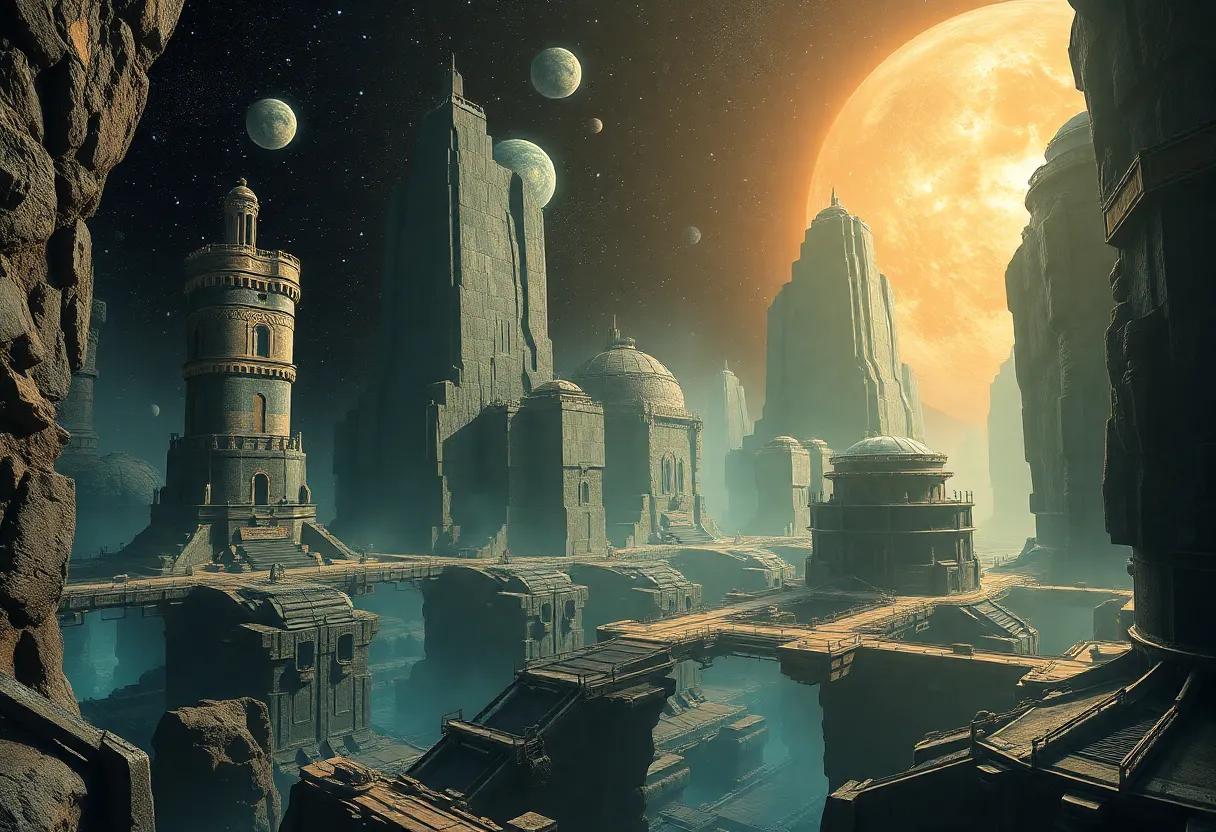
Stepping into those gas-giant cities left me with a peculiar afterimage — a sense that I’d visited a place that thinks in centuries and breathes in currents. The Dwellers and their living networks feel less like set dressing and more like characters in their own right: slow, enormous, occasionally indifferent, but unmistakably alive. Banks gives you landscapes that move as much as they loom, with architecture that seems grown from pressure and song rather than hammered into being. I found myself drifting between awe at the scale and a kind of quiet melancholy for civilizations whose time moves on a different beat than ours.
Best-Selling Books in This Category


- Haig, Matt (Author)
At times the book slows under the weight of its own history — passages where explanations pile up can stall the momentum — yet those pauses also let the atmosphere sink in. What stayed with me most were small, repeated impressions rather than plot beats:
- a feeling of being tiny inside machinery that remembers whole epochs;
- the alien social rhythms of the Dwellers, patient and implacable;
- a sad beauty in how memory and stasis are folded into their cities.
Those moments make the cities feel like memories you can walk through; imperfect pacing aside, they’re the kind of world-building that lodges in the chest and refuses to let go.
Meeting the enigmatic Dwellers and imagining their slow, alien perspective

Meeting the Dwellers feels less like a conversation and more like being allowed into a room where time is measured in centuries. Banks gives them a presence that is at once enormous and delicate: voices that suggest thunder folded into whisper, gestures that drift like weather systems, memories that outlast empires. As a reader I kept catching myself slowing down to match them, because their priorities—patience, preservation, a kind of amused detachment—force you to rethink what intelligence even looks like when it isn’t sprinting toward goals. There’s a warmth to some of their indifference, too; they are curious in a way that doesn’t rush to satisfy curiosity, and that makes the moments when they choose to share something feel almost sacred.
Imagining the Dwellers’ perspective is one of the book’s strangest pleasures: everything humans treat as urgent is minute to them, and entire human lifetimes are blinks.That gap creates a steady, uncanny tension—sometimes wonderfully contemplative, sometimes a little taxing on the novel’s pace. Still,trying to inhabit their slowness opens up fresh ways to feel the scale of Banks’s universe.Little anchors help:
- Sound: slow, resonant, often delayed
- Tempo: decisions measured in generations, not hours
- Effect: an almost archaeological patience toward life and knowledge
These elements make encounters with the Dwellers linger in the mind long after the chapter ends.
The slow burn pacing and long waits that reward patience with surprising payoffs

I went into The Algebraist ready for Banks’ usual propulsion and got something slower, wider and oddly luxuriant. There are long stretches where action thins to conversations, surveys of strange ecosystems, and the kind of world-building that takes its time—sometimes too much time. At points I found myself impatient, wondering when events would snap back into motion.But those stretches aren’t empty: they accumulate weight. Details repeat in different registers until they feel significant, and small, quiet moments—an offhand line, a patient description of a Dweller city—suddenly refract everything that came before. If you can give the book your attention,the experience is less about nonstop thrills and more like being led through a slow,intentional reveal; the feeling of revelation grows as the waits lengthen.
Those long waits pay off in ways that surprised me.Big set-pieces are earned rather than tossed in for excitement, and emotional turns land harder because of the slow build. I especially liked how patience turns background worldcraft into plot currency: what felt like digression becomes details that reframes a character’s choice or a tension we thought resolved. There are moments that felt dragged-out or over-explained, yes, but the rewards include:
- a genuine sense of scale when consequences finally unfold;
- small character payoffs that feel lived-in rather than convenient;
- and revelations that arrive quietly and then ripple outward.
If your prepared for a leisurely rhythm, the novel repays the time with satisfying, sometimes unexpected, returns.
Political intrigue among ancient factions and the odd, bureaucratic humor scenes
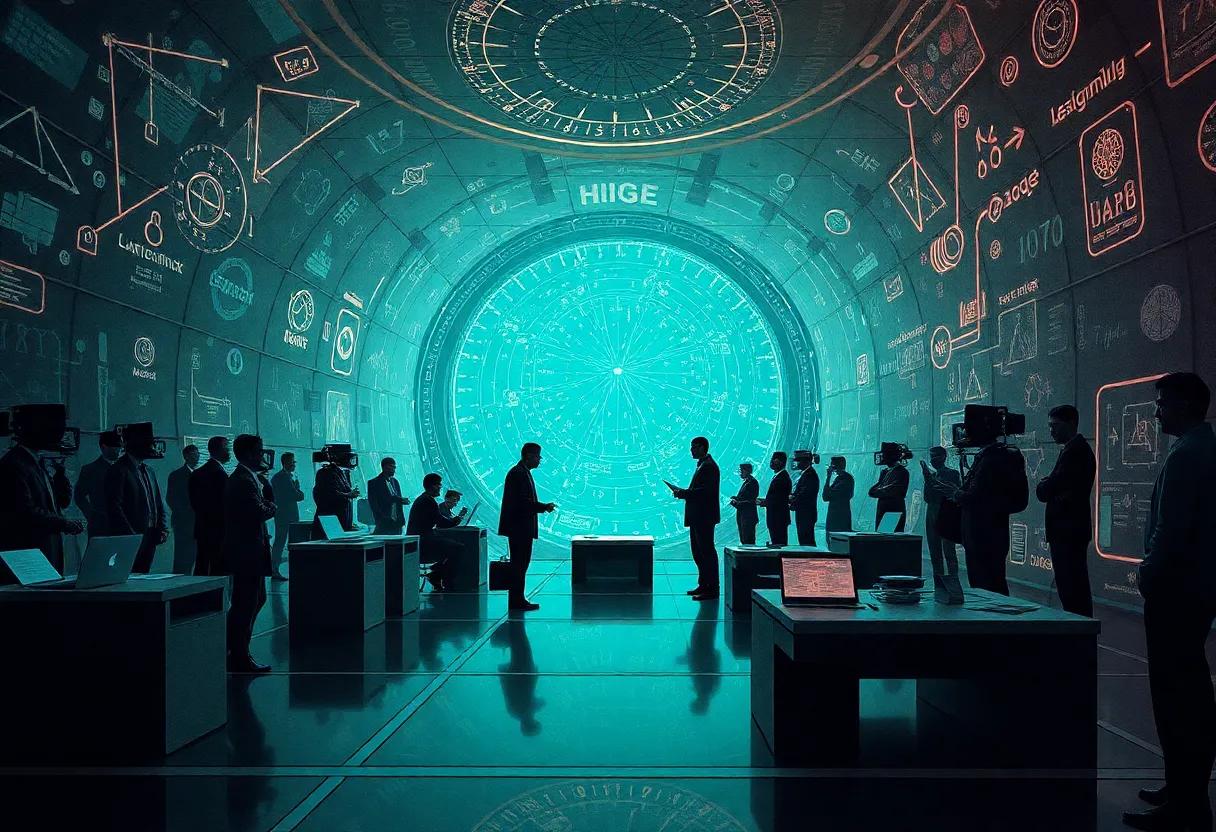
What grabbed me most about the political side of the book was how power feels inherited rather than invented: old orders and long-lived interests trade favors, grudges and secrets like family heirlooms. The Dwellers themselves sit at the heart of that slow churn — everyone else looks small and impatient beside their geological timescale. Watching Fassin Taak push through alliances and backchannels made the intrigue feel less like a thriller and more like archaeology of intent: you slowly uncover why centuries of bargains still bind people. At times the pace stumbles under the weight of all that history, and a few bargaining scenes drag, but more often the slowness is precisely the point and gives the political maneuvering a satisfying gravity.
Then there are the bureaucratic scenes, where Banks delights in the petty, absurd details of official life — memos, pointless committees, diplomatic niceties that read like a satire of empire. Those moments are unexpectedly funny because they place cosmic stakes next to forms and footnotes, and the contrast makes both the scale and the silliness clearer. The humor never feels cheap; it humanizes the cast and keeps the reader from getting swallowed by empire-sized seriousness. Occasionally the levity undercuts tension a bit too sharply for my taste, but more often it kept me smiling and reminded me that even in a universe of ancient grudges, institutions behave exactly like the people who run them: imperfect, ridiculous, and oddly resilient.
Language and names that feel richly crafted into a universe of old maps and myths

There’s a tactile quality to the names in this book — not just labels but little relics scraped from different eras. Fassin Taak’s name sits comfortably alongside the Dwellers’ impossibly long, almost liturgical epithets, and the place-names read like annotations on a weathered chart. that language makes the universe feel mapped and mythic at the same time: every ship, tribunal, and orbital has a sound that suggests a backstory, as if I could trace trade routes and forgotten pilgrimages just by listening to the way names tumble off the page.
Reading it is a pleasure but not always a gentle one. The richness adds texture and mystery — I kept wanting to pause and imagine the histories behind a single appellation — yet sometimes the density of titles and technical-sounding terms slows the forward motion. Still, those moments mostly reward patience; they make the world feel lived-in and layered, delivering a satisfying sense of age and distance. A few afterthoughts that stuck with me:
- names as hints of lost lore rather than simple identifiers
- a maplike cadence that invites mental cartography
- occasional convolution that can stall the narrative rhythm
The scientific imagination and towering speculation that still feel emotionally human

Banks dreams with the confidence of someone convinced that physics and history are playgrounds rather than rulebooks — and yet the strangeness he invents never feels cold. The idea of ancient, slow-moving intelligences tucked into a gas giant, the sheer timescales stretched across centuries and civilizations, come alive as he describes them like weather and memory: tactile, noisy, and oddly domestic. I found myself pausing just to savor the measured oddities — names, rituals, the way a technological concept is sketched in a single, exact image — and that attention turns wild speculation into something you can almost touch. There’s an astounding sense of scale, but it’s given weight by small, sensory details that keep it believable rather than baffling.
What surprised me most was how emotionally plain the book can be amid its wild thinking. Fassin Taak’s frustrations, the quiet grief of characters who live on geologic time, and the flashes of humor make the cosmic ideas feel lived-in. Some stretches do lumber — Banks can luxuriate in worldbuilding until the pace stumbles — but even those detours often reward you with moments that are quietly human: a misread gesture, a carapace of loneliness, a stubborn loyalty. Those little anchors are why the book’s speculation doesn’t feel like spectacle alone; it still hits you as something people would actually feel,argue about,and miss.
Moments of real wonder and bleak loss that give the story its surprising heart
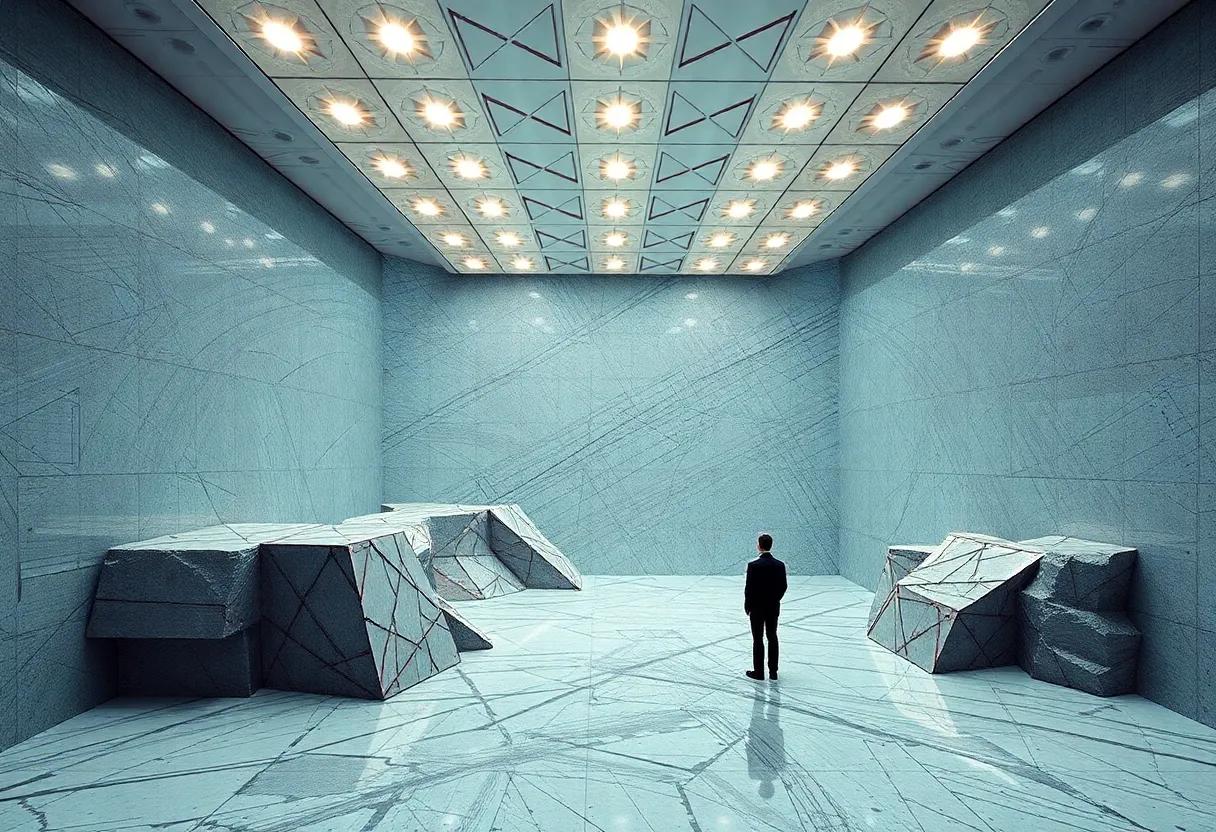
I kept being stopped cold by scenes that feel less like plot beats and more like little miracles: the first time the book lets you sit inside the mind of a Dweller and you realize how patiently enormous its perspective is, the sudden quiet of a gas-giant dawn described so precisely that you can almost feel pressure in your chest, the odd, darkly funny human moments that sit right beside cosmic vistas. Banks has a habit of letting wonder arrive casually — through a throwaway line, a tiny domestic gesture aboard a huge ship, or an apparently minor side character who says something that reframes everything. Those moments made me feel both very small and oddly intimate with the universe he builds; they’re the parts that linger the longest.
And then the book will pull the rug out.Small sacrifices and abrupt, indifferent deaths happen offstage or in bureaucratic coldness, and the contrast between the ancient, slow-moving dwellers and the fragile rush of human lives creates a steady ache. Some losses are quietly brutal — not melodramatic, but sharp and certain — and they give the story a surprising heart that’s more melancholy than heroic. At times the middle stretches and the pacing slackens, which dulled that sting for me in places, but whenever Banks pares things back to one understated human moment under an alien sky, the emotional weight comes rushing back in a way that felt honest and earned.
The dense cast of allies and rivals and how personalities shape every strange scene
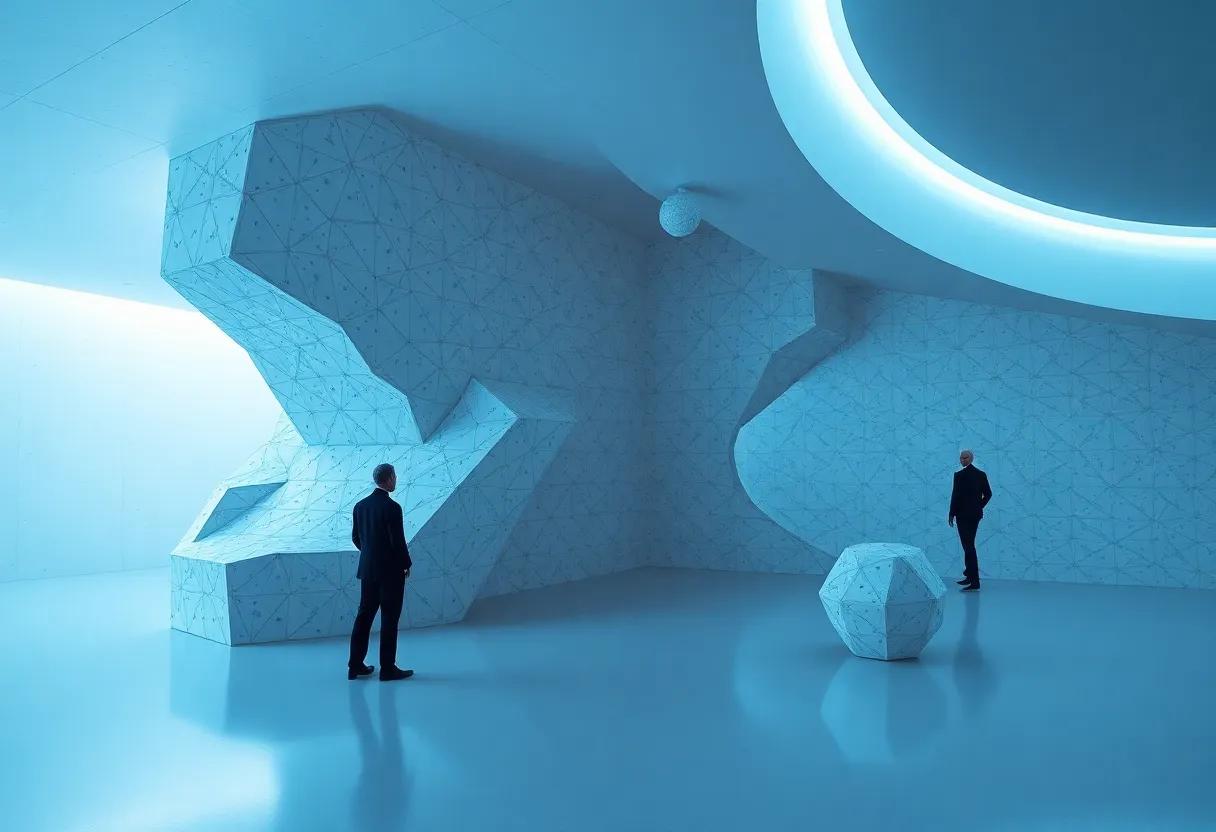
Reading felt like joining a crowded, noisy parlor where one person—fassin Taak—is the only familiar face. around him orbit the ancient, slow-speaking Dwellers, a scatter of rival politicians, traders, spies and disgraced academics, and a handful of oddly specific types (the pompous bureaucrat, the blithe smuggler) who keep popping up in the margins. Banks gives a lot of characters distinct rhythms and small, memorable ticks—an offhand line, a particular stubbornness—that make each entrance feel like a miniature scene.It can be a bit much at times: names and side-plots pile up, and now and then a lively flank gets short shrift, but the overall effect is pleasantly baroque rather than merely cluttered.
The neat thing is how those personalities actually steer what happens; a negotiation becomes comic or knife‑edged depending on who’s talking, and a formally absurd sequence turns almost tender because of a single character’s petulant stubbornness. The Dwellers’ deliberate, alien tones drag human scenes into a slower, stranger orbit, and alliances shift not because of grand strategy but because someone can’t resist a quip or a slight. That makes every strange scene feel handcrafted—textured and unpredictable—even when the sheer number of players occasionally slows the momentum.
Iain M Banks the playful visionary behind the cosmic scope and dark wit of the tale

Reading The Algebraist felt like being taken on a grand tour by a host who loves to pull the rug out from under you and then laugh about it — part showman, part philosopher. Banks’ imagination is unabashedly vast: the alien Dwellers, the creaking bureaucracy of interstellar states, and the little human touches all sit side by side, and his dark wit keeps the whole thing from becoming reverent space opera. I found myself smiling at the asides and then quietly unnerved by what they revealed about power,history,and curiosity. The protagonist’s weary competence — Fassin Taak — anchors the weirder moments, so the book always feels human even when the cosmos gets absurdly large.
There are parts where the pace drifts and Banks luxuriates in detail a little too long; some sequences could have been tightened. Even so, those digressions frequently enough repay patience with inventive set-pieces and strange, memorable images — the kind that stick with you after the last page. My takeaway was that Banks is playful and fearless, willing to be both grand and mischievous, and most readers who let themselves be swept along will find the rewards outweigh the occasional bloat. Small flaws, yes, but the novel’s big, surprising heart is hard to forget.
For Readers Drawn to vastness
Reading this book feels less like consuming a story and more like being ushered through a vast, living museum of ideas. Banks’ prose stretches and folds space in ways that make you aware of both the novel’s size and your own smallness as a reader,an oddly pleasing tension that keeps you turning pages.
When you close the last chapter, the most persistent impression is not plot detail but a mood: a roomy melancholy mixed with intellectual exhilaration. images and concepts linger — unfamiliar architectures, long-lived intelligences, the sense of time measured on a scale that makes human concerns feel intimate and fragile at once.
It’s a book that rewards patience and curiosity; those who enjoy being made to feel both insignificant and enlivened will find its echoes staying with them. Like a distant star sending a slow,complex signal,it invites return visits and longer conversations about how we imagine other kinds of minds and futures.