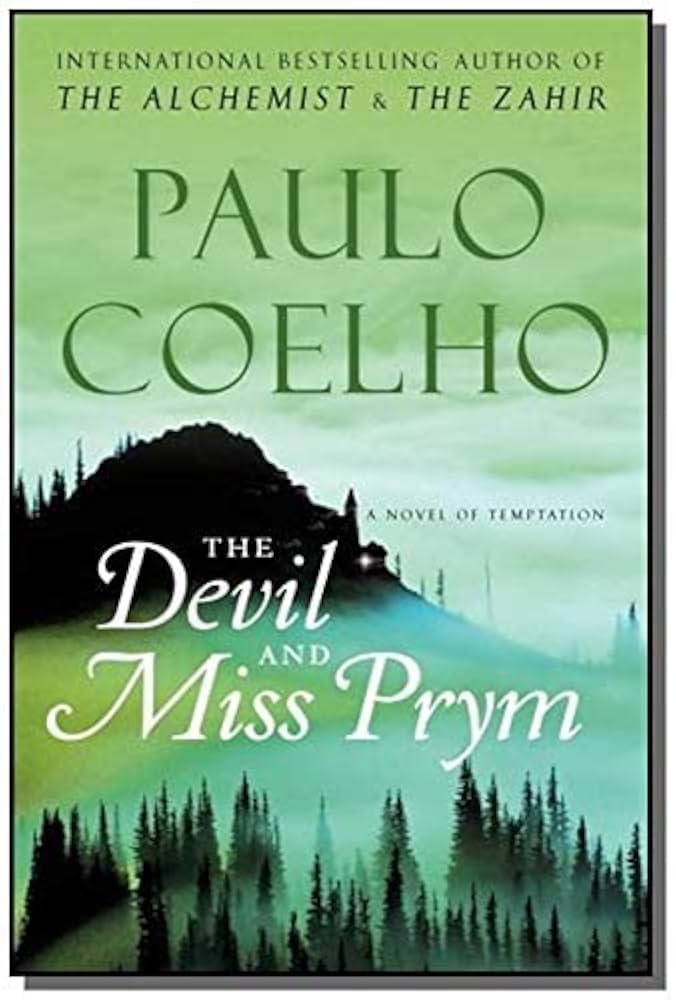
In the realm of literature where the human psyche is laid bare, Paulo Coelho’s The Devil and Miss Prym stands as a thought-provoking exploration of temptation and morality.This novella delves into the subtle battles between virtue and vice, inviting readers to ponder the limits of human goodness when faced with profound ethical dilemmas. through a deceptively simple narrative set in a quiet village, Coelho unravels layers of desire, fear, and conscience, crafting a story that challenges readers to reflect on their own moral compass. This review embarks on a journey through the novel’s thematic depths, narrative style, and philosophical undertones, seeking to understand how Coelho navigates the delicate dance between darkness and light within the human soul.
Exploring the Central Theme of Temptation and Its Impact on Human Nature in The Devil and Miss Prym
At the heart of Paulo Coelho’s narrative lies a profound examination of temptation as both a catalyst and a mirror reflecting the complexities of human nature. The novel deftly illustrates how temptation challenges the moral boundaries individuals set for themselves, revealing the inner conflict between desire and conscience. This struggle is not merely personal but emblematic of a broader human condition - where the allure of wrongdoing competes with the innate pursuit of goodness. Through the villagers’ responses to the mysterious proposition, readers witness the fluctuating dynamics of fear, greed, and hope, underscoring how easily ethical convictions can waver under pressure.
Coelho’s portrayal invites reflection on several key dimensions of temptation’s impact:
Best-Selling Books in This Category


- Deaton, Matt (Author)

- Used Book in Good Condition
- The fragility of social constructs: Norms that bind communities together can be quickly dismantled when individual interests take precedence.
- The duality within human nature: Every person harbors both virtuous and darker impulses, which are stimulated differently by temptation.
- The transformative power of choice: Decisions made under temptation can lead to redemption or ruin, highlighting personal accountability.
| character | Reaction to Temptation | Symbolic Meaning |
|---|---|---|
| miss Prym | Initial doubt, eventual courage | Hope and moral resilience |
| The Stranger | Manipulator of desires | Embodiment of the devil’s challenge |
| Villagers | Fear, greed, suspicion | Collective human weakness |
Unpacking the moral Dilemmas Faced by Characters and Their Symbolic Representations in Paulo Coelho’s Narrative
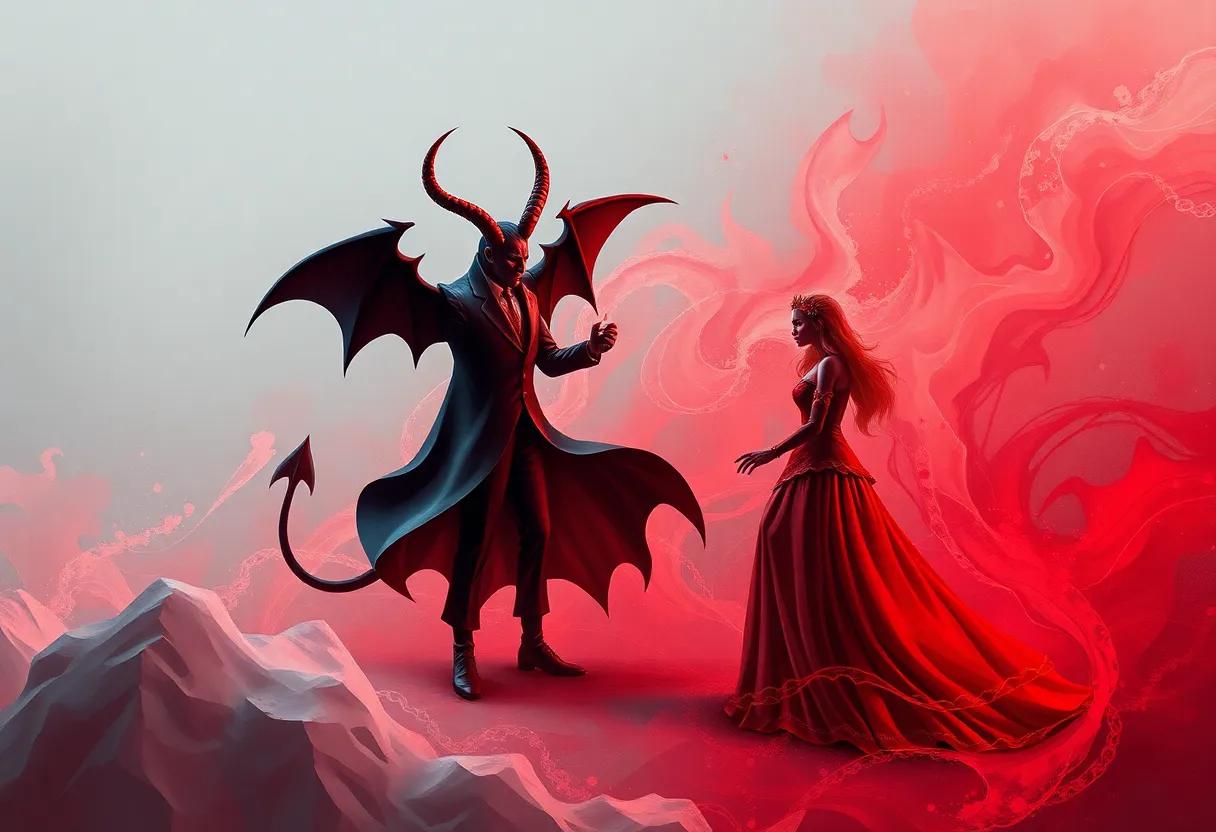
In Paulo Coelho’s narrative, characters are meticulously crafted to embody the complex interplay between temptation and morality. The villagers in the story represent the global struggle between innate goodness and the allure of selfish desire. Each character’s choices are symbolic, reflecting broader ethical questions about human nature. For instance, Miss prym serves as a moral compass, grappling with her conscience amid the challenge of greed versus integrity. Meanwhile,the stranger’s presence symbolizes the catalyst of temptation,stirring hidden desires and testing the collective morality of the community. This dynamic tension magnetizes readers into a profound reflection on how morality is frequently enough compromised when faced with material gain.
- Miss Prym: the embodiment of innocence and moral struggle.
- The Stranger: A figure representing temptation and challenge.
- The Villagers: Collective humanity torn between virtue and vice.
The moral dilemmas in the story are further enriched through symbolic acts and decisions that highlight the fragility of human values. Coelho uses these internal conflicts as an allegory to explore themes such as the nature of evil and redemption. The villagers’ eventual choices reveal not only personal failings but also a shared vulnerability, emphasizing the thin line that separates good from evil within society. Below is a simple table illustrating how different characters’ symbolic representations align with key moral questions:
| Character | Symbolism | Central Moral Question |
|---|---|---|
| Miss prym | Innocence & struggle | Can goodness withstand temptation? |
| The Stranger | Temptation & provocation | Is evil an external force or within? |
| The Villagers | Collective conscience | What price is paid for moral compromise? |
The Role of setting and Atmosphere in Enhancing the Novel’s Exploration of Good Versus Evil
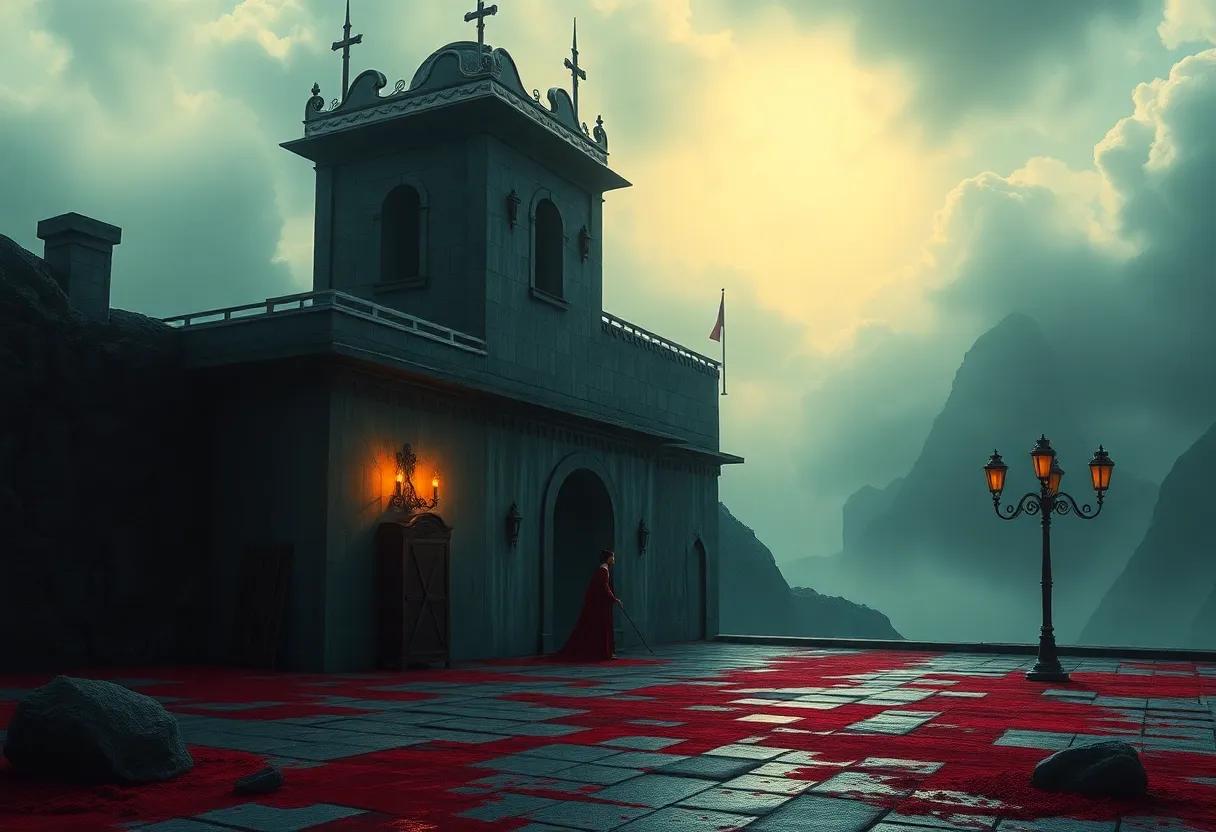
Coelho masterfully employs the quaint village setting as more than just a backdrop; it becomes a crucible where the battle between good and evil flavors every interaction. The isolated, almost timeless quality of the town underscores the universality and immediacy of moral dilemmas, while the natural elements-fog-cloaked streets, dense forests, and abrupt shadows-mirror the ambiguity and complexity of human nature. This atmosphere envelops the characters, heightening tension as they confront their inner desires and fears, making the intangible struggle between virtue and vice palpably real.
- Secluded village life amplifies the sense of a moral test, where anonymity is scarce and every choice feels consequential.
- Symbolic weather patterns like storms and clear skies parallel moments of clarity or confusion in the characters’ ethical journeys.
- Contrasting light and shadow reflect the persistent clash between innocence and corruption, illuminating the delicate balance Coelho explores.
| Setting Element | Atmospheric effect | Moral Implication |
|---|---|---|
| Foggy Mornings | Obscures vision, creating uncertainty | Represents temptation’s deceptive nature |
| Rustic Village Square | Center of judgment and gossip | Highlights societal moral pressures |
| Dark Forest | Foreboding, isolating | Symbolizes the unknown paths of evil |
Analyzing the Psychological Complexity of Miss Prym as a Character torn Between Virtue and Vice
Miss Prym embodies the eternal human conflict between moral integrity and the seductive pull of temptation. Her character is a tapestry woven with threads of vulnerability and resilience, where every choice reveals the tension between her innate desire to do good and the allure of selfish gain. Through subtle narrative cues, Paulo Coelho invites readers to explore her moments of hesitation and resolve, unveiling a mind torn between societal expectations and personal survival. Her psychological complexity is rendered through nuanced emotions,highlighting how fear,hope,and doubt intertwine to shape her decisions.
Examining her behavior unveils patterns that underscore the fluidity of human ethics. Consider the table below, which encapsulates the dual forces driving her internal battle:
| Virtue | Vice |
|---|---|
| Compassion for village residents | Temptation of wealth and power |
| Desire for community harmony | Suspicion and self-preservation |
| Hope for redemption | Fear of rejection and failure |
- Momentary lapses reveal her susceptibility to darker impulses, humanizing her struggle.
- Her resilience affirms that morality is not absolute but a constant negotiation.
- Ultimately, her story challenges readers to reflect on their own ethical boundaries.
How Coelho Uses Allegory and Metaphor to Illuminate Universal Ethical Questions in the Story
Paulo Coelho masterfully weaves allegory and metaphor throughout the Devil and Miss Prym to explore the delicate balance between good and evil hidden within the human soul. The town of Viscos itself serves as a metaphorical battleground where temptation manifests as an external force, yet reflects the internal ethical struggles of each character. By presenting temptation as a tangible test posed by a stranger, Coelho invites readers to ponder not only the consequences of individual choices but also the collective morality that binds a community together. This externalization of internal conflict compels an examination of the very nature of virtue-whether it is innate or shaped by circumstances and decisions.
Through a series of symbolic interactions and vivid imagery, Coelho suggests that morality is not a fixed construct but rather a spectrum influenced by desire, fear, and hope. Consider the following elements that resonate throughout the narrative:
- The gold coins: Symbolize temptation and the corrupting power of greed.
- Miss Prym’s innocence: Embodies purity and the potential for forgiveness.
- The stranger: Represents the devilish test of one’s ethical limits and the shadow self.
These metaphors transcend the story’s plot, urging readers to reflect on their own ethical boundaries. Below is a simple breakdown of how these symbols interplay to illuminate universal questions about human nature:
| Symbol | Represents | Ethical Question Raised |
|---|---|---|
| Gold Coins | Temptation | What price are we willing to pay for selfish desires? |
| Miss Prym | Innocence and Hope | Can redemption come from genuine remorse? |
| The Stranger | Temptation’s Catalyst | Is evil an external force or a choice within ourselves? |
The Significance of the Seven Days Framework in Building Suspense and Moral Urgency in the Plot
paulo Coelho’s decision to confine the events of The Devil and Miss Prym within a mere seven days is a masterstroke in narrative pacing that intensifies both suspense and moral urgency. This compressed timeframe acts like a ticking clock, compelling characters-and readers alike-to confront the weight of their choices without the luxury of procrastination. Each day unravels incrementally,with escalating dilemmas that force characters to grapple with temptation in raw,visceral terms. The structure mirrors the human experience of facing ethical crossroads: time feels compressed, decisions become more pressing, and the consequences loom ever larger.
Moreover, the seven-day framework eloquently amplifies the story’s central themes by layering tension with a sense of inevitability. In this confined narrative space, the battle between good and evil is not an abstract concept but a palpable force, influencing every action and thought.This setup also invites readers to explore the nuances of morality through repeated confrontations, where each day serves as a microcosm of escalating stakes and deepening introspection. The result is a rhythm of storytelling that can be broken down as follows:
| Day | Emotional Tone | Key Development |
|---|---|---|
| 1 | Curiosity | Introduction of temptation |
| 3 | Conflict | First signs of moral struggle |
| 5 | Anxiety | Heightened stakes and pressure |
| 7 | Resolution | Final confrontation and choice |
- Constrained time amplifies urgency: Readers feel the tension rising as there’s no room for hesitation.
- Dynamic pacing sustains suspense: Each day brings new challenges, maintaining engagement.
- Symbolic progression: The timeline echoes traditional moral tests, reinforcing the novel’s themes.
Examining the Interplay Between Individual Choice and Societal Pressure Within the Novel’s Moral Landscape
within The Devil and miss Prym, characters constantly grapple with the tension between personal desires and the weight of communal expectation. coelho constructs a moral ecosystem where decision-making becomes less about clear-cut right or wrong and more about navigating the murky waters between temptation and virtue. This dynamic illustrates how societal pressure frequently enough amplifies internal conflicts, prompting characters to reveal their most authentic selves-or their darkest impulses. The villagers’ reactions to external threats showcase collective psychology, where fear and hope fuel the pendulum swing between benevolence and cruelty.
examining the novel’s ethical spectrum reveals several recurring themes that shape the characters’ responses:
- Conformity versus rebellion: The community’s struggle to maintain order while facing moral ambiguity.
- Fear as a catalyst: how uncertainty pushes individuals toward extreme decisions.
- The allure of temptation: A test of whether personal gain justifies compromising shared values.
To visualize this interplay, consider the following table mapping character motivations against societal forces they confront:
| Character | Individual Choice | Societal Pressure | Moral Outcome |
|---|---|---|---|
| miss Prym | Curious but cautious | Community judgment | Empathy triumphs |
| The Stranger | Tempting fate | Isolation and suspicion | moral ambiguity |
| The Villagers | Divided, reactive | Collective fear | Conflict and resolution |
Literary Techniques Employed by Paulo Coelho to Engage Readers in Reflective Thought on Ethics and Temptation
Paulo Coelho masterfully weaves an intricate narrative tapestry by using allegory and symbolism that invite readers to delve beneath the surface of the story. The village in The Devil and Miss Prym transcends its physical reality, representing the collective conscience of humanity torn between good and evil. Through the enigmatic character of Chantal Prym, Coelho explores the seductive nature of temptation, presenting ethical dilemmas that challenge not only the characters but also the reader. This technique creates a mirror effect, prompting introspection about one’s own moral compass without ever dictating a clear right or wrong.
Moreover,Coelho employs a distinct narrative rhythm that alternates between tension and introspective calm,reinforcing the psychological conflict at the heart of temptation and choice. His use of dialog-driven scenes paired with philosophical reflections crafts a delicate balance between storytelling and meditation, making each decision feel consequential and deeply personal. The subtle yet persistent presence of dualities-such as light versus darkness, hope against despair-is underscored through recurring motifs and a simple structure that feels almost like a parable:
- Light and shadow metaphors illuminating moral ambiguity
- Repetitive questions provoking ethical self-examination
- Character contrasts emphasizing the internal struggle between desire and virtue
| Technique | Purpose |
|---|---|
| Allegory | Engages readers in interpreting complex moral issues |
| Symbolism | Represents ethical dilemmas and universal human struggles |
| Dialogues | Highlights conflicting viewpoints to deepen reflective thought |
| Philosophical reflections | Encourages readers to meditate on morality and temptation |
The Impact of The Devil and Miss Prym on Contemporary Readers and Its Place in Philosophical fiction
Paulo Coelho’s narrative masterfully engages contemporary readers by weaving a compelling exploration of human nature’s deepest contradictions. The novel’s tension between good and evil resonates across cultures, inviting readers to question the very framework of morality in a world rife with ambiguity. By placing its characters at crossroads where temptation tests their values, the story mirrors modern dilemmas-where personal choices ripple into collective consequences. This universal relevance ensures The Devil and Miss Prym remains a poignant reflection on societal pressures, individual integrity, and the eternal battle between fear and courage.
The novel occupies a distinguished space in philosophical fiction by reframing classic ethical debates through accessible storytelling. Its unique approach can be distilled into key themes:
- The ambiguity of morality: challenging readers to reconsider black-and-white judgments.
- Social complicity versus individual accountability: highlighting how communities shape moral choices.
- The transformative power of temptation: revealing character truths when confronted with crisis.
| Philosophical Concept | Narrative Impact |
|---|---|
| Moral Relativism | Provokes reflection on shades of right and wrong |
| Free Will | shows characters navigating choice under pressure |
| ethical Dilemma | Drives narrative tension and reader engagement |
Recommendations for Readers Interested in Thought-Provoking Stories About Morality and Human Behavior
For readers drawn to profound examinations of morality and the complexities of human nature, The Devil and Miss Prym serves not only as a gripping narrative but as a mirror reflecting our own ethical dilemmas. Those who revel in stories where characters grapple with temptation, choices, and consequences will find themselves deeply engaged. The novel invites consideration of how easily societal norms can be questioned and the fine line between good and evil remains intriguingly blurred.
In exploring similar themes,consider the following recommendations that challenge perceptions and spark introspection:
- “Crime and Punishment” by Fyodor Dostoevsky – a tense psychological exploration of guilt and redemption.
- “lord of the Flies” by William Golding – a raw look at primal human instincts when societal structures collapse.
- “Never Let Me Go” by Kazuo Ishiguro – a haunting reflection on identity,free will,and moral responsibility.
| Book | Theme | Why it Resonates |
|---|---|---|
| The Stranger | Absurdism and Moral Detachment | Challenges conventional morality through existential lens |
| Macbeth | Ambition and Guilt | Explores the destructive power of unchecked desires |
| Beloved | Trauma and Moral Reckoning | Delves into forgiveness and personal suffering |
A Comparative Look at The Devil and Miss prym in Relation to Paulo Coelho’s Broader Body of Work
The Devil and Miss Prym serves as a compelling microcosm of Paulo Coelho’s continual exploration of the human soul’s battleground between virtue and vice. Unlike some of his more overtly spiritual works, this novel delves deep into the moral quandaries faced by ordinary people, illustrating how temptation can unsettle even the most steadfast communities. The stark dichotomy between good and evil is portrayed not as an external cosmic force but as an intimate, internal struggle. This aligns with Coelho’s broader thematic corpus,which frequently centers on personal change through confronting one’s darkest impulses.
Coelho’s narrative style here retains his signature mystical simplicity but with an added psychological intensity. The novel’s characters and their choices echo motifs found throughout his works-such as the Alchemist’s quest for meaning and Brida’s search for spiritual identity. Yet, The Devil and Miss Prym distinguishes itself by focusing on collective morality, prompting readers to question:
- How societal pressures shape individual ethics
- The fragility of communal trust when faced with darker desires
- Whether true goodness is innate or cultivated
| Theme | The Devil and Miss Prym | Broader coelho Works |
|---|---|---|
| Temptation | Community-level temptation | Personal, spiritual temptation |
| Morality | Ambiguous, situational | Ofen absolute, idealistic |
| Transformation | Triggered by ethical dilemmas | Spiritual awakening emphasis |
Understanding Paulo Coelho The Writer and His Philosophical Inspirations Behind The Devil and Miss Prym
paulo Coelho’s narrative lens is deeply influenced by a blend of spirituality, existential inquiry, and human psychology. Drawing inspiration from traditions as diverse as Christian mysticism and Eastern philosophies, he crafts stories that probe the internal conflicts of good versus evil and the choices that define our moral compass. In The Devil and miss Prym, Coelho explores the *fragility of human virtue* when faced with the raw power of temptation. He presents a microcosm, a small village, as a stage where philosophical dilemmas unravel through his characters-a reflection of society’s collective wrestling with sin, greed, and redemption.
Central to Coelho’s philosophical framework are themes that resonate universally:
- Duality of human nature: the eternal battle between light and darkness within every individual.
- Freedom of choice: emphasizing responsibility over our decisions and their consequences.
- The role of fear and courage: illustrating how fear often anesthetizes morality, while courage invites transformation.
| Philosophical Theme | Portrayal in the Novel |
|---|---|
| Temptation | The gold as a symbol provoking moral dilemma |
| good vs Evil | Miss Prym’s struggle to resist the devil’s bargain |
| Choice | Community’s collective decision reflecting moral integrity |
In the delicate interplay of light and shadow, The Devil and Miss Prym challenges readers to peer into the depths of human nature, where temptation dances with morality in an uneasy embrace. Paulo Coelho’s narrative invites reflection rather than judgment, weaving a tale that lingers long after the final page is turned. Whether one views the story as a profound moral allegory or a simple exploration of choice, it undeniably opens a window into the complexities that define us all. This book leaves us with a quiet question: when faced with our own devilish temptations, what will we choose to become?