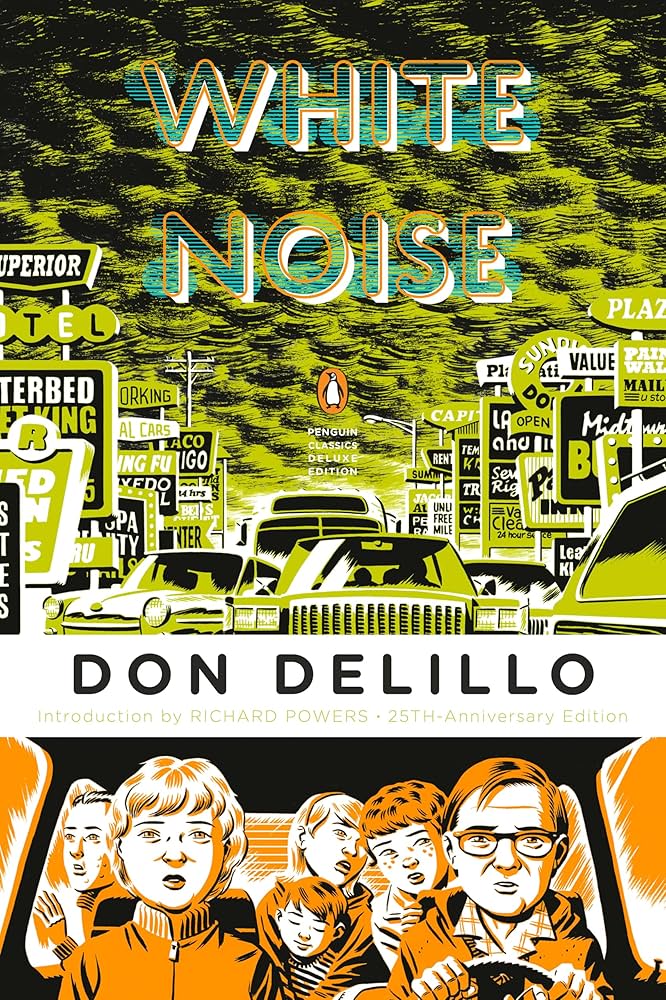
In a literary landscape often overwhelmed by noise-both literal and metaphorical-Don DeLillo’s White Noise emerges as a profound meditation on the modern human condition. delves into the ways this seminal novel captures the eerie hum of contemporary existence, exploring themes of technology, media saturation, and the elusive quest for meaning amidst everyday distractions. This review invites readers to reconsider White Noise not just as a product of its time, but as a timeless reflection on the paradoxes that define our chaotic world.
Exploring the Portrayal of Consumer Culture and Media Saturation in White noise Revealing the Novel’s Unique Blend of Satire and Existential Philosophy How DeLillo Captures the Anxiety of Modern Life Through Vivid Characterization and Symbolism the role of Technology and Its Impact on Human Connection Within the Story’s Framework Analyzing the Novel’s Narrative Structure and Its Effect on Pacing and Reader Engagement The Use of Dark Humor to Illuminate the Absurdities of Contemporary Existence A Deep dive Into the Thematic Exploration of Death, Fear, and Mortality in the Book The Subtle Ways White Noise Reflects Societal Paranoia and Environmental concerns Recommendations for Readers Seeking thought-Provoking Literature on Modern Social Issues How White Noise Balances Intellectual Depth with Accessibility for a Broad Audience Insight Into Don DeLillo’s Writing Style and Its contribution to Contemporary American Fiction

DeLillo masterfully intertwines consumer culture and media saturation to depict a world inundated with noise-both literal and metaphorical-that drowns out genuine human experience. Through vividly drawn characters like Jack Gladney, the novel captures the pervasive anxiety of modern life, were the relentless buzz of advertisements and television blurs reality and artifice. Technology’s omnipresence complicates human connections, acting simultaneously as a connector and alienator. Symbolism serves as a core vehicle for this duality, portraying devices and media not merely as tools but as forces that shape identity and social paranoia.The narrative structure-marked by shifting tones and fragmented pacing-mirrors this chaotic habitat, keeping readers ensnared in the ebb and flow of existential dread mingled with consumerist absurdity.
DeLillo’s use of dark humor is a striking lens through which the absurdities of contemporary existence are examined, offering respite while shining a light on deeply unsettling themes of death, fear, and mortality. The novel’s exploration extends beyond personal anxieties, subtly encapsulating environmental unease and societal paranoia within its framework. For readers seeking intellectually stimulating yet accessible literature, White Noise provides a rare balance, inviting reflection without alienation.Below is a concise breakdown of the novel’s thematic resonance and its appeal:
Best-Selling Books in This Category

- Yu, Charles (Author)

| Thematic Element | Reader Impact |
|---|---|
| Consumerism & Media Saturation | Heightens awareness of societal distractions |
| Technology & Human Connection | Encourages contemplation of modern isolation |
| Death & Mortality | Provokes existential reflection |
| Dark humor | Balances gravity with entertainment |
| Environmental Concerns | suggests broader societal anxieties |
Echoes of Modern Chaos captures the restless spirit of White Noise-a novel that refuses to settle into easy answers, much like the world it mirrors. Don DeLillo’s unsettling prose and piercing observations linger, echoing in the reader’s mind long after the final page. Whether you approach it as a critique of modernity or a meditation on the human condition,this review-and the novel it explores-reminds us that amidst the noise,meaning remains an elusive,yet vital pursuit.