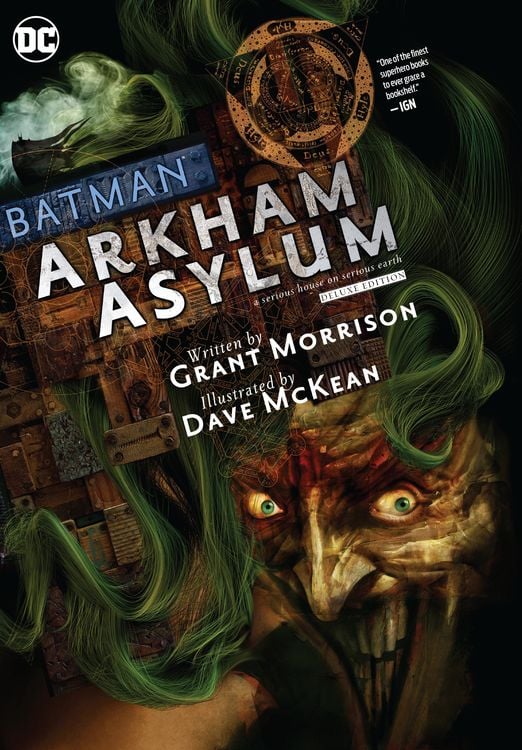
In the shadowed corridors of Gotham’s most infamous institution lies a tale that twists the mind and challenges the very notion of sanity. grant Morrison’s Batman: Arkham Asylum redefines the boundaries of the graphic novel, plunging readers into an unsettling exploration of madness, identity, and chaos. As we turn each page, the dark psyche of both hero and villain alike is laid bare, revealing a narrative as complex and haunting as the madhouse itself. This review seeks to unravel the layers of Morrison’s work, examining how Arkham Asylum stands as a milestone in comic book storytelling and psychological depth.
Exploring the Dark Psychological Depths and Symbolism Embedded Within Batman Arkham Asylum’s Narrative Landscape
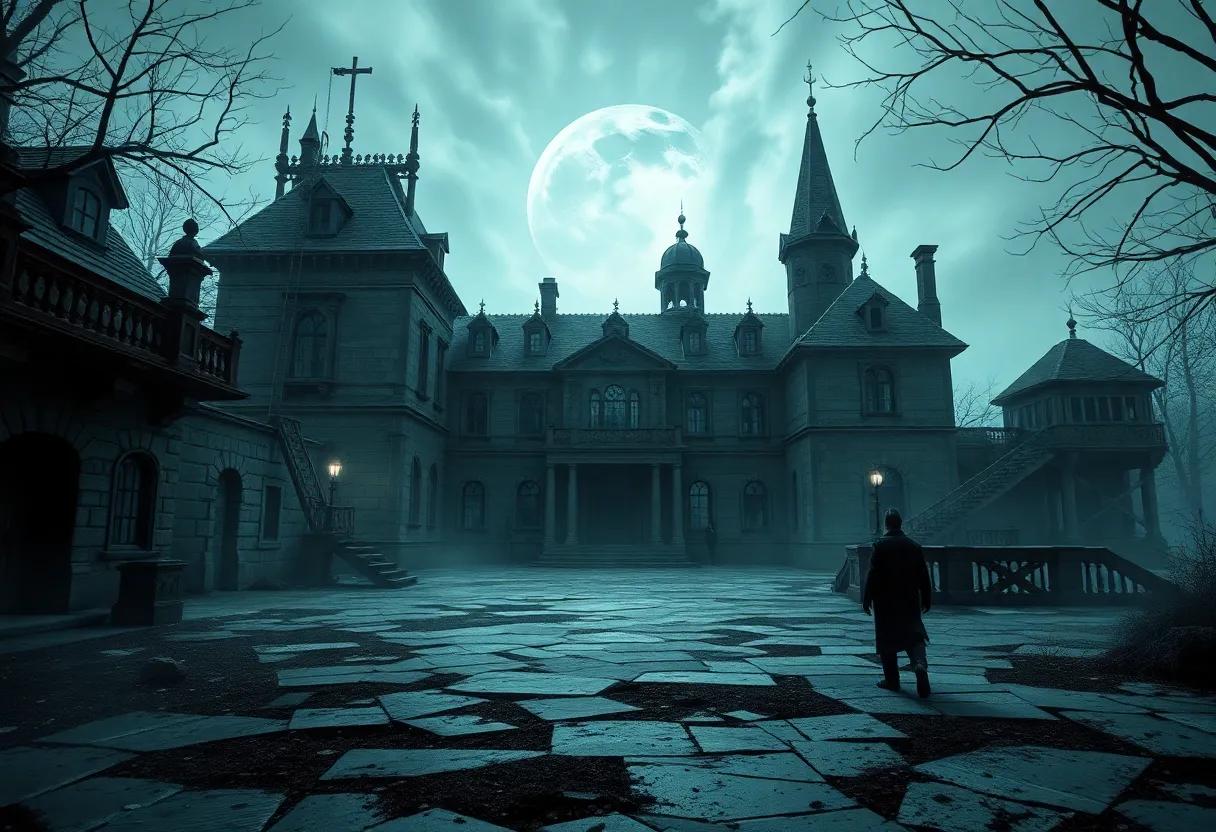
Within the labyrinthine corridors of arkham Asylum lies more than just a prison - it is a symbolic reflection of Bruce Wayne’s fractured psyche. Grant Morrison masterfully employs the asylum as a metaphor for mental chaos, blurring the lines between hero and villain, sanity and madness. Each razor-sharp panel acts as a psychological echo chamber, where the madness of Gotham’s worst mirrors the inner turmoil of Batman himself. The asylum’s ominous architecture, dripping with shadows and decay, embodies the inescapable darkness that both traps and defines its inhabitants. Through this, Morrison challenges readers to question: who truly is confined – the inmates or the vigilante?
The narrative thrives on an intricate dance of symbolism that pushes the boundaries of conventional comic storytelling.Consider these recurring motifs that deepen the fabric of the tale:
Best-Selling Books in This Category

- Collects the first four Wings of Fire graphic novel adaptations in one exciting box setBrings Tui T. Sutherland's epic dragon world to life with stunning full-color artworkPerfect for fans of the Wings of Fire series and readers who love action-packed fantasy graphic novels


- The Joker’s laughter as a haunting soundtrack of insanity echoing through every chamber.
- Mirrors and reflections symbolizing fractured identities and the multiplicity of self.
- the fortress-like walls,representing the barriers between humanity and monstrosity.
Even the characters’ interactions mimic psychological archetypes-predator and prey, healer and patient, truth and delusion-forming a chilling tableau of human consciousness at its most fragile.The following table encapsulates some core symbolic elements used by Morrison, thinning the veil between the tangible and the intangible:
| Symbol | Meaning | Psychological Layer |
|---|---|---|
| Chains | Restraint and control | Suppressed desires |
| Bat wings | Dual identity | Shadow self |
| Broken glass | Fractured reality | Dissociation |
| Labyrinth maze | Confusion and entrapment | Unconscious mind |
Analyzing the Visually Striking and Unconventional Artwork That Defines the Graphic Novel’s Unique Atmosphere
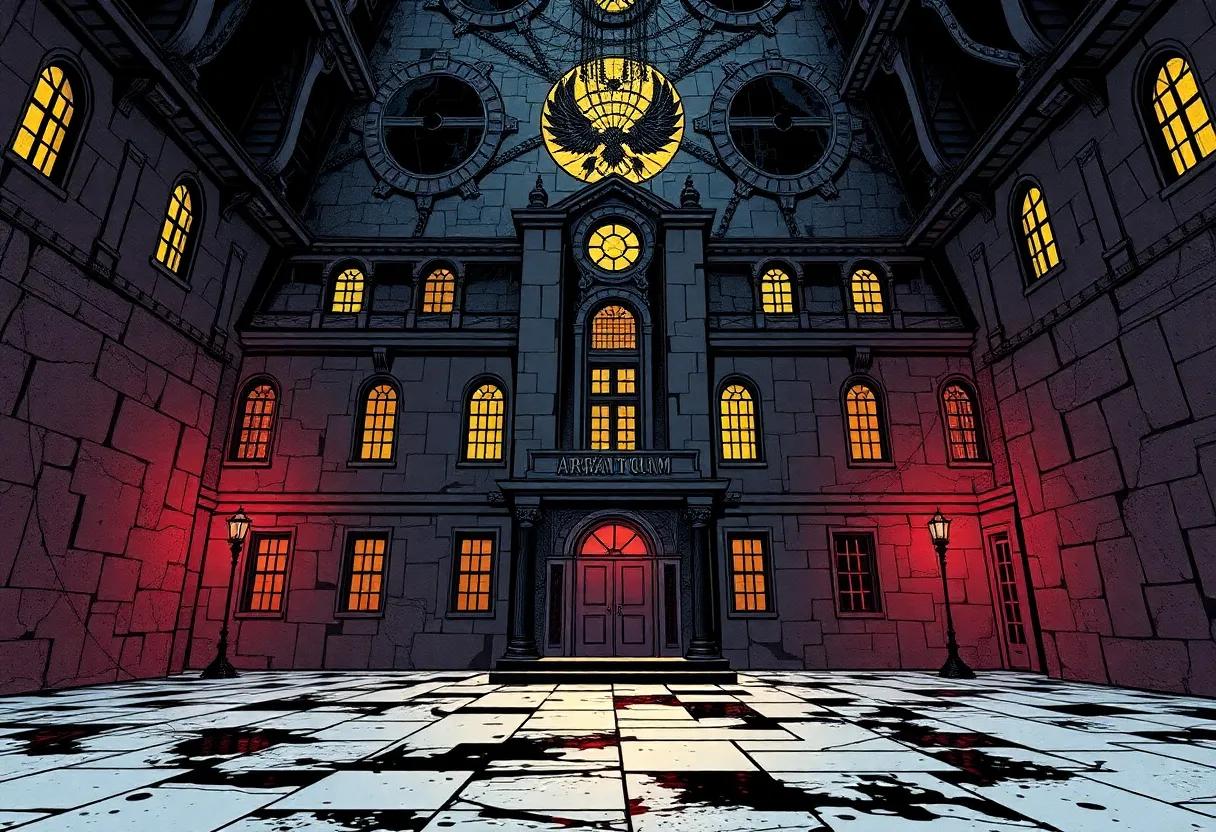
The artwork in Batman: Arkham Asylum plunges readers into a nightmarish playground where chaos dissolves the boundary between sanity and madness. Grant Morrison’s collaboration with artist Dave McKean results in visuals that feel like a psychological fever dream-bold, fragmented, and haunting. The graphic novel employs a cacophony of distorted forms and shadowy textures that visually scream the fractured psyche of Gotham’s infamous inmates. These elements are not mere decoration but fundamental storytelling devices, shaping the oppressive atmosphere while reflecting the internal turmoil of each character.
What makes the artwork notably compelling is its refusal to conform to traditional superhero comic aesthetics.rather, it embraces an abstract style that pushes emotional intensity over realism. Swirling ink blotches,sharp angular panels,and surreal collages mirror the narrative’s descent into madness,evoking a visceral response that heightens the reader’s sense of unease.
Several key artistic techniques contribute to this distinct atmosphere:
- Layered Textures: Multiple media blend seamlessly, creating a tactile collage effect that feels disjointed yet cohesive.
- Unconventional Panel Layouts: The irregular shapes and burst-like arrangements disrupt narrative flow, mirroring mental fragmentation.
- Muted yet Contrasting Palette: Somber tones punctuated by jolts of vivid color emphasize emotional highs and lows.
- Symbolic Imagery: Recurring motifs-like broken glass and twisted vines-underscore themes of confinement and decay.
| Artistic Element | Effect | Example |
|---|---|---|
| Distorted Faces | Visualizes psychological torment | Joker’s skewed grin |
| Fragmented Panels | Disrupts time and perception | Shattered asylum walls |
| Mixed Media | Enhances textural depth | Ink washes over photography |
Unpacking the Complex Character Portrayals of Batman and His Rogues Gallery in an Asylum Setting
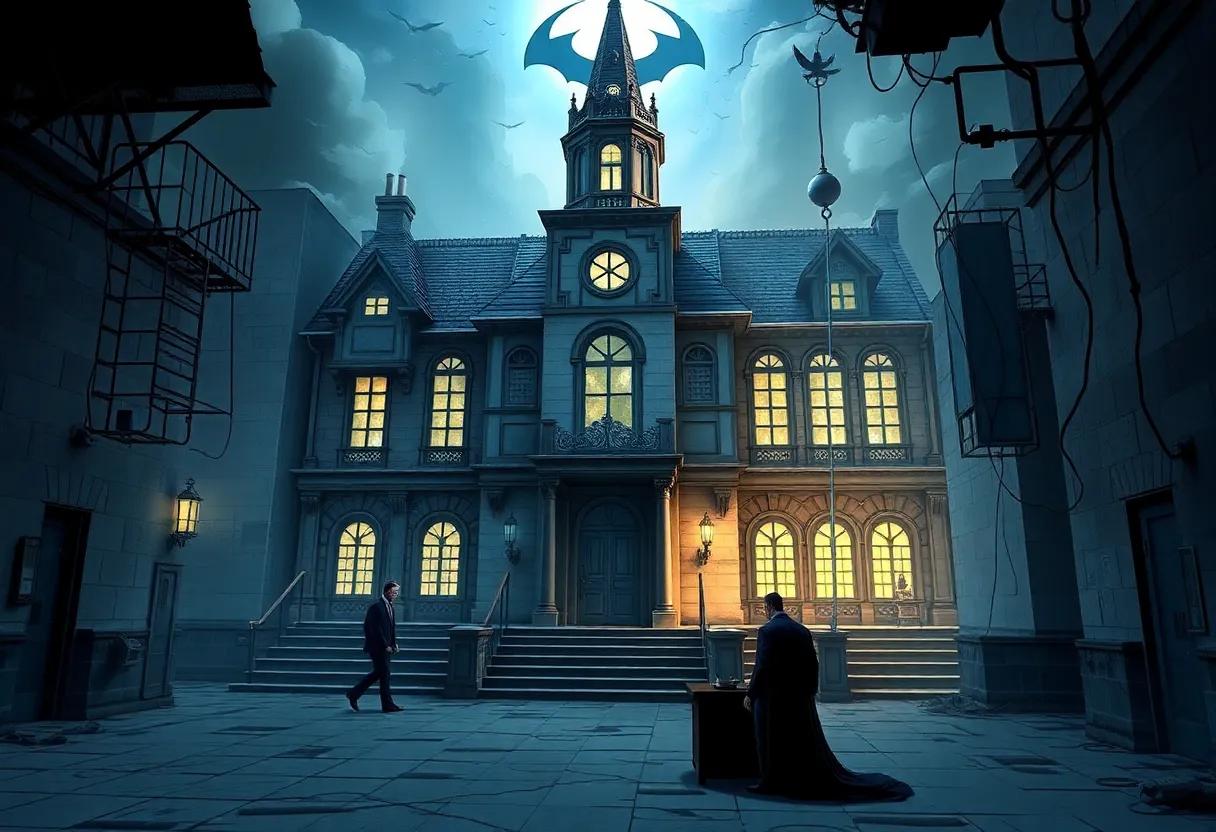
Morrison masterfully blurs the lines between sanity and madness by plunging readers into the eerie confines of Arkham Asylum, where Batman confronts not only his infamous adversaries but also his own fractured psyche. Each character is meticulously reimagined, shedding traditional comic book stereotypes to reveal intricate, often conflicting layers that challenge the reader’s perception of villainy and heroism.
Within the asylum’s claustrophobic corridors, personalities unravel through vivid symbolism and psychological depth. From the tragic torment of the Joker to the haunting desperation of Harley Quinn, the narrative exposes how the environment distorts and amplifies madness, turning Arkham into a character itself. The resulting interplay between Batman and his rogues is not a simple battle of good versus evil but a complex dance marked by vulnerability, obsession, and fractured identities.
- Batman: The Dark Knight as a reluctant prisoner of his own trauma.
- Joker: Chaos incarnate whose madness reflects Batman’s fears.
- Harley Quinn: The evolution from harmless eccentricity to tragic enigma.
- Scarecrow: Terror personified through psychological manipulation.
| Character | Psychological Theme | Impact on Batman |
|---|---|---|
| Joker | Chaos & Nihilism | Challenges Batman’s moral code |
| Harley Quinn | Obsession & Identity | Highlights the cost of broken loyalty |
| Scarecrow | fear & Paranoia | exposes Batman’s inner anxieties |
| Batman | Trauma & Control | Struggles to maintain sanity |
The Influence of Surrealism and Horror Elements on the Story’s Tone and Reader Experience
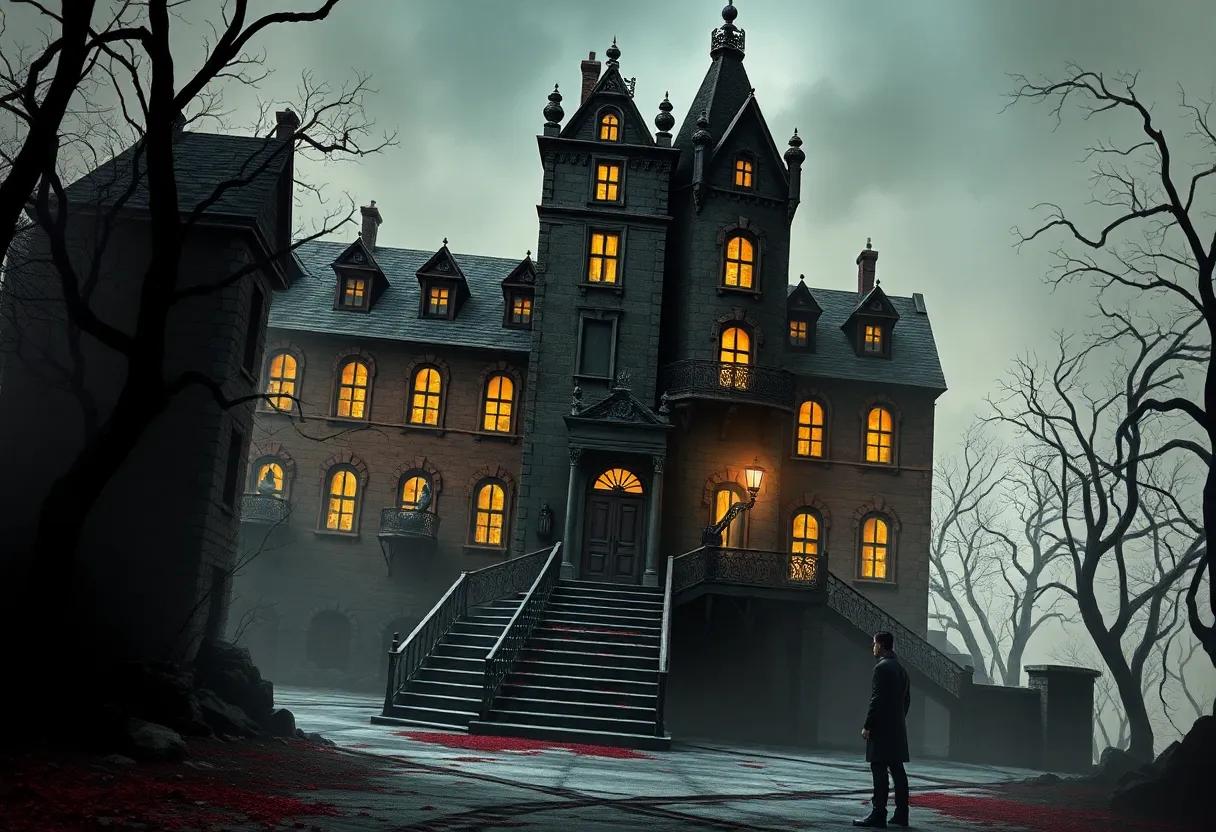
Surrealism seeps through every page of Batman: Arkham Asylum, bending reality into a disorienting maze where logic feels twisted and the familiar becomes alien. Morrison masterfully employs dreamlike imagery and illogical narrative shifts that challenge the reader’s perception, creating a doubling effect where Gotham’s darkest corners bleed into the subconscious mind. this blending of the unreal with the grim realities of the asylum pushes the story beyond a conventional crime saga, transforming it into a psychological exploration of madness itself. The echoes of Dali-esque landscapes and bizarre character morphologies serve not only as artistic flourishes but as gateways into the fractured psyches of both Batman and his adversaries, compelling readers into an unsettling yet captivating experience.
The infusion of horror elements intensifies this uneasy atmosphere,injecting a palpable tension that lurks just beneath the surface of every encounter.From the claustrophobic corridors to the grotesque villains that embody the fears and madness festering in Arkham, Morrison’s narrative evokes dread through:
- Sinister hallucinations that blur the line between fear and reality
- Grotesque character designs enhancing unsettling encounters
- Claustrophobic settings amplifying a sense of entrapment
Together, these components cultivate a tone that is simultaneously eerie and mesmerizing, positioning the reader not merely as an observer but as a participant navigating the labyrinthine horror of the asylum. By harnessing surrealism and horror, the story transcends traditional comic book storytelling, prompting a deeper emotional resonance and an immersive encounter with chaos and madness.
How Grant morrison Blends Madness and Genius to Challenge Traditional Superhero Tropes and Expectations
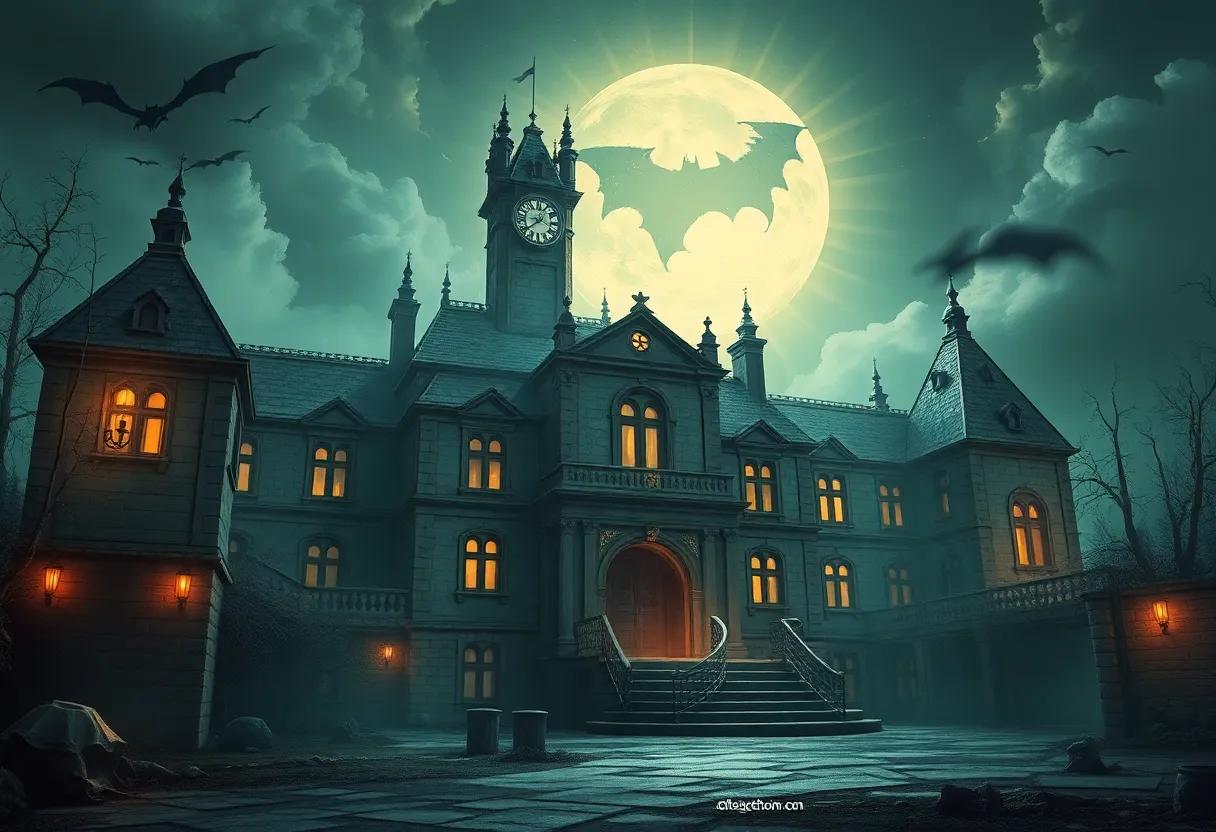
Grant Morrison’s approach to Batman: Arkham Asylum is nothing short of revolutionary, dismantling the conventional superhero narrative through a kaleidoscope of madness and brilliance.Rather than depicting Batman as an untouchable hero, Morrison exposes the fragility beneath the cowl, weaving a psychological labyrinth where sanity teeters on the edge. This delicate balance pushes readers beyond black-and-white morality, inviting them into a chaotic world where villains and heroes are mirrors of each other’s fractured minds. The graphic novel eschews traditional plotlines in favor of exploring the inner turmoil and identity crises faced by Gotham’s iconic characters,challenging the reader to question what heroism truly means in a city as broken as Arkham itself.
To fully grasp Morrison’s subversion of superhero conventions, consider these elements that redefine the genre:
- Non-linear storytelling: Shifting timelines and fragmented memories enhance the feeling of disorientation and psychological depth.
- Character complexity: Every figure in the asylum embodies conflicting mental states, blurring lines between villainy and victimhood.
- Surreal artistic style: The art itself becomes a vehicle for madness, using distorted visuals to evoke emotional and mental chaos.
| Traditional Superhero trope | How Morrison Transforms It |
|---|---|
| Clear-cut hero vs. villain dichotomy | Blurred moral boundaries reflecting psychological complexity |
| Linear, action-driven plots | Fragmented, introspective narrative exploring memory and madness |
| Idealized hero persona | Flawed, vulnerable Batman confronting his own psyche |
Examining the Themes of Identity, Sanity, and Chaos in a Confined, Foreboding Environment
The graphic novel plunges readers into a claustrophobic world where the lines between reality and delusion blur. Within the walls of Arkham Asylum, identity isn’t fixed but shattered, as characters oscillate between their true selves and the masks they wear-be it madness, power, or desperation. Batman’s intricate psyche unfolds amidst a gallery of fractured minds, each inmate embodying facets of chaos that threaten to fracture his own sanity. This interplay creates a crescendo of tension, where isolation amplifies inner turmoil and the asylum itself becomes a character-breathing dread and whispering secrets.
The confined setting enforces a relentless pressure cooker effect, amplifying themes of control and loss. Sanity here is a fragile construct, precariously balanced and perpetually under siege by the pervasive madness lurking in every shadow. The narrative style mirrors the chaos-unpredictable, disorienting, yet purposeful-inviting readers to question what defines identity when boundaries cease to exist.Below is a breakdown of these thematic elements and their manifestations within the asylum’s oppressive environment:
- Identity: Fluid and fragmented; characters struggle with who they truly are versus who they must become.
- Sanity: A brittle threshold, with glimpses of lucidity intertwining with madness.
- Chaos: Both external and internal forces that erode structure and reason.
| Theme | symbolism | Impact |
|---|---|---|
| Identity | Masks & Mirrors | Erodes fixed self-perception |
| Sanity | Shattered Glass | Blurred grasp on reality |
| Chaos | Labyrinthine Corridors | Inescapable turmoil and confusion |
The Role of Narrative Structure and Pacing in Creating Suspense and Psychological Unease Throughout the Book
Grant Morrison masterfully manipulates narrative structure to immerse readers in a disorienting museum of madness. The story unfolds in fragmented layers, oscillating between Batman’s present journey through the asylum and surreal flashbacks that blur the line between reality and psychosis. This nonlinear progression mirrors the chaotic environment of Arkham itself, forcing readers to piece together the narrative as if they were unraveling a dark puzzle. The erratic shifts in outlook amplify a sense of unpredictability, making each turn of the page an unsettling plunge deeper into Gotham’s collective psyche.
Pacing acts as a meticulous heartbeat, controlling tension with surgical precision.Moments of frenetic action collide with slow, introspective passages where the atmosphere thickens with dread.morrison’s use of sudden pauses and unexpected accelerations keeps readers on edge, fostering a relentless psychological unease. This rhythm is not just a stylistic choice but a narrative weapon-drawing attention to the fragility of Batman’s mind and the ever-present grip of insanity around him. The interplay of pacing and structure crafts a haunting dance that embodies the book’s core themes.
- Nonlinear timeline: Emphasizes thematic chaos.
- Fragmented perspectives: Challenges perception.
- Variable pacing: Manipulates emotional intensity.
- psychological tension: Heightened through narrative breaks.
| Element | Effect on Suspense | Impact on Psychological Unease |
|---|---|---|
| Flashbacks | Creates ambiguity | Disorients temporal perception |
| Sudden pacing shifts | Triggers unpredictability | Mimics anxiety spikes |
| Unreliable narration | Breeds doubt | Confuses reality and delusion |
| Cliffhanger chapters | Maintains tension | Leaves mind unsettled |
Specific Scenes and Panels That Exemplify the Book’s Innovative Use of Visual Storytelling Techniques
One of the standout moments in the graphic novel is the sequence where Batman navigates the twisted corridors of Arkham Asylum. Morrison and artist Dave mckean employ surreal, almost hallucinatory visuals, blending photographic collage with stark, chaotic brushstrokes. This fusion not only externalizes Batman’s psychological turmoil but also invites readers to experience the asylum as a living, breathing labyrinth of madness. Panels dissolve and morph seamlessly, abandoning traditional gutters to blur the boundaries between reality and hallucination-a technique that pulls readers deeper into the protagonist’s fractured mind.
Another compelling example lies in the scene portraying the Joker’s psychological manipulation.The layout cleverly subverts expectations: scattered, fragmented panels mimic the Joker’s erratic thought patterns and unpredictable nature.The use of stark contrasting colors and exaggerated facial expressions amplifies the tension, while the unconventional pacing-sometimes with single frames occupying entire pages-forces readers to slow down and absorb the emotional weight. Here, Morrison’s innovative storytelling turns the page into an interactive psychological puzzle, where every panel is both a clue and a trap.
| Scene | Visual Technique | Effect on Reader |
|---|---|---|
| Corridor Navigation | Photomontage & Fluid Panels | Disorientation & Immersion |
| Joker’s Mind Game | Fragmented Layout & Color Contrast | Psychological Tension |
Recommendations for Readers Interested in Psychological Thrillers and Experimental Graphic Novels
For those captivated by the intricate labyrinth of the mind that psychological thrillers unravel, exploring graphic novels with a similar vein of complexity can be profoundly rewarding. Works like “Black Hole” by Charles Burns and “My Friend Dahmer” by Derf Backderf push boundaries with their dark, unsettling narratives, delving into the psyche’s shadowy corners. These stories are not only about plot twists but also about atmosphere and the eerie interplay between character and environment, much like Batman: Arkham asylum. Engaging with these titles will deepen your appreciation for psychological depth in sequential art, blending suspense with haunting introspection.
Experimental graphic novels also beckon readers who crave innovation in form and storytelling. titles like “Building Stories” by Chris Ware and “Asterios Polyp” by David Mazzucchelli challenge traditional page layouts and narrative structures, transforming reading into an interactive, almost tactile experience. Below is a fast guide to some standout works that complement the themes and style found in Morrison’s masterpiece:
- “Black Hole” – Dark exploration of adolescence and alienation.
- “Building Stories” – An innovative narrative puzzle with interconnected stories.
- “my Friend Dahmer” - Psychological insight into a troubled youth.
- “Asterios Polyp” – A philosophical journey with unique artistic techniques.
| Title | Focus | Why It Resonates |
|---|---|---|
| Black Hole | Adolescence, mutation | Atmospheric unease & psychological horror |
| Building Stories | Fragmented narrative | Form challenges reader perception |
| My Friend Dahmer | True crime, youth | Empathy and disturbing biographical insight |
| Asterios Polyp | Identity, beliefs | Artistic innovation & thematic depth |
Comparing Batman Arkham Asylum to Other Iconic Batman Tales and its Lasting Impact on the Franchise
Grant Morrison’s batman: Arkham Asylum occupies a unique spot in the pantheon of Batman stories, standing out not merely for its chilling psychological twists but for how it redefined Gotham’s dark narrative landscape. Unlike the traditional hero-on-villain escapades seen in iconic tales such as Frank Miller’s The Dark Knight Returns or Jeph Loeb’s The Long Halloween, Arkham Asylum plunges readers inward, exploring the fractured psyche of both the Dark Knight and his rogues. Its raw portrayal of madness blurs the lines between hero and villain, turning Arkham itself into a sinister character teeming with symbolism and thematic depth.
The story’s lasting impact on the Batman franchise can be measured not only by its critical acclaim but also through its palpable influence on subsequent media.From video games to cinematic portrayals, several key innovations seeped into the DNA of the franchise:
- Emphasis on psychological horror and mental instability
- More intimate, character-driven stories instead of epic citywide crises
- Ambiguous morality that challenges the traditional hero archetype
- Visual artistry blending gothic and surreal elements
| Aspect | Arkham Asylum | Other iconic Tales |
|---|---|---|
| Narrative Focus | Psychological descent and madness | Heroism and vigilantism |
| Tone | Dark, surreal, and introspective | Grim but action-driven |
| Legacy Influence | Inspired Arkham game series & psychological storytelling | Defined Batman’s mythos and visual aesthetic |
what Fans of Dark Comics and Complex Antiheroes Can Gain from This Unique Interpretation of Batman
Fans of dark narratives and morally ambiguous characters will find Morrison’s exploration of Batman in Arkham Asylum an intoxicating dive into psychological complexity. Unlike traditional superhero tales that paint clear lines between good and evil, this story blurs those boundaries, immersing readers in a brooding, labyrinthine mindscape. It’s not just a battle against villains but a confrontation with inner demons,both for the Dark Knight and his adversaries. The graphic novel challenges the archetype of a flawless hero through a tapestry of madness, paranoia, and fractured identities, creating a narrative where every shadow could conceal a hidden truth or lurking threat.
What truly sets this interpretation apart is its refusal to fit Batman into a conventional mold. Instead, it offers:
- Ambiguity over clarity: The line between Batman’s heroism and his obsession is lovingly tangled.
- Psychological depth: Each page peels back layers revealing the fragile psyche beneath the mask.
- A gallery of antiheroes: Iconic foes become mirrors reflecting Batman’s own fractured identity.
- Visceral symbolism: Every frame pulses with metaphor, demanding active engagement rather than passive reading.
| Character | Role in Madness |
|---|---|
| Batman | Tormented guardian wrestling inner chaos |
| Joker | anarchic reflection of Batman’s duality |
| Two-Face | embodiment of fractured morals |
| Mad Hatter | Distortion of reality and control |
Insight into Grant Morrison’s Writing Style and His Approach to Deconstructing Superhero Mythology
Grant Morrison’s writing style in Batman: Arkham Asylum is a masterclass in weaving surrealism with psychological depth. He doesn’t merely tell a story-he constructs a labyrinth of minds, where reality and madness blur together. Morrison’s prose is dense but poetic, layered with symbolic motifs and metafictional elements that invite readers to decipher hidden meanings beneath the surface. His approach to superhero mythology is daring: rather than glorifying heroes,he dissects their flaws and motivations,exposing vulnerabilities that are often masked by capes and symbols. This nuanced perspective breathes new life into the iconic Gotham landscape, turning familiar tropes into a haunting examination of identity and power.
Key aspects of Morrison’s approach include:
- Embracing nonlinear narrative structures to mirror characters’ fractured psyches.
- Utilizing symbolic imagery to challenge traditional hero-villain dichotomies.
- Embedding references to comic history and psychological theory,enriching the story’s layers.
- Blurring the boundary between sanity and madness to critique the superhero archetype.
| Element | Deconstruction Technique |
|---|---|
| Batman’s Persona | Explores trauma and obsession beyond the mask |
| Villains as Mirrors | Reflect Batman’s inner turmoil and societal fears |
| Arkham asylum | Symbolizes psychological imprisonment and chaos |
In the labyrinthine corridors of Arkham Asylum, Grant Morrison’s vision challenges readers to confront the fragile boundaries between sanity and madness. This review has journeyed through the chaotic brilliance of his storytelling, revealing a narrative as unsettling as it is indeed captivating. Whether you step into these pages as a batman aficionado or a curious newcomer, “Delving Into Madness” offers a compelling invitation to experience a tale where darkness and genius intertwine-leaving you to ponder what truly lurks within the shadows of the mind.