
If you’ve ever come away from Céline’s Death on the Installment Plan feeling a little lost,I was right ther with you — baffled,amused,and oddly hooked. I picked up this reader’s guide expecting a dry companion; my first impression was that it’s far more practical and plainspoken than I had feared, the kind of book that answers specific questions I actually had while reading.
Reading it felt like having a frank conversation with someone who knows the terrain: it cleared up moments that had made me pause and pointed out patterns I hadn’t noticed, without talking down to me.
First encounter with the guide the cover layout and why it grabbed me
I still remember the small, almost apologetic reader’s guide folded into the front of my copy — not a heavy-handed introduction but a few spare notes and a tidy list of names that felt like a rope thrown into the dark. That first page did something odd: it made me both more secure and more uneasy.Céline’s prose is so ragged and alive that having that quiet map at the start heightened my attention; I flipped between guide and text like someone checking a compass while walking a wildly uneven street. It wasn’t a spoiler, just a companion that acknowledged the novel’s turbulence and invited me to keep going despite the dizziness it promises.
The cover layout of my edition did the same job before I even read a line — lots of empty space, a blunt typeface, and a single image that felt off-kilter, as if cropped mid-sentance. Those choices mirrored the book’s atmosphere: economy masking chaos, a brutal simplicity that leaves room for cruelty and humor to collide. What grabbed me most were small, intentional details:
Best-Selling Books in This Category
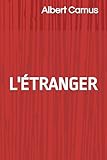


- the title’s hard, uncaring font that read like a jolt;
- the margin widths that made the pages look dense and urgent;
- and the reader’s guide tucked inside, patient and sharp.
If there’s a flaw, it’s that the guide nudged me toward looking for structure where Céline prefers collapse — but even that tension felt true to the book’s spirit.
The voice in the guide lively, raw and the lines that felt like a punch

I kept thinking of the book as a friend who speaks too loudly and too honestly at a party — impossible to ignore. Céline’s sentences move like a boxer: short, crooked, and aimed to the ribs. There are moments when a line lands with that ugly, electric clarity that makes you stop and reread it; at other times the voice slides into a raw, conspiratorial mutter that pulls you closer. It’s alive and bruising</strong: slang, bitter jokes, sudden tenderness and a contempt so precise it becomes almost funny. Reading it feels less like following an argument and more like being swept along by someone’s confession, complete with cursing, laughter, and the odd, unexpected ache of pity.
That immediacy is the book’s strongest trick and its occasional trap — the relentlessness of the voice can wear you down, and some scenes drag under the weight of repetition.Still, the payoff is in those razor-sharp moments that stay with you long after the page: the filthy humor, the city grime made vivid, the tiny human defeats that suddenly feel unbearably large.I found it best to read in bursts, savoring the lines that hit hardest, and to keep a pen handy for the passages I wanted to steal for later.
- Short, staccato sentences that feel like punches
- Unvarnished, often ugly honesty
- Flashes of tenderness beneath the cruelty
Following Bardamu through cityscapes chaotic nights and the small cruelties
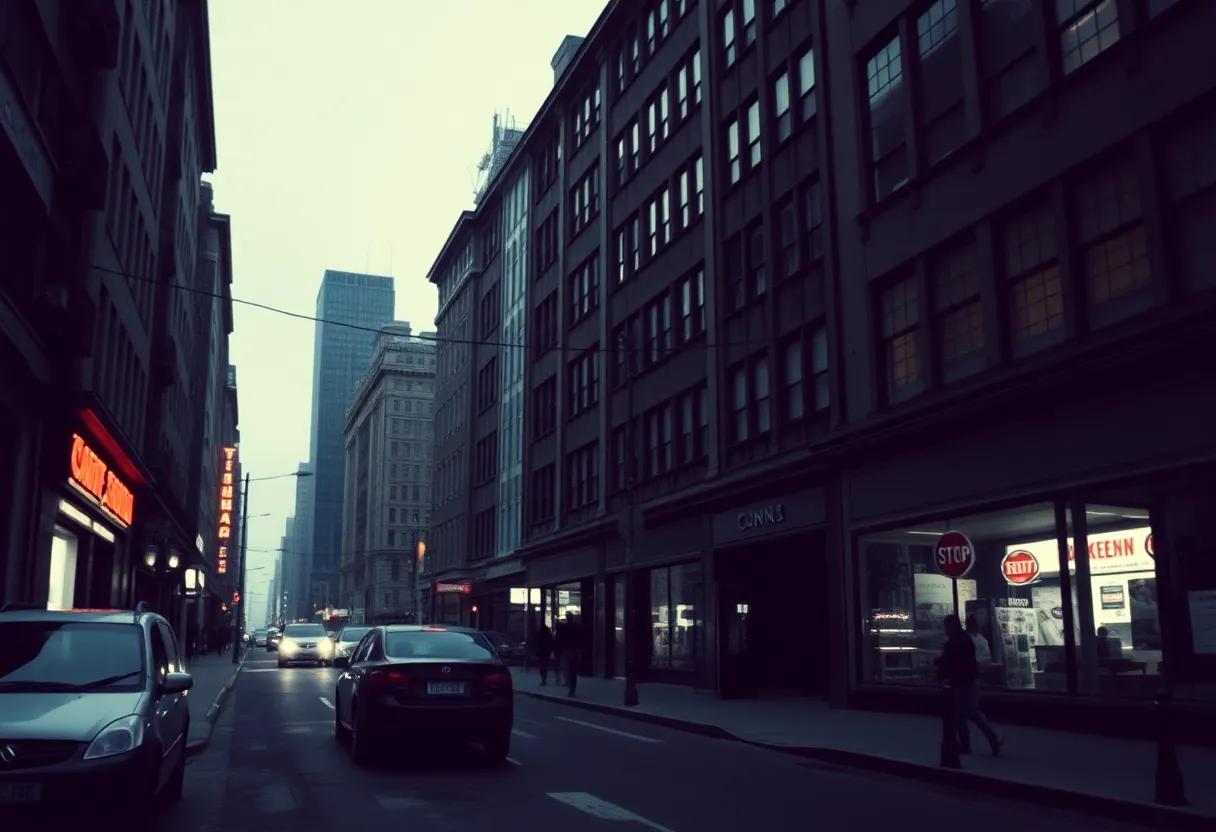
I kept following Bardamu through nights that feel less like time than like a landscape folding over itself: alleys that smell of tar and cheap liquor, cafés where conversation dies in a single tired laugh, streetlamps that throw everyone into the same small, ugly silhouette.He moves with a kind of grim aside, part spectator, part patient, and there’s a strange intimacy in being led through that chaos. At moments I laughed out loud at his dark jokes; at others I wanted to shake him for accepting the world’s slights so calmly. The city becomes a character, noisy and indifferent, and Bardamu drifts through it with a sharp, weary attention that never quite softens.
The book makes the small cruelties feel cumulative — not always dramatic, but steady: an officious clerk, a lover’s petty betrayal, a doctor’s cold dismissal — little cuts that wear a person down. They’re listed here as they stuck with me as much as the big scenes:
- public humiliation that passes as routine
- friendships that crumble from fatigue rather than conflict
- moments of kindness that are almost accidental
Those micro-attacks make you complicit as a reader: you notice them, you flinch, and you keep turning pages. Sometimes the episodic pace left me wanting more connective tissue between episodes, but more often I admired how those skinned moments add up to a blunt, unforgettable portrait of survival rather than redemption.
How the book pieces its fragments together sudden jolts and slow breathing scenes

Reading it feels like living inside a voice that keeps hiccupping between seizure and sigh. Small episodes land like thrown stones—sharp sentences, abrupt changes of scene, sudden cruelty or gallows humor—and than the book lets the air settle into long, slow passages where memory and detail are allowed to breathe. Those calmer stretches do a lot of the heavy lifting: they let Céline’s narrator return to a face, a smell, a petty humiliation, and in doing so the fragments begin to connect by feeling rather than by neat plot mechanics. I found myself jolted awake repeatedly, and oddly grateful for the quiet afterwards; the interruptions can be exhilarating but also wear you down if you’re trying to keep a steady pace.
Because the pieces are held together more by tone and recurring images than by tidy transitions, the reader becomes an active stitcher—filling gaps, tracing the same obsessions as they reappear, trusting a voice that refuses to sit still. The rhythm—sharp, then slow—creates a kind of emotional metronome: the jolts demand attention, the slow scenes invite sympathy and even tenderness. It’s not perfect; sometimes a fragment ends before I was ready, or a languid passage overstays its welcome. Still, letting the book alternately punch and cradle you feels truer to the narrator’s mind than any smooth, linear telling would. Listen for the breath between blows; that’s where the book keeps its secrets.
the language on the page gritty rhythms odd punctuation and translation choices
Reading Céline aloud feels less like following a plot and more like catching a boxer between rounds — breathy, clipped, full of bruises. the punctuation is part of the punch: dashes and ellipses chop the sentences into a kind of urban staccato, while sudden runs of fragments pull you headlong through the narrator’s obsessions. That rhythm makes some scenes electric and immediate; other stretches can wear you down, the relentless cadence turning a slow chapter into a blur. I found myself alternately exhilarated and mildly exhausted, as if the book’s voice were both a magnet and a mild assault on patience.
Translation choices either soften that jolt or let it land hard, and each approach affected how I read the book. When a translator preserves the jaggedness and rough slang,the voice feels raw and true — sometimes shockingly funny,sometimes painfully intimate.Smoother English can clarify meaning but at the cost of some of Céline’s ragged charm. Small details that mattered to me:
- Ellipses and dashes create breath and panic in equal measure;
- Colloquial phrasings can make scenes feel lived-in or oddly dated depending on the translator;
- Interruptions and parentheses mimic thought mid-sprint and can be disorienting in a good way.
On balance,I appreciated translations that kept the rough edges — they demand a diffrent kind of reading but reward you with a voice that feels unmistakably human.
Where despair and dark humor collide moments that make you laugh and recoil
I kept catching myself smiling at lines that should have made me wince — a nervous, involuntary grin at Céline’s most brutal jokes — and then feeling the laugh slide into something like shame. His voice throws up grotesque tableaux of petty people, bad medicine and small humiliations with such relentless bluntness that the comedy and the cruelty are hard to separate. There are moments when the humor is so savage it becomes a mirror: you laugh as the image is absurd, and you recoil because you recognize the truth behind the absurdity.
The collision of despair and dark humor is the book’s strange fuel: the jokes act like pressure valves, letting out steam so the bleakness doesn’t crush you all at onc. The prose’s jagged pace and instant asides make those swings feel immediate — exhilarating when they land, numbing when they repeat. Occasionally the digressions and repetitions drag, and the tone can wear you down, but more often the mix keeps you hooked: you want to see how badly things will be skewered next, even as you know you’ll flinch. That awkward relief — laughing at what you’d rather not admit is true — stayed with me long after I finished.
How the book sits with you afterward images that linger and ruin quiet mornings

some books leave you with an idea; Céline leaves you with a handful of images that keep turning over in your head — a child’s rasping cough in a dim room, a corridor that smells of disinfectant and old fear, the small cruelties of relatives and employers that pass for conversation. His voice is so jagged and intimate that those moments don’t feel distant: they arrive like a splash of cold water in the middle of a warm morning. They linger not as they’re pretty or tidy but because they’re stubbornly precise, the kind of details that make ordinary life seem suddenly flimsy.
Days after finishing, I caught myself losing the calm of quiet breakfasts; the book sits in you like grit in a shoe — annoying, impossible to ignore, and oddly alive. Some stretches drag,and occasionally the ranting cadence wears thin,but the discomfort is part of the point: it keeps you alert to how lightly human decency can be chipped away. I wouldn’t call it agreeable company, but it changes the way you notice small things — a cough, a closed door, a child’s stare — long after you’ve turned the last page.
How the guide helped me untangle the mess of scenes maps notes and suggested routes
When I first finished the book I felt like I’d been handed a jigsaw with half the pieces upside down: repeated episodes, sudden jumps, and characters who seemed to melt into one another. The guide’s maps and clear scene notes acted like a flashlight in that fog — small anchors that showed where a chapter sat in space and time, which passages returned like refrains, and which bits were best read together. Instead of turning the repetitions into annoyance, the notes helped me hear them as deliberate rhythms in Céline’s voice; they didn’t erase the confusion, but they made it intelligible and oddly satisfying.
The suggested routes were the most useful surprise: they let me choose a way through rather than feel trapped by chronology. Following the character-centered route brought the people into sharper relief; the scene-cluster route highlighted the novel’s tonal shifts; the chronological patchwork made the rise-and-fall of momentum easier to feel. A small quibble — sometimes a recommended path tidyed up oddities I rather liked — but overall the guide changed the book from a messy pile of fragments into a landscape I could walk through and return to. After using it, rereading felt less like clearing debris and more like discovering hidden rooms.
Portrait of Louis Ferdinand Celine as seen through rough handwriting wartime shadows and foul humor

Reading him feels like unfolding a letter scrawled in the dark: sentences that jolt and smear,as if the pen kept slipping from a hand that had already seen too much. his voice is raw and conspiratorial, the kind that drags vulgar jokes through ruined streets and somehow finds tenderness under the grime. Wartime shadows—illness, hospitals, the long aftermath of violence—hang over every crack in his language, turning small miseries into something epic and absurd. The foul humor doesn’t just shock; it lubricates the shock,making the grotesque readable,even intimate.
He can be infuriatingly repetitive and his tirades sometimes spin into needless detours, but those imperfections are part of the portrait: a man equal parts comedian and lunatic, stubbornly human. I kept laughing and then flushing with embarrassment, feeling sympathy where I expected only disgust. In the end his scabbed, hand-scrawled personality stays with you—imperfect, abrasive, and oddly alive in ways more polished characters rarely are.
On Reading Céline’s Darkness
Reading this reader’s guide alters the way Céline’s voice lands: the prose’s jagged energy and sudden tenderness leave a peculiar aftertaste—part exhaustion,part exhilaration. The experience feels less like consolation than like company through a landscape that resists easy sympathy.
What lingers is mood rather than lesson. Notes and close readings make certain lines echo, so you keep turning phrases over in your head, unsettled and alert to the pressures of language and character.
This is a companion for readers who accept provocation and ambiguity, who want to be made to think and to feel in unequal measure. Its effect is slow-working: a book that continues to shape your hearing of the novel long after you put it down.