
I picked up Imbolo Mbue’s Behold the Dreamers on a slow afternoon and found myself reading faster than I meant to — not as of flashy plot turns but because the characters felt so present. My first impression was that Mbue writes with a clear-eyed attention to everyday detail; small moments stuck with me long after I closed the book.
If you like novels that make you rethink ordinary choices and the costs that come with them, this one quietly presses those questions. it felt less like being told a lesson and more like sitting in a room where people were figuring things out, and you were there to witness it.
Late night Manhattan apartments and cramped Brooklyn rooms where dreams collide
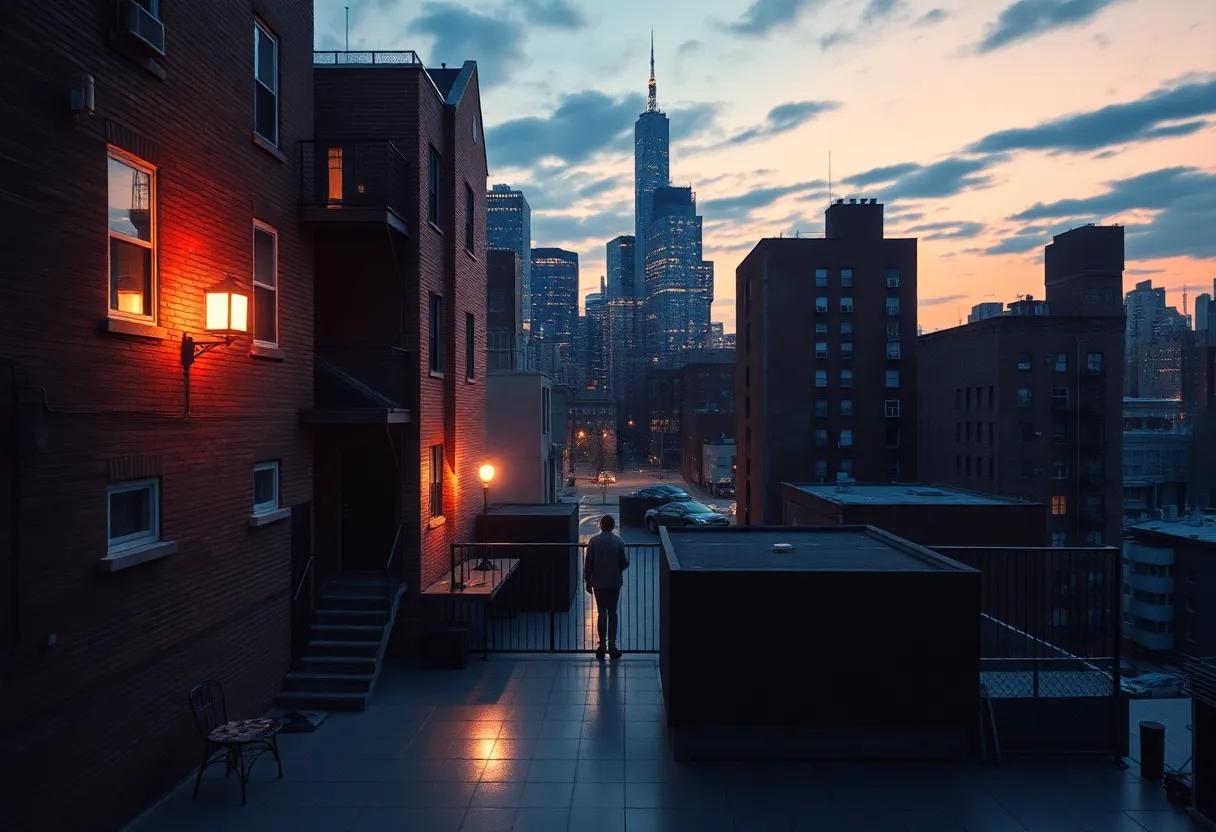
I kept thinking about the quiet of late-night Manhattan apartments — glass towers full of soft light and a kind of curated stillness that barely hides a thrum of worry. Driving through that world with Jende,watching him park outside a home that smells of takeout and polished wood,made me feel how close and how unreachable other people’s lives can be. The city’s glamour feels less like a promise and more like a mirror: bright, reflective, and prone to cracking. Those scenes made me oddly protective of the characters who hover on the edges of that glow, because their small, honest gestures — a hurried kiss, an offered suit, a whispered apology — carry so much weight in a place that keeps so much silent.
Best-Selling Books in This Category


- Haig, Matt (Author)
Back in the cramped Brooklyn rooms everything is louder and messier and more alive: children underfoot, pots clattering, relatives sharing a single mattress and a sky of private hopes. Mbue packs tenderness into the smallest details — the way neni folds her hair,the pile of unpaid bills,the ritual of Sunday food — so that dreams feel both stubborn and delicate.At times the writing leans a little too earnestly toward resolution and the middle slows, but those moments don’t erase how persistent the book’s empathy is. I left the story thinking about how ambition and love don’t just meet at a border; they bump into one another in kitchens, back seats, and sleepless living rooms, and sometimes that collision is where truth sits most plainly.
Jende and Neni on crowded subway platforms clutching worn suitcases and hope
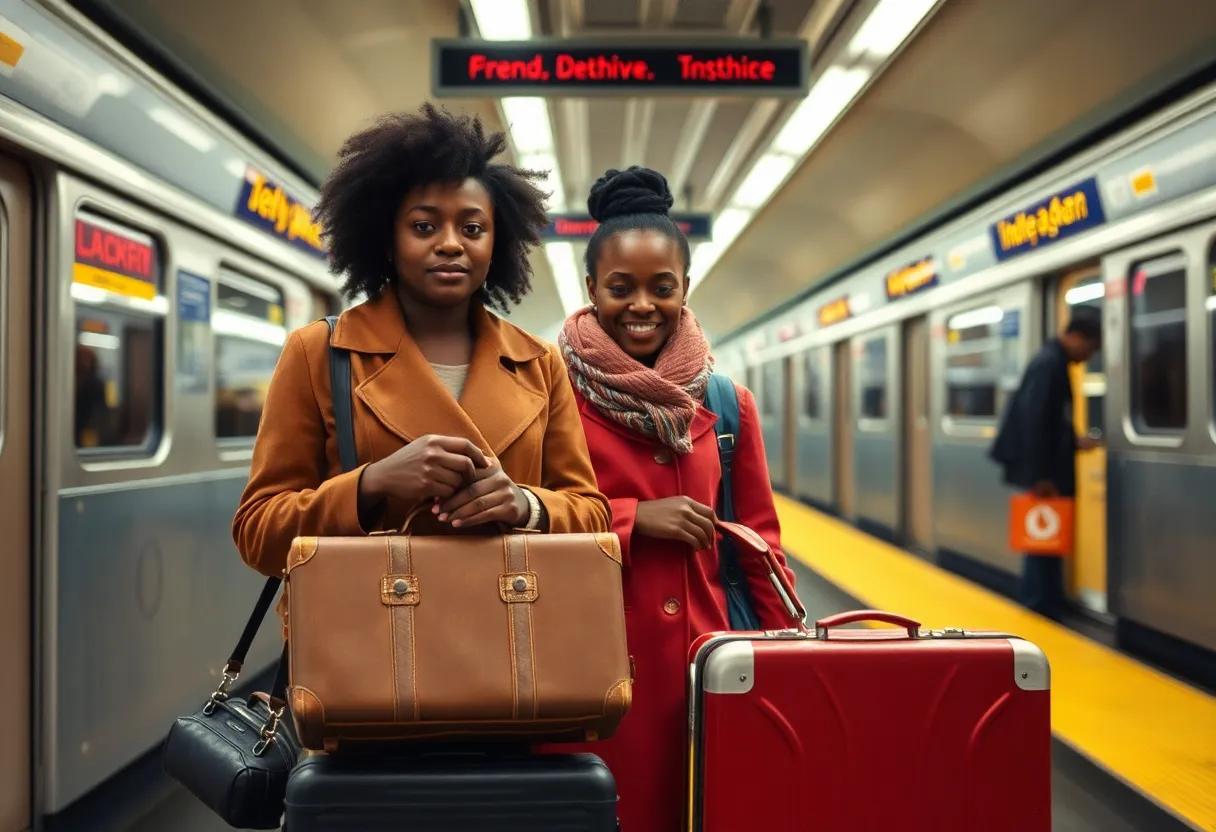
Standing on those crowded platforms with jende and Neni, I felt the city press in on them — the warmth of other bodies, the metallic scent of tracks, the clack of shoes on concrete. Mbue makes the mundane feel urgent: a shared cigarette between trains, the way Jende straightens a frayed strap on a bag, the stubborn way Neni tucks a hair behind her ear as if smoothing the day into place. The image of worn suitcases and hope keeps returning, not as a symbol the author points at, but as a lived thing: awkward, heavy, and somehow buoyant because they keep moving forward together.
those platform scenes are where the book’s small truths land hardest for me — the absurdity of holding onto dignity in public, the private negotiations that look like simple conversation but carry everything. Occasionally the pacing slows in quieter stretches, and a few domestic beats linger longer than I wanted, but more often Mbue’s attention to detail rewards patience: everyday gestures become evidence of survival. I found myself remembering specific sounds and sights long after closing the book:
- train doors sighing shut
- a rusted bench that everyone avoids
- a child asleep across a parent’s lap
These moments made Jende and Neni feel less like characters and more like neighbors I’ve seen waiting for the next train home.
A lavish summer party on a terrace overlooking the city where money hides fractures

I keep picturing that terrace — white tablecloths,the whole city spread out in glittering onion-skin light,and people who look as if nothing could possibly touch them. From Jende’s eyes the scene feels intoxicating and slightly obscene: the laughter is loud enough to be rehearsed, the cocktails arrive in concordant rhythm, and everyone moves around a agreeable economy of favors and small shows of generosity. But Mbue slips details under the surface so the glamour never quite settles. It’s as if there’s a glass-thin veneer everywhere, and any strong breeze might reveal the cracks people are carefully keeping out of sight.
That terrace moment stayed with me not because it was spectacular but because it was quietly savage — a place where wealth does the work of erasing anxieties for an evening while also drawing attention to how precarious those comforts are. I felt tugged between fascination and nausea: drawn to the bright clothes and polite jokes, aware of the questions simmering beneath the smiles.Small sensory things made it feel so real:
- the clink of ice sounding too purposeful
- a hostess’s laugh that didn’t reach her eyes
- the distant hum of traffic like a reminder the world keeps moving
If anything, the scene lingers longer than the plot sometimes needs, but that lingering is part of Mbue’s cunning — she wants you to stand there and notice how money can both mask and magnify a family’s fragile edges.
The unbearable silence of immigration interviews in fluorescent offices with folding chairs
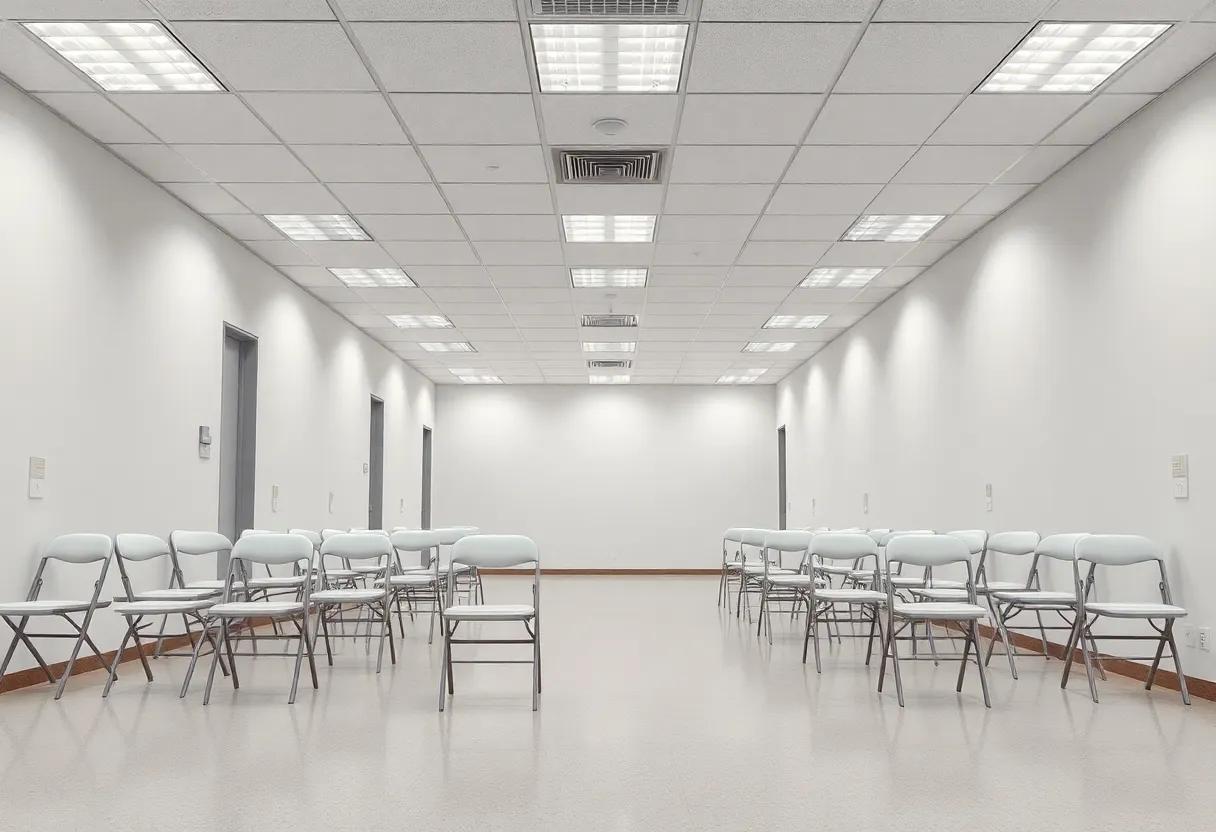
When I think back to the book, it’s that room I keep seeing: fluorescent lights that buzz more in your head than they do in the ceiling, folding chairs lined like a tiny congregation for judgement, and a silence so thick you can hear the paper when someone turns a page. Mbue makes those moments feel almost physical — the quiet isn’t emptiness but pressure, folding the characters in on themselves. I found myself watching Jende and Neni shrink and straighten in the same breath, noticing how a small look or a hand on a folder can carry more meaning than any speech.The details are small but sharp: the hum of the vent, the clerk’s clipped questions, the rustle of forms — every sound becomes part of the verdict.
Those scenes stayed with me longer than some of the flashier plot turns. At times the pacing lagged as Mbue lingered over the mechanics of an appointment or the bureaucracy of a process, and I admit I wanted to move on; yet those slow stretches are what build the claustrophobia. They also made the stakes feel unbearably intimate. I left the pages with empathy for people whose lives are decided in bland rooms with folding chairs, and a quiet anger at how routine such indignities can become. The book doesn’t dramatize that waiting room with grand gestures — it trusts the silence to do the work, and often it does, painfully well.
The slow erosion of a marriage shown in kitchen tables scattered with unpaid bills and receipts

Reading the scenes around Jende and Neni’s apartment, I kept coming back to the image of the kitchen table piled with unpaid bills and receipts — not as a dramatic reveal but as a slow, stubborn witness. Mbue makes the accumulation feel tactile: the edges of envelopes, the way a grocery receipt gets tucked under a child’s drawing, the way silence grows between two people who used to share dreams. It felt painfully real, the way small practicalities turn into emotional distance; arguments never have to happen when worry and shame do the arguing for you.
Those scattered papers become a kind of ledger of their life together, listing what they can’t afford to be anymore. I noticed how moments of tenderness—Neni folding a sweater, jende trying to sound optimistic on the phone—were punctured by the constant arithmetic.A quick list of what sat on that table kept coming to mind:
- an overdue utility notice
- a cramped bank statement
- a receipt from a takeout dinner they could no longer afford frequently enough
They aren’t dramatic plot devices so much as tiny, relentless reminders that love can fray in the spaces where money and hope are supposed to meet.
A child looking out a high rise window dreaming of schoolyards and a different future
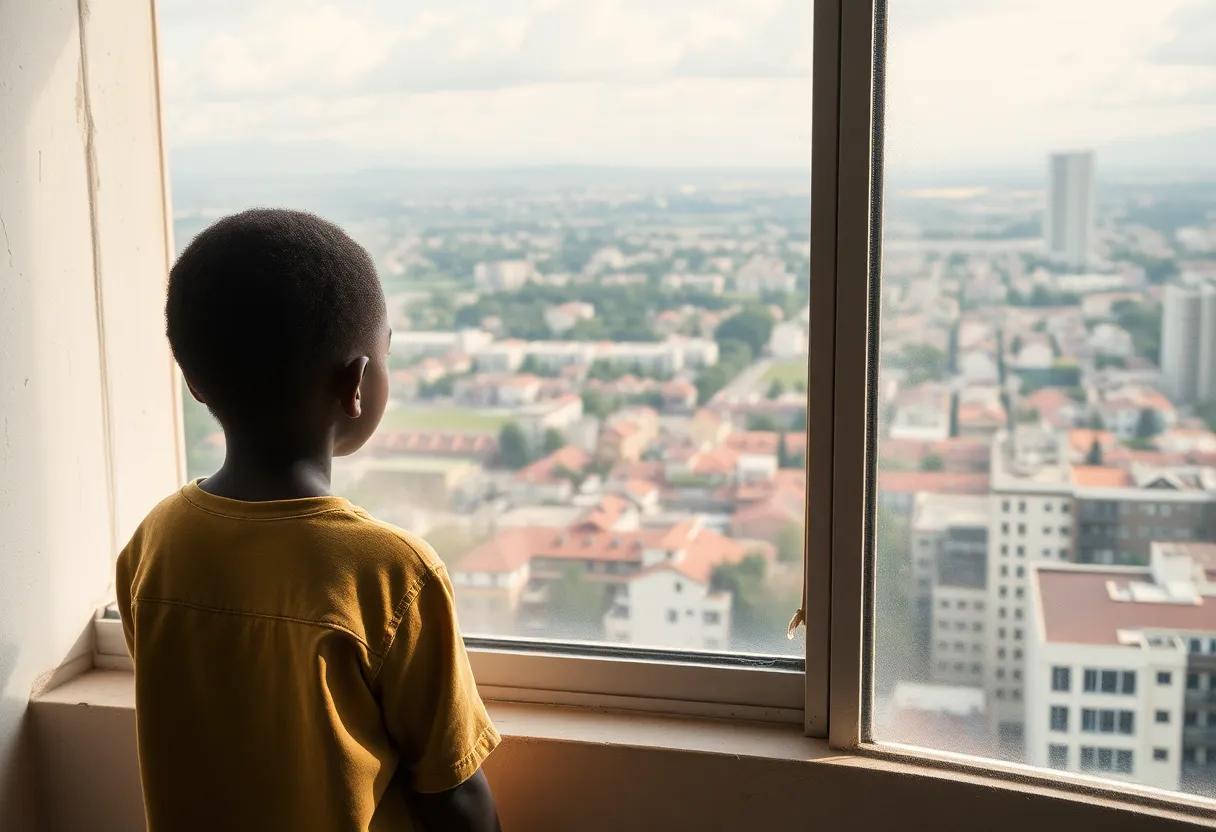
There are scenes I keep returning to: a small body pressed to a glass pane, the city spread below like a complicated map, and the quiet insistence of a child’s stare. Mbue captures that particular, aching stillness — the way light on a high-rise window can make the world feel both enormous and out of reach. Watching the Jonga child gaze at distant schoolyards and playgrounds, I felt the double tug of wonder and exclusion: he is so close to possibility yet still held back by invisible borders of money, status, and paperwork. Those pages made me quietly ache and, at times, cheer for the plain bravery of a boy imagining a different life.
The dreaming scenes are simple but sharp: imagined games, uniforms, friends who understand him — small futures that mean everything. Mbue doesn’t sentimentalize the child so much as let his quiet longing illuminate the adults’ choices and compromises, which is powerful. Sometimes the book moves faster through other plot strands and I wanted a little more of the child’s internal life, but even in restraint the image of that window lingers: a reminder that hope often lives in the everyday, in a look held long enough to become a plan. Hope here feels modest and stubborn, and that makes it believable and moving.
Small mercies and big mistakes captured in quiet dinners and hurried phone calls at midnight

I kept returning to the small, domestic frames Mbue paints: dinners where forks pause mid-air because someone has bad news, or when rice is reheated three nights in a row and everyone pretends it’s a feast. Those scenes feel lived-in — the way parents trade glances across a cramped kitchen, the hush that follows a child’s question about ”home,” the long, weary smiles that matter more than any grand declaration. Late-night phone calls thread through the book like a second heartbeat: hurried whispers to relatives back in Cameroon, urgent updates about jobs and papers, the kind of midnight conversations that are equal parts confession and consolation. Those moments are where the story’s small mercies sit — a neighbor bringing over dinner, a sympathetic clerk, a brief respite of laughter — and they accumulate into a kind of compassion that almost makes the rest bearable.
Against those quiet acts are the book’s quieter, sharper missteps: the trusting of convenience over caution, the compromises made to survive, the decisions that look reasonable in the moment and catastrophic in hindsight.Mbue shows how one wrong choice — whether born of fear, love, or stubborn hope — ripples through lives in ways that are never tidy. I sometimes wished the fallout scenes had room to breathe more slowly; a few turns in the last act felt hurried, as if the consequences were racing to keep up with the setup. Still, the balance between those big mistakes and the tender, ordinary graces is what stayed with me most: the idea that even when plans collapse, people keep passing along the small kindnesses that let them stand up again.
- a bowl shared at midnight
- a hushed phone call that changes a plan
- a neighbor’s unexpected knock
The stock market crash portrayed through glowing headlines and trembling hands in living rooms
Sitting on the sofa with Jende and Neni felt oddly like watching my own family through someone else’s grief — the TV’s glow throwing headlines across the ceiling while hands that looked steady a moment before began to shake. Mbue captures those private, small moments: a husband scrolling stock updates with the kind of hope that looks almost like prayer, a wife hiding a rent bill beneath a cookbook, neighbors trading rumors in whispers. I found myself holding my breath in the same rooms, aware of how the public panic of the markets seeps into the most personal corners of life.
The crash doesn’t arrive as a single dramatic boom but as a series of little collapses that add up: missed calls, worried expressions, doors opening later than before. Those details are what lingered for me — the blue light on a child’s face, the sudden hush after a headline, a tired laugh that no one joins. A few stretches felt a tad long, as if Mbue wanted to sit in every terrible moment a beat too many, but mostly the pacing gave the tension room to breathe. The scenes that stayed with me most:
- the stubborn glow of the television at dawn
- a man re-reading bank letters like a man reading an apology
- the quiet folding of plans that once seemed so sure
Imbolo Mbue at a small desk in a sunlit room writing stories of longing and resilience
I keep picturing Imbolo Mbue at a small desk in a sunlit room, the kind of private corner where stories accumulate like loose papers and a single cup of tea cools unnoticed. Reading felt like eavesdropping on those quiet hours: her sentences are attentive to the little things that reveal a life — the awkward smiles, the unpaid bills, the ways people try to hold on. There is a soft insistence in the prose,a focus on the everyday that makes the larger upheavals hit harder. Longing and resilience aren’t declared so much as lived, page by page, through gestures and half-said sentences.
For me, that intimacy is the book’s gift and its occasional trap: some scenes breathe so easily they left me soaking in emotion, while others lingered a beat too long and dulled the forward motion. Still, Jende and Neni felt like real people I wanted to check on after I finished the last page. A few things stuck with me the most:
- the small, private comforts that become survival tactics;
- how hope shows up in mundane decisions;
- and the kindnesses — awkward or profound — that keep people going.
Minor pacing stumbles didn’t erase the tenderness of mbue’s attention; if anything, they made the quieter moments feel earned.
As the last page closes, Behold the Dreamers lingers like a city at dusk — familiar, restless, full of stories that refuse to be tamed. Imbolo Mbue has braided hope and hardship into a quiet, clear-eyed narrative that neither sentimentalizes nor condemns; it asks, instead, that we look closely at the small mercies and slow violences of ordinary lives. For readers who want a compassionate, unflinching portrait of ambition, belonging, and the cost of dreams, this novel offers both solace and challenge. quietly powerful and thoughtfully attuned, it stays with you long after you’ve set it down.