
I picked up Marquez’s Erendira on a slow commute and read it in one sitting; if you’ve ever felt protective of a character while also being fascinated by the forces that hurt them, you’ll recognize that odd tug right away. My first impression wasn’t of sweeping spectacle but of small, precise scenes that hit harder than thier length would suggest.
What stayed with me was how low-key magic and blunt, unromantic cruelty sit next to each other—neither softens the other, but together they make the book quietly unsettled and strangely vivid. It’s a short, compact read that keeps nudging you to think about compassion and power without spelling out a moral.
Sunbaked streets and endless horizons where a young girl wanders under strange skies

The town in my head after reading is a place baked to a crisp: sunbaked streets that blur into an almost endless horizon, and a sky that behaves like a stranger — sometimes kindly, sometimes cruel. Watching Eréndira move through it feels less like following a plot than trailing a long, slow dream. The light makes ordinary things look unfeasible; a broken cart, a spilled bowl of water, the arch of a doorway — all of it gets a strange, almost tender dignity even as the world around her tightens. I kept returning to the image of her small figure against that vast, indifferent sky, which made every small kindness and every new humiliation land harder.
Best-Selling Books in This Category


- Varona-Lacey, Gladys M. (Author)

There’s a stunning cruelty to those landscapes: the brightness highlights the meanness of people’s choices and the horizon whispers of escape that never quite arrives. The prose sometimes lingers — a gorgeous detail repeated until it almost becomes a chant — and that can slow the story, but it also makes the atmosphere stick like dust on skin. small sensory things stayed with me:
- the dry, gritty wind that smells faintly of salt and old fruit
- the distant, clanging bell of a train or market
- the heat making colors run together like watercolors
They turn the wandering into something both lonely and strangely alive, where hardship and a kind of bleak wonder walk side by side.
Small impossible miracles like glittering rain and clocks melting into ordinary life

Small impossibilities in the book never arrive like fireworks; they slip into the gray hum of life and make you look twice. A rain that glitters, a clock that seems to sag at the edges — they are not spectacle so much as punctuation, tiny surprises that redefine what counts as ordinary. Reading those moments felt like walking through a town where the pavement might suddenly remember a song: familiar things acquire a private glow, and characters go on with their small dramas as if living in a world where wonder has always been part of the furniture.
Those delicate touches do something quietly sharp to the story. They lend a kind of tenderness to Erendira’s moments of hope and, at the same time, make the cruelty around her feel even colder because it exists side by side with beauty that never rescues her. I loved how the magic made sadness more luminous, though sometimes the dreamlike details left the plot’s urgency slightly muffled — you float along with the images and, every so frequently enough, want the narrative to drag you back to it’s harder edges. Still, those little miracles are the book’s persistent memory: lovely, unsettling, and impossible to forget.
The grandmother’s quiet bargaining face and the economy of grief she runs like a shop
Her face is the kind that measures a thing before it is spoken — not loud with malice but with the steady calm of a shopkeeper setting a price. I kept picturing her behind an invisible counter,palms flat as if weighing sorrow on a scale. There’s something almost professional about her calculation: a twitch at the corner of the mouth when a new misfortune arrives, a small, steady nod when a girl’s story will fetch what she wants. Reading her felt like watching someone who has learned to translate every human ache into numbers and margins, which makes her cruelty quieter and, perversely, more chilling.
She turns loss and love into inventory, stocking and trading pieces of other people until what remains is bare commerce. On the page I could list what she seemed to buy and sell:
- freedom for a price,
- affection reduced to bargaining chips,
- memories counted like coin.
Sometimes that schematic horror reads a little too tidy — the relentlessness can feel staged — but even when it teeters toward artifice, the image of grief run like a market stays with you: clean, efficient, and utterly without consolation.
A fragile young voice that keeps singing while the world keeps folding around her

When I think of Eréndira I hear a small, tremulous song that refuses to stop, a voice so fragile it should snap under the weight of what she’s asked to do — and yet it keeps coming, plain and steady. Marquez surrounds her with surreal cruelties and collapsing landscapes, but he never lets that voice be swallowed by spectacle; rather it becomes the book’s moral compass, quietly registering pain, wonder, and a stubborn hope. At times the book skims past moments I wanted to linger in, so her inner life can feel almost too spare, but that thinness is part of the effect: the song is both delicate and oddly durable, asking you to listen harder.
There are simple images that keep knitting her song back together:
- the soft click of a cart wheel
- a brittle lullaby hummed to a mattress
- the sharp taste of stolen oranges
They make her persistence feel lived-in rather than sentimental. I felt protective of her, and also strangely aware of how powerless observation can be—watching someone keep singing while everything around them folds. It’s not an easy comfort, but it’s a haunting one; long after I closed the book that voice lingered, both wounded and resolute.
Bittersweet colors of dusk and carnival lights that feel both tender and threatening
I kept picturing the evenings in colors that are almost dishonest — bruised pinks, jaundiced yellows, and a neon green that makes the air look wet. The carnival scenes in particular feel like a child’s memory half-remembered: the lights render faces beautiful and small, but they also throw long, hungry shadows. At times those descriptions feel fragile, like glass hung from a string; at others they feel like a net, trapping Erendira and everyone around her in a kind of fatigued wonder. The tenderness of a lamp-lit alley sits dangerously close to menace, and that closeness is what made me both breathless and uneasy as I read.
The mood shapes how you respond to the characters — you want to reach out and protect them even while the spectacle pulls you forward. Little sensory moments snagged me: the smell of sugar and dust,a tinny calliope,the damp stickiness of a late-night blanket — they make the book feel lived-in and immediate.
- smell: caramelized sweets
- sound: cracked laughter and distant music
- sight: colors that bruise
Sometimes the luxuriant description lingers too long and slows the story, but even that slowing often deepened the strange mix of compassion and dread I felt, so the trade-off usually paid off for me.
A battered suitcase a trailing ribbon and other small objects carrying whole stories of loss
Reading Márquez,I kept getting snagged on the small things—a battered suitcase left open at a station,a trailing ribbon caught on a window,a cracked porcelain doll. They don’t just decorate the scenes; they seem to hold whole lives compressed into a crease or a faded seam. I found myself imagining the person who owned each item, feeling a sudden tenderness for histories that are never fully told. Those objects make the book feel intimate and haunted at once: you can almost hear the whisper of loss when a ribbon flutters away or when a suitcase closes for the last time.At moments the accumulation of these images felt a touch repetitive,but more often they worked like gentle,sharp punctures—small violences that deepen the story’s quiet cruelty.
What stayed with me was how everyday things became witnesses to both tenderness and exploitation. A tin can, a single shoe, a photograph tucked into a pocket—each item becomes a kind of evidence that someone was here, someone was taken, someone remembered. I kept thinking of a few that kept returning to me:
- The battered suitcase—travel, exile, and the weight of someone else’s decisions.
- The trailing ribbon—a remnant of childhood and a slender thread to what was lost.
- A cracked photograph—memory trying to keep its shape even as it splinters.
They make the prose feel like a cabinet of curiosities where each small thing carries a private grief, and that mixture of sweetness and cruelty is what lingers most after the last page.
A spare storytelling voice that delivers heartbreak in calm measured lines and silences

There is nothing showy about the way Márquez tells this story; the sentences come in short, clear strokes and the spaces between them hold as much as the words. That calm,almost clinical delivery turns ordinary details into knives: a glance,a cigarette,a ledger become monuments of hurt. I found myself feeling more than being told — the heartbreak arrives in the pauses, in lines that simply state what happened and then move on, as if the silence itself carries the weight.
Reading it felt like being in a quiet room where someone recounts awful things without raising their voice; that restraint makes the cruelty colder and, paradoxically, more intimate. Sometimes the coolness leaves you slightly distant — a few characters read as sketches rather than fully lived people — and certain scenes zip past so briskly they sting more than they settle.Still, those clipped sentences and lingering silences stick with you: images and small hurts that refuse to leave long after the book is closed.
Gentle cruelty and reluctant compassion mingling like smoke around every choice the characters make
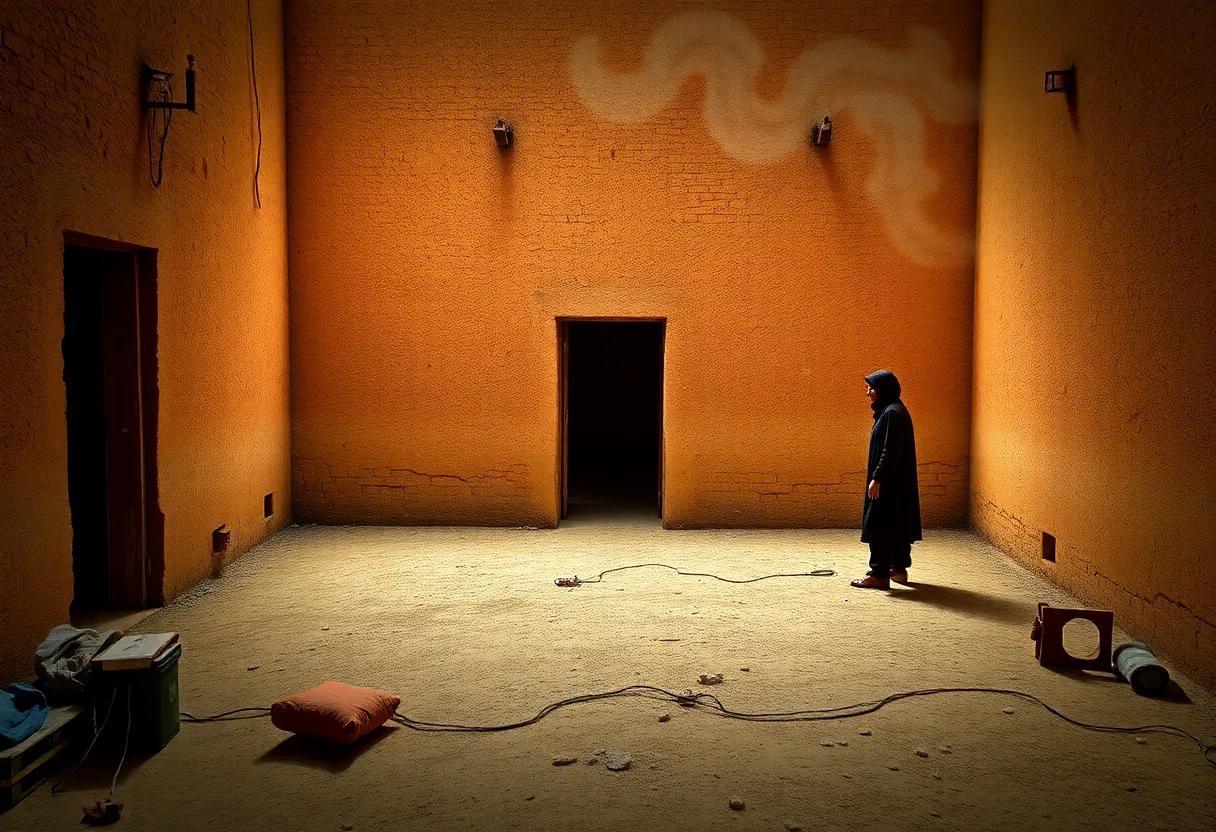
Reading it felt like walking through a room where the light never quite settles: every choice the characters make is surrounded by a thin, drifting smoke of both hardness and tenderness. The grandmother’s brutality is explicit and almost businesslike, yet Márquez slips in tiny, almost accidental mercies — a hand lingered too long, a voice softening for a moment — that make the cruelty feel less monstrous and more human. I found myself torn between outrage and a kind of pity that kept growing, as the story treats cruelty not as pure evil but as a weather people carry with them, changing how they choose, forgive, or betray.
That mingled atmosphere is what stayed with me longer than any plot beat, though at times the relentless fable-like tone made some scenes feel a touch repetitive. Still, there are moments that cut through the haze and show how intimate and ordinary those moral compromises can be:
- a bath given with tenderness that is really a transaction;
- a kiss that feels like rescue but is also a rehearsal for another exploitation;
- a bystander’s pity that lasts only provided that the next convenience.
Those small, ambiguous gestures make the book quietly unsettling and oddly compassionate — you come away less certain whom to condemn and more aware of how gently cruel people can be, and how reluctantly kind in return.
Gabriel García Márquez the conjurer of small mercies and terrible ironies in this tale

Reading Márquez here feels like standing in a courtyard where laughter and sorrow keep switching places. he has a way of conjuring small mercies — a cool hand on a fevered brow, a single honest laugh in a room full of bargains — that arrive like tiny miracles and hurt just as much for their fragility. Those mercies never cancel the harm; instead they make the cruelty sharper by contrast. The writing gives you images that are perfectly clear and oddly humane: a stolen cigarette that feels like rebellion, a rain that seems to wash nothing away. I kept wanting to reach into the pages to protect Erendira,and that tug of feeling is exactly what Márquez intends — beauty used as a refracting lens for pain.
The people in the story are both cartoonish and unbearably real, especially the grandmother, whose practical nastiness is almost ritualized. Her schemes sit beside moments of tenderness so small you can miss them if you’re not paying attention.Sometimes the book moves with the sudden, dream-like logic of memory — scenes compress or jump and a few episodes feel hurried — but that compression often makes the tone more intense rather than less.There are moments that stayed with me: the absurd economy of certain cruelties, the rare kindness that never saves anyone, and the sense that fate in this world is as petty as it is relentless. Those contrasts — luminous and bleak at once — are what make the reading linger long after the last page.
As the last page turns, erendira lingers like a scent — at once luminous and unsettling. Márquez distills a whole world into a tight, almost fable-like frame: magic that tastes of salt and smoke, cruelty that is neither shouted nor dramatized but operates in the small, inevitable gestures of daily life. The novella’s power lies not in easy moral certainties but in the way its images accumulate, so that compassion and complicity feel indistinguishably bound.
For readers who come for language and stay for moral ambiguity, this is a compact, uncompromising work.It does not console; it clarifies. What remains is a vivid ache and a sharper attention to the quiet violences that hide beneath the miraculous. If the story has a final lesson, it is indeed this: beauty and brutality can cohabit the same page, and to read closely is to hold both in uneasy balance.