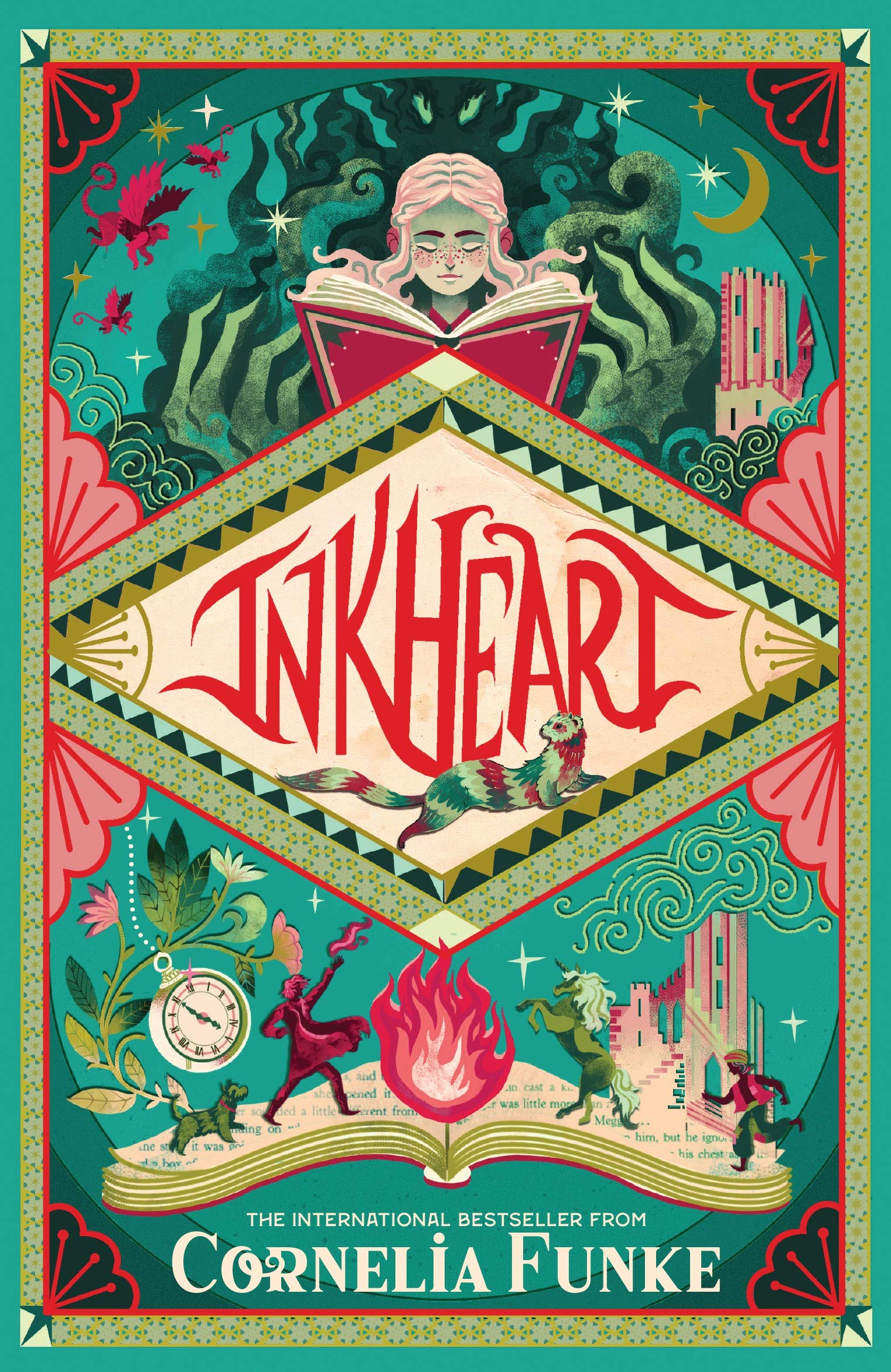
In the realm where imagination blurs the line between fiction and reality, Cornelia Funke’s Inkheart trilogy stands as a captivating invitation to journey beyond the ordinary. navigates the delicate interplay between stories and their readers, unraveling the magic that binds words to life. This review delves into the layers of Funke’s narrative universe, examining how the trilogy beckons readers into a world where the boundaries of the written word are fluid, and the power of storytelling takes center stage with both wonder and complexity.
The Enchanting Worldbuilding That Bridges Fantasy and Reality in the Inkheart Trilogy
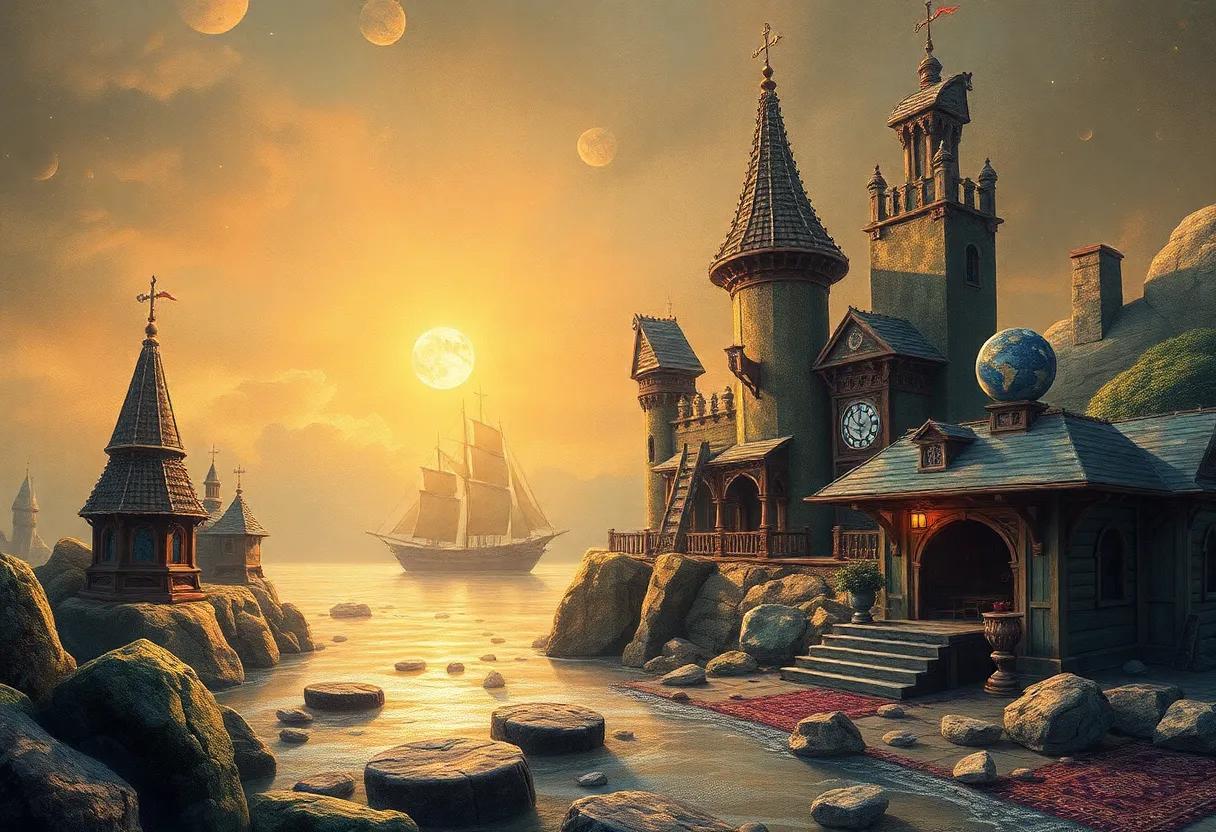
At the heart of the trilogy lies a masterful tapestry where the boundaries between the fictional and the real blur effortlessly. Funke’s worldbuilding thrives on this delicate balance, conjuring vivid landscapes that feel both fantastical and palpable. From the ancient streets of Elinor’s village to the shadowy corridors of the Inkworld, each setting pulses with life thanks to intricate details that invite readers to step beyond mere words. The trilogy’s magic is not just in the stories invoked but in the way thes worlds interact, shaping characters who live simultaneously in two realms-making the impractical seem tangible and inviting the audience to question where stories end and reality begins.
- Interwoven realities: Characters traverse between books and real life, adding layers of complexity.
- Text as a Portal: Writing itself becomes a gateway, embodying the power of imagination and narrative.
- Rich Cultural Influences: Settings incorporate folklore, ancient nuances, and modern elements.
Funke’s attention to detail extends beyond mere geography and into the vrey fabric of her worlds’ societies, traditions, and rules of magic. This dynamic creates an immersive experience where fantastical creatures converse just as naturally as humans, and enchanted objects hold histories waiting to be uncovered. Consider this simple comparison of elements bridging “Inkheart” and our reality:
Best-Selling Books in This Category


| Element | Inkheart’s Version | Real-World Parallel |
|---|---|---|
| Libraries | Mysterious, endless labyrinths | Public and private sanctuaries of knowledge |
| books | Living passages to other realms | vehicles for education and escapism |
| Magic | Fuel for transformation and conflict | Cultural myths influencing human behavior |
Through these interconnected elements, the trilogy does not simply tell a story; it creates a breathing ecosystem in which fantasy mirrors reality in engaging and unexpected ways.
Complex Characters Facing moral Dilemmas That Resonate Beyond the Pages

Within the Inkheart trilogy, characters are thrust into situations that challenge their core beliefs, forcing readers to confront their own ethical boundaries. Mo, Meggie, and Dustfinger aren’t mere heroes or villains-they are beings grappling with decisions that blur the lines between right and wrong. Weather it’s risking the lives of loved ones to protect a greater good or questioning the morality of manipulating stories for power, each moral quandary is painted with shades of gray. This complexity invites audiences to reflect on the consequences of choice and the price of loyalty,echoing dilemmas faced in real life.
To better illustrate the tangled web of decisions these characters face,consider the following overview of key moral conflicts throughout the series:
| Character | Primary Dilemma | Broader Theme |
|---|---|---|
| Mo | Risking family safety to bring stories to life | The power and danger of storytelling |
| Meggie | Choosing whom to save amidst chaos | The burden of responsibility and sacrifice |
| Dustfinger | Allying with enemies for self-preservation | the struggle between self-interest and redemption |
- Emotional authenticity: The characters’ internal conflicts feel genuine and invite empathy.
- Nuanced choices: Rather than clear-cut answers, options carry weighty consequences.
- Universal resonance: The dilemmas transcend the fantasy setting, mirroring real-world ethical struggles.
The Role of Storytelling and Books as Living Entities in Cornelia Funke’s Narrative
In Funke’s narrative universe, books transcend their traditional roles as static vessels of knowledge, emerging instead as vibrant, breathing worlds. The act of storytelling becomes a dynamic force, a portal where boundaries between reality and fiction blur. Characters leap off pages, stories influence real-life events, and the very ink used in the books feels imbued with magic. This interplay highlights the transformative power of tales, showing how narratives can shape identity, memory, and destiny. The trilogy intricately weaves the idea that stories are not merely told but lived, evolving as they interact with their readers and participants.
Embedded in this framework is a deeper commentary on the responsibilities entailed in storytelling. Books,portrayed almost as sentient beings,demand respect and awareness.They possess agency, capable of both wonder and peril, reflecting the complexity of myths and human experiences they encompass. Consider the table below, which encapsulates how different layers of storytelling manifest as living forces throughout the series:
| Story Element | Living Quality | Effect on Reality |
|---|---|---|
| The Inkworld | Physical realm birthed from narration | Characters and events spill into real life |
| Inkheart’s Reading | Summoning and banishing beings | power to alter worlds and fates |
| Books as Relics | Objects with memory and will | Carry histories that influence actions |
- Books as sentient extensions of culture and imagination
- Storytelling as an act that creates, destroys, and reshapes
- Interdependence between reader and narrative life
Exploring Themes of Courage, family, and Identity Through a Magical Lens

At the heart of Cornelia Funke’s Inkheart Trilogy lies a tapestry woven with threads of courage,family bonds,and the ever-evolving quest for identity. Characters are not merely players in a fantasy realm but mirrors reflecting the vulnerabilities and strengths within us all. Mo, Meggie, and their companions traverse dangerous, book-crafted worlds, where bravery is repeatedly tested-not through grand battles alone, but in delicate choices that define who they truly are. The magic serves as both a catalyst and a metaphor, illuminating how facing the unknown within stories can awaken courage in reality.
Moreover, the series probes deeply into the meaning of family, showing it as a mosaic of found and chosen connections, stitched tightly by loyalty and sacrifice. Identity in Inkheart is fluid and layered, blurring lines between reader and character, creator and creation. This fluidity is cleverly underscored through the intermingling of ink and flesh, pages and flesh-and-blood people.The themes can be distilled as follows:
- Courage: Rising beyond fear to protect what’s dear.
- Family: Trust built through shared trials.
- Identity: The shaping force of stories on self-perception.
| Theme | Narrative Element | Symbolic Representation |
|---|---|---|
| Courage | Risking the Unknown | Ink as power summoned from fear |
| Family | Unlikely Alliances | Books as vessels of heritage |
| Identity | Character Transformation | Blurring boundaries between stories and self |
The Impact of Pacing and Suspense on Reader Engagement Across the Trilogy
Throughout the trilogy, Cornelia Funke masterfully manipulates time and tension, weaving a dynamic rhythm that keeps readers hooked page after page. The swift changes from heart-pounding chase scenes to moments of quiet reflection create a heartbeat for the narrative itself, echoing the emotional highs and lows experienced by the characters. This fluidity in pacing ensures that suspense is never static; instead, it ebbs and flows with precision, pulling readers deeper into the layers of the story.Key moments are often framed with sharp, concise chapters that end with tantalizing cliffhangers, subtly urging readers onwards without overwhelming them.
The trilogy’s suspense thrives on balancing revelation and mystery. Details are strategically withheld,generating questions that linger long after a chapter ends. Funke encourages readers to engage actively by dissecting clues, connecting threads, and anticipating outcomes. below is a simple breakdown of how each book escalates suspense and alters pacing to maintain engagement:
| Book | Primary Pacing Style | Suspense Technique | Effect on Reader |
|---|---|---|---|
| Inkheart | Balanced | Gradual revelation | Building curiosity steadily |
| Inkspell | Accelerated | Rapid plot twists | Heightened adrenaline and tension |
| Inkdeath | Intense & layered | Complex moral dilemmas | Deep emotional investment |
- Short chapters that encourage continued reading
- Strategic pauses that allow suspense to simmer
- Intertwined storylines increasing unpredictability
Visual Imagery and Descriptive Language That Bring the Inkheart Universe to Life
Cornelia Funke’s writing is a masterclass in crafting vivid worlds, where every scene pulses with the lifeblood of imagination. Through rich descriptive language, readers are not just observers but become participants in a universe where ink literally spills from pages into reality. From the eerie glow of the shadow forest to the bustling streets of Elinor’s bookshop, each setting is rendered with painstaking detail that ignites the senses. Funke’s prose carefully balances intricate visual cues with emotional undertones, ensuring that nothing feels static or superficial. Instead, landscapes breathe and characters shimmer in the dim light of their existence, making the fictional realms as tangible as the real world.
The trilogy’s power lies in its ability to evoke sensory experiences through language alone. Elements such as:
- Whispering pages that tickle the ear like a secret
- The scent of aged parchment mingling with fresh ink
- Colors described in hues that feel almost tactile
combine to blur the line between text and reality. Below is a table highlighting how Funke’s descriptive techniques create immersive imagery in key scenes:
| Scene | Imagery Technique | Effect |
|---|---|---|
| The Inkheart Library | Layered sensory detail (sound,smell,sight) | Invokes a sanctuary of mystery and wonder |
| Mortal City Streets | Contrast of light and shadow with vivid color | Emphasizes tension and lurking danger |
| The Firelight Campsite | Warm hues and tactile descriptions | Creates intimacy and safety amid chaos |
How Funke Blends Classic fairy Tale Elements With Original Fantasy Concepts
Cornelia Funke masterfully intertwines timeless fairy tale motifs with inventive fantasy elements, crafting a universe where the familiar dances seamlessly with the unexpected. She draws on archetypes such as enchanted forests, mystical creatures, and heroic quests-but reframes them through a lens of originality that challenges conventional storytelling. Characters in her world don’t merely fulfill preset roles; instead, they grapple with complex emotions and moral ambiguities, reflecting a fresh take on classic narratives where the magic is as much internal as it is external.
This blend is further enriched by Funke’s playful manipulation of reality and fiction. Through the Inkheart trilogy’s unique concept where stories leap off the page into the tangible world, she reimagines the power of books and storytelling itself, making it a magical force with tangible consequences. Her melding of these elements can be summarized as:
- Classic motifs revitalized by emotional depth and moral complexity
- Fantasy grounded in the emotional realities of characters
- Meta-narrative approach where the boundary between fiction and reality blurs
| Classic Element | Funke’s Original Twist |
|---|---|
| Fairy Tale Creatures | Complex personalities and backstories |
| Enchanted Objects | Objects that influence reality and fate |
| Hero’s Journey | Blurred lines between hero and anti-hero roles |
Critical Moments That Define Character Growth and Plot twists in the Series
Plot twists in the series frequently arise from moments of trust and betrayal, infusing the story with unpredictable energy. Consider the shifting alliances-characters who once seemed steadfast suddenly reveal hidden motives, while others step into unforeseen roles. These twists are not mere surprises; they underscore the complex interplay between fate and free will,which is central to the trilogy’s thematic core. Below is a breakdown of pivotal moments and their reverberations on character paths and story arcs:
| Critical Moment | Character Affected | Impact on Plot | Character Growth |
|---|---|---|---|
| Meggie reads aloud for the first time | Meggie | Summons Capricorn from the book world | Begins to embrace her power |
| Dustfinger decides to help Meggie | Dustfinger | Introduces tension between loyalty and self-preservation | confronts his own values |
| Rescue attempt in Farid’s backstory | Farid | Unveils hidden dangers in both worlds | Shapes his courage and commitment |
| Revelation of Mo’s past | Mo (Mortimer) | Deepens mystery behind book-world connections | Explores his motivations and regrets |
- Character advancement is inseparable from narrative twists, reinforcing the source of their motivations.
- Unexpected alliances challenge preconceived notions,adding depth to the story’s moral fabric.
- Moments of choice reveal true nature, forcing characters to confront inner fears and desires.
Reader Recommendations Based on Age, Interest, and Familiarity With Fantasy Genres
Older teens and adults with established familiarity in fantasy genres will appreciate Cornelia Funke’s layered narrative and the metafictional play within the trilogy. Those who enjoy books that explore the power of stories themselves, alongside a darker, more intricate plot, will resonate strongly here. Fans of authors like Neil Gaiman or Philip Pullman might find the trilogy a clever complement to their reading lists. Below is a swift guide to reader profiles and how best to approach the series:
| Reader Profile | Recommended Approach | Complementary Reading |
|---|---|---|
| Fantasy Beginners | Focus on the adventure and character relationships | Harry Potter series |
| Intermediate Fans | Pay attention to narrative layers and themes of storytelling | The Graveyard Book by Neil Gaiman |
| Experienced Fantasy Readers | Analyze metafictional elements and darker motifs | His Dark Materials by Philip Pullman |
Comparing Inkheart’s Appeal to Other Contemporary Young adult Fantasy Series

While many contemporary young adult fantasy series lean heavily into sprawling world-building or intricate magic systems, Inkheart sets itself apart through its meta-narrative-where stories literally leap off the page into reality.This unique fusion not only invites readers to consider the power of storytelling itself but also creates a more intimate connection between the characters and the act of reading. unlike some high-fantasy companions that may prioritize epic battles or political intrigue, Funke’s trilogy thrives on the emotional resonance of books and the transformational magic of imagination. This distinct appeal frequently enough captivates readers who crave thoughtful exploration within fantastical realms.
To illustrate the distinctions more clearly, here’s a simple comparison of key elements among Inkheart and a few popular YA fantasy series:
| Series | Core Appeal | Protagonist’s Journey | World-Building Focus |
|---|---|---|---|
| inkheart | Power of Reading & Storytelling | Blurring Fiction and Reality | Interwoven with Real World & Storybook |
| Harry Potter | Magic & Coming of Age | Growth in a Magical School | Hidden Magical World |
| The Hunger Games | Dystopian Survival and Rebellion | Resistance Against Oppression | Future Totalitarian Society |
| Shadow and Bone | Dark Magic & Political Intrigue | Discovery of Unique Powers | Distinct Fantasy Kingdoms |
Moreover, the characters in Inkheart often resonate with readers who appreciate the complexity of relationships shaped by both the mundane and magical. Unlike some series that rely on clear-cut heroism, Funke explores shades of morality and the emotional consequences of the fantastical crossing into the ordinary world. This blend enriches the story’s texture and heightens its relatability, providing a refreshing counterpoint to the sometimes rigid tropes of the genre.
The Trilogy’s Unique Contribution to Modern Fantasy Literature and Book Lovers’ culture

- Empowerment of the reader: Encouraging readers to imagine the power of stories beyond their covers.
- Party of literacy: Portraying books as living entities that shape existence.
- Evolution of fantasy tropes: Integrating enchanted narratives that reflect modern-day relationships with technology and media.
The trilogy’s influence ripples not only through literary circles but also within the culture of book lovers worldwide. Through its compelling themes and characters, it sparks conversations about the role of stories in shaping identity and community. In book clubs, fan conventions, and social media discussions, readers often find themselves reflecting on how the trilogy mirrors their own experiences of escapism and belonging.This unique engagement creates a shared cultural fabric,weaving together readers of all ages in a dynamic dialog about the very essence of storytelling.
| Aspect | Impact | Book lovers’ Reflection |
|---|---|---|
| Interactive Storytelling | Transforms readers into characters | Feelings of personal connection |
| Literary Magic | Books as agents of change | Revived passion for physical books |
| Community engagement | Inspires collective storytelling experiences | Stronger bonds in fan communities |
An Insight Into Cornelia Funke’s Life, Inspirations, and Literary Legacy

Funke’s impact on modern fantasy literature is undeniable, particularly through her groundbreaking Inkheart Trilogy, which blurs the boundaries between fiction and reality. With characters who can leap off pages and a narrative that breathes life into books themselves,her work invites readers to reflect on the power of stories in shaping identity and reality.
- Creative influences: German folklore,classical literature,and visual arts
- signature themes: the interplay of imagination and reality
- Legacy: Revitalizing young adult fantasy with emotional depth
| Year | Milestone |
|---|---|
| 2003 | Publication of Inkheart |
| 2008 | Film adaptation released |
| 2009 | Released Inkspell,sequel |
| 2011 | Completed trilogy with Inkdeath |
serves as a thoughtful bridge between the realms of imagination and the tangible world. It invites readers not only to revisit a beloved series with fresh eyes but also to reflect on the power stories hold to shape our own realities. Whether you are a longtime fan of Funke’s work or a newcomer curious about this literary tapestry, this exploration offers an engaging lens through which to appreciate the magic woven between ink and life.