
When I frist opened Benedict Wells’s Vom Ende der Einsamkeit, I expected a quietly sad story — and found myself reading late into the night, pausing more than once to chew on a line or a memory it had stirred. The book felt like a conversation with an old acquaintance: familiar in tone but with details that kept catching me off guard.If you’ve ever picked up a book as a friend swore it stuck with them, you’ll know the mix of curiosity and skepticism I brought to these pages. In the short review that follows I’ll note what worked for me as a reader and what moments lingered after I closed the cover.
A small town of empty rooms and echoing laughter captured in gentle prose
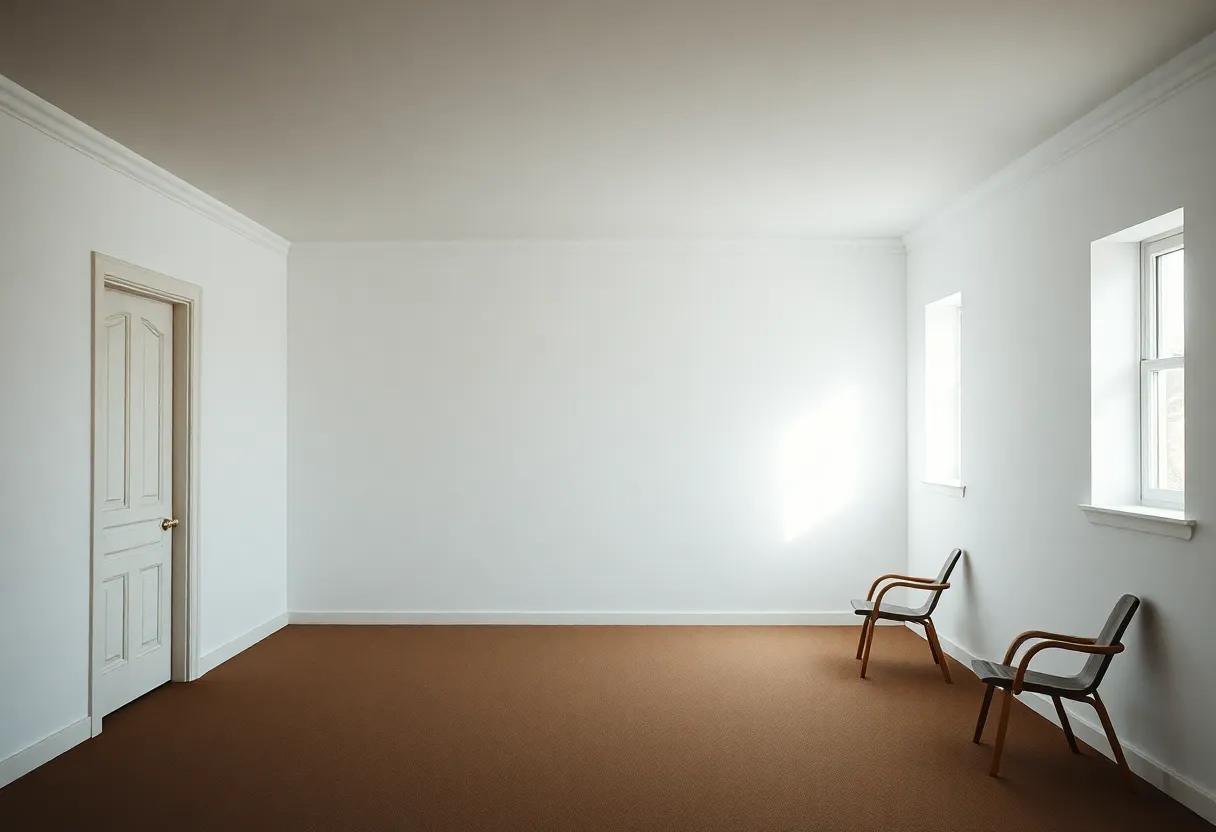
Reading those passages felt like walking through a town after everyone has left for the day — rooms with curtains half-drawn, the faint smell of coffee that lingers on the table, laughter that seems to come from the other side of a closed door. Wells has a way of describing domestic emptiness so that it becomes luminous rather than merely bleak: the silence holds memory like a cup holds light. Scenes that might have been merely background in another book become intimate stages here, small domestic details stretched until they sound like confessions. The prose is patient and unflashy, which made me lean in; sometimes the calmness borders on melancholy so complete it’s almost a relief.
On the flip side, that same patience occasionally slowed things to a crawl — a few chapters lingered in one room a beat too long for my taste. Still, those long pauses are also what made certain images stick with me. I kept returning in my head to a handful of simple moments that felt true:
Best-Selling Books in This Category


- Haig, Matt (Author)
- a hallway where a child’s laugh keeps bouncing back
- an empty chair that somehow holds a person’s absence like a presence
- a late afternoon when even the air seems to remember a conversation
They’re small instants, but Wells treats them with a tenderness that makes the town feel alive even when it’s quite.
Three siblings carrying the weight of past summers through quiet streets
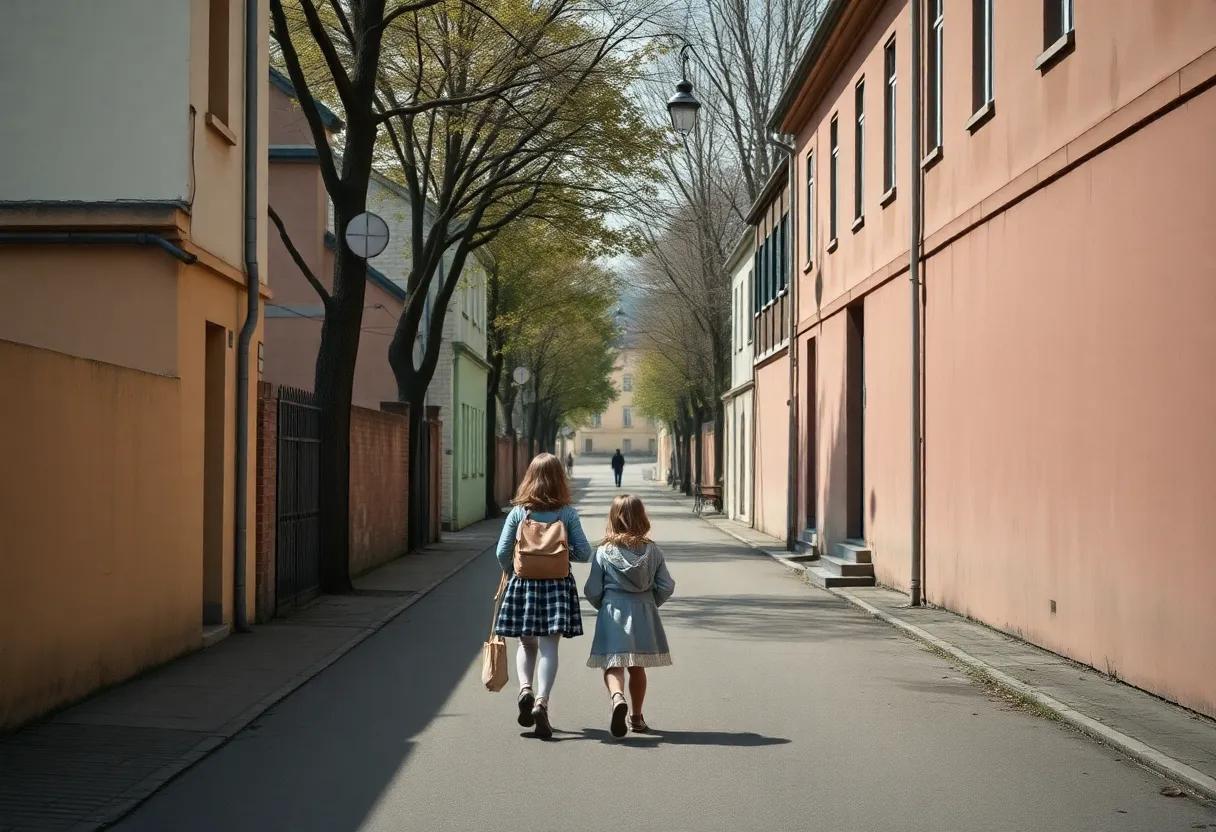
Reading the sections where the three siblings move through quiet streets felt like following someone trailing a familiar scent—both comforting and a little painful. Their conversations are often less about words and more about what they don’t say: a pause at a corner, a look that remembers a particular summer, a bicycle left against a wall. I found myself lingering on those silences; they made the present feel dense with what had happened before. At times the melancholy sits so heavily that the pace slows almost to a stop, but I didn’t mind—the weight felt honest.
The book keeps returning to small, domestic details that hold whole memories, and as a reader I kept looking back to them the way the characters do.Little images stayed with me:
- an empty ice-cream cone melting on a bench
- the echo of footsteps down an alley at dusk
- a photograph tucked between pages of a forgotten book
Those details make the siblings’ shared history palpable, and they made me appreciate how fragile consolation can be—soft, awkward, and unexpectedly fierce when it arrives.
Grief made visible in everyday details like a torn photograph on a table
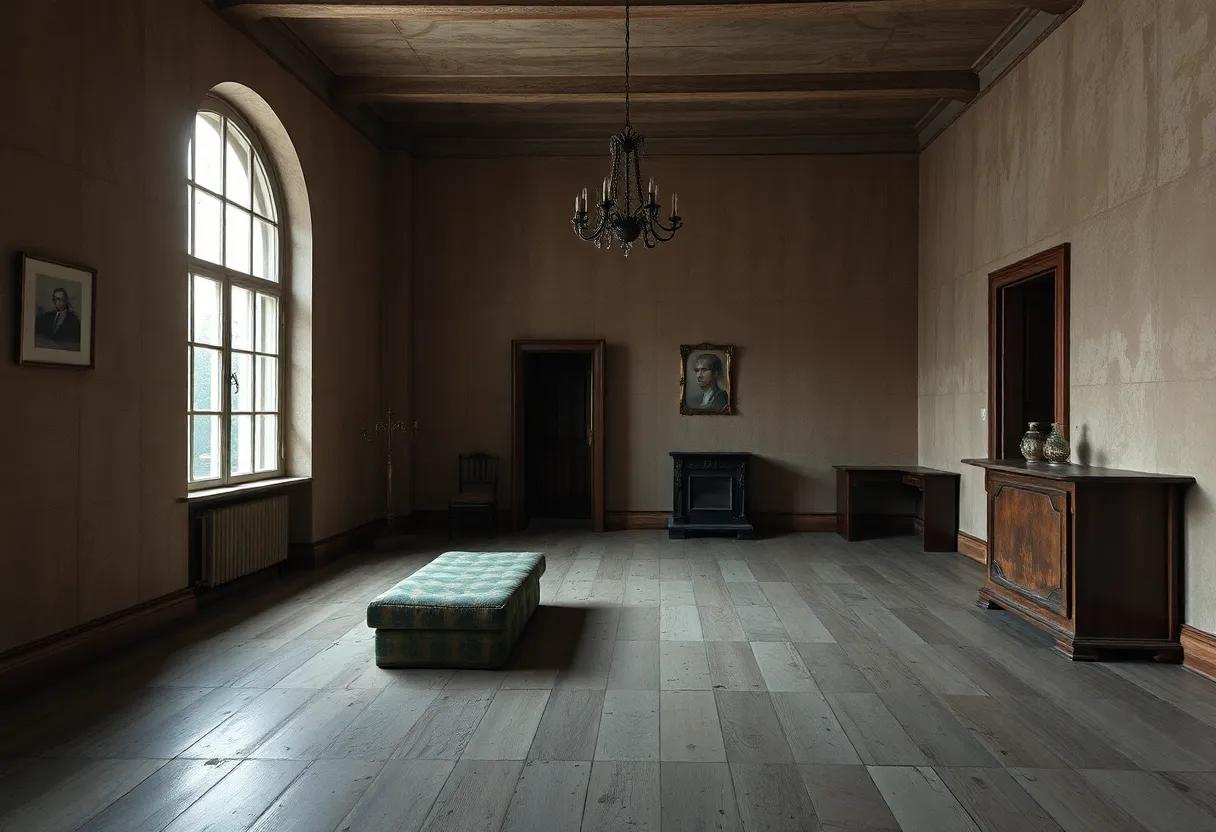
The book has a habit of turning grief into the kind of small, domestic evidence you can almost touch — a torn photograph on a table, a coffee ring that will never be wiped away, a child’s shoe tucked at the back of a closet. Those details don’t announce themselves as symbols; they sit there like ordinary failures of a household to move on, and that makes them painfully convincing. I found myself picturing rooms rather than scenes, and the way the ordinary clutter becomes a ledger of loss stayed with me longer than any big confession or speech in the text.
Reading felt like walking through someone else’s apartment and naming what the absence looks like:
- a photo split in two
- a jacket left on the banister
- a song stopped mid-phrase on a dusty piano
Sometimes the attention to these things slows the pace — Wells can linger so lovingly on one object that you notice the author as much as the character — but mostly that purposeful focus is the book’s strength. It makes sorrow concrete and private simultaneously occurring, and I kept catching myself staring at ordinary objects in my own room, surprised by how much they can hold.
The slow passing of time shown through seasons roads and fading portraits
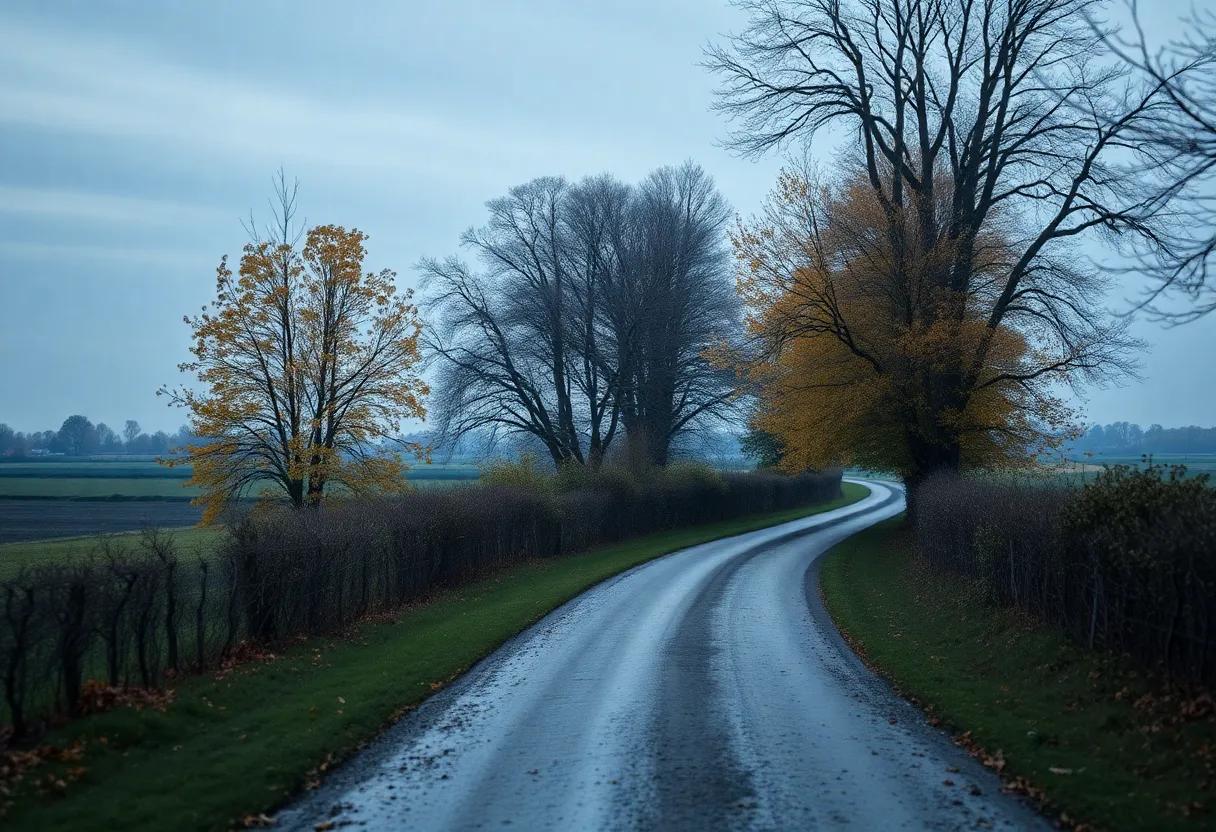
Reading Felt like watching seasons turn through a long, slow lens. Winters here hang on longer than you’d expect, springs arrive like tentative promises, and roads appear again and again as the book’s quiet spine — stretches of asphalt where conversations pause and memories catch up. Small details — the way light hits a rear-view mirror,the smell of damp leaves on a country lane — mark the passing of days more reliably than calendars. Those repeated images made me feel time as an almost physical presence: patient, indifferent, and sometimes tender. Time isn’t rushed; it settles.
The portraits that fade in drawers and on walls do more than mourn loss; they show how peopel blur into the margins of our lives. Faces become softer around the edges, names wobble, and a laugh remembered once becomes a whisper later on. Occasionally the text lingered so long on a single season or journey that I wanted a quicker return to the main thread, but more often that lingering is what gave the book it’s warmth — a slow giving over to memory. I kept picturing an old photograph yellowed at the corners, a winter road that never seems to end, and an empty room where a painting’s colors have gone quiet; those images stayed with me after the last page.
Beneath the melancholy a warm humor peeks through dinner tables and trains

Reading felt like sitting across from the family at one of those cramped dinner tables Benedict Wells describes: plates pushed close, conversation ricocheting between grief and ordinary observation. The sadness of the story is never total — it’s pierced by small, almost offhand moments of comedy: a sibling’s deadpan remark about a ruined roast, the absurdity of trying to look composed while your life is falling apart. In train compartments the same thing happens. Motion and closeness bring out jokes that are equal parts defense and affection. Those scenes made me laugh in a way that felt honest,the kind of laugh that comes when you recognize the human impulse to be ridiculous even in hard times.
That warmth doesn’t erase the book’s melancholy, but it softens it, gives the characters texture beyond sorrow. Sometimes the balance tips—there are stretches where the sadness grows heavy and a joke can feel like a forced lightness—but mostly the humor is organic, a quiet counterweight. Small details stuck with me: the way a shared look says more than an explanation, how a clumsy attempt at levity can deepen care. If I have a nitpick, it’s that a few episodes lingered too long on sentiment, yet even those moments were redeemed by an unexpectedly tender laugh at the table or a joke muttered between stations.
How memory becomes a character moving through rooms photographs and songs
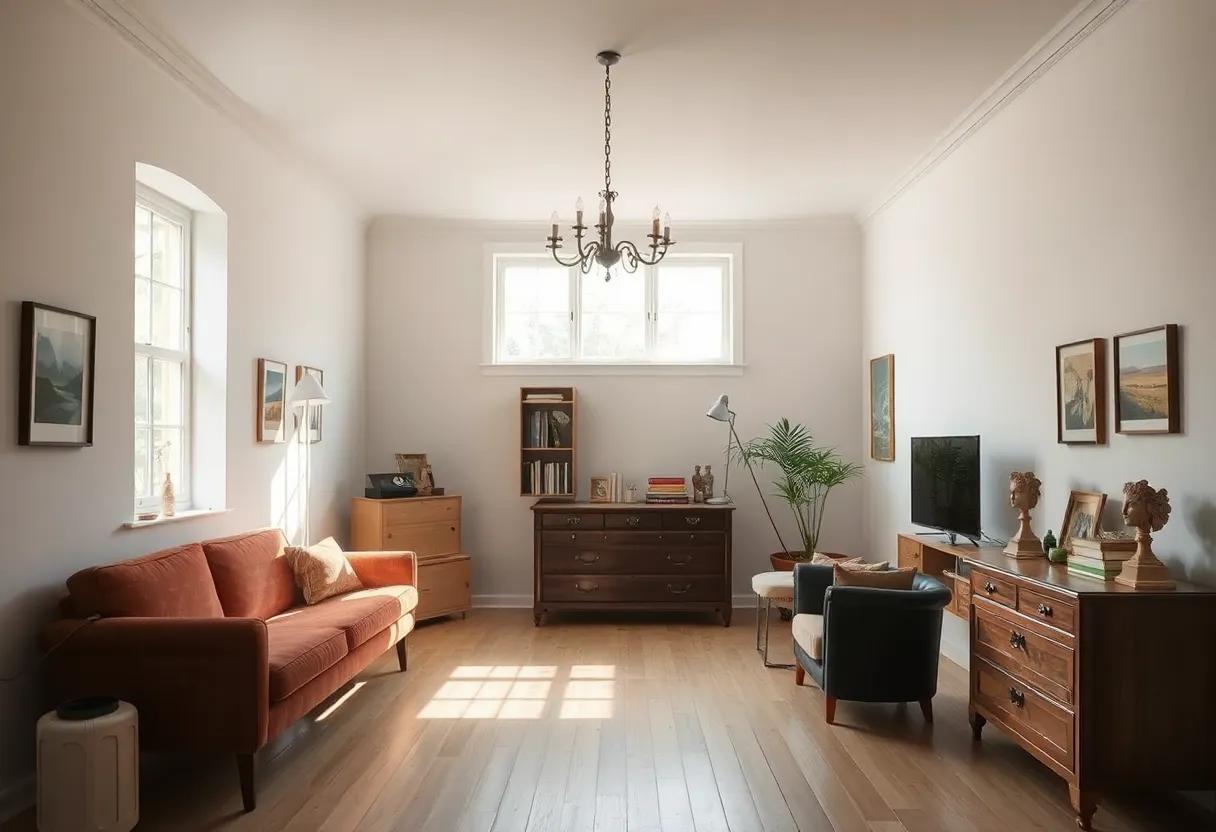
I kept thinking of memory as a character that roams the house of the book, pausing in doorways, tugging at curtains, sitting down on the sofa to remember how it felt to be young or frightened or in love. Reading it felt like trailing someone through rooms that are both familiar and slightly off: the furniture is right where you expect it, but the light has a different color and a smell lingers that you can’t place. At times the wandering is beautifully exact — a single object will yank an entire passage back into the present — and at other moments it lingers so long in one place that the pace slows,which can be lovely or a little indulgent depending on your mood.
Photographs and songs act like keys in that house: a snapshot spins the doorknob, a melody slides open a closet, and suddenly a whole scene floods back. I found myself marking pages where a song repeats or a photograph shows up again; those repetitions make memory feel alive and purposeful rather than random. The effect often made me reach for my own drawers of small things — a postcard, a childhood ringtone — and the book worked like a gentle prod.A few transitions felt abrupt, but mostly the movement from room to room felt intimate and honest, the kind of remembering that arrives in fragments and keeps you listening.
- attic of loss
- kitchen of small domestic joys
- hallway of choices not taken
The voice of the narrator gentle and weary like a late evening conversation

Reading the book felt like someone sitting across from me at the end of a long day, speaking in a voice that was gentle and a little worn. The narrator leans into quiet confidences, the kind of sentences that slow down the room — small admissions, soft ironies, the kind of memory that arrives in fragments rather than announcements. I found myself lowering my own voice to match his, willing to linger on a sentence because it sounded like someone telling a story they’ve already lived through and are careful not to disturb.
that weary intimacy is the book’s greatest strength and, on occasion, its small weakness. When the rhythm stretches into long, reflective passages I sometimes wanted a quicker beat, but those pauses are also where the book’s tenderness lives. The voice gives weight to ordinary things and makes loss feel personal rather than grandiose. A few things that stayed with me:
- soft, rueful humor that undercuts sorrow
- details that feel like they were whispered rather than declared
- a patience with memory that can slow the plot but deepens feeling
Scenes that taste of rain coffee and old postcards laid out on a table

Reading those passages felt like sitting at a kitchen table where someone left a cup half-drunk and a stack of postcards from other lives — the air humid with rain, the coffee gone cool. The moments that lingered for me weren’t loud plot points but tiny, tactile details: a bent stamp, a cigarette ash trembling on porcelain, the odd smell that makes a memory return. They give the book a tactile loneliness, the kind you can almost taste, and made me slow down to listen to the small sounds of people trying to hold themselves together.
Sometimes the attention to detail made the pace feel deliberately slow — there were stretches where I wanted to hurry on, yet those same stretches are where the book’s warmth and ache live. I caught myself returning to single scenes again in my mind, like rerunning a favorite record: simple, precise, and quietly stubborn. Even when the narrative stalls, the scenes stick, and I kept thinking about how objects — postcards, a chipped mug, rain against a window — carry the weight of what words sometimes can’t say.
benedict Wells the quiet storyteller behind these rooms and fragile memories
Reading this felt less like following a plot and more like moving from one small room to the next, each described with that same attentive, quiet hand. Wells notices the way light slants across a table,the exact clink of a cup,the half-forgotten photograph on a shelf — details that seem incidental until they become the book’s real story. Those domestic, brittle images make memory itself feel fragile and alive; you leave a scene thinking of something tiny you almost missed.
What stayed with me most were the small, precise moments rather than a tidy resolution. I found myself returning to:
- a single sentence that made a late-night loneliness feel enormous
- a domestic object that carried a whole past
- the way silences between people said more than their words
Sometimes the middle chapters drag and a few repetitions felt deliberate to the point of weight, but that slow, careful pace also lets the emotional beats land harder. In the end the book settled on me like a memory you can’t quite place, and I kept thinking about the rooms long after I closed it.
What Lingers After Reading
Wells’s language settles like dust in a sunbeam—quiet, exact, and oddly luminous. The feeling that remains is a blend of tenderness and small, persistent grief; it doesn’t explain itself, it simply hums.
Characters become impressionistic memories rather than resolved figures, turning up unexpectedly in minutes between errands or in the phrasing of a sentence. The book asks you to hold ambivalence and warmth at once, to tolerate unanswered questions.
After putting the pages down, you may notice ordinary scenes refracting differently: a photograph, a walk, a casual remark taking on weight. That lingering sense—less an answer than an invitation to pay closer attention—stays with you.