
I picked up Papillon on a weeknight and, within a few chapters, realized I was reading faster than I wanted to admit. The prose hits with a blunt,restless energy that kept me turning pages and pausing at the same time—pausing to catch my breath,and to decide how I felt about some of what I’d just read.
In the paragraphs that follow I’ll jot down which parts of that ride felt honest and hard-earned, and which felt like too much spectacle. If you’ve ever stayed up late with a book that leaves you unsettled but unable to close it, you’ll know the mix I’m talking about.
Sweat and dust in the penal colony courtyard where hope and danger mix
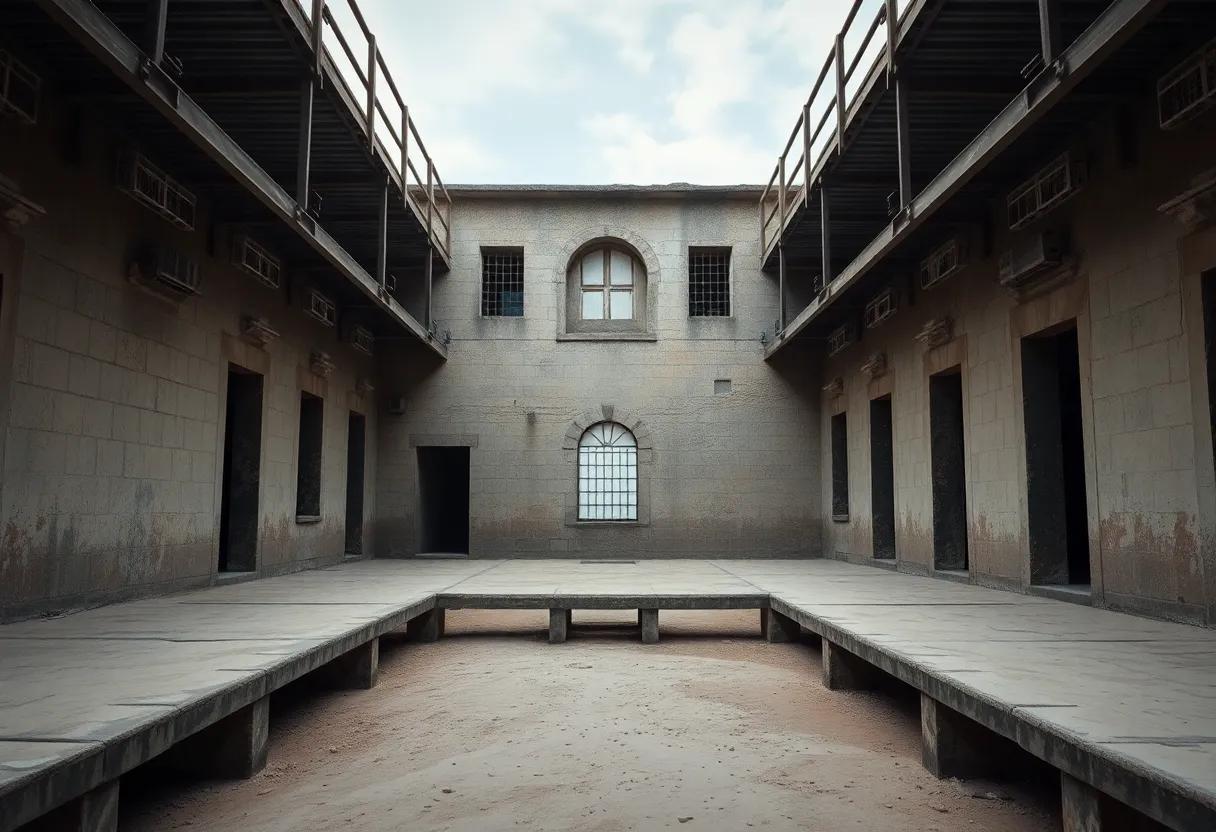
Reading the courtyard scenes felt like standing at the edge of an oven — the heat presses down,dust swirls in every step,and people move with the tired choreography of those who have learned to measure danger by habit. I kept thinking about how the smallest gestures carried weight: a shared scrap of food, a furtive look toward the perimeter, a laugh that tried to pretend there wasn’t a knife-edge beneath it. There’s a constant tug between hope and danger here; hope shows up in the way characters scheme, tell stories, or hold a memory of the outside world, while danger is never far, in the guards’ boots, the sudden fights, and the ever-present threat of being sent further into isolation. the scenes are raw enough that I could almost feel the grit under my nails and the sting of the sun on my neck.
Best-Selling Books in This Category



What stayed with me longest were the sensory details — the clank of tools, the sting of sweat, the way dust settled over soft moments until they looked like relics. Sometimes the narrative lingers a little too long in the day-to-day and I found myself wanting the momentum to snap back faster, but those stretches also let small acts of courage land harder when they came. A few images I kept returning to:
- the rhythmic tramp of work parties
- a whispered plan passed between two inmates
- a momentary kindness that felt nearly reckless
together they make the courtyard feel like a crucible — not just a place of punishment, but the unlikely forge of stubborn dreams and risky hope.
Late night whispers between cell bars that sketch plans and broken friendships

reading those scenes felt like standing just outside a cell at midnight, listening to low voices that could be either prayer or plotting. The hush, the cigarette glow, the tap of a spoon against tin—everything becomes a language of escape. I found myself leaning into the intimacy of those whispered plans: the way Henri and his companions trade small confidences, sketch routes on the back of a postcard, or barter a favor for a nail file. There’s a tenderness to it too, an oddly sweet dependence; when Papillon and Dega huddle together you can almost feel the fragile scaffolding of trust holding up their unfeasible hopes.
But those same whispers turn brittle as schemes unravel.Plans that start as conspiratorial jokes harden into tests of loyalty, and the book doesn’t spare the sting when friendship cracks under pressure.Some alliances last only until hunger or fear takes over, and reading those betrayals was as painful as it was believable. Occasionally the repetition of escape attempts dulled the shock a bit, but in a weird way that repetition mirrors the men’s obsession—one more plan, one more dawn. I closed the book thinking about how close company in a locked place can be both a salvation and a wound, and how those late-night voices linger long after the pages are shut.
Rough handed work under a blazing sun that tests bodies and spirits alike
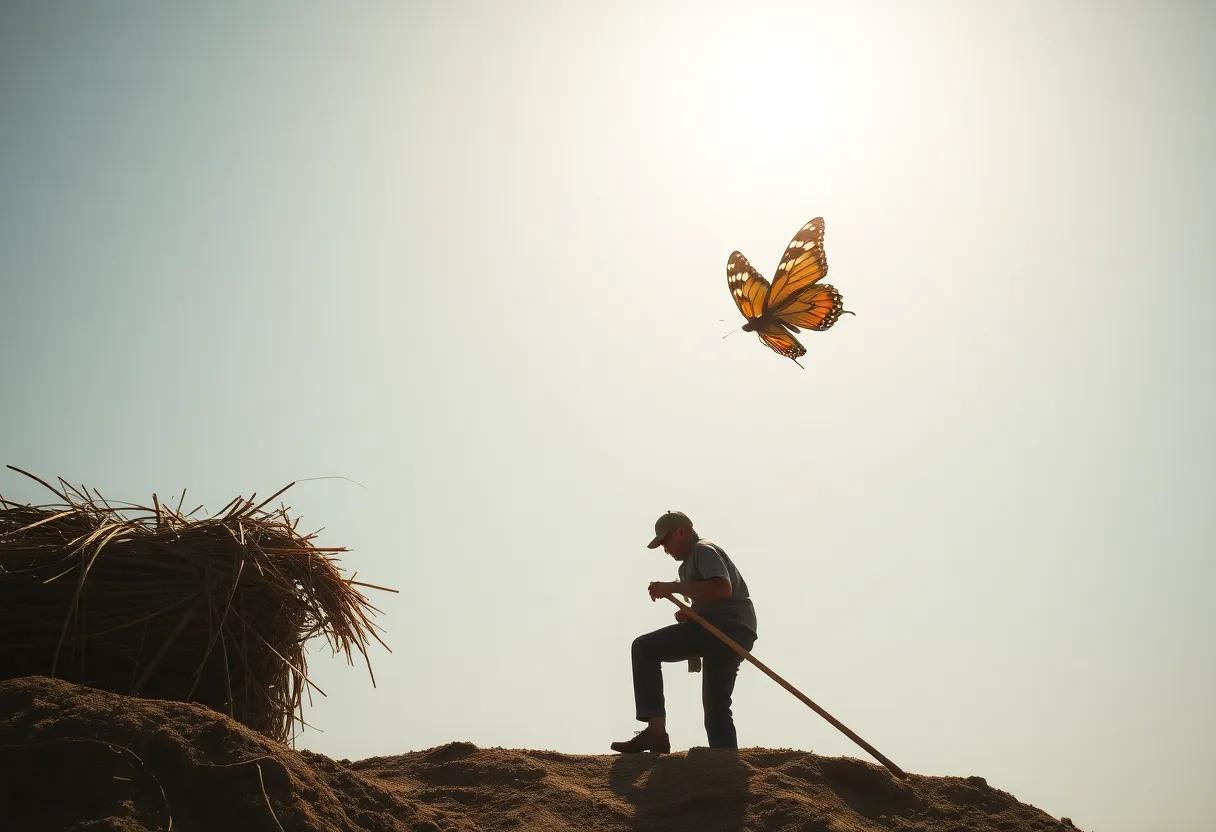
those chapters make the work feel like a character in its own right: relentless, coarse and honest. I could almost taste the dust and feel the sun searing the back of a neck as men swung picks and dragged stones until their arms were raw. The descriptions are simple, almost brutal in their economy — no flourish, just the repetitive clank of tools, the smell of sweat, the stubbornness of hands turning into somthing calloused and practical. Reading it, I kept picturing small, intimate details — ripped nails, sunburned forearms, the quiet exchange of water bottles — moments that made the labor more than punishment and more than mere background noise.
What surprised me was how those scenes test not just flesh but will. Under that harsh light you see pride, stubbornness, and tiny acts of defiance: a joke told to break a rhythm, a furtive carving on a splintered bench, a friendship that refuses to be erased. At times the repetition drags the pace and some passages felt overly granular, but the overall effect is to make endurance tangible; you come away respecting the men’s resourcefulness even when the book’s bluntness left me wanting a little more reflection. Still, those rough-handed hours under the sun are what linger longest — they explain why escape is more than physical freedom, it’s a reclamation of self.
Detailed escape plans sketched on scrap paper with trembling hands and faith
I kept picturing the little pieces of scrap paper — cigarette wrappers, torn menus, the back of a letter — scrawled with routes and knots and timings, the handwriting jerky from hunger and sleeplessness.Those sketches read like confessions: pragmatic, obsessive, sometimes wildly inventive, and always made with trembling hands. reading them felt oddly intimate, as if I were sharing a secret with someone who refused to be reduced to a number. At times the same sorts of plans repeat, and the repetition can slow the book’s pace, but even the repetitiveness becomes part of the rhythm of survival; the small, precise details are what keep the narrative grounded and believable.
The plans are less engineering diagrams than acts of stubborn hope — maps of escape and fragments of faith stitched together with whatever wire or courage the men could find. I found myself rooting for each clever, half-baked idea, even when it bordered on the improbable; those moments of doubt only made the successes feel harder-won.The sketches capture not just logistics but companionship and risk, and they turned every attempted escape into a tiny, sacred rebellion I couldn’t help but admire.
nighttime jungle runs and rocky cliff jumps that make breath catch and palms sweat
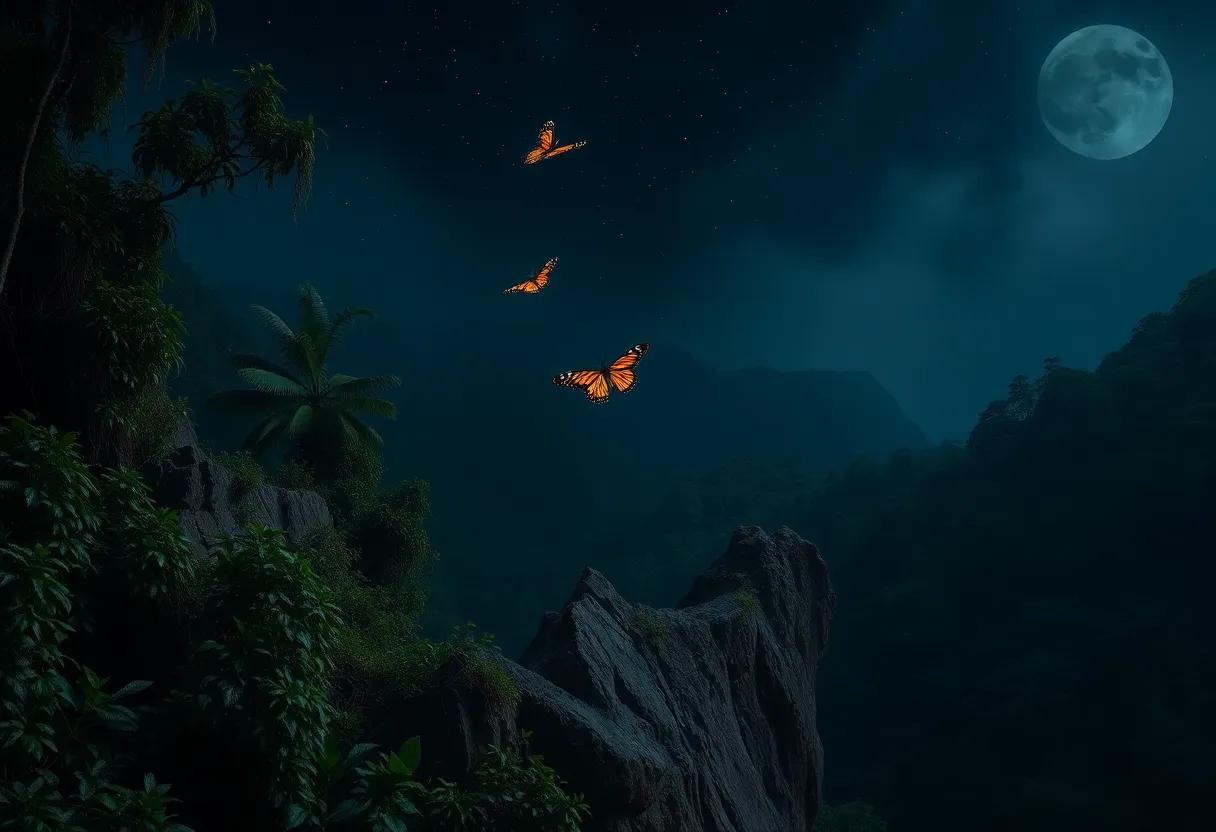
Those night chases through the jungle had me reading with my mouth half-open — not polite suspense,but the kind that makes your breathing sync with the runner on the page. Charrière’s descriptions are tactile: the heavy, wet air clings to skin, leaves slap your face, unseen things rustle just beyond the lamplight. I could feel the strain in the legs, the sting of insects, and the keen edge of panic that edges very quickly into a stubborn, almost reckless hope. At times the prose gets gritty to the point of exhaustion,but that grit is what makes those scenes feel alive — I was there,stumbling in the dark,counting steps like a man with no place to hide.
The cliff jumps did the rest: sudden, stark moments where choice narrows to a single, heartbeat-long decision. Reading about a man hurling himself off slick rock and into unknown surf made my palms sweat in sympathy; I flinched more than once. There are moments when the action repeats and the pacing drags, yet even then the physical risk never feels manufactured — it reads like obsession turned survival. I finished those pages with a strange mix of admiration and unease, impressed by the courage on display yet aware of the cost it demanded.
Solitary nights at sea with a tiny boat under a sky full of indifferent stars

those nights when papillon drifts in a tiny boat beneath an indifferent scatter of stars stayed with me long after I closed the book. The sea becomes a whole personality — sometimes a lullaby, sometimes a threat — and I felt both suffocated by the boat’s smallness and oddly free in the vastness. The text lets you hear the scrape of rope,taste the salt,and count the hours between dawns; it’s intimate and raw in a way that made me worry for him like someone I actually knew. Alone is the right word: not heroic solitude, but the stubborn, aching solitude of someone who has to keep moving just to survive.
What surprised me was how those lonely passages reveal more than physical endurance; they show stubbornness turning into a kind of stubborn poetry. Sometimes the details read like a tall tale and I wondered which parts were polished for effect, and pacing can sag in places where the sea stretches too long, but the emotional truth never felt fake. By the time the sky lightens again you understand why escape becomes both obsession and salvation for him — messy, dangerous, and oddly human. It’s a scene that lingers, not as it’s tidy, but because it feels lived-in and unbearably real.
The blur between truth and tall tale as memories tilt and stories grow sharper

Reading Papillon felt a bit like sitting beside someone who keeps leaning closer to whisper the same story, each time with a brighter glint in his eye. The small, concrete details — the rust on a gate, the ache in a leg after a long run, the way bread tastes after days of hunger — ring with authenticity, while entire episodes explode into near-mythic spectacle. That tilt between private memory and public performance made me wonder where fact ends and flourish begins, but it didn’t pull me out of the book. If anything, the occasional bragging or repetitive escape sequences only reinforced the narrator’s need to be believed; the emotional truth of survival, humiliation, and stubborn hope comes through even when the timeline or logistics wobble.
The result is a book that feels both lived-in and staged: characters take on the heft of legends without losing their human cracks. I found myself happily wavering between skepticism and surrender, enjoying the push and pull. Some moments demanded belief, others invited a raised eyebrow — and that mix became part of the pleasure. A few standout impressions that stayed with me:
- the grinding monotony of prison life,which reads as painfully real;
- the cinematic,almost too-perfect escapes that test credibility;
- and the fragile,stubborn friendships that feel undeniably true.
Accepting Papillon as a hybrid — part memory, part tall tale — made it richer, not lesser.
Moments of quiet humanity in small gestures shared over stolen food and light

I kept returning in my mind to the tiny, furtive exchanges more than to the escapes themselves: a crust torn in half and handed across a cell, a match cupped against the wind so two faces could meet for a beat, someone whispering a joke to make a frightened man breathe easier. Those moments felt like the book’s soft center — small mercies that reveal who these people are when the machinery of prison strips them down. they don’t rewrite the harshness, they puncture it, and suddenly what matters is the look shared over stolen food as much as the planning of a breakout.
They read to me like quiet acts of defiance, gestures that insist on dignity when everything else demands obedience. Sometimes Charrière moves so quickly from one adventure to the next that these human scenes flicker by, almost too brief to savor, but they stick: I remember the warmth of a hand, the hush of conspiratorial laughter. Little things that kept hope alive, such as
- passing a cigarette like an offering
- slicing a bit of bread to keep someone’s strength
- sharing a single match to see each other’s faces
They’re small, imperfect, and endlessly human — and for me they were the parts that made the brutality bearable on the page.
How the writing voice pulls you through danger with blunt sentences and vivid scenes

the prose hits like a rub of sand — spare, unadorned, and oddly intimate. I found myself moving faster through pages as the sentences are so blunt they leave no room for theorizing: a cell described in a line, a river crossing caught in a few sharp words, and suddenly you’re halfway across a fence with the narrator. That plainspoken rhythm made danger feel immediate rather than dramatic; I was less entertained and more held at the collar, breathing along with every near-miss.
What keeps you glued are the tiny, vivid details — the smell of salt on skin, the useless jangle of a key, the way light falls in a pit — which act like handholds when the story scrambles over obstacles. Those images do most of the heavy lifting, giving you:
- a constant sense of motion,
- a clear, empathetic view of the man behind the legend,
- a memory of scenes that linger after the book is closed.
Sometimes the book lingers too long on anecdotes that slow the pulse, and a few repetitions rob moments of their sting, but even when it drifts the voice drags you back into the fight with a simple, unforgiving honesty.
Henri Charrière as a weathered storyteller who lived danger and shaped a famous legend

Reading Papillon felt like sitting across from a weathered storyteller who has lived danger as a daily habit. Henri Charrière’s voice is roughened by hardship but remarkably alive: he slips in a joke one moment and gives a blunt account of cruelty the next, so that the horrors feel immediate without ever losing his personal spark. I found myself suspended between admiration and doubt — he clearly shapes his story for effect, but those very flourishes are part of the book’s power; whether every detail is strictly true matters less than the way his presence animates every escape, betrayal, and fleeting camaraderie.
He did more than tell a life; he forged a legend. The memoir builds a persona of stubborn courage and stubborn mischief,a man who refuses to be small even when chained. At times the escape episodes loop in similar beats and the pace can stall, but the repetition becomes almost ritual, reinforcing who he is.What stayed with me most were a few simple, repeated qualities that make Charrière unforgettable:
- Voice — candid, salty, survival-first
- Scars — physical and moral, visible in his anecdotes
- Refusal — a talent for getting back up, literally and narratively
I closed the book feeling both skeptical of some claims and oddly charmed by the man who, in telling his tale, made myth out of endurance.
As the final pages fall into place, the reader emerges from papillon with the dust of penal colonies still clinging to their boots — a book that traces escape routes not only across islands and barbed wire but through the tangle of human stubbornness and compromise. The narrative pushes and pulls like a tide, carrying moments of fierce, small triumph alongside episodes that bruise the spirit; it leaves a residue of questions about truth, authorship, and the costs of freedom that linger long after the last sentence.
This review has walked that line between admiration for grit and a clear-eyed reading of the book’s flaws, but ultimately papillon’s strength is in its ability to make you feel the weight of a life spent trying to outrun a past.If your curiosity is drawn to endurance tales that refuse easy answers, this journey is worth taking — not as a comfortable escape, but as a stubborn, unsettling companion on the road to whatever freedom one can claim.







