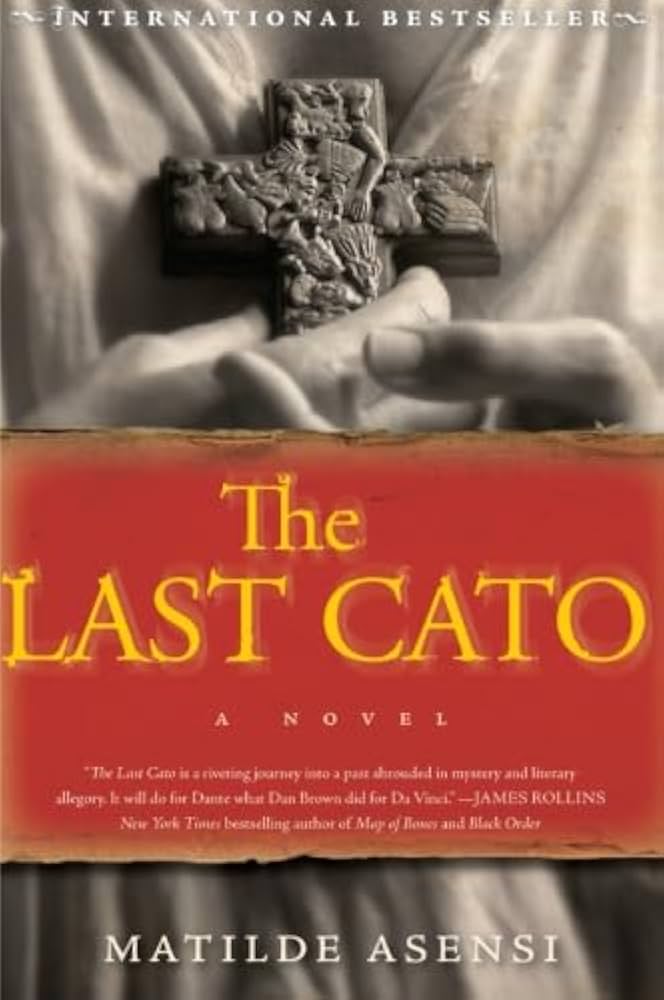
When I picked up Matilde Asensi’s The Last Cato on a slow afternoon, I expected a pleasant past thriller to pass the time. A few chapters in I was still reading, jotting down names and moments that surprised me — my frist impression was that Asensi knows how to make history feel immediate without slowing the story.
If you’ve ever enjoyed a book that makes you pause to rethink an earlier clue or go back a page to see what you missed, you’ll understand why this one kept me engaged. In the paragraphs that follow I’ll say what resonated with me, what felt uneven, and why the book stayed with me after I finished it.
First steps into the puzzle of The Last Cato with crumbling monasteries and burned maps
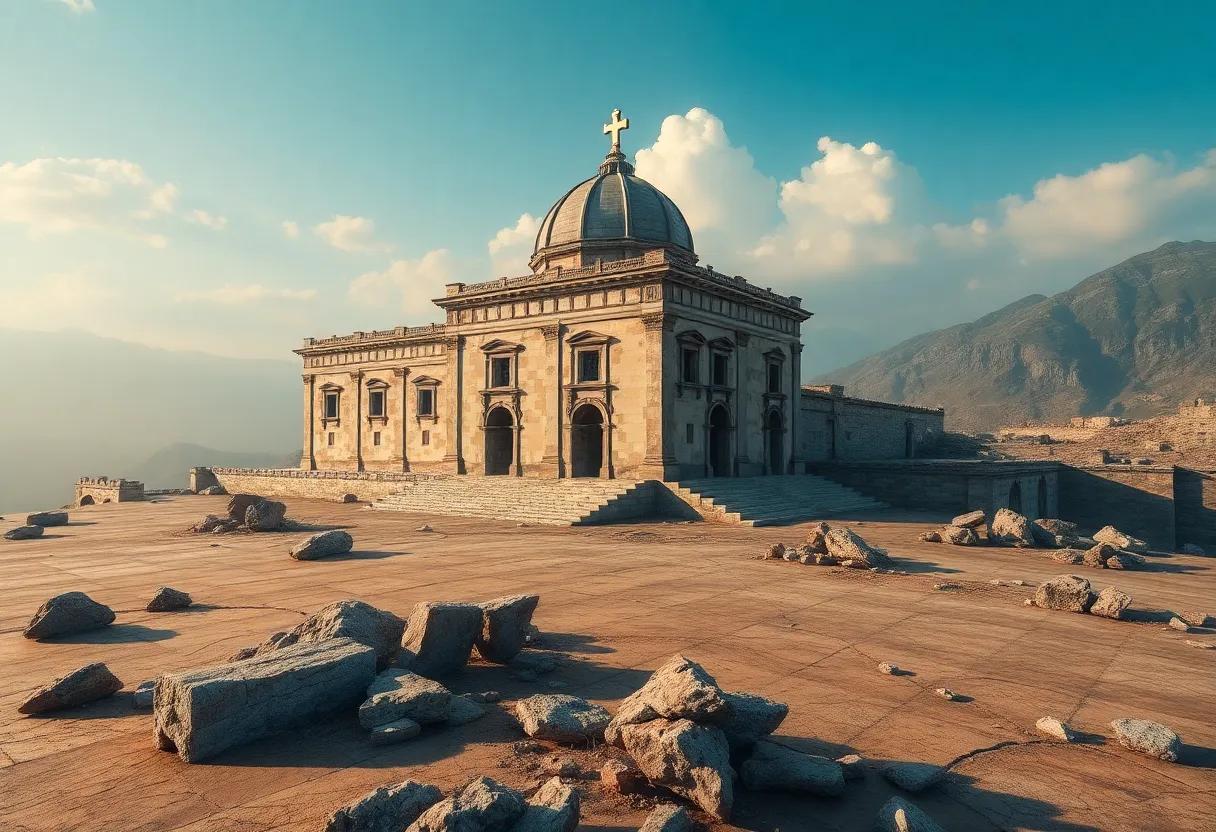
opening the book felt like stepping into a church left to time: corridors of stone, the quite rattle of loose tiles, and the sudden heat of ash where history has been erased. The scenes with crumbling monasteries and burned maps are promptly tactile — you can almost smell the smoke and dust — and they set up a puzzle that is as much about loss as it is about finding. I liked how small details — a singed margin, a half-faded symbol — act like footprints you want to follow, and those moments kept me turning pages even when the research-heavy stretches made the tempo dip a little.
Best-Selling Books in This Category


- Amazon Kindle Edition

there’s a steady sense of urgency underlying the curiosity: you expect answers, but the book teases them out in fragments. If I had one quibble, it’s that the middle sometimes slows under the weight of explanations, yet the payoff usually rewards patience with tense, intimate scenes that make the stakes feel personal. A few things that stuck with me most were:
- the contrast between sacred silence and sudden danger
- the way ruined places carry memory like a visible scar
- how a simple,burned scrap can redirect the whole chase
Chasing code and clues through medieval archives with candlelight and ink stained hands
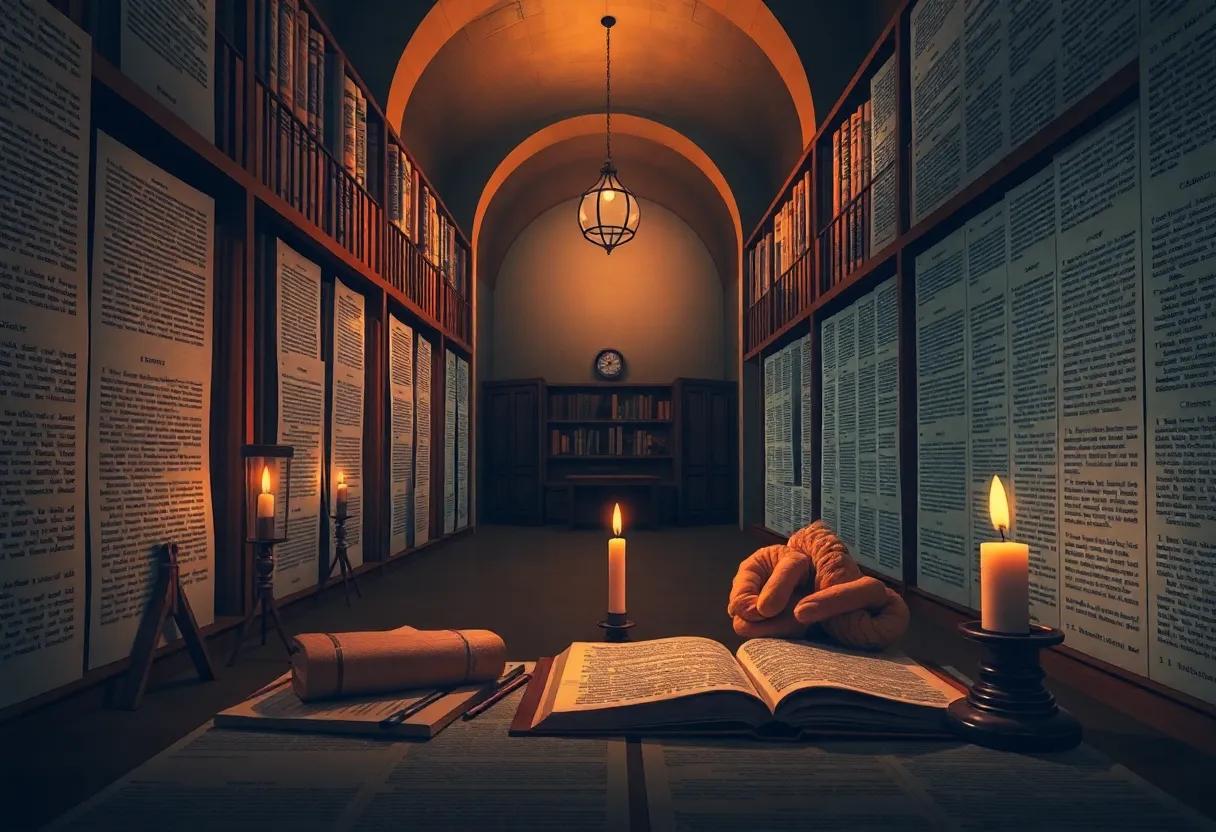
I kept imagining myself hunched over a wooden table, the book’s pages shrugging into the dimness as if they were hiding secrets under their dust. Asensi made those moments feel tactile: the hush of an archive, the peculiar smell of damp parchment, the tiny victory when a marginalia finally makes sense. Following the characters as they pry apart codes and catalog entries felt less like reading and more like sleuthing with gloves on—there’s a satisfying physicality to the clues,from faded ink to locked boxes,and a steady sense that every small discovery nudges you closer to a larger truth. Candlelight and ink-stained hands are almost characters themselves, setting a mood that’s intimate and quietly urgent.
At times the digging slows — a long stretch of historical detail can stall the momentum — but those pauses frequently enough pay off with a payoff that feels earned rather than tacked on. I loved the little pleasures of the chase: touching a note that someone centuries ago smudged with a thumb, recognizing a symbol that had been hiding in plain sight, or the tiny rush when a puzzle piece clicks. If anything felt off it was occasional over-explanation,but overall the archival passages are the heart of the book for me; they make the mystery feel rooted and the stakes oddly personal.
Characters who carry secrets and scars walking sunlit Roman streets and shadowed cloisters
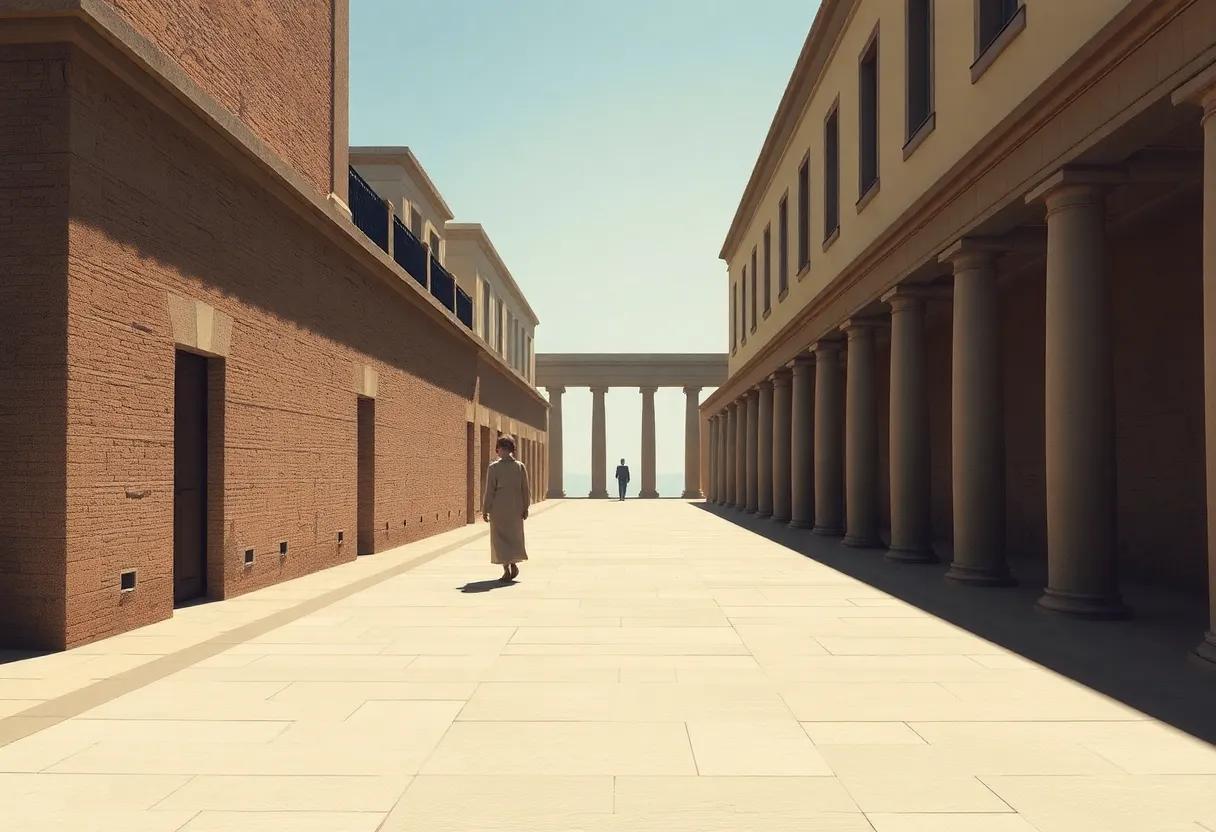
I kept thinking of those walks through sunlit Roman streets where the light almost dares you to see everything, and then of the sudden turn into a shadowed cloister where something is deliberately hidden. The people who move through Asensi’s Rome feel like that light and shade made human: stoic, funny, rapid to joke, and stubbornly private. Their wounds — emotional, moral, sometimes physical — don’t get explained in a single paragraph; they arrive in gestures, a hesitation at a doorway, the way someone refuses to ask a question. That restraint made them feel honest to me: they carry secrets and scars, and you learn them slowly, almost reverently, as if rummaging through an old chest of belongings left in a monastery.
Because the book lets you discover people piece by piece, I found myself rooting for them even when their choices annoyed me. There are moments when backstory arrives too quickly or a scene lingers longer than it needs to, but those are small complaints beside how real these figures become — flawed, protective, haunted.they’re not neatly heroic or neatly villainous; they are survivors who keep songs and skeletons in equal measure, and that mixture kept me reading well into the night. In short, the characters stayed with me: weathered, stubborn, and quietly refusing to be reduced to a single secret or wound.
Pacing that shifts from frantic chases to quiet reflection beneath olive groves and ruins
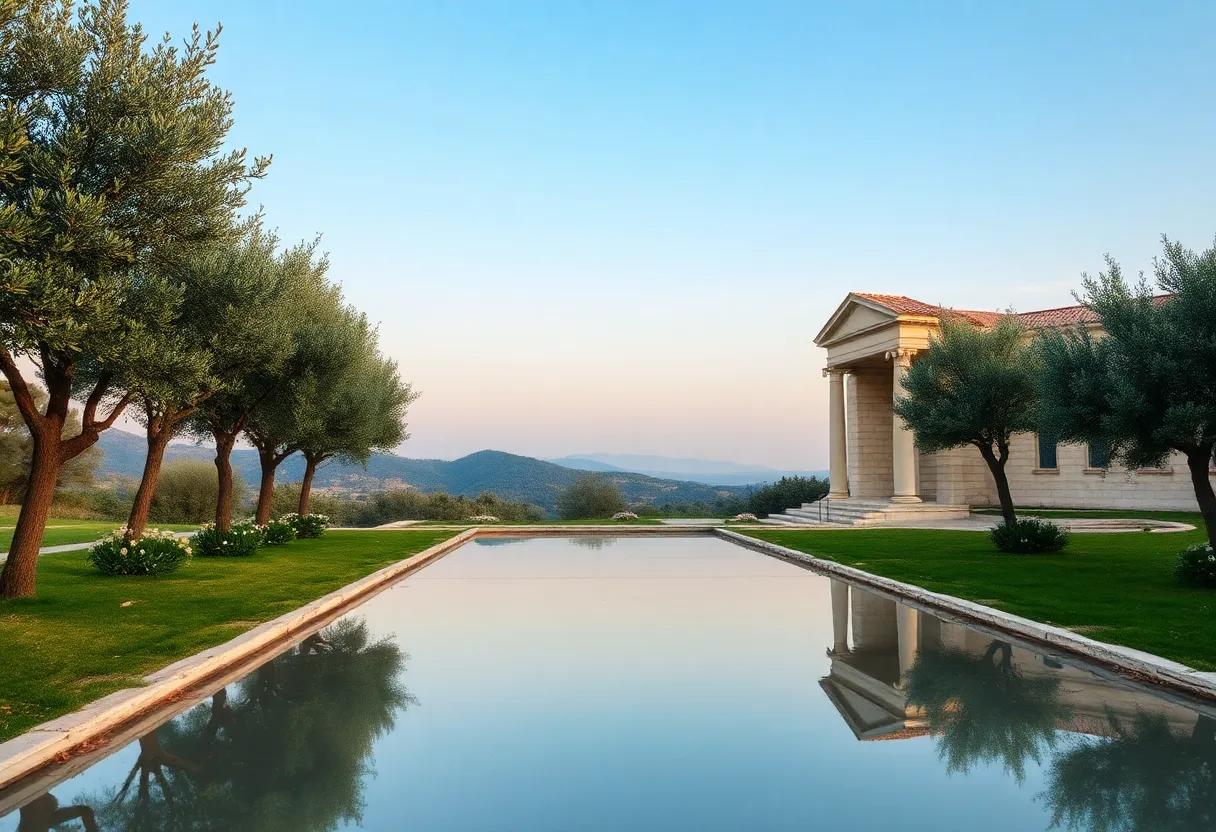
I kept finding myself pulled from breathless, almost movie-like chases — narrow alleys, sudden sprints, near-misses that left my pulse quick — into these unexpectedly still pockets where the book slows to a contemplative pace. Those pauses under olive groves or among sun‑bleached ruins felt almost tactile: the dust tasted different on the tongue, the air smelled of rosemary and old stone, and conversations softened until the smallest confession carried weight. Sometimes the switch is thrilling, a wash of adrenaline followed by cool calm; other times it jolted me, as if the brakes were slammed a little too hard and I needed a page or two to settle back in.
What I loved most was how the quiet stretches let the people breathe — you hear their doubts, their small superstitions, the patchwork of their histories — which makes the loud sections mean more because you care who’s running. The rhythm created a strange comfort: excitement keeps you turning pages, silence lets you feel why those pages matter. A few moments did drag, and a couple of cliffhangers felt overly prolonged, but the alternating beats delivered a reading experience that hit both the pulse and the quiet place where memory lives.
- Heart‑pounding chases
- Sun‑warmed stones and hushed confessions
- Long, golden afternoons that let the story settle
Historical detail woven with suspense creating sun faded manuscripts and weathered stone textures
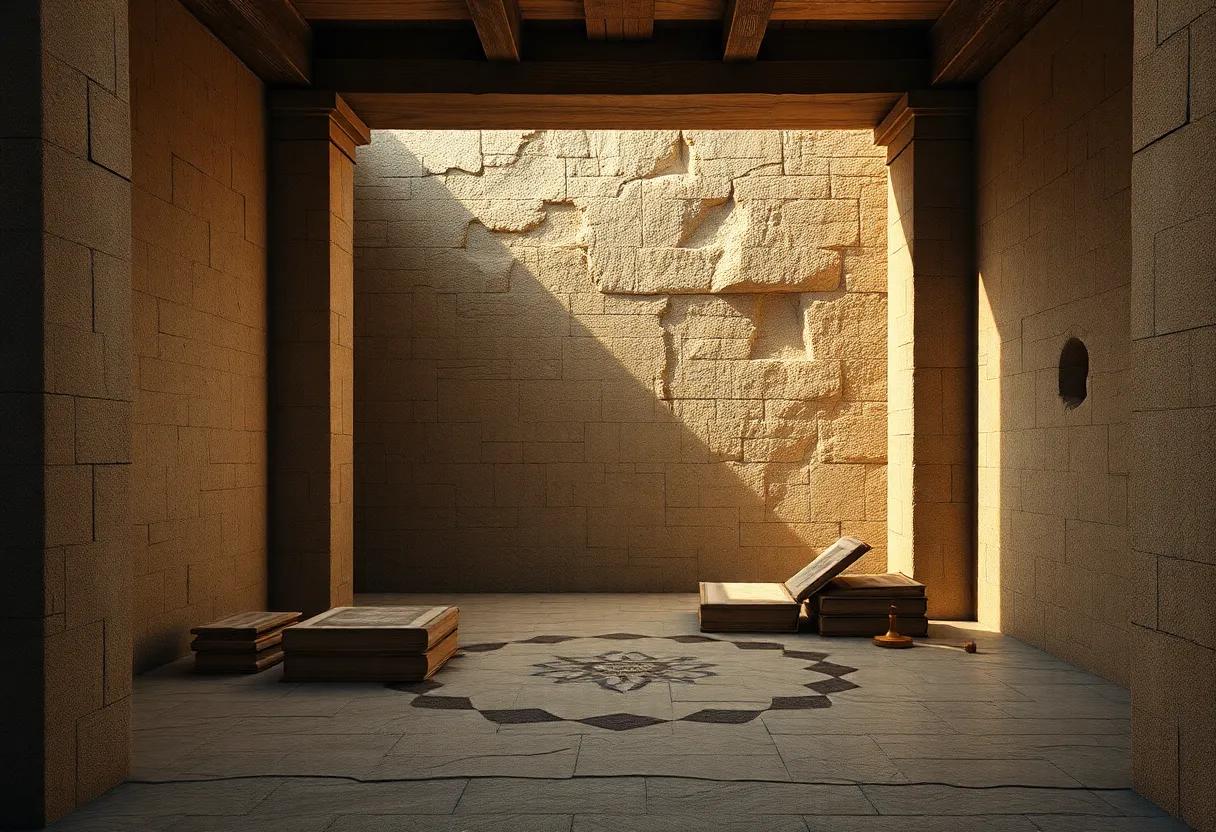
I kept finding myself closing the book just to imagine the pages: the way light would have fuzzed the ink on a sun-faded manuscript,or how a hand might catch on a groove worn into a sill. Asensi has a knack for making history feel like texture — you can almost feel the grit left in a fingertip after turning a page,or the cold give of weathered stone under a torch. Those small, specific details turned what could have been static background into active clues; a marginal note or a chipped carving suddenly made my pulse quicken because they mattered, not just because they were pretty descriptions. At times the attention to such detail slowed the rush of the plot — occasional stretches felt like poring over museum labels — but more often it deepened my curiosity rather than killed it.
The suspense in the book is patient and tactile rather than loud: revelations come from handling artifacts, tracing ruins, listening to the silence between characters, and I found myself leaning in the same way I would in a dim archive. Scenes where a folded scrap of paper or a stone step reveals a secret are the ones that stayed with me longer than any gunfight might have. A few passages linger a bit too long on method and lore, and there were moments I wished for a quicker beat, yet those pauses are also why the setting felt so lived-in — dusty, sun-warmed, and oddly intimate, like a place you could slip into and lose time.
dialogue that reveals motives over espresso cups and in hurried whispers on train platforms
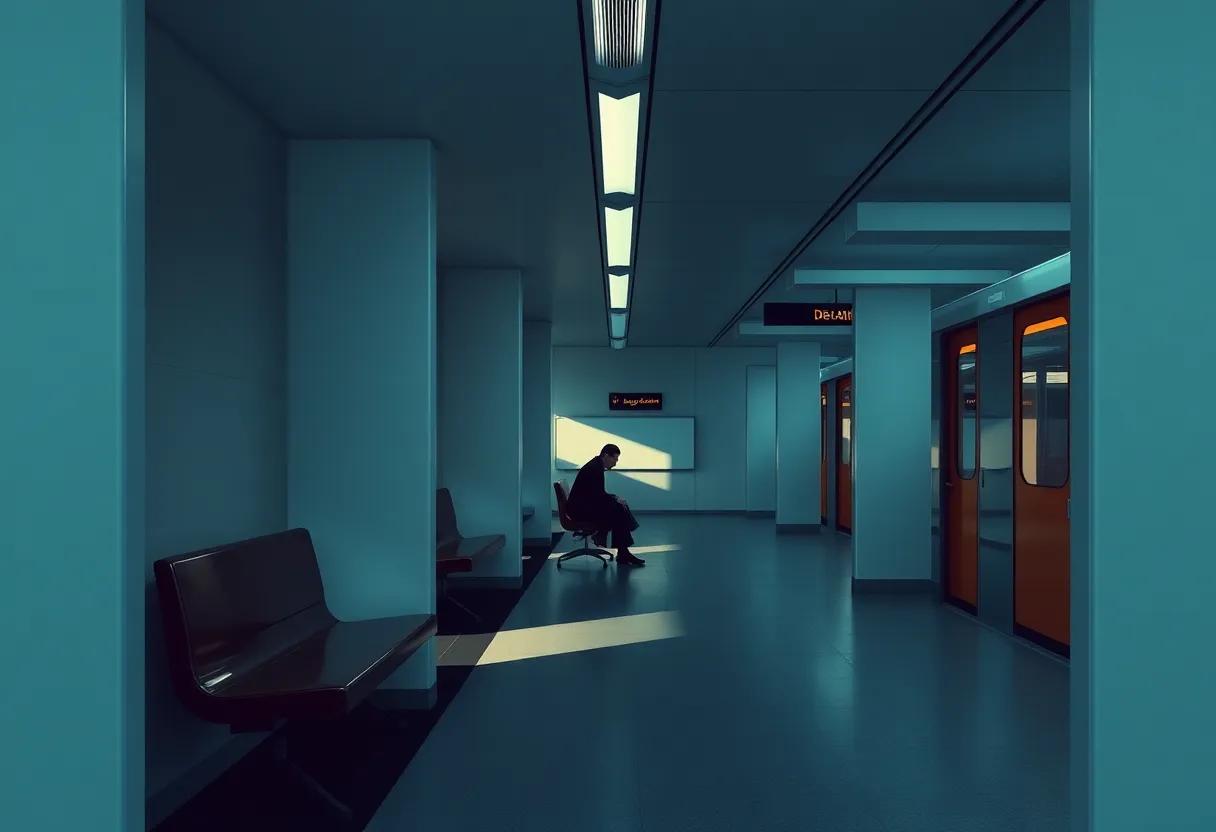
There are moments in the book when a simple coffee break turns into a confession and a half-whisper on a platform rearranges everything you thought you knew.The dialogue often feels like eavesdropping on a play: characters trading barbs over an espresso, then stepping apart and trading softer, dangerous truths. I loved how motives drip out piece by piece — not always spelled out, but suggested in pauses, in a laugh that doesn’t reach the eyes. Occasionally the talk leans a little too conveniently into explanation, as if the scene needed to hurry the reader along, but more often it earns that intimacy and the slow reveal feels earned.
Those exchanges are where alliances shift and suspicion grows; they make you decide who to side with before the author confirms anything. The dialogue does a lot of the heavy lifting: it humanizes suspects, seeds doubt, and turns background players into people you want to follow. A few small favorites of mine:
- the brusque honesty that suddenly softens into a confession
- a curt goodbye that reads like a threat
- words that change a character’s face and, with it, your sympathy
I found myself leaning closer to the page during those scenes, both charmed and wary — the book makes you feel like you’re part of the rumor, not just watching it unfold.
Scenes of faith and doubt staged in candlelit chapels and rain soaked cemetery paths
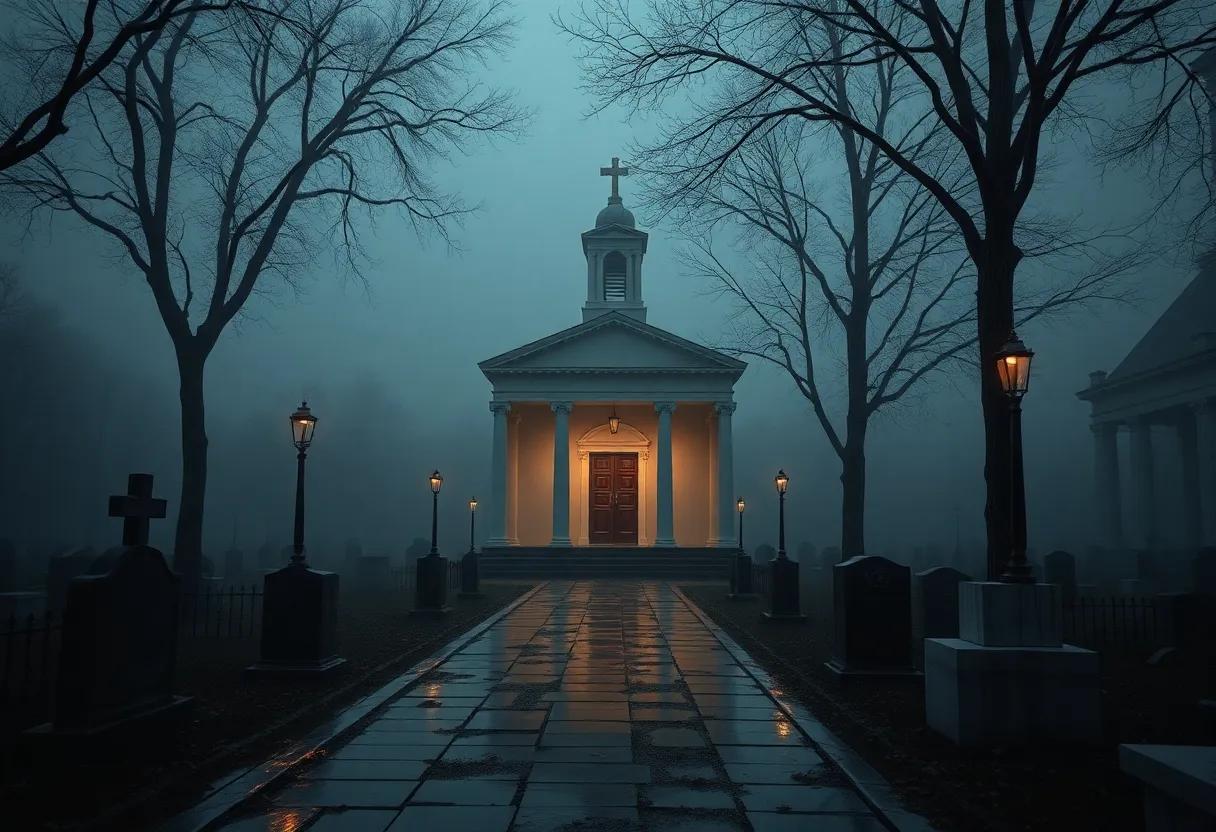
I found myself lingering in those candlelit chapels long after I put the book down — the flicker of wax, the hush broken only by whispered prayers and the scrape of a confessional bench felt embarrassingly intimate. The author stages moments of faith and doubt as quiet confrontations: a pilgrim fumbling with a rosary, a sister’s hands trembling over an altar, an investigator standing in a nave and realizing how thin her certainties are. A few images kept returning to me, small and stubborn like prayers you can’t quite finish:
- a procession under drizzle, candles bobbing like tiny beacons
- a rain-soaked cemetery where names on stone seem to question the living
- a late-night chapel scene where admission and accusation blur
Sometimes those set pieces run a little long — I noticed the pacing stall when the author lingered on ritual detail — but the trade-off is that the emotional stakes feel real. The book doesn’t hand you tidy answers; rather it leaves you standing with the characters in the damp, deciding whether to step forward or turn away. That unresolved tension is what stayed with me: not a sermon, but a series of moments that ask you to choose, even if you’re not ready.
How symbols and secret codes appear as weathered glyphs painted on frescoes and old parchments
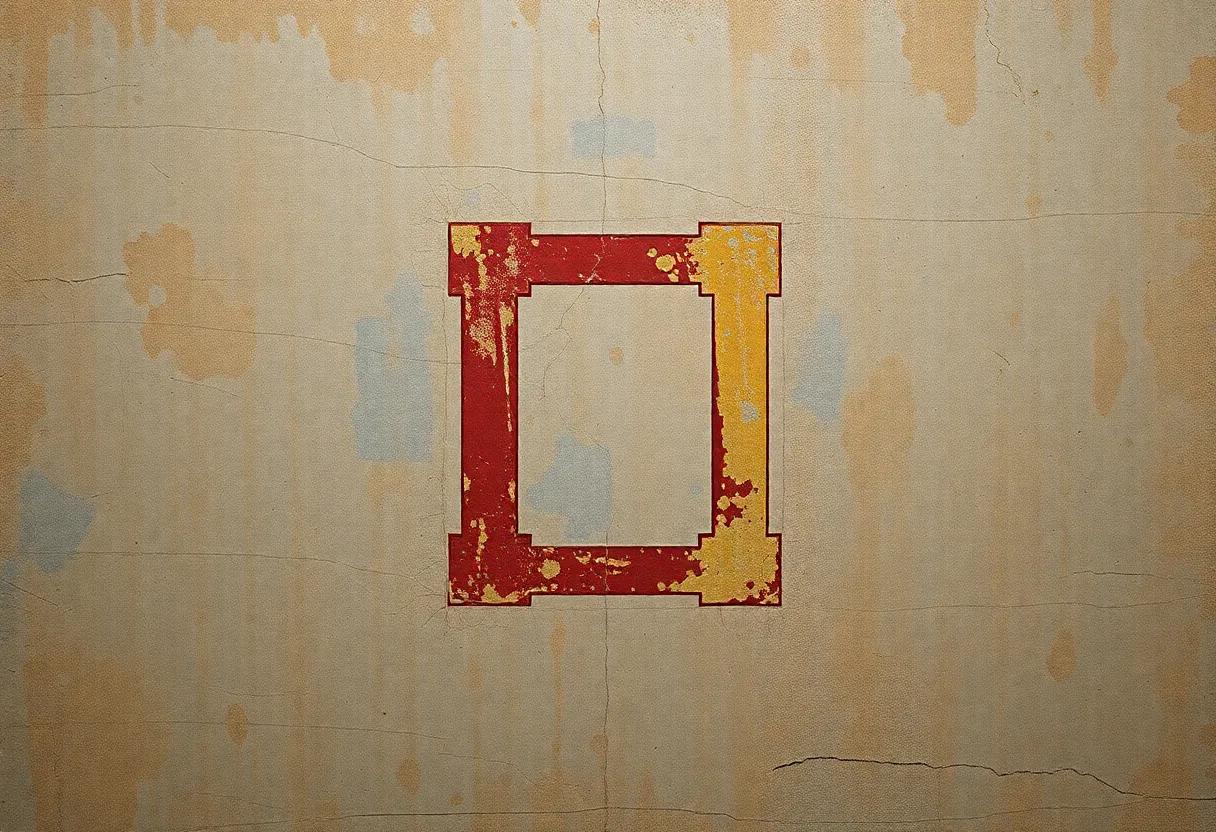
The symbols in the book turn up like ghosts in paint — weathered glyphs half-swallowed by cracked plaster, ink bleeding into the grain of ancient parchments, tiny marks that make churches and archives feel like living things. I found myself pausing to picture the ochre and soot, the must of vellum and the soft scrape of a fingertip tracing a forgotten sign. Those details made the hunt tactile: the codes don’t read like puzzles on a page so much as scars left by someone who didn’t want to be entirely erased.
They drive the story with a steady, old-world suspense that kept me turning pages, eager to see where a single symbol would led next.Sometimes the revelations landed with the satisfying click of a solved lock; every so often a solution felt a touch too neat, as if a map suddenly appeared just in time. Still,the pleasure was mostly in the atmosphere — the slow unfurling of history,the sense that each mark carried a life — and that texture of discovery stayed with me long after I finished the last clue.
Matilde Asensi brings map filled adventures and a steady storyteller voice through Europe

I kept thinking of the book as a folded map you slowly open: every chapter unfolds a new stop across Europe — lonely monasteries, crowded piazzas, cold coastal ruins — and Asensi makes those places stick.The travel element never feels like padding; rather it’s the heartbeat of the story. I found myself reading with a small traveler’s thrill, wanting to look up pictures of the towns mentioned and imagining the characters slipping down narrow alleys or into damp crypts. The scenes are tactile enough that the geography becomes part of the mystery rather than just a backdrop.
Asensi’s voice is refreshingly steady—measured, confident, not showy. She dishes out clues and history with a calm hand, so the chase feels organic even when the stakes are high. That said, there are moments when the momentum slows for extra exposition, and a few explanations linger longer than I wanted. Still,the book’s strengths outweigh those lulls: the cast feels human,the tension rebuilds reliably,and the tone keeps you moving. What stayed with me most:
- Evocative sense of place that reads like a travelogue
- A clear, propulsive storyteller’s voice
- Characters who argue, laugh, and make mistakes—very readable
- Occasional stretches of exposition that slow the pace
Lingering Echoes of The Last Cato
Reading the Last Cato feels like stepping into a layered labyrinth: scenes and questions linger in the mind long after the pages are closed, nudging you to return to specific lines or images. The book leaves a curious,slightly unsettled aftertaste—part intellectual intrigue,part atmospheric residue.
Asensi’s attention to detail and steady pacing make the experience tactile; you notice small historical textures and moral hints that accumulate into something quietly persistent. It’s the kind of story that doesn’t shout for your attention but keeps returning to the corners of your thoughts.
For readers who enjoy mysteries threaded with history and ideas, the journey will feel satisfying in a slow-burning way. For others,the book’s ability to provoke reflection—rather than offer neat answers—will be its most memorable quality.