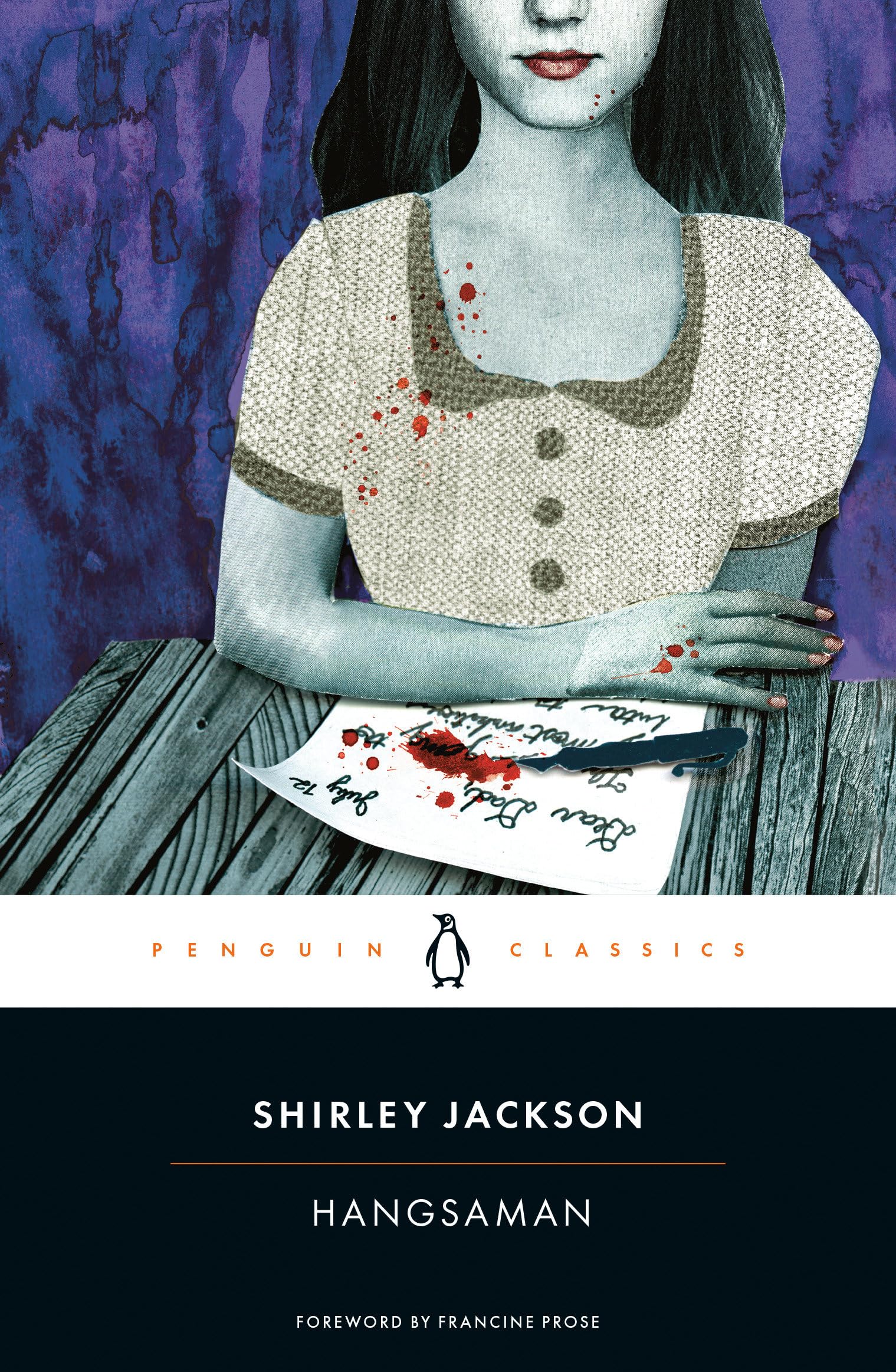
I don’t think you have to be a Shirley Jackson completist to be caught off guard by Hangsaman. When I first opened it I expected a quietly unsettling read; what surprised me was how quickly small moments lodged in my head and kept returning after I put the book down.
Reading it felt like eavesdropping on someone sorting themselves out: intimate, slightly unnerving, and frequently enough stubbornly ambiguous. If you’ve ever finished a book and found it sticking with you in a way that isn’t easily explained, you’ll know why I kept turning pages and why I wanted to write about the experience.
first impressions of the novel’s atmosphere and the hush of its town
When I closed the book after the first few chapters, what lingered most was its silence — not just quiet, but a kind of carefully arranged stillness that sits on every page. Jackson writes scenes where nothing dramatic seems to happen, and yet the air is taut; it’s like standing in a parlor where everyone is politely holding thier breath. I found myself noticing small sounds more: a drawer sliding, a chair scraping, the rustle of a dress. Those everyday noises became weighted,as if the world around Natalie were listening and waiting for something she couldn’t name.
Best-Selling Books in This Category
No products found.
The town itself feels almost like a character, polite on the surface and unsettling underneath. Streets seem empty even when they shouldn’t be, and the social rituals — visiting hours, afternoon tea, muted gossip — create a pressure that smothers rather than comforts. I loved how Jackson turned domestic quiet into a kind of menace; a few details stayed with me all week:
- snow muffling footsteps
- shutters closed against the light
- distant church bells that didn’t quite resolve
At times the pacing dragged into that same hush, and the dreamy passages can feel meandering or baffling, but those very lapses also pull you deeper into natalie’s head. The town’s calm is beguiling and claustrophobic in equal measure — stunning to read, and a little hard to leave behind.
A portrait of the main character’s loneliness in vivid domestic scenes

Jackson renders the main character’s loneliness in the small rooms of a house that feels larger for all its furniture. The afternoon light pooling on a kitchen table, a teacup left to cool, the hush of a parlor where voices slide past one another — these are the moments that make isolation physical. I could feel the little domestic noises as if they were measuring sticks: the creak of stairs, the sigh of curtains, the way a room remembers the person who last occupied it.Those details turn solitude into something almost tactile, a presence you can lean into and a pressure you can choke on.
Reading those scenes left me oddly companionable with the protagonist; Jackson’s quiet attention made me linger in corners I would normally glance past. At times the slow accumulation of ordinary details tested my patience,and a few passages looped too long,but more often the repetition deepened my understanding rather than bored me.Little things — a phonograph needle that skips, a mother’s distracted smile, crumbs on a saucer — kept tugging at me until I felt less like an outside observer and more like a companion, uneasy and sympathetic in equal measure.
How the narrative voice slips between reality and daydream with sharp detail

I often lost track of where the house stopped and Natalie’s inventiveness began — not because the writing was vague but because Jackson traces the border between them with terrifying clarity.small, concrete details anchor you (the exact weight of a book in her lap, the sting of sunlight on a window sill), and then the narration slips almost imperceptibly into a daydream: thoughts stretch, images bloom, and the world tilts. Reading those passages felt like watching a close-up camera pan from a child’s clenched hand out to a horizon made of wishes; the shift is so precise that I could feel my own certainty wobble along with Natalie’s.
that wobble is the book’s strength and, occasionally, its drag. When the voice lingers in reverie for several pages I sometiems wanted a firmer tether back to the scene, but more frequently enough the drift deepened my sympathy for how she escapes pain. The transitions — a classroom moment sliding into fantasy,a ferry ride collapsing into an imagined rescue — made me notice how fragile and inventive the mind can be. By the final chapters I found myself both unsettled and oddly comforted by the way reality and daydream kept trading places, as if Jackson were letting me see the world through the narrow, hungry lens of someone trying to remake it.
the small town setting rendered in candlelit rooms and empty streets at dusk
Reading Hangsaman felt at times like walking into a town that exists mostly in the half-light between day and night: windows aglow with candlelit rooms that seem both intimate and a little off, and streets that thin out into an almost theatrical silence at dusk. I kept noticing small sensory moments that stuck with me — the soft clack of shoes on a boardwalk, the smell of coal smoke, a single lamp guttering — little things that made the place feel lived-in but also slightly unreal. Those details made the setting less background and more mood, a place where privacy and prying eyes coexist in the same breath.
The town’s hush amplifies Natalie’s inwardness; her thoughts echo against empty porches and under streetlamps, making ordinary corners feel charged. Sometimes the pacing slows in these interludes — I found myself wanting more plot forward motion — but on the whole the dusk-drenched streets and candlelit rooms do crucial work: they turn the small town into a kind of psychological geography where escape and entrapment are only a few steps apart, and you’re never quite sure which way will lead you out.
Moments of unease that build through ordinary household objects and rituals

Reading hangsaman, I kept catching myself watching the ordinary things in Natalie’s world the way you watch a floorboard you think might give. Jackson has a knack for turning banal domestic detail into a slow pressure — a ticking clock, a chipped teacup, the soft scrape of a chair leg — and by the time you notice it, the smallness of the object has become a kind of accusation. The rituals themselves, the everyday performances of being a young woman in a particular family and place, start to feel like a tightening script: dressing, answering the phone, folding letters. None of it is indeed shouted at you; the unease is cumulative, an insistence that the domestic can be as isolating and dangerous as anything dramatic.
It’s the little things that kept lingering in my head afterwards:
- a mirror that makes a face look slightly off
- a door that’s easier to close than to open
- a notebook where private thoughts feel as vulnerable as a paper window
These moments are quietly effective — sometimes I wished for a stronger payoff, and at times the slow accumulation felt like it outstayed its welcome — but mostly I admired how intimate details became the engine of suspense. Jackson didn’t need loud shocks; she let ordinary life do the creeping, and that way the book kept seeping into the corners of my own memory of small domestic routines.
Striking passages where language feels like a slow tightening around the narrator

There are moments when the sentences themselves seem to lean in, each clause a finger tightening the collar around the narrator’s throat. Jackson pares language down to tiny, deliberate details — the scrape of a shoe on a stair, the texture of a dress, the way a room seems to tilt — and the effect is slow and inexorable.Reading those passages feels less like following a plot and more like being shifted into a single, magnified perspective where the world narrows until you can feel the edges of thought pressing in. I found myself holding my breath more than once, not because anything loud happened on the page, but because the prose made silence heavy and inescapable.
The payoff is a kind of appetizing, uncomfortable intimacy: it’s easy to sympathize with the narrator, to notice the little panics that swell into something bigger. At times the compression can verge on repetitive — a few stretches felt longer than they needed to be, which slowed the book for me — but that lingering is also part of the tool Jackson uses to unsettle. When it works, the writing is quietly ferocious, leaving you breathless and oddly thrilled by how precisely unease is rendered.
The book’s pacing and how quiet scenes suddenly carry a sharp emotional sting
Jackson doesn’t rush you—many scenes unfurl at a slow, almost domestic pace, and at first that can feel like wandering. I welcomed the breathing room more frequently enough than not: it lets you live in the rooms with the characters, notice small rituals and little silences. But those quiet stretches carry a brewing charge,and when something shifts it feels instantaneous. A tossed remark, a missed look, a long hallway—what seems incidental in one page lands on the next with a sharp emotional sting, as if the calm were only the surface of something much edgier beneath.
Sometimes the deliberate pacing drags for me, and I found myself impatient in parts, but those slower beats are also what make the novel sit with you afterward. The moments that hit hardest are almost always hushed ones:
- a private hesitation that turns accusatory in memory
- a routine disrupted by the smallest, most ordinary accident
- a quiet walk or ride where every detail suddenly feels amplified
They don’t rely on big revelations—it’s the way silence is loaded that stays with you. Even when the tempo lurches oddly, those sudden emotional punctures keep the book haunting long after the last line.
Symbols that linger like old photographs threaded through the narrative’s edges

Certain images in Hangsaman don’t announce themselves so much as linger at the edges of scenes, the way an old photograph peeks out from a book. I found myself returning to them long after I closed the novel—a bird that appears at odd moments, a narrow stairwell, the hard gleam of a mirror—small things that make Natalie’s inner unrest feel tactile. They never explain everything; instead they leave a residue of feeling, a hush that sits over the text and makes ordinary rooms feel charged. Sometimes that quiet repetition slowed the momentum for me, but more often it deepened the atmosphere, turning fleeting details into the book’s quiet insistence.
Those repeated images kept surfacing in my head, each carrying a mood rather than a single meaning:
- Birds — fragile freedom, or a presence watching from just out of reach.
- Mirrors and windows — a split between self and performance, surfaces that refuse easy reading.
- Stairs and corridors — movement that never quite leads to clarity, more a direction of feeling than plot.
They don’t resolve into tidy symbols, and I liked that—the ambiguity makes them behave like keepsakes, half understood and quietly haunting, the kind of detail that keeps the book alive in your mind.
Shirley Jackson as presence and personality behind the unsettling stories she wrote
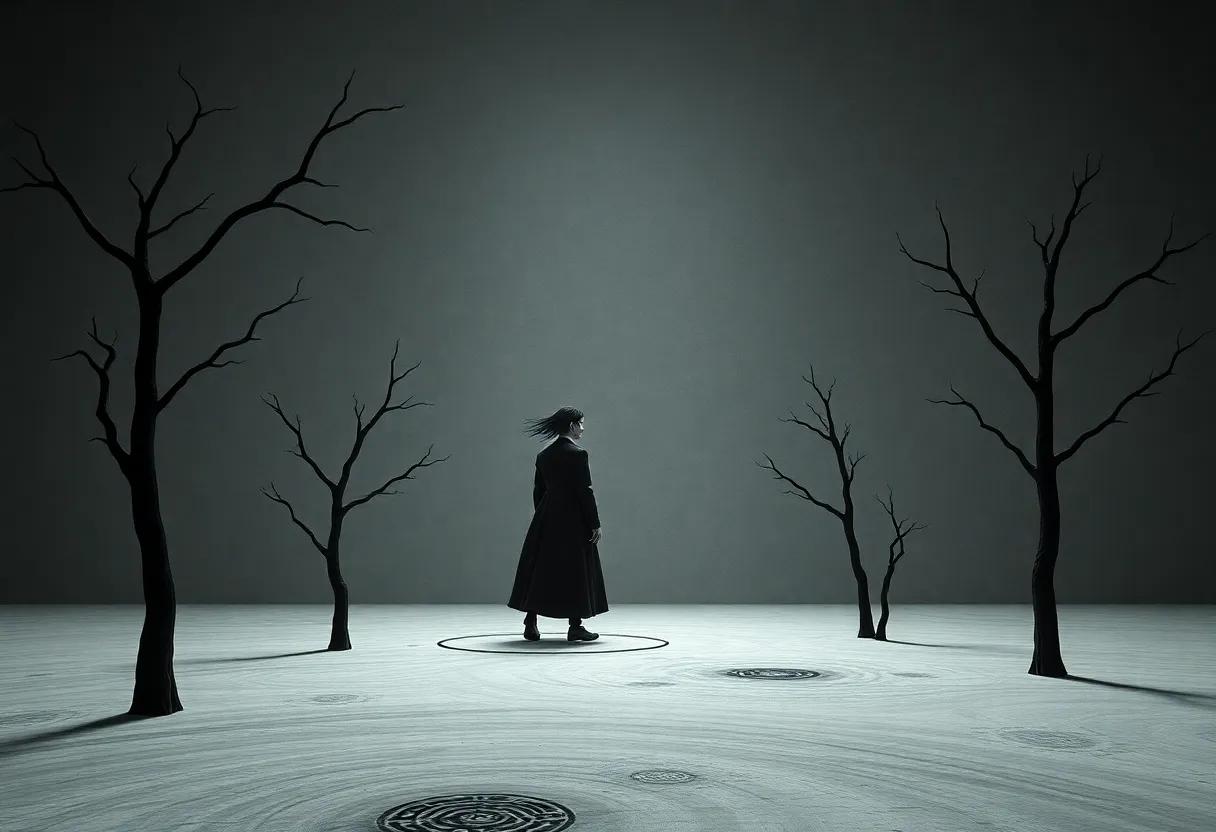
Reading Hangsaman felt at times like being in the company of a person rather than an author — someone with a sharp eye, an impatient wit, and a habit of watching small domestic moments until they become quietly monstrous. Shirley Jackson’s presence in the pages is almost conversational: she slips in a dry aside, then follows it with an image that makes the blood move differently. I found myself both comforted and unsettled by how intimate her attention is to ordinary things — a class exercise, a family meal, a hallway — turning them into micro-labyrinths. Her voice can be funny and cruel at once, making me laugh out loud and then wince at my own complicity in seeing the world as she does.
Her personality gives the book momentum even when the plot slows; those slower stretches sometimes felt repetitive or meandering, but they never lost her particular angle. Small moments stick: a throwaway line that becomes ominous, a character’s gesture that reads like a dare. If I try to pin down what makes her presence so strong,it’s partly this combination of warmth and distance — she leans in close enough to hand you a secret,then steps back to watch what you do with it. Qualities that kept me turning pages included:
- dry humor that cuts through sentiment
- sharp, patient observation of the mundane
- a willingness to be uncomfortably honest
Even when I wanted the story to hurry, I appreciated being with a writer whose personality made the unsettling feel inevitable rather than gratuitous.
Lingering Echoes of Hangsaman
reading this rediscovery feels like stepping into a dim attic of memory—every sentence tilts the room so familiar objects take on a new, uncertain edge. Jackson’s prose is quietly exacting, inviting close attention and rewarding it with small, accumulating disquiet rather than overt shocks.
what lingers is a mood more than a set of events: the uneasy mixture of longing, isolation, and social pressure that settles under ordinary scenes. Those sensations return in unexpected moments, like a faint echo that makes you pause and listen.
If you enjoy fiction that privileges atmosphere and psychological subtlety, this is a book that will repay slow, curious reading; if you prefer clearer answers, it may unsettle you in intriguing ways. Either way, Hangsaman stays with you—not as a solved mystery, but as a place to revisit and rethink.