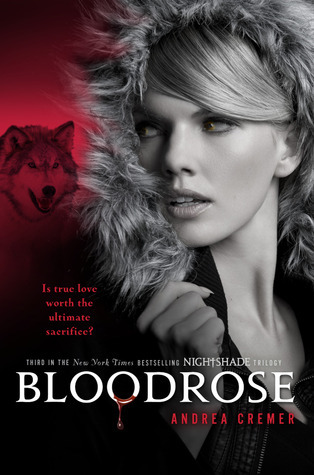
If you’re on the fence about Andrea Cremer’s Bloodrose, I read it over a couple of evenings and found it darker and more uncompromising than I expected. My first impression was how blunt the scenes feel — choices land with real consequences and the book rarely softens the edges.
I’ll give you a reader’s account of what worked for me and what didn’t: the moments that stuck, the pacing’s strong stretches and small stumbles, and the characters who don’t always make easy decisions.This isn’t a plot summary — just honest feedback from someone who finished the book and wants to help you decide whether to dive in.
Moonlit mountain town and the wolf packs that haunt its snow soaked streets
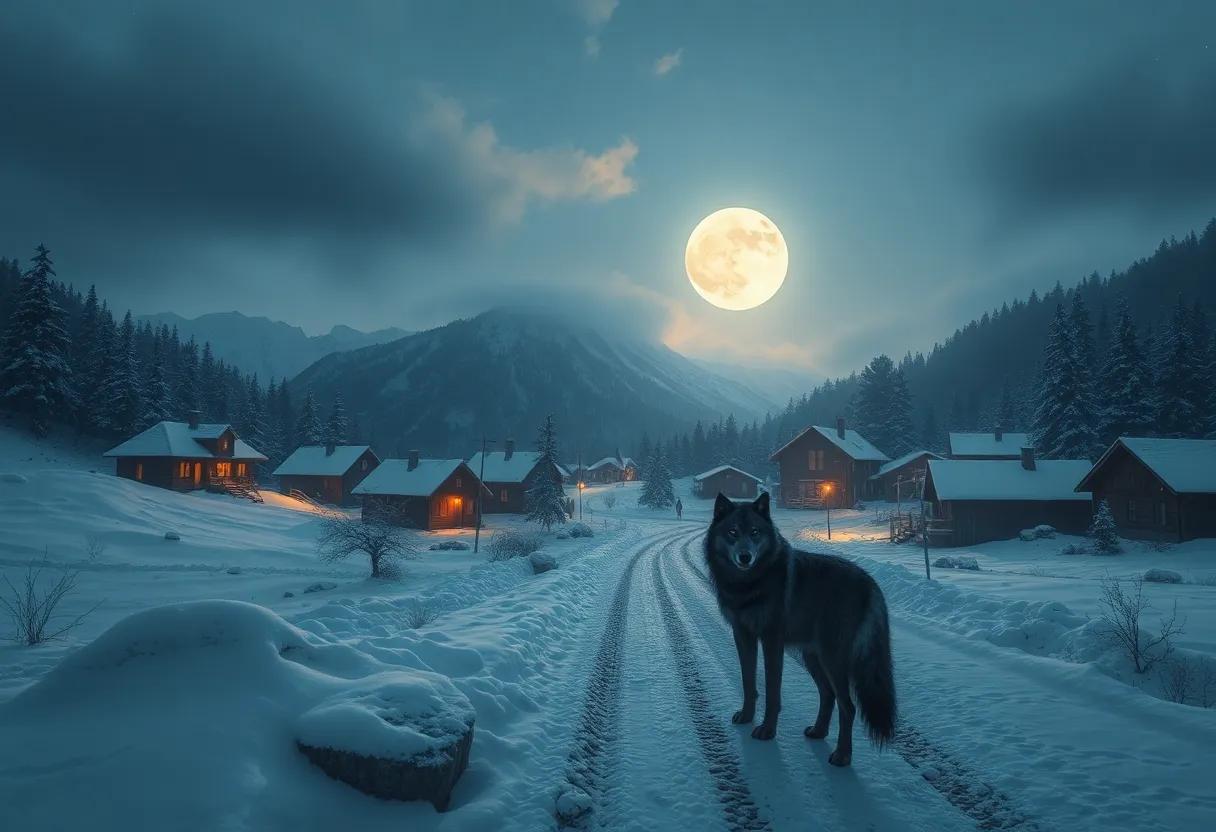
Reading those passages felt like wandering a town that exists half in memory and half under moonlight. Snow muffles footsteps and storefronts sit like watchful faces; the place itself becomes a presence — lonely, sharp, and insistently beautiful. There were moments when the lingering description slowed the plot for me, but mostly that patience pays off: the cold isn’t just weather, it’s a reminder that everyone here is under pressure, tucked into small rituals and whispered fears that make the streets feel both safe and claustrophobic.
Best-Selling Books in This Category



The wolf packs are never just monsters in the distance — thay thread into everyday life, arriving with the silence of paws and the sudden claim of territory. Cremer makes their movement feel intimate and unavoidable,so scenes of wolves slipping through alleys or circling the town carry a real,physical dread. A few sensory things that stuck with me:
- the muted crunch of snow underfoot
- the metallic tang of fear in cold air
- breath that hangs like a white flag against the dark
Those details turn the wolves into more than threat: they’re a force that reshapes how characters move, speak, and huddle together — a reminder that in this town there’s no true refuge from what hunts the night.
Young lovers caught between pack rules and forbidden desire under a red sky
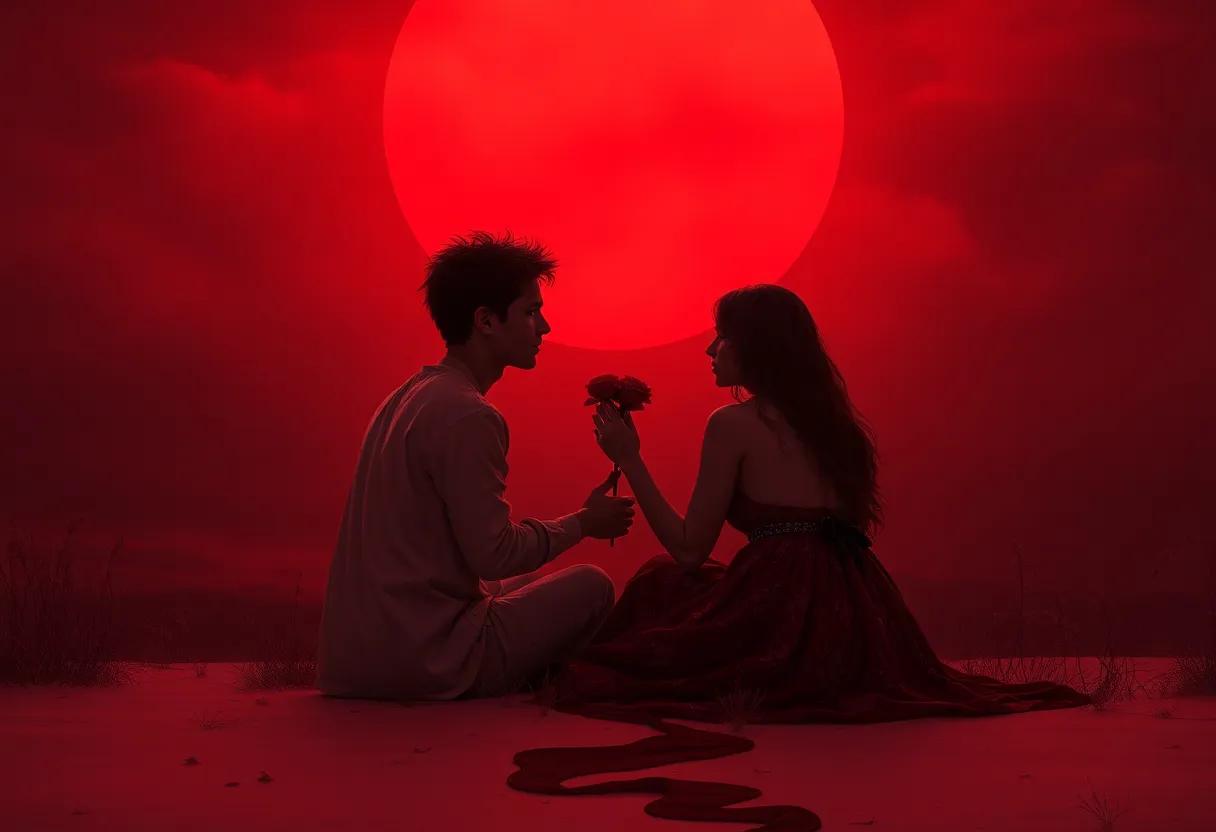
there’s something relentlessly cinematic about the way the book stages the lovers’ furtive moments: a red sky that feels almost like a bruise over everything, and the constant drumbeat of pack expectations closing in. Reading those scenes I kept thinking of how sharp the stakes are—every touch or look can mean exile, dishonor, or worse. Cremer writes those clashes between duty and longing in a way that makes you wince and ache at the same time; I found myself involuntarily holding my breath during their whispered conversations and stolen nights, hoping that a single rule wouldn’t snap their fragile hope in two.
I was rooting for them the whole way, even when the book stumbles a little—sometimes the politics of the pack feel clunky and a few plot beats rush past too quickly.Still, the emotional core remains convincing: the lovers aren’t cartoon rebels, they’re young people trying to choose between loyalty and a pull that feels like gravity. What kept me invested was simple and human:
- the palpable sense of danger that makes every small kindness feel enormous
- the moral tug-of-war that asks how much you’ll sacrifice for the person you love
- the way the red sky becomes a metaphor for consequences that won’t be ignored
Those elements make the romance feel risky and real, even if the surrounding world sometimes strains to contain it.
Dark ritual scenes and the eerie magic that colors the forest at nightfall
Reading those ritual scenes felt like stepping into a room where everyone else already knows the secret handshake — you’re allowed in, but you never stop feeling watched. The ceremonies are written with a kind of sensual immediacy: the cadence of chanting, the sharp smell that hangs in the air, and the slow, intentional movements that make time feel elastic. I loved how the writing doesn’t shy away from the darker edges — the moments of beauty are threaded through with a bone-deep unease — though I’ll admit a few sequences leaned a little too long on theatricality and broke the spell for me.
When night falls, the forest becomes more than setting; it feels like a living lens that colors everything with weird, luminous grief. Shadows pool and press close, moonlight seems almost tactile, and the magic in the trees reads as both protective and predatory. What stayed with me most were tiny sensory details that kept returning:
- a cold that isn’t just temperature but intent
- light that stains rather than illuminates
- voices half-carried on the wind, so you can’t decide whether you’re remembering or imagining them
those elements make the woods unforgettable — beautiful and uncomfortable at once, like looking at a rose with thorns that remember you.
Tension and pacing that push you through shadowed corridors and icy roads

There are moments in this book when the air itself seems to tighten—corridors so shadowed you expect something to step from the walls, and roads so slick with ice that every footfall feels like a dare. Andrea Cremer writes those spaces with a tactile attention: the scrape of leather,the sting of cold on skin,the close clench of breath. I found myself holding my own breath more than once, not because the plot was complicated but because the sense of danger is constant; the world never feels safe enough to relax into. That mix of claustrophobic interiors and wide,unforgiving landscapes makes the peril feel both intimate and inevitable.
The pace mostly rides that tension—speedy, sudden bursts of action that shove you forward, balanced by slower, uneasy stretches where the characters’ choices settle like ice.Sometimes the book lingers a beat too long on backstory or on a mood-heavy scene, which momentarily loosened the momentum for me, but those lulls often fed the next surge of suspense. What kept me turning pages were small, relentless techniques:
- short, punchy chapters that end on a question
- sharp sensory details that make every scene immediate
- uncertain alliances that keep the stakes fluid
All together, they create a rhythm that feels like trudging through a blizzard—exhausting, disorienting, and somehow impossible to stop.
Friendships and betrayals within the pack revealed in tight whispered scenes
Those tight, whispered scenes are where the pack feels living and risky at once — the kind of conversations you lean toward as a reader because you know something will crack. The dialog is frequently enough half-done, breathy, full of pauses and loaded glances, and that economy of words makes every secret land harder. I found myself holding my breath in the dark corners of the book, watching friendships form and fray in the smallest exchanges: a hand that lingers too long, a joke that doesn’t land, a promise left unsaid.The intimacy of those moments makes the pack feel like a place where love and suspicion share a bed.
The betrayals that follow feel earned because they’re seeded in those whispers — petty resentments, leftover loyalties, and alliances that change like weather. sometimes the shifts happen with satisfying suddenness; other times I wanted more space to process before a relationship flipped, which was a little jolting. What sticks with me, though, are the tiny details that carry so much weight:
- an interrupted confession
- a deliberate avoidance of someone’s eyes
- a secret oath sworn at midnight
Thes are the moments that make the betrayals sting, and they show how fragile loyalty can be when everyone is trying to survive.
How the novel handles morality in shades of gray instead of clear black and white

What struck me most was how the book refuses to give anyone a clean label. There are no triumphant paragons of virtue or cartoonish villains you can hate without thinking — rather, characters stumble through impossible decisions and you catch yourself switching sides depending on the scene. That feeling of moral vertigo makes the world feel lived-in: triumphs are brittle, mistakes linger, and sympathy is in short supply even for those trying to do the right thing. I found myself lingering on small, imperfect choices more than the big plot turns, because those gray moments felt truer than any neat resolution would have.
The cost of decisions is never papered over. When characters take the easier, darker path it has real fallout, and when they try to be noble it sometimes comes off as self-deception. On the downside, a few arcs get rushed, so some of the moral ambiguity lands like a tease rather than a punch — but mostly the book sits with you, lingering in the uncomfortable space between blame and forgiveness. if you like stories where loyalties shift and questions outnumber answers, these are the kinds of dilemmas you’ll find here:
- Loyalty versus survival — when protecting someone means betraying another
- Love versus duty — personal desire that clashes with a larger cause
- Revenge versus mercy — the tempting finality of violence against its moral price
Symbolic imagery like blood roses moonlight and broken silver reflected in scenes
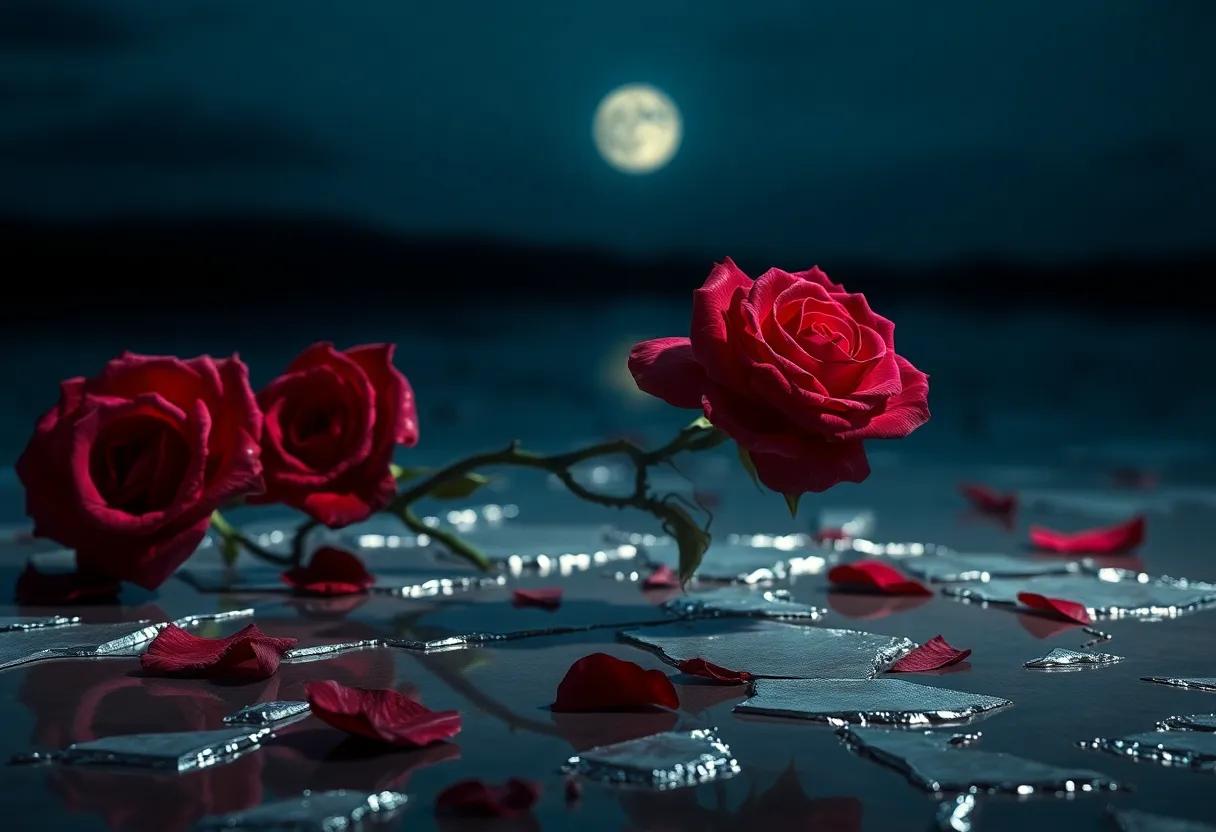
I kept noticing the same handful of images popping up—blood that stains more than skin, a rose that is both exquisite and thorned, the pale clarity of moonlight, and flashes of something like broken silver catching and fracturing whatever’s reflected in it. They don’t feel like ornaments; they land on the page the way a bruise lands on flesh—immediate and a little uncomfortable. At times the repetition felt a touch insistent, as if the book wanted to make sure I couldn’t miss the symbolism, but more often it worked like a leitmotif in a favorite song, bringing certain scenes back to life and sharpening small emotional shifts in the characters.
I found those images doing specific emotional jobs for me:
- blood — a reminder of cost and memory, raw and unavoidable;
- roses — beauty that hides decay, choices that prick;
- moonlight — moments of unwanted clarity or lonely truth;
- broken silver — the way past reflections can cut and scatter who someone is.
Together they make the world feel tactile and haunted; even on slower pages they pulled me forward because I wanted to see which image would surface next and what it would reveal about a character in that instant.
Memorable supporting characters who bring grit humor and unexpected warmth to the tale
I came away remembering the people around the main thread almost as vividly as the protagonist. The supporting cast hands the darkness a texture you can touch: a gruff, world-weary figure whose blunt edges hide a stubborn tenderness; a quick-witted companion whose sharp one-liners cut through tension and make bleak moments breathe; and quieter, steadier presences that offer small, human warmth when the world feels relentlessly cold.They don’t just fill space—each interruption of levity or flicker of compassion reshapes how the stakes land, and I caught myself smiling in scenes that might or else have been relentlessly grim.
Some of these characters are present in the story in small bursts,and a couple could have used more time to develop,but their moments are well-chosen and memorable. If you want a sense of who sticks with you long after the last page, think of them as a trio of flavors that keep the book balanced:
- The grizzled mentor — tough, occasionally cruel, but quietly loyal.
- The sarcastic sidekick — keeps things human with humor and blunt honesty.
- The steady friend — small acts of care that feel unexpectedly big.
They’re the reason the world never feels one-note; their rough edges and surprising kindnesses make the whole tale feel lived-in and oddly hopeful, even in its darker moments.
About Andrea Cremer the storyteller behind the wolf lore and her approach to dark romance

Reading Cremer feels like walking into a half-remembered folktale that’s been soaked in night rain. Her voice gives the wolf lore a lived-in edge — the packs feel like families and tribal law at once, and the landscapes press on the skin.I found myself swept up by small, sharp details: a scent described so precisely it almost answers for a character, a moment of tenderness that arrives and stings because danger is never far off. She doesn’t prettify violence, but she also lets tenderness linger, so the romance lands with a charge rather than syrupy relief.
Her approach to dark romance leans into moral grayness more than easy comfort. The lovers are compelling because they make risky choices and carry the consequences; sometimes that makes scenes wound deeper, and sometimes it slows the momentum. What stayed with me most were three recurrent strengths:
- an atmosphere that’s both mythic and immediate
- sexual tension that feels earned, not manufactured
- a willingness to let characters be arduous and messy
Minor complaints: a few pacing lulls and some predictable beats, but those don’t erase the pull of her storytelling — I closed the book thinking about the characters for days afterward.
Echoes of a Darker world
Reading Bloodrose feels like walking through a moonlit landscape where every step carries weight; the prose sustains a steady tension that alternates between urgent momentum and quiet, unsettling beauty.The world-building and mood do more to shape the experiance than any single twist.
The emotional aftertaste is one of lingering questions rather than neat answers — loyalty and sacrifice hang in the air, and characters remain vivid because they resist easy moral labels. That ambiguity leaves a pleasant, if uneasy, resonance.
For readers who favor morally complex fantasy and atmospheres that settle under the skin, this book rewards patience and reflection. It doesn’t leave you with tidy resolutions so much as a mood that invites conversation long after the pages are closed.