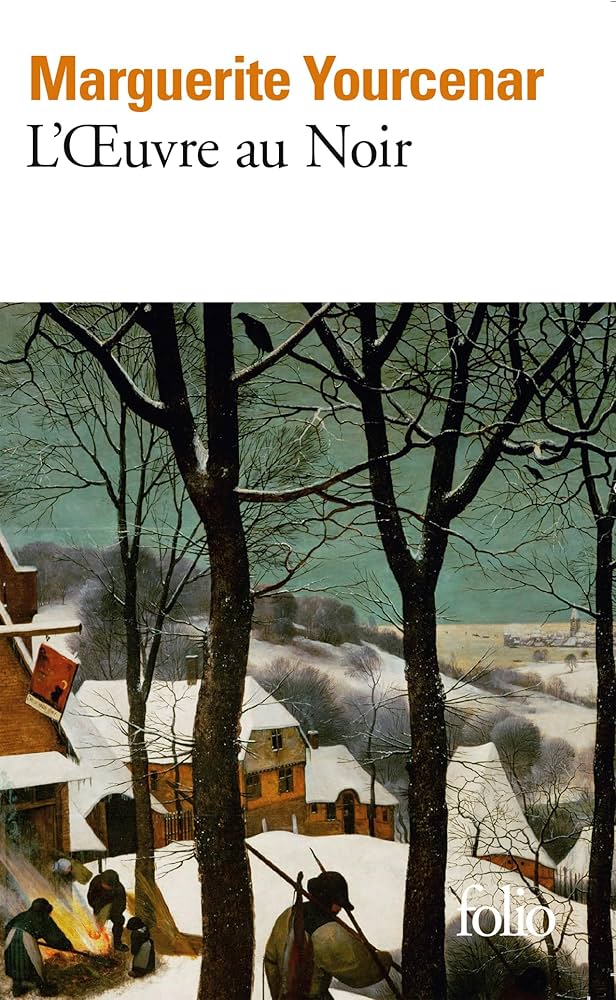
When I first picked up Marguerite Yourcenar’s L’Œuvre au noir,I thought I knew what to expect from a historical novel—lush detail and a steady plot. Instead I found a book that asks you to slow down: it’s precise, often austere, and the kind of reading that makes you pause to underline a sentence or go back a page to be sure you caught what it just said.
Reading it felt less like following a story than entering a series of intense conversations. I flagged passages, reread whole sections for their moral weight, and kept thinking about scenes long after I closed the cover—small proof, to me, that this is a book worth taking your time with.
A bustling sixteenth century Antwerp street alive with smells and political tension
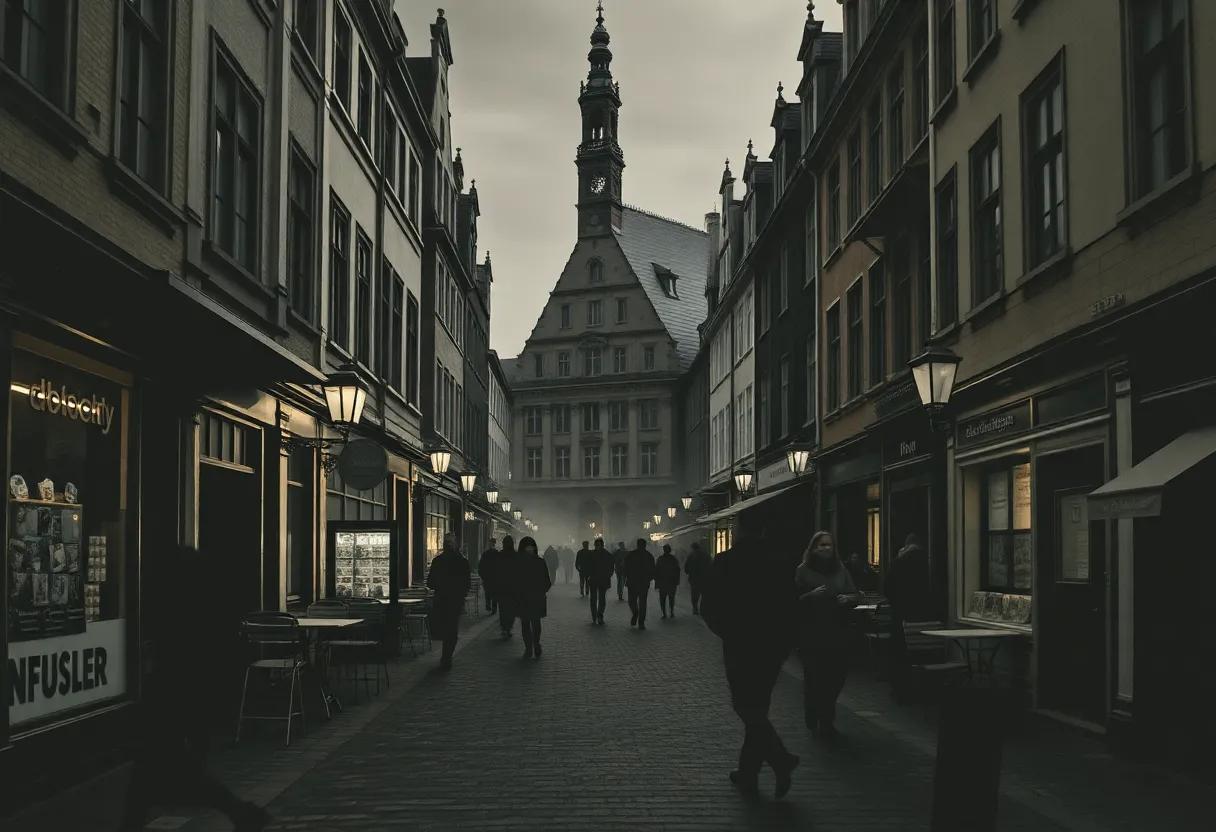
I kept thinking of that street as if it were a living thing: a corridor of voices and smells that pushed you forward and shoved you back at the same time.Yourcenar lets you stand under the awnings and almost taste the salt of herring, the tang of tanneries, the soot from hearths and stoves, the sharp bite of spice and ink—each scent attached to a trade, a secret, a shout. The noise is constant: carts clattering, hawkers calling, printers feeding fresh sheets into the world. It felt less like historical reconstruction and more like remembering a place you’d once known, messy and immediate, where even small gestures carried weight.
Best-Selling Books in This Category



- Lombardo, Claire (Author)
Under that bustle there’s a steady, low hum of danger—guards in the corners, furtive pamphlets being passed, neighbors watching neighbors—in short, the political tension lives in the air as much as the odors. Walking the street with Zénon made me aware how public life could crush private thought and how a single look might decide a fate; he moves through it with both curiosity and a wounded detachment that made me sympathize quietly. At times those street-pictures linger so lovingly that the narrative slows, and I wanted to hurry on, but more frequently enough the pause is welcome: the city’s detail teaches you how pressure builds untill it breaks.
Zeno as a solitary scholar in a candlelit study surrounded by manuscripts and glassware
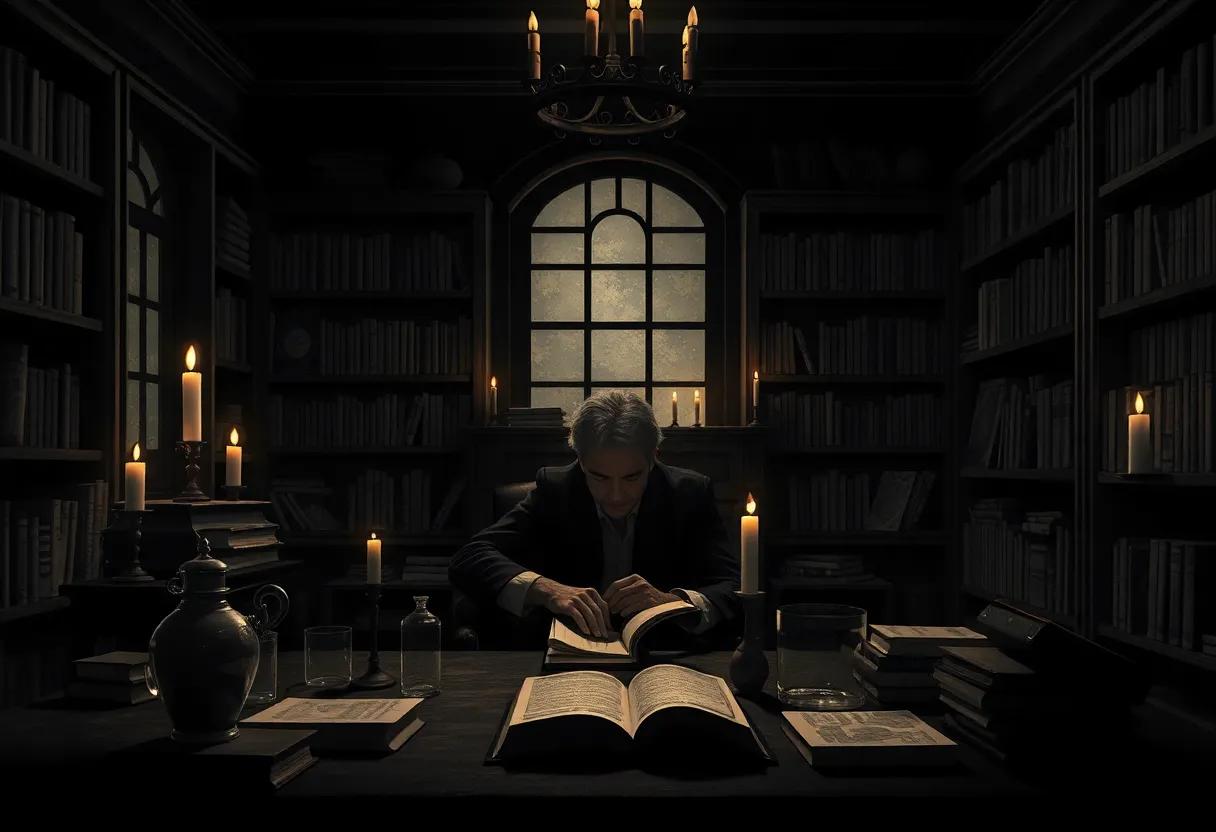
Reading those hours in Zénon’s study felt like peering through a keyhole into a life lived at the edge of light. Yourcenar gives you the small,sharp things: the way the candle flame throws moving maps onto paper,the clink of glassware as if the room were quietly sorting its thoughts,the pungent mix of smoke,iron,and ink. I found myself slowing down to match his pace—watching his hands, his minute rituals, the stubborn patience with which he reads and re-reads marginalia.The scene is intimate and chilly at once; you can almost feel the weight of solitude pressing the hours flat, and yet there’s a strange warmth in how he treats his instruments and manuscripts, like a companionable tenderness toward the material world.
What stayed with me longer than any plot twist was that sense of concentrated life,of a man who measures meaning in experiments and annotations. At times the prose lingers so lovingly on details that I wished for swifter movement—moments where the introspection thickens and the rhythm slows to molasses—but those pauses are also why the study feels inhabited rather than merely described. Zénon’s solitude is not emptiness; it’s a workshop of ideas and doubts, a place where science, art, and stubborn morality collide under the steady, indifferent glow of candlelight.
The slow burn of moral conflict shown in cramped taverns and bright lecture halls
Reading those scenes felt like shuttling between two worlds: the stifling,smoke-thick taverns where gossip and small cruelties do their work,and the bright,almost theatrical lecture halls where ideas are hurled like weapons. The moral tension never explodes in grand gestures; it simmers. Small refusals, averted glances, a scholar’s curt dismissal—each moment piles on a kind of pressure that makes you lean forward as a reader. I found myself noticing the way Yourcenar lets silence carry as much weight as argument, so that by the time a verdict or decision arrives it feels earned rather than imposed.
Zenon’s private doubts, his impatience with hypocrisy, stay with you longer than any single plot turn. At times the prose moves with the purposeful slowness of someone turning pages in a dim tavern—so patient it can feel heavy—but those long examines of conscience are also what makes the moral conflicts taste real. A few digressions tested my attention, yet the slow burn left more to mull over afterwards than the fast, obvious confrontations many books serve up. I kept picturing one small exchange or lecture long after I closed the book; that lingering is proof enough that the restraint was deliberate, even if occasionally wearing.
Scenes of alchemy and early science with flasks boiling candles wax and copper tools
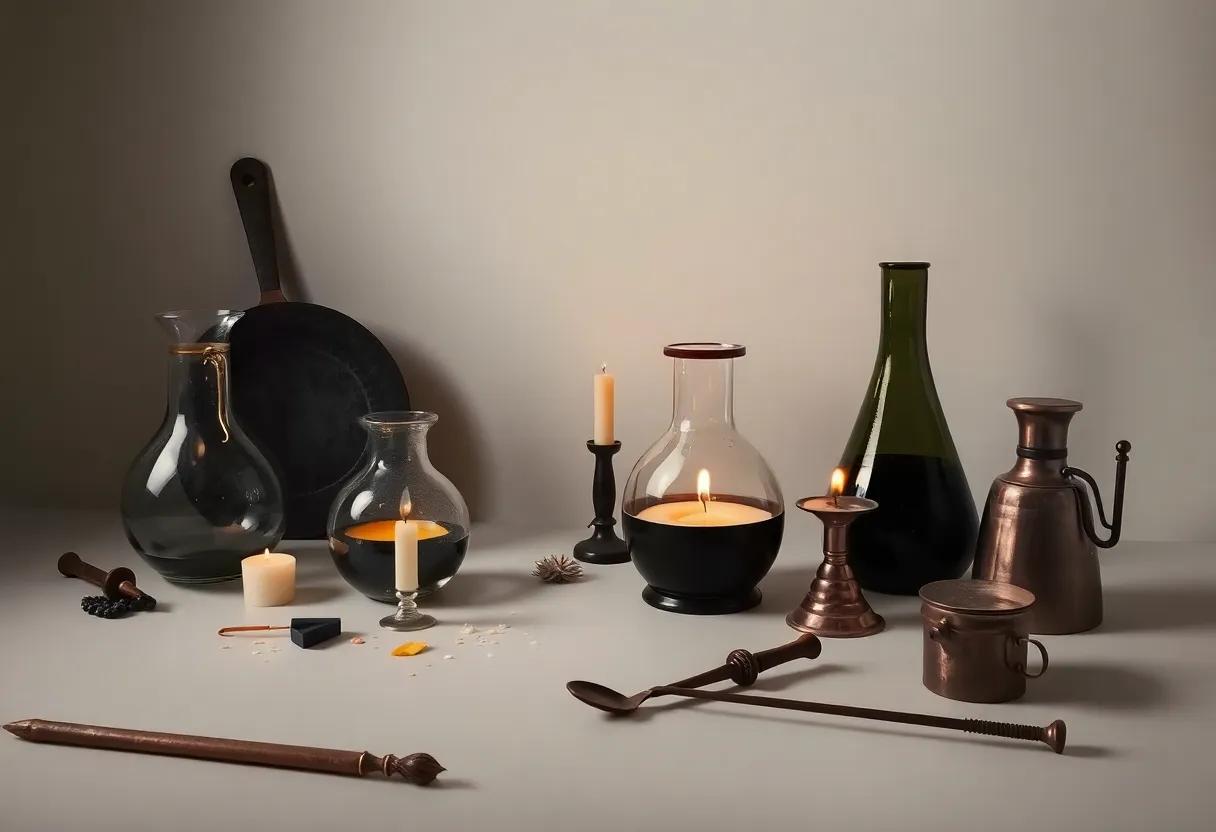
Reading the laboratory scenes felt like stepping into a small, consecrated world: glass flasks that tremble and boil, candles dripping wax like slow confessions, copper tools catching the light and the eye. Yourcenar renders each motion—measured pour, the careful tightening of a cork, the sudden cough of vapor—with a kind of reverence that made me imagine Zénon’s hands as much as hear his thoughts. There’s a quiet ritual to it; the experiments read almost like private ceremonies where knowledge and risk sit across from each other at a dim table.
Those pages can be hypnotic, and sometimes they linger long enough to test my patience, but more often they give a rare intimacy: you feel the heat of the flame, the sharp tang of metal, the small triumph of a prosperous distillation. The scenes also carve out the book’s moral tension—curiosity pursued in secret, brilliance threatened by suspicion—so that even when the prose slows it still moves the story forward by revealing who Zénon really is. If you like to sink into atmosphere and watch ideas take shape in a room full of hissing glass, these passages are a particular kind of reward.
How the novel uses vivid market scenes to show class divides and daily survival
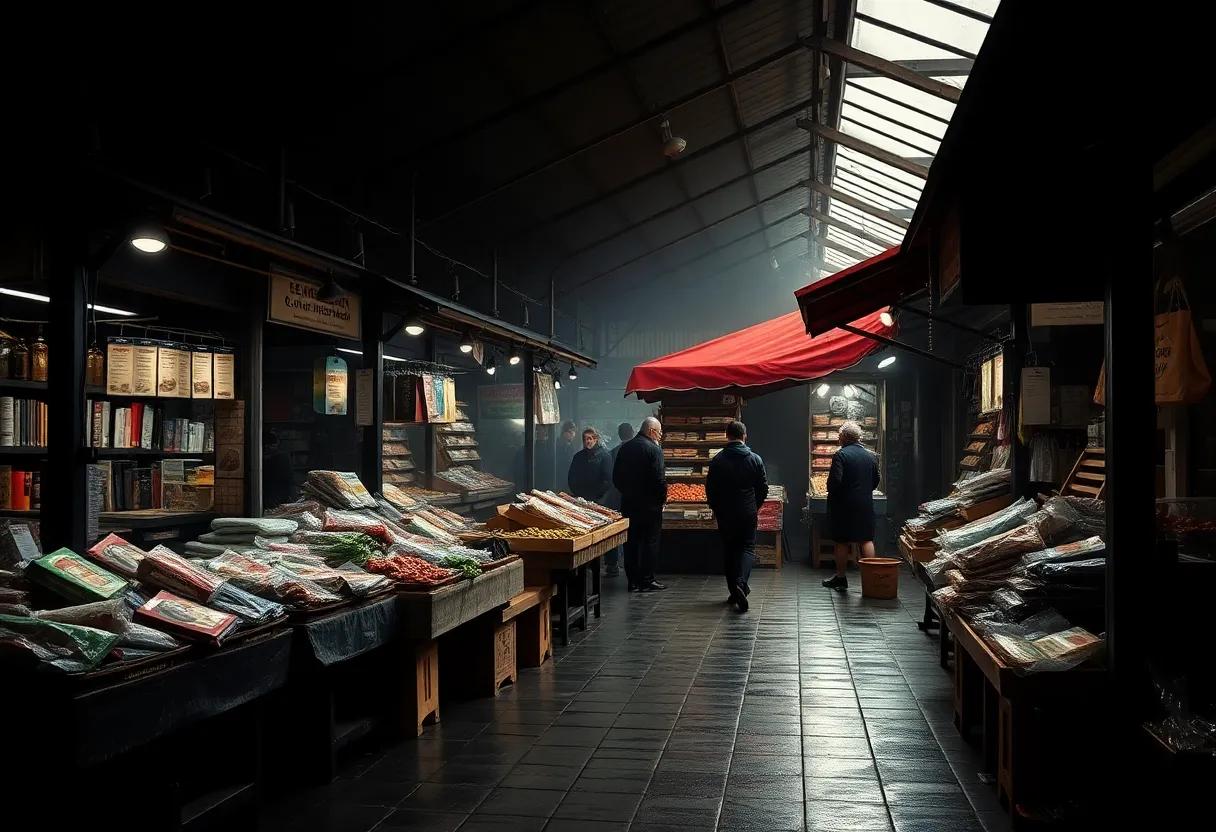
I kept seeing the market long after I closed the book: a crush of carts and voices where every smell and color seemed to mark a person’s place. Yourcenar lets you stand at the edge of a stall and watch class lines drawn in the simplest acts—who haggles, who looks away, who gets a scrap. The writing is tactile: I could feel the rough wool of a merchant’s cloak, hear the clink of coins, and sense the sharpness of gossip that serves as currency as much as money.Small details do the heavy lifting, like a child furtively pocketing bread or a noble’s boot scuffing a mud-streaked paving stone, and each moment quietly clarifies who survives by privilege and who survives by cunning.
Those scenes also make daily survival feel personal rather than abstract. There are moments of pure compassion—an exchange of soup, a shared secret—that complicate the harshness, so the market becomes a place of barter and alliance as much as of cruelty. Conversely, once or twice the descriptions linger so long that the rhythm slows; even so, I liked how the crowded stalls revealed social hierarchies in action and left me with a sharper sense of the world Zénon navigates: full of small rules, constant improvisation, and the relentless work of staying alive. Hunger, shame, and small kindnesses live side by side in those pages, and they stayed with me longest.
The novel as a tapestry of family secrets betrayals whispered in candlelit corridors
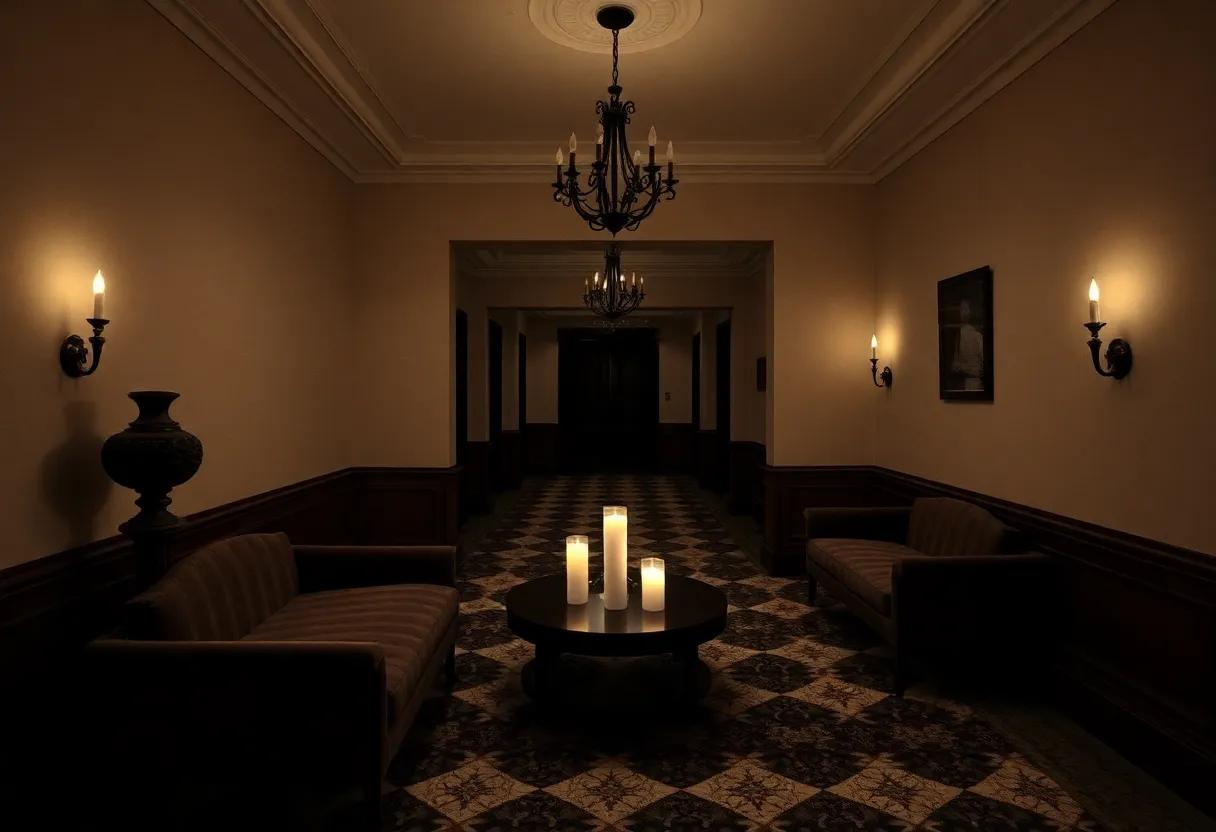
reading those domestic passages felt like moving through a house where every door keeps a secret. the stories of kinship and obligation are less big declarations than quiet transactions—glances exchanged over supper, letters tucked away under mattresses, conversations that stop when a footstep approaches. In these moments the novel becomes intimate and shadowy: candlelit corridors and drafty studies breathe life into betrayals that are as much about omission as commission. I found myself leaning in, curious about what people chose not to say and how those small silences accumulated into larger consequences.
There were times when the slow, meticulous attention to domestic detail felt indulgent; the book lingers on hushes and withheld truths until they almost swallow the plot. Still, that very slowness makes the betrayals sting—when revealed they have weight, not spectacle. A few images stayed with me long after I closed the cover:
- a furtive note passed beneath a heavy table
- a refusal of help that felt like a turning point
- a confession delivered too late by candlelight
Those are the scenes that make the novel feel like a patchwork of human frailty and stubborn endurance rather than a simple tale of conspiracy.
A gallery of memorable side characters from street beggars to ambitious court physicians
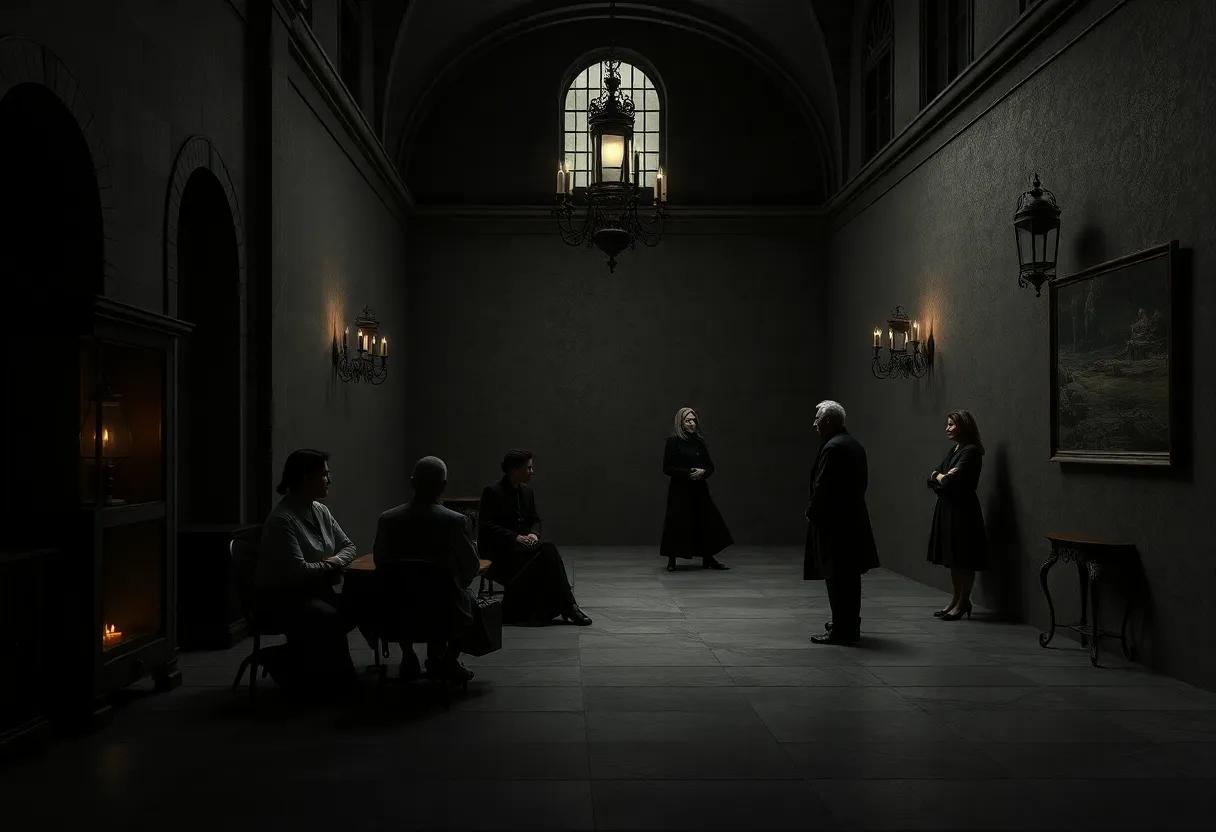
What surprised me most after finishing the book was how vividly Marguerite Yourcenar paints the people who orbit the main story: beggars with quicksilver humor, a tavern singer whose half-remembered song cuts through a scene, a magistrate who speaks with polished cruelty, and an ambitious court physician whose neat ambitions feel almost modern. These characters are never mere background; they arrive in brief, fully formed bursts that stay with you. I found myself remembering a beggar’s crooked grin as clearly as the philosophical arguments — small human moments that give the city its pulse and make the world feel lived-in.
Not every cameo lands perfectly — a few episodes read like graceful detours that slow the forward motion — but the trade-off is worth it: the portrait gallery deepens the book’s texture and moral ambiguity. The variety of faces reminds you that history is made of ordinary,messy lives as much as of ideas. Reading it felt like walking a crowded street where every passerby has a secret, and once in a while one of those secrets turns into something unforgettable. Those flashes of character are what linger long after the last page.
pacing that flows like a long ocean voyage with sudden storms and quiet horizons

I kept thinking of the book as a long ocean voyage where the water mostly rolls steady and slow, and then without warning you’re slammed by a storm that leaves everything rearranged. Zénon’s life carries that rhythm: long stretches of inward, almost maritime calm—him in his workshop, walking through cities, musing on plants and books—punctuated by sudden, sharp upheavals like arrests, betrayals, and the brutal reach of authority. Those shocks hit hard because the quieter passages make you close to him; when a tempest arrives it feels immediate and real, not theatrical. The pacing lets the atmosphere breathe, so the storms have weight, while the quiet horizons let thoughts and small details settle into you long after a chapter ends.
I enjoyed how that slow-and-then-sudden movement made reading feel like being carried along rather than dragged; sometimes the book’s patient stretches are almost too patient and I found myself wanting to hurry past a long descriptive passage to get to what comes next. Still, those very pauses are often where the book’s humanity lives—small conversations, a scholar’s doubt, an evening ale become unexpectedly alive. If you like books that alternate between contemplative calm and sudden intensity, the pacing here will feel like a reward; if you prefer constant momentum, be ready for a deliberate sail with occasional violent weather. For me, the unevenness never broke the spell—if anything, it deepened it.
Marguerite yourcenar at a wooden desk by a rain streaked window drafting wise reflective prose
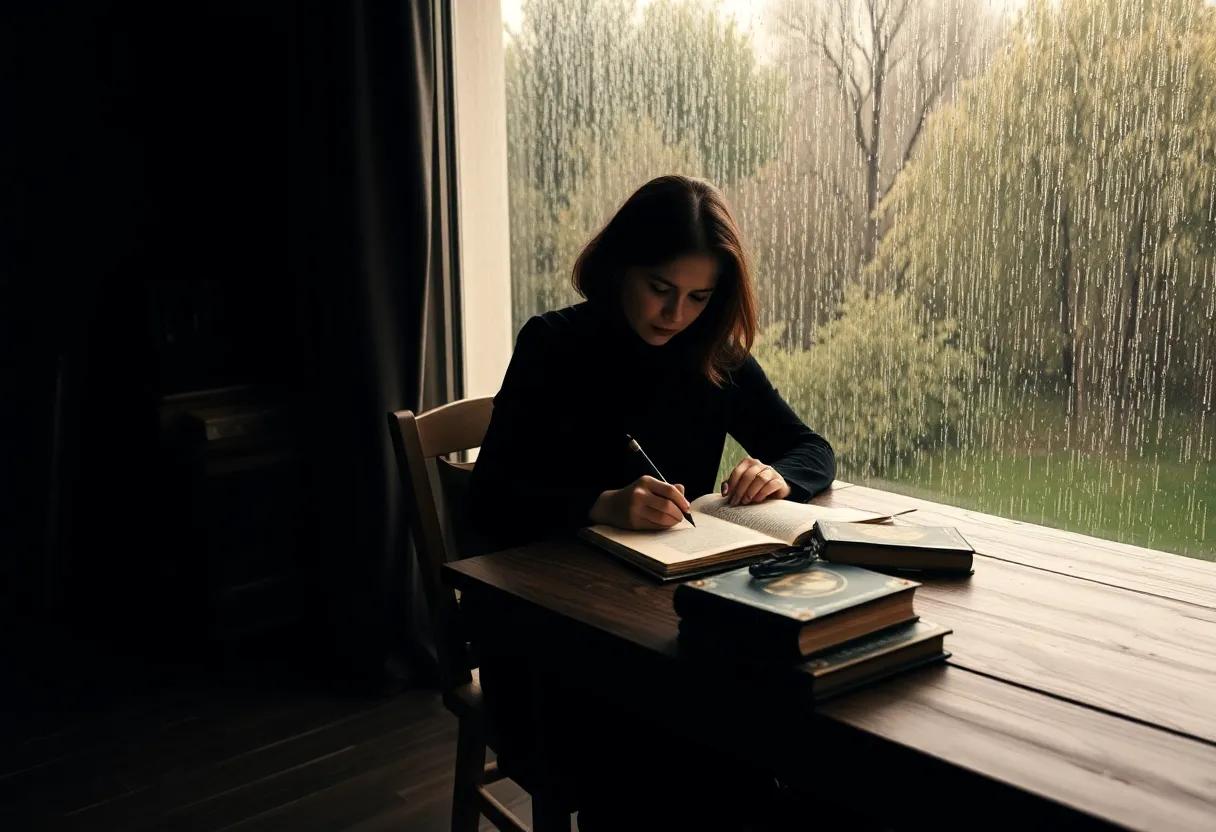
Reading L’Œuvre au noir felt like sitting opposite an old friend—yourcenar at a wooden desk, the rain sliding down the window while she prunes thought into sentences with patient cruelty. Zeno stays with me not as a hero to root for but as a mind to inhabit: brilliant, restless, and stubbornly honest about his failures.The prose has a calm authority that turns even small scenes—an argument overheard in a tavern, a surgeon’s blunt hand—into moral weather. At times the book moves slowly, thick with reflection, and I admit parts tested my patience, but those pauses are where the book does its quiet work and lingers in the mind.
What I carried away most were impressions rather than lessons: the taste of smoke and ink, the claustrophobic hush of towns under suspicion, the stubborn joy of ideas carried like contraband. A few images that stayed with me:
- Zeno hunched over experiments, more curious than triumphant
- Letters and confessions that read like small verdicts
- Relentless moral questions that refuse tidy answers
Yourcenar doesn’t comfort; she reorients. By the last page I felt less like I had finished a book and more like I had been given a companionable,stubbornly demanding friend whose company will inform quieter choices for a long time.
After the Last Page
Reading L’Œuvre au noir feels like stepping out of a long conversation. Yourcenar’s sentences have a cool precision that settles slowly; images and ethical tensions continue to surface long after the reading stops.
The book leaves a quiet restlessness rather than neat answers. It rewards readers who prefer nuance and patient attention, offering moments that invite rereading and reflection rather than immediate resolution.Its lasting gift is a sense of companionship with complex thought and feeling — a literary presence that returns to the mind in unexpected moments, asking you to sit with questions you might otherwise have carried on.