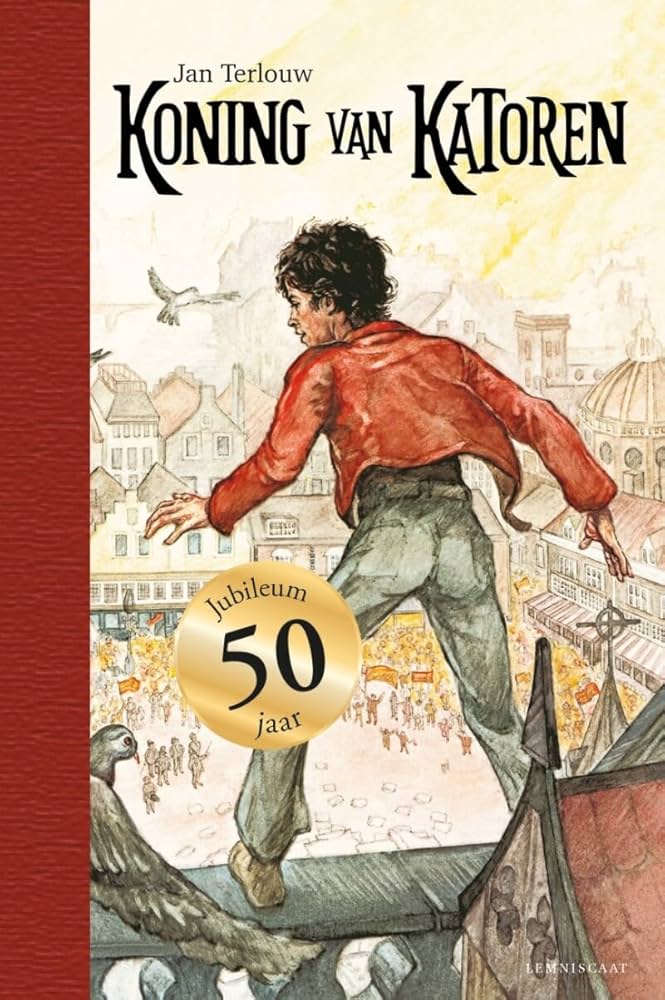
I first picked up Jan Terlouw’s Koning van Katoren on a rainy afternoon and, to my surprise, finished it before dinner. My first impression was that it reads like a simple children’s tale at first glance, but the dry humor and unexpected sharp moments kept pulling me back in.
Reading it felt like spending time with a clever, slightly stubborn friend who makes you laugh and then lingers in your thoughts.Those small,sticky scenes are what made me want to write about the book.
A young heroS awkward tasks set against a faded map of a crumbling whimsical kingdom

Reading the book felt like watching a shy, steadfast kid try to solve a series of grown-up practical jokes. The young protagonist, Stach, is handed one awkward task after another — they look ridiculous on paper but they force him into human-sized solutions: imagination, stubborn politeness, and a surprising knack for seeing what others miss.Those tasks are never just obstacles; they peel back the absurdities of power and show how small acts of common sense and kindness can undo grand pretenses. Occasionally a challenge leans a little too conveniently toward a tidy moral, but most of the time the awkwardness is the point and it’s genuinely charming.
Best-Selling Books in This Category


- Lombardo, Claire (Author)
All of this is set against that beatiful image of a faded map and a crumbling whimsical kingdom — faded colors, frayed borders, towns with polite absurdities — which gives the whole story a slightly melancholy, storybook feel. The map is almost a character: it reminds you that kingdoms age as people do, and that humor can hide a real ache. At moments the pace slows in the administrative bits, but the atmosphere — equal parts playful and wistful — sticks with you, leaving a warm, thoughtful aftertaste rather than a showy triumph.
colorful characters and oddball officials that bring the kingdom’s corners to life

Walking through the pages felt like wandering a market square where every stall-owner has a personality of its own. The people Stach meets are gloriously specific — not just “a mayor” or “a guard,” but officials who take their jobs to comic extremes and small-town eccentrics who trade gossip like currency. Those quirks aren’t just jokes; they color the kingdom so thoroughly that you can picture lanes, taverns and dusty courtrooms.I found myself remembering minor characters long after finishing, which speaks to how alive Terlouw makes even fleeting encounters feel. The mix of whimsy and practicality gives the book a cozy, sometimes mischievous heartbeat.
Most of the oddballs are delightful, and their peculiarities frequently enough carry a pointed wink at bureaucracy and human stubbornness — in a way that feels affectionate rather than mean. Occasionally a chapter lingers too long on one eccentric and the pace slows, but that patience usually pays off with a moment that’s quietly funny or oddly wise.I appreciated how the humor softens sharper ideas without blunting them: the kingdom’s odd officials make you laugh first and then, if you care to, think about why they behave the way they do. Stach comes across as the kind of hero shaped by these small, imperfect people, which made the whole world feel real to me.
Witty moments of surreal logic and absurd rules painted in bright fairytale strokes

Reading it felt like wandering through a dream painted in candy colors where everyone dutifully obeys brilliantly silly laws. The book delights in surreal logic — rules that are more riddle than regulation, officials who defend nonsense with solemn faces, and solutions that flip expectations with a grin. Stach’s plain, practical responses to those absurdities are the best part: his calm common sense makes the world’s madness feel even funnier, and I kept finding myself smiling at how a small, stubborn human can unpick grand, ridiculous systems without grand speeches.
Those playful moments carry a sting of truth too,so the humor never feels empty. At times the whimsy lingers a little long and the pace slows between big laughs, but that onyl gives you time to notice the sly critiques hiding behind the jokes.A few favorite episodes stuck with me:
- a town meeting that turns into ritualized nonsense
- a law defended with absurd seriousness
- a puzzle that’s solved by plain decency rather than trickery
They’re small, bright scenes that stay with you — funny, clever, and oddly wise, like a fairytale that keeps one foot in the real world.
Visual details of the towns and palaces described like watercolor sketches come alive
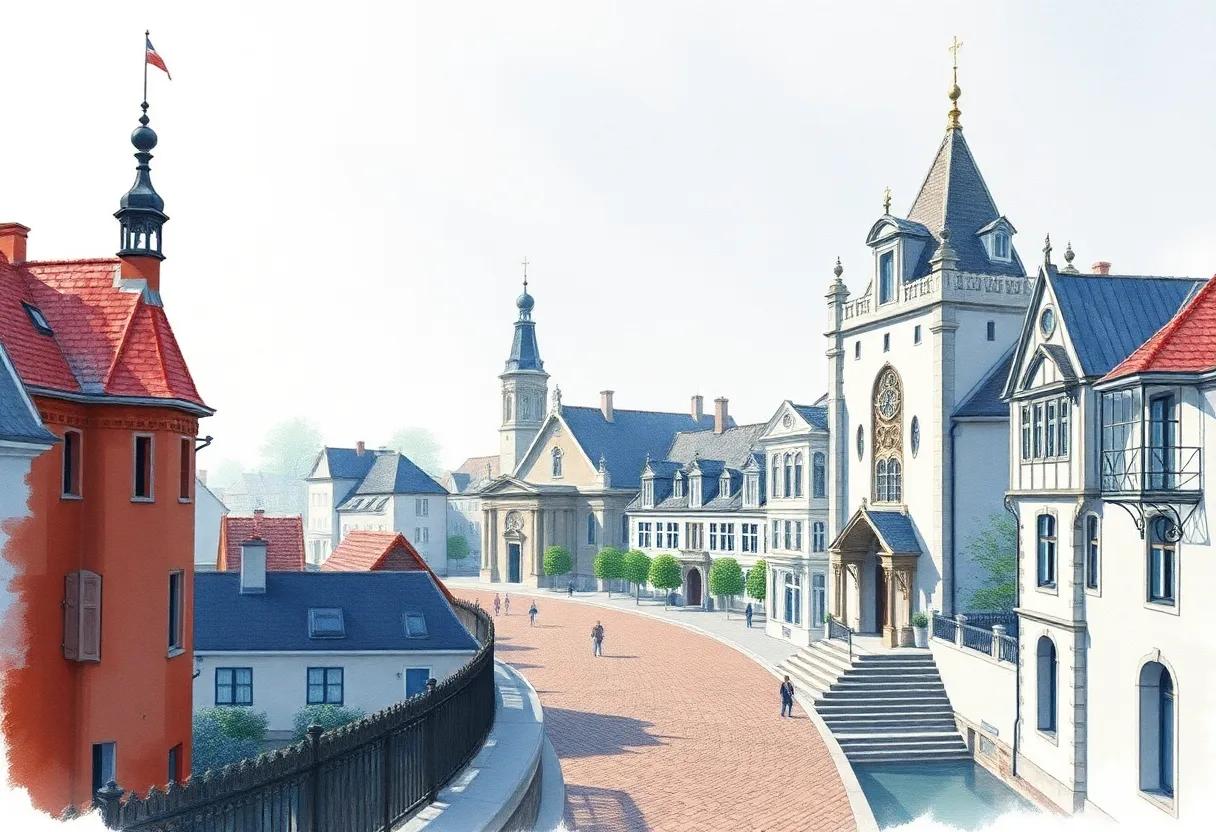
Reading the book felt like stepping into a series of watercolor sketches that have been set in motion — the towns are rendered with soft, purposeful strokes: crooked rooftops, narrow lanes where light pools in puddles, market stalls hung with ribbons of color. I kept picturing small details — a brass bell in a quiet square, children chasing a lose ribbon — that make the places feel lived-in without overwhelming the story. There’s a tactile warmth to the descriptions; even the smells and distant noises seem painted in, so scenes register as memories rather than just locations.
The palaces share that same blend of beauty and whimsy: grand rooms given a slightly off-kilter, almost playful architecture, tapestries that seem to whisper history, and staircases that invite you up like a promise. Sometimes Terlouw lingers on a vista a little longer than I wanted, slowing the pace, but that delay frequently enough rewards you with a moment of pure atmosphere — a vivid, wonky charm that makes the world stick in your head long after the last page. the visual imagination here is a real pleasure; it turned simple scenes into places I wanted to visit again.
The clever balance of childlike wonder and sharp political satire woven through scenes
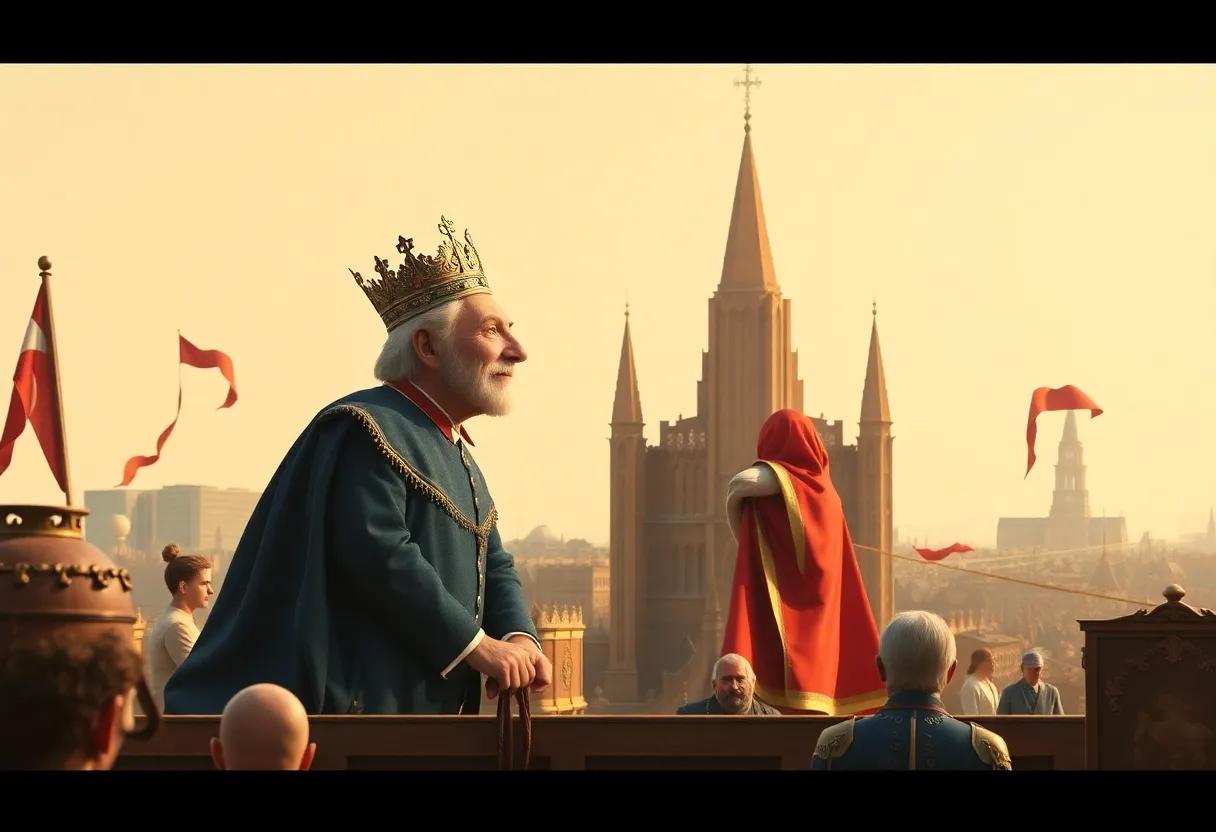
I kept flipping between laughing at the sheer inventiveness of a scene and feeling the sting of its satire: a child’s delight in impossible tasks—talking animals, secret passages, absurd inventions—sits next to crisp, sometimes uncomfortable portraits of power. Stach’s optimism invites you to see the world as full of riddles and play, while conversations with ministers and local rulers pull the rug out and show how easily rules bend for those in charge. The book never treats its younger reader like a fool; instead it trusts that wonder and skepticism can live together,and that made several moments feel delightfully sharp rather than sentimental.
reading it as an adult I appreciated how the whimsy keeps you moving, even when a challenge stretches on or a moral point gets a little heavy-handed. A few tasks slow the pace and some speeches lean toward being instructive, but those stumbles don’t erase the energy of most scenes. Ultimately I left the book with a smile and a thoughtful frown—moved by the imagination and nudged to notice the absurdities of authority in my own life. The mix of play and critique felt honest, never preachy, and oddly comforting.
Memorable supporting figures from stubborn mayors to kindhearted villagers in warm detail
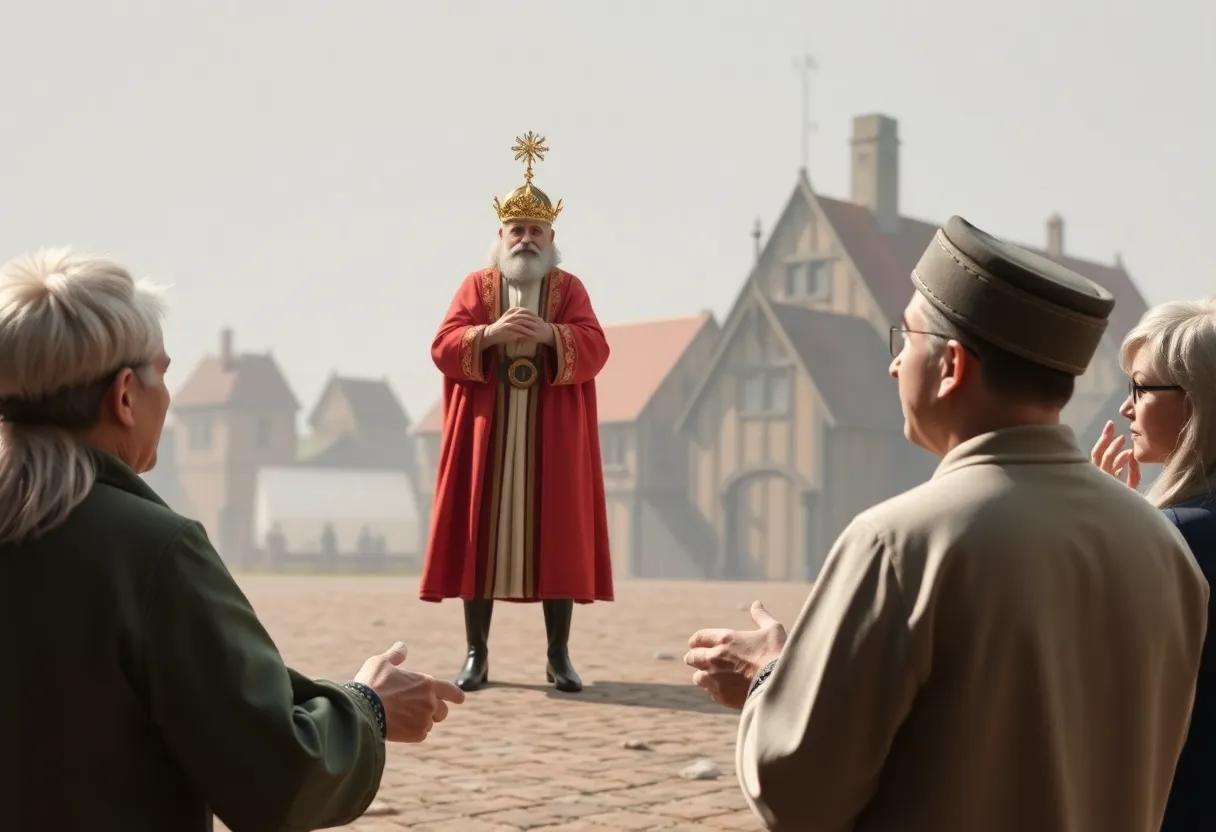
What stays with me longest are the small, human corners of Katoren—the stubborn mayors who argue out of principle more than malice, the shopkeepers who remember every customer’s peculiarities, and the kindhearted villagers who offer a loaf or a lantern without asking why. Terlouw fills the margins with people who speak in plain, sharp lines: a pragmatic innkeeper who can’t help giving blunt advice, an old woman whose nonsense has the ring of truth, a tinkerer who mends more than machines. They add texture and humor in equal measure; sometimes a character leans toward being a cartoon, but even that exaggeration feels affectionate rather than hollow.
The supporting cast does a lot of emotional heavy lifting—providing encouragement, comic relief, and the occasional moral nudge that makes Joost’s tasks feel less like solitary heroics and more like a conversation with a whole community. I loved the small scenes where a villager’s stubbornness becomes loyalty, or where a child’s curiosity breaks a stalemate. If there’s a quibble, it’s that the book occasionally lingers on these side-encounters until the central momentum pauses, but mostly those pauses reward you: you leave the story with faces in your head and a sense that even the smallest characters carried little acts of bravery that mattered.
Pacing that shifts from brisk quests to slow reflective moments with natural rhythm
I was pulled forward by a series of clean, almost playful challenges—each chapter felt like a small mission that moved at a brisk pace. The tasks push Stach along so efficiently that you keep turning pages,smiling at the clever solutions and the author’s dry wit. Sometimes the speed means a few emotional beats land lighter than I wanted, but those quick stretches are part of the book’s charm: they make the moments that slow down feel earned.
when the story slows, it does so with a natural breath rather than a forced pause.village scenes,quiet conversations,and the little observations about power and obligation let the book settle into a thoughtful groove where character and meaning deepen. In those calmer stretches I noticed:
- smaller gestures that reveal who Stach really is;
- details of daily life that make the kingdom feel lived-in;
- questions that hang in the air after a noisy challenge is done.
Occasionally transitions can feel a tad abrupt—an amusing puzzle might snap back into seriousness faster than I expected—but overall the swing from fast to slow gives the novel a steady, humane rhythm that lingers after you close the book.
language and translation choices that preserve charm and lyrical simplicity on the page

Reading Koning van Katoren in English felt like finding a familiar song sung in a slightly different key. Terlouw’s sentences are plain but full of small surprises, and the translator mostly resists the temptation to polish away those rough edges. What comes through is a clear,almost conversational voice that keeps the book feeling immediate—childlike curiosity one moment,sly adult irony the next. I loved how short, crisp lines and simple verbs make even the oddest scenes land with charm; occasionally a joke or a Dutch turn of phrase softens into something more neutral, but those moments are small and don’t break the book’s spell.
The choices that work best are the ones that preserve rhythm and mood rather than hunt for flashy vocabulary. You can sense attention to details like the pacing of dialog and the repeated little refrains that give the story its heartbeat. Small things I appreciated:
- keeping character names and titles intact so the world feels authentic,
- using plain language to hold the fairy-tale immediacy,
- letting a few awkward idioms stay so the narrator’s personality isn’t smoothed out.
If I had one complaint, it’s that a couple of idiomatic jokes lose their bite in translation, but mostly the result reads like a gentle, lyrical tale on the page—simple, witty, and quietly stubborn in its tone.
Jan Terlouw portrayed as a thoughtful elder with a satchel of books and gentle smile

Reading Koning van katoren, I kept picturing Jan Terlouw as a kind of thoughtful elder who strolls into a town square with a satchel of books and a gentle smile. that image made the book feel intimate — like someone handing you a story and saying, “Think with me for a while.” His voice is warm and clear, patient with children and adults at once; when the hero faces absurd, bureaucratic challenges, Terlouw’s presence feels reassuring rather than preachy. I found myself smiling along with his quiet jokes and forgiving the times the plot slows to let a moral choice breathe.
What stays with me is how that elderly guide quality shapes the mood: hopeful,slightly amused,and morally steady. The satchel seems to carry more than books — small lessons, stubborn optimism, and a dash of mischief. A few scenes verge on being too tidy or sentimental, but mostly the tone keeps the story grounded and human. If I had to pin down what that portrayal gives the book, it would be a few simple things:
- warmth that invites rather than lectures
- gentle authority without harshness
- a steady belief in doing the right thing
Why Koning van katoren Lingers
Reading Jan Terlouw’s tale feels like stepping into a small, bright room where every detail hums with meaning. the prose is economical yet warm, leaving space for wonder and for questions that settle quietly after the last page.There’s an aftertaste of gentle challenge — a mix of childlike curiosity and adult reflection that doesn’t demand answers but invites them. The emotions it stirs are modest but persistent: a tug of hope, a nudge toward courage, a soft sense of melancholy.
This is a book that rewards returning to it and sharing it aloud. It lingers not as it tells everything, but because it opens a few doors you want to walk through again.