
I picked up Kate Moore’s The radium Girls expecting a straightforward history, adn within a few chapters I was paging faster than I intended and pausing to steady my stomach. The people and places felt immediate rather than distant, and the reading left me quietly furious at how ordinary choices became devastating. If you care about how work, science, and everyday lives intersect, this book will stick with you long after you close it.
Girls painting glowing watch faces under bright lamps with tiny brushes
 girls painting glowing watch faces under bright lamps with tiny brushes”>
Reading those passages felt like watching a small, private ritual: women bent over dials under blinding lamps, fingers steadier than you’d expect, mouths habitually shaping the brush tips before each stroke. Moore makes the work feel intimate — the hush of the room, the tiny tap of bristles, the way the paint caught light and seemed almost proud to glow. I found myself admiring the craft: these were not anonymous factory hands but people who took real pride in making something beautiful and modern,even as the setting around them was relentlessly industrial.
What lingers most is how that beauty turns ominous. The same delicate gestures that produced perfect, luminous numbers became, in hindsight, fatal — and the book slowly tightens that feeling until you can hardly look at a glowing watch without a chill. Moore sometimes slows with piles of documents and testimony, which paused my momentum, but those pauses only made the smaller moments — a shared laugh over a mispainted seven, the hush when a lamp bulb blew — feel that much more human. A few sensory details that stayed with me:
Best-Selling Books in This Category



- Lombardo, Claire (Author)
- the white glare of the lamps
- the faint chemical tang in the air
- the soft tap of brushes on enamel
The slow spread of illness shown in pale hands and cracked porcelain teeth
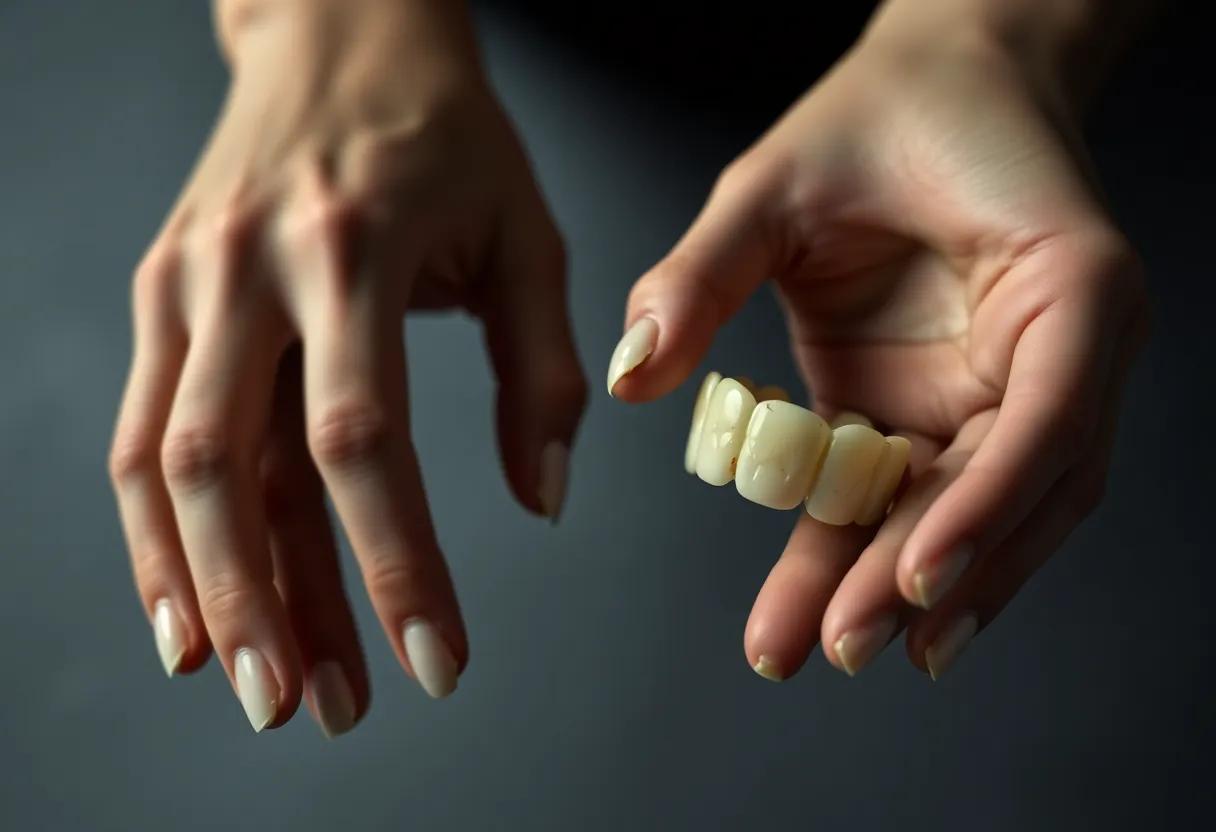
I kept coming back to the tiny, domestic images: the girls’ fingers stained with paint, the careful lip-pointing of a brush, then the slow yellowing and hollowness that followed. Moore doesn’t stage grand scenes of collapse — she lets the damage accumulate in the margins: a fingernail that won’t mend, a jaw that aches when chewing, a laugh that reveals cracked, porcelain teeth. The effect is quietly devastating. Those small, repeatable details turn the long unfolding of illness into something you can almost trace with your own hands.
Reading it felt like watching a slow, relentless unravelling; there’s a steady ache of dread and outrage as the story moves from one small symptom to the next and you realize how avoidable it was. I admired how Moore lingered on everyday moments — the tea cups, the factory benches, the friendships — even when the medical descriptions sometimes slowed the pace. The balance works: the intimacy of the portrait makes the corporate denial and the women’s stubborn courage all the more affecting, and the images stayed with me long after I put the book down.
Factory floors and polished machinery under the shadow of corporate secrecy
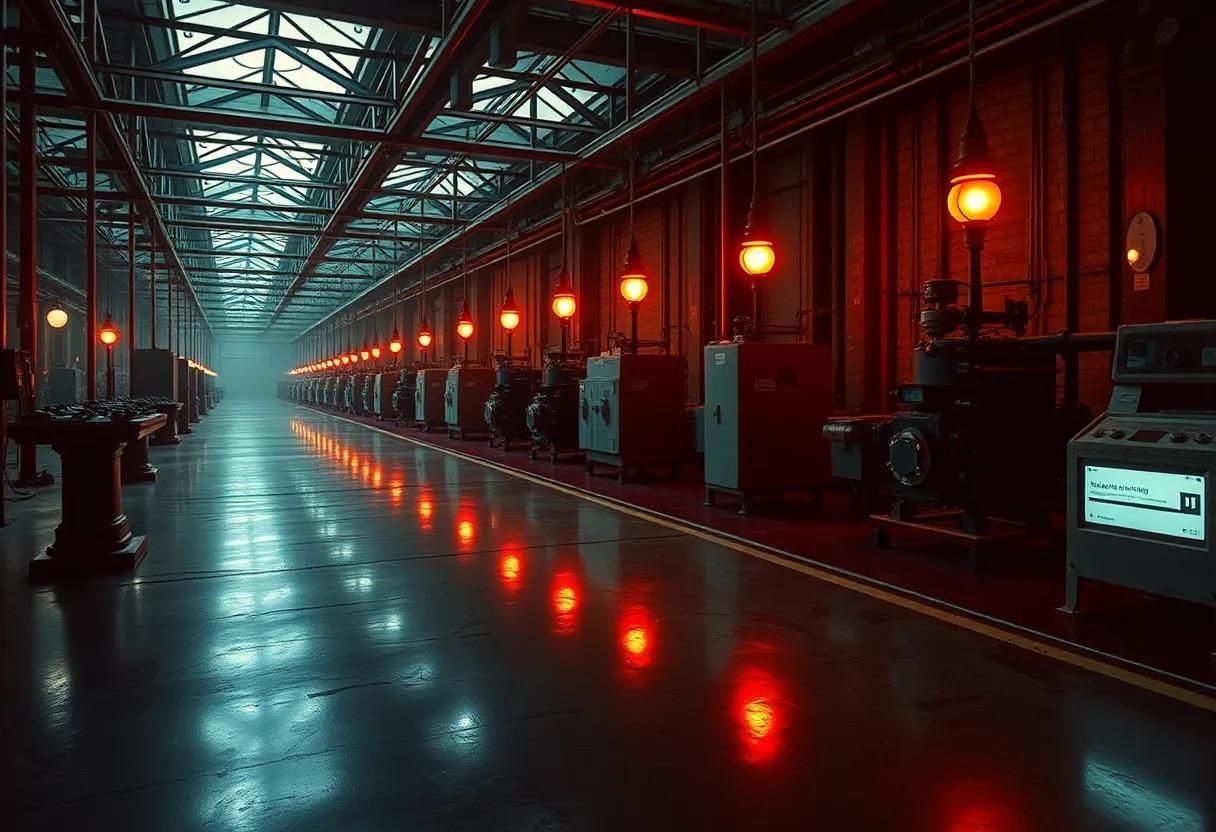
Reading the chapters set on the factory floors, I kept feeling pulled between two sensations: a bright, almost cheerful glow from the dials and paint, and a grim, grinding intimacy with the women’s work — the rhythm of brushes, the whisper of aprons, the metallic tang in the air. Moore has a way of describing the place so you can almost see the machinery polished to a mirror finish, as if the shine itself were a kind of alibi. At times the book lingers in legal and medical detail longer than I wanted, but those stretches also deepened my frustration at how carefully those glossy surfaces were used to hide consequences.
The corporate side of the story casts a long, cold shadow; suits and reports become characters in their own right, moving in the margins while the pain stays in the center.The secrecy felt physical, a room you could step into and feel the temperature drop. Small images kept returning to me after I finished the book:
- a clock face under factory light, hands ticking on while people disappeared;
- tiny brushes that seemed too fragile for the scale of harm they caused;
- men in well-pressed coats who smiled for the photographs and never touched the paint.
Those details made the injustice linger — not melodramatic,just quietly relentless — and left me thinking about how easily neat surfaces can conceal real damage.
Courtrooms packed with women in simple dresses demanding honesty and justice
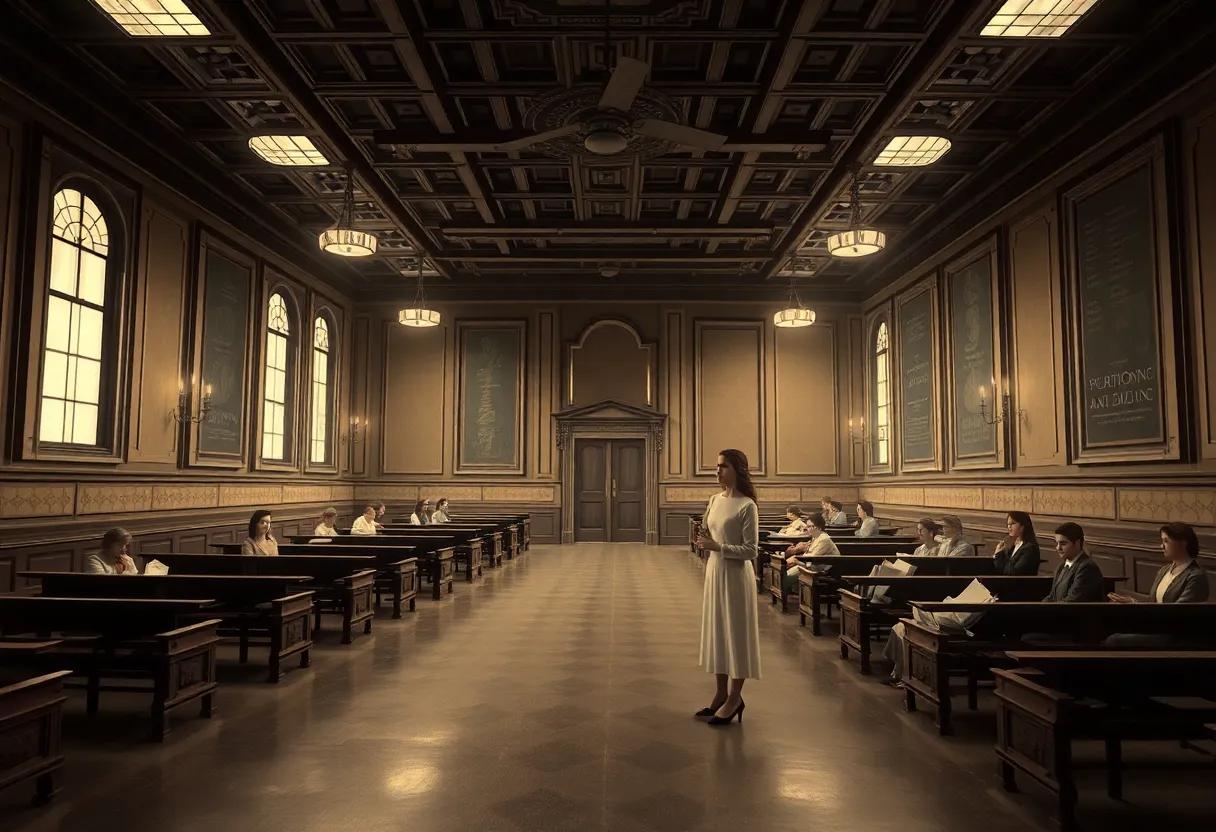
Reading the courtroom scenes is like being shoved into a hot, crowded gallery where every face tells a story: women in simple dresses, tied-up hair, hands raw from work, waiting for the law to recognize what they already knew in their bones.Moore doesn’t sentimentalize them; she lets small details — a tremor in a witness’s voice, the scratch of a pencil, the way a sister steadies another — do the work. Those rooms feel alive and ordinary, and that ordinariness is what makes their demand for honesty and justice so sharp. You can almost hear the rustle of skirts and the fraying patience of men who think procedure will drown human truth, and it rattles you in the chest.
There are moments when the legal machinery drags — pages of depositions and courtroom procedure can slow the pulse of the story — but the human scenes snap it back. The testimony, the quiet bravery, the public outrage that gathers around these women give the book its moral force.I left those chapters with admiration for their grit and a lingering unease: the verdicts feel like small, necessary reliefs, not full answers, and Moore makes you live with that incompleteness.
Scientists in cluttered labs balancing microscopes and early radiology tools
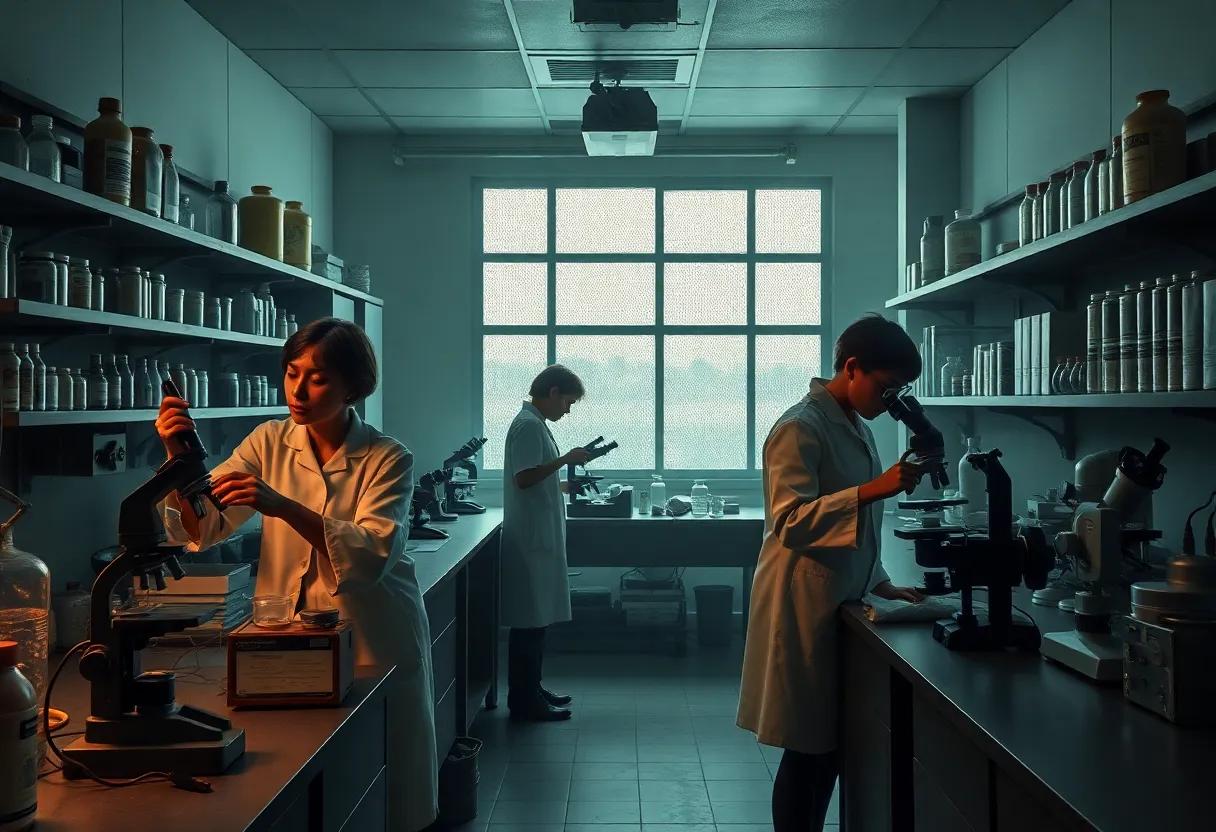
Moore paints those cluttered labs like tiny universes where microscopes, glass slides and early radiology tools crowd together under dim lamps. I kept picturing the scientists hunched over benches, instruments gleaming and fingers stained with luminous paint, a scene that felt both quietly reverent and faintly reckless. There’s a real tactile quality to her descriptions — you can almost smell the solvents and hear the clink of metal — and that makes the slow dawning of danger feel unavoidable: the same curiosity that drives revelation here also incubates disaster.
What surprised me is how human the book makes these researchers: not villains in white coats but people convinced they were on the side of progress, full of confidence and, at times, culpable carelessness. Moore doesn’t shy from showing their mistakes and regrets, though sometimes the scenes linger in technical detail long enough to stall the momentum. Still, those cluttered corners of science give the tragedy its texture — intimate, avoidable, and oddly sympathetic.
How newspapers and lurid headlines shaped public anger and sympathy for victims
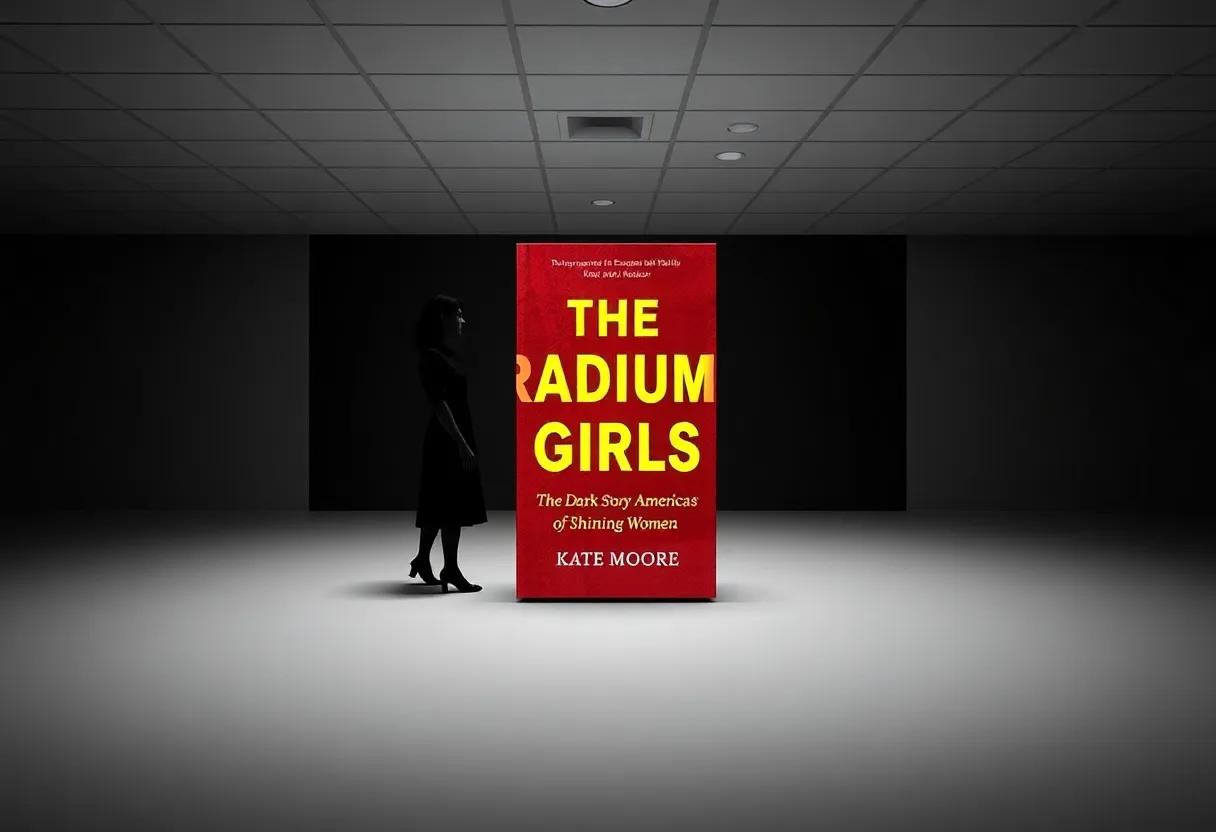
I remember closing the book and realizing how much of the girls’ story rode on a parade of lurid newspaper lines that would make anyone sit up and care. Kate Moore shows how a single headline could turn a quiet factory town into the center of moral outrage: the papers didn’t just report the deaths, they dramatized them — glowing teeth and “mad” doctors, portraits of pale, stooped women that read like cautionary postcards. As a reader I felt grateful that those sensational pieces dragged the issue into the light, but uncomfortable too; the same copy that built public sympathy also turned private suffering into a kind of spectacle, ripe for gossip and sales.
The book makes it clear the press had real power: outrage on the op-ed page became pressure in the courtroom and the legislature. At the same time, Moore doesn’t pretend the coverage was pure altruism — it could be exploitative, inconsistent, and sometimes selective about who got attention. What stuck with me was how fragile that attention was. A handful of dramatic images and a string of angry editorials could mobilize the city, but when the novelty faded the stories cooled. Small reminders of what those headlines did for the women and what they took from them:
- Bold, sensational language that simplified blame into a single villain
- Photographs and sketches that made victims instantly visible — and vulnerable
- Editorial campaigns that turned sympathy into political pressure
I finished the chapter with mixed feelings: the press helped the Radium girls win a hearing, but Moore also makes you wonder how much of that victory depended on being marketable copy.
The slow changes in laws and safety rules sketched against factory skylines

I kept picturing the mills and factory skylines Kate Moore describes—tall, patient silhouettes against the sky—while the book patiently traces the legal and safety changes that followed. Those changes arrive not with fireworks but as a series of small,grudging steps: regulations drafted,court decisions handed down,companies forced to pay a little more attention. Reading it felt like watching weather move in slow motion; you can see the storm coming,you can mark the days it grows darker,and yet the relief for the people underneath comes only bit by bit. The contrast between the bright, almost clinical language of laws and the rawness of the girls’ lives is what stayed with me most—slow progress framed by urgent human cost.
Moore sketches that grind with enough detail to make the slowness infuriating, and sometimes the procedural stretches do stall the narrative for me. Still, that very patience is what makes the eventual changes feel hard-won rather than inevitable. The book made me quietly grateful that rules were eventually rethought, while also unsettled at how many lessons were learned the hard way. If you want a reminder that safety and justice seldom arrive quickly or neatly, this section delivers—mournful, steady, and oddly necessary.
Portraits of the workers as ordinary women with laughter memories and fierce resolve
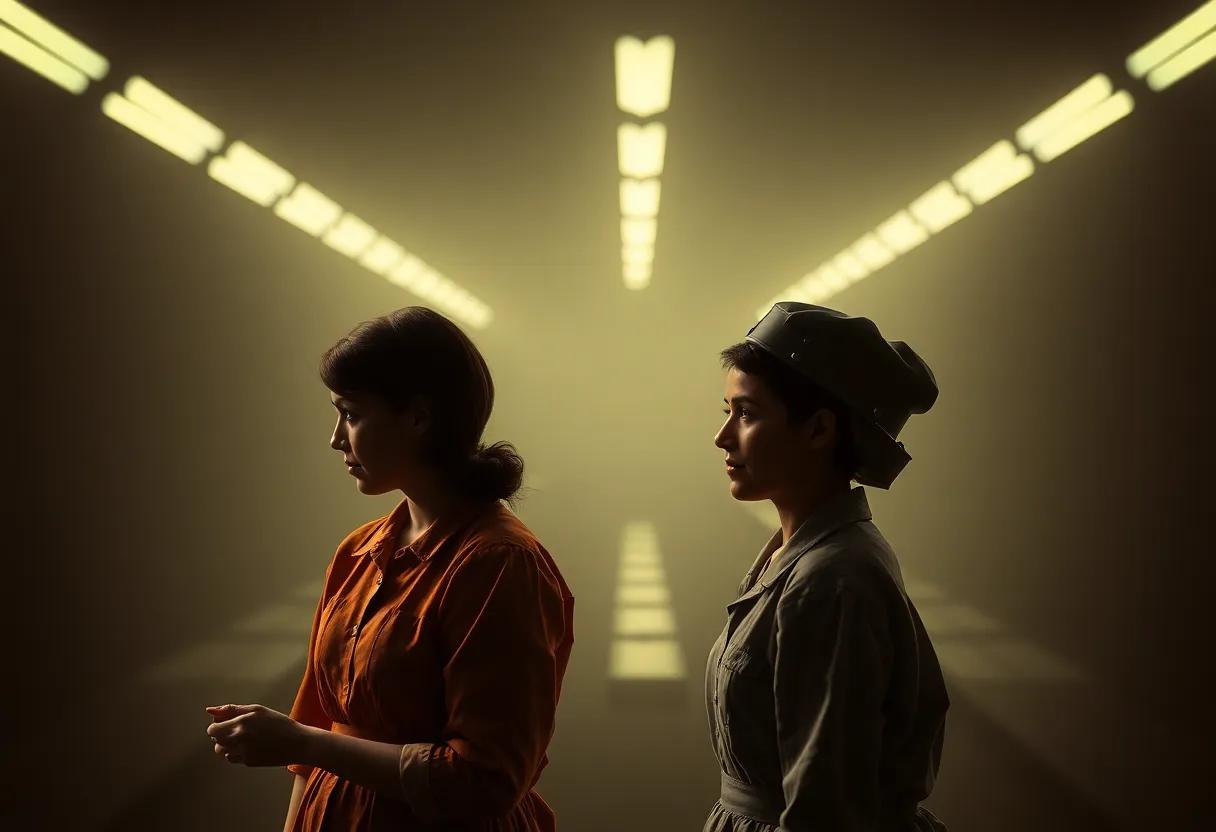
Reading Moore, I kept expecting a steady procession of grim hospital scenes—but what stayed with me most were the small, lived moments she lingers on: girls giggling over lipstick stains, trading sheet music for the radio, folding letters into tiny, secret packages. those details make them ordinary in the best way possible; they feel like the women who could have lived next door. Little things—a shared joke about a ruined dress, a favorite song, a postcard from a brother at sea—kept popping back into my head long after I closed the book.
And then, as the story darkens, those ordinary lives harden into something else: tenacity. Moore gives us women who, between trips to doctors and nights of pain, find a way to demand justice with a fierce resolve.Grace Fryer and the others stop being mere victims on a page and become people who organise, testify, and refuse to be erased. At times the legal back-and-forth slows the pace, but it never quite blotches the human portrait: you still remember their laughter, their mail, their stubborn kindness—the small, stubborn things that made them fight.
- Warmth in a photograph
- A joke shared over a factory bench
- The refusal to be silenced
Kate Moore pictured at a cluttered desk surrounded by archives notebooks and photographs
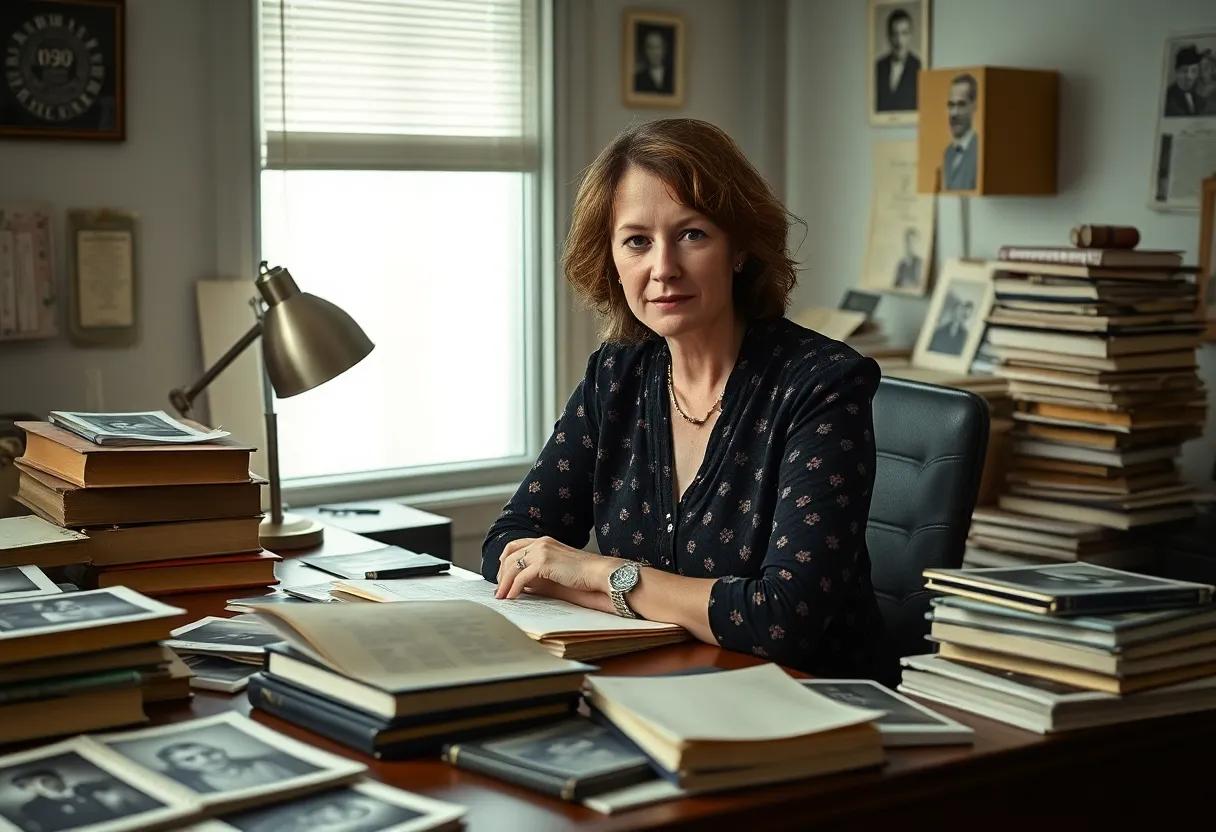
That photograph of Kate Moore hunched over a cluttered desk—stacks of notebooks, loose photographs, yellowed envelopes—felt like an invitation into the book’s workshop. The mess isn’t careless; it reads as evidence of relentless attention, a physical map of the hours spent following threads and listening to overlooked voices. Seeing the tools she used made the research feel alive: I could almost hear the pages turning and see her cross-referencing names until patterns emerged.
the effect shows up on the page.The book is rich with detail and small, human moments that make the tragedy hit harder than broad summaries ever could. At times the sheer volume of facts and testimonies slowed me down—there are passages that feel dense or repetitive—but more often the depth rewards patience. After seeing that picture,I trusted the care behind every anecdote and found myself grateful for the kind of stubborn curiosity that refuses to let these women remain anonymous.
A Quiet Reckoning with History
Reading Kate Moore’s account is an intimate, unnerving experience: the details of ordinary life—workbenches, laughter, small comforts—become the backdrop for something larger and harder to name. The people in the pages feel vivid; images and names linger long after the book is closed.
The emotional aftertaste is complicated—sorrow for lives shortened, anger at institutions that looked away, and a steady admiration for the women who pressed for truth. That mixture stays with you, prompting long, quiet reflection rather than easy resolution.
This is a book for readers who want history to land on the present: those interested in labour, medicine, or the stories that shape public conscience. It may not comfort,but it enlarges the way you remember and reckon with what was allowed to happen.