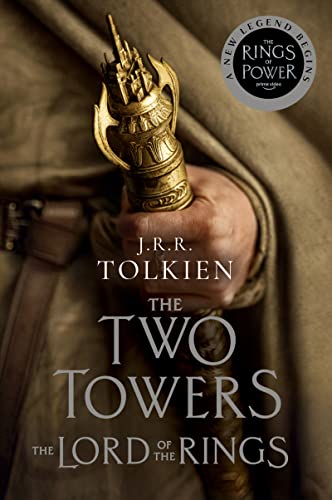
I picked up The Two Towers thinking it would be the slow middle of a trilogy, but within a few chapters it had me staying up later than planned. That frist read left me noticing how the book can shift moods and focus without losing momentum — sometimes jarring, often surprising, and often strangely intimate.
What stuck with me most were the small moments that changed how I saw the characters rather than any single big set piece. If you’ve read it, you probably remember those moments too; in this review I’ll try to pin down why they keep bringing readers back.
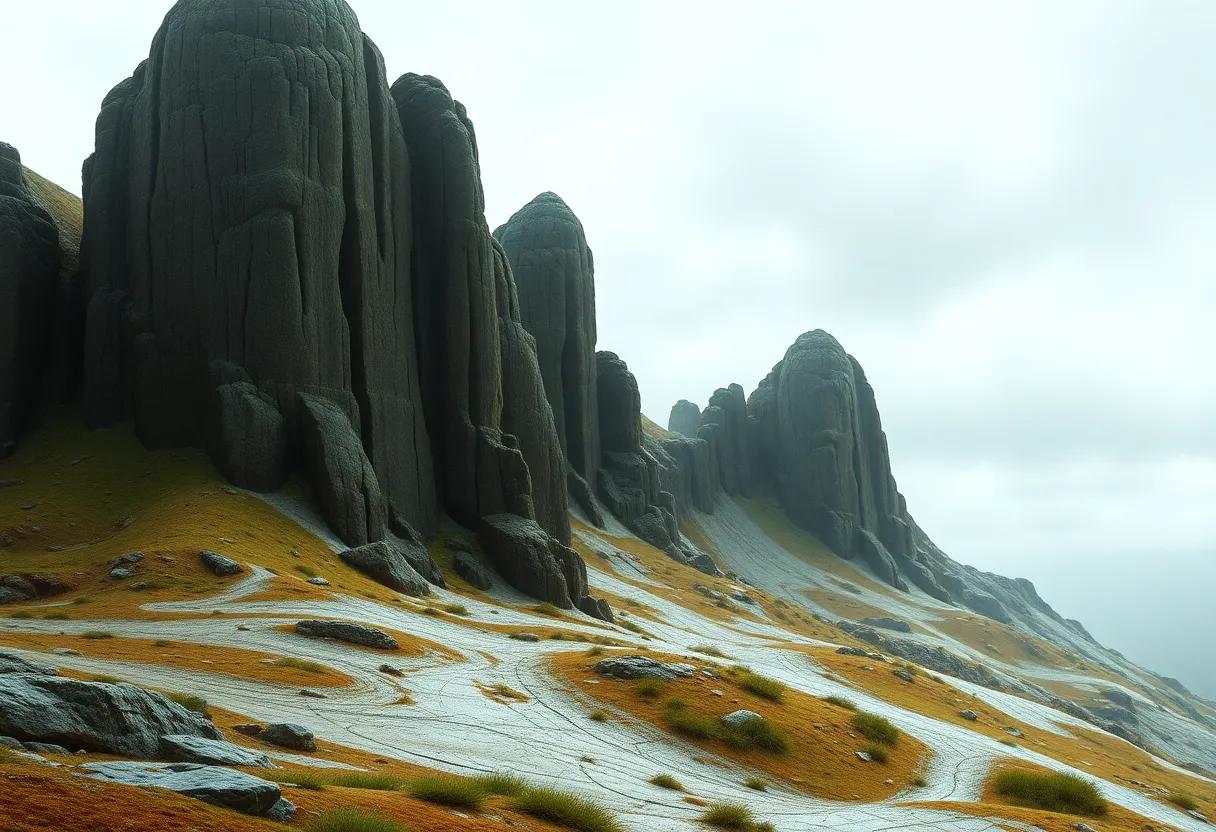
Misty fortresses and rolling plains that bring middle earth landscapes to life
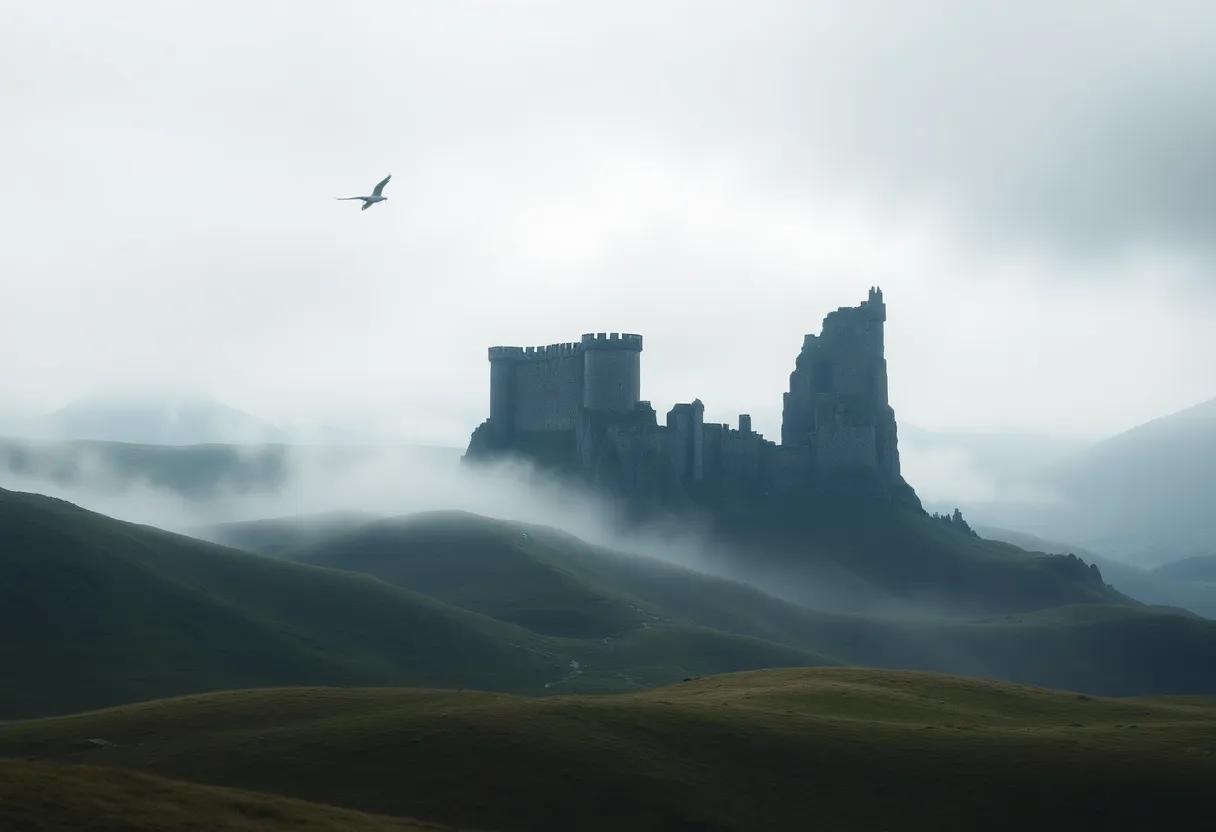
Walking through these pages felt less like reading and more like taking a slow tour of a place that remembers its own history. The stone of Orthanc, the ancient trees of fangorn and the wide, wind-whipped Riddermark are painted so fully that I could feel the damp of the mist on my face and hear distant hooves. There’s a weight to some scenes — a hush before violence or a stretching calm after it — that makes the landscape itself seem to carry the story’s mood. At times the descriptions wrapped around me so tightly I forgot the plot was moving forward at all, and at other moments the open plains made every small movement feel urgent and fragile.
Best-Selling Books in This Category


- Amazon Kindle Edition

What stayed with me most was how these places shape the people who cross them: the Rohirrim become braver on the wind-swept plains, the Ents move with a patient, ancient logic, and Frodo and Sam look tinier than ever beneath looming rocks and mist. A few passages linger a beat too long — some of the detail can slow the pace — but those same passages are why certain images refuse to leave your head. Little sensory bits kept echoing after I closed the book:
- fog curling like breath from a tower
- the heavy creak of wood and root when the Ents march
- and the steady thud of hooves across open grass
They make Middle-earth feel like a place you could lose, and, oddly, want to return to.
Small quiet moments between companions that reveal deep friendship bonds
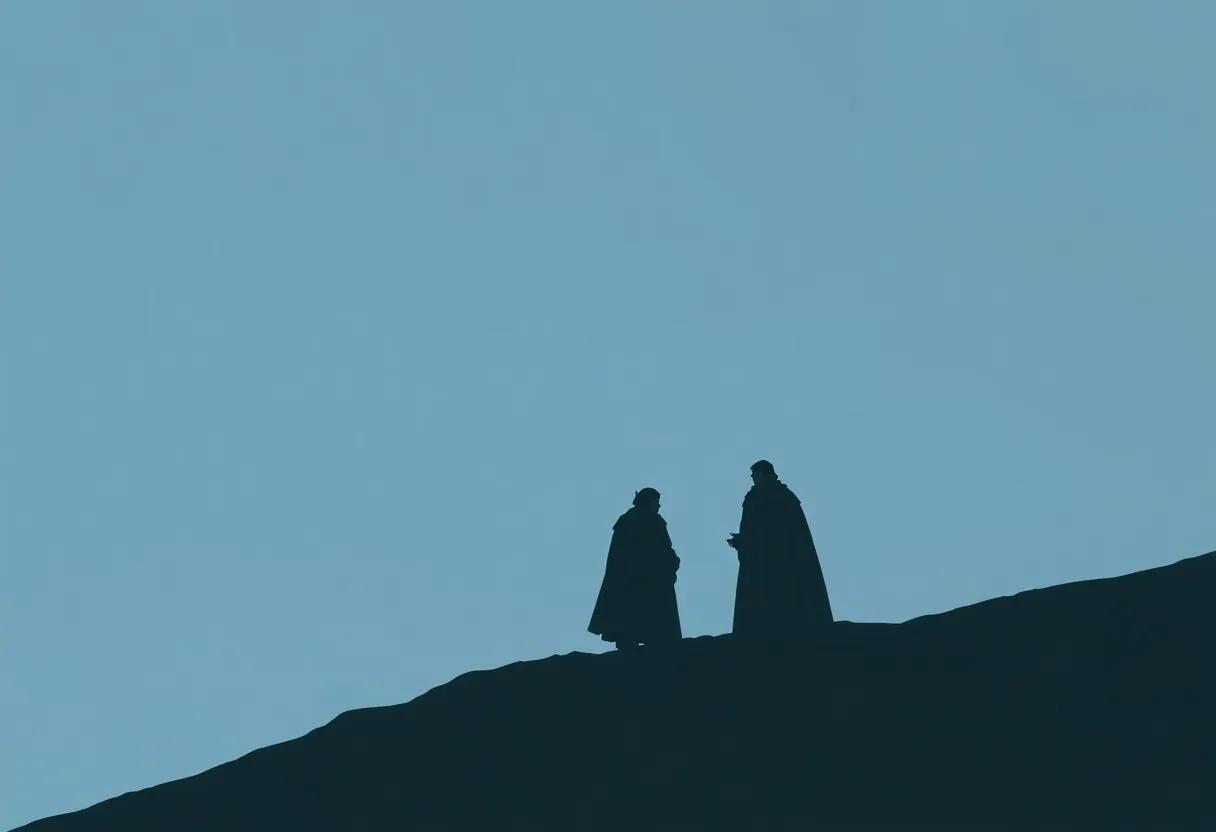
What lingers most after The Two Towers isn’t always the big battles or the turns in the plot,but the small,quiet moments between companions that quietly insist on how bound they are to one another. A shared scrap of food, a hand on a shoulder in the dark, a hushed reassurance when the path feels hopeless — these tiny gestures cut through the epic sweep and make the danger matter on a human level. I found myself more moved by those soft exchanges than by many grand speeches; Tolkien gives us friendship in low light, and it feels truer as it’s unadorned.
Those moments also let each personality shine without fanfare: Sam’s steady attentiveness, the hobbits’ private jokes, the way two warriors exchange a look that says “we’ll go on.” Sometimes the book lingers here and it can slow the forward rush, but usually it pays off — suddenly the losses and risks mean something deeper.A few of the quiet bits that stuck with me:
- a late-night sharing of food and stories between two weary travelers
- Merry and Pippin trading tall tales with Treebeard, their childish voices somehow anchoring an ancient forest
- a brief, unspoken understanding between comrades before they step into danger
These are the scenes that turn adventure into a story about people who truly care for one another.
Clashing steel and crackling fire capturing the chaos of battle beneath walls
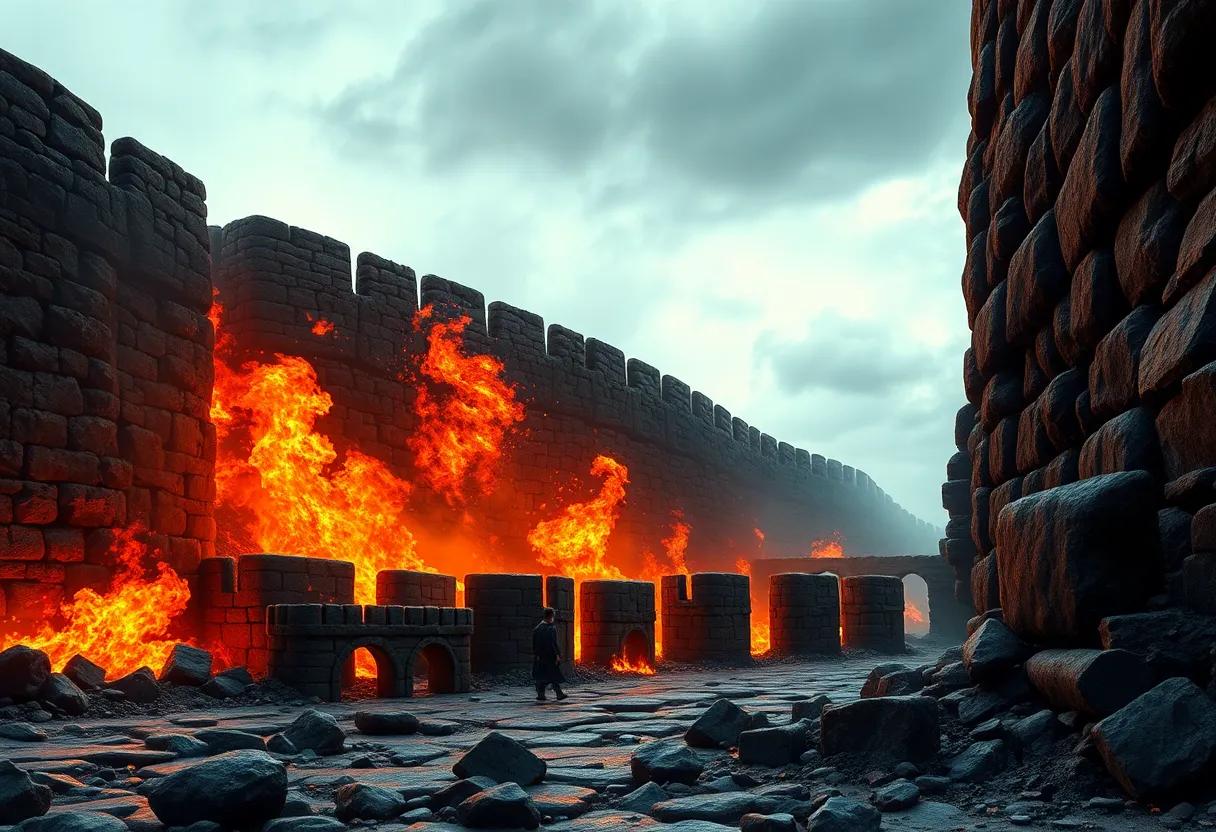
Reading the sequence at Helm’s Deep felt like standing too close to a bonfire and feeling the heat of a thousand stories at once: clanging steel, shouted orders, and the slippery sting of rain turning the ground to mud. Tolkien throws you into the middle of the mess so completely that you keep losing and finding a center—one moment you’re watching Gimli and Legolas trade impossible feats, the next you’re with Théoden feeling the weight of command. Those small human beats—a tired glance, a whispered prayer, a sudden, brave foolishness—make the chaos feel lived-in rather than theatrical.
There are moments where the siege’s length and detail felt almost relentless; I sometimes longed for quicker breathing space between assaults. still,the payoff is powerful: the sudden arrival of hope,the clash of horns and the flare of torches,the way the landscape seems to groan under both fire and courage. On rereads I find myself drawn most to the murky mix of fear and stubborn joy that lights up the worst nights—Tolkien doesn’t just stage a battle, he lets you stand inside its noise and keep breathing.
Lingering cliffhanger moments and sudden departures that leave the journey open

There are moments in The Two Towers that feel deliberately unfinished — chapters break off while someone is still running, or a conversation dissolves into action and we’re shoved into another pair of eyes. As a reader I found that sharp, abrupt quality
That pattern of sudden departures turns waiting into part of the pleasure. You leave a cliffhanger with a queasy, excited knot in your stomach and a dozen little questions you want answered — it’s annoying in the moment, but it also keeps the world alive in your head after you close the book. My reactions tended to flip between impatience and wonder: Tolkien’s willingness to stop midstride makes the story feel ongoing rather than finished, which, for me, is one of the book’s most compelling tricks. Reading Tolkien here frequently enough feels like letting your fingers trace a tapestry where every thread is a sentence. The prose has a murmuring quality—soft, insistent cadences, names and epithets that roll over the tongue, and those rich old words that press against modern phrasing and refuse to be hurried. Sometimes a single paragraph reads like a slow chant: it can be hypnotic, transporting me into wind and ancient wood, but I’ll admit it can also stall the action. There are moments when you want to move faster, and Tolkien lingers—deliberately—on place, lineage, or whether until the world feels absolutely lived in. Still, that patience pays off. The language gives weight to small scenes and makes the large ones feel earned. Lines from Treebeard or the Rohirrim have stayed with me more than a dozen battle descriptions; they make the book feel older and deeper in a way few modern writers attempt. A few moments that kept tugging at me: Each of those relies less on plot and more on the way words sit together, like woven bands. If you come to the book willing to sink into its rhythms,the reward is a rare,tactile sense of history—beautiful,occasionally ponderous,and wholly immersive. After finishing the book I kept thinking about the moments that don’t make the maps or the songs—Sam’s steady, stubborn kindness as he carries more than just a pack, Faramir quietly turning away from what would have made him great, Treebeard and the Ents doing their slow, stubborn rightness, and the nameless defenders at Helm’s Deep who hold the wall as someone must. Those scenes feel intimate and oddly luminous: nothing flashy, no trumpets blaring, just people choosing a hard, small thing because it is the right thing. Quiet courage and small sacrifices become the true measures of heroism here, more affecting than any banner or coronation. Sometimes the middle stretches of the book linger—tolkien’s long pauses over landscape or the rhythms of travel can slow the pace—but they also give room for those tiny human moments to breathe. I found myself more moved by a single private act of mercy than by sweeping strategy, and the book keeps reminding me that when the big story tilts, it is indeed frequently enough those unheralded choices that tip the balance. If the pace feels uneven at times, it’s a small price to pay for how vividly those quiet lights glow afterward. Walking into Fangorn through Tolkien’s sentences feels like stepping into a clock that measures centuries instead of minutes. The trunks loom like old pillars and the roots seem almost to breathe, shifting with a patience that makes everything else feel hurried. When Treebeard speaks, the world slows with him—his voice is less a series of words than a tide, and watching the Ents rouse themselves gave me the odd, comforting sense that the forest has its own long memory and its own slow justice. Those scenes made me step back from the action and simply listen; the creak of boughs and the hush of moss became as notable as any sword or plan. Admittingly, that same slowness can feel plodding at moments—the pace hesitates and lingers in ways that will test impatient readers—but for me it was part of the book’s strange balm.The languid, rooted world of the Ents gives the conflict a bigger frame: not just battles now, but what survives and what remembers after. I closed those chapters with a quieter head; a little more aware of time, of care, and of how small hurried lives look next to something that thinks in seasons rather than sunsets. I kept thinking of the book as a sort of atlas made of music and memory: lonely laments in the quiet stretches and brave marching songs when the road turns sharp. The conversations between Frodo and Sam, Gollum’s muttered half-psalms, and Treebeard’s slow, mournful speech sit like waypoints of solitude—small, stubborn beacons that show how heavy the world feels for each character. Simultaneously occurring the cries of riders, horns at dawn, and the raw, simple chants before Helm’s Deep kick the chest in a different way; they push you forward, remind you that sorrow and courage can live on the same page. I found myself moved more than once: a pang for what’s lost, promptly followed by the urge to stand up and keep reading. Those alternating moods act like secret directions rather than explicit signposts.A few moments dragged for me—the Ent chapters felt long at first—but looking back they’re the hidden corners that make the map readable. A few scenes that felt like markers for the journey: sometimes chapters break off suddenly and leave you impatient,but that abruptness is part of the pattern: the laments make the marches mean something,and the marches make the laments bearable. The book hangs together as those small musical moments keep guiding you, long after you close it. Reading the Two Towers reminded me again that tolkien was a quiet scholar first and a storyteller second — in the best sense. His philological habits show up everywhere: names feel certain, songs and place-names carry their own histories, and even a roadside sign can make you imagine whole cultures. That attention makes Middle-earth feel like a lived-in map rather than a backdrop; when Treebeard speaks or when a fragment of an old rhyme surfaces, it’s like overhearing a neighbor recall a legend. It slows the action at times, but it also creates a sense of depth that’s surprisingly comforting rather than distant. On a readerly level,those linguistic and mythic layers are what keep me coming back. The Two Towers can be messy — the split narratives sometimes tug the momentum in different directions, and Gollum’s long, winding internal monologues test patience — yet those very choices let the world breathe. Moments like the Entmoot’s gradual decision or sam’s stubborn hope feel earned because Tolkien has already given weight to names, songs, and customs. If you want brisk plotting, you might be frustrated; if you want to live awhile inside a place that feels like it has a past and a tongue of its own, it’s quietly intoxicating. Lingering Echoes of middle-earth This reader’s look leaves you suspended between urgency and pause, drawing attention to the book’s moods and the moments that invite re-reading. It frames familiar scenes so that small textures — gestures, silences, shifts in tone — start to matter in new ways. What lingers is less plot than feeling: a blend of tension, quiet resolve, and a curious tenderness for the journeys still unfolding.The emotional aftertaste is persistent but not neat, a companionable unease that keeps the creativity moving.For anyone who returns to Tolkien or approaches him anew, the piece is an invitation to slow down and listen. It doesn’t resolve what remains unsettled; it simply makes you want to hear those voices again.
Murmuring lines and rich old words that make the prose feel like woven tapestry
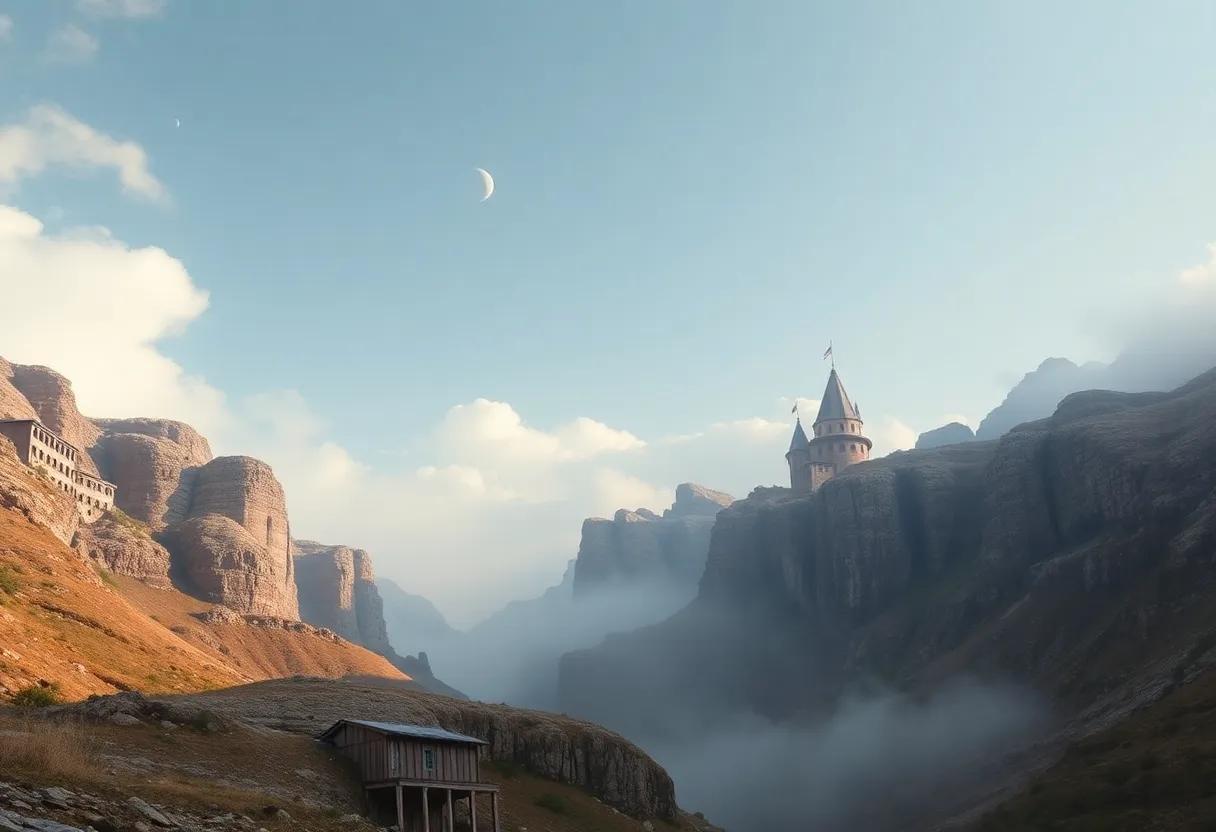
Quiet acts of courage and small sacrifices that shine brighter than any banner
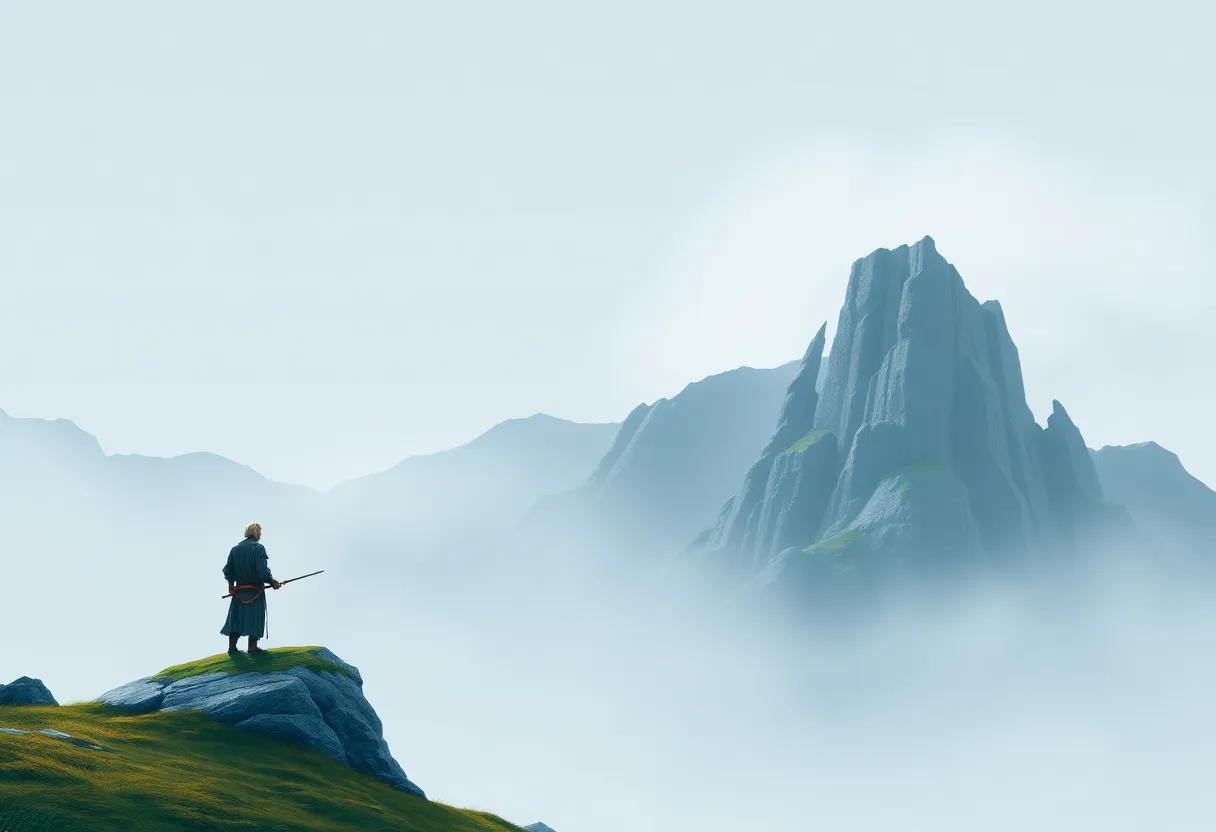
Towering trees and slow moving roots where ancient ents stir the sleeping forest

Lonely laments and brave marching songs stitched through the pages like hidden maps
J R R Tolkien the quiet scholar who shaped living languages and wove myth from old lore