I picked up Raintree County on a quiet afternoon as I kept hearing people argue about it, and I quickly realized why it provokes that kind of conversation. The book grabbed me in fits and starts—moments that felt immediate and oddly modern sitting next to stretches that wore their midcentury origin on their sleeve—so my reading never settled into a single,steady rhythm.
Reading it now,I was surprised by how frequently enough I found myself agreeing with parts and squirming at others,the kind of mixed reaction that makes you want to talk about a book with someone else. In this review I’ll note what worked for me and what didn’t, not to rehash the plot but to explain why Raintree County still sparks debate.
The Midwestern landscape painted in golden fields rivers and small town skies
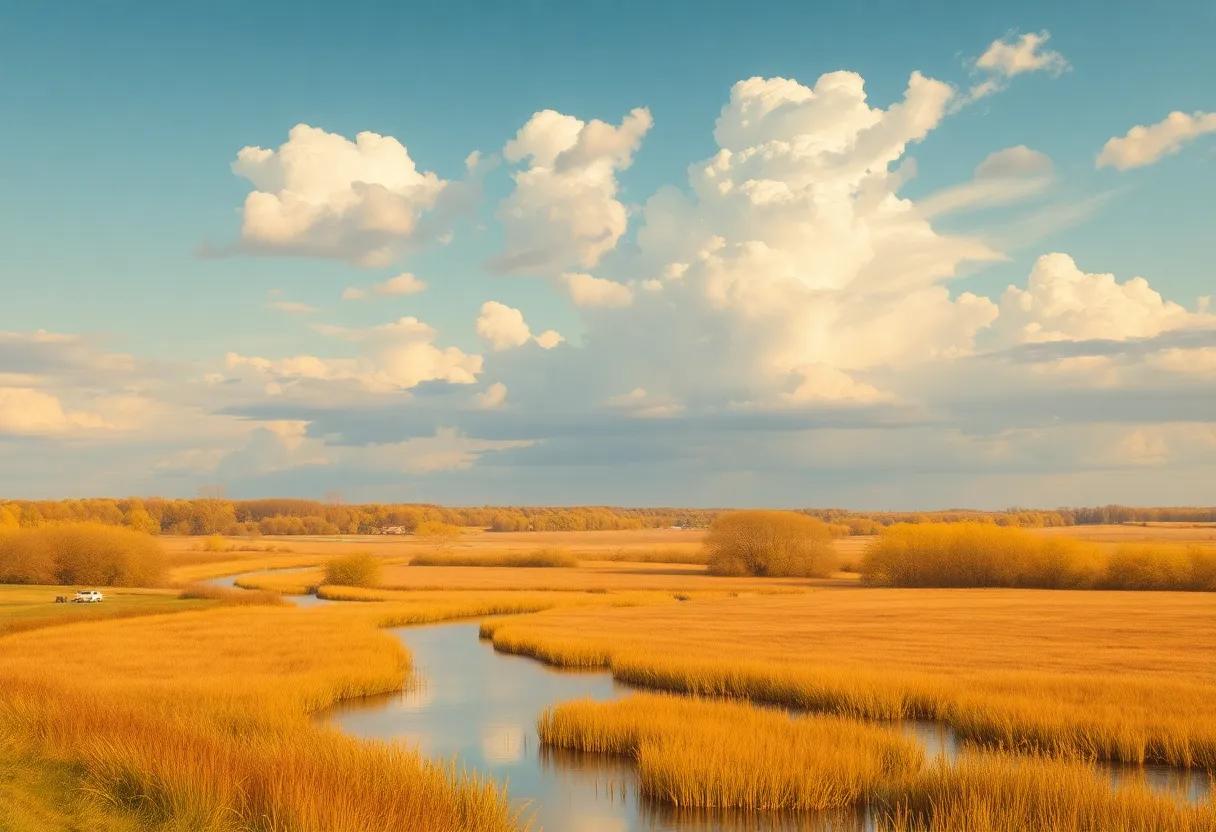
Lockridge paints the Midwest with an almost tactile hunger: fields that ripple like a sea of golden grain, rivers that cut lazy scars through the land, and small-town skies that can open into mercy or close over you. Reading those sections I kept sensing heat and wind, the smell of cut hay and the sound of distant trains—details that make the place feel lived-in rather than merely described. Every so often the writing luxuriates in long, breathy sentences that can slow you down, but more often they let the landscape breathe in a way that stuck with me long after I put the book down.
Best-Selling Books in This Category


- Amazon Kindle Edition

The setting doesn’t just decorate the story; it presses on the characters, shaping their choices and their regrets. The townS rhythms—harvest, river ice, church socials—act like a pressure on private longings and public reputations, alternately comforting and claustrophobic. I had mixed feelings about the pacing because those slow, loving pages sometimes delay the plot, yet they also reveal why the people act the way they do: the land makes them stubborn, nostalgic, and fiercely attached.By the last chapters the midwest feels less like backdrop and more like a quiet, persistent character—steady, indifferent, and strangely tender.
A young mans restless longing and the drive that pushes him beyond home
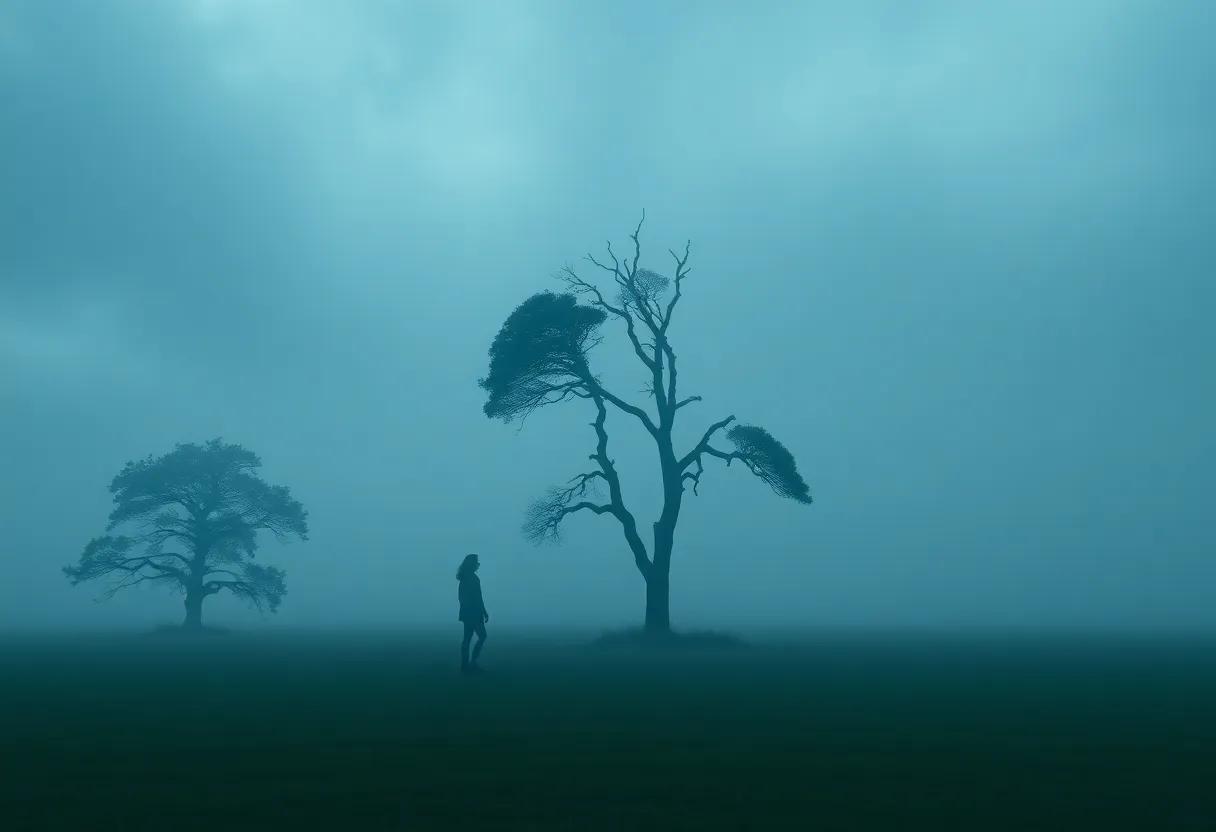 restless longing and the drive that pushes him beyond home”>
Reading John Shawnessy’s yearning feels oddly like watching a young man build a map of the world out of a few backyard memories. His restless longing is almost a character itself—equal parts romantic hunger, vanity, and sincere hope—and Lockridge gives it room to breathe in lyrical, sometimes breathless prose. I found myself rooting for him because his desire to be more than the son of raintree County is so recognizably human: the need to matter, to love grandly, to prove oneself. At times that longing is intoxicating; at others it tilts toward something stubborn and self-destructive, which kept me both sympathetic and uneasy about where his choices woudl lead.
What pulls him beyond home is a mix of obvious and messy motives—love (and the image of love), ambition, curiosity, and a hunger for a story to belong to. I liked how the book never lets you reduce his leaving to a single reason. A few small things that pushed him out:
- a persistent romantic ideal he can’t shake
- a need to become someone worth remembering
- a restless curiosity about what lies past the county line
All of that momentum is thrilling on the page: you feel the acceleration toward new places. Having mentioned that, Lockridge sometimes lingers so lovingly on John’s interior that the outward movement stalls, which can be frustrating if you want plot to hurry along. Even so, the portrait of a young man driven beyond home—immature, noble, and dangerously hopeful—stuck with me long after I closed the book.
The complicated love affairs painted like feverish summer nights and promises
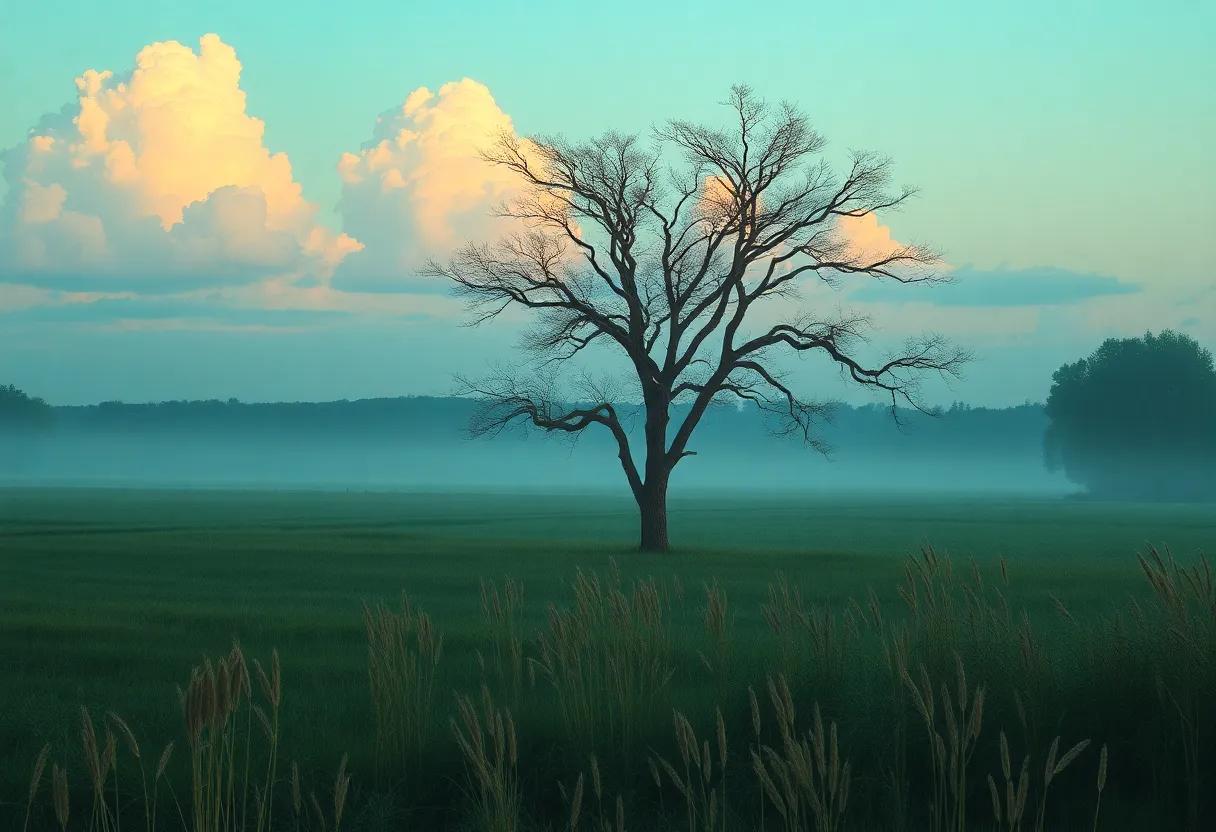
Reading those affairs feels like walking into a midnight porch party where the air is thick with tobacco and the smell of adirondack summer—immediate,loud,and a little dizzying. The romantic passages are painted in long, lyrical sweeps that push desire into the foreground until it almost takes on a shape of its own. I found myself caught between the warmth of the moment and the sense that many of the promises exchanged are more wishful thinking than durable plans; the passion is intoxicating and, at times, heartbreakingly fragile.
That mix of heat and fragility is what stayed with me: these love stories are not tidy, they wobble between grand vows and quiet disappointments, and sometimes the prose lingers on the feeling so long it borders on melodrama. Still, even when I wanted a scene to tighten up or move along, the emotional honesty kept pulling me back in. The book leaves a few loose ends and a sweet ache—romance here isn’t resolved so much as it lingers, like the memory of a perfect night you can’t fully recreate.
Nature as character with the mythical raintree river looming oaks and storm clouds
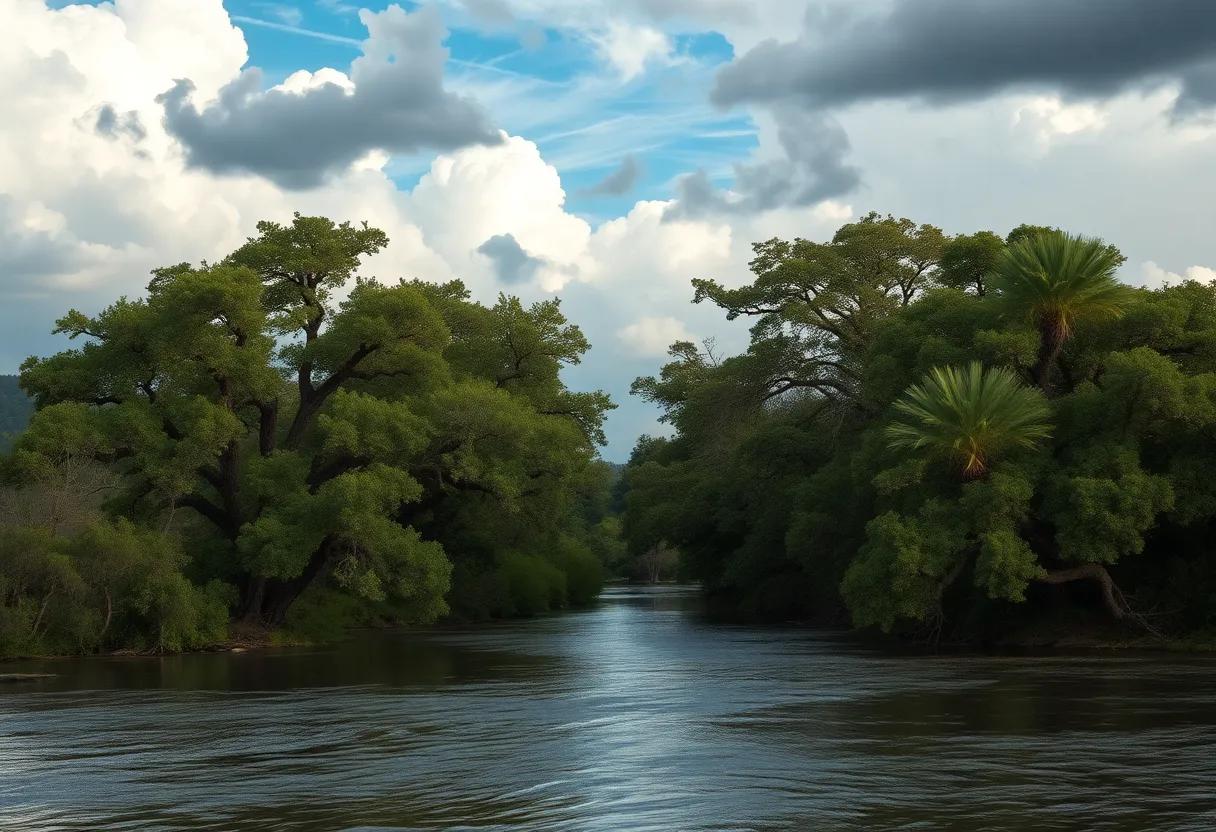
Reading Raintree County left me with the strange afterimage of a landscape that does more than sit in the background — the raintree river, the looming oaks, the low storm clouds all feel like people in the room. Lockridge gives the weather moods and the land a memory; at times the countryside watches, at times it conspires. I loved how a single stretch of river could feel like destiny pressing on a character’s shoulders, and how an approaching storm could tighten a scene more effectively than a line of dialog. That lushness occasionally slows the pace — some passages luxuriate so much in atmosphere that the plot stalls — but I never minded getting lost in it for long.
There are moments when nature seems to answer the characters, where thunder feels like accusation and rain like absolution. Those scenes stuck with me because they worked on a visceral level: I could smell the wet soil and feel the pressure of the sky. Small things made it convincing for me:
- the oaks creaking as if gossiping,
- mud clinging to boots like memory,
- distant lightning cutting a scene into confession.
Even when the prose grows ornate, the book’s elemental language is its power — nature isn’t just a setting here, it’s a presence you keep checking your shoulder for.
Lyrical sentences that sweep the page like long slow river currents and dreams

Reading Raintree County is like lying on your back and watching clouds drift over a wide river — sentences unfurl and roll along with a patient, almost ritual hush. The prose has a tide to it: long,sinuous lines that pile detail and feeling until you can taste the dust on a summer road or feel the ache of a remembered promise. At its best those passages are quietly hypnotic, the kind of language that makes place and longing feel inseparable. I found myself carried more by rhythm than plot at times, surrendering to the book’s slow, dreamlike momentum and letting images stack like stones in the current.
That sweep is part of the pleasure,and also its occasional frustration. The lilt and length of many paragraphs can be intoxicating — and, if you’re in a hurry, maddeningly indulgent. still, the payoffs are real: when the prose settles into a moment of tenderness or grief, it lands with unexpected clarity. A few reader impressions that stuck with me:
- It draws you inward — the sentences create a private, contemplative space.
- Time elongates — scenes feel like memories more than events, which can slow pacing.
- ornament occasionally tips into excess, but usually the next passage redeems it with a vivid, human image.
How the Civil War era shapes moods public rituals and small town memory
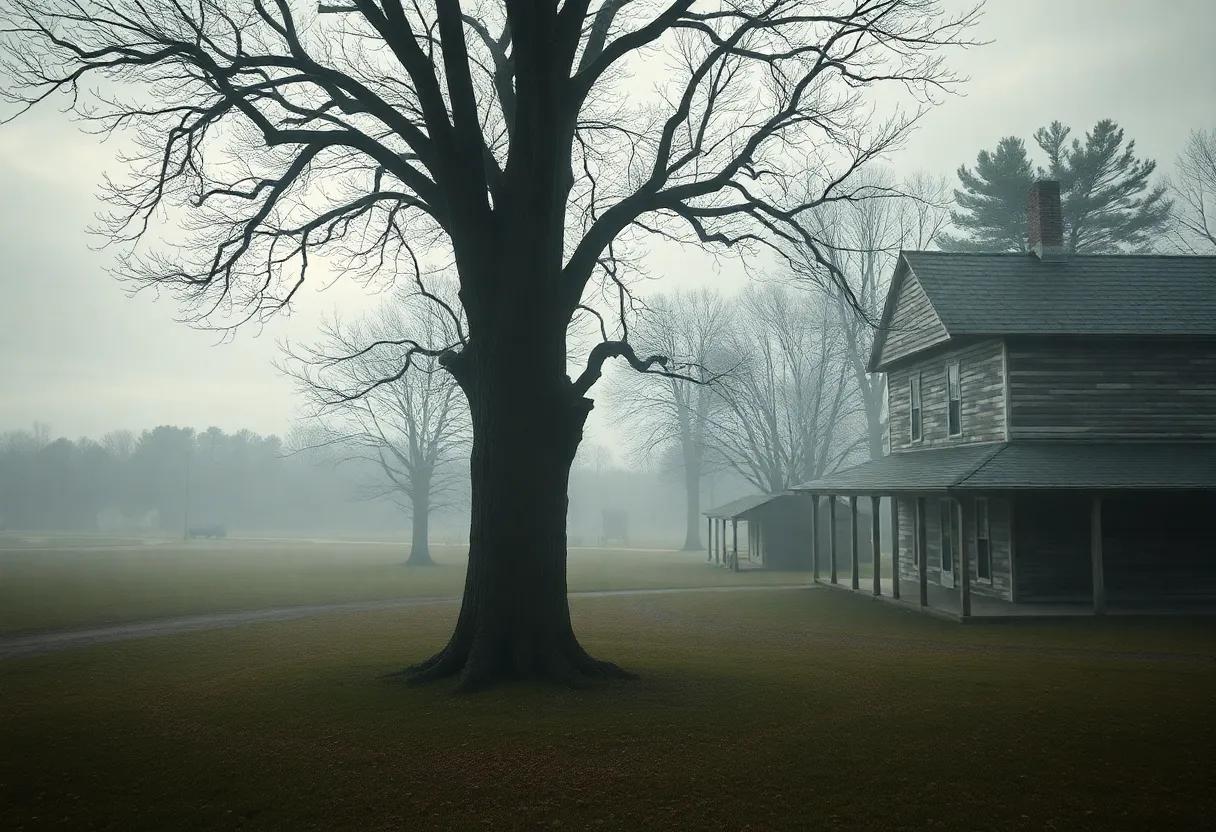
Reading Raintree County, the Civil War doesn’t feel like a distant chapter so much as the town’s constant weather — it hangs in conversation, shows up at funerals, and colors the way neighbors look at one another. Veterans are not relics on a page but daily presences whose stories drift out of barber shops and kitchens; monuments and commemorations give ordinary afternoons a ceremonial hush.I found myself noticing how small rituals — a parade, a cemetery visit, a reunion dinner — act as the town’s way of holding grief and pride at once, and how memory here is both tender and selective, choosing which wounds to show and which to bury.
Those lingering scenes are among the book’s greatest strengths for me: they create a mood that’s nostalgic without being sentimental, and they make the present feel haunted in a believable way. Simultaneously occurring, Lockridge’s fondness for reverie sometimes slows the plot; there were moments when I wanted the story to snap back to the action sooner. Still, even when pacing dragged, the repeated return to Civil war rituals left me with a clear sense that the past in this town is an active presence — comforting in public ceremony, stubbornly private in quiet rooms, and always shaping how people remember themselves.
the books sprawling length and slow burn pacing that tests patience and reward
The book’s sheer size is unfeasible to ignore — it feels like stepping into a house that keeps revealing new rooms. That kind of expansiveness can be thrilling and exhausting in equal measure: scenes linger, sentences luxuriate, and Lockridge lets thoughts circle back on themselves until you either settle in or start skimming. I found my patience tested more than once by long philosophical detours and episodes that could have been tighter, yet those same detours are why the characters stop feeling like ideas and start feeling like people you’d remember after closing the cover. There are moments of repetition and a touch of melodrama,but also a depth that shorter novels rarely achieve.
When the novel finaly rewards you, it does so quietly but insistently — a lyric line, a small domestic truth, a ruined dream that lands with real weight.read in stretches rather than snatches and you begin to see how scenes accumulate meaning: the slow build makes the emotional highs feel earned rather than manufactured. If you like momentum and rapid payoff, this will be frustrating; if you enjoy being settled into a world and letting it unspool, the payoff is deeply satisfying.I came away with mixed impatience and gratitude — annoyed at the padding, grateful for the patience it demands because it ultimately gives back something rich and oddly consoling.
The bittersweet ending and the echo of regret lingering like twilight over fields
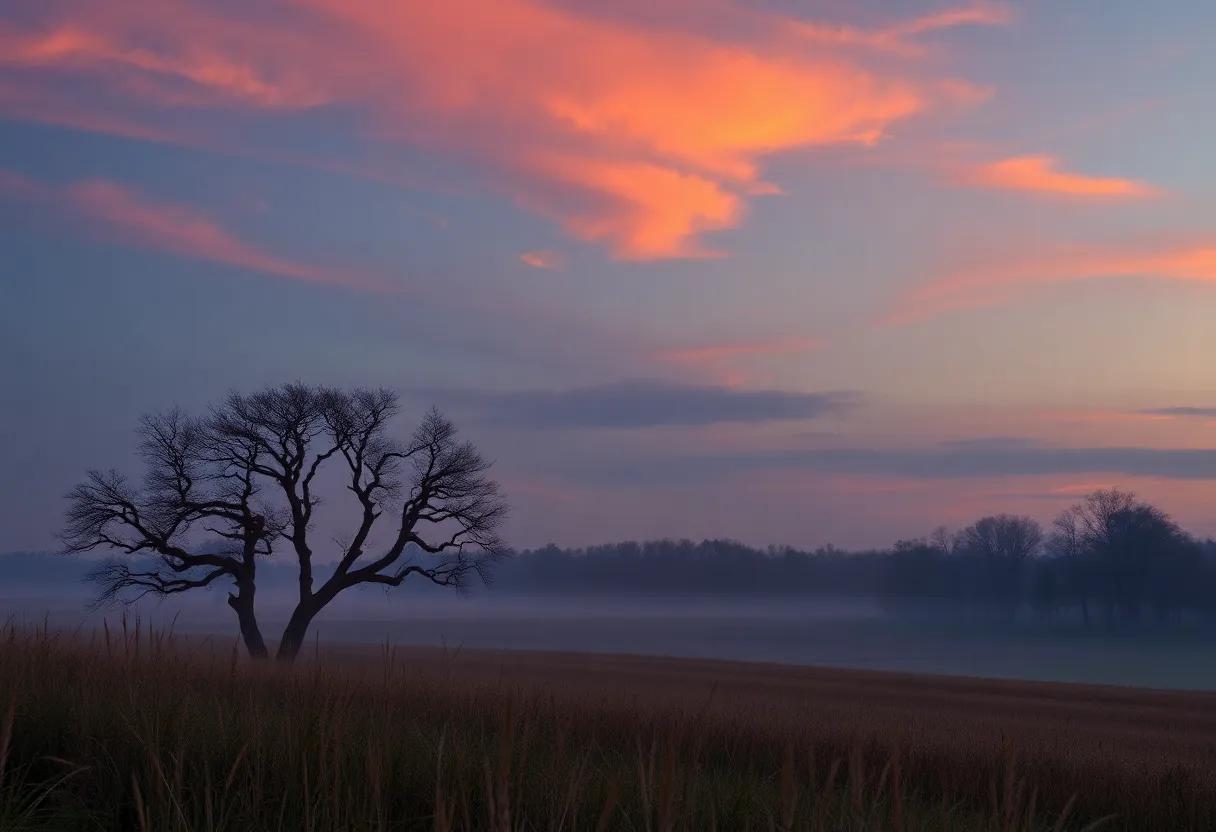
There’s a hush to the last pages that stays with you — not quite sorrow, not quite peace, but something in between, like regret caught at the edge of dusk. The book doesn’t slam a door so much as close it gently,leaving the fields and the people in partial silhouette. That lingering sensation feels fitting: the grand ambitions and small failures of the characters fold together, and you’re left watching the light go, thinking about choices that felt inevitable at the time and how they look different from a little distance.
I found myself thinking about the book for days, not because everything was neatly resolved, but because the ending trusted me to sit with the ache.At moments the pace and the novel’s appetite for detail tired me,yet those same excesses make the finale hit harder — the long road gives the quiet ending weight. It left behind a handful of simple impressions that kept returning to me:
- the soft stubbornness of memory
- a sense of missed chances that isn’t melodramatic
- a faint, stubborn warmth underneath the melancholy
Ross Lockridge Jr the haunted young author whose life and fate color every page
Reading Raintree County I couldn’t help but feel lockridge himself sitting beside me on the page — a young, enterprising voice full of romantic frenzy and stubborn faith in big ideas. His sentences surge and swell like someone trying to catch a lightning bolt of feeling, sometimes so exhilarated they tip into excess. That intensity is haunting: moments of clear, tender beauty are threaded through with a kind of restlessness that makes even the grandest passages feel intimate, as if the author is confessing to himself as much as to us.
Knowing something of his tragic fate shades those passages darker; triumphs acquire a fragile quality, and his exuberant idealism reads now as both brave and unbearably vulnerable. I found myself torn between admiration and fatigue — some stretches felt gloriously alive, others indulgent and long-winded — but the unevenness is part of the effect. The book lingers as of that human tilt: it’s messy, occasionally infuriating, and unexpectedly moving, with fingerprints of the author visible in a few especially powerful places:
- the Raintree myth scenes, lush and obsessive
- the river/Civil War sequences, dreamlike and raw
- the introspective monologues that read like private prayers
Taken together, these moments make the novel feel less like a tidy story and more like a brilliant, haunted document of a mind at full tilt.
this modern take on Raintree County asks less that we agree with it than that we listen to it — to its long rhythms,its damaged beauty,and the stubborn human questions it keeps returning to. Ross Lockridge Jr.’s sweep still has the power to unsettle and to linger: parts of it soar,others sag,but taken as a whole it is a work that insists on being felt rather than merely judged.
If you come to it willing to move at its pace, to accept contradictions and to sit with discomfort, you’ll find a novel that rewards attention with moments of strange lyricism and tragic clarity. If you prefer your history tidy and your narratives economical, this may be a challenging companion. Either way, the book endures as an ambitious, imperfect attempt to map longing onto a landscape — and that, in itself, is worth experiencing.
So whether you close the last page with relief, admiration, or unresolved questions, Raintree County leaves a trace: a reminder that grand projects can still teach us about small, human truths, and that sometimes the value of a book lies in how it changes the way we see what came after it.