Title:
On the sunburned slopes of Sicily, where olive groves keep their secrets and the sea remembers every exile, Mario Puzo spins a tale that reads like an old legend translated into modern ink. The Sicilian—Puzo’s return to the terrain of power, family, and violent loyalty that made his name—follows a figure caught between myth and history, a man whose personal code collides with the politics of a restless island.This review will trace how puzo threads honor and fury through his narrative: how gestures of loyalty become verdicts, how anger shapes destiny, and how the novel negotiates the line between romantic outlawry and brutal consequence. Read neither as simple hagiography nor unrelenting indictment, the book asks readers to inhabit the moral gray where passion and principle tangle. What follows is a close look at the book’s themes, storytelling choices, and the tonal compass Puzo uses to map a Sicily at once timeless and sharply contentious.
Tracing threads of honor loyalty and violent retribution in a Sicilian landscape where tradition clashes with personal destiny
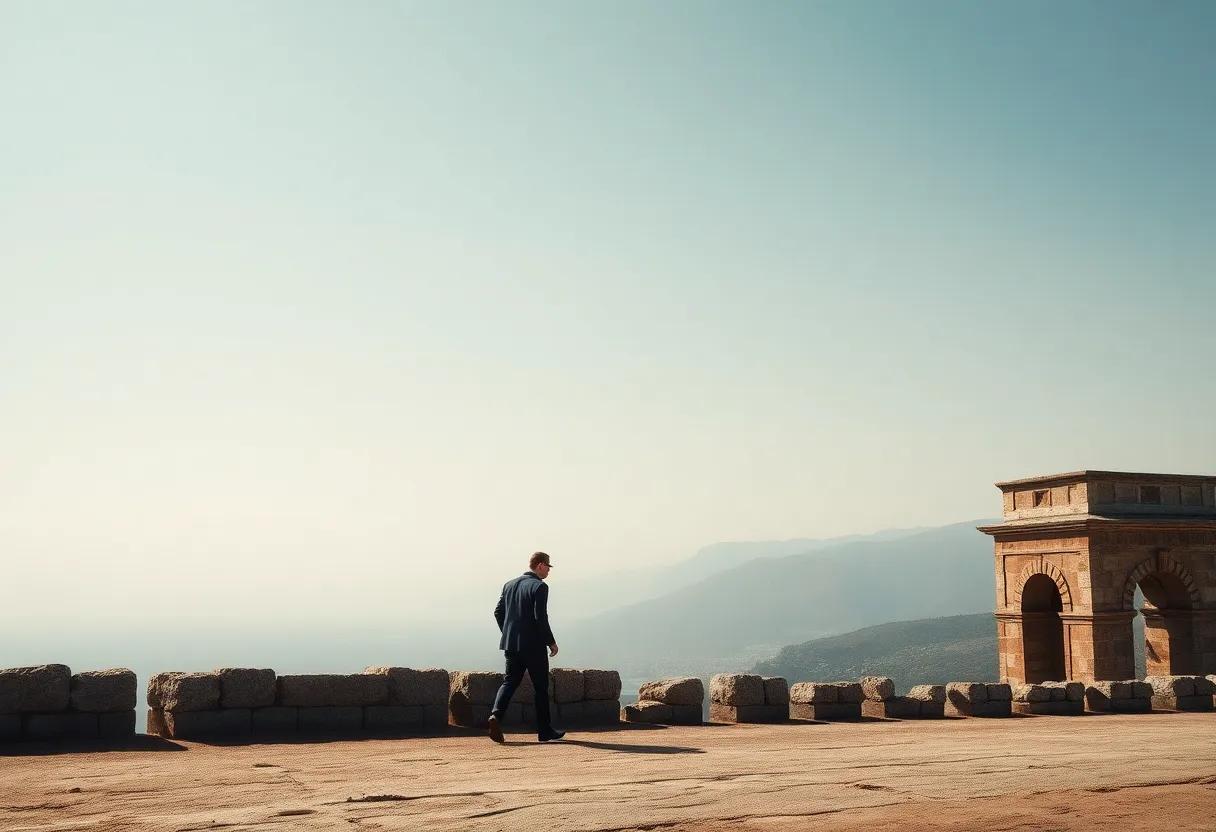
In the cracked light of a Sicilian afternoon, traditions are not background scenery but active characters shaping every choice; honor is treated like currency, loyalty like law. The landscape—olive terraces, narrow alleys, and sun-baked courtyards—holds memories of bargains and blood pacts, and it presses on personal freedom until destiny itself feels negotiated. Small pleasures and brutal necessities live on the same horizon, and Puzo renders that tension like a cartographer of souls: mapping how a single promise can reroute a life.
Best-Selling Books in This Category

- family first — an obligation written in silence
- Oaths — spoken quietly,enforced loudly
- Land and lineage — anchors that drag or secure
- Reputation — fragile,yet decisive
When personal destiny frays at the edges of custom,the reply is often sharp and immediate: violence as punctuation,retribution as grammar. Choices become rituals, and the price for stepping outside the communal script is measured in exile, blood, or a strange kind of reverence. Yet puzo also shows that these acts of fury are not mindless—each blow answers an old ledger, each revenge repays an inherited score.
- Defy — isolation or death
- Submit — safety with sacrifice
- Strike — temporary power, lasting consequences
| Choice | Immediate Result |
|---|---|
| Break an oath | Scorn and exile |
| Honor kin | Respect, limited freedom |
| Seek personal fate | Conflict and conversion |
Character studies that reveal how loyalty and rage shape choices and consequences in a tightly woven criminal and family drama

Mario Puzo’s characters move like pieces on a board where devotion and temper are the rules of the game: each allegiance is a contract written in blood, each outburst a ledger of debts to be paid. The portrait of Salvatore Giuliano — the proud bandit whose loyalty to his people sits beside a quicksilver capacity for violence — shows how honor and fury are not opposites but instruments that shape identity. Puzo teases apart motives with calm precision, allowing quiet, rational loyalties to collide with explosive passions so that smaller, intimate choices ripple into irreversible public consequences.
Close studies of individual choices reveal patterns that feel inevitable yet tragic; characters bend their honor to protect family, to avenge insult, or to preserve reputation, and those same acts of fidelity often seed their downfall.
- Salvatore Giuliano — loyalty to village; rage against injustice.
- The local Boss — protective alliances; fury turned into control.
- The Exile — pragmatic devotion; suppressed anger that surfaces late.
- women and Kin — quiet constancy; consequences borne more than chosen.
| Character | Driving Impulse | Result |
|---|---|---|
| Giuliano | Honor + Fury | Martyrdom |
| Corleone (peripheral) | calculated Loyalty | Strategic Gain |
| Local Notable | Self-Preservation | Betrayal |
In puzo’s tightly woven drama, loyalty is both a shield and a weapon, rage a catalyst that turns private codes into public catastrophe; the moral architecture of every scene depends on how these forces bend a character’s hand toward a single irrevocable choice.
Puzo uses precise pacing and vivid sensory detail to transport readers into sun soaked streets smoky rooms and tense ceremonial gatherings

Heat
Tempo becomes a character unto itself: Puzo quickens the pulse with clipped, staccato beats when violence is near, then stretches time into languid, almost cinematic tableaux for remembrance and ritual. That measured alternation—snap to linger, linger to snap—keeps tension taut while letting the senses accumulate meaning. The result is a narrative engine that not only shows actions but makes readers feel the moral weight behind them,as if each described touch,smell,and sound were another vote cast in a community’s secret reckoning.
- Sun — brightness that reveals and blinds
- Smoke — concealment, gossip, the scent of old deals
- Silence — the loudest language in a room of oaths
| Scene | Dominant Sense | Effect |
|---|---|---|
| Midday Market | Smell & Heat | Exposes vulnerability |
| Night Vigil | Sound & Ritual | Builds solemn dread |
moral ambiguity examined through choices that blur the line between hero and villain offering readers uncomfortable empathy and reflection

Puzo strips away the varnish of clear-cut morality, presenting decisions that feel both inevitable and catastrophically personal. In the spaces between oath and outrage, readers find themselves sympathizing with acts that would be condemned in any courtroom: a calculated silence to keep a promise, a brutal defense framed as necessity, a betrayal dressed in the language of survival. These moments force a closer look at how loyalty warps judgment, how fear manufactures courage, and how the line between protector and predator can be a matter of viewpoint rather than principle.
- Familial Duty — shielding kin even when it imperils strangers
- Calculated Violence — striking first as a form of preemptive justice
- Silent Complicity — choosing peace of the clan over public truth
- Honor’s Trade-off — sacrificial acts that rewrite moral ledgers
That discomfort is precisely the point: empathy becomes a tool for interrogation rather than absolution. As readers weigh motive against outcome, they’re invited to map their own ethical contours—recognizing that admiration for courage can coexist uneasily with revulsion at it’s methods. The novel doesn’t hand down verdicts; it stages moral experiments, asking whether a society’s notion of honor can justify fury, and whether fury, when disciplined, can ever truly be honorable.
| Decision | Immediate Effect | Moral Echo |
|---|---|---|
| Protect family | Safety, but isolation | Complicity justified |
| Preemptive strike | Control regained | Heroism or crime? |
| Keep a secret | Order maintained | Truth sacrificed |
Cultural context and historical backdrop illuminate how social codes ritual and honor dictate action and justify transgression in the narrative

Puzo frames Sicily as a theatre where lineage and scarcity choreograph human behaviour: the past is not background but law.Everyday exchanges—hospitality,gossip,revenge—are ritualized,and the novel shows how plain survival is braided with ceremonial obligation. In this world,certain social codes function like currency: omertà shields secrets and orders silence; familia demands loyalty above legality; vendetta converts insult into duty; patronage trades protection for obedience. These codes are not abstract rules but lived scripts, taught at the table, enforced in alleys, and passed on as unquestioned wisdom.
Because honor and ritual are the community’s moral scaffolding, breaches of state law often read as moral clarity within local terms—transgressions become acts of fidelity. Puzo shows violence and deceit not merely as corruption but as language: a killing can be an argument, a betrayal can be an act of survival, and exile can be a form of sanctification. The following compact table maps how public acts are reinterpreted through that code:
| Action | Local Justification |
|---|---|
| Eliminating a rival | Restoration of honor and deterrence |
| Protecting secrets | Preservation of family dignity |
| Collusion with power | Reciprocity in a failed system |
Notable scenes dissected for dramatic technique including courtroom confrontations ambush sequences and intimate character reckonings

Mario Puzo turns legal theater into a slow-burning crucible where every line spoken in the courtroom carries the weight of personal oaths and ancestral law.The scenes are built on contrast: the public ritual of justice against the private code of honor, and the prose deliberately stretches moments so readers feel the silence as a presence. Pacing becomes a tool of suspense—measured testimony, pregnant pauses, and the sudden snap of a retort—and Puzo uses it to push moral ambiguity to the foreground. elements he deploys repeatedly include:
- Staged silence: pauses that reveal character more than exposition.
- Symbolic props: notes, watches, and folded hands that act as mini-characters.
- Duelling rhetoric: courtroom speeches that function like ritualized combat.
Ambushes and intimate reckonings share a cinematic choreography: close framing of interior thought followed by explosive physical action, where fury finds both voice and weapon. In those ambush sequences, Puzo balances descriptive rhythm with abrupt verbs so the reader experiences the jolt rather than merely observes it; in the quieter reckonings, the language thins until confession reads like an admission of breath.The effect is a ledger of cause and consequence where emotion is quantified as much by what’s withheld as by what’s admitted.
| scene | Technique | Emotional Payoff |
|---|---|---|
| Court Adjournment | Lingering detail | Resigned dignity |
| Midnight Ambush | Sharp, staccato verbs | Immediate shock |
| Confession by Candlelight | Minimal dialog | Quiet absolution |
Language tone and translation issues considered with suggestions for modern editions and annotations to clarify dialect and period references

Mario Puzo’s prose in The Sicilian walks a tightrope between ceremonial honor and blunt street fury, and that tonal ambivalence is the first hurdle for editors and translators. To keep the novel’s voice intact, modern editions should preserve rhythmic cadence rather than smooth every rough edge; selective preservation of Sicilian words (with careful context) keeps cultural weight, while strategic anglicization can aid readability. Translators must decide when a word’s emotional force outweighs literal fidelity—sometimes a single untranslated phrase, followed by a terse gloss, communicates character and era better than a clumsy equivalent. Editorial conventions that work: selective italicization for foreign terms, concise in-text glosses for recurring idioms, and an upfront translator’s note that explains the approach to dialect, register, and period slang so readers know what to expect.
- Keep core Sicilian terms: retain honorifics and curses, explain once, then let them anchor character identity.
- Use a searchable glossary: short entries, cross-referenced to chapter and line for quick lookup.
- Prefer concise footnotes: reserve endnotes for longer cultural essays and textual variants.
- Provide a timeline/map: tie idioms and events to place and period to avoid anachronistic readings.
A short editorial cheat-sheet helps readers and scholars alike—below is a compact table with sample signals and recommended annotation styles:
| Example | Issue | Suggested Note |
|---|---|---|
| “u zio” | Kinship/dialect | Gloss once: “the uncle (Sicilian kinship term)” |
| period slang | Obsolete sense | Footnote with era and rough modern equivalent |
| Honor terms | Cultural weight | Keep untranslated; glossary entry for nuance |
For a faithful but readable modern edition the brief rule is: annotate enough to clarify,but not so much that the page reads like a textbook. Emphasize concise footnotes, a searchable glossary, and optional audio/phonetic clips for publishers who want multimodal help—these tools let Puzo’s honor and fury speak across languages and decades without losing their bite.
Reading recommendations tailored for readers seeking atmospheric crime storytelling moral complexity or a rich study of cultural tradition and vengeance
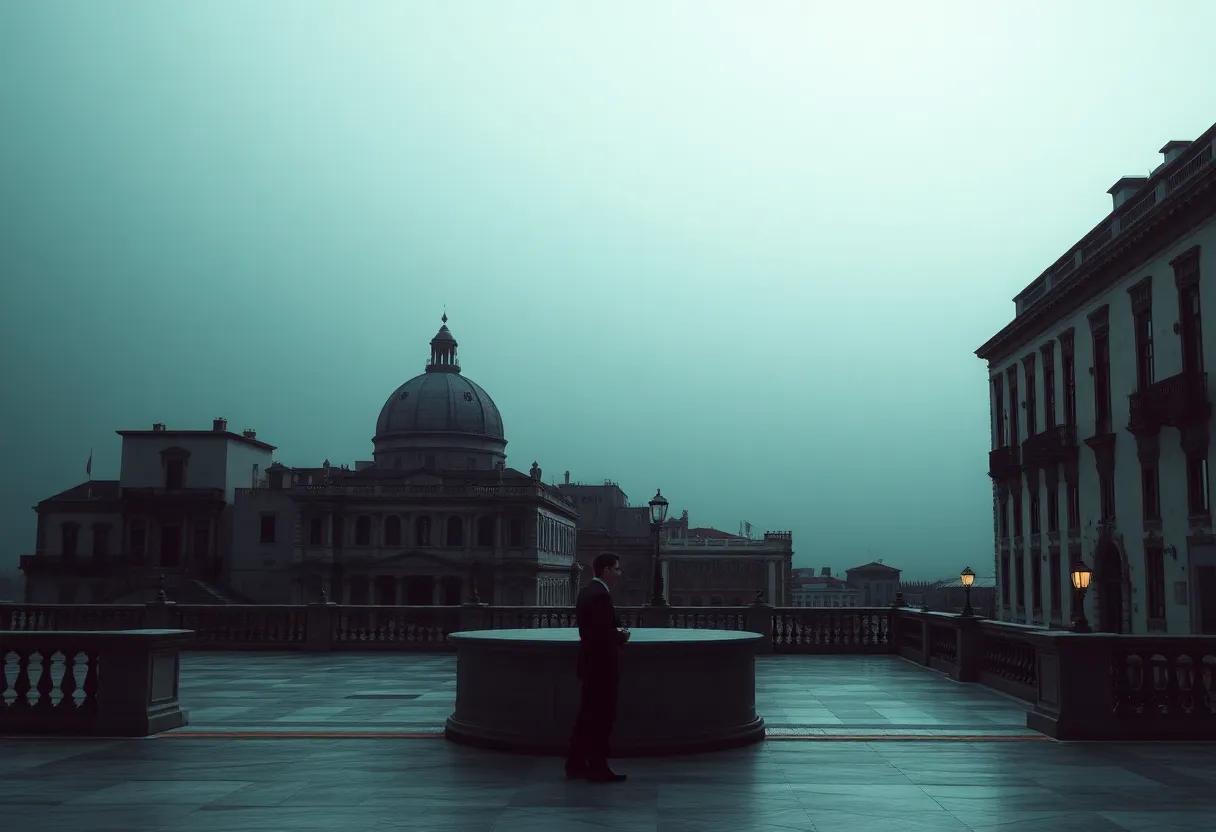
For readers drawn to rain-slick streets, slow-burn revelations and characters who live in morally foggy twilight, these novels offer the same intoxicating mixture of atmosphere and ethical ambiguity that animates Mario Puzo’s portrait of honor and fury. Consider sinking into The Talented Mr. Ripley by Patricia Highsmith — a study in identity and concious that reads like a slow, elegant choke; Andrea Camilleri’s The Shape of Water for Sicilian light, local color and a detective who negotiates justice in shades rather than absolutes; or Dennis Lehane’s Mystic River, where grief and retribution blur the lines between victim and perpetrator. each title is suggested not just for plot, but for the way it interrogates what people owe one another when loyalty, shame and fear collide.
If your appetite is for cultural depth, ritualized honor and the gravity of vengeance as social force, reach for books that treat tradition as character: The Leopard by Giuseppe Tomasi di Lampedusa examines a decaying aristocracy’s code of honor; The Godfather by Mario Puzo remains an unmatched primer on family, power and the logic of reprisal; and Keigo Higashino’s The Devotion of Suspect X reframes sacrifice and protection as moral puzzles. Below is a quick guide to match mood with motive:
| Book | Focus | Why you’ll linger |
|---|---|---|
| The Leopard | Tradition vs. Change | Elegiac prose that weighs honor like a ledger |
| The Godfather | Family Law & Vengeance | A cultural code where reprisal is ceremony |
| The Devotion of suspect X | Sacrifice & Moral Calculation | A heartbreaking moral riddle that refuses easy judgment |
Adaptation prospects examined with thoughts on visual motifs score palette and casting that could preserve thematic weight and raw emotional power
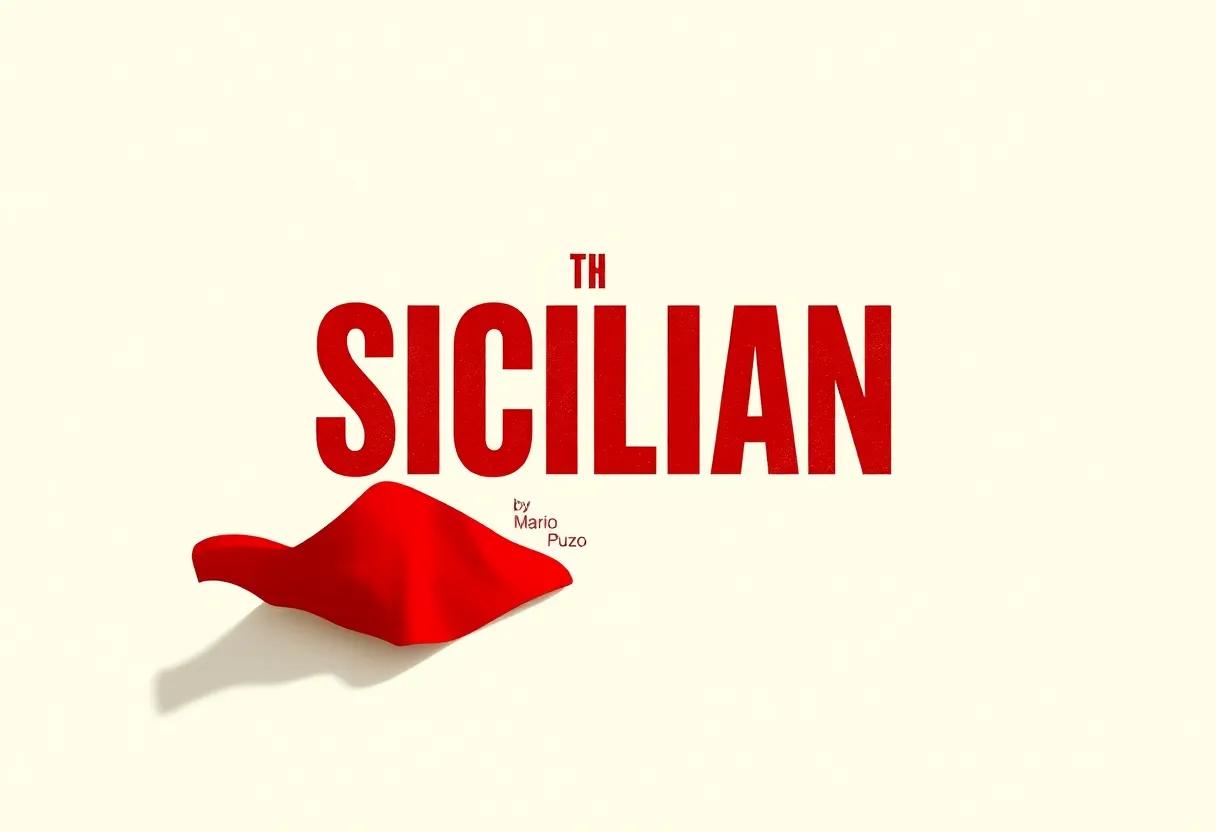
To translate Mario Puzo’s rough, magnificent lines into images that keep their thematic weight, a film must treat visual language as an emotional shorthand: recurring objects, textures and light become the novel’s voice. use of negative space and tactile close-ups—sweat on a brow, the grit of a stone courtyard, a child’s stained shirt—can carry what exposition would otherwise flatten. Key motifs should be repeated with cinematic purpose:
- The Sea — vast, indifferent, a backdrop for escape and fate.
- Masks and Profiles — half-lit faces that suggest honor and hidden fury.
- Dust and Citrus — earth tones punctured by bright orange, a cruel contrast of life and brutality.
- Empty Squares — spaces that echo community pressure and the loneliness of leadership.
When these motifs are woven into production design and camera blocking, the film preserves the novel’s emotional topography without slavishly reproducing every plot beat.
Sound and casting must work like siblings of the image: the score should be lean, modal, and astringent—an instrument setting rather than a full orchestral blanket—so that silence hits as hard as a gunshot and a single leitmotif can map a character’s moral weather. Consider a sonic palette centered on muted brass, a lonely mandolin, low viola drones, and percussive hand-drums to hint at tradition and threat; let melodic fragments return altered, mirroring shifts in loyalty and fury. Casting should favor presence over celebrity,performers who can speak volumes with a look:
- Weathered lead for the outlaw figure — hands,posture,and a haunted gaze.
- Steely yet human supporting actors for compatriots — people who can carry communal weight.
- Quiet,luminous women whose stillness refracts the story’s moral center.
| Motif | Color | Instrument | Casting Type |
|---|---|---|---|
| Sea | Gunmetal blue | Low viola | brooding lead |
| Mask/Profile | Shadowed amber | Muted brass | Reserved antagonist |
| Citrus/Dust | Ochre & orange | Mandolin pluck | Community ensemble |
This organ of visuals, sound and faces can keep Puzo’s brutal lyricism intact: cinematic choices that respect silence, texture and the human body will carry both honor and fury to the screen without dilution.
The author behind the tale Mario Puzo a study of his narrative craft major influences and the personal history that informs his depiction of honor and fury

Born amid the cramped streets of Manhattan’s Italian neighborhoods, the novelist’s voice is both forged and tempered by immigrant realism and mythic longing; in his fiction the personal and the epic collide. His upbringing—a son of modest means who watched fathers, neighbors and priests trade respect for survival—becomes the scaffolding for characters who negotiate loyalty as currency. The texture of his sentences betrays a reporter’s eye and a dramatist’s ear, and the book absorbs a handful of steady influences that recur like motifs:
- Neighborhood oral tradition and family lore
- Roman Catholic ritual and moral ambiguity
- American capitalism’s promise versus old World codes
- Hollywood storytelling and screenwriting precision
Each item filters into scenes where honor is not an abstract virtue but a ledger written in gestures, threats and favors.
On the page, technique and testimony entwine: sparse dialogue can carry the weight of a tribunal, while sudden, cinematic violence reveals the anatomy of rage. He writes honor and fury as forces that are at once social grammar and private fever, and his narrative choices—close third-person intimacy, restrained exposition, and careful pacing—ask readers to inhabit conflicting loyalties rather than judge them. Consider the ways craft maps to content:
- Close focalization that humanizes the code
- Rhythmic sentences that echo ritual breath and imminent violence
- Concrete details that consecrate small acts as moral proofs
| Element | How it Appears |
|---|---|
| Honor | Silent vows, family debt, ritualized acts |
| Fury | Explosive reprisal, weathered restraint, sudden rupture |
| Setting | Dusty Sicilian towns, cramped New york rooms |
The result is a prose that renders ethical complexity as atmosphere—inescapable, intimate, and often unbearably human.
the Sicilian reads like a tightly wound chronicle of contradiction: a portrait of a man elevated to myth by violence and circumstance, set against a landscape where codes of loyalty and the impulse for retribution tangle and fray. Puzo’s prose moves with the same quiet inevitability that carries his characters toward their reckonings, and whether one finds the portrait sympathetic or unsettling depends as much on patience with his moral ambiguities as on appetite for dramatic cadence.
For readers drawn to moral complexity, historical texture, and stories that refuse tidy resolutions, this novel rewards attention; for those seeking clear-cut heroes or a relentlessly sympathetic narrative, its ambivalence may be less satisfying. either way, The Sicilian offers a compact, provocative exploration of honor and fury that lingers after the final page — not to settle questions, but to make you keep turning them over.