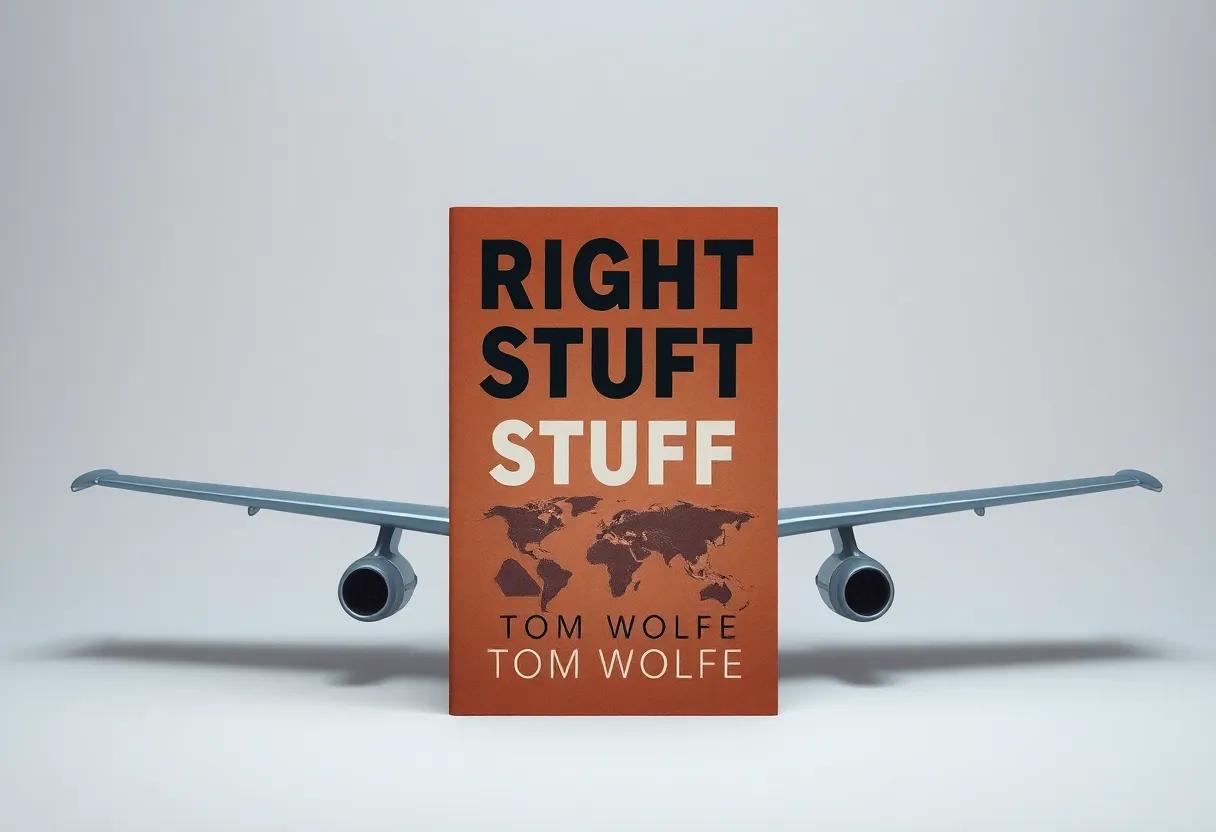
They stride into American imagination like figures from a folktale recast in flight suits: test pilots who court death at the edge of control, and the hastily christened heroes of the Mercury program who would carry a nation’s anxieties into orbit. Tom Wolfe’s The Right Stuff (1979) assembles these men and the machinery around them not as a straight chronicle of events but as a vivisection of character, culture, and the stories we tell to make sense of bravery. Writing in the hallmarks of New Journalism,Wolfe blends reportage,scene-by-scene reconstruction,and rhetorical flourish to probe what courage looks like when it’s performed for an audience — and what happens when myth overtakes messier human truth.
This review considers Wolfe’s treatment of two intertwined themes: the raw, often private courage of individuals who risked their lives, and the public mythology that elevated some of those risks into national legend. It will look at how his narrative choices—tone, structure, and characterization—shape our understanding of both the men he profiles and the era they symbolize, without endorsing or condemning his conclusions. What follows aims to map the book’s ambitions and limitations, and to weigh how effectively The Right Stuff still speaks to questions of valor, spectacle, and American identity.
An opening lens on The Right Stuff portraying bravery and risk in Cold War aviation and early space race narratives
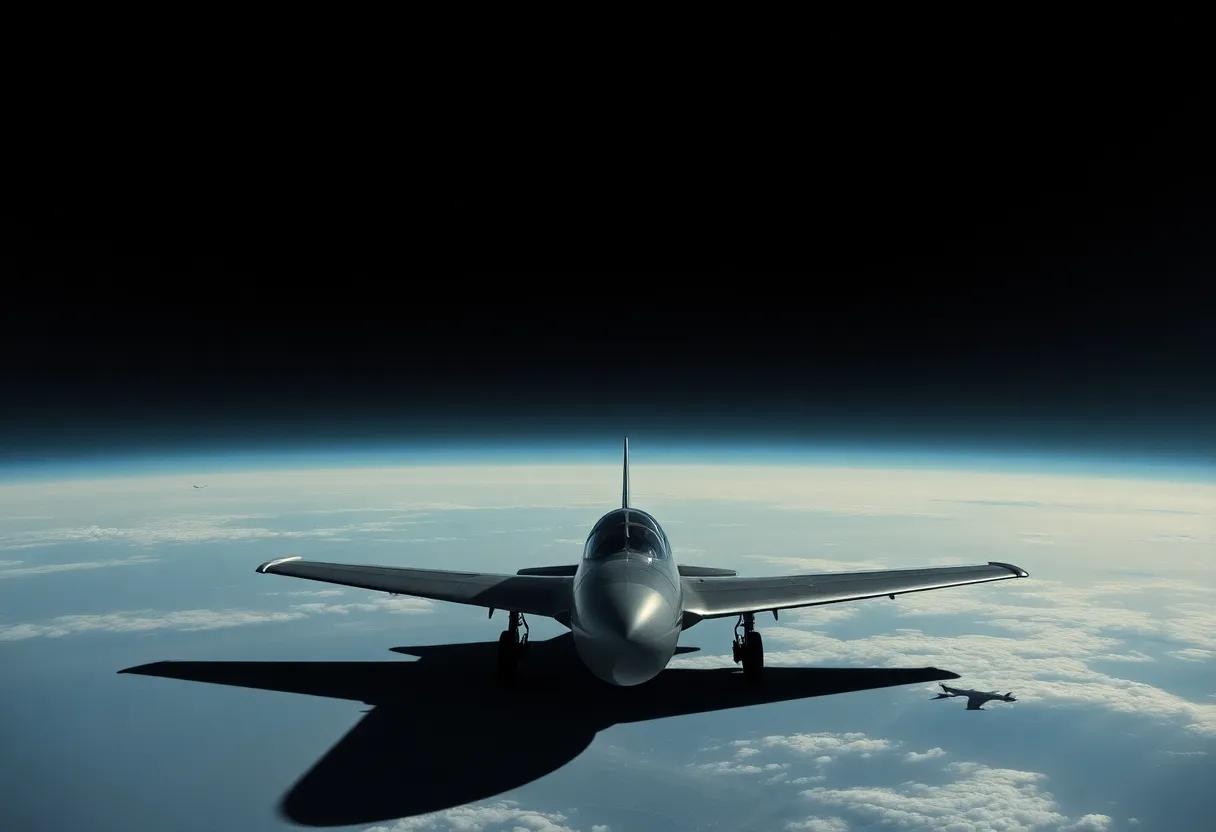
Tom Wolfe opens his narrative with a gaze that treats aviators and test pilots as both technicians and theatrical heroes, rendering risk as a disciplined spectacle. His prose sketches a world where speed, noise and danger become shorthand for valor, and where each calculated gamble is staged for both peer approval and national mythmaking; the result is a portrait of modern courage that feels deliberate rather than accidental.Readers encounter not only machines and maneuvers but a social performance — bravery as theater — in which posture,story and aftermath matter as much as altitude and velocity.
Best-Selling Books in This Category
- English (Publication Language)


- Halo of speed: motion as moral signal
- Rituals of preparation: repetition that defines identity
- Calibration of fear: private dread versus public image
- machines as mirrors: pilots reflected in their craft
against the Cold War backdrop, risk acquires geopolitical dimensions: a single ascent or failure can radiate reassurance or alarm far beyond the cockpit, converting individual temperament into collective narrative. wolfe teases out this exchange between fact and fable, showing how small acts of technical courage are folded into a grander story about national character — a kind of a calculus of courage that tabulates personal stakes alongside historical consequence. The effect is ambivalent and compelling, a meditation on how a culture chooses its icons and the costs it is indeed willing to accept to create them.
| Action | Image | Effect |
|---|---|---|
| Breaking the sound barrier | White vapor cone | Instant legend |
| Near miss on test flight | Blackened engine | Human fragility |
| Triumphant return | Salute on runway | National reassurance |
Dissecting the construction of heroism and machismo in Tom Wolfe prose as test pilots become cultural icons amid technology and spectacle
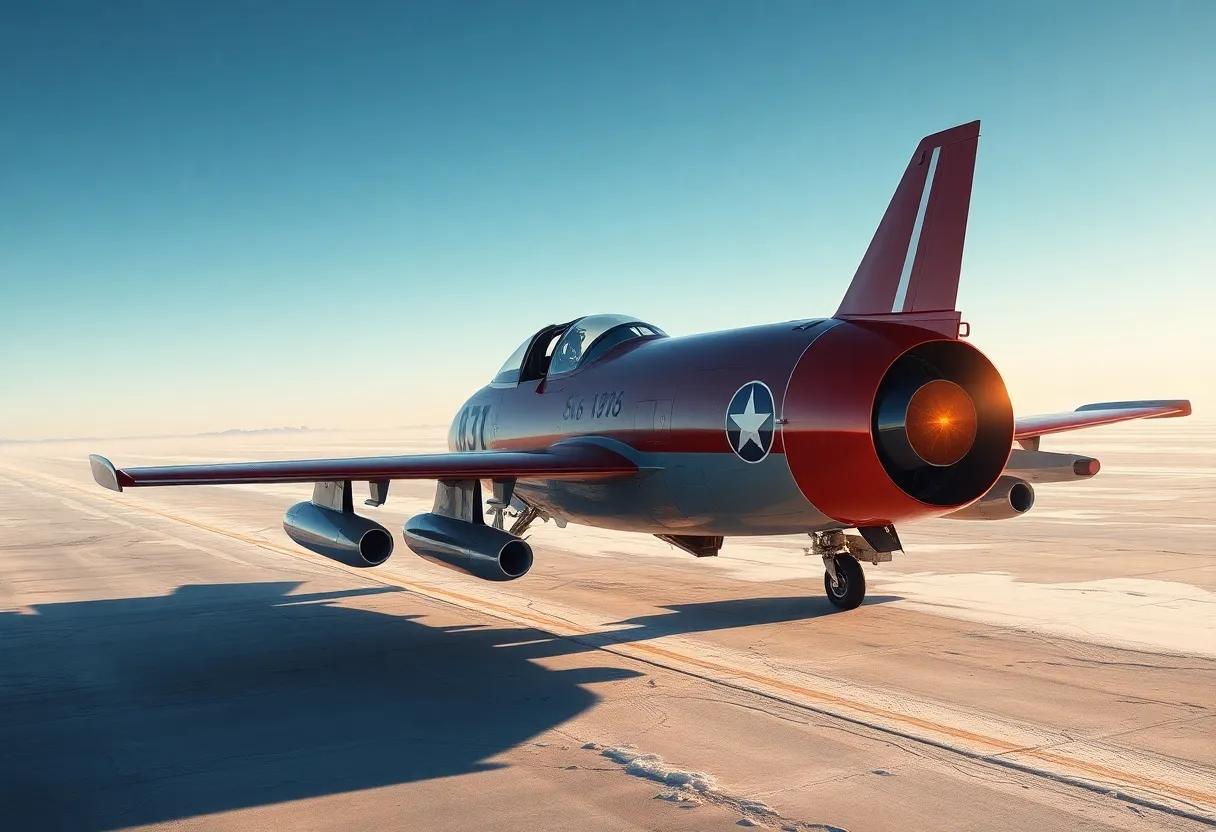
Tom Wolfe dramatizes the change of ordinary aviators into near-mythic figures by stitching together technical detail, theatrical narration, and a relentless eye for spectacle. His sentences frequently enough court the machinery—cockpits, gauges, and sonic booms—so that technology itself reads like a character that demands ritualized mastery. Wolfe’s voice cultivates a particular brand of bravery: it is physical, public, and performative, an enactment as much as an inner quality. He shows heroism as a staged accomplishment, one that depends on audience, media framing, and the glitter of risk. The effect is equal parts celebration and diagnosis: readers are invited to admire the pilots while also noticing the props,choreography,and media machinery that manufacture that admiration.
Underneath the bravado, Wolfe traces how masculine identity is co-produced by machine and marketplace, turning test flights into public theater and aviators into commodity icons. His prose catalogs rituals of competition, one-upmanship, and showmanship that function like codes—how a salute, a cigarette, a casual quip on the tarmac, or a stubborn refusal to admit fear all circulate as badges of legitimacy. Consider these recurring motifs in his representation:
- Bravado as currency: loud, visible, exchangeable for fame.
- Technical fetishism: machines that confer status through mastery.
- Media amplification: spectacle turned into myth via headlines and narration.
- Ritualized danger: danger performed,measured,and made safe to consume.
These dynamics can be sketched succinctly in a compact table of symbols and function:
| Symbol | Cultural Role |
|---|---|
| The cockpit | Sanctuary of skill; stage for authenticity |
| Publicity photograph | Iconic snapshot that freezes performance into legend |
| Broken machine | Proof of risk that validates the hero |
Wolfe’s neutral curiosity—equal parts affectionate and forensic—lets readers see how courage becomes narrative currency, how machismo is less an essence than an effect produced by style, spectacle, and the technologies of publicity.
Mapping narrative rhythm and journalistic flair where color reporting meets literary scene painting in profiles of pilots and engineers
Wolfe’s prose maps a rhythm that feels engineered as much as it feels theatrical — a succession of sharp, reporterly beats that break into long, painterly sentences which linger on light, gesture and the smell of aviation grease. He builds profiles the way an aeronautical designer builds a fuselage: with attention to stressed points and a taste for elegant redundancy, so the reader senses both the surface bravado of the pilot and the private calculations of the engineer.
- Speed and silence
- Technical lyricism
- Private myth
These threads — bravado,craft,myth — wind through each vignette,making character studies that read like reportage and tableaux at once.
The book’s journalistic flair is sly rather than sensational: Wolfe delights in anecdote and small theatrical gestures,yet his curiosity about machines and men never softens into nostalgia. He renders the “right stuff” both as a cultural shorthand and as an uneasy, practical ethic, showing how mythology is forged at the intersection of personal risk and technical mastery. Humor, precision, and a skeptical awe propel the narrative, and a tiny comparative sketch helps crystallize the tension between public persona and private competence:
| Pilot | Engineer |
|---|---|
| showman, instinctive | methodical, quietly exact |
Wolfe’s feat is to let both types occupy the same moral geography without flattening either into mere archetype.
Assessing morality and masculinity under pressure as private doubts and public myth collide in high stakes test flights and ceremonies
Wolfe strips the glamour from aeronautical heroism to reveal a quieter, often discomfiting moral calculus: men who are publicly elevated for composure and daring are privately negotiating fear, doubt, and the cost of survival. In the squeeze of a test flight, choice becomes a form of character testimony—some acts are brave, others are calculated, and many are a mixture of both. Courage, then, is exposed as both performance and confession. The collision of myth and self takes shape in small gestures and silences:
- Calculated risk—skill framed as audacity
- Private hesitation—the unspoken ledger of fear
- Public composure—myth sustained through ritualized calm
After the flight, ceremonies translate fragile human choices into tidy symbols, making morality seem binary when it is often ambiguous; Wolfe invites readers to read the ceremony as a crafting of identity rather than its simple validation. The result is a tension between institutional narratives that need heroes and the messy personal realities that resist being cleaned up—an ethics of appearance that tests what masculinity means under scrutiny. Consider the following juxtaposition as a shorthand for that friction:
- Truth vs Image
- Fear vs Bravado
- Concious vs Command
| Private | Public |
|---|---|
| Unsaid doubts | Lauded decisiveness |
| Quiet survival | Triumphal ritual |
| Self-questioning | Simple legend |
The role of language and metaphor in elevating technical detail to mythic proportion without sacrificing human vulnerability and humor

Wolfe’s sentences do the work of incantation: they lift instruments, graphs and checklists out of technical manuals and set them on altars where they can be idolized without losing their edges. His metaphors act like deft stage direction—turning a cockpit’s dials into constellations, a balky engine into a disgruntled beast, a margin of safety into a moral cliff. That transmutation is deliberate and precise; the prose never smudges the facts into mush. Instead, it clothes them in mythic cadence while leaving the men inside those machines exposed—shaking, sweating, occasionally ridiculous. The result is a double vision: readers see both a machine made heroic and the utterly human tremor beneath the helmet, held together by Wolfe’s keen ear for dry humor and the small comic humiliations that keep heroes feeling like neighbors.
- Personification: machinery given temperament, making technology feel fated rather than merely functional.
- Elevated simile: technical procedure compared to ritual or battle, amplifying stakes without obscuring detail.
- Sardonic aside: authorial winks that puncture pomposity and restore intimacy.
| Technique | Effect |
|---|---|
| Concrete jargon | Anchors myth in reality |
| Epic similes | Magnifies everyday danger |
| Sardonic voice | Preserves warmth and laughter |
That balancing act—elevating without sanctifying—turns technical passages into theater. When Wolfe describes trim tabs, g forces or launch windows, he doesn’t bury the reader in numbers; he stages a rite where human fallibility is central, frequently enough comic, always consequential. The laughter and the limp are integral to the myth: they prevent awe from calcifying into reverence and keep the story porous to empathy. In Wolfe’s hands language becomes an alloy, strong enough to hold up mythic architecture yet malleable enough to show skin, bruise and grin beneath it.
How archival research and scene reconstruction give the book documentary authority and cinematic momentum for readers and scholars

Wolfe’s meticulous trawl through flight logs, mission transcripts and personal interviews supplies the book with a palpable sense of provenance: each quotation, technical detail and corrected timeline is a tiny piece of evidence that accumulates into documentary authority. he lets the archive breathe on the page, turning dry records into textured moments by foregrounding the artifacts themselves—logbook entries, radio static, obituaries—so readers feel they are handling primary sources. Key archival threads:
- Flight logs and NASA reports
- Oral histories and taped interviews
- Contemporary newspaper clippings
Those evidentiary bones are then dressed in scene reconstruction that reads like cinema: concentrated detail,shifting perspectives,and tempo changes that mimic camera moves,creating relentless cinematic momentum. Wolfe’s reconstructions do more than report; they stage,juxtapose and dramatize factual materials so that the facts themselves propel the narrative forward. Consider how he will freeze on a mechanical detail and then cut to a pilot’s private fear—this montage technique transforms archival residue into narrative propulsion.
- Montage of documents and dialog
- Close-up descriptive focus
- Rhythmic sentance pacing like film edits
Where the narrative romanticizes risk and where it interrogates consequence a balanced critique for modern readers and teachers
Wolfe’s prose often turns danger into choreography, making test flights read like rites of passage where risk is a kind of theater. This romanticization elevates the pilots to mythic status: their recklessness becomes glamour, their near-disasters become proof of character, and the public gaze transforms technical failure into legend. Elements that feed that glamour include:
- Spectacle: high-stakes scenes staged for dramatic effect
- Camaraderie: male bonding that frames risk as rite
- Aesthetic of flight: language that makes speed and altitude beautiful
- Iconography: cultural images that simplify complex lives into hero myths
These choices make the reader feel swept up in bravery, but they also risk obscuring the quieter, grimmer truths beneath the shine.
Yet Wolfe never entirely lets consequence hide; the book punctures its own mythology by showing aftermaths—grief, bureaucratic blame, and the slow costs of constant danger—so readers and teachers can interrogate rather than uncritically applaud. Consider this compact comparison:
| Aspect | Romanticized | Consequential |
|---|---|---|
| Risk | Thrilling badge of honor | Human cost & ripple effects |
| Failure | Dramatic turning point | Policy, trauma, loss |
| Heroism | Individual glory | Collective responsibility |
to teach or read Wolfe today, emphasize a balanced stance:
- Admire craft while acknowledging costs
- contextualize myth within social and institutional pressures
- Encourage critical questions about who benefits from the story of courage
This way, The Right Stuff becomes both an ode and an object lesson—inviting wonder without excusing consequence.
Recommended reading paths and companion texts to pair with The Right Stuff for classrooms, book clubs and research deep dives

For teachers, clubs and curious readers looking to trace the threads Wolfe untangles, pick paths that illuminate character, context and craft. Pair The Right Stuff with concise biographies and cultural critiques to balance mythmaking with fact:
- “Yeager” — Philip Handleman: a pilot’s life that clarifies the mechanics behind the legend.
- “Apollo: The Race to the Moon” — Charles Murray & Catherine Bly Cox: social history that places test pilots in the larger space race.
- “Iron John” — Robert Bly: a probe into masculinity and ritual that dovetails with Wolfe’s mythic framing.
- collections of oral histories from the National Air and Space museum: primary voices to contrast Wolfe’s narration.
These pairings help students separate spectacle from substance and open room for debate about heroism,risk and storytelling.
Match reading formats to learning goals so each encounter with Wolfe deepens understanding rather than idolizing it. For classrooms, curate short primary-source packets and a critical essay (e.g., Susan Sontag or Christopher Lasch) to foster analysis; for book clubs, combine Wolfe with a personal memoir (pilot or engineer) and a film clip to spur narrative vs. reality conversation; for researchers, assemble technical reports, mission transcripts and contemporary journalism to triangulate claims:
- Classroom: primary excerpts + critical essay + weeklong debate prompt.
- Book club: memoir pairing + guided questions + suggested scene screenings.
- Research deep dive: archival documents + oral histories + mission data spreadsheets.
Each path makes Wolfe’s blend of bravado and critique teachable, discussable and investigable without flattening the complexity of courage or the cultural myths that surround it.
Design and pacing suggestions for adapting portions of the book into multimedia lectures, podcasts or short documentary segments

Focus each multimedia slice on a single dramatic question: what drives the test pilot, what fuels the myth of the astronaut, or how fear and bravado collide on the runway. Break material into tight, re-playable beats — 30–90 second micro-stories for social clips, 7–12 minute podcast scenes that pair a character vignette with archival audio, and 10–18 minute documentary segments that build tension toward a defining flight or decision. Use an atmospheric aural bed to thread episodes (engines, radio chatter, heartbeat) and deploy slow-motion or motion graphics sparingly to illustrate technical detail without flattening emotional stakes. Keep production checklists simple:
- Hook (0:10–0:30) — a single image or line that promises conflict.
- Reveal (0:30–3:00) — introduce stakes and the protagonist’s internal code.
- Elevation (3:00–10:00) — escalate with archival evidence, interviews, and sound design.
- Aftershock (final) — a reflective moment that reframes the myth.
For pacing and sequencing in a short documentary or lecture series, map each episode like a mission brief: objective, constraints, human factor, outcome.A simple production matrix helps collaborators stay aligned — use this quick reference to decide runtime and tonal weight:
| Segment | duration | key Focus |
|---|---|---|
| Proving Ground | 8–12 min | Test pilot ethos |
| Launch Myth | 6–10 min | Media & public imagination |
| Private Cost | 4–7 min | Family, fear, fallout |
Keep scene transitions clean and respect silence as punctuation — let a pause breathe longer than a line of narration. Practical tips:
- Archive-first — build around a compelling audio or photo and design visuals to support it.
- Interview cadence — alternate long reflective takes with short, clipped soundbites to maintain forward motion.
- Color and contrast — limit palettes per segment to subtly cue mood shifts.
A portrait of Tom Wolfe as cultural critic and stylist exploring how his voice shaped narrative journalism and public imagination

Wolfe’s sentences operate like choreographed stunts: they barrel through detail with the brio of a journalist who has learned to make style do the heavy lifting of argument.His prose — at once caustic and celebratory — turned reportage into performance, deploying color, cadence, and catalogues to build not just scenes but public myths. Within that machinery, certain moves recur:
- Sensory overload: language that tastes, smells, and bruises, collapsing the distance between reader and event.
- Type-casting: character sketches that read like portraits and caricatures at once.
- Exaggerated rhythm: punctuation and repetition as drumbeat, propelling narrative momentum.
- Side-eye narrator: an omniscient voice that winks, judges, and invites complicity.
These techniques did more than entertain; they remade how readers imagine American heroism, translating technical achievement into a communal story. Where straight reporting might record facts, his prose reframed them as spectacle—turning pilots into archetypes and laboratories into stages—so that the public absorbed not only events but the mythic scripts behind them. Voice became the engine of meaning, and the result is visible in how we still see the space-age as an act of national character:
| Technique | Cultural Effect |
|---|---|
| Mythic framing | Elevates individuals to symbols |
| Colloquial spectacle | Makes complex science conversational |
| Satirical intimacy | Invites both admiration and critique |
As the final engines of Wolfe’s sentences burn out, The Right Stuff leaves behind a contrail of questions as much as images: about what we celebrate, whom we forgive, and why bravery frequently enough arrives wrapped in legend. Wolfe’s prose—energetic, ornate, and relentless—maps both the technical daring of test pilots and the cultural machinery that turns them into icons. In that dual focus the book is strongest, illuminating how courage and myth can be coequal forces in shaping a national story.
If you come for history, you will find vivid portraits and memorable scenes; if you come for criticism, you will find a work that both interrogates and participates in myth-making. Readers will decide whether Wolfe’s exuberant voice clarifies, exaggerates, or does a little of both. Either way, the book remains an invitation to look beyond the capsule hatch: to examine the human cost of spectacle and the quiet, intricate lives that sit behind a single phrase—“the right stuff.”
The Right Stuff reads like a flight log—sometimes precise, sometimes florid, always aware of lift and gravity. It won’t answer every question about heroism, but it will make you watch the sky a little longer.