The moor in Thomas Hardy’s imagination is more than setting; it is indeed a presence—wind-swept, inscrutable, and implacable—against which human desires and follies play out like small dramas of fate.takes that elemental tension as its starting point, treating egdon Heath not simply as backdrop but as a stubborn interlocutor in Hardy’s inquiry into destiny, passion, and moral result. The book promises a fresh look at a novel long claimed by critics as both a tragedy of character and a meditation on determinism.
Rather than offering a single homage or denunciation, the volume gathers readings that probe the novel’s formal strategies, its psychological realism, and its ecological imagination. It reconsiders familiar figures—Eustacia, Clym, Wildeve—through contemporary lenses, while also tracing the ways Hardy’s prose stages the interplay between human intention and environmental force. The result is an invitation to revisit what we thought we knew about inevitability and agency in one of Hardy’s most ambivalent works.
This review will outline the book’s central arguments and methods, assess how persuasively it reframes key interpretive questions, and consider what new directions it opens for readers and scholars interested in the convergences of landscape, narrative, and fate.
Rewilding the heath and the human psyche A fresh exploration of landscape as living character and moral force in The Return of the Native
Best-Selling Books in This Category


The moor returns not as scenery but as interlocutor: a breathing, weathered presence that tests motives and shapes decisions. In revisiting this landscape as a living character, one notices how rewilding—letting scrub and bog reclaim lanes and boundaries—reintroduces an ethical grammer into the novel. The heath’s rhythms insist on wildness rather than civilized convenience; its seasons enact a slow pedagogy that rewards humility and punishes hubris. Characters who try to tame its moods discover instead that the land has its own claims, a persistent moral force that refuses to be annexed by human designs.
Human fate on the heath reads less like plotted consequence and more like sympathetic response: a psyche attuned to wind,light,and marsh-scent responds with longing,fear,or resignation. The landscape invites and interprets inner states, making the struggle between desire and duty feel elemental. Consider some of the ways the moor operates on people:
- Reflection: solitude of space amplifies internal contradictions.
- Judgment: weather and terrain render moral choices visible.
- Release: wild places allow surrender to impulses beyond control.
- Memory: topography stores stories that outlast individuals.
In this light, the heath is not merely backdrop but co-author of destiny, a living ecology that rewires intention and calls the human spirit to a different, often sobering, reckoning.
Weather and destiny Mapping seasonal storms and social tempests to show how environment shapes choices tragedy and resilience on Egdon Heath

On Egdon Heath, the weather reads like a ledger of human possibility: gusts that close the lanes and breed secrecy, sudden rains that wash away tracks and wash clean intentions.I trace how barometric swings correspond with choices—isolation in the autumn gales, rash defiance beneath the sultry summer low, contemplative patience during winter doldrums—and sketch the Heath as an active participant, not mere backdrop. Within that mapping a few recurring motifs emerge as quiet coordinates:
- Wind — prompts withdrawal and whispered plans
- Rain — erases yesterday,forces improvisation
- Drought — hardens resolve and reveals limits
These patterns make destiny feel less like prophecy and more like an ecology of consequence,where landscape and temperament co-author the arc toward either collapse or stubborn endurance.
Reading weather as a social chart reveals how tragedy and resilience are distributed across the moor: some storms break a body, others bend a community toward repair. By pairing meteorological rhythm with human response, we get a table of trajectories—small, plain columns that show how a single atmospheric swing can tip a life. Below is a concise mapping of elemental event to social effect:
| Storm | Social Tempest | Typical Outcome |
|---|---|---|
| Autumn Gale | Secret departure | Tragedy |
| Spring Flood | Forced convergence | Change |
| Winter Drought | Long endurance | Resilience |
such juxtapositions don’t eliminate human agency, but they reframe choice as weathered—shaped, eroded, sometimes clarified—by the relentless, indifferent moods of the moor.
Character collisions and moral ambiguity reading Eustacia Clyffe and Clym Yeobright as contradictory forces of desire duty and self destruction
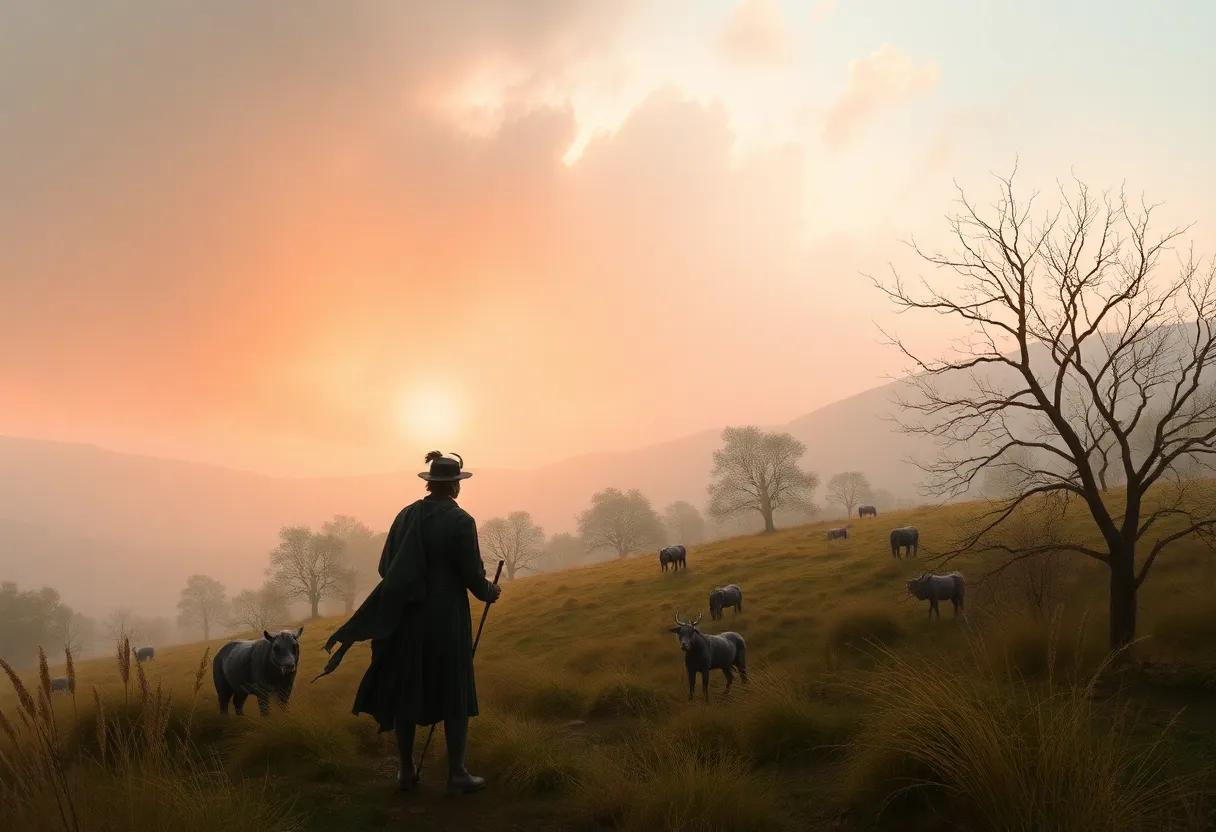
Hardy stages a collision where two wills do not simply oppose but refract one another: Eustacia as the incandescent insistence of longing and Clym as the stubborn gravity of duty. Their encounters are less moral contest than energetic interference—each amplifies the other’s incapacity to inhabit ordinary life. The moor becomes a living amplifier, throwing desire and obligation back at its occupants until distinction between self-assertion and self-undoing blurs. Consider the recurring tensions that define their relationship:
- Longing vs Resignation
- Glamour vs Plainness
- Autonomy vs Obligation
- Passion vs Compassion
Each line hints at sympathy and culpability at once: Eustacia’s hunger for escape reads as both romantic courage and bitter selfishness; Clym’s renunciation as both moral aspiration and self-imposed exile.
What emerges is moral ambiguity rather than moral failure—two characters caught in reciprocal misreadings that lean toward self-destruction. The moor, the village, and the expectations of class and gender conspire to make choices look inevitable, yet Hardy never allows fate to absolve motive.The reader oscillates: sometimes pitying Eustacia’s ruthless dream, sometimes seeing Clym’s idealism as quietly ruinous. A compact view of their opposing energies:
| Aspect | Eustacia | Clym |
|---|---|---|
| Primary Force | Desire | Duty |
| Social Mask | Exotic, restless | Plain, earnest |
| Self-Destructive Turn | Impulsive escape | Ascetic withdrawal |
In the collision of their impulses Hardy crafts no tidy moral lesson—only the tragic clarity that some human energies, when allowed to meet, dissolve into ruin rather than reconciliation.
Narrative architecture and pacing How structure echoes fatalism with lyrical digressions sustained tension and moments that demand visual interpretation
Brooding architecture in the novel works less like scaffolding and more like a tidal map: sequences pull back and then inexorably return, so that every choice feels both made and preordained. The plot’s geometry—its loops, returns, and stubborn repetitions—casts a fatal rhythm over character movement, while lyrical digressions act as breath-holds that deepen rather than relieve suspense. These digressions are not escapes but enlargements: a wind-stroked sentence, a paragraph that lingers on peat and water, a sudden parenthesis of memory that reframes what follows. In that way the structure itself becomes an argument about destiny, where formal insistence and poetic wandering together imply that fate is not merely what happens but how we are made to watch it unfold.
Pacing is the engine: long, sinuous sentences open vistas and force slow attention; clipped scenes snap the reader awake and contract time until small gestures threaten catastrophe. The novel sustains tension by alternating these modes and by leaving crucial moments visually spare—calls for interpretation that convert description into stage directions. Consider how recurring techniques create the effect:
- Refrain and echo — memory as inevitability
- Elliptical chronology — gaps that feel like doom
- Landscape as witness — the moor’s moods narrate fate
- Sentence-length contrast — lull and snap sustain tension
| Device | Immediate Effect |
|---|---|
| Repetition | Sense of inevitability |
| Lyrical digression | Emotional depth, slowed time |
| Visual gaps | Reader-as-interpreter |
Symbolism of the moor flora and fauna Detailed readings of peats hedgerows birds and weather as motifs that deepen fate and cultural history
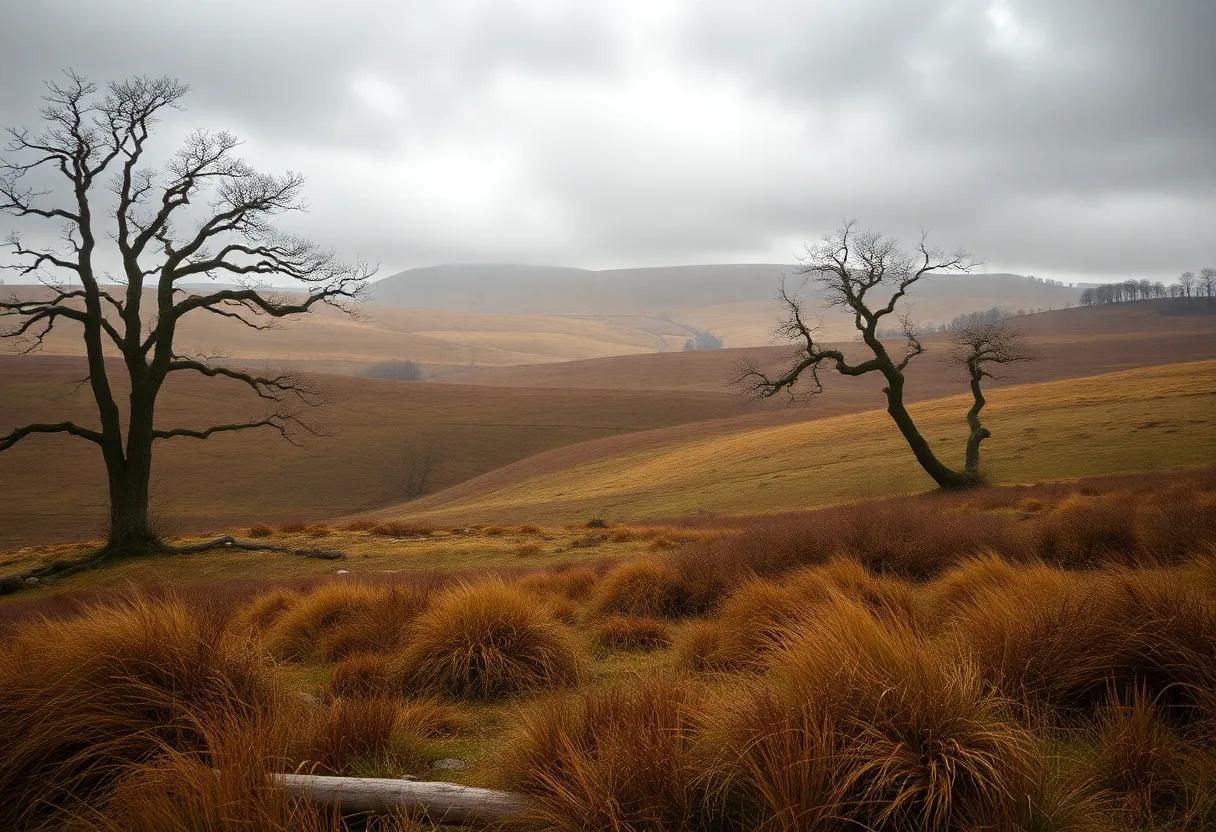
On the bogged ground, every tuft of peat and blade of grass behaves like a line of a long poem about human consequence. The dark, compressing peat carries the past in layers — as a slow archive of loss and preservation, it is both tomb and seedbed, suggesting that fate on the moor is patient and accumulative rather than abrupt. Hedgerows stitch together fields and families, liminal living fences where myth and law meet: they are cartographies of belonging that hold memory in their thorns. Birds—especially the lark and the crow—act as airborne chorus, announcing harvests, mourning breaks in community, or presaging storms; their calls become cultural punctuation. Weather is the most democratic motif here: wind erases tracks, fog blurs lineage, and sudden storms expose the fragility of human plans, turning private destiny into a communal narrative written in rain.
These natural motifs function like dialects of a shared history, quietly teaching and testing people who live by the peat and hedge. In storytelling and ritual they translate material detail into moral or ancient weight: a cut peat can stand for a broken promise, a gnarled hawthorn for endurance, a flock’s flight for migration and exile. Consider, too, how these signs circulate in folk memory — the same birds and winds recur as emblems across songs, place-names, and funeral rites, knitting individual fate to longer cultural rhythms. Below is a simple guide to the recurring motifs you’ll find braided through moorland narratives:
| Element | Symbolic Role |
|---|---|
| Peat | Memory-archive; slow decay and preservation |
| Hedgerow | Boundary of kinship and law; shelter for stories |
| Birds | Messengers of change; communal mood-markers |
| Weather | Fate’s instrument; sudden reshaping of lives |
Gender politics and social constraint Examining marriage law social expectation and female agency in the novel with suggestions for classroom discussion prompts
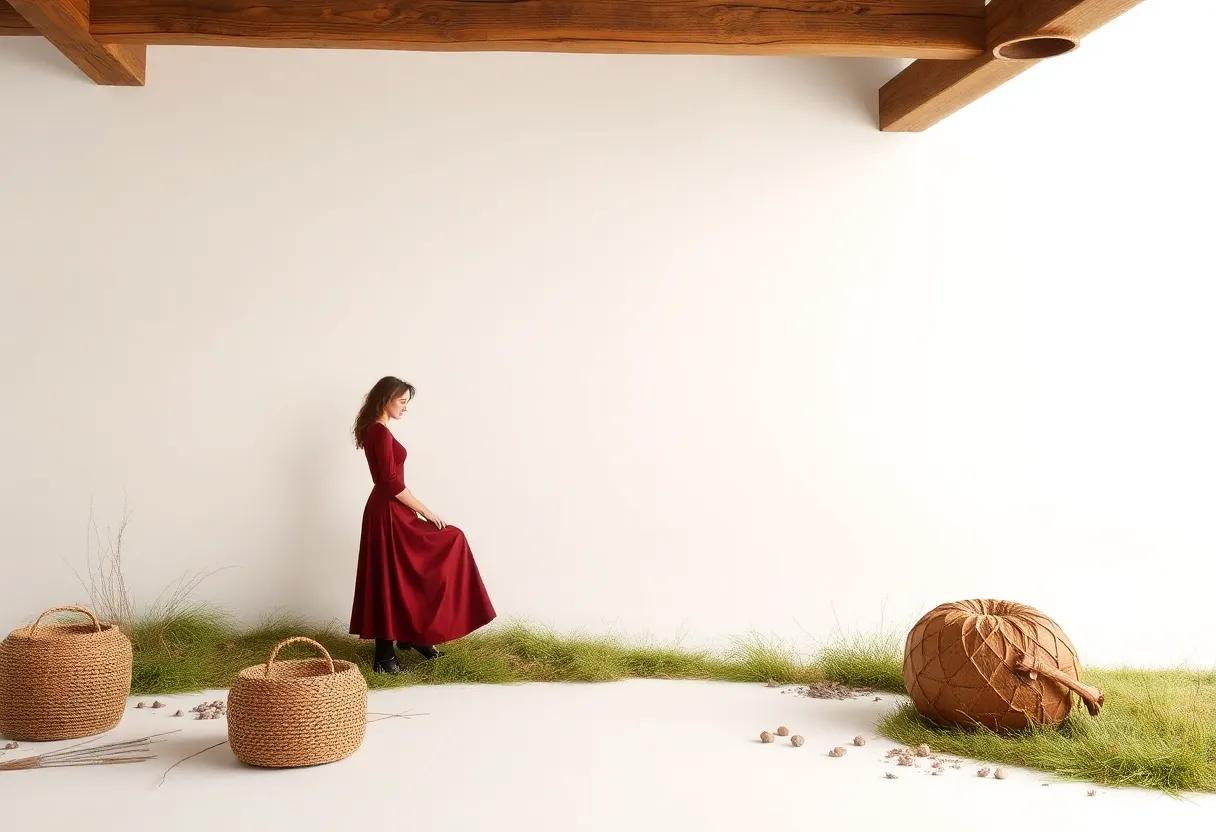
Hardy stages marriage as both law and language — a public contract encoded in property, reputation and ritual that collides with private longing on the moor. The novel shows how statutory limits on divorce and inheritance, together with rigid community expectations, compress women’s choices into a narrow repertoire of respectability or scandal; within that squeeze, acts of resistance take the form of small, messy agency — a furtive letter, a defiant dress, an attempted escape — rather than heroic overturning of the system.Read against the grain, the text invites students to trace how female characters negotiate constraint: sometimes by subversion, sometimes by accommodation, and sometimes by tragic surrender, all of which reveal how social power is enforced through intimacy as much as through law.
Classroom discussion prompts and activities
- How do marriage laws and property rules in the novel shape a woman’s future? Use specific scenes to support your view.
- Compare two female characters: in what ways do their responses to social pressure form different kinds of agency?
- Is Eustacia primarily a rebel, a product of social constraints, or both? Defend your reading with textual evidence.
- Role-play: stage a village council debating an elopement — who speaks, who is silenced, and why?
- Creative assignment: rewrite a pivotal marriage scene from a minor female character’s point of view to highlight hidden constraints.
Teaching tip: encourage students to link plot choices to historical contexts (marriage law, property rights) so discussion stays anchored in both literary and socio-legal analysis.
Intertextual echoes and Victorian context Mapping influences ibsen folklore and rural autobiographical traditions that inform tone ideology and plot choices
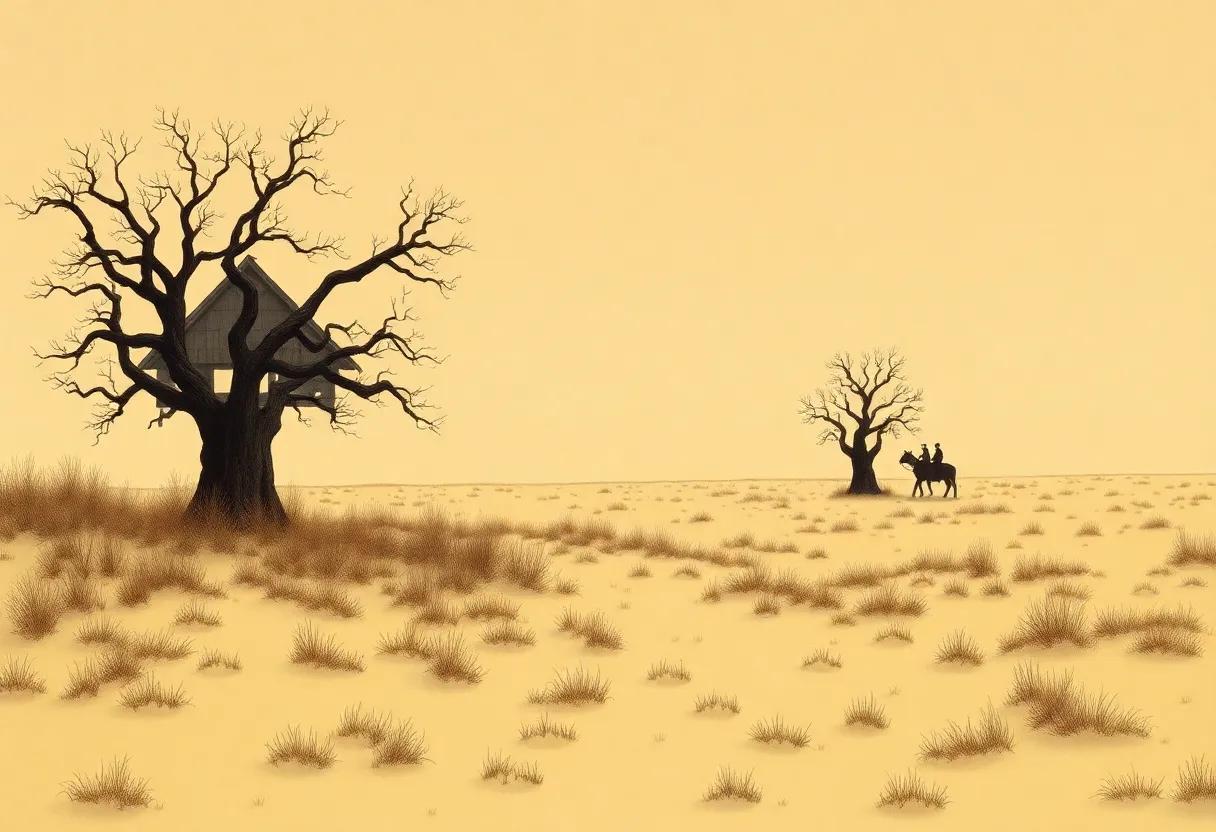
Hardy’s moor is a stage where continental psychological drama collides with English myth-making: the austere moral scrutiny of Ibsen refracts through local superstition and the author’s own rural recollections. The result is a narrative voice that feels simultaneously forensic and folkloric — clinical in observation, generous in legend. In this fusion the novel borrows Ibsen’s preoccupation with social consequences and inward culpability, borrows from folklore the sense that landscape itself remembers, and borrows from autobiographical rural writing the specificity of speech, habit and harvested sorrow.
The way these strands converge governs tone, ideology and plot in tight, often tragic loops. Key vectors include:
- Psychological realism: public reputations press on private guilt.
- mythic setting: heathland acts like an active moral witness.
- Autobiographical texture: small details make fate feel inevitable.
| Influence | Pronounced effect | Plot Choice |
|---|---|---|
| Ibsen | ethical scrutiny | characters forced into moral reckonings |
| Folklore | heightened symbolic mood | landscape-driven reversals |
| Rural memoir | textural realism | specific catalysts for fate |
This interplay produces a work where ideology is not didactic but emergent: social structures and superstition together shape destiny, and the plot’s inevitabilities feel less plotted than unearthed.
Adaptation potential and staging recommendations Practical notes for directors set designers and dramaturgs on translating moorland atmosphere to performance
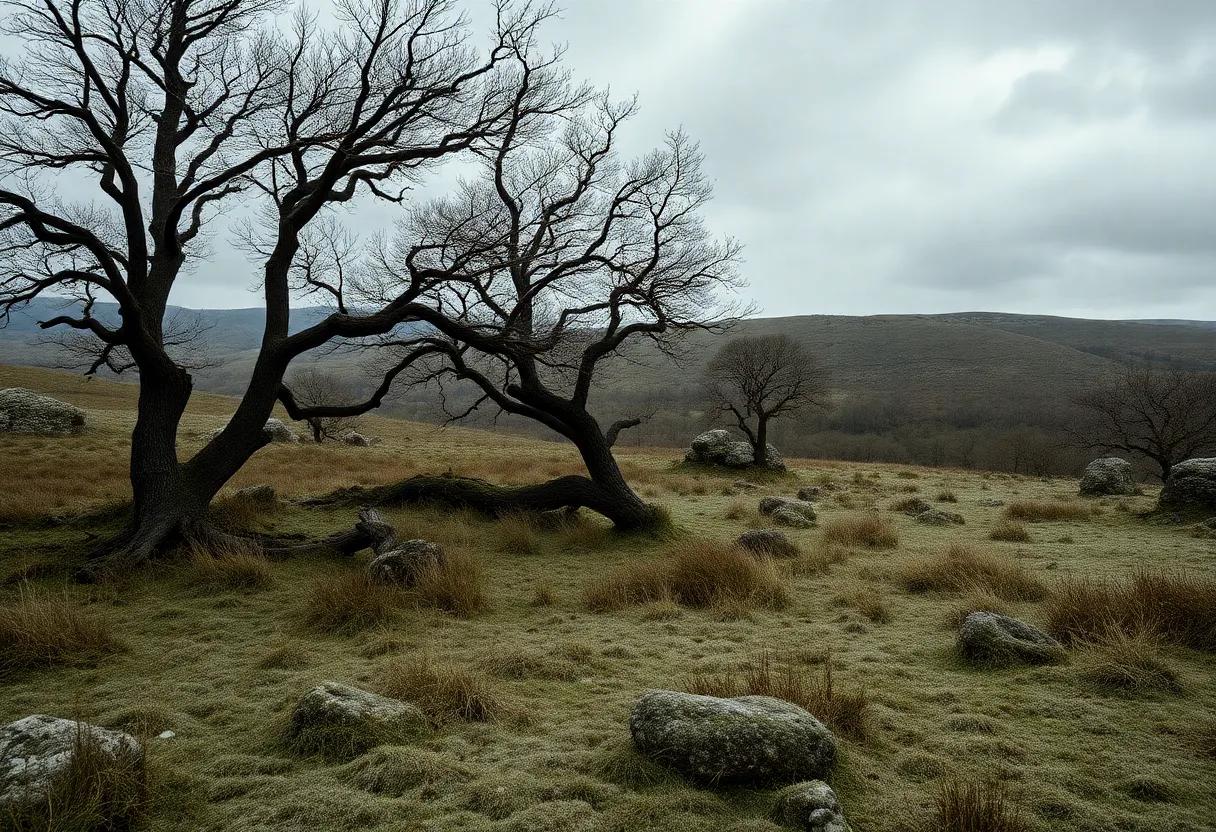
To summon the moor’s pulse onstage, think in layers rather than literal copies: sound as a terrain (wind, flock, far-off footsteps), light as weather (cold backlight, drifting amber for dusk), and movement as ecology (choreographed rodents of human habit).Practical cues:
- Acoustics: use low-frequency hums and filtered radio static to imply distance and wind.
- Props: scatter living textures — peat-stained fabrics, brittle heather — so actors interact with surfaces that age them.
- Actor routing: design routes that force small,inefficient steps; make the land itself slow conversations.
Balance illusion with safety: test wind effects at performance volume and rehearse with any particulates. Small details — a damp collar, a sticky boot tread, a faint, recurring birdcall — anchor mood more reliably than grand vistas.
For designers and dramaturgs, the moor is dramaturgy as much as décor: it should push choices and restrict options. Use a compact table of quick swaps to steer collaborators during tech week:
| Element | Stage Technique |
|---|---|
| Visibility | Gauze layers + sidelight (suggest, don’t reveal) |
| Wetness | Glossed surfaces + diffused footlights |
| Wind | Directional fans + choral breath cues |
Let the text dictate what the moor takes from characters — possessions, voice, posture — and plan scene transitions so that the landscape seems to claim and return people rather than simply frame them.
Critical limitations and alternative readings Where the revisit stretches interpretation and where readers may prefer a tighter or differently theorized account
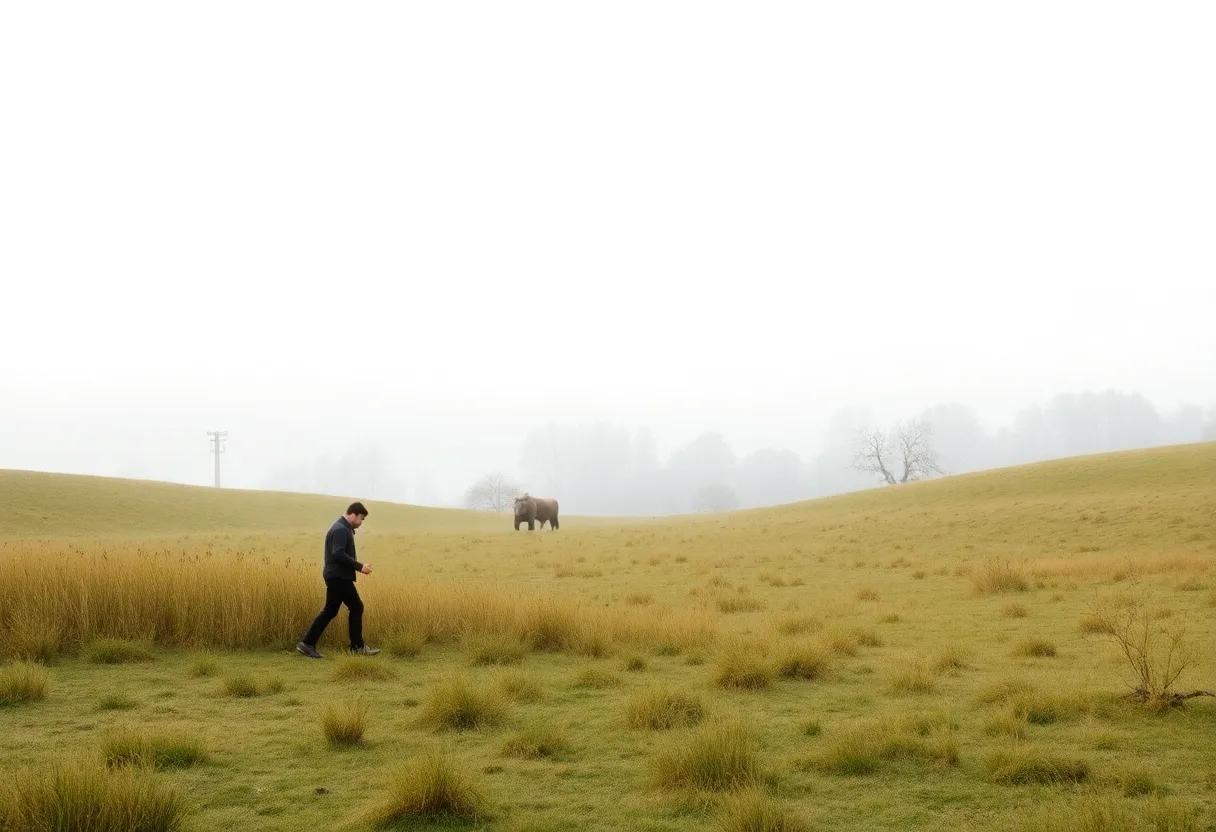
The rereading’s bravado is its own risk: by insisting that the moor acts as a metaphysical antagonist and that human fate is almost wholly choreographed by landscape, the revisit sometimes slides into metaphorical overreach. Readers may find this framing illuminating but also reductive, especially where it downgrades character agency or downgrades narrative craft in service of a grand ecological-moral thesis.Consider, as a notable example, that the argument tends to:
- animate Egdon Heath as a purposeful moral actor rather than a richly textured setting;
- translate hardy’s fatalism into a single, unified teleology;
- read minor gestures — a look, a path, a passing storm — as explicit foreshadowing of destiny.
Such moves make the book feel like evidence for a theory rather than a cluster of human choices and literary devices; the danger is not that the interpretation is false, but that it flattens nuance in favor of spectacle.
For readers who prefer a tighter or differently theorized account, several alternative orientations remain persuasive and productive. A psychological realism approach foregrounds interior motive and moral ambiguity; a formalist reading attends to narrator voice, structure, and irony; social-historicists emphasize class, law, and rural economy over elemental determinism. Below is a small compass to orient those alternatives:
| Revisit claim | Tighter alternative |
|---|---|
| Landscape as moral will | Landscape as symbol and pressure, not sole cause |
| Unified fatalism shaping every fate | Competing forces—desire, law, chance, habit |
| Universal eco-destiny | Contextual rural politics and personal culpability |
Readers inclined toward these narrower frames will find a different kind of clarity: less grand metaphysics, more layered causality, and a balance between human intention and environmental influence.
About the writer A portrait of the scholar behind Wild Moor and Human Fate their research methods publication history and suggested future projects
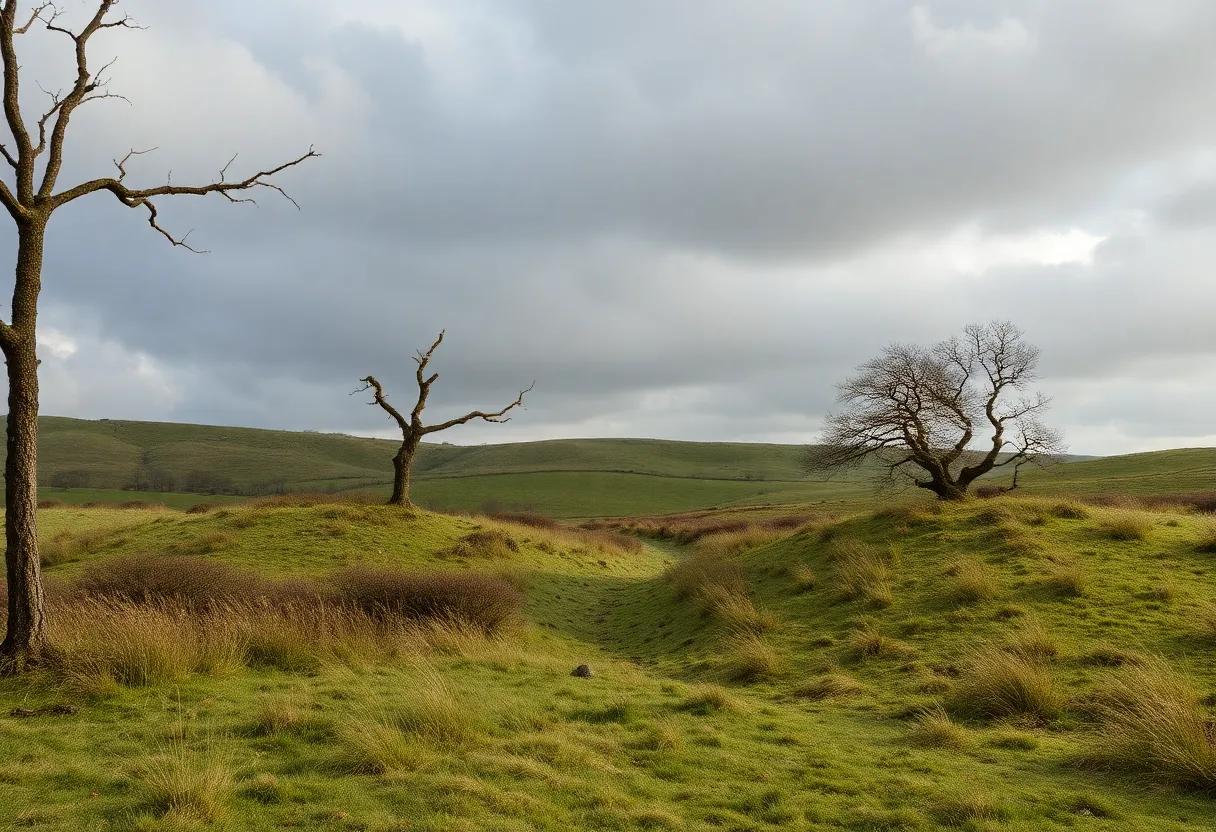
The scholar behind these pages is less a solitary author than a cartographer of currents — equally at home in brittle parish ledgers and on sodden moorland. Their approach blends patient archival excavation with playful experimentalism: long mornings of close reading are followed by afternoons of GIS plotting and recorded conversations with local storytellers. Research methods often circle back into one another, producing work that is both painstakingly evidential and quietly imaginative. Key practices include
- Archival excavation — reading marginalia and estate accounts to recover lost voices
- Close reading — tracing metaphor and landscape across revisions
- Digital mapping — visualizing routes,rents,and remembrances
- Collaborative fieldwork — co-curating memory projects with communities
These methods give their prose a texture that favours pattern over proclamation,and evidence over assertion.
Publication history is compact but attentive, moving from journal essays to curated volumes and a single major monograph that reframes canonical tropes through the lens of ecology and agency. Below is a concise record of selected outputs:
| Year | Title | Role |
|---|---|---|
| 2014 | “Margins and mires” | Article |
| 2018 | “Local Histories,Global Threads” | Edited Volume |
| 2023 | Monograph: Mapping Rural Return | Author |
Looking forward,suggested projects lean toward interdisciplinary horizons: bold comparative studies of coastal and upland narratives,a digital archive of vernacular responses to displacement,and a collaborative exhibition that sets poetry beside land-survey maps — each proposal designed to deepen the conversation between text,terrain,and the communities who live within them.
As the last page turns, Wild Moor and Human Fate leaves you standing on the edge of Hardy’s landscape — wind in your face, horizon wide and ambiguous. it neither resolves the novel’s moral knots nor pronounces a final verdict; instead it gathers scattered strands of character, setting and fate into a clearer pattern, showing how the moor itself acts as both stage and agent in the human drama. The prose is thoughtful rather than dogmatic, and the readings it offers are as much invitations to rethink as they are arguments to except.
This is a book for readers who enjoy being led into the undergrowth of a familiar text and for those who prefer maps to be sketched rather than inked. Students and Hardy devotees will find illuminating details and provocative frames; casual readers may appreciate a renewed sense of the novel’s atmospheric force even if some analyses demand patience. Either way, the book doesn’t claim to end the conversation about The Return of the Native — it widens it, supplying fresh ways to listen to the moor’s persistent, inscrutable voice.