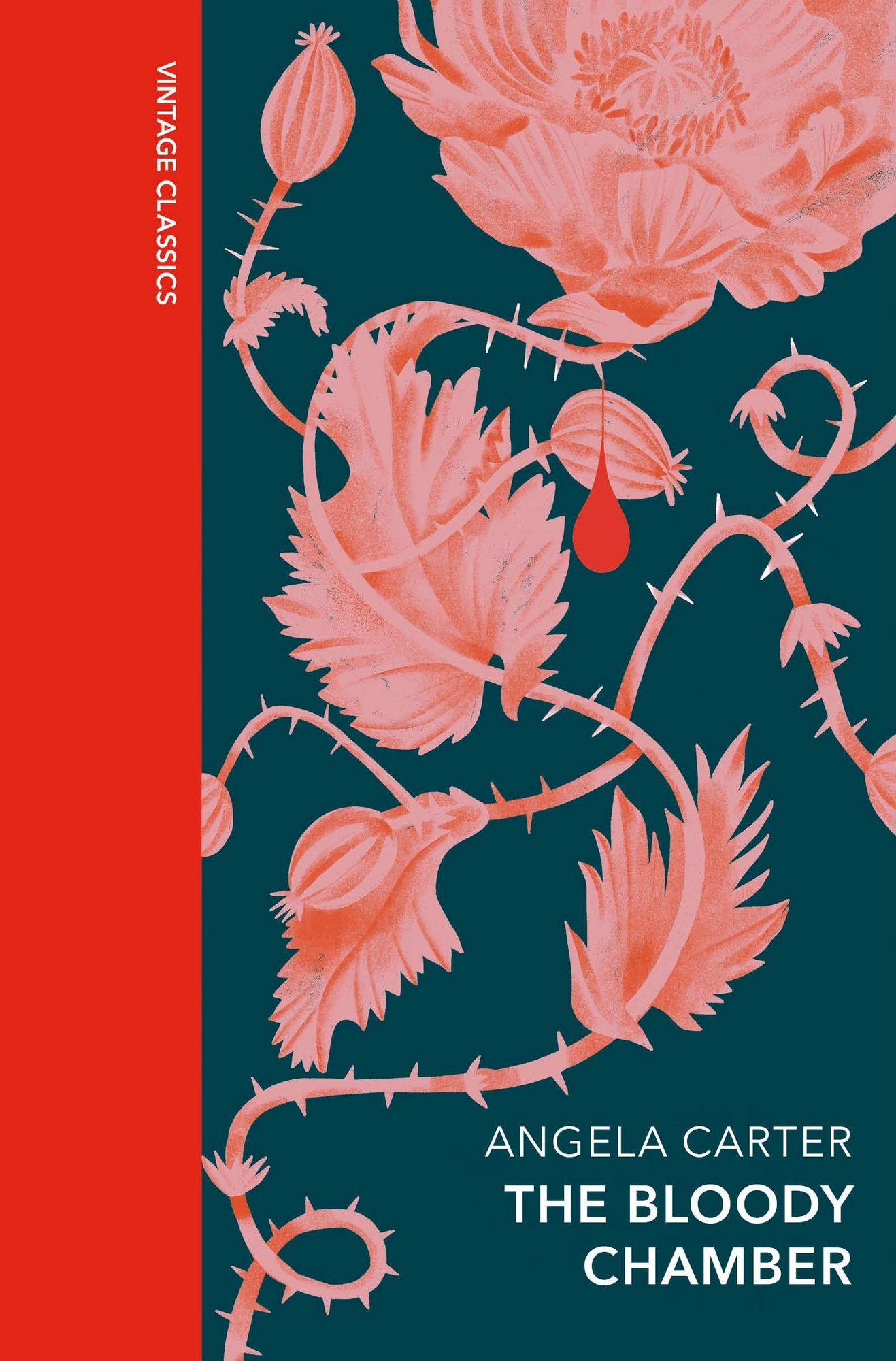
There are few literary voices that feel simultaneously like a knife and a lullaby: razor-sharp in their dissection of power, soft in the cadence that draws readers close. Angela carter’s The Bloody Chamber established that tone, reworking old fairy tales until their mirrors shattered and new, unsettling reflections remained.Fairy Tales Remade: Revisiting angela Carter’s The Bloody Chamber arrives into that chiaroscuro, inviting contemporary readers and scholars to step into the half-light where wonder and menace coexist.
This volume positions itself as both map and magnifying glass: tracing Carter’s revisions of familiar narratives while enlarging the seams—gender, desire, myth, and the gothic—that hold them together. Its contributors take different routes through Carter’s archive, some offering close readings of particular stories, others situating her work within broader cultural and theoretical currents. The result is a conversation about how retelling functions as critique and creativity, and about what it means to remake tales that have been told for centuries.
In what follows I will assess how effectively the book deepens our understanding of Carter’s methods and legacy. I will consider the clarity and persuasiveness of its central arguments, the range and balance of perspectives represented, and the extent to which the essays illuminate both the enduring power and the contemporary relevance of The Bloody Chamber. Rather than settling on a single verdict,the review aims to weigh the collection’s contributions against the very complexities Carter herself embraced.
Reimagining classic fairy tale motifs through gothic sensuality and feminist inversion with concrete examples and reading suggestions
Best-Selling Books in This Category

- Amazon Kindle Edition

Angela Carter remakes the old rhythms of fairy tale into something that hums with a slow, gothic sensuality: velvet darkness, mirrors that don’t merely reflect but reveal, and bedrooms that act as courts of judgment. In her hands, the passive heroine becomes a practicing subject, the enchanted forest is recast as a space of desire and danger, and the traditional male predator is both exposed and destabilized. Male power is scrutinized; feminine agency is recuperated through objects and scenes—mirror, key, and portrait—each turned from symbol into instrument. The effect is not merely inversion but a textured reweaving, where terror and eroticism coexist to interrogate the very grammar of “happily ever after.”
- Bluebeard revisited: the key as proof, not silence.
- Little Red reclaimed: the girl who learns the rules of the hunt.
- Snow child inverted: desire made flesh and than judged.
| Story (Carter) | Motif Reworked | Pairing / Further Reading |
|---|---|---|
| the Bloody Chamber | Bride as investigator, eroticized Gothic | Penguin edition; Jack Zipes on tale subversion |
| The Company of Wolves | Wolf as liminal lover and threat | Collected Stories; Catherine Spooner – Contemporary Gothic |
| The Snow Child | Objectified desire turned dangerous | Virago Book of Fairy Tales; selected feminist essays |
For readers seeking both pleasure and critical purchase, begin with a reliable edition of Carter’s stories—The Bloody chamber (Penguin/Modern Classics)—then move to Carter’s own theoretical provocations in The sadeian Woman and to broader fairy-tale scholarship by figures like Jack Zipes. Pair close readings of individual tales with shorter critical essays on Gothic gender politics to appreciate how Carter’s sensual language performs its feminist reversals: subtle, baroque, and deliberately unsettling.
Close readings of key stories revealing symbolism, power dynamics, and how imagery reshapes agency with annotated passage recommendations

Reading Carter close-up reveals how a single image can pivot a tale from victimhood to cunning reclamation: in “The Bloody Chamber” the piano keys and the razor blade are not just props but mnemonic anchors for inheritance and violence; in “The Company of Wolves” fur and teeth map desire onto territory. Annotated passage recommendations to open classroom or reading-group discussion include:
- “My child, my bride”—the exchange that reframes paternal protection as possession (annotate for diction and apostrophe).
- The white road and red blood—contrast of purity and transgression (annotate color symbolism across scenes).
- Wolf-Alice’s mirror episode**—where reflection becomes self-fashioning (annotate changing verbs of perception).
Each suggested passage functions as a prism: a few lines reveal recurring metaphors of enclosure, arrangement of gaze, and the ambiguous ethics of change.
Pay attention to how imagery restructures agency—fur, jewels, and glass are not decorative but tactical: the bride’s jewels weigh inheritance while the tiger’s skin becomes a ledger of autonomy. A compact reference table for quick annotation cues:
| Story | Passage | Annotation Focus |
|---|---|---|
| The Bloody Chamber | The revelation scene | gaze, ownership, motif of keys |
| The Tiger’s Bride | final transformation | animality as agency |
| Wolf-Alice | mirror moment | selfhood and mimicry |
Use these anchors to trace power dynamics—who controls sight and touch—and to annotate how Carter’s imagery systematically reassigns agency from patriarchal figures to complex, often feral, feminine wills.
Contextualizing the collection historically and culturally to trace influences, intertexts, and where modern readers might begin their exploration
Angela Carter’s The Bloody Chamber arrives at the intersection of centuries: it is steeped in the oral and printed fairy-tale canon — from Charles Perrault and the Brothers Grimm to the Victorian parlour tale — while absorbing late twentieth-century currents of feminism, psychoanalysis and postmodern play. To historicize the collection is to trace those worn motifs — the locked room, the forbidden key, the monstrous husband — back to stories like “Bluebeard” and “Beauty and the Beast”, and to situate Carter within a culture reckoning with sexual politics, surreal aesthetics and a revived interest in myth as social critique.
| Primary Influence | Why it matters |
|---|---|
| Perrault & Grimm | Source motifs and moral structures Carter fractures. |
| Victorian Gothic | Atmosphere, interiors, and anxieties about gender and power. |
| Feminist theory & Surrealism | Tools carter uses to subvert and reimagine desire and agency. |
For modern readers seeking an entry point, follow small, concrete routes: encounter the originals Carter rewrites, then return to her prose to see how she reassigns voice and violence.the pathways below offer immediate, practical starters for exploration.
- Read the source tales: Short Perrault and Grimm texts illuminate the changes Carter makes.
- Then read Carter’s collection: Notice how language, interior space and eroticism are reworked.
- Pair with her essays: Pieces like “The Sadeian Woman” clarify her theoretical aims.
- Pick an annotated edition: Notes and introductions help trace ancient references and intertexts.
- explore adaptations & criticism: Films, podcasts, and contemporary retellings extend the conversation and invite comparison.
Stylistic analysis of language, tone and narrative voice, highlighting lush prose techniques and alternatives for teaching or adaptation

Angela Carter’s narratives luxuriate in language: sentences that unfurl like embroidered tapestries, where metaphor and tactile detail reclaim the gothic and the erotic from mere plot scaffolding. Her narrative voice often blends an intimate first-person gaze with an omniscient, mischievous narrator, producing a tone that is at once conspiratorial and ceremonious. Techniques to emulate or dissect this lushness include sensory layering,syntactic variation (long periodic sentences alternated with crisp staccato lines),and figurative density: a single image will multiply into thematic echoes throughout a paragraph.
- Sensory layering — stack smell, sound, texture for immediate immersion;
- Anaphora and cadence — repeat openings to build ritualistic momentum;
- Iconic detail — elevate small objects into symbolic fulcrums.
For teaching or adaptation, boldness needn’t be verbatim reproduction: propose modular strategies that honor Carter’s spirit while inviting accessibility. Consider lightweight alternatives—retelling in a present-tense voice for drama, converting a passage into dialog for performance, or paring metaphors for younger readers—each preserves rhetorical intent without overburdening new audiences.Below is a compact guide to translate technique into classroom practice:
| Technique | Activity (10–30 min) |
|---|---|
| figurative density | Close-read one paragraph; rewrite two metaphors into contemporary images |
| Cadence & sentence length | Turn long sentence into a spoken monologue; mark breaths |
| Narrative voice shifts | Perform same scene in 1st person, then as omniscient narrator |
- Adaptation tip — use multimedia (soundscapes, costume fragments) to externalize Carter’s texture;
- Assessment — ask students to justify which devices sustain theme versus ornament.
Comparative suggestions pairing stories with films, art and scholarly essays to deepen understanding and spark interdisciplinary classroom plans

Pair readings from the Bloody Chamber with visual and cinematic texts to tease out Carter’s play with gender,desire and violence. suggested pairings include a mix of surprising complements and clarifying contrasts—each offering a different lens for analysis and creative response:
- “The Bloody Chamber” — The Company of Wolves (Neil Jordan, 1984): both foreground the beast/bride dynamic and the politics of metamorphosis on screen.
- “The Erl-King” — Francisco Goya’s prints and Leonor Fini paintings: visual art that echoes woodland menace and eroticized captivity, useful for image-based close readings.
- “The Snow Child” — Pan’s Labyrinth (Guillermo del Toro): dark fabulism and the cost of wish-fulfillment, excellent for cross-cultural fairy tale pedagogy.
- “Puss-in-Boots” — classic illustrations (Arthur Rackham) and contemporary feminist critiques (Marina Warner, Jack Zipes): trace how illustration and scholarship reframe agency and authorship in retold tales.
Use these pairings to scaffold comparative essays, film-viewing journals and short creative rewrites that ask students to move between verbal, visual and theoretical modes.
Build interdisciplinary units that alternate close reading, screening, studio practice and seminar discussion so students experiance Carter’s revisions intellectually and affectively. A sample mini-module can structure a week of work with clear,assessable goals; below is a compact template instructors can adapt:
| Module | Activity | Intended Outcome |
|---|---|---|
| Text & Context | Close read + assigned essay (Warner/Zipes) | Historicize Carter’s revisions |
| Image & Screen | Film screening + visual analysis | Translate motif across media |
| Creative Lab | Rewrite or illustrate a scene | Produce original interdisciplinary responses |
Pair each module with brief reflection prompts and a gallery or blog post so students articulate connections between story,film,art and criticism while generating materials for assessment and public-facing portfolios.
Critical reflections on themes of violence, desire and transformation with content warnings and careful reader guidance for sensitive readers

Content warning: Angela Carter’s stories weave violence,erotic desire,and radical metamorphosis into rich,often disturbing fables — including depictions of sexual violence,physical harm,blood imagery,coercion,and unsettling transformations. These elements are frequently symbolic, but they can be viscerally affecting. If you are sensitive to these topics, consider the following gentle reader guidance before continuing:
- Read synopses or critical summaries first to map potentially triggering episodes.
- Skim or skip individual stories or scenes that feel too intense; you are allowed boundaries.
- Have grounding tools ready (breathing, sensory objects, a short walk) and plan a pause or stop point ahead of reading.
- Read with a friend or in a group if discussion helps process strong material,or keep a journal to externalize reactions.
- If material evokes past trauma, prioritize professional support and avoid exposure that could retraumatize.
critical reflection: Carter uses violence not merely for shock but as a narrative engine that interrogates power, desire, and the possibility of becoming other; approaching her work with both curiosity and care helps distinguish metaphor from harm. Try a measured reading approach: contextualize acts of violence historically and stylistically, note how desire is often entangled with agency and menace, and trace transformations as both liberation and loss. For quick orientation, this compact guide may help:
| Theme | Reading approach |
|---|---|
| Violence | Acknowledge emotional impact; analyze social power behind acts |
| Desire | Examine consent, fantasy vs. coercion, and narrative framing |
| Transformation | Track ambiguity of agency — emancipation, entrapment, or both |
Practical recommendations for modern retellings, whether stage, audio or visual, including pacing notes, emphasis ideas and audience considerations
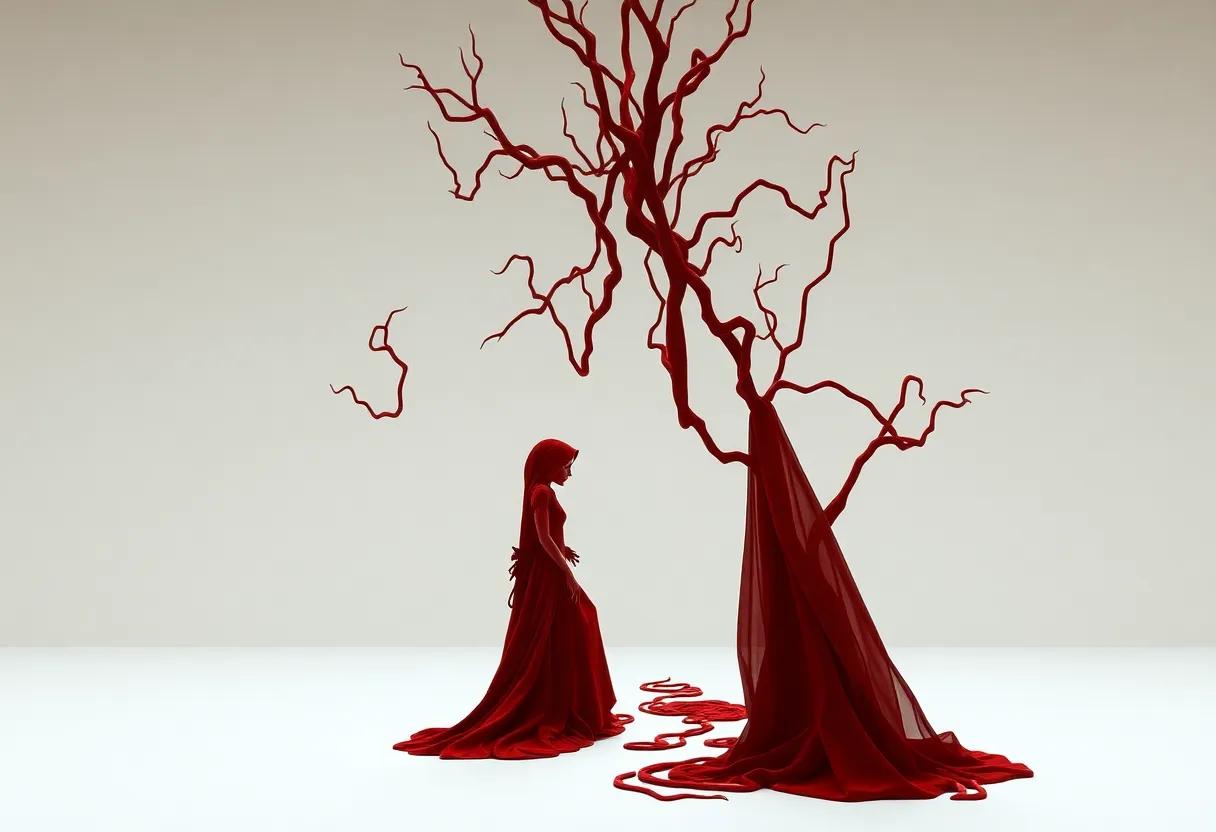
Translating Carter’s razor-sharp fairy-tale sensibility to a modern medium demands a choreography between pausing and striking: favor lingering intimacy—long, quiet moments that let subtext breathe—punctuated by sudden jolts of sound or movement to register violence without voyeurism.For stage, keep the world tactile and suggestive (textures, scent cues, and a versatile piece of furniture can read as many rooms); for audio, treat silence as an instrument and use close-up whispering or a recurring leitmotif to map the narrator’s interiority; for screen, use measured camera moves and reflective surfaces to literalize doubling. Practical tips:
- Pacing: stretch the prelude to build claustrophobia, shorten shocks for impact.
- Emphasis: foreground the protagonist’s perspective—small gestures carry the moral weight.
- Design: let lighting and sound do the heavy lifting; minimal props, maximal implication.
Know your audience and stage your moral complexity accordingly: Carter’s work is adult, ambiguous and erotic—signal that honestly with content warnings and program notes, and consider multiple versions (a censored festival cut vs. an uncut late-night run). Keep these quick reference points in mind:
- Accessibility: audio descriptions and captioning preserve nuance.
- Context: frame the tale with a brief program note or pre-show soundscape to orient newcomers.
- Aftercare: provide resources or a talkback for intense themes.
| Medium | Typical beat | Key Focus |
|---|---|---|
| Stage | Long breaths, slow reveal | physical presence |
| Audio | measured pauses, layered sound | Voice & silence |
| Screen | Rhythmic cuts, visual motifs | Gaze & framing |
Pedagogical toolkit proposals with discussion prompts, essay topics and project outlines for secondary or university courses using this collection
Discussion prompts and essay topics are designed to stimulate close reading and comparative thinking:
- How does Angela Carter reconfigure the moral economy of the classic tale—who gains and who loses by the end?
- Compare Carter’s use of sensuality and violence: does style mediate ethical impact?
- Trace the persistence of fairy-tale motifs (mirror, key, wolf) across stories—what new meanings do they acquire?
- Essay prompt: Choose one story and argue how Carter remakes a single archetype (hero, femme fatale, innocent) to reflect modern anxieties.
- Essay prompt: Analyze the collection as a feminist revision—where does it succeed and where does it complicate feminist readings?
Project outlines offer classroom- and seminar-ready options adaptable for secondary or university levels; choose formative or summative assessment and scaffold with milestones:
- Creative reimagining—students produce a short story or graphic sequence that remakes a chosen tale into a contemporary setting.
- Intermedia adaptation—small groups stage a scene as film, radio drama, or performance, accompanied by a director’s statement linking choices to Carter’s techniques.
- Research portfolio—compile critical responses, archival images, and an annotated bibliography culminating in a comparative paper.
| Project | Timeframe | Assessment |
|---|---|---|
| Creative rewrite | 2–3 weeks | Portfolio + reflection (40%) |
| Adaptation performance | 3–4 weeks | Performance + director’s statement (50%) |
| Research portfolio | 4–6 weeks | Paper + annotated bib (60%) |
Evaluating translations,editions and supplementary materials to help collectors and students choose the most illuminating scholarly versions
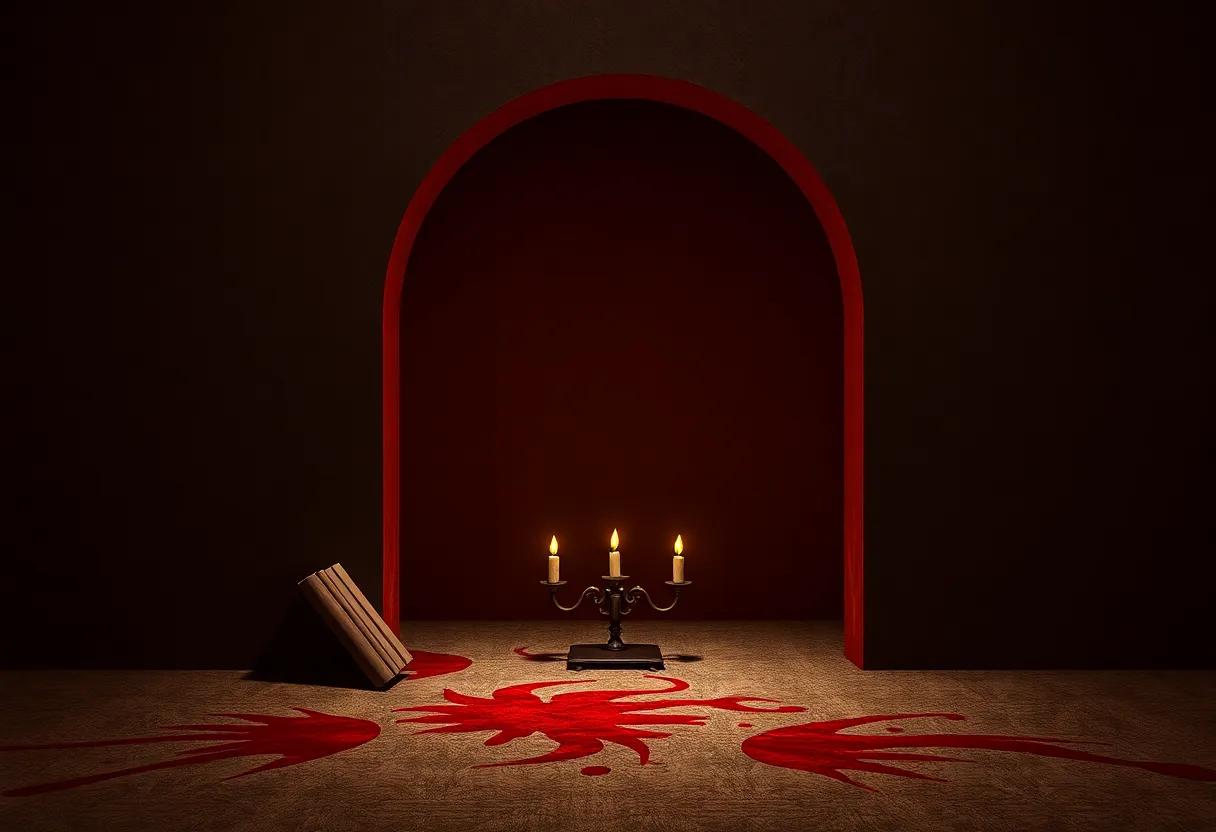
For collectors and students approaching Angela Carter’s reinvented fairy tales, the most illuminating versions are not always the most opulent. Look instead for editions with a clear critical apparatus, thoughtful introductions that situate Carter in feminist and folklore scholarship, and lucid textual notes that track revisions across printings. Practical markers to guide a purchase include:
- Annotations: line-level glosses that explain archaic references or intertextual allusions;
- Bibliography & Further reading: a curated map for deeper research;
- Variant Texts: if the edition records changes between drafts or printings;
- Visual Supplements: illustrations or facsimiles that amplify Carter’s gothic imagery (great for collectors,optional for students).
Selecting between a readable classroom edition and a scholarly critical edition means weighing readability against historical depth—both have their place depending on whether you are annotating the text or teaching it.
| Edition | Best for | Key feature |
|---|---|---|
| Student Edition | Undergraduates | Clean text + short intro |
| Critical Edition | Researchers | Extensive notes & variants |
| Illustrated/Collector’s | Collectors & gift buyers | Art plates & premium binding |
Choose an edition by matching its strengths to your needs: if you’re learning Carter’s techniques, favor readable annotations and a good bibliography; if you’re tracing textual history or teaching multiple contexts, invest in a critical edition with archival commentary and variant readings.
About the writer Angela Carter, her literary biography, feminist legacy, archival resources and suggested biographies and critical studies to read

Angela Carter (1940–1992) rewired the grammar of myth, fairy tale and the Gothic, writing prose that is at once baroque and fiercely exact: she remade stories to expose power, desire and the politics beneath polite plots. Her career moved from novels to journalism and short fiction, but it is the concentrated charge of collections such as The Bloody Chamber that most clearly maps her feminist legacy—a legacy built on transfiguration rather than didacticism, on language that makes violence and longing visible without simplifying them. For researchers and curious readers alike, primary material and contextual records can be pursued in public and institutional repositories, and through major literary databases; look for manuscript fragments, correspondence, editorial files and recorded interviews to watch how drafts become the radical fictions she gave us.
For reading and research, mix primary texts with contextual criticism: begin with Carter’s stories and novels, then read essays and collections that frame her work within feminist theory, fairy‑tale studies and the history of the Gothic. useful starting points include:
- Primary reading: collections of stories and a novel or two to sense range and voice.
- Archival research: national libraries, university special collections and publisher archives, plus digital databases (JSTOR, MLA).
- Critical approaches: feminist readings, fairy‑tale theory, psychoanalytic and queer criticism, and book‑length biographies or essay collections for life‑context.
| Quick reading map | Pick | Why |
|---|---|---|
| First encounter | The Bloody Chamber (stories) | Condensed,emblematic Carter—perfect for grasping her method. |
| Context | A recent full‑length biography or a critical anthology | Maps influences, letters and life events that shape readings. |
| Deeper study | Collections of essays on fairy tales and feminist re‑writing | Situates Carter in broader theoretical conversations. |
In closing, Fairy Tales Remade: Revisiting Angela Carter’s The Bloody Chamber reads like a carefully arranged cabinet of curiosities—pieces of scholarship, critique, and memory laid out so that Carter’s shadowy, baroque stories can be examined from new angles. The collection neither mythologizes nor demolishes its subject; rather it teases apart narrative techniques, gendered politics, and intertextual play, inviting readers to notice how familiar tales change when light is shone from different directions.For students, teachers, and curious readers of Carter alike it provides fertile pathways rather than turnkey answers: prompts for classroom discussion, jumping-off points for further research, and subtle reframings for anyone who returns to The Bloody Chamber with fresh attention. if the book’s aim is to reopen these stories rather than to close the case on them, it succeeds—leaving the reader with more keys than conclusions and with the sense that Carter’s fairy tales will continue to be remade as long as we keep reading.