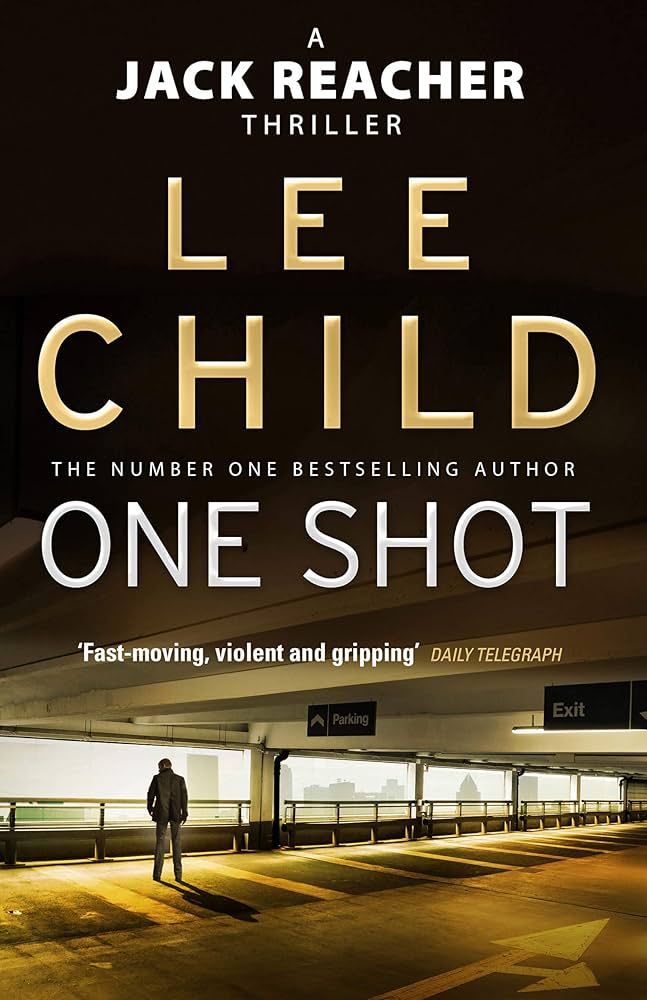
Jack Reacher arrives the way the book does: without fanfare, with the calm of someone who has already measured the chances and found them wanting.One Shot, Lee Child’s lean, propulsive entry in the reacher saga, unfolds less as a blockbuster spectacle than as a careful inspection — a small-town crime scene stripped to its geometry, motives teased out with the precision of a forensic probe. The novel’s surface is deceptively still; its movement is a series of purposeful, efficient choices that reveal as much about the world around Reacher as about the man himself.
This review takes that quiet, exacting approach as its guide. Rather than cataloguing plot beats, it will look at how Child’s pared prose, methodical plotting, and moral focus shape the reader’s experience of Reacher hear: how tension is built through omission as much as action, how the investigative machinery of the narrative exposes character, and how the book balances procedural rigor with the loner-hero myth.Expect close attention to tone, structure, and the ethical implications threaded through the investigation — and no spoilers beyond what’s needed to evaluate the craft.
Opening the Quiet Engine of One Shot A Measured Unpacking of Atmosphere Pacing and minimalist Violence that Defines Reacher
Lee Child fashions atmosphere like a clockmaker: every tick is deliberate and every silence matters. The novel’s tension is not a crescendo of spectacle but a succession of small, exacting choices — measured pacing that lets dread accumulate in the seams between scenes, and quiet menace that arrives without fanfare. Within that restraint, the book trusts implicit detail over explicit clarification, so Reacher’s presence is felt as much in what is withheld as in what is shown:
Best-Selling Books in This Category

- Delicate shifts in tempo that spotlight decisions
- Sparse, sharp dialog that carries moral weight
- Settings described with surgical detail rather than flourish
This is not minimalism for its own sake but a technique that concentrates suspense, making each small action reverberate across the narrative.
The book’s violence functions like punctuation — short, purposeful, and definitive — and Reacher’s physicality reads as an economy of force rather than gratuitous brutality. Minimalist violence becomes a narrative lens: what is left unsaid reveals character, and speedy, clinical confrontations underline the protagonist’s practicality and code. The dynamics between restraint and eruption can be summarised simply in utility and result:
| Action | Purpose |
|---|---|
| Single decisive strike | Resolve conflict, avoid escalation |
| Measured observation | Gather truth before acting |
| Cold withdrawal | Preserve autonomy, enforce boundaries |
In this economy of motion, Reacher’s world feels both inevitable and morally coherent — violence is the tool of last resort, and its scarcity is what makes it meaningful.
Scene Craft and Sparse Detail How Lee Child builds Tension Through Focused Description and Strategic Omissions

Child stages scenes like a photographer who refuses extraneous props: a single cigarette stub, the precise angle of a jaw, the scrape of a boot on concrete—each fragment is selected and sharpened until it scores the page.This economy makes description feel like an act of concentration; the reader is guided to the single, telling detail that matters. By privileging action over exposition and letting silence occupy the margins, the prose turns what is left unsaid into a pressure cooker. Reacher’s world is rendered not by mapmaking but by flashlight beams—small, intense pools of light that reveal only what’s necessary and leave the rest in shadow.
Omissions become structural devices: gaps where motive, history, or moralizing might sit rather become invitation and threat. The resulting tension is not loud but relentless,a slow tightening created by selective focus.Techniques that power this effect include:
- Micro-detailing: tiny sensory facts that suggest more than they state
- Point-of-view restraint: withholding internal commentary so action must speak
- Elliptical transitions: scene breaks that skip explanatory glue, forcing inference
These choices make every small description feel consequential, and every omission a loaded pause that pulls the reader forward with a quiet, exacting grip.
Reacher as a Calibrated Force Examining Moral Clarity Combat Skill and Reluctant Heroism in Everyday Settings
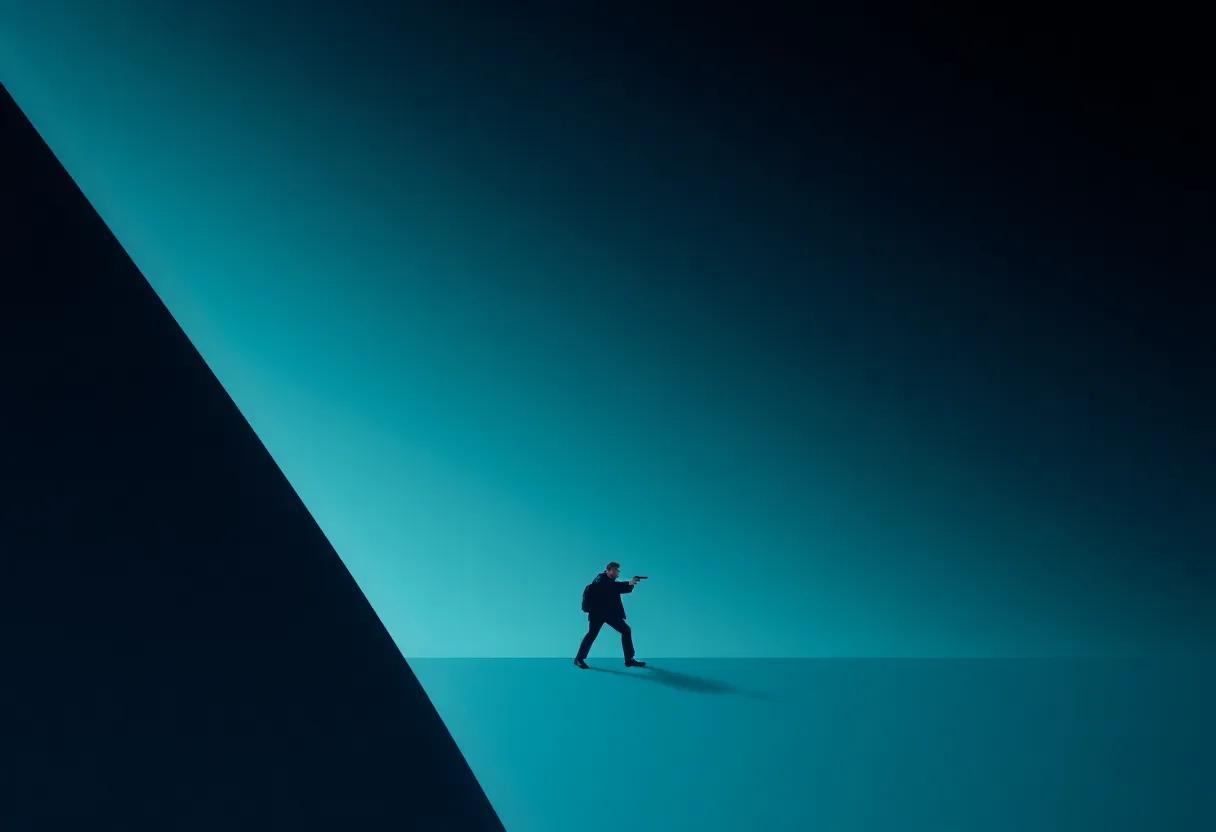
In Lee Child’s economy of prose, the protagonist moves like a calibrated force—efficient, exact, and governed by a private moral arithmetic that feels absolute in its simplicity.The novel stages confrontations as thought experiments: the less Reacher says, the more decisive his choices become, and each scrap of violence reads like a carefully measured answer rather than an outburst.
- Precision over spectacle
- Rules that feel inevitable, not theatrical
- Judgment tied to consequence, not sentiment
| Trigger | Response |
|---|---|
| Threat to innocent | Swift, conclusive |
| Petty cruelty | Measured, deterrent |
What makes the book quietly unsettling is how this skill set transfers to commonplace places: diners, parking lots, and small-town barrooms become stages for ethical calibration where courage is a handyman’s tool rather than a banner. He is a reluctant rescuer—never seeking credit,always calculating risk—and that reluctance magnifies his authority; the less he performs,the more his presence reshapes the scene.
- Diner booth diplomacy
- Highway calculations
- Soft-spoken intervention
The result is a portrait of a man whose reluctant heroism reads like common sense pushed to an extreme, a discipline that makes ordinary places feel consequential.
Plot Mechanics and Forensic Threads Assessing Evidence Driven Suspense and Plausible Detective Work in the Narrative

Child stages suspense the way a lab collects samples: each scene is a tiny, measured procedure that yields one usable fact after another, and the narrative trusts the reader to assemble them. The prose is deliberately unspectacular — a quiet, exacting gait that mirrors Reacher’s forensic attention: small details (a scuff on a bumper, the fold of a receipt, the cadence of a telephone voicemail) become instruments of deduction rather than melodrama.
- Scuff patterns: timeline anchors
- Receipts and routes: motive scaffolding
- Voicemail pauses: behavioral fingerprints
That accumulation is where plausibility lives: the book never pulls causal rabbits from hats but relies on chains of logic that coudl be audited. Reacher’s detective work reads like field forensics — observe, compare, eliminate — and the plot rewards patience by letting small discoveries propagate outward until the full geometry of the crime snaps into place.
| Clue | Function |
|---|---|
| Shoe print | Anchors time & place |
| Bus ticket | Breaks alibi |
Dialogue Economy and Voice studying How Short exchanges Convey Character Motive and propel the Story Forward

Lee Child trusts the surface of talk to carry the weight beneath it: a few clipped lines tell you what a paragraph of narration would otherwise labor to explain. In One Shot, this economy does three things at once — it clarifies motive, tightens pacing, and sculpts Reacher’s moral geometry.Every sentence is a deliberate tool, and the book’s short exchanges function like a set of surgical instruments, minimal but precise. The effect is almost musical:
- they reveal intent without confession;
- they force other characters to react, exposing cracks;
- they move the plot forward by omission as much as by statement.
Voice and silence are partners: Reacher’s laconic remarks make the reader listen for what isn’t said, so pauses become as telling as answers. Child layers small gestures and clipped rhythms to produce subtext — a glance, an unfinished sentence, a refusal to explain — and that silence reads loud. This restrained dialogue creates a forward pull that feels both inevitable and earned, using:
- sharp verbs that telegraph intent;
- interruptions that reveal power dynamics;
- ellipses and stops that let suspicion grow between lines.
Structural precision and Temporal control Observing How Chapter Composition Shapes Momentum and Reader Engagement

Lee Child frames each short chapter like a small machine: gears of scene, dialogue and detail that click together with deliberate economy. The prose refuses excess; instead it leans on micro-decisions — a clipped verb, a withheld observation, a single image — to nudge the story forward. This economy creates tight,accumulative momentum,so that what seems like a quiet moment actually functions as a cam that stores energy for the next release. The result is a reading experience that feels both restful and inexorable, a sequence of small, exacting choices that keep the pages turning.
- Beat-length chapters that accelerate or cool the tempo on cue
- ellipses and time jumps that let the reader fill in action between scenes
- Focused anchors — an object, a gesture, a line of dialogue — that carry forward meaning
- deliberate silences after violence or revelation, which intensify the aftermath
These structural choices are not merely stylistic; they are psychological levers that shape how invested you feel in Reacher’s choices. By controlling chapter length and where to place pauses, Child engineers attention: readers lean in during compressed bursts and are given calculated breaths to reassess motives and stakes. The interplay of quick strikes and slow-motion aftermath produces a rhythm that mirrors Reacher himself — economical, precise, and relentlessly purposeful — transforming mechanical pacing into emotional engagement.
Themes of Justice Isolation and Vigilant Problem Solving Recommendations for Readers Seeking Thoughtful Action Thrillers

Lee Child’s One Shot is less about explosions than about the arithmetic of morality — quiet deductions that lead Reacher to acts of blunt correction. The novel frames justice as an almost architectural concern: measuring angles of motive, removing false facades, and than applying proportionate force. Readers who enjoy a protagonist who solves problems by observation and small,exact movements will find the book’s restraint rewarding; its isolation theme means decisions are made alone,with consequences that hang in the air long after a chapter ends.
The book also doubles as a primer for readers seeking thoughtful action: look for stories that prize logic over spectacle,and characters who think as efficiently as they fight. Below are quick signposts to keep you oriented while choosing yoru next quiet-thriller fix:
- Moral clarity: conflicts resolved by deduction, not deus ex machina.
- Methodical pace: tension built step-by-step rather than by constant adrenaline.
- Solitary hero: isolation used to focus agency,not merely to brood.
| If you liked One Shot | Look for |
|---|---|
| Tight procedural logic | Sparse prose, precise reveals |
| Cold, solitary protagonist | Internal codes that drive action |
pacing Recommendations for different Readers How to Approach One Shot for Maximum Suspense and Reflective Reading Pleasure
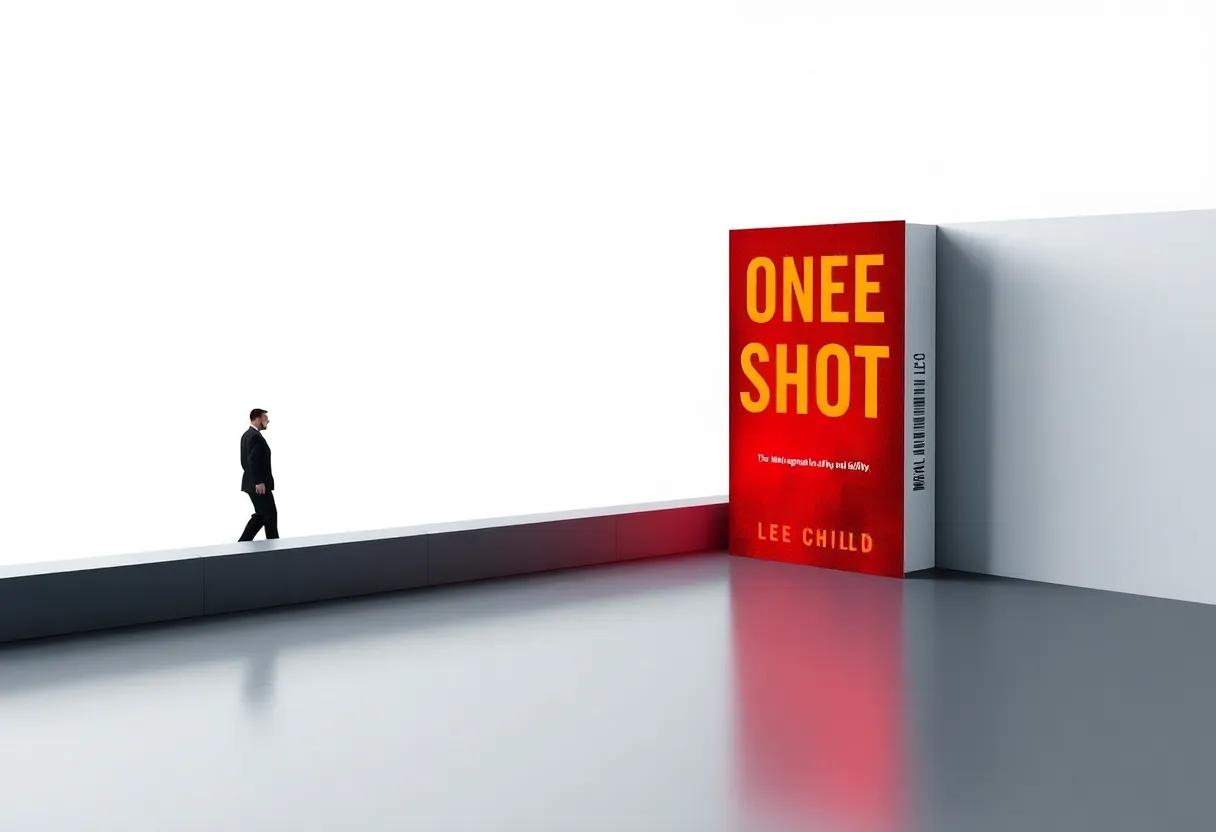
Treat One Shot like a tightly wound watch. if you’re the sort who races for plot, read in longer stretches — two to three chapters at once — to let Reacher’s quiet escalation lock in. If you savor detail and character study, break the book into short sessions and linger on descriptions: the novel rewards slow attention to the small mechanics of tension. For maximum suspense, alternate styles across sittings — one long push to feel the momentum, then a short, reflective session to let implications settle. Small, deliberate habits (marking a single sentence, pausing at a chapter break, jotting a line) transform a brisk thriller into a reflective experience.
- sprint readers: One sitting; aim for continuity to preserve mounting pressure.
- measured readers: two chapters per session; pause on clues and atmosphere.
- Reflective readers: Read single chapters and revisit opening pages before each session.
- Serial readers: Treat scenes as mini-cliffhangers; stop at beats rather than pages.
Use pacing as a tool: let suspense accumulate by controlling your own interruptions. If you want to amplify mystery,stop reading right after a subtle reveal and avoid spoilers until a full chapter passes; if you prefer catharsis,push through the next scene immediately. Small rituals — a consistent reading time,muted notifications,a notepad for stray thoughts — sharpen perception and make otherwise quiet moments feel charged. Above all, match your tempo to the book’s tone: the novel’s quiet, exacting rhythms reward patience just as much as they reward momentum.
| Reader Type | Ideal Session | Quick Tip |
|---|---|---|
| Sprint | 3–4 chapters | Keep moving to maintain pressure |
| Measured | 2 chapters | Pause to note clues |
| Reflective | 1 chapter | Re-read openings before resuming |
Comparative Reading Suggestions Other Authors and Titles to Pair with One Shot for Fans of Quietly Intense Crime Fiction

If you loved the deliberate, surgical feel of One Shot, try pairing it with authors who do tension in small, precise doses. Fans of Reacher’s unshowy menace will find kinship in the slow-burn unease of Karin Fossum — The Whisperer, the interior psychological pressure of Tana French — The Secret Place, the understated moral puzzles in Denise Mina — The End of the Wasp Season, the restrained humanism of Donna Leon — Death at La Fenice, and the quietly corrosive atmospherics of Ruth Rendell (as Barbara Vine) — A Dark-Adapted Eye.These titles trade fireworks for ice-cold focus,leaning on character and consequence rather than spectacle.
Below is a quick guide to how those reads mirror One Shot’s virtues; use it to mix and match depending on whether you want more mood, mystery, or moral grit.
- Mood: Fossum, Leon
- Psychology: French, Vine
- procedural focus: Mina
| Title | Why it pairs | Pacing |
|---|---|---|
| The Whisperer | Slow, intimate moral tension | Measured |
| The Secret place | Psychological stakes, layered reveal | Layered |
| A Dark-Adapted Eye | Atmospheric, character-driven dread | Deliberate |
Choose a pairing based on the flavor of quiet intensity you want to linger in—moral ambiguity, forensic patience, or small-town menace—and let the silence between pages do the work.
About the Writer Lee Child Exploring His career Craft Influences and the Consistent Sparse Power Behind the Reacher Novels

lee Child writes like someone who has spent a lifetime trimming away the unnecessary until only the hinge remains — a practice that comes from equal parts discipline and appetite. His career grew out of a curiosity for storytelling in tight frames: scenes that read like set pieces, characters defined by gesture and choice rather than exposition, and an ear for dialogue that moves the plot as much as it reveals.Influences are felt rather than catalogued — the lean moralism of noir, the visual economy of screenwriting, and the procedural clarity of classic detective fiction — all of which he compresses into a voice that makes the reader feel the physics of every encounter.
- Sparse prose — fewer words, higher pressure.
- Single-voice narration — intimacy with distance.
- Short, precise chapters — cinematic beats.
- Rule-based morality — clarity of motive and consequence.
- Action choreography — readable motion, scene by scene.
| Technique | Effect |
|---|---|
| Sparse sentences | Relentless momentum |
| Minimal backstory | Focus on present stakes |
| Physical detail | Immediate immersion |
The consistent,spare power in the Reacher novels is less about novelty and more about refinement: each book pares down,sharpens,and repeats its core tools until they cut clean. Reacher himself functions as a centripetal force — an economy of man whose decisions compress ethical complexity into physical outcomes — and that geometry is echoed in the prose. when Child tightens syntax around a single decisive image or exchanges a paragraph of reflection for a line of action, the result is a clarity that reads as neutrality but feels decisively authored; quiet, exacting, and very deliberate.
One Shot feels less like a blockbuster and more like a finely tuned inquiry: spare, methodical, and quietly insistive. Lee Child strips the spectacle away and leaves a narrow beam of light on Reacher’s methods and motives, inviting the reader to follow each careful step rather than be carried along by spectacle. Fans who appreciate meticulous plotting and a protagonist who speaks through action more than rhetoric will find much to admire; those looking for relentless pace and bombast may find it unusually restrained. Either way, this is a portrait of Reacher that rewards close attention—a cool, exacting chapter in a long-running conversation about justice, judgment, and the austere logic that shapes both.