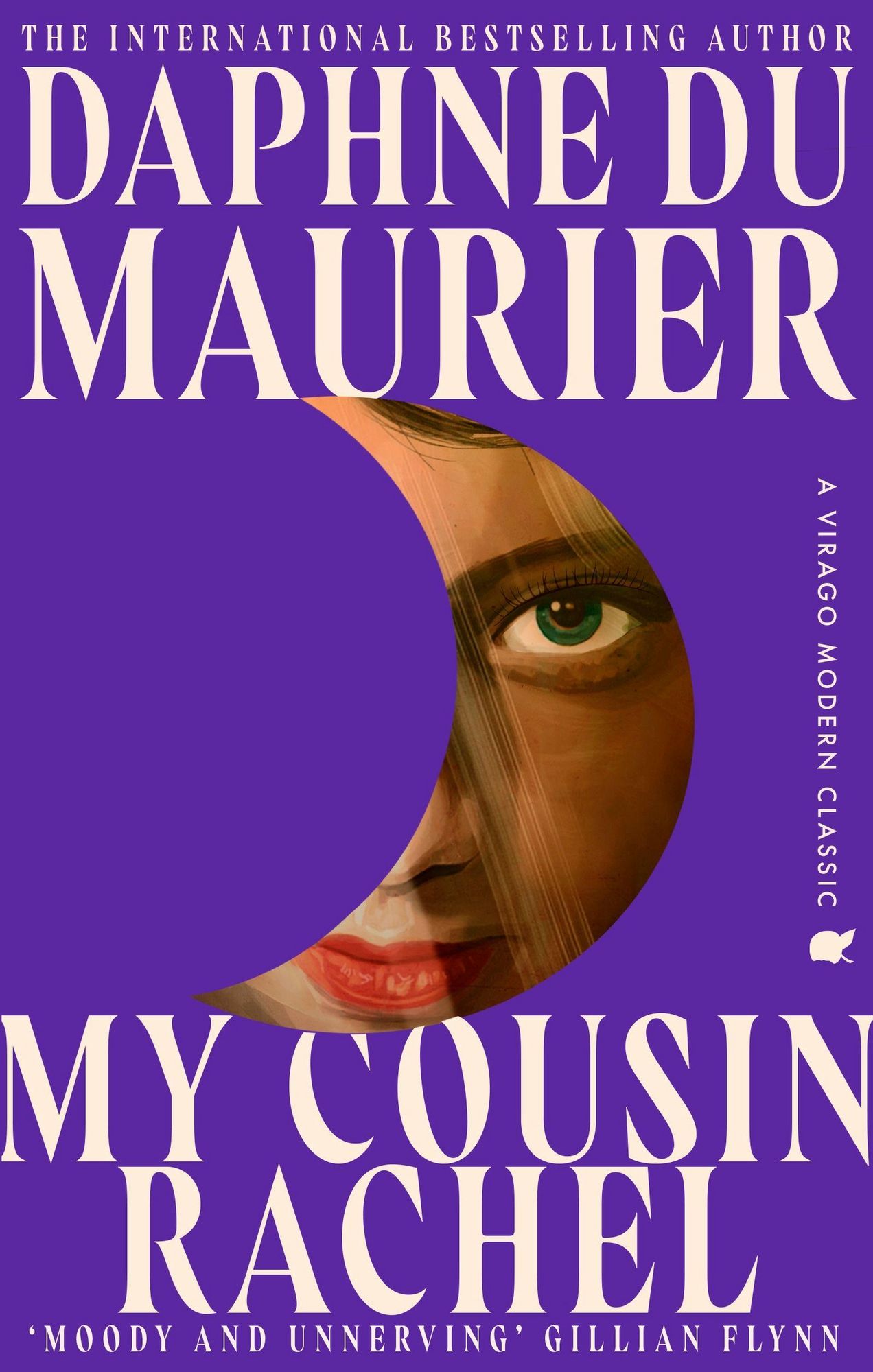
A certain kind of fog settles over Daphne du Maurier’s My Cousin Rachel — not the kind that simply obscures, but the kind that softens edges and makes every familiar shape suspect. From its opening pages the novel invites readers to inhabit a liminal space where attraction and distrust entwine, and where the truth seems to shift like light on water. that slipperiness is not a flaw to be corrected but the book’s principal design: an exploration of how narrative, memory and desire conspire to form conviction.
Told through a single, increasingly tense perspective, the story concentrates powerfully on questions of motive and perception rather than on certainties of fact. Du Maurier’s spare, atmospheric prose places character and suggestion ahead of exposition, leaving the reader to weigh evidence, infer intention and, at times, confront their own appetite for resolution. The result is less a courtroom drama than a psychological experiment in which every gesture and silenced thought might be proof or misdirection.
This review will trace how style, structure and characterization sustain the novel’s central ambiguity, consider how the framing of truth affects our sympathies, and reflect on why My Cousin Rachel continues to unsettle and fascinate readers decades after its first publication. Expect close attention to nuance rather than a definitive verdict — for the novel itself teaches that some questions are designed to remain provocatively unanswered.
Fogbound Cornwall and the unsettling estate atmosphere that becomes a liminal stage for doubt desire and creeping uncertainty

Best-Selling Books in This Category


- Walpole, Horace (Author)
A low, salt-smeared mist leans into the rooms like a questioning hand, blurring the edges of furniture and memory untill the household itself seems to hold its breath. Within that haze the house is less a setting and more a living archive of hesitations: footsteps become propositions, closed doors feel like promises, and a single glance can harden into accusation. The landscape presses inward—rock, sea, and sodden hedgerow—so that feelings often register as weather; what might be longing is read as fog, what might be fear as wind. In these moments the narrative slips from certainties into suggestion, and every domestic detail is charged with an uncomfortable possibility.
Rooms are converted into thresholds where intention and interpretation jostle: a note left on a dressing table becomes an ordinance of love or a trap, a repaired teacup a token of tenderness or a sign of careful concealment. The estate operates like a theater of pause, amplifying small acts into moral evidence and turning private urges into public puzzles. Ambiguity isn’t merely an aesthetic choice here; it’s the atmosphere that shapes motives, making doubt as palpable as the chill in the corridor and desire as elusive as a shaft of muted light.
- Sight: blurred outlines, uncertain identities
- Sound: distant footsteps, conversations half-heard
- Scent: damp wood, old perfume, the sea’s salt
| Signal | Interpretation |
|---|---|
| A closed curtain | Secrecy or shelter |
| Freshly mended cuff | Care, control, or concealment |
| Late-night lantern | Yearning or surveillance |
Ambiguity as a narrative engine examining unreliable testimony obsessive love and the slow corrosive effects of suspicion on identity

Du Maurier shapes the novel around a persistent uncertainty that refuses to be resolved, letting doubt do the heavy lifting where plot might traditionally provide answers. The narrator’s testimony slides between sincerity and self-deception, and in that slipperiness the reader finds the engine of the story: questions breed character, and every unanswered suspicion refracts back into motive and memory. Key tactics appear again and again in the prose:
- Erosion of facts into feeling
- Confessions that read like accusations
- Love that resembles accusation
Each tactic keeps the action intimate and claustrophobic, so that the reader tastes the same vertigo as the protagonist.
As the narrative coils, obsession and suspicion don’t just affect actions—they reshape identity itself, producing a slow, almost chemical corrosion in how a person recognizes themselves and others. Small gestures become evidence, silence becomes testimony, and the past transmutes into a series of interpretive mirrors where intent is always ambiguous. The novel maps this change plainly in behavior and outcome:
| Behavior | Narrative effect |
|---|---|
| Clinging to memory | Memory hardens into mythology |
| Interpreting silence | Suspicion replaces dialog |
| Re-checking evidence | Identity becomes transactional |
Even without a definitive verdict on guilt or innocence, the reader witnesses a moral and psychological unraveling that is as compelling as it is unsettling—proof that ambiguity, handled with craft, can be the most persuasive engine of all.
Is Rachel a guardian specter or manipulative stranger exploring textual clues gaps and narrative silences before you decide your verdict
Du Maurier invites us into a fog where every sentence is an invitation to distrust: the narrator’s fevered imagination, gaps in testimony, and those pregnant pauses where the text chooses not to explain become as telling as any spoken confession. Look closely and you’ll find evidence that can be read in two directions—small domestic details that imply tenderness can also be read as calculated charm; silences that protect a widow’s dignity can equally conceal a strategist’s patience. The novel’s power comes from these narrative choices: what is revealed, what is withheld, and how easily the protagonist’s perception can be led down a path of suspicion or sympathy.
To navigate the ambivalence without rushing to judgment, consider a few focal cues that recur in the story and remain deliberately unresolved:
- Behavioral detail: gestures and small acts that can humanize or manipulate.
- Letter and speech: textual artifacts that illuminate motives yet leave room for interpolation.
- Gaps and silences: omissions that invite projection and reshape the reader’s verdict.
| Clue Type | Possible Reading |
|---|---|
| Affectionate gestures | Genuine warmth / calculated allure |
| Private letters | confession / artful omission |
| Narrative silence | Respectful restraint / deliberate obfuscation |
Remain attentive to these textures of ambiguity; they are not shortcomings to be corrected but the very mechanisms that make the story persistently unsettled and morally intriguing.
The novels economy of detail learn how du Maurier uses small domestic objects and repeated motifs to seed suspicion and atmosphere
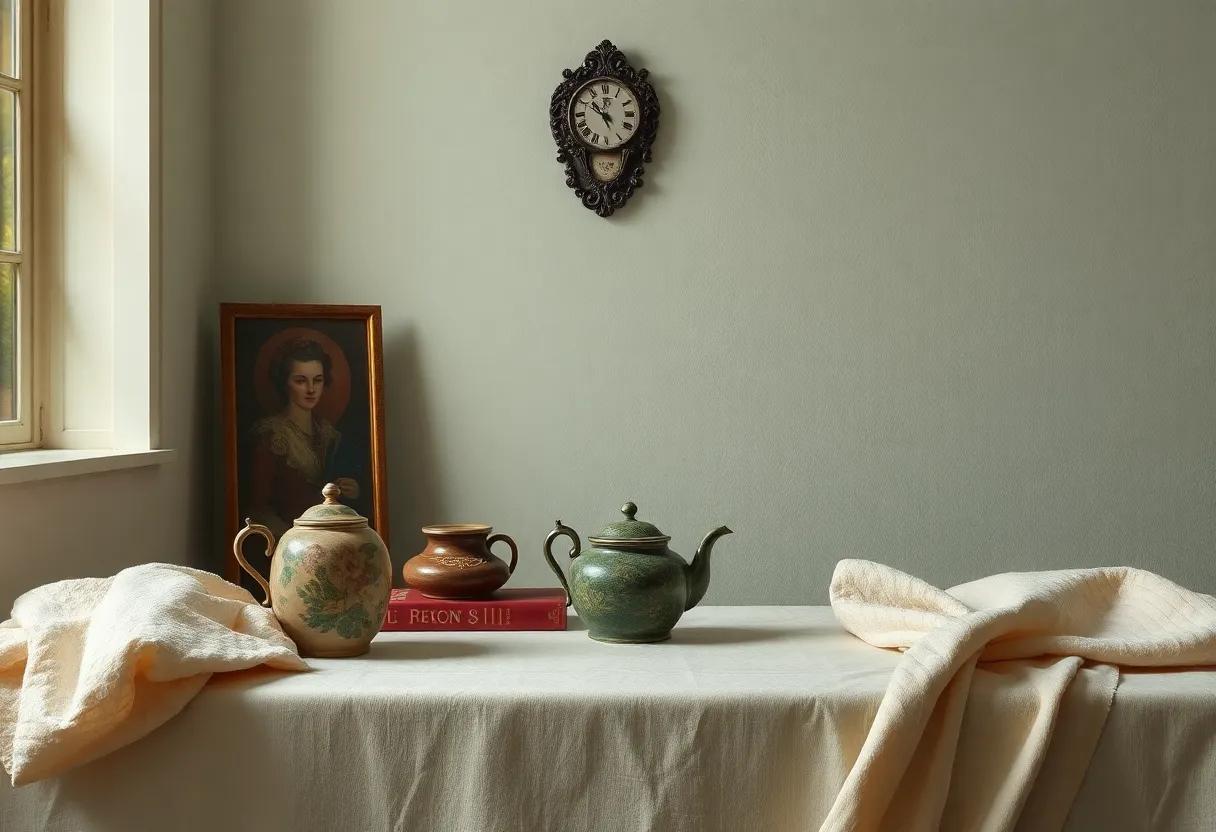
Du Maurier turns the domestic into a detective’s ledger: a chipped teacup, a misplaced glove, an embroidered handkerchief — each banal item acts like a whisper that the narrator and reader must interpret. these fragments don’t explain; they provoke. by letting small, ordinary things accumulate meaning, she invites us to mistrust the comfortable rhythms of the household and to listen for the quiet, corrosive questions they pose about motive, memory and truth.
Repetition is her quiet engine: motifs return altered, like a refrained note that suddenly sounds out of key, and with each recurrence the atmosphere thickens.Consider how a recurring detail — footsteps in an empty corridor,a name scratched on a box,the slow return of a certain perfume — becomes less a clue and more a pressure,squeezing ambiguity until it forces a verdict that never quite settles.
- teacup — intimacy turned evidence
- Letter — presence that can be read or misread
- Key — access and secrecy
| Object | Echo |
|---|---|
| Glove | Absent hand, suggested touch |
| Perfume | Memory that follows a character |
| Notebook | Private script, unreliable record |
Pacing and structure at work study the measured revelations sudden reversals and the book s slow tightening that sustains moral ambiguity
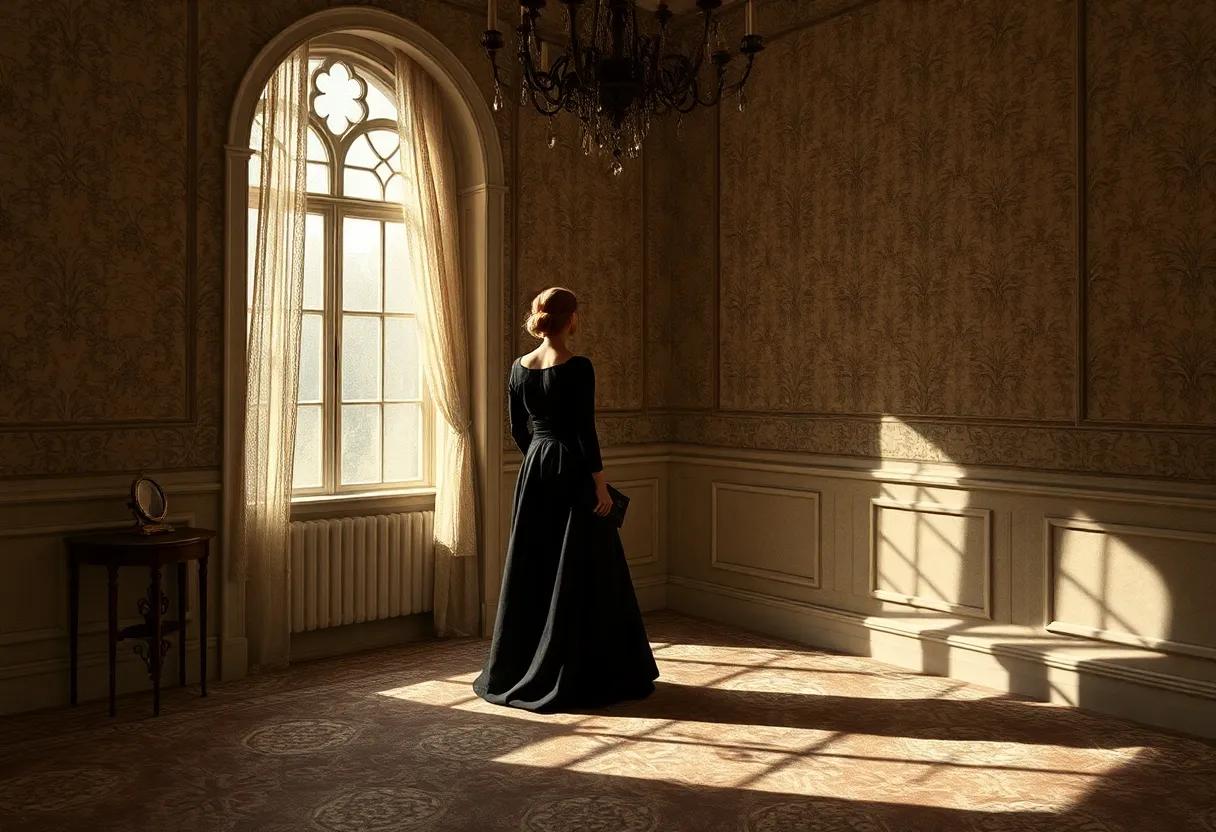
Du Maurier stages her revelations as if tightening a loop: details are doled out with a careful hand, then abruptly redirected by a startling reversal that forces the reader to reassess every prior assumption. The rhythm is not frantic but inexorable — each small disclosure feels both certain and treacherous, so that suspense grows from inevitability rather than surprise alone.Key techniques she uses include:
- Measured delays in information that cultivate doubt
- Sudden shifts in motive or circumstance that upend sympathy
- Ambiguous dialogue that lets suspicion live in the gaps
The novel’s slow tightening is a structural elegance: scenes accumulate like concentric circles, narrowing focus until moral certainties wobble and refuse to settle. Du Maurier keeps truth porous by privileging atmosphere and implication over explicit proof, so the book’s ethics remain unsettled long after plot threads resolve. Below is a compact sketch of how structural choices translate into emotional effect:
| Device | Effect |
|---|---|
| Deliberate withholding | Amplifies suspicion |
| Shifting perspective | Destabilizes certainty |
| Late confessions | Peaks tension |
- Household detail as character spotlight
- Inheritance and intimacy as moral battleground
- Small reversals that recast whole relationships
Gender power and domestic politics consider the ways male entitlement feminine constraint and inheritance shape the characters motivations and outcomes

Du Maurier stages domestic life as a battleground where male entitlement is both a social script and an emotional currency: the expectation that a man’s word controls property, the presumption of masculine moral authority, and the way rumor and accusation are marshaled to reassert control. Philip’s narration, laced with righteous suspicion, reveals how entitlement shapes perception—his certainty that he is owed clarity, protection of the family estate, and the right to judge Rachel’s behavior. Simultaneously occurring, feminine constraint is shown not only in legal and financial vulnerability but in the subtler penalties of social surveillance and limited narrative voice; Rachel survives and resists within a narrow channel of acceptable action, her motives repeatedly refracted through the male gaze. Power here is domestic: quiet, procedural and poisonous.
- Property control — wills, inheritances and household authority determine fate.
- Narrative control — who tells the story becomes who is believed.
- Sexual suspicion — jealousy and entitlement masquerade as concern.
- Social constraint — gossip and respectability limit female agency.
| Character | Dominant Force | Outcome Shaped |
|---|---|---|
| Philip | Entitlement to truth and property | Obsessive suspicion, punitive action |
| Rachel | Constraint, social precarity | Ambiguity of motive, constrained survival |
| Ambrose (memory) | Legacy of property and rumor | Catalyst for conflict |
Inheritance in the novel operates as more than wealth: it is a moral ledger that weighs suspicion against reputation. The estate is a prize and a provocation—once Ambrose dies, every gesture, every refusal to explain, becomes evidence in a courtroom of private feeling.Men treat inheritance as entitlement to adjudicate women’s lives; women, deprived of full legal and social recourse, must navigate accusation and pity as part of their strategy. The ending’s unresolved tensions feel inevitable because the domestic politics that created them—entitlement, social constraint, the uneven distribution of narrative authority—are themselves never properly adjudicated. Ambiguity is the novel’s verdict.
Language tone and unreliable narration pick lines to annotate explore how diction rhythm and ellipsis manufacture doubt and guide reader allegiance

The narrator’s diction is a magnet for suspicion: simple verbs, possessive insistence and small modal hesitations tighten the narrative until every ordinary phrase feels loaded. Consider these lines and their signals of unreliability:
- “She smiled at me.” — The plain verb and close deictic pronoun draw us into a subjective frame; the flatness of the statement makes us ask what is being excluded.
- “I believed her then.” — The past-tense admission of belief functions like a self-correction: it both confesses and distances, inviting us to watch for the moment belief falters.
- “perhaps it was my fault.” — The hedge word perhaps and the passive construction shift obligation while performing contrition, steering reader sympathy even as it obscures motive.
Rhythm and ellipsis act as the narrator’s choreography, pausing and hastening attention to manufacture doubt and calibrate allegiance. Short, staccato sentences break trust into fragments; trailing ellipses and abrupt stops create missing links the reader instinctively fills, often in ways that favor the narrator’s deservingness or guilt. Key patterns:
- Interrupted cadence invites suspicion.
- Elliptical sentences privilege implication over fact.
- Repetition of small phrases builds a persuasive,intimate tone.
| Device | Immediate Effect |
|---|---|
| Ellipsis | Suggests omission, prompts reader inference |
| Short rhythm | Creates urgency and narrow focus |
| Hedging words | Softens statements while raising doubt |
Comparative notes with Gothic and modern suspense identify echoes of atmosphere traitorous houses and ethical puzzles in later psychological thrillers

Daphne du Maurier’s novel distills the old Gothic machinery into something leaner and more ambiguous, where the house is less a stage set than an active confidant—whispering, insinuating, and finally accusing. The mood is a study in suspended accusation: foggy moors give way to domestic rooms that feel traitorous, and what begins as a tale of inheritance and desire warps into a puzzle about perception and culpability.
- Decaying estate as living presence
- Unreliable narrator turning intimacy into suspicion
- Atmosphere that substitutes for explicit evidence
Those qualities echo loudly in later psychological thrillers, which inherit du Maurier’s love of moral ambiguity and spatial menace. Modern writers repurpose the eerie domesticity and ethical knots—translating crumbling manors into anonymous apartments or corporate towers—while keeping the same pressure-cooker logic: isolate the characters, obscure the facts, and let choices reveal character.
- Closed settings that amplify paranoia
- Ethical puzzles where legality and sympathy diverge
- Atmospheric tension prioritized over neat resolution
Reading strategies and annotated passage picks practical recommendations for close reading discussion prompts and paths for further research

Approach du maurier’s slippery narrative like a conservator working on a delicate painting: start with broad strokes,then move in for meticulous detail. Begin with a fast read to map plot beats and emotional temperature, then return for targeted close readings of lines where tone, metaphor, or silence shift suddenly. Useful tactics include:
- Echo-tracking — follow repeated images (water, doors, gardens) across scenes to trace shifting meanings;
- voice contrast — annotate moments when Philip’s diction softens or hardens to test his reliability;
- Gap-mapping — mark absences (omitted letters, off-stage events) and speculate how they shape suspicion.
| Passage | Annotation focus |
|---|---|
| Opening funeral/estate details | Tone setting; the economy of clarification |
| Rachel’s first letter / arrival | ambiguity of intent; performative femininity |
| The greenhouse / botanical passages | Symbols of cultivation, control and entrapment |
| Medicine and poisoning hints | Medical jargon vs. rumor; forensic absentia |
| Philip’s final reflections | Reassessment of narrator’s truthfulness |
For discussion and further research, frame questions that resist simple verdicts and invite evidence-led debate. Try prompts such as:
- What does sympathy with Philip obscure? — ask students to assemble textual evidence that both incriminates and exonerates Rachel;
- How does du Maurier use domestic space? — map rooms and objects to power dynamics;
- Which silences are strategic? — examine what is left unsaid and why silence can be persuasive.
Paths for deeper inquiry include archival work on du Maurier’s drafts and correspondence, comparative study with contemporary unreliable-narrator novels, a gendered reading of seduction and agency, or an adaptation-focused project tracing how film/TV versions resolve—or amplify—ambiguity. each avenue rewards a blend of close textual annotation and interdisciplinary sources, turning uncertainty from a problem into a productive engine for research.
Daphne du Maurier as craftsperson trace her preoccupations biographical influences and recurring motifs that inform the ambiguities of this novel

Daphne du Maurier works like a meticulous watchmaker: every gear of atmosphere, memory and desire is fitted so that time itself seems to turn the reader toward uncertainty. Her lifelong fixation on the Cornish coast,theatrical family roots and the private tensions of her domestic life feed into a signature palette of obsessions — identity,betrayal,and the porous border between fact and feeling. These preoccupations are not mere backdrops but active materials in her craft: the sea’s mute testimony,inherited estates that hold grudges,and a narrator who insists on knowing while steadily revealing how little he can trust his own senses. voice as architecture and setting as character are compositional choices that make suspicion feel intimate rather than sensational.
These tendencies recur in distinct motifs that du maurier polishes until they refract doubt into story.
- Doubles — mirrored selves and mirrored motives
- Letters and gifts — evidence that may be proof or provocation
- Poison and illness — ambiguous means that ask whether intent can be known
- The sea/garden/house — environments that conceal as much as they reveal
| Motif | How it produces ambiguity |
|---|---|
| Letters | Alternate testimony — intimacy that can mislead |
| Doubles | Characters reflect and erase motive |
| Setting | Landscape as witness and conspirator |
through these tools du Maurier reframes moral certainty as an aesthetic problem: the reader is invited to assemble motive from fragments, much as a detective reconstructs a scene, but the fragments are deliberately shaped to resist a single, tidy solution.
As the final page falls into place,My Cousin Rachel refuses the tidy resolution our instincts crave. Daphne du Maurier’s prose threads a delicate, deliberate fog — characters are sketched in chiaroscuro, motives shimmer at the edge of perception, and certainty never quite takes hold. The novel’s power lies less in answering its questions than in how elegantly it keeps them alive: a slow, artful tug on the mind that asks you to weigh evidence, emotion and doubt in equal measure.
If you prize narrative closure, this tale may feel deliberately withholding; if you delight in moral ambivalence and atmospheric tension, it will linger long after the cover closes. Either way, the book performs its singular task well — not to solve the mystery for you, but to make you complicit in its unravelling.