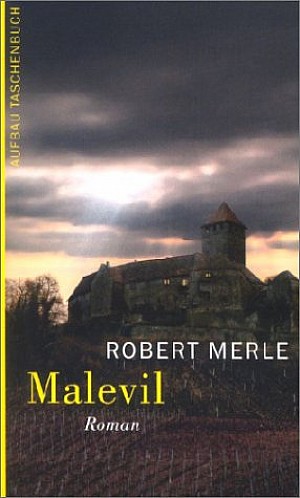
In the landscape of post-apocalyptic literature, few works have managed to resonate with the quiet intensity and philosophical depth found in Robert Merle’s Malevil. First published in 1972, this novel offers more than just a tale of survival amid the ruins; it unfolds as a profound meditation on human nature, community, and resilience in the shadow of catastrophe. Surviving the Fallout: A Thoughtful Look at Robert Merle’s Malevil delves into the layers beneath the surface of Merle’s narrative, inviting readers to reconsider what it truly means to endure-and to rebuild-in a world forever altered. This review seeks to navigate those complexities, casting light on the novel’s enduring relevance and the subtle craftsmanship that anchors its haunting vision.
Exploring the Post-Apocalyptic Landscape and Environmental Themes in Malevil’s Harsh Yet Hopeful World

Robert Merle’s vision of a post-apocalyptic world is both brutal and captivating, crafting a landscape where survival is a daily negotiation between humanity and nature’s altered forces. The environment of Malevil is harsh-scarred by nuclear fallout and stripped of civilization’s familiar comforts-yet it pulsates with a resilient life force. This duality is reflected not just in the devastated settings but also in the subtle environmental themes that permeate the narrative. Amidst ruined farmlands and shadowed forests, nature reclaims its domain, reminding readers that destruction is part of a cycle, and regeneration, however slow, is inevitable. The novel paints a vivid picture of ecological rebirth and the fragile balance that sustains life, even when human constructs crumble.
Within this unforgiving terrain, Merle explores survival strategies that intertwine with environmental awareness, highlighting a symbiotic relationship crucial for the characters’ endurance. The novel emphasizes:
Best-Selling Books in This Category


- Resourcefulness: Utilizing limited supplies and adapting ancient farming techniques to mend the broken land.
- Respect for nature: Understanding the dangers posed by the changed ecosystem while harnessing its renewed potential.
- Community resilience: Forming bonds and cooperative systems that mirror natural ecosystems’ interdependence.
These themes coalesce to create a world where hope is born from respect-for the land, for one another, and for the possibility of a future rebuilt on lessons learned from devastation.
Deep Character Studies Reveal Humanity’s Struggles and Resilience Amidst Utter Ruin in Robert Merle’s Narrative

Robert Merle’s Malevil masterfully captures the emotional and psychological complexities faced by individuals thrown into a world stripped of its familiar structures.The narrative delves deep into the intricacies of human nature,portraying characters who wrestle with fear,hope,and moral ambiguity as they navigate a post-apocalyptic landscape. Their struggles are not just for survival but for meaning, as they attempt to rebuild trust and community amidst pervasive uncertainty. Through intimate character studies, Merle explores how critical moments reveal raw vulnerability, stubborn resilience, and the innate drive to preserve humanity’s core values even when civilization collapses.
What sets this story apart is its nuanced exploration of leadership, loyalty, and ethical dilemmas faced within the microcosm of the survivors’ group. The tension between cooperation and self-preservation underscores the fragile balance of societal rebirth. Consider the following aspects of the characters’ responses to ruin:
- Adaptive Leadership: Emergent leaders who embody both pragmatism and empathy.
- Community Interdependence: Recognition that survival hinges on trust and shared duty.
- Internal Conflict: the personal battles between instinctive fear and rational hope.
| Character | Core Struggle | Resilience trait |
|---|---|---|
| emmanuel | Maintaining moral compass | Diplomacy & patience |
| Bernard | Handling authority challenges | Decisiveness & integrity |
| Clara | Coping with loss and trauma | Empathy & inner strength |
Analyzing Community Dynamics and Leadership Challenges in the Aftermath of Catastrophic Events

In Malevil, the shattered remnants of civilization form a crucible where traditional social structures dissolve, demanding new ways to navigate power and cooperation. The survivors grapple with the delicate balance of maintaining order while fostering trust within a group scarred by trauma and loss.Leadership becomes less about dominance and more about resilience, empathy, and strategic foresight. These emergent dynamics illustrate how catastrophic upheavals can expose both the fragility and the tenacity of human connections under extreme stress.
several challenges emerge distinctly in the post-apocalyptic landscape:
- Resource Scarcity: Competition for food, shelter, and tools often strains group cohesion.
- Trust and Security: Protecting the community without instilling fear or paranoia requires nuanced leadership.
- Decision-making Conflicts: Divergent visions for survival fuel tensions and test democratic approaches.
- Cultural Reconstruction: Re-establishing norms and values becomes vital for long-term stability.
| Leadership Challenge | Key Response | Impact on Community |
|---|---|---|
| Resource Allocation | Equitable sharing system | Reduces conflict, boosts morale |
| Maintaining Security | Community vigilance groups | Enhances trust, deters outsiders |
| Decision Deadlocks | Consensus-building meetings | Promotes unity, delays action |
| Preserving Culture | Storytelling and rituals | Strengthens identity, offers hope |
The Role of Morality and Ethical Dilemmas as Survivors Rebuild Society from the Ground Up
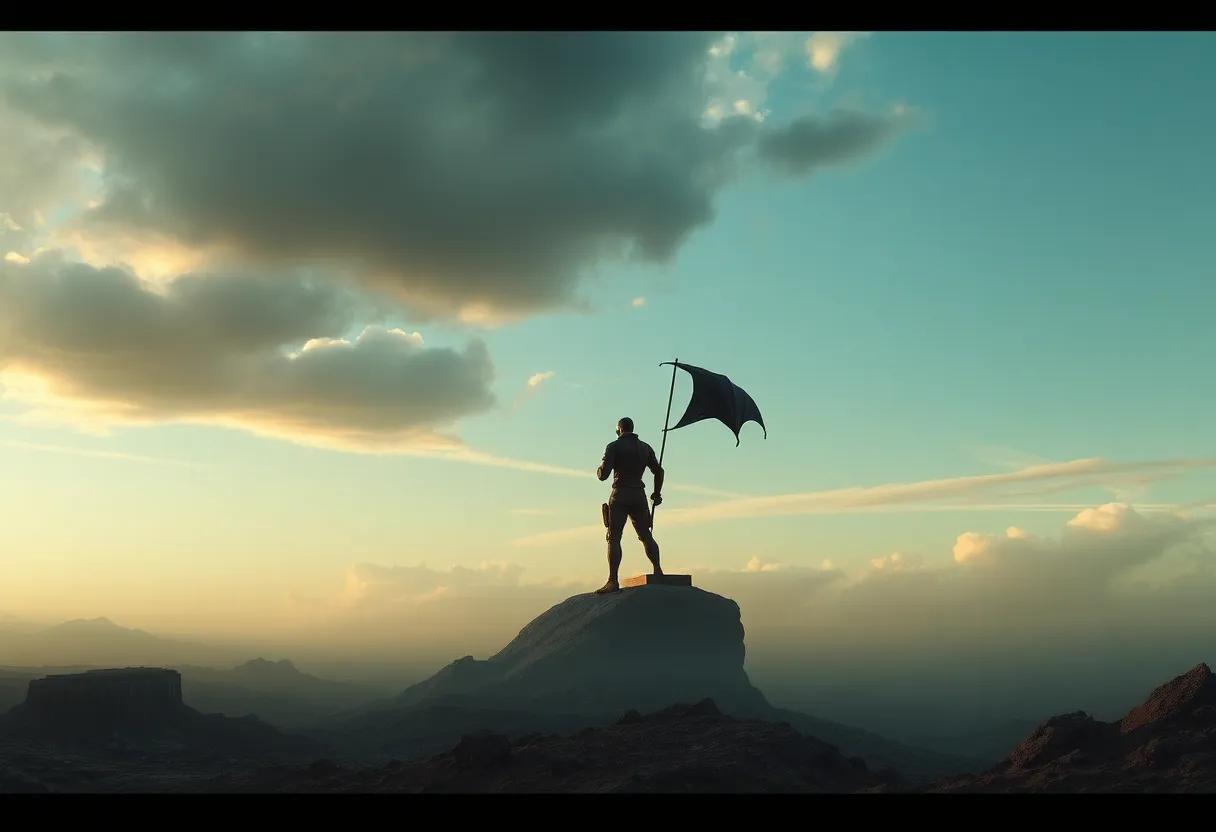
In the aftermath of devastation, the survivors of Malevil find themselves not only reconstructing the physical remnants of their world but also redefining the moral compass that will guide their new society. The novel delves deeply into the tension between survival instincts and the values that bind a community. Characters are frequently confronted with choices that test their integrity, forcing readers to contemplate the very nature of justice and humanity when conventional laws no longer apply. These dilemmas illuminate the fragile balance between cooperation and self-preservation, highlighting how ethical decisions become the foundation upon which trust and order are rebuilt.
Merle’s narrative explores these ethical quandaries through vivid, often uncomfortable scenarios that challenge simplistic notions of right and wrong. The survivors must weigh difficult questions,such as:
- Who deserves protection? Do personal bonds take precedence over the collective good?
- Is it acceptable to sacrifice individual freedoms for the sake of security?
- How do leaders maintain authority without slipping into tyranny?
These complexities are succinctly illustrated in the following table,which outlines the evolving moral priorities observed throughout their reconstruction efforts:
| Phase | Dominant Moral Focus | Primary Ethical Challenge |
|---|---|---|
| Immediate Survival | Self-preservation & Protection | Resource allocation fairness |
| Community formation | Trust & cooperation | Leadership legitimacy |
| Long-term Stability | Justice & Equality | Punishment vs. Mercy |
Symbolism and Metaphors That Enrich the Grim but Thought-Provoking Storyline of Malevil

Malevil thrives on a rich tapestry of symbolism that deepens its post-apocalyptic narrative, transforming a tale of survival into a profound meditation on human resilience and societal rebirth. The ruined château that serves as the protagonists’ refuge is more than just a physical haven-it symbolizes a fragile bastion of civilization amid chaos, embodying hope, tradition, and the persistence of culture. Throughout the novel, the decayed landscape mirrors the internal desolation and moral ambiguity the characters grapple with, where every shadow and crumbling stone alludes to the fragility of existence and the inevitability of change. Elements like the seasonal cycles and the recurring image of fire further reinforce themes of destruction and regeneration, suggesting that even in devastation, new life and meaning can emerge.
Beyond setting and imagery, Merle employs metaphors that challenge readers to reconsider notions of power, community, and ethics in extreme conditions. The survivors’ efforts to rebuild society reflect a larger allegory about humanity’s confrontation with its own nature and the social contracts that bind us. For instance, the fluctuating power dynamics among the group evoke a microcosm of political evolution, highlighting both cooperation and conflict inherent in governance. Consider the following table summarizing key symbols and their layered interpretations:
| Symbol | Literal Aspect | Metaphorical Meaning |
|---|---|---|
| The Château | Physical shelter | Civilization’s fragile core |
| Fire | Survival tool, source of warmth | Destruction and renewal |
| The Forest | Surrounding wilderness | nature’s indifference and wild freedom |
- Rebirth: The cyclic patterns in nature underscore human potential for regeneration.
- Power Struggles: Leadership disputes reveal the delicate balance between order and chaos.
- Isolation vs. Community: The tension between self-preservation and collective welfare.
Narrative Style and pacing: How Merle Balances Tension, Reflection, and Action Through the Novel

Merle’s narrative approach in Malevil is a masterclass in balancing tension with thoughtful reflection.He intersperses intense moments of survival and confrontation with quieter interludes where characters assess their new reality. This rhythm allows the reader to feel the pulse of urgency without becoming overwhelmed, fostering a contemplative space where the implications of a post-apocalyptic world sink in deeply. Through restrained prose,he invites readers to ponder morality,human nature,and resilience,turning the narrative into more than just a tale of survival-it becomes a philosophical exploration.
The pacing shifts deftly, moving like the ebb and flow of tides, with bursts of action punctuating stretches of introspection. This dynamic is enhanced by Merle’s use of varying narrative tempos, reflected not only in plot progression but also in the characters’ internal dialogues and interactions. The following table illustrates this balance through key moments in the novel, highlighting how tension, reflection, and action intertwine to create a compelling read.
| Scene | Type | Effect |
|---|---|---|
| Immediate Aftermath of Explosion | Tension | Sparks urgency and fear |
| Community’s Strategic Discussions | Reflection | Explores leadership and trust |
| Raiders’ Ambush | Action | Injects adrenaline and conflict |
| Moments of Solitude | Reflection | Delivers emotional depth |
| Final Confrontation | Tension/Action | climaxes story arc |
Comparing Malevil to Other Post-Apocalyptic Classics and Its Unique Contribution to the Genre
While many post-apocalyptic stories lean heavily into bleak desolation or action-packed survival drama, Malevil carves out a distinct niche by blending philosophical introspection with community rebuilding. Unlike classics such as Cormac McCarthy’s The Road, where the journey is etched with relentless despair, Robert Merle offers a vision where hope and pragmatic cooperation form the backbone of humanity’s resurgence. This focus on the sociopolitical dynamics of survivors, rather than only their physical endurance, enriches the genre by probing how civilizations might realistically reconstruct themselves after total collapse.
Malevil also stands apart through its subtle exploration of morality and leadership in chaos. Where George Orwell’s 1984 foreshadows a dystopian control that humans might succumb to post-catastrophe, Merle rather presents a grassroots resistance that frequently enough questions authority in a nuanced light. The characters’ commitment to rebuilding a functional society rather than sinking into anarchy or tyranny marks a thoughtful divergence from commonly portrayed post-apocalyptic archetypes.
| Aspect | Malevil | Other Classics |
|---|---|---|
| Focus | Community and rebuilding | Survival and despair |
| Leadership | Democratic, collective | Authoritarian or fragmented |
| Tone | Hopeful, reflective | Bleak, urgent |
| Philosophical Depth | high | Varies |
- Emphasis on realistic societal reconstruction rather than only individual survival;
- Complex moral questioning about community and governance;
- Balanced tone combining tension with optimism;
- Rich character development that drives thematic depth.
The Influence of Historical Context on Merle’s Vision of Survival and Human Nature

Set against the lingering shadows of post-World War II Europe and the Cold War tensions of the 1970s, Robert Merle’s Malevil channels the anxieties of an era ripe with nuclear dread and societal upheaval.The novel is not just a tale of survival but a mirror reflecting the complexities of human nature forged under pressure. Merle’s vision is deeply entwined with historical realities-fear of annihilation, the collapse of order, and the desperate clinging to community. These elements shape his characters’ responses to catastrophe, emphasizing resilience over despair and cooperation over chaos.
In examining the human psyche through this historical lens, Merle subtly critiques contemporary societal structures while offering a speculative blueprint for renewal. Within the survivors’ makeshift society, certain themes emerge as pillars guiding their rebirth:
- adaptability: characters must constantly adjust to the brutal new world, symbolizing humanity’s will to endure.
- Moral Fluidity: The collapse blurs the lines between right and wrong, weaving ethical ambiguity into their choices.
- Community and Leadership: The quest for order underscores the human need for belonging and governance.
| Historical Influence | Impact on Merle’s Narrative |
|---|---|
| Post-Atomic Anxiety | Shapes the omnipresent threat and motivation for survival strategies |
| Cold War Skepticism | colors interpersonal trust and alliances within the group |
| Reconstruction Era Memory | Informs the rebuilding efforts and hope embedded in the story |
Recommendations for Readers Interested in Thoughtful Speculative Fiction and Ethical questions

For those drawn to speculative fiction that probes the depths of human nature and societal resilience, malevil offers a richly textured canvas. Its exploration of survival is not just physical but profoundly ethical, raising questions about leadership, community-building, and moral compromise in the aftermath of catastrophe. If these themes resonate with you, consider expanding your reading list with authors who similarly blend gripping narratives with philosophical inquiry.Works by Margaret Atwood, Octavia Butler, and Kazuo Ishiguro, for example, challenge readers to ponder the consequences of choices made under duress, weaving together compelling speculation with intricate character studies.
Key themes to explore in your next reads:
- Societal Reconstruction: Stories focusing on rebuilding humanity from ruins.
- Ethical Dilemmas: Characters facing morally ambiguous situations.
- Human Nature: Insightful depictions of our capacity for hope and cruelty.
- Environmental and Technological Impact: Speculations on future challenges and survival.
| Author | Notable Work | Ethical Focus |
|---|---|---|
| Margaret Atwood | The Handmaid’s Tale | Gender and power dynamics |
| Octavia Butler | Parable of the Sower | Survival and community ethics |
| Kazuo ishiguro | Never Let Me Go | Identity and moral boundaries |
why Malevil Remains Relevant Today in Discussions About Disaster Preparedness and Human Endurance
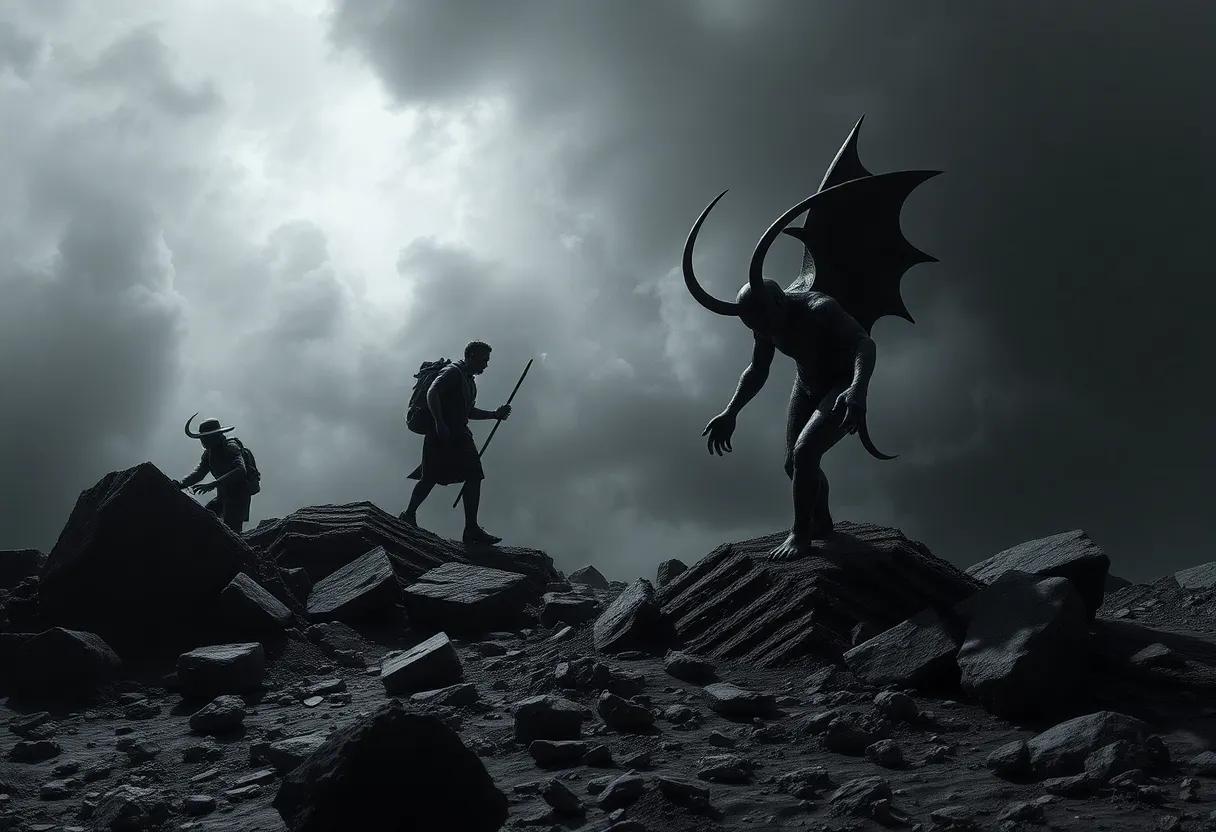
Moreover, Merle’s depiction of rebuilding society highlights timeless challenges relevant to today’s discourse.The novel emphasizes the importance of:
- Resource management: Enduring use of food, water, and shelter in scarce conditions
- Social cohesion: Balancing individual needs with collective welfare
- Psychological fortitude: Maintaining hope and moral compass amid despair
| Key Endurance Traits | modern Relevance |
|---|---|
| Leadership Under Pressure | Disaster response coordination |
| Community Trust | Crisis dialog & support networks |
| Adaptation to Change | Climate resilience planning |
Visualizing the Stark, Haunting Settings and Emotional Landscape of Malevil for Artistic Interpretation

Robert Merle’s Malevil plunges readers into a world stripped to its essentials-a village reduced to ruins, fields eerily silent, and skies permanently stained with the fallout’s shadow. This stark environment serves as both a physical and emotional backdrop, evoking a haunting stillness where survival intertwines with loss. Artists venturing to interpret these scenes can draw from the contrast of barren landscapes against the flicker of human resilience, capturing the tension between desolation and hope with a palette that favors muted earth tones punctuated by harsh, cold blues and grays.The isolation of Malevil herself, surrounded by remnants of a once-thriving civilization, offers fertile ground for exploring themes of abandonment, rebirth, and the fragile persistence of life.
- Ruined architecture: Crumbled stone walls and abandoned farms symbolize the collapse of old orders.
- Encroaching nature: Vegetation reclaiming the land reflects both decay and renewal.
- Light and shadow play: Dramatic contrasts embody internal conflicts and uncertain futures.
emotional landscapes in Malevil are as raw and evocative as the physical ones, offering artists a rich tapestry of human experience post-catastrophe. The survivors’ complex emotions-fear, camaraderie, grief, and fleeting joy-resonate deeply, inspiring interpretations that portray more than mere survival. Employing close-up portraits juxtaposed with hauntingly empty surroundings can create striking visuals that emphasize solitude and inner turmoil. Additionally,the evolving dynamics within the community invite visual narratives exploring themes of leadership,hope,and the moral ambiguities faced when rebuilding from ashes.
| Emotion | Visual Cue | Artistic Focus |
|---|---|---|
| Resilience | firm stance against harsh winds | Strength through adversity |
| Isolation | Solitary figure in vast ruins | Loneliness and reflection |
| Hope | First light of dawn breaking clouds | renewal and future possibilities |
The Life and Literary Legacy of Robert Merle: Understanding the Mind Behind Malevil
Robert Merle’s journey as a novelist was deeply intertwined with the turbulent events of the 20th century, which shaped his narrative voice and thematic preoccupations. Born in 1908, Merle’s experiences during World War II and his subsequent career as a literature professor allowed him to explore complex human emotions under duress. His works, notably Malevil, embody a profound meditation on survival, societal collapse, and the essence of humanity when stripped of civilization’s comforts. Merle’s insight into human nature is sharpened by his firsthand exposure to conflict and his studies of history, making his portrayal of post-apocalyptic life both gripping and resonant.
At the heart of Merle’s literary legacy is his ability to craft characters that are simultaneously resourceful and vulnerable. Malevil is not just a story of survival but also an exploration of community dynamics and ethical dilemmas in a world reinvented by disaster. Key elements that distinguish Merle’s work include:
- Psychological realism: In-depth exploration of human motives and fears
- Philosophical undercurrents: Reflections on morality and leadership
- Rich environmental descriptions: Creating immersive post-apocalyptic landscapes
| Aspect | Impact on Malevil |
|---|---|
| Historical Experience | Adds authenticity and depth |
| Philosophical Inquiry | Raises existential questions |
| Character Development | Drives emotional engagement |
Malevil emerges not just as a tale of survival amidst devastation, but as a profound meditation on humanity’s resilience and the fragile threads that hold society together. Robert Merle’s narrative invites readers to confront the shadows of a post-apocalyptic world while pondering the enduring question: what does it truly mean to rebuild-not just structures, but the very essence of civilization? Whether approached as a gripping adventure or a reflective study of human nature, Malevil leaves an indelible mark, encouraging us to look beyond the fallout and consider the hope that persists in even the bleakest landscapes.