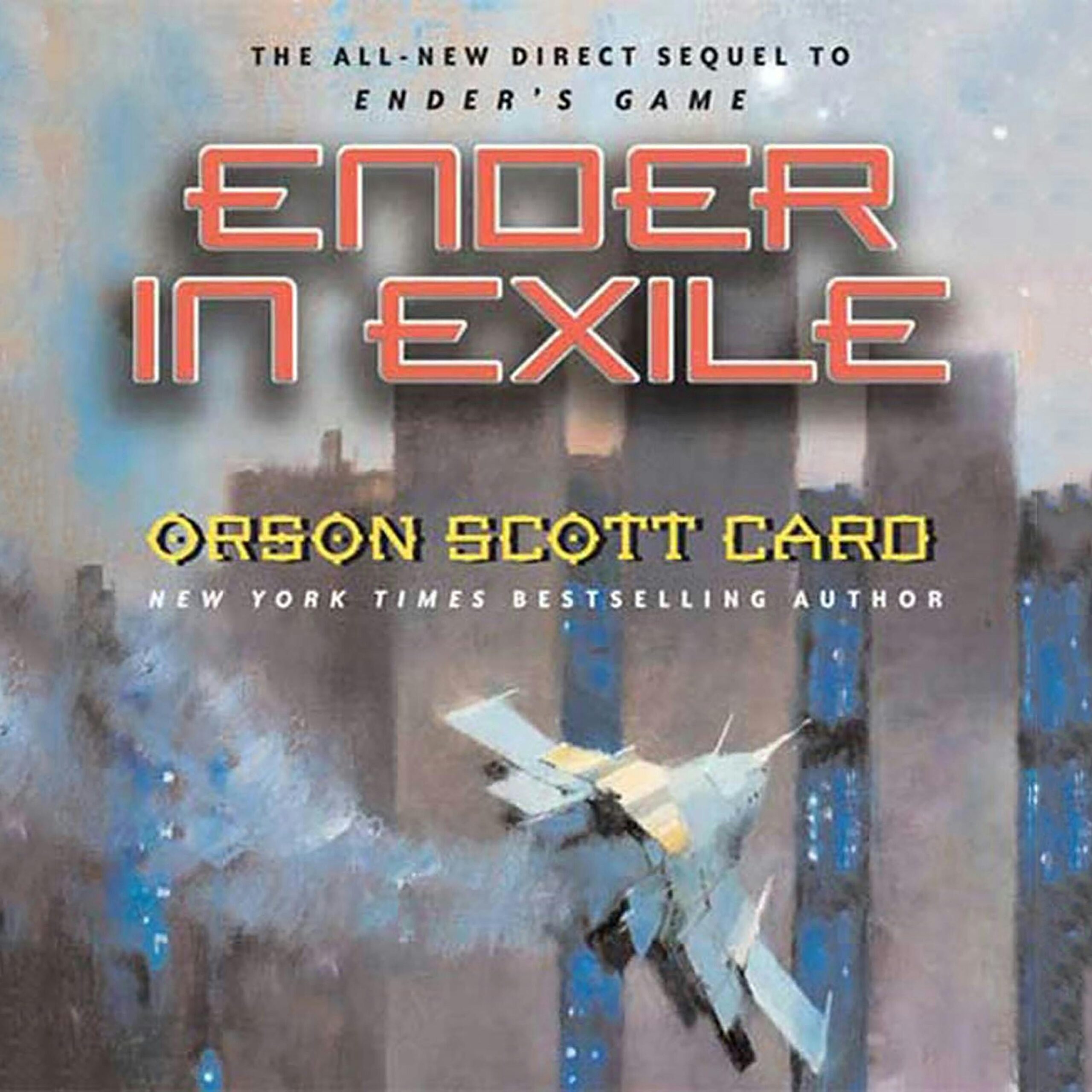
In the vast landscape of science fiction, few characters have captured the complexities of leadership and identity as profoundly as ender Wiggin. Orson Scott Card’s Ender in Exile offers a compelling continuation of Ender’s journey, delving deeper into the challenges of command and the search for self in a turbulent universe. This review explores how Card weaves themes of authority, responsibility, and personal growth throughout the narrative, inviting readers to reflect on what it truly means to lead-and to be led.
Exploring the Complex Layers of Leadership Challenges Faced by Ender in Exile and Their Impact on Identity formation

Ender Wiggin’s leadership journey in Ender in Exile transcends the traditional archetype of a commanding hero. Struggling with a post-war reality devoid of clear enemies, Ender confronts the burden of expectations placed upon him by others-and by himself. The book deftly unpacks how his leadership is less about tactical prowess and more about navigating the emotional labyrinth of guilt, trust, and the search for meaning. As Ender governs human colonies on the fringes of known space, his decisions ripple outward, shaping not only the lives of those he leads but also casting long shadows on his evolving sense of self.
Thes leadership complexities manifest through layers such as:
Best-Selling Books in This Category


- Access code included
- Isolation: Ender’s role often isolates him, blurring the line between authority and loneliness.
- Moral Ambiguity: Making choices that conflict with personal ethics challenges his identity.
- Legacy Pressure: The weight to live up to a mythic past complicates his present decisions.
Together, these forces catalyze a profound internal reshaping, where Ender must redefine what leadership-and himself-mean in a universe where war is over but peace brings its own battles.
| Leadership Challenge | Impact on Identity |
|---|---|
| Isolation | Heightened self-reliance and introspection |
| Moral Ambiguity | Reevaluation of personal values |
| Legacy Pressure | Conflict between past and present self |
How Ender in Exile Deeply explores the Emotional and Psychological Journey of a Young Commander Struggling with His Past

Ender’s internal struggle is portrayed with profound sensitivity, highlighting the fissures between his commanding role and the youth behind the legend. Card masterfully delves into the psychological aftermath of Ender’s traumatic experiences, unraveling layers of guilt, doubt, and the desperate search for redemption. This narrative does not merely focus on the external conflicts of interstellar battles but shines a spotlight on the intimate battlefields within Ender’s mind, where his past continues to haunt him. Through nuanced reflections and interactions, readers witness a young man striving to reconcile the monster he was forced to become with the humanity he yearns to reclaim.
What makes this exploration particularly compelling is the presentation of ender’s evolving identity through multiple facets:
- Isolation and alienation: His struggle to connect with others despite his fame and power.
- Burden of expectations: The heavy weight of being a prodigy and a symbol for humanity’s survival.
- Personal redemption: His efforts to atone for past actions and create meaning beyond war.
- Search for self: The ongoing conversion from child soldier to a conscientious leader.
| Emotional Challenge | Impact on Ender |
|---|---|
| Guilt over wartime choices | Internal conflict and self-isolation |
| pressure from leadership role | Heightened anxiety and self-doubt |
| loss of childhood innocence | Struggles with identity and belonging |
The Role of Redemption and Forgiveness in Shaping Ender’s Evolving Sense of Self and Authority Within the Novel

Throughout the narrative, Ender’s journey is deeply intertwined with the concepts of redemption and forgiveness, acting as catalysts in his transformation from a prodigious child soldier to a reflective leader seeking peace. His internal struggle to reconcile past actions-especially those laden with unintended consequences-shapes much of his evolving self-perception. Rather than clinging to guilt, Ender gradually embraces forgiveness as a means of self-acceptance, allowing him to reclaim authority not through fear or dominance, but through empathy and understanding. This transition underlines a profound message: true leadership emerges when one confronts one’s failures and chooses to grow beyond them.
The novel skillfully presents redemption not merely as a personal victory but as a foundational pillar for Ender’s approach to leadership. His willingness to forgive others, and also himself, manifests in his interactions with new communities and in his expanding vision for the universe’s future. Key elements that highlight this dynamic include:
- Recognition of past mistakes: Ender openly acknowledges the consequences of his decisions, sparking genuine accountability.
- Acts of restitution: He actively seeks to make amends, whether through dialog or tangible actions.
- Fostering trust: His humility encourages others to follow him out of respect rather than obligation.
| Aspect | Impact on Ender’s Identity | Effect on Leadership Style |
|---|---|---|
| Self-Forgiveness | Eases internal conflict, allowing peace of mind | Leads to approachable, compassionate leadership |
| Seeking Redemption | Shapes a more mature, humble identity | Promotes restorative justice over retribution |
| Forgiving Others | Builds empathetic understanding | Transforms authority into mutual respect |
Analyzing the Interplay Between Personal Sacrifice and Moral Responsibility as Themes That Define Ender’s Leadership Style

Ender Wiggin’s leadership is deeply shaped by the tension between personal sacrifice and moral responsibility, making his character a compelling study in complexity. Throughout Ender in Exile, Ender is repeatedly confronted with choices that force him to weigh his own desires against the greater good. His willingness to forego personal dreams and happiness for the welfare of others isn’t just duty-it’s a defining trait that colors every decision he makes. this interplay manifests not as a simple hero’s journey but as a nuanced negotiation between the burdens of leadership and the human cost of those burdens. The paradox lies in how Ender’s sacrifices frequently enough isolate him, yet simultaneously solidify his role as a leader who commands not just respect, but empathy.
Key elements influencing ender’s leadership:
- Relinquishing personal freedom to uphold ethical imperatives
- Balancing the heavy weight of past actions with hopes for redemption
- Embracing vulnerability as a source of strength rather than weakness
- Prioritizing collective wellbeing over individual acclaim
| aspect | Impact on Ender’s Leadership |
|---|---|
| Personal Sacrifice | Creates internal conflict; fuels commitment to moral choices |
| Moral Responsibility | Guides Ender’s actions beyond strategic logic to ethical grounds |
The Significance of Secondary Characters in Supporting and Challenging Ender’s Views on Leadership and Self-Discovery

Throughout Ender in Exile, the interplay between Ender and the secondary characters breathes life into the complex journey of leadership and personal growth. Characters like Admiral Morgan and Sister Carlotta serve as crucial mirrors reflecting Ender’s evolving philosophies. Admiral morgan’s pragmatic approach often contrasts with Ender’s empathetic leadership style, challenging him to balance compassion with duty. Meanwhile,Sister Carlotta’s unwavering faith and moral clarity prompt Ender to examine the ethical consequences of his actions,fueling his internal struggle between his past as a child soldier and his hopes for a peaceful future. These interactions enrich the narrative by highlighting the tension between idealism and realism in leadership.
Secondary characters also function as catalysts for Ender’s self-discovery, pushing him beyond his comfort zones and encouraging growth on multiple fronts. Key figures like Young Valentine and the colonists provide emotional anchors and diverse perspectives, confronting Ender with the real-world implications of his decisions.Their presence underscores the importance of collaborative leadership and empathy in building trust and community.Below is a glimpse into how these characters influence Ender’s advancement:
| Character | Role in Ender’s Growth | Leadership Quality Highlighted |
|---|---|---|
| Admiral Morgan | Challenges Ender’s idealism with practical strategy | Pragmatism |
| Sister Carlotta | Encourages ethical reflection and spiritual grounding | Moral Integrity |
| Young Valentine | Offers emotional support, advancing empathy | Compassion |
| Colonists | Present real-world consequences of leadership choices | Responsibility |
A Close Look at the Narrative Techniques Card Uses to Portray Internal Conflict and Growth in Ender’s Character

Card masterfully employs a range of narrative techniques to delve into Ender’s internal struggles, revealing a layered and evolving psyche. Frist-person introspection allows readers intimate access to Ender’s mental landscapes, showcasing his vulnerability and the heavy burden of his past decisions. This approach captures the tension between his external composure and internal turmoil, illustrating the complexity of a young leader trying to reconcile his identity with the heroic expectations placed upon him. Additionally, card uses reflective dialogue to highlight Ender’s evolving self-perception, often contrasting his memories with the realities he faces, which deepens the reader’s understanding of his growth.
Another compelling technique is the use of symbolic motifs scattered throughout the narrative, such as Ender’s interactions with space and isolation that metaphorically mirror his quest for identity and purpose. The pacing shifts strategically between moments of action and introspection, emphasizing how external conflicts trigger profound personal changes. The table below encapsulates how different narrative elements correspond to Ender’s journey:
| Narrative Technique | Purpose | Effect on Character Portrayal |
|---|---|---|
| First-person introspection | Reveal inner fears and motivations | humanizes Ender, adds emotional depth |
| Reflective dialogue | Contrast past and present selves | Highlights transformation and struggle |
| Symbolic motifs | Illustrate themes of isolation & identity | Enrich narrative with layered meaning |
| Pacing shifts | Balance external action with internal conflict | Emphasizes growth moments |
The Influence of Memory and Regret on Ender’s Decisions and His Quest to Reconcile Leadership with Personal Identity

Ender Wiggin’s journey is profoundly shaped by the weight of his memories and the shadow of regret. These internal forces constantly challenge him as he tries to navigate the complex terrain of leadership and self-acceptance. the echoes of past battles and decisions linger, reminding Ender of the cost of command. His introspection reveals a man torn between the burden of responsibility and the desire for personal redemption. Memory acts not only as a reservoir of experience but also as a mirror reflecting his vulnerabilities, compelling him to confront the consequences of his actions on both cosmic and intimate scales.
This tension plays out vividly as Ender seeks to harmonize his public role as a leader with his private quest for identity. The process is neither linear nor simple-he wrestles with feelings of remorse that shape his worldview and influence his choices. Through these struggles, Card illustrates how leadership is not merely about strategy or power but about the ongoing reconciliation of past mistakes with present intentions. Below, the emotional components driving Ender’s decisions are summarized, highlighting the interplay between his inner conflict and outer responsibilities:
- Memory: A double-edged sword offering wisdom and haunting recall of losses
- Regret: A catalyst prompting reflection and personal transformation
- Leadership burden: Ender’s sense of duty balanced against his humanity
- Identity crisis: Struggling to merge the leader role with his authentic self
| Aspect | Effect on Ender |
|---|---|
| Memory | Inspires caution and empathy |
| Regret | Motivates atonement and growth |
| Leadership | Demands decisiveness and sacrifice |
| Identity | Drives internal conflict and eventual reconciliation |
How the Extended Universe of Ender’s Story in Exile Adds Depth to the Original Saga’s Exploration of Power and Humanity

Building upon the original saga, Ender in Exile broadens the narrative arena to deeply probe themes of authority and self-discovery. By situating Ender after the climactic events of *Ender’s Game*, the novel navigates the psychological and ethical landscapes of leadership in a universe fraught with political tension and moral ambiguity.This extension invites readers to witness the nuanced consequences of wielding power-not just on a grand scale, but in the intimate spaces where identity is reclaimed and reshaped. Ender’s journey in exile transforms the abstract exploration of command into a personal voyage, illustrating that the weight of past choices resonates far beyond the battlefield.
The novel enriches the saga’s core themes through layered storytelling techniques, including:
- Introspective character Development: Focus on Ender’s internal struggles delving into regret, responsibility, and growth.
- Expanded Political Intrigue: Complex dynamics among interstellar colonies, illustrating the fragile balances of governance.
- Humanizing the ‘Other’: Ender’s evolving relationship with the alien species deepens the conversation on empathy and coexistence.
| Theme | Exploration Method | Impact on Saga |
|---|---|---|
| Power | Political maneuvering and personal authority | Reframes power as a burden and possibility |
| Identity | Ender’s self-reflection and choices in exile | Deepens understanding of leadership’s personal cost |
| Humanity | Cross-species relationships and ethical dilemmas | highlights empathy beyond human borders |
Recommendations for Readers Interested in Leadership Theory Through the Lens of Science Fiction and Character-Driven Narrative

For those captivated by the intersection of leadership theory and speculative worlds, immersing yourself in narratives that fuse complex character arcs with visionary leadership challenges is invaluable. Science fiction, with its boundless settings and societal experiments, provides a unique canvas to explore the nuances of power, decision-making, and personal identity. Works like Ender in Exile exemplify how leadership is not just about strategy, but about the evolution of character amidst ethical dilemmas and the burdens of command. Delving into novels where protagonists wrestle with inner conflicts alongside external threats offers profound insights into transformational leadership, empathy, and the resilience demanded in stewardship roles.
Expanding your literary horizons with these suggestions can deepen your understanding and appreciation for leadership modeled through science fiction’s imaginative lens:
- The Left Hand of Darkness by Ursula K. Le Guin – Explores leadership and diplomacy in a culturally alien surroundings, focusing on adaptive empathy.
- Dune by Frank Herbert – A masterclass in political strategy and visionary leadership framed by ecological and religious upheaval.
- Ancillary Justice by Ann Leckie - Investigates identity and authority through a sentient AI protagonist, challenging traditional hierarchies.
- Gold Fame Citrus by Claire Vaye Watkins – Though futuristic, it offers a poignant study of leadership through survival and human fragility.
| Book Title | Leadership Theme | Character Focus |
|---|---|---|
| Ender in Exile | Burden of Command | Personal growth amid political tension |
| Dune | Visionary Strategy | Hero’s rise and fall |
| Ancillary Justice | Identity & Authority | AI’s perception of leadership |
| Left Hand of Darkness | Adaptive Diplomacy | Cultural empathy and alliance-building |
Practical Insights from Ender in Exile for Contemporary Leaders Balancing Authority with Empathy and Ethical Dilemmas

Ender Wiggin’s journey demonstrates the delicate dance contemporary leaders must perform between exercising authority and maintaining empathy. Throughout Ender in Exile,Ender is portrayed as a leader who is acutely aware that absolute power without compassion leads to isolation and mistrust. His struggles highlight the importance of building trust through vulnerability,and how a leader’s strength is amplified not only by decisive action but also by genuine human connection. This theme resonates with today’s leadership challenges where balancing assertiveness with understanding is crucial in navigating team dynamics and organizational ethics.
Moreover,the novel delves into complex ethical dilemmas-especially those faced when long-term consequences of decisions are uncertain yet profound. Ender’s reflections encourage leaders to adopt a mindset that weighs outcomes beyond immediate metrics of success or failure. Here are key takeaways useful for modern leadership paradigms:
- Embrace moral ambiguity: Recognize that ethical clarity is rare, and a leader’s role is to continuously question decisions with humility.
- Value redemption and growth: Encourage environments where mistakes are learning opportunities rather than signs of weakness.
- Foster empathetic authority: Exercise power by listening actively and ensuring the voices of those affected are heard.
| Leadership Aspect | Ender’s Approach | Contemporary request |
|---|---|---|
| Authority | Decisive but tempered by reflection | Balancing assertiveness with self-awareness |
| empathy | Prioritizes understanding others’ perspectives | Building trust in diverse teams |
| Ethical Dilemmas | Explores consequences beyond immediate gains | Leading with long-term ethical considerations |
The Cultural and Philosophical Underpinnings That Inform Orson Scott Card’s Vision in Expanding the Ender Saga

At the heart of Card’s continuation of the Ender saga lies a engaging mesh of cultural and philosophical frameworks that propel the narrative beyond mere space opera. His work deftly intertwines classical notions of heroism and moral ambiguity with a keen exploration of cultural hybridity, reflecting the complexity of identity in a fractured universe. Drawing from a rich tapestry of religious motifs, including Judeo-Christian ethics, Card challenges readers to contemplate the consequences of leadership that is both burdened and isolated. This tension between destiny and free will shapes the trajectory of Ender’s exile, presenting him as a figure who must reconcile his past actions with a future fraught with uncertainty.
The philosophical underpinning also extends into Card’s nuanced portrayal of governance and social order. The text implicitly critiques simplistic binaries - good versus evil, savior versus oppressor – urging an embrace of multidimensional characters and societies. The following points highlight some key cultural threads woven into Card’s vision:
- Communal responsibility: The weight of leadership is amplified by the collective consequences it bears on society.
- redemption through understanding: ender’s journey underscores empathy as a path to healing both self and others.
- Cross-cultural dialogues: emphasizing the fluidity of identity across species and civilizations.
| Philosophical Theme | Narrative Implication |
|---|---|
| Leadership & Isolation | Ender’s exile as a crucible for self-discovery |
| Moral Complexity | Challenging binary notions of hero and villain |
| Cultural Syncretism | Inter-species empathy reshaping identity |
Understanding the Author Orson Scott Card’s Background and how It Shapes the Themes and Characters in Ender in Exile
Orson Scott Card’s multifaceted background-marked by his experiences as both a prolific writer and a thinker deeply engaged with themes of morality and human nature-profoundly informs the narrative depth of Ender in Exile. Raised in a milieu that valued introspection and ethical dilemmas, Card imbues his work with a tension between authority and empathy, which animates the personal journey of Ender Wiggin. this connection between authorial perspective and narrative is illuminated in how Card explores leadership not just as power, but as a burden of conscience, challenging the protagonist to reconcile his heroic identity with his internal struggles and the consequences of past actions.
Beyond the storyline, Card’s personal conviction about identity and redemption is mirrored in the novel’s complex character arcs and thematic structure. Consider the ways ender wrestles with his own past while forging a new path in exile, a concept resonant with Card’s interest in second chances and the mutable nature of self. This duality is succinctly captured when examining key influences on Ender’s development:
- Influence of childhood experiences: How early events shape Ender’s moral compass.
- Isolation and introspection: The psychological space where leadership matures.
- Redemptive arcs: Forging identity beyond imposed roles.
| Author Background | Influence on Ender |
|---|---|
| Experience with ethical philosophy | Explores moral ambiguity in leadership |
| Focus on religion and identity | Characters seek meaning beyond societal labels |
| Novelist with military themes | Realistic portrayal of war’s emotional costs |
Ender in Exile offers readers more than just the continuation of a beloved saga; it ventures into the complex terrain of self-discovery and the burdens of leadership. Card’s exploration of Ender’s evolving identity invites us to reflect on the often unseen struggles behind the facade of command and the enduring quest for belonging. Whether you approach it as a devoted fan or a curious newcomer,this installment challenges us to reconsider what it truly means to lead-and to be truly known.