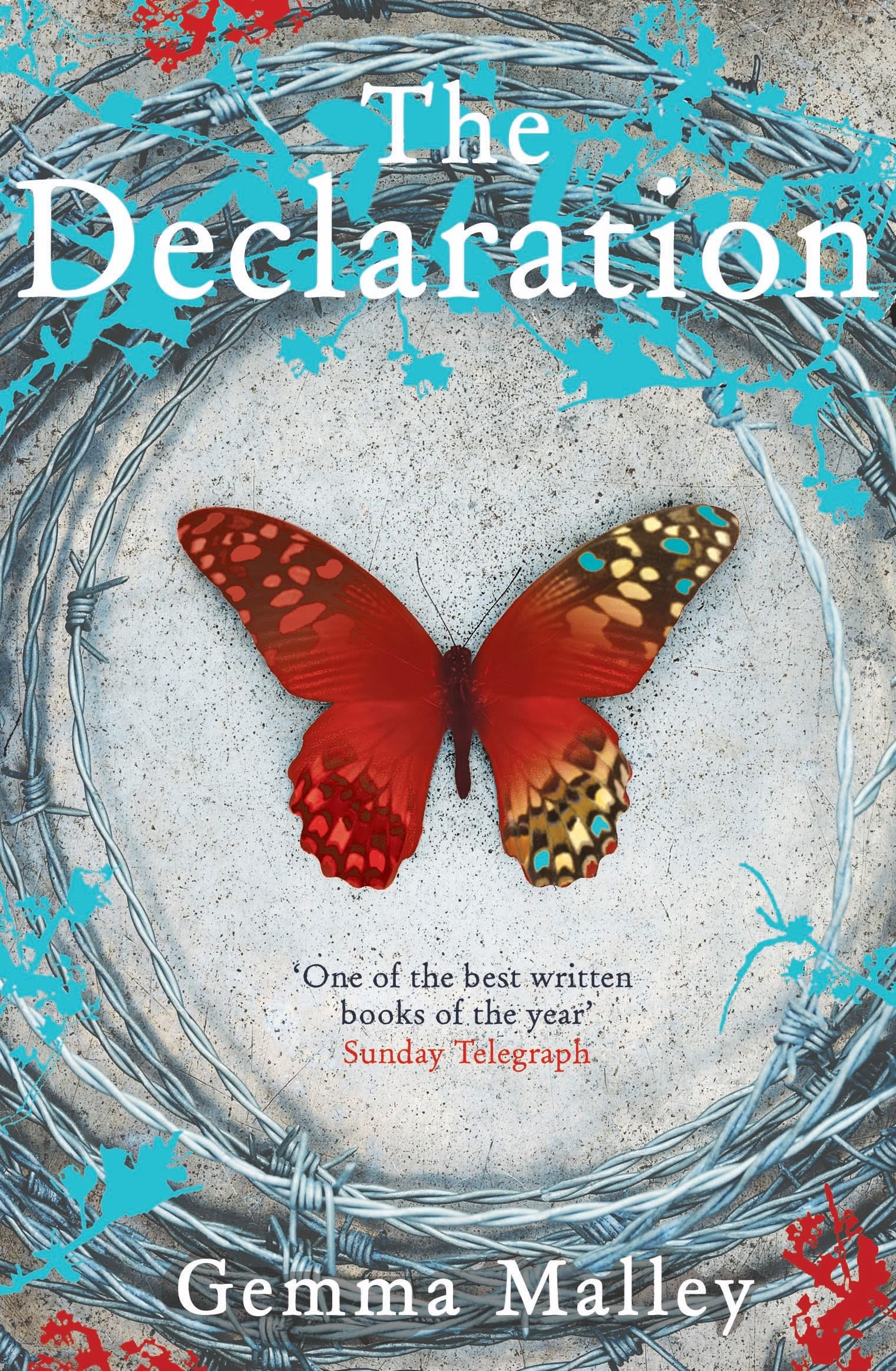
In the vast landscape of dystopian literature, Gemma Malley’s The Declaration stands as a compelling exploration of a world where immortality comes at a profound cost. Unveiling the Future: A Thoughtful Review of Gemma Malley’s The Declaration invites readers to delve beyond the surface of this grim society, where ethical dilemmas intertwine with personal rebellion. This review seeks to illuminate the novel’s intricate narrative, its thematic depth, adn the questions it poses about life, death, and the price of defying nature-offering a measured reflection on a story that challenges our very understanding of what it means to live.
Exploring the Central Themes of Immortality and Ethics in Gemma Malley’s The Declaration
In the Declaration, Gemma Malley masterfully intertwines the seductive allure of immortality with the profound ethical dilemmas it spawns. the novel envisions a world where longevity is commodified, creating a societal divide between the elite who can afford eternal life and the “Surplus” – children forbidden by law due to population control. This stark division serves as a compelling backdrop to explore themes of personal freedom versus societal control.The struggle of characters caught between compliance and rebellion invites readers to question: At what cost does immortality come? And who truly holds the moral high ground?
- immortality as power: How eternal life skews social hierarchies and personal motivations.
- Ethical ambiguity: The tension between saving lives and suppressing natural human rights.
- Identity and humanity: Whether eternal youth can preserve the soul or erode it over time.
These themes converge in a chilling exploration of the human condition, where ethical lines blur and survival demands harsh choices. Malley’s narrative compels us to reflect on not only the implications of biotechnological advancements but also the intrinsic value of mortality itself. The following table summarizes key ethical questions raised and their corresponding narrative elements, highlighting how The Declaration serves as both a cautionary tale and a mirror to contemporary debates:
| Ethical Question | Novel Element | Implication |
|---|---|---|
| Who deserves eternal life? | Restrictive laws defining “Surplus” | Social inequality and injustice |
| Is population control justified? | Government’s strict measures | Moral cost of regulation |
| What defines humanity? | Characters’ internal conflicts | Identity beyond physical life |
A Deep Dive into the Complex Characters Who Shape the Narrative and Their Moral Dilemmas
Gemma Malley’s characters are far from one-dimensional archetypes; they are intricately crafted individuals wrestling with profound ethical quandaries. Take Anna, such as, whose compliance with the declaration’s stringent anti-aging laws is consistently at odds with her innate desire for freedom and self-expression. This internal tension is not merely a personal struggle but a reflection of broader societal conflicts, forcing readers to question the cost of immortality and the true meaning of humanity.Similarly,Peter’s rebellious streak serves not only as a catalyst for the plot but also as a vessel to explore the complexities of identity and resistance within a rigidly controlled world.
Best-Selling Books in This Category


The novel’s moral landscape is further enriched by secondary characters who blur the lines between right and wrong. Consider the following dilemmas they face:
- Mr. Rayner: Balances duty to uphold the law against empathetic understanding of the children’s plight.
- Clara: Searches for survival yet grapples with the impact of her choices on others.
- Laurence: Represents the privileged class whose power depends on systematic oppression.
| Character | Moral Dilemma | Significance |
|---|---|---|
| Anna | Compliance vs.Freedom | Embodies internal conflict and societal expectations |
| Peter | Obedience vs. Rebellion | Challenges authoritarianism and norms |
| Mr.Rayner | Law vs. Empathy | Highlights moral ambiguity within power structures |
Analyzing the Dystopian Setting’s Impact on the Story’s Tension and Reader Engagement
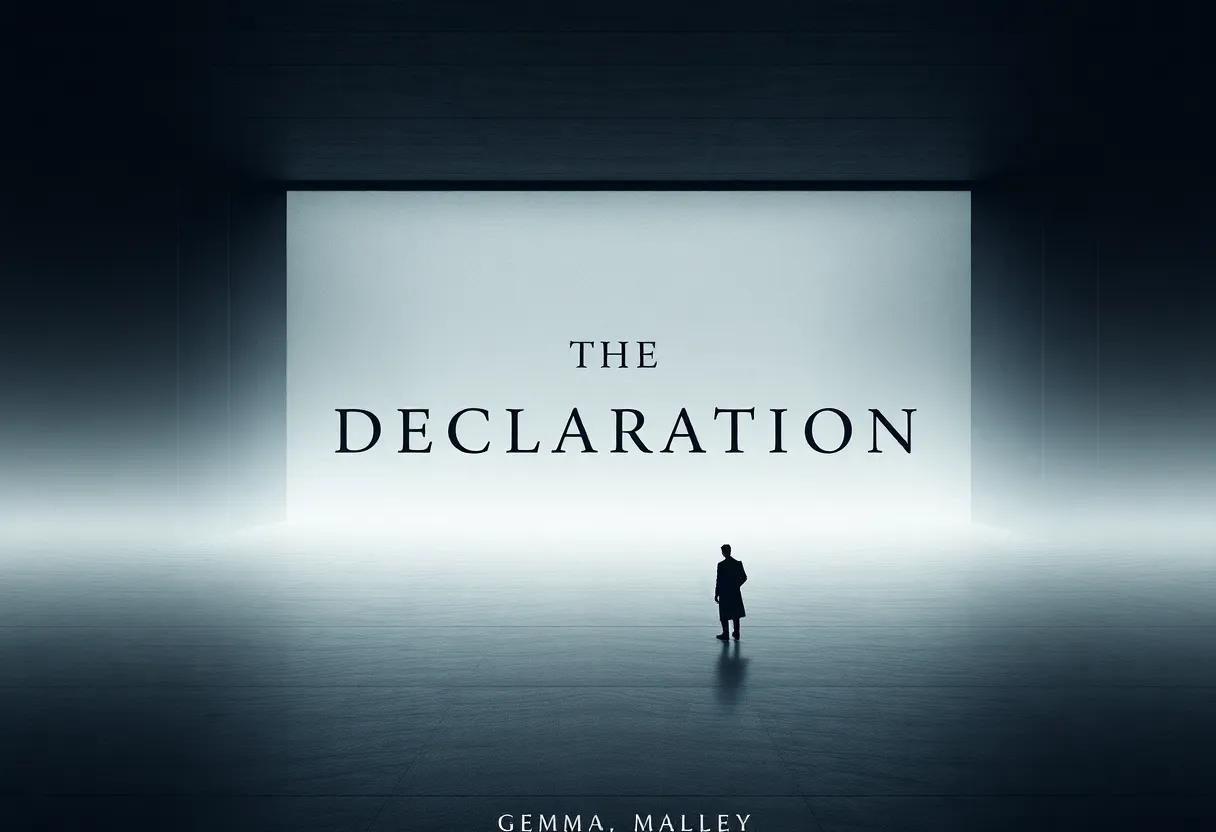
Gemma Malley crafts a world where every element underscores the suffocating nature of control and the erosion of individuality, intensifying the narrative’s inherent tension. The severe restrictions on reproduction, encapsulated by the Declaration’s harsh enforcement, transform a simple act of rebellion into a monumental risk. This persistent danger, omnipresent within the story’s dystopian framework, keeps readers perpetually on edge, wondering if hope can truly endure within such draconian confines. The bleak, sterile surroundings mirrors the characters’ emotional suppression, reminding us that this is not just a physical battle but a psychological one-between conformity and defiance, despair and courage.
- Atmosphere of Surveillance: The constant monitoring breeds paranoia, making every interaction charged with suspicion.
- Scarcity of Freedom: Restrictions on choices elevate stakes,turning small acts of autonomy into powerful narrative engines.
- Emotional Isolation: Social divisions deepen the characters’ loneliness, amplifying reader empathy and engagement.
| Element | Impact on Tension | Effect on reader |
|---|---|---|
| Strict laws | Creates constant threat | Heightens anxiety and anticipation |
| Monitored Society | Fuels distrust | Engenders suspense and skepticism |
| Repressive atmosphere | Suppresses hope | Enhances emotional investment |
The dystopian setting transcends mere backdrop status; it actively shapes the characters’ decisions and propels the plot forward. Every narrow corridor in the Declaration’s compound, every conversation weighed down by fear, layers tension upon tension, creating an immersive experience that keeps readers hooked. By skillfully intertwining setting with character psychology, malley ensures that the environment does not just confine the story-it defines its very pulse. Engagement deepens as readers empathize with the characters’ yearning for freedom, sensing that the oppressive setting is both their prison and their crucible.
the Role of Government Control and Rebellion in Building the Novel’s Thought-Provoking Conflict

In The Declaration, Gemma Malley masterfully illustrates a dystopian society where government control is not merely a backdrop but the very engine driving the novel’s intricate drama.The strict enforcement of the Declaration law establishes a chilling atmosphere of surveillance and repression, forcing characters to navigate a world where their very existence is legislated. This omnipresent control creates an intense psychological tension, as the characters struggle between obeying imposed rules and yearning for personal freedom. The government’s iron grip reflects a broader commentary on the dangers of authoritarianism, making readers question the cost of sacrificing liberty in the name of societal order.
The rebellion that sparks within this tightly controlled world acts as a vital catalyst for conflict, breathing life into the narrative and challenging readers to ponder complex moral dilemmas. Through the rebellious acts of characters who dare to defy the system, malley explores themes of hope, resistance, and the resilience of the human spirit. The balance between oppression and uprising is vividly portrayed through:
- Personal sacrifice: highlighting the costs of dissent.
- Collective action: emphasizing unity in the face of tyranny.
- Moral ambiguity: questioning what is right or justified.
| Aspect | Government Control | Rebellion |
|---|---|---|
| Method | Strict laws, surveillance | Secret meetings, sabotage |
| Motivation | Maintain order, extend life | Seek freedom, reclaim identity |
| Outcome | Fear, compliance | Conflict, hope |
How Gemma malley Uses Symbolism and Imagery to Enhance the Emotional resonance of the Story

Gemma Malley’s narrative is woven with powerful symbolism that deepens the reader’s emotional connection to the themes of control,freedom,and humanity. One striking example is the recurring image of the glass dome,which not only represents the physical containment of the characters but also symbolizes the fragile barriers society places around individuality and choice. This symbolism elevates the tension in the story, as readers perceive the characters’ struggle not just as a fight against a dystopian regime, but as a profound quest for identity within an oppressive system.Paired with malley’s vivid imagery-the sterile, cold environments juxtaposed with fleeting moments of natural beauty-these symbols create a visceral experience that invites readers to feel the claustrophobia of the world and the desperate yearning for freedom.
Adding layers of emotional complexity, her use of imagery often highlights contrasts, such as light versus darkness and silence versus noise, to echo the internal conflicts faced by the characters. For instance, the recurrent motif of shadows enveloping the children underlines their fear and uncertainty, while sudden bursts of sunlight imply hope and the possibility of change. This imagery serves more than just decorative purposes; it acts as a visual metaphor, engaging the reader’s senses and emotions together. Below is a simple breakdown of how Malley employs these elements to enhance emotional resonance:
| Symbol/Imagery | Emotional Effect | Story Impact |
|---|---|---|
| Glass Dome | Claustrophobia, Vulnerability | Represents societal control |
| Shadows | Fear, Uncertainty | Highlights internal struggle |
| Sunlight | Hope, Renewal | Signals potential for change |
| Silent Rooms | Tension, Isolation | Emphasizes captivity and loneliness |
- Symbolism in the story reinforces key themes by creating a shared emotional landscape.
- Imagery manipulates atmosphere, making the abstract concrete and relatable.
- The blend of these techniques invites readers to actively empathize with the characters’ dilemmas.
The Narrative Structure and Pacing: Balancing Suspense with Reflective Moments for Readers

gemma Malley’s storytelling in The Declaration excels through a carefully crafted rhythm that perfectly oscillates between moments of intense suspense and quieter, introspective reflections. The pacing drives readers forward with urgent questions about the morality of eternal life,while also pausing to explore the inner conflicts and evolving relationships of the characters. This ebb and flow of tension ensures that the plot never feels rushed nor stagnant, allowing the emotional weight of the story to resonate deeply. Such balance invites readers not only to anticipate every plot twist but also to pause and consider the profound ethical dilemmas presented.
The narrative structure employs a blend of fast, action-driven scenes alongside deliberate pauses that grant breathing space for the characters’ advancement.Frequently enough, these reflective moments are interwoven with themes of trust, power, and identity, enriching the story’s layers. A closer look reveals how Malley orchestrates key story beats:
- Climactic suspense scenes: Sharp, fast-moving sequences that heighten stakes.
- Character-driven introspection: Slower passages that deepen emotional engagement.
- Strategic flashbacks: Providing context without stalling the core plot.
| Element | Function | Effect on Reader |
|---|---|---|
| Suspense Scenes | Elevate tension, push plot leaps | Heightens anticipation and excitement |
| Reflective Moments | Explore themes and character motives | encourages empathy and contemplation |
| Flashbacks | Fill backstory gaps | builds understanding without slowing pace |
Examining the Novel’s Relevance to Contemporary Debates on Science, Technology, and Society
Gemma Malley’s The declaration intricately weaves a narrative that resonates deeply with ongoing dialogues about the ethical limits of scientific progress. At its core,the novel challenges readers to ponder the societal consequences of extending human life indefinitely-a topic increasingly relevant as advancements in biotechnology and genetic engineering accelerate. By portraying a dystopian world where youth is commodified and mortality abrogated, Malley invites critical reflection on the moral responsibilities that accompany technological power. The tension between individual freedoms and collective welfare underscores contemporary debates about bioethics, data privacy, and the monopolization of life-enhancing technologies by elite groups, making the story strikingly prophetic in today’s context.
- Bioethical dilemmas: The cost of immortality and its impact on social inequality.
- Technological control: Governance of innovation versus personal autonomy.
- Societal stratification: Access to life-enhancing treatments as a new class divide.
Moreover, the novel anticipates concerns about the dehumanizing potential of unchecked scientific ambition. Through compelling character arcs, it explores how technology can both empower and alienate individuals within a society shaped by rigid regulations and surveillance. the depiction of a world where natural life cycles are subverted corresponds to current fears surrounding artificial intelligence, genetic manipulation, and the ethical use of data. Below is a concise comparison outlining key thematic parallels between the Declaration and modern scientific controversies:
| Novel’s Theme | Contemporary Issue | Implications |
|---|---|---|
| Immortality as a commodity | Genetic enhancement & life extension | Widening social inequities |
| State-controlled population | Regulation of biotechnologies | Ethical governance challenges |
| Erasure of natural death | Artificial intelligence in healthcare | Redefining humanity |
Specific Recommendations on Who Would Benefit most from Reading This Compelling Dystopian Tale
The Declaration appeals especially to readers who find themselves captivated by the ethical dilemmas that emerge in tightly controlled societies. If you enjoy stories that make you question the cost of progress and the boundaries of human rights, Malley’s novel will resonate deeply. Young adults navigating themes of identity,freedom,and rebellion will find a mirror in the protagonist’s journey,while fans of nuanced dystopian fiction will appreciate the world-building that feels both stark and plausible. This story is ideal for those who seek more than mere action – it challenges the mind as much as it tugs at the heartstrings.
Educators, book clubs, and discussion groups in particular will benefit from engaging with The Declaration, as its complex moral landscape opens the door to rich, layered conversations. Consider these reader profiles as a guide to those who may gain the most from this read:
- Beliefs and ethics enthusiasts: Delve into the societal ramifications of immortality and inequality.
- Science fiction and dystopian fans: Experience a fresh yet familiar vision of a future that feels unsettlingly near.
- Young adult and teen readers: Relate to characters wrestling with conformity and courage in oppressive systems.
- Book clubs and educators: Use the themes as springboards for discussion on power, choice, and humanity.
| Reader Type | Why They’d Connect |
|---|---|
| Ethical thinkers | Provokes questions about freedom and control. |
| Sci-Fi Aficionados | Explores a near-future with plausible technology and societal shifts. |
| Teens/YA | Engages with themes of rebellion and self-revelation. |
| Discussion Groups | Offers rich material for debate on morality and society. |
Comparing The Declaration to Other Notable Works in Young adult and Science Fiction Literature
The Declaration by Gemma Malley shares thematic resonance with landmark young adult dystopias such as The Giver by Lois Lowry and Delirium by Lauren Oliver, where the price of societal order and control dramatically shapes the protagonist’s journey. Unlike manny YA dystopias that emphasize rebellion against oppressive regimes, Malley’s work delves deeply into the ethical dilemmas of immortality, exploring the cost of eternal life not just on individuals but on future generations. This nuanced examination mirrors the introspective style found in science fiction classics like Aldous Huxley’s Brave New World, where social engineering and personal freedom collide, prompting readers to question what it means to live a meaningful life amidst artificial constraints.
Visually, the stark, minimalist presentation of identity and conformity echoes the atmospheric tension common in sci-fi works such as Never Let Me Go by Kazuo Ishiguro. Both novels use their settings to amplify the emotional isolation experienced by their characters. to illustrate, here’s a simple comparison table highlighting key themes and narrative elements:
| Work | Core Theme | Protagonist’s Conflict | Tone |
|---|---|---|---|
| The Declaration | Immortality & Ethics | Defiance vs. Compliance | Thought-provoking, somber |
| The Giver | Memory & Emotion Suppression | Seeking Truth vs. Social Order | Reflective, hopeful |
| Brave New World | Social Control & Conditioning | Individual Freedom vs. Stability | Cynical, satirical |
| Never Let Me Go | Humanity & Mortality | Acceptance vs. Questioning | Melancholic, subtle |
- Ethical quandaries: Malley tackles biotechnology’s moral implications, a hallmark in sci-fi but uniquely tailored for a YA audience.
- Character depth: Protagonists in these works grapple with internal and external restraints, offering rich psychological landscapes.
- Societal critique: Each narrative challenges the reader to rethink conformity,control,and what sacrifices are justified in the name of progress.
Evaluating the Strengths and Weaknesses That Define The Declaration as a Contemporary Classic
However, while the book excels in atmosphere and concept, certain aspects slightly undercut its long-lasting impact. Critics frequently enough point to occasional pacing issues where exposition slows the narrative’s urgency, sometimes diluting emotional engagement. Furthermore, a handful of secondary characters could have been developed with greater nuance to enrich the social fabric of the dystopia. Below is a concise overview of the novel’s dominant strengths and weaknesses that collectively shape its status as a contemporary classic:
- Strengths: Compelling world-building, thought-provoking ethical questions, relatable protagonist, environmental allegory
- Weaknesses: Uneven pacing, underdeveloped side characters, occasional predictability in plot twists
The Book’s Influence on Readers and Its Potential as a Catalyst for Thoughtful Discussion

gemma Malley’s The Declaration masterfully prompts readers to question the ethical boundaries of societal control and personal freedom. The novel’s exploration of a future where immortality is regulated by bureaucratic decree compels audiences to reflect on contemporary issues such as bioethics, government surveillance, and individual rights. Many readers find themselves drawn not only to the suspense-filled narrative but also to the profound philosophical dilemmas it presents, sparking introspection about humanity’s relationship with mortality and technology.
Beyond individual reflection, The Declaration serves as a powerful catalyst for thoughtful discussion in classrooms, book clubs, and online forums. Its richly layered themes and morally ambiguous characters ignite conversations that go beyond simple plot analysis. Discussions often delve into topics such as:
- The implications of extending human life on society and environmental resources
- The price of personal freedom when weighed against collective stability
- The role of government in regulating ethical issues
This engagement creates a fertile ground for debates and debates that challenge participants to evaluate their beliefs and consider choice perspectives.
about Gemma Malley: Insights into the Author’s background,Inspiration,and Writing Style

Gemma Malley is a British author whose fascination with dystopian worlds is deeply rooted in her background in publishing and literature. Before diving into writing, she worked as a senior editor, which gave her a unique insight into narrative structures and contemporary themes that resonate with young adults. Her passion for exploring ethical dilemmas and societal control shines through in The Declaration,where she skillfully blends imaginative storytelling with pressing moral questions. Malley’s ability to create vivid, believable futures stems from her talent for research and a profound curiosity about human nature and the consequences of scientific advancements.
Inspirations and Writing Style are central to understanding Malley’s impact on the young adult genre. Inspired by classic dystopias and modern ethical debates, she crafts stories that challenge readers to think critically about freedom, power, and identity. Her prose is deceptively simple yet charged with emotional depth, often employing tight pacing and strong character development. This combination ensures that the narrative remains engaging without sacrificing complexity. Below is a snapshot of the key elements that define her approach:
- Ethical Complexity: Explores moral ambiguity rather than clear-cut solutions.
- Character-Driven Plot: Focus on protagonists’ personal growth amidst societal upheaval.
- Atmospheric Settings: Uses detailed world-building to immerse readers in speculative futures.
- Accessible Language: Balances literary quality with readability for young audiences.
in peeling back the layers of Gemma Malley’s The Declaration, we find a narrative that challenges both heart and mind, inviting readers to reflect on the cost of eternal youth and the meaning of humanity itself. Whether you approach it as a cautionary tale or a speculative glimpse into a possible tomorrow, Malley’s work undeniably leaves its mark-prompting us to question how far we might go to defy nature and what we may lose in the process. As the final page turns, The Declaration lingers, a quiet echo urging contemplation long after the story ends.