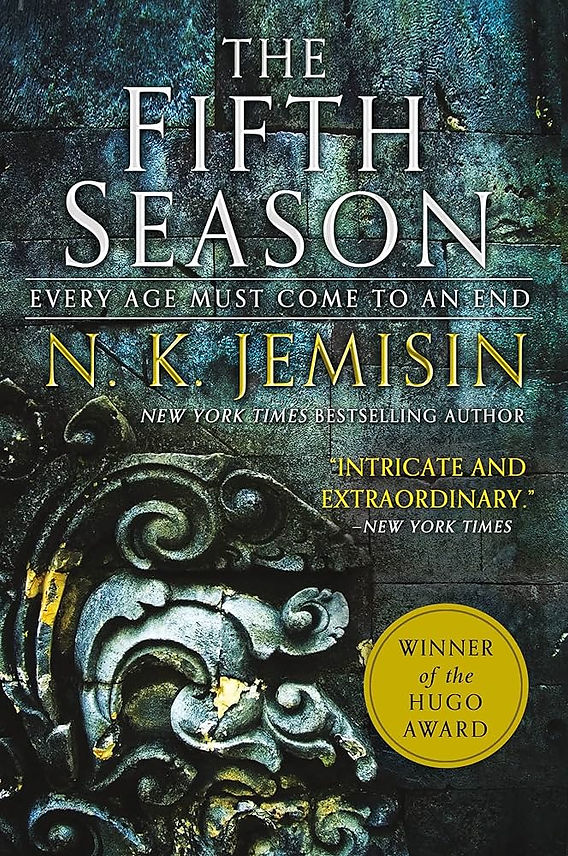
In the vast landscape of speculative fiction, few works manage to fuse intricate world-building with profound social commentary as seamlessly as N.K. Jemisin’s The Fifth Season. embarks on an exploration of this groundbreaking novel,delving beneath its apocalyptic veneer to uncover the layers of narrative innovation and thematic depth that have earned it critical acclaim. this review invites readers to revisit Jemisin’s vision of a fractured world where survival is both a personal and collective trial, offering a balanced perspective on the novel’s strengths and complexities.
Unveiling the Cataclysmic Worldbuilding That Sets The Fifth Season Apart from Traditional Fantasy Settings

Jemisin’s world is an earth unlike any other-scarred by relentless geological upheavals that render traditional fantasy tropes almost obsolete. Instead of kingdoms built on political intrigue or mystic enchantments, this landscape is shaped by the very forces of destruction; the land itself is both antagonist and canvas. The constant threat of seismic catastrophes weaves an ever-present tension throughout, crafting a setting that feels visceral and raw. Here, survival demands more than swordsmanship or spellcasting-it requires an intimate understanding of the planet’s fury and a willingness to navigate the chaos beneath your feet.
The intricate worldbuilding elevates The Fifth Season through its unique societal structures born from apocalyptic necessity. Consider how the orogenes, those who wield geological power, are together feared and indispensable, a dynamic that challenges conventional fantasy archetypes. Below is a brief comparison that underlines this distinctive blend of elemental devastation and intricate social order:
Best-Selling Books in This Category


| Traditional Fantasy Settings | The Fifth Season’s worldbuilding |
|---|---|
| Stable,unchanging landscapes | Volatile,constantly shifting terrain |
| Magic as arcane or divine intervention | Power derived from mastering earth’s destructive forces |
| Societies shaped by monarchy or conquest | communities forged through survival amid apocalypse |
This cataclysmic approach transforms setting from mere backdrop to a character in its own right,propelling the narrative while challenging readers to reconsider the traditional boundaries of fantasy.The Fifth Season’s world is a striking reminder that sometimes, the most compelling stories emerge not from sweeping empires or immortal beings, but from earth’s unyielding and unpredictable forces.
Exploring the Complex Characters Whose Personal Struggles mirror Earth’s Dramatic Upheavals

At the heart of The Fifth season lies a tapestry of characters whose internal conflicts resonate deeply with the planet’s relentless turmoil. Thes individuals embody the raw tension between survival and identity, each facing struggles as unpredictable and violent as the seismic catastrophes shaping their world. The protagonists do not merely react to the earth’s fury; they are intertwined with it, their powers and pain reflecting the constant push and pull of creation and destruction. Jemisin brilliantly crafts these multifaceted personalities with layers of vulnerability and strength, making their journeys resonate on both a personal and global scale.
With every emotional fracture and sudden outburst, the novel draws parallels between the shattered landscapes and the fractured psyches inhabiting them. Consider the ways these characters wrestle with isolation, prejudice, and acceptance. Their narratives unfold through moments of quiet resilience and explosive desperation, mirroring the unpredictable patterns of earthquakes and volcanic eruptions. Key themes emerge:
- Survival amid chaos
- The burden of power and control
- Interpersonal trust and betrayal
- change through trauma
| Character | Personal Struggle | Earthly Parallel |
|---|---|---|
| Essun | Concealed identity, grief | Unseen tectonic shifts |
| Damaya | Isolation, fear of power | building volcanic pressure |
| Syenite | Rebellion, revelation | Sudden rupture of the earth’s crust |
the Intricate Magic System of Orogeny and Its Role in Shaping Society and Power Dynamics

At the heart of Jemisin’s narrative lies a masterfully crafted magic system known as Orogeny-an extraordinary ability to manipulate tectonic and seismic forces. This power extends far beyond simple elemental control; it is a complex blend of raw energy, precise skill, and deep emotional resonance. Orogenes are both revered and reviled, simultaneously pivotal to survival yet subjected to stringent societal controls. This duality creates a striking tension, where those who wield power become tools of the state’s ambition while struggling against systemic oppression. The magic system is not only a means to wield destruction or salvation but a profound metaphor for control, fear, and resilience.
Society’s intricate power dynamics are reflected vividly through the relationship between Orogenes and the rest of the world. The establishment of the Fulcrum, an institution tasked with training and regulating Orogenes, illustrates a controlled attempt to harness and monitor power, balancing fear with functionality. Below is a brief overview of key societal roles related to Orogeny:
| Role | Function | Social Perception |
|---|---|---|
| Orogone | Earthquake manipulation | Feared and controlled |
| Fulcrum Trainers | Discipline & training | Authority figures |
| Guardians | Enforce control | Oppressors & protectors |
| Civilians | Depend on Orogenes | Distrustful & reliant |
In Jemisin’s world, Orogeny thus becomes an axis around which fear, power, and survival revolve, prompting readers to question how far societies will go to control forces they do not fully understand and revealing the fragile, often brutal nature of authority forged in the shadow of unimaginable power.
How Jemisin Crafts a Narrative That seamlessly Blends Environmental Themes with Human Conflict

Jemisin masterfully intertwines the relentless power of nature with the intricacies of human strife, creating a tapestry where environmental devastation isn’t just a backdrop but a living, breathing antagonist. Through her vivid portrayal of a world on the brink of ecological collapse, readers are invited to witness how the earth’s fury becomes a catalyst for social upheaval and personal turmoil. This dual pressure cooker dynamic forces characters to constantly navigate both the tangible threats of seismic cataclysms and the invisible tensions of societal prejudice, making the natural and human conflicts inseparable and equally urgent.
The author’s technique shines in the layering of storytelling elements that juxtapose elemental forces against tangible social struggles.consider the following interplay of themes emphasized throughout the narrative:
- Environmental Fragility – Nature’s volatility reflects the instability of the fractured societies.
- Human Resilience - Characters’ responses to catastrophe mirror cultural and political resistance.
- interdependence – The survival of both people and planet is presented as intricately linked.
| Narrative Element | Representation | Impact on Theme |
|---|---|---|
| Seismic Cataclysm | Unpredictable environmental threat | Symbolizes instability of society |
| Orogenes’ Power | Human control over earth’s forces | Explores fear and oppression |
| Societal Hierarchies | Stratified social orders | Reveals conflicts born of fear and survival instincts |
This seamless blending invites readers to ponder not only the environmental consequences of human actions but also the reciprocal ways societies are transformed by nature’s wrath. Jemisin’s narrative encourages reflection on the symbiotic dance of destruction and regeneration, both environmental and social-challenging comfortable separations between human and planetary destiny.
The Impact of Nonlinear Storytelling in Building Suspense and Deepening Reader Engagement

N.K. Jemisin’s masterful use of nonlinear storytelling in The Fifth Season intricately weaves past, present, and future to create a narrative tapestry rich with suspense.Rather than following a chronological order, the story unfolds through interlaced timelines, which encourages readers to actively piece together events like a puzzle. This strategy not only deepens curiosity but also generates a palpable tension as each revelation reframes earlier moments, prompting reevaluation of characters’ motives and the world’s underlying mysteries.
The fragmented chronology challenges traditional storytelling conventions, granting Jemisin the ability to:
- Develop multidimensional characters whose pasts hold secrets that later ripple into present actions.
- Build a layered mythos that slowly reveals the magnitude of Earth’s devastation and the human response to it.
- Keep readers in a state of anticipation by balancing gradual disclosure with moments of shocking clarity.
This dynamic narrative structure propels engagement by transforming readers into detectives within the story,actively hypothesizing and connecting narrative dots – a compelling invitation that few novels manage with such deftness.
| Story Element | Impact on Suspense | Reader Engagement Mechanism |
|---|---|---|
| Shifting perspectives | Uncertainty about character intentions | Multiple viewpoints encourage empathy and speculation |
| Chronological jumps | Delays full understanding, heightens mystery | Encourages active timeline reconstruction |
| Fragmented reveals | Creates suspense through incomplete information | Rewards attentive reading and retention |
Examining The Fifth Season’s Unique Cultural and Social Structures Through a Critical Lens

N.K. Jemisin masterfully constructs a world where the fabric of society is as volatile as the earth itself. The intricate layering of cultural and social systems within The Fifth Season is not merely backdrop but acts as a compelling critique of hierarchical power and marginalization. At the heart of this is the orogenes, individuals wielding devastating geological power, who are simultaneously feared, exploited, and oppressed by the dominant society.This dynamic forces readers to grapple with questions of otherness, agency, and systemic control, reframing the narrative from one of survival to a deep exploration of social stratification.
The novel challenges conventional social structures by presenting a world where traditional roles are constantly subverted.Within this setup, Jemisin explores themes such as:
- Institutionalized discrimination: The Guild’s rigid control represents systemic mechanisms that regulate and suppress divergent identities.
- Community and belonging: The fractured societies reflect the tenuous bonds that form in the shadow of disaster and fear.
- Power and identity: Characters navigate their innate abilities in a world that simultaneously needs and fears them.
This thematic complexity is mirrored in the social hierarchies, illustrated effectively through the following breakdown:
| Social Group | Role | Relationship to Orogenes |
|---|---|---|
| Guardians | Overseers and enforcers | Controllers and suppressors |
| Orogenes | Power wielders, marginalized | Feared, exploited, yet essential |
| Stills | Non-orogenic laborers | Often discriminators |
| Comms | Nomadic communities | Alternate social structures |
This critical framing invites us to recognize how The Fifth Season reflects and distorts real-world social anxieties, making it a profound meditation on survival, power, and the very nature of cultural identity. Jemisin’s complex social architecture creates a mirror, compelling readers to reflect on the consequences of fear and control in their own societies.
The Subtle Yet Powerful Commentary on Oppression and Survival woven Into the plot

In N.K. Jemisin’s masterful narrative, the relentless oscillation between destruction and renewal mirrors the human condition under extreme oppression. The world of The Fifth Season is not merely a backdrop of geological upheavals but a meticulously crafted metaphor for systemic marginalization. Characters navigate spaces scarred by both natural disasters and societal fractures,their very survival demanding resilience that is as much emotional as it is physical. Jemisin refrains from didactic storytelling, rather inviting readers to unearth layers of meaning in the nuanced interplay between power structures and individual agency.
Within the chaos of a crumbling world,the story spotlights key themes through:
- Invisible chains: How social hierarchies restrict mobility and enforce silence.
- Adaptive resilience: The quiet strength of communities rebuilding amidst devastation.
- Fragmented identities: The psychological cost of survival in oppressive systems.
| Element | Symbolism | Impact |
|---|---|---|
| The Fifth Season | Cycle of destruction & renewal | Reflects cyclical oppression and hope |
| Orogenes | Hidden power & fear | Embodiment of marginalized strength |
| The Fulcrum | Control and surveillance | Institutionalized oppression |
Visualizing the Devastating Seismic Events That Drive the Novel’s Emotional Core and Tension
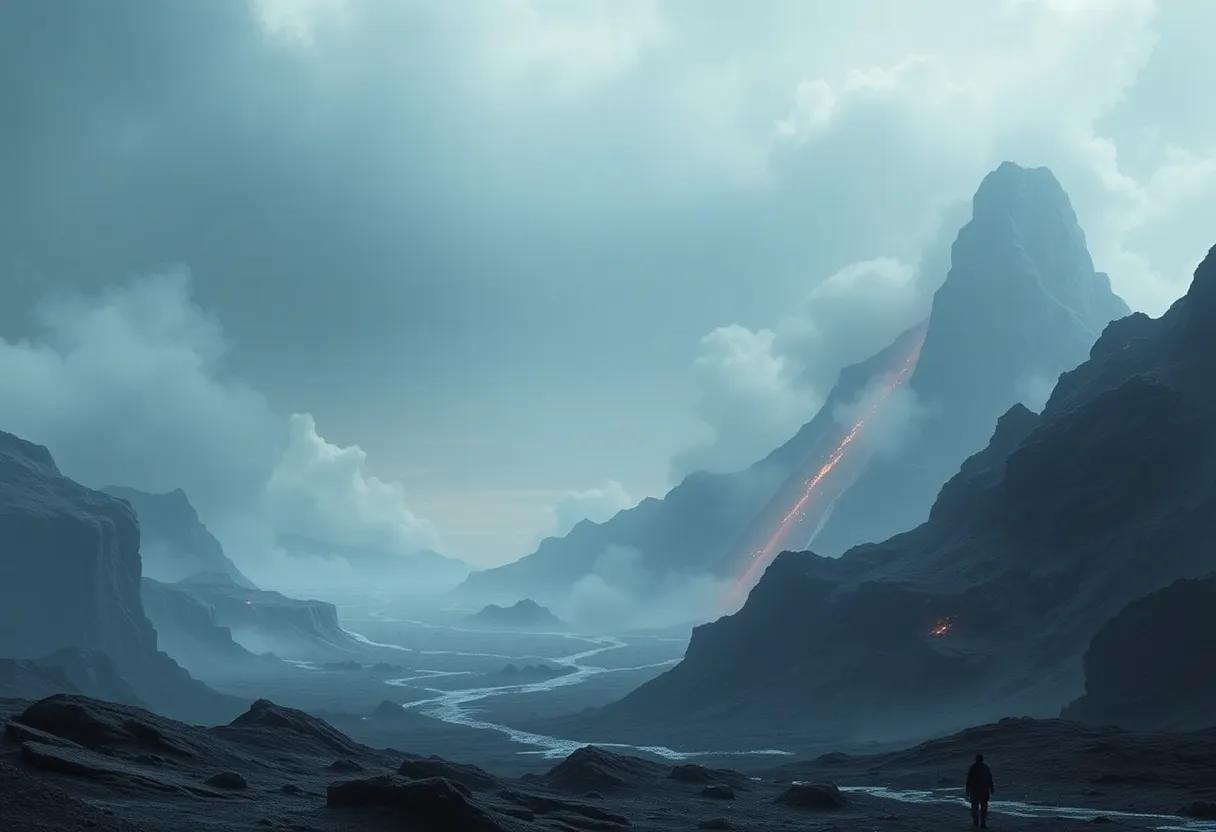
Through Jemisin’s vivid prose, the earth itself transforms into a character-a relentless force of destruction and renewal.The seismic events are not mere backdrops but pivotal catalysts that heighten every emotional beat and narrative twist.Moments of impending rupture evoke a suffocating tension, while the aftershocks ripple through the characters’ psyches, exposing raw fears and fractured bonds. The author’s ability to weave geological cataclysms with intimate human stories deepens the reader’s immersion, making the landscape both an adversary and a mirror to the turmoil within.
the novel’s layered depiction of earthquakes invites readers to visualize their devastating magnitude and unpredictability through striking metaphors and precise detail. Jemisin’s imaginative use of seismic activity creates a living, breathing habitat that demands constant vigilance. Consider this comparison of effects:
| seismic Effect | Emotional Impact | Narrative Purpose |
|---|---|---|
| Tremors | Unease and anticipation | Foreshadowing conflict |
| Main Rupture | Panic and chaos | Turning point for characters |
| Aftershocks | Lingering trauma | Character growth |
- Visual cues: Cracked earth, shifting landscapes, and shattered structures anchor the catastrophic scale.
- Atmospheric tension: The constant threat of seismic upheaval instills a pervasive dread and urgency.
- Symbolism: Earthquakes metaphorically reflect societal collapse and the characters’ internal fractures.
An Evaluation of Jemisin’s Poetic Language and Its Contribution to the Book’s Atmosphere

Jemisin’s mastery of poetic language in The fifth Season dances effortlessly between harsh imagery and lyrical beauty, crafting a world that feels both alien and viscerally real. Her prose evokes the raw, elemental power of a planet incessantly punished by geological chaos. this linguistic artistry does more than just paint vivid scenes; it immerses the reader within the very tremors and ruptures that define the story’s setting. The choice of fragmented sentences, repetition, and carefully weighed metaphors creates a rhythm akin to the earth’s own pulse-at once trembling and relentless.
Through evocative devices, Jemisin deepens the atmospheric tension that permeates the narrative.The deliberate use of sensory language invites readers to experience:
- the oppressive weight of ash-filled skies,
- the stifling silence after a quake,
- and the chilling unpredictability of survival.
this poetic craftsmanship transforms mere descriptions into emotional landscapes, turning environmental catastrophe into a mirror of human fragility and resilience.
Recommendations for Readers Seeking Thought-Provoking Science fantasy With Rich Philosophical Undertones

For readers eager to dive into narratives that challenge both the imagination and intellect, N.K. Jemisin’s The Fifth Season stands as a paragon of science fantasy fused with profound philosophical inquiry. Those captivated by complex world-building entwined with meditations on trauma, survival, and societal decay will find this novel indispensable. Here, speculative elements aren’t just window dressing-they serve as philosophical allegories that dissolve the boundaries between power, identity, and humanity’s relationship with the Earth.This makes jemisin’s work a splendid choice for those who crave narratives that linger long after the final page.
To complement this experience and enhance your exploration, consider the following remarkable titles that also weave speculative realms with deep existential questions:
- “Station Eleven” by Emily St. John Mandel – A haunting meditation on civilization, memory, and the art of survival.
- “The Left Hand of Darkness” by Ursula K. le Guin – Explores themes of gender fluidity and political intrigue in an alien world that challenges human preconceptions.
- “Perdido Street Station” by China miéville - A dystopian tapestry that interrogates science, ethics, and the monstrous.
| Title | Core Philosophical Theme | Unique Element |
|---|---|---|
| The Fifth Season | Survival and environmental determinism | Dynamic narrative structure with multiple perspectives |
| Station Eleven | Civilizational fragility and art’s role in meaning-making | Post-apocalyptic setting with interwoven timelines |
| The Left Hand of Darkness | Gender identity and political dualism | Alien culture challenging binary norms |
| Perdido Street Station | Ethics of power and otherness | Grotesque urban fantasy realm with hybrid creatures |
why The Fifth Season is a Must-read for Fans of Speculative Fiction Looking for Depth and Innovation
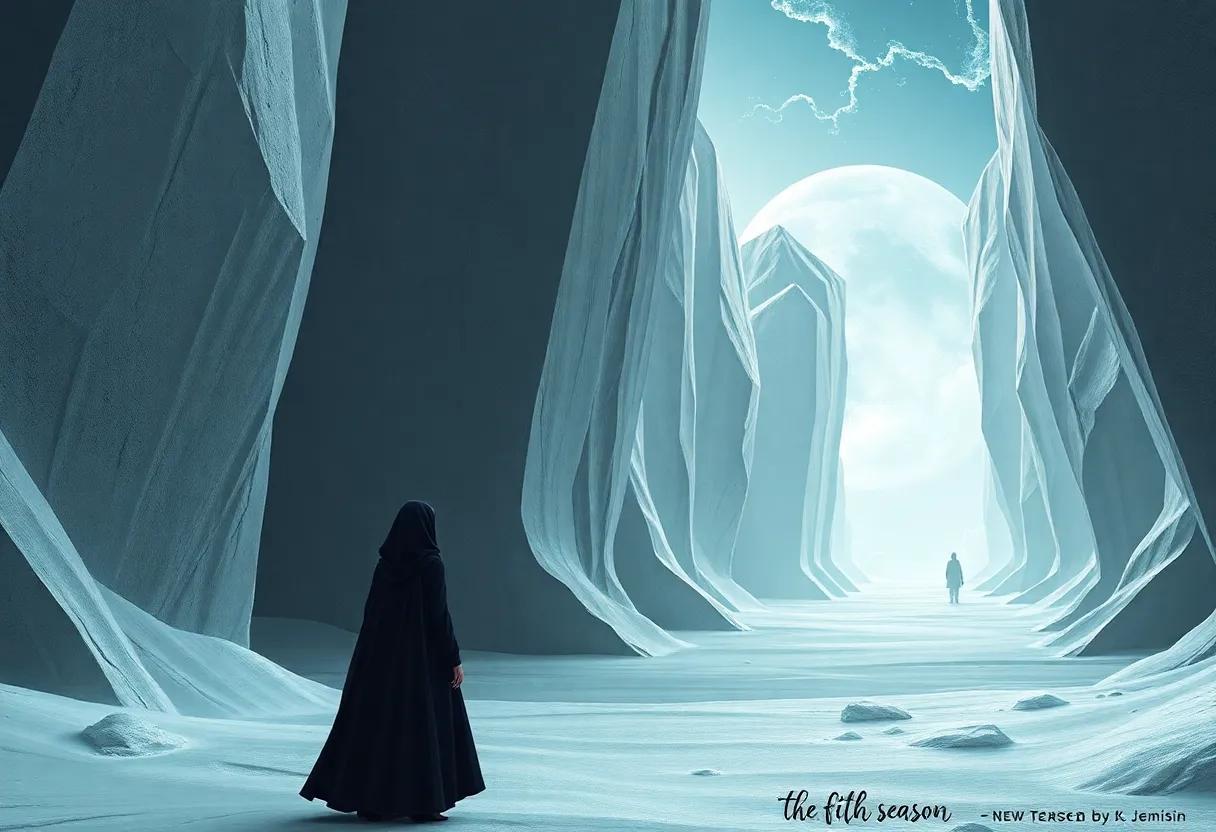
At its core, The Fifth Season shatters conventional boundaries of speculative fiction with its masterful blend of intricate world-building and emotionally charged narratives. Jemisin’s storytelling dives deep into the crevices of human resilience against the backdrop of a world perpetually on the brink of collapse. Readers are invited into a universe where geological cataclysms are as much a part of the characters’ lives as their internal struggles with identity, oppression, and survival. This multifaceted approach elevates the novel beyond mere fantasy or science fiction - it becomes a profound exploration of how societies fracture and reform under immense pressure.
What truly distinguishes the novel is its innovative structure and thematic richness, challenging readers to reconsider familiar tropes. the fluid narrative perspective shifts, intertwined timelines, and complex mythology are not just stylistic choices but crucial vehicles for thematic depth. Speculative fiction enthusiasts seeking more than just escapism will appreciate the subtle social critique and philosophical questions embedded in the story. Here’s a glimpse of the elements that make the novel indispensable:
- Complex Characters: Deeply flawed, relatable, and evolving figures who defy stereotypes.
- Unique Magic System: Geomancy tied to the earth’s raw power, intricately imagined and vital to the plot.
- Societal Commentary: Tackling themes of marginalization, environmental catastrophe, and resilience.
- Non-linear Storytelling: Engages readers actively in piecing together the narrative puzzle.
| Aspect | why It Matters |
|---|---|
| World-Building | Crafts a believable setting where earth and humanity are interlinked. |
| Character Arcs | Showcase the evolution from trauma towards empowerment and hope. |
| Thematic Depth | Invites reflection on climate, society, and identity beyond genre confines. |
| Narrative Style | Fosters active engagement through layered and nonlinear storytelling. |
A Closer Look at N.K. Jemisin’s Visionary storytelling Style and Her Influence on Modern Fantasy Literature

N.K. jemisin’s storytelling transcends conventional fantasy through a radical blend of intricate world-building and deeply personal narrative arcs. Her prose weaves cultural diversity, environmental urgency, and complex social hierarchies into every sentence, crafting a tapestry that feels both intimate and epic. Jemisin’s unique approach dismantles the familiar hero’s journey, instead placing flawed, multifaceted characters front and center-each grappling with power, trauma, and identity in ways that resonate profoundly with contemporary readers. Her narrative structure often employs shifting perspectives and nonlinear timelines, compelling audiences to actively piece together her worlds, a technique that breathes an immersive urgency and emotional depth rarely matched in the genre.
- Diversity as narrative backbone: Jemisin infuses marginalized voices into the core of her plots,challenging traditional fantasy norms.
- Environmental themes: The earth itself acts as a character, highlighting ecological fragility and human resilience.
- Innovative magic systems: Rooted in cultural metaphors, these systems deepen world coherence and thematic richness.
| Aspect | Jemisin’s Approach | Impact on Genre |
|---|---|---|
| Characterization | Flawed, diverse, deeply human | Redefined protagonist archetypes |
| World-Building | culturally rich, ecologically conscious | Expanded fantasy landscapes beyond Eurocentric models |
| Narrative Style | Nonlinear, multi-perspective | Enhanced immersive storytelling |
Her influence ripples through the modern fantasy scene, inspiring a new wave of authors to embed social realism within fantastical frameworks. Jemisin’s work encourages readers and writers alike to confront uncomfortable truths about society, identity, and survival. By demanding more from the genre-both in thematic complexity and representational ethics-she has become a benchmark for visionary storytelling.This has sparked vibrant conversations about inclusivity, narrative innovation, and the evolving definition of what fantasy literature can and should represent in contemporary culture.
The Fifth Season stands not only as a masterclass in speculative storytelling but also as a poignant meditation on survival, identity, and the earth’s unpredictable might.N.K. Jemisin’s narrative weaves complexity with compassion,urging readers to confront both the literal and figurative quakes that shape our world. Whether you come for the rich world-building or the nuanced characters,this novel leaves an indelible mark-one that resonates long after the final page turns. As the dust settles on this review, it’s clear that The Fifth Season is more than a story of destruction; it is an invitation to rethink resilience in the face of upheaval.