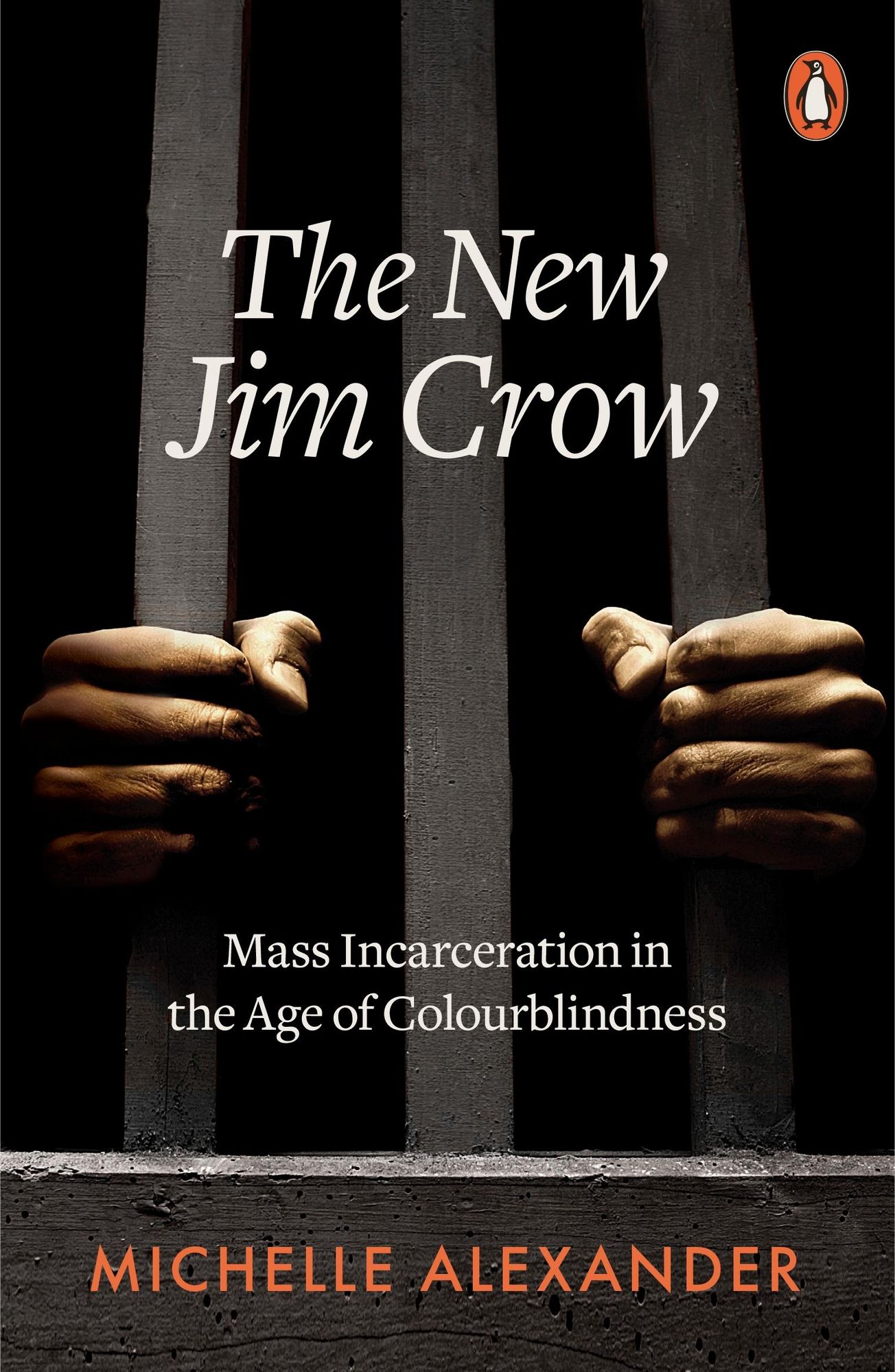
In a society that often prides itself on progress and equality, certain shadows persist, quietly shaping the lives of millions. The New Jim Crow by Michelle Alexander dives deep into one such shadow-the systemic racial injustices embedded within the american criminal justice system. “” embarks on an exploration of this provocative work, examining its arguments, evidence, and impact. This review aims to navigate the complex terrain alexander presents, offering readers a balanced perspective on a book that has ignited widespread debate and reflection about race, law, and social control in contemporary America.
Examining the Core Argument Unveiled in The New Jim Crow and Its Impact on Contemporary Criminal Justice discussions
At the heart of The New Jim Crow lies a provocative thesis that reframes the narrative on racial disparities in the United States: the mass incarceration of African Americans functions as a contemporary system of racial control, akin to the Jim Crow laws that once governed racial segregation. Michelle Alexander meticulously argues that the criminal justice system, under the guise of the “War on Drugs,” systematically targets Black communities, creating a caste of individuals trapped by legal discrimination long after serving their sentences. This argument challenges readers to reconsider the prevailing justice paradigms and recognize the covert ways in which racial bias is perpetuated through seemingly race-neutral policies.
the book’s impact on current criminal justice discussions is profound, stirring debates across academic circles, policy-making, and grassroots activism.It has become a catalyst for re-evaluating laws and practices, such as:
- Sentencing disparities that disproportionately affect minorities
- Felony disenfranchisement resulting in political exclusion
- Employment barriers due to criminal records
- Policing strategies focused heavily on low-income, minority communities
Through this lens, The New Jim Crow dismantles the myth of a post-racial justice system and provides a framework for advocating systemic change. The data-driven approach combined with poignant narrative offers a stimulus for reforms aiming to dismantle entrenched inequalities.
Best-Selling Books in This Category


| Policy Aspect | Pre-Alexander Era | Post-Alexander Awareness |
|---|---|---|
| Public Perception | Crime-focused, colorblind | Critical of systemic bias |
| Legislative Response | Harsh sentencing laws | Calls for reform and alternatives |
| Activism | Fragmented and isolated | Unified coalition for racial justice |
A Deep Dive into Racial Disparities Highlighted by Alexander and Their Historical Context Within American Society
Michelle alexander’s work sheds piercing light on the systemic roots of racial disparities entrenched in the American criminal justice system. Her analysis reveals how mass incarceration functions as a contemporary mechanism of racial control, echoing the legacies of slavery and Jim Crow laws.This displacement of racial injustice into legal and institutional frameworks is not incidental but a calculated evolution. By tracing policies such as the War on Drugs and mandatory minimum sentencing, Alexander illustrates a paradigm where racialized policing and imprisonment disproportionately destabilize Black communities, perpetuating cycles of poverty and disenfranchisement.
Understanding this dynamic requires a look beyond the numbers: the historical context is critical. American society has long confronted racial hierarchies embedded within its social fabric, some codified explicitly, others cloaked in seemingly neutral language. Key elements contributing to racial disparities include:
- economic disenfranchisement: Historical exclusion from wealth-building opportunities.
- legalized segregation: Laws that mandated separation and limited mobility.
- Political marginalization: Systemic barriers to voting and political portrayal.
| Era | Policy | Impact on Black Communities |
|---|---|---|
| Post-Reconstruction | Black Codes & Jim Crow Laws | Enforced segregation and suppressed civil rights |
| 1960s-1980s | War on Drugs | Spike in arrests and incarceration rates |
| 1990s-Present | ‘Tough on Crime’ Legislation | Massive imprisonment and disenfranchisement |
This continuum of systemic exclusion highlights how racial disparities in the criminal justice system are an extension,rather than a divergence,from America’s historical patterns of inequality.
Unraveling the Legal Frameworks Exposed and Their Role in the Systemic Enforcement of Mass Incarceration

Michelle Alexander’s work meticulously exposes the complex legal structures that silently uphold mass incarceration, revealing how laws and policies extend beyond mere criminal justice and operate as instruments of racial and social control. These frameworks are woven into the fabric of legal statutes, prosecutorial discretion, and sentencing guidelines that disproportionately target marginalized communities. as a notable example, the “War on Drugs” policies, while seemingly neutral on the surface, provide legal cover for aggressive policing and harsh sentencing that funnel millions into the prison-industrial complex. The systemic biases embedded in these laws function not only to incarcerate but also to sustain a cycle of disenfranchisement and socio-economic marginalization.
Understanding these mechanisms requires recognizing their multifaceted roles, which include:
- strategic criminalization: Laws that criminalize minor offenses more harshly in communities of color.
- Judicial discretion: The latitude of judges and prosecutors to enforce laws selectively, resulting in discriminatory outcomes.
- Collateral consequences: Legal barriers post-incarceration affecting housing, voting rights, and employment opportunities.
| Legal Mechanism | Role in Enforcement | Impact on Communities |
|---|---|---|
| Sentencing Guidelines | Standardize harsh penalties | Longer incarceration, increased racial disparities |
| Three-Strikes Laws | Mandate life sentences for repeat offenders | Escalates prison populations, targets low-income individuals |
| Post-Conviction Restrictions | Limit rights after release | Continued social exclusion and poverty |
Assessing the Use of Personal Narratives and Data to Illustrate the Human Cost of the war on Drugs

Michelle alexander masterfully blends personal narratives with compelling data, creating a powerful tapestry that reveals the devastating human toll of the War on Drugs. Through intimate stories of individuals ensnared in the criminal justice system, readers witness not just statistics, but the lived realities of racial displacement, familial fractures, and systemic disenfranchisement. These accounts lend a deeply human voice to what is frequently enough rendered as cold policy, transforming abstract concepts of incarceration into palpable emotional experiences. The use of these stories ensures that the narrative remains grounded, preventing the data from becoming merely theoretical or distant.
Complementing these stories is a meticulous presentation of data that highlights stark disparities and systemic failures. The following table encapsulates key metrics drawn from Alexander’s research, illustrating the disproportionate impact on African American communities:
| Metric | Black Population | white Population | Disparity Ratio |
|---|---|---|---|
| Drug Arrest Rate | 4,200 per 100,000 | 1,200 per 100,000 | 3.5x |
| Incarceration Rate | 2,300 per 100,000 | 450 per 100,000 | 5.1x |
| Probation/Parole | 9,000,000 | 5,500,000 | 1.64x |
- Emotional depth: The narratives evoke empathy and a deeper understanding of systemic violence.
- Statistical clarity: Numbers serve to validate and quantify personal accounts.
- Interwoven approach: Data and stories reinforce each other, building a convincing argument.
This dual approach, combining storytelling and empirical evidence, effectively dismantles denial and compels readers to confront uncomfortable truths about racial injustice embedded in modern legal frameworks.
Exploring Critiques and Counterarguments for a Balanced Perspective on the Book’s Claims and Interpretations
- Overemphasis on mass incarceration as a monolith, sometimes neglecting intersecting socio-economic factors.
- A perceived lack of detailed exploration into policy reforms post-publication that challenge the book’s assertions.
- minimal engagement with counterexamples where criminal justice reforms have led to measurable equity improvements.
Conversely, defenders assert that these critiques underscore the very challenges embedded within societal structures-making a nuanced reading essential. To understand the debate, it’s beneficial to juxtapose key arguments with counterpoints in a concise manner:
| Claim by the Book | Counterargument |
|---|---|
| Mass incarceration functions as a racial caste system. | Economic disparities contribute as much as racial bias to incarceration rates. |
| The War on Drugs disproportionately targets communities of color. | law enforcement claims policies are aimed at crime control, not race. |
| Criminal records create permanent social exclusion. | New initiatives are improving reintegration programs and expungement access. |
Evaluating the Book’s Influence on Activism and Policy Reform Movements Addressing Racial Injustice
- Ending the war on drugs as a mechanism for racial oppression
- Implementing restorative justice models in communities of color
- Advocating for the re-enfranchisement of formerly incarcerated individuals
on the policy front, lawmakers have increasingly cited Alexander’s findings when proposing reforms, signaling a shift towards acknowledging the racialized impact of criminal justice structures. The table below summarizes notable legislative initiatives influenced by the book, showcasing its tangible imprint on American lawmaking:
| Year | Policy Reform | Impact |
|---|---|---|
| 2015 | Fair sentencing Act Expansion | Reduced crack-powder cocaine sentencing disparities |
| 2018 | ban the Box Legislation | Improved employment access for ex-offenders |
| 2020 | Police Accountability Bills | Increased openness and oversight |
The Role of Media and Public Discourse in Amplifying or Undermining the Messages Presented in The New Jim crow
Media and public discourse wield significant power in shaping societal perceptions of systemic issues like those explored in The New Jim Crow. When narratives from the book are amplified through documentaries, news features, and social media campaigns, thay can ignite broad awareness and mobilize public support for reform. Though, this amplification is frequently enough inconsistent, with mainstream media occasionally sidestepping or oversimplifying the complex realities of racialized mass incarceration. Such selective coverage risks diluting the book’s urgent message by framing it through sensationalism or political bias rather than systemic critique, thereby limiting the potential for genuine understanding and change.
Conversely,public discourse that challenges or undermines the book’s claims can hinder progress by reinforcing stereotypes and dismissing institutional accountability. Below is a snapshot of how media representation influences public sentiment and policy conversations:
| Media Approach | Effect on Public perception | Impact on Policy |
|---|---|---|
| In-depth investigative journalism | Raises awareness of racial disparities | Drives reform initiatives |
| Superficial coverage | Encourages apathy or misunderstanding | Minimal legislative action |
| Dismissive commentary | Reinforces stigmatization | Preserves status quo |
- Amplification through diverse platforms boosts visibility and empathy.
- Political framing can polarize audiences, reducing constructive dialog.
- Grassroots storytelling personalizes systemic issues,fostering community engagement.
Recommendations for Readers Seeking to Understand and Engage with Systemic Racism and Incarceration Issues
When seeking resources, consider the following to build a balanced perspective:
- Books: Historical texts like The Color of Law by Richard Rothstein.
- Podcasts: Series such as “Ear Hustle” that share authentic prison experiences.
- organizations: Support groups like the Equal Justice Initiative that provide ongoing updates and action steps.
- Academic Journals: Articles focused on criminal justice reform and racial bias studies.
| Resource Type | Example | Why It Matters |
|---|---|---|
| Book | The Color of law | Unpacks government policies that shaped segregation |
| Podcast | Ear Hustle | Personalizes incarceration experiences |
| Organization | Equal Justice Initiative | advances criminal justice reform nationwide |
Suggestions for Educators Incorporating The New Jim Crow into Curriculum Focused on Social Justice and Legal Studies

Engaging students with The New Jim Crow requires an approach that balances critical analysis with immersive learning experiences. Educators might consider integrating interactive discussions, where students dissect key themes such as systemic racism, mass incarceration, and legal discrimination. Utilizing case studies drawn from current events can definitely help bridge the gap between Alexander’s arguments and today’s social justice movements. Additionally, fostering collaborative projects encourages students to explore policy reforms or community initiatives that address the book’s identified injustices.Embedding multimedia resources-documentaries,podcasts,or interviews-can further diversify the learning environment and deepen understanding.
To effectively measure comprehension and critical thinking, instructors can introduce assessment tools that move beyond traditional essays.Here’s a simple framework that educators could adapt for formative evaluations:
| Activity | Objective | Assessment Method |
|---|---|---|
| Debate on the War on Drugs | Analyze opposing viewpoints | Rubric-based peer review |
| Research on Racial Disparities | Connect data with theory | Presentation & peer feedback |
| Creative Reflection Journals | Personal engagement with the text | Instructor qualitative analysis |
By weaving these varied pedagogical strategies into curricula, educators can cultivate a dynamic classroom where students critically engage with the enduring legacies of racial injustice through Alexander’s powerful narrative.
How The New Jim Crow Inspires Future Scholarship and Practical Efforts Toward ending Racial Inequality in the Justice System
- How contemporary policies continue to perpetuate racial disparities.
- The roles of implicit bias and systemic structures within the criminal justice system.
- Effective reform strategies grounded in community advocacy and restorative justice.
Practical efforts toward dismantling racial inequality are equally invigorated by Alexander’s work, as it equips activists, policymakers, and legal professionals with a clear framework for understanding and combating injustice. Through highlighting the intersections of law enforcement, legislative actions, and societal attitudes, the book fosters collaborative initiatives that emphasize transparency and accountability. For example:
| Practical Effort | Impact | Target Area |
|---|---|---|
| Community-based legal clinics | Empower marginalized voices | Access to defense |
| Policy review task forces | Reform sentencing laws | Legislative advocacy |
| Implicit bias training programs | Reduce discriminatory practices | Law enforcement agencies |
Together, these academic insights and real-world efforts kindle a extensive movement aimed at not just recognizing but actively eradicating the embedded racial inequities that the justice system perpetuates. Alexander’s work remains a catalyst, inspiring a new generation to pursue change grounded in both critical scholarship and meaningful activism.
A Closer Look at Michelle Alexander’s background, motivations, and Contributions to Civil Rights Advocacy

Michelle Alexander’s journey into civil rights advocacy is deeply intertwined with her academic and professional experiences, which uniquely position her as a leading voice against systemic racial injustice. After earning her law degree from Stanford University, Alexander clerked for a federal judge and later worked as the director of the Racial Justice Project at the ACLU of Northern California. These roles exposed her to the pervasive inequalities embedded within the legal system, inspiring her to write The New Jim Crow. Her work illuminates the deliberate mechanisms that sustain racial caste systems, notably focusing on mass incarceration as a modern extension of historical oppression.
Alexander’s contributions extend beyond literature; she actively engages in public speaking, legal reform, and grassroots advocacy, often emphasizing the necessity of reimagining justice in America. Key aspects of her impact include:
- Legal Scholarship: Challenging traditional narratives around crime and punishment through rigorous research.
- Community Mobilization: Empowering marginalized communities to participate in the fight for equal rights.
- Policy Influence: Advocating for reforms aimed at dismantling systemic biases in policing and sentencing.
| Role | Focus Area | Impact |
|---|---|---|
| Legal Scholar | Mass Incarceration | Reframing race and law discourse |
| Advocate | Criminal Justice Reform | Influencing policy and public awareness |
| Educator | Public Awareness | Mobilizing communities for change |
In closing, Unveiling Injustice: A Critical Review of The New Jim Crow by Alexander invites readers to grapple with the complex layers of systemic inequality that persist beneath the surface of contemporary society. Through thoughtful analysis and measured critique, this review illuminates both the strengths and limitations of Alexander’s work, encouraging an ongoing conversation about justice, reform, and the power of awareness. Whether you are a scholar, activist, or curious mind, this exploration serves as a compelling step toward understanding the nuances of a deeply entrenched social issue.