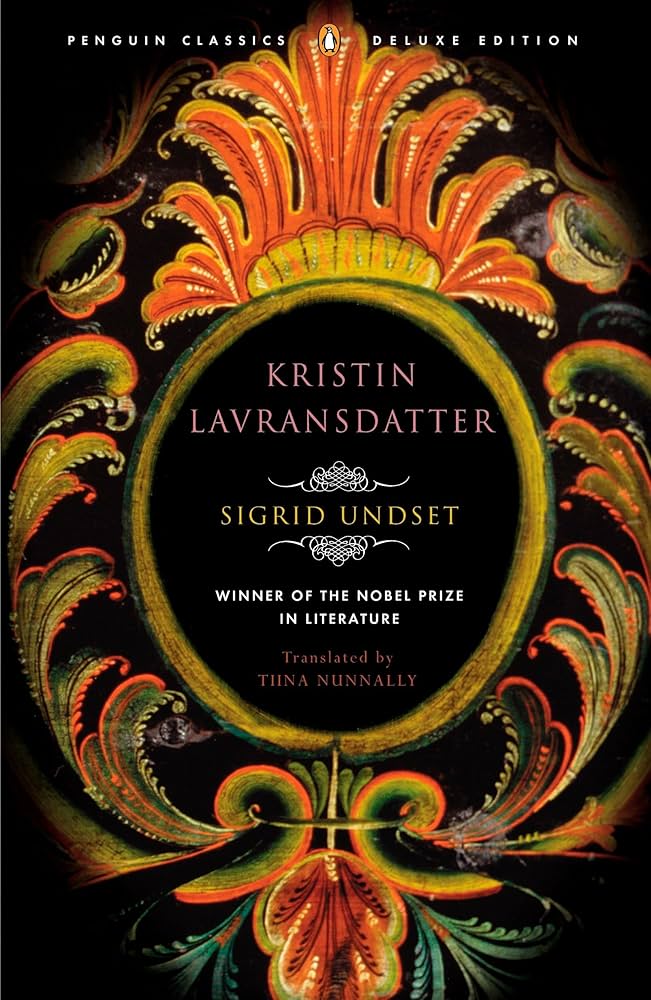
In the vast landscape of historical fiction, few works manage to transport readers so vividly into the past as Sigrid Undset’s kristin Lavransdatter.Set against the rugged beauty and complex social fabric of medieval Norway, this trilogy offers a richly textured portrayal of a world both distant and surprisingly familiar. embarks on a journey through Undset’s masterful storytelling, unraveling the intricate tapestry of faith, love, and duty that defines the life of its heroine. This review aims to delve beyond the surface, examining how the novel’s historical depth and emotional resonance continue to captivate readers across generations.
Unveiling the Rich Historical Tapestry of Medieval Norway Through a Compelling Narrative Lens
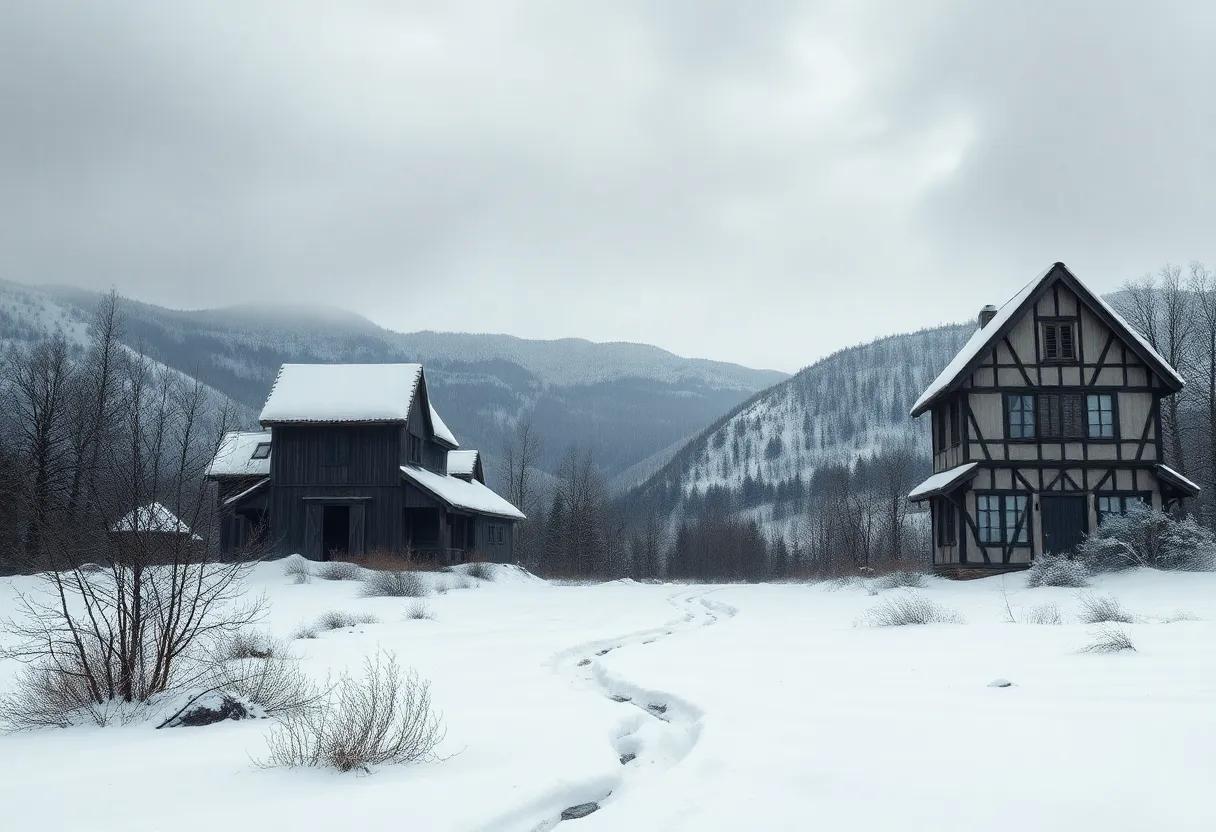
Through the intricately woven narrative of Kristin Lavransdatter, readers are transported deep into the heart of medieval Norway, where every stone, forest, and fjord tells a story. The trilogy unravels the multifaceted life of Kristin against a backdrop of shifting social norms, religious fervor, and the elemental forces of nature. This is not merely a historical account but a vivid tapestry blending personal passion with the collective spirit of an era marked by both turmoil and grace. The rich detail in clothing, architecture, and rituals creates a palpable texture, immersing the audience in a time where honor, duty, and faith were often at odds with desire and individuality.
What truly sets this narrative apart is its ability to reflect broader societal dynamics through intimate moments. Key themes emerge with subtlety yet depth, such as:
Best-Selling Books in This Category


- Feudal obligations: The complex layers of hierarchy and loyalty that governed everyday interactions.
- Religious influence: The omnipresence of faith shaping decisions and identities.
- Gender roles: The struggle between personal agency and societal expectations.
- Connection to nature: The deep reverence and reliance on the natural surroundings in daily life.
| Aspect | Depicted Element |
|---|---|
| Architecture | Stave churches, wooden farms |
| Clothing | Woolen tunics, embroidered cloaks |
| Social Events | Church festivals, community gatherings |
| Landscape | Rugged mountains, deep fjords |
Examining the Intricacies of Social Hierarchies and Gender Roles Portrayed in the Story

The tapestry of medieval Norwegian society woven throughout the narrative is rich with nuanced depictions of social stratification, where status and lineage dictate one’s opportunities and constraints. The story deftly explores how characters navigate these entrenched hierarchies, often wrestling with personal desires that conflict with societal expectations. From the noble Lavrans family to the less privileged, each relationship highlights the delicate dance of power, loyalty, and reputation. This intricate portrayal allows readers to grasp how social ranks shaped identity and influenced decisions, often underscoring the tension between individual agency and rigid class structures.
Gender roles are portrayed with compelling complexity, illuminating the expectations imposed upon men and women within the historical context. Women like Kristin display resilience and defiance,balancing submission with subtle acts of rebellion that reveal their inner strength. Simultaneously occurring, male characters embody varying facets of masculinity, from authority figures bound by tradition to those who challenge and redefine their roles.Key dynamics include:
- Women’s influence: Emotional intelligence as a form of power.
- Patriarchal constraints: The weight of duty and honor for men.
- Intersections: How social rank amplifies or mitigates gender expectations.
| Social Role | Expectations | Character examples |
|---|---|---|
| Noblewoman | Marriage alliances, piety, domestic management | Kristin Lavransdatter |
| Peasant Male | Labor, loyalty to lord, family provider | Simon |
| Clergy | Moral authority, celibacy | Bishop Gaut |
The Poetic Language and Vivid Descriptions That Bring 14th Century Norway to Life

Sigrid Undset’s masterful use of language transforms the harsh and often brutal landscape of 14th century Norway into an intimate, almost palpable experience. The prose flows with a lyrical grace, painting scenes that evoke the chill of a northern winter and the warmth of flickering hearths. Through her poetic lexicon, seemingly mundane details-a scudding raven, the sharp tang of sea air, the flicker of candlelight-are imbued with symbolic weight, anchoring readers deeply within the cultural and spiritual fabric of the era. Such vividness moves beyond mere setting, weaving a sensory tapestry that breathes life into every character and moment.
Throughout the narrative, specific elements stand out in their evocative portrayal of medieval Norway, such as:
- Textured landscapes: Rugged fjords and sprawling forests, rendered with a painterly attention to detail.
- Seasonal rhythms: the changing seasons dictate the flow of life and the characters’ emotions alike.
- Religious imagery: spiritual tension is expressed through stark contrasts of light and shadow in both nature and human interactions.
This stylistic richness invites readers not just to witness history but to live within it, creating an immersive time capsule where emotions, environment, and faith are intimately intertwined.
A Deep Dive into the Complex Character Development of Kristin Lavransdatter
kristin emerges from the pages not merely as a product of her time but as a fully realized individual whose innermost conflicts mirror the broader societal tensions of 14th-century Norway. Her growth is marked by a turbulent interplay between duty and desire, faith and rebellion, tradition and personal freedom. Each phase of her life unravels a new layer of complexity, making her journey resonate beyond the historical setting.The author masterfully captures her contradictions, showing how Kristin’s strength is as much in her vulnerabilities as it is in her convictions.This duality breathes life into a character who feels achingly human and timeless.
To understand her conversion more clearly,consider the following defining traits and moments that shape Kristin’s evolution:
- Youthful Innocence: The hopeful dreams and idealism that frame her early years.
- Passionate Defiance: Her bold choices in love and family, challenging societal norms.
- Spiritual Awakening: The inner turmoil and reconciliation with faith in adulthood.
- Enduring Resilience: How hardship and loss refine, rather than diminish, her core identity.
| Life Stage | Defining Trait | Impact on Kristin |
|---|---|---|
| Adolescence | Curiosity | Shapes early worldview and emotional openness |
| Young Adulthood | rebellion | Tests limits of societal expectations and personal boundaries |
| maturity | Reflection | Brings depth and nuance to her understanding of love and duty |
Exploring Themes of Faith, Love, and Duty Interwoven throughout the trilogy
In Kristin Lavransdatter, faith is not merely a backdrop but a living, breathing force shaping every facet of life in medieval Norway. Sigrid Undset deftly portrays the tension between personal desires and the overarching religious doctrines governing society. Through Kristin’s journey, readers witness how devotion and doubt intertwine, reflecting the complexities of a time when spirituality was inseparable from daily existence. This interplay elevates the narrative beyond a simple historical romance, inviting contemplation on how faith anchors individuals amid turmoil and joy.
Love and duty in the trilogy are portrayed with profound realism, eschewing simplistic notions of romance. Kristin’s relationships evoke the challenges of loyalty, not only to lovers but also to family and societal expectations. the novel captures a rich tapestry of emotions – from passionate desire to solemn obligation – highlighting that true commitment often demands sacrifice. Below is a snapshot of how these themes resonate throughout the trilogy:
| Theme | Illustration in the trilogy | Effect on Character Development |
|---|---|---|
| Faith | Constant moral wrestling, religious rites | Kristin’s evolving convictions and inner peace |
| Love | Passion, forbidden desires, and married life | Complex emotional growth and resilience |
| duty | Family loyalty, societal roles, honor codes | Steadfastness amid personal conflict |
- Faith guides the moral compass, driving the narrative’s tension and resolution.
- Love challenges characters to balance personal happiness with communal expectations.
- Duty demands sacrifices that deepen the portrayal of medieval Norwegian life.
How the Author Balances Historical accuracy with Engaging Fictional Elements
Kristin Lavransdatter masterfully intertwines meticulously researched historical facts with vivid storytelling, creating a tapestry that immerses readers in 14th-century Norway without sacrificing narrative excitement. The author’s attention to detail is evident through authentic depictions of medieval Norwegian social hierarchies, religious practices, and daily life. Yet, rather than overwhelming with factual exposition, the story breathes through complex characters whose desires and conflicts resonate on a human level. This delicate balance ensures the history feels lived-in, not just recited.
Several techniques contribute to this harmony:
- Selective authenticity: key historical events and social norms are presented accurately, while minor details are artistically enhanced to deepen drama.
- Emotional realism: Characters’ internal struggles give life to the era’s societal constraints and spiritual outlooks.
- Evocative language: Descriptive prose evokes sensory experiences tied to landscapes,rituals,and vintage daily routines.
| Element | Historical Accuracy | Fictional Enhancement |
|---|---|---|
| Religious Rituals | Based on documented medieval practices | personalized through Kristin’s spiritual doubts and growth |
| Social Hierarchy | Careful depiction of noble estates and peasant life | Enhanced conflict in family dynamics and marriage politics |
| Daily life | Historically informed customs and seasonal activities | Rich sensory descriptions and emotional context |
The Role of Landscape and Setting in Enhancing the Emotional Depth of the Story
In Kristin Lavransdatter, the rugged landscape of medieval Norway is not merely a backdrop but a living force that mirrors the emotional currents of the characters. The ever-changing seasons-harsh winters,blossoming springs,and somber autumns-reflect Kristin’s own journey through joy,heartbreak,and spiritual reflection.The vast fjords, dense forests, and isolated farms underscore the isolation and intimacy of rural life, enhancing the tension between personal desire and societal expectation. This vivid setting immerses the reader in a world where nature’s beauty and brutality become intertwined with the emotional fabric of the story.
Several elements of the Norwegian setting amplify the narrative’s emotional texture:
- Isolation and Connection: Remote landscapes highlight Kristin’s periods of solitude and introspection, deepening the sense of internal conflict.
- Seasonal Cycles: Nature’s rhythms parallel the protagonist’s evolving relationships and self-awareness.
- Religious and Cultural Context: The setting informs the moral codes and traditions shaping Kristin’s decisions, embedding her personal drama within a wider historical worldview.
Critical Reflections on the Portrayal of Conflict and Personal Sacrifice in the Novel
Within the rich tapestry of Kristin Lavransdatter, the depiction of conflict transcends mere physical battles, delving deeper into the emotional and moral ruptures experienced by its characters. The novel masterfully explores how personal sacrifice is not just an act of duty but an intricate negotiation between individual desires and societal expectations.This nuanced portrayal challenges readers to reconsider customary heroic narratives by highlighting the internal struggles that parallel external conflicts. Each confrontation becomes a crucible for character growth,where choices are weighed with the heavy cost of love,loyalty,and faith.
Moreover, the interplay between public duty and private longing is expertly woven throughout the story, illustrating that sacrifice often involves bitter compromises rather than clear-cut victories. Some key elements underscore this complexity:
- Emotional Turmoil: Characters grapple with longing and regret amid societal pressures.
- Religious Influence: Spiritual obligations amplify the protagonists’ dilemmas.
- Cultural Expectation: Honoring family and tradition frequently conflicts with personal freedom.
| Aspect | Portrayal | Impact on Characters |
|---|---|---|
| Conflict | Both internal and external battles | Shapes identity and fate |
| Sacrifice | Personal desires vs. communal wellbeing | Creates tension and growth |
| Faith | Guiding yet confining force | Infuses meaning and struggle |
Recommendations for Readers Interested in Historical Fiction and Medieval Studies
For those who find themselves captivated by the intricate tapestry of medieval life, Kristin Lavransdatter offers a vivid portal into Norway’s past, blending historical accuracy with compelling narrative. Readers who crave immersive world-building paired with deep character introspection will appreciate Sigrid Undset’s masterful storytelling. To expand on this rich experience,consider exploring works that focus on similar themes of faith,family,and societal change in medieval Europe. Books that delve into the daily realities of the era, from the struggles of nobility to the customs of peasantry, provide a broader context that enhances your thankfulness of Undset’s trilogy.
Below are some thoughtfully selected recommendations that complement the historical and cultural depth found in Kristin Lavransdatter. these texts and resources will enrich your understanding and transport you deeper into medieval studies:
- “The Name of the Rose” by Umberto Eco - a gripping mystery set within a medieval monastery, blending beliefs and historical intrigue.
- “The Time Traveller’s Guide to Medieval England” by Ian Mortimer - an accessible, vivid guide that brings the everyday life and culture of medieval England to light.
- Academic journals like Speculum – perfect for those who enjoy detailed scholarly articles on medieval history, literature, and culture.
- Documentary series such as BBC’s “The Normans” – visual storytelling that complements the textual deep dives into medieval society.
| Suggestion | Type | Why It’s Worth Reading |
|---|---|---|
| The Name of the Rose | Novel | Mystery intertwined with medieval theology and philosophy |
| The Time Traveller’s Guide to Medieval England | Non-fiction | Detailed insight into everyday medieval life |
| Speculum | Journal | In-depth scholarly articles on medieval topics |
| BBC’s The Normans | Documentary | Engaging historical visuals with expert narration |
Comparing Kristin Lavransdatter with Other Landmark Works of Historical Literature
While many historical novels immerse readers in grandeur and sweeping tales of dynasties, Kristin Lavransdatter offers a distinctly intimate exploration of medieval Norway. Unlike the sprawling epics such as Ken Follett’s The Pillars of the Earth or Hilary Mantel’s Wolf Hall, Sigrid Undset crafts a narrative that is deeply rooted in personal faith, moral conflict, and societal norms of the 14th century. The nuance with which Undset approaches the inner life of her protagonist sets her work apart, giving it a psychological depth rarely seen in historical literature. This focus on individual experience against the backdrop of a turbulent era invites readers into a world where religion, love, and duty intertwine with captivating realism.
When compared visually, the thematic contrasts and geographical settings offer fresh perspectives on how historical periods are portrayed:
| Work | Era & Setting | Focus | Style |
|---|---|---|---|
| Kristin lavransdatter | 14th Century, Norway | Faith, Family, Societal Roles | Intimate, Psychological |
| The Pillars of the Earth | 12th Century, England | Architecture, Power, Ambition | Epic, Multi-Generational |
| Wolf Hall | 16th Century, Tudor England | Politics, Court Intrigue | Political, Character Driven |
The emotional resonance of Undset’s trilogy aligns it more closely with literary works like Jane Austen’s detailed social observations, though set in a dramatically different epoch. Her profound understanding of medieval Norwegian culture offers a unique lens through which to appreciate history-not just as a sequence of events,but as a living,breathing fabric of human experience.This positions Kristin Lavransdatter as a timeless landmark in historical fiction, inviting readers into a cherished narrative that balances the worldwide and the particular with masterful grace.
The Enduring Legacy and Influence of This Trilogy on Modern Perceptions of Norway’s Past
This trilogy has significantly reshaped how modern readers and historians engage with Norway’s medieval era. By weaving personal human emotions with the broader tapestry of societal norms, it elevates history beyond mere dates and events. The richly textured narrative breathes life into ancient customs, faith, and everyday struggles, offering a dynamic portrayal that challenges more sanitized versions of the past. As a result,contemporary perceptions are not only enriched but made profoundly relatable,inviting readers to reflect on the universality of love,conflict,and identity across centuries.
Beyond its literary merit,the trilogy’s impact on popular culture and academic discourse is evident. It has sparked renewed interest in medieval Norwegian heritage through various channels:
- Educational curricula incorporating dramatized readings and historical analysis
- Film and theater adaptations that bring the story to visual life
- Tourism interest in historical sites depicted within the narrative
- Scholarly discussions on gender roles, spirituality, and feudal society in medieval Scandinavia
This enduring legacy has anchored the trilogy as a cornerstone reference, ensuring that past lives remain visible and vibrant in contemporary cultural consciousness.
| Aspect | Influence |
|---|---|
| Historical Accuracy | Enhanced appreciation for authentic medieval life |
| Cultural Identity | Reinforced pride in Norwegian heritage |
| Artistic Expression | Inspired new creative works in literature and art |
| Public Awareness | Widened audience for medieval histories |
An Insightful Look at Sigrid Undset’s Life and Her Impact on Scandinavian Literature
Sigrid Undset’s journey as a novelist is as compelling as the medieval world she so vividly depicted. Born into a Norway on the brink of modernity, Undset’s deep fascination with history led her to reconstruct the societal and spiritual fabric of 14th-century Scandinavia with unrivaled authenticity. Her meticulous research combined with a profound understanding of human nature allowed her to breathe life into characters that resonate with readers even today. Undset’s work is not merely historical fiction; it is a bridge connecting contemporary audiences with the complexities of faith, honor, and love in a bygone era. This connection helped reshape Scandinavian literature, steering it toward introspective narratives grounded in cultural identity and moral questions.
Beyond her storytelling prowess, Undset’s personal evolution-from a rebellious youth to a devout catholic convert-deeply influenced her literary themes, especially in kristin Lavransdatter. Her impact extended beyond Norway’s borders, inspiring countless writers across Scandinavia to explore spirituality and historical depth in their works. The legacy of her contributions can be summarized through several key elements:
- Revitalization of medieval themes: Undset brought medieval Norway to life with unprecedented detail.
- Exploration of female perspectives: Her heroines reflect complex inner worlds rather than simplified archetypes.
- Moral and spiritual inquiry: Her narratives challenge readers to reflect on ethics within historical contexts.
| Aspect | Undset’s Contribution | Influence on Scandinavian Literature |
|---|---|---|
| Historical Authenticity | Detailed portrayal of medieval customs and daily life | Set new standards for historical novels in the region |
| Character Depth | Psychologically rich protagonists and conflicts | Inspired nuanced character development in Scandinavian fiction |
| Faith and Spirituality | Intertwining of personal belief with narrative arcs | Encouraged literary exploration of religion and morality |
Kristin Lavransdatter offers more than a glimpse into medieval Norway; it invites readers to traverse the delicate intersections of faith, love, and duty that defined an era both distant and hauntingly familiar. Through its richly woven narrative, the novel paints a landscape as vivid as the characters who inhabit it, leaving us with lingering questions about the timeless nature of human experience. Whether you seek historical immersion or a profound exploration of the human heart, this work stands as a thoughtful companion on that journey-one that continues to resonate long after the final page is turned.