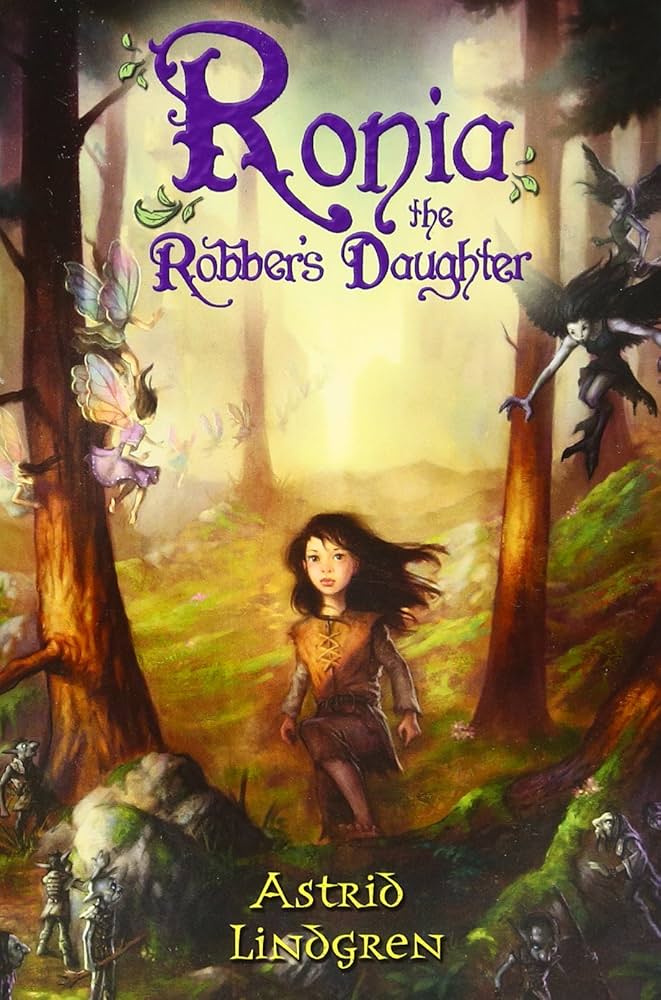
In the rich tapestry of children’s literature, few stories capture the wild spirit of youth and the delicate balance between freedom and belonging as vividly as Astrid Lindgren’s Ronia, the Robber’s Daughter.Set against the backdrop of deep forests and towering cliffs, Lindgren weaves a tale that is at once an adventurous romp and a thoughtful exploration of friendship, loyalty, and personal independence. This review delves into the ways ronia, the Robber’s Daughter invites readers to reflect on the courage it takes to forge one’s own path while nurturing meaningful connections-a theme that resonates far beyond its pages.
Unpacking the Theme of Freedom in Ronia the Robber’s Daughter and Its Impact on Young Readers’ Imagination

Astrid Lindgren masterfully crafts a world where freedom is not only a physical escape from societal constraints but also an emotional and spiritual journey. Ronia’s forest-a realm vast, wild, and untamed-becomes a symbol of boundless possibility, inviting young readers to envision a life beyond rules and boundaries. As Ronia navigates the challenges of growing up between her robber clan and the wilderness, children are inspired to question what it means to live freely. This theme resonates deeply,encouraging them to explore their own desires for independence,courage,and self-discovery within a framework of respect and harmony with nature.
The impact of such a vivid depiction of freedom extends beyond adventure, fostering imagination through:
Best-Selling Books in This Category


- Connection with nature: The forest acts as a playground for dreams and exploration, sparking creative minds.
- Empowerment through choice: Ronia’s decisions challenge customary roles, inspiring readers to reconsider norms.
- Friendship as liberation: The bond between Ronia and Birk reflects freedom in connection-breaking barriers rather than building new walls.
thes elements work together to create a nurturing space where young readers not only dream of adventures but also understand the profound beauty of choosing one’s path with empathy and courage.
| Aspect | Freedom’s Role | Imaginative Impact |
|---|---|---|
| Environment | Untamed Forest | Encourages exploration and wonder |
| Choices | Personal Autonomy | Empowers self-expression |
| Relationships | Breaking Boundaries | Models inclusive friendships |
The Role of Friendship and Loyalty in Shaping the Characters’ journeys Through the Enchanted Forest
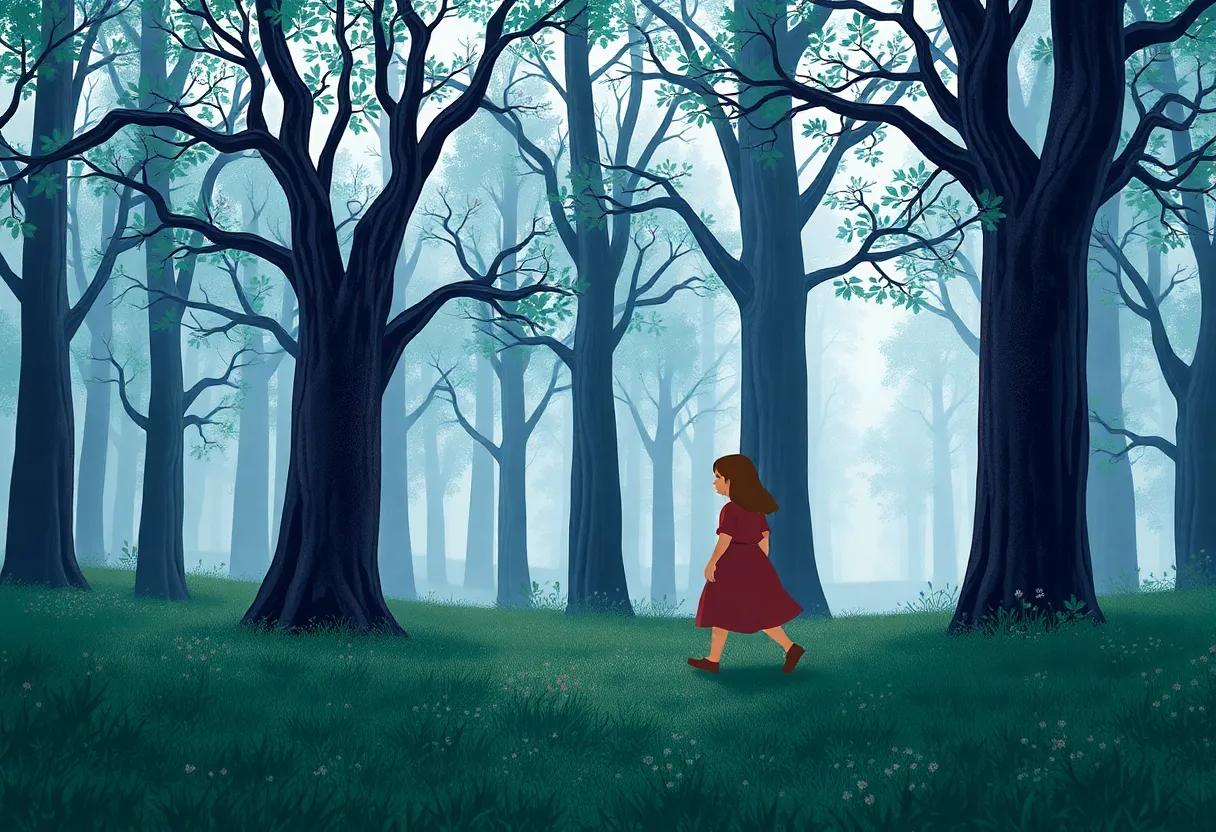
In the tangled depths of the enchanted forest, friendship becomes the compass guiding Ronia and Birk through their perilous adventures. Their bond, forged in the fires of rivalry between their families, transcends inherited animosities and illuminates the path toward understanding and unity. Each encounter with the forest’s magical creatures tests their trust and loyalty, revealing how these virtues serve as a shield against the unknown. Their companionship not only challenges societal expectations but also redefines their identities, proving that loyalty to one another can rewrite the stories told by their lineage.
- Trust as survival: Navigating dangers together,they learn to depend on shared strength.
- loyalty over legacy: Their friendship challenges family feuds and old resentments.
- Growth through support: The forest becomes a classroom for empathy and courage.
| Character | Key Loyalty Trait | Impact on Journey |
|---|---|---|
| Ronia | Defiant Protection | Leads to bridging family divides |
| Birk | Steadfast Trust | Enables mutual growth |
Beyond personal bonds, their friendship acts as a radical statement against the rigid confines of their worlds. Together, Ronia and Birk embody the transformative power of loyalty that challenges inherited conflicts and sparks new beginnings. The enchanted forest is as much a physical space as it is indeed a metaphorical landscape where loyalty shapes the moral fabric of their tale. Their journey highlights how friendship intertwines with freedom, inspiring readers to appreciate the complexities of relationships that empower rather than limit.
How Astrid Lindgren’s Vivid Descriptions Bring the Mystical Wilderness to Life and Enhance the Story’s Magic
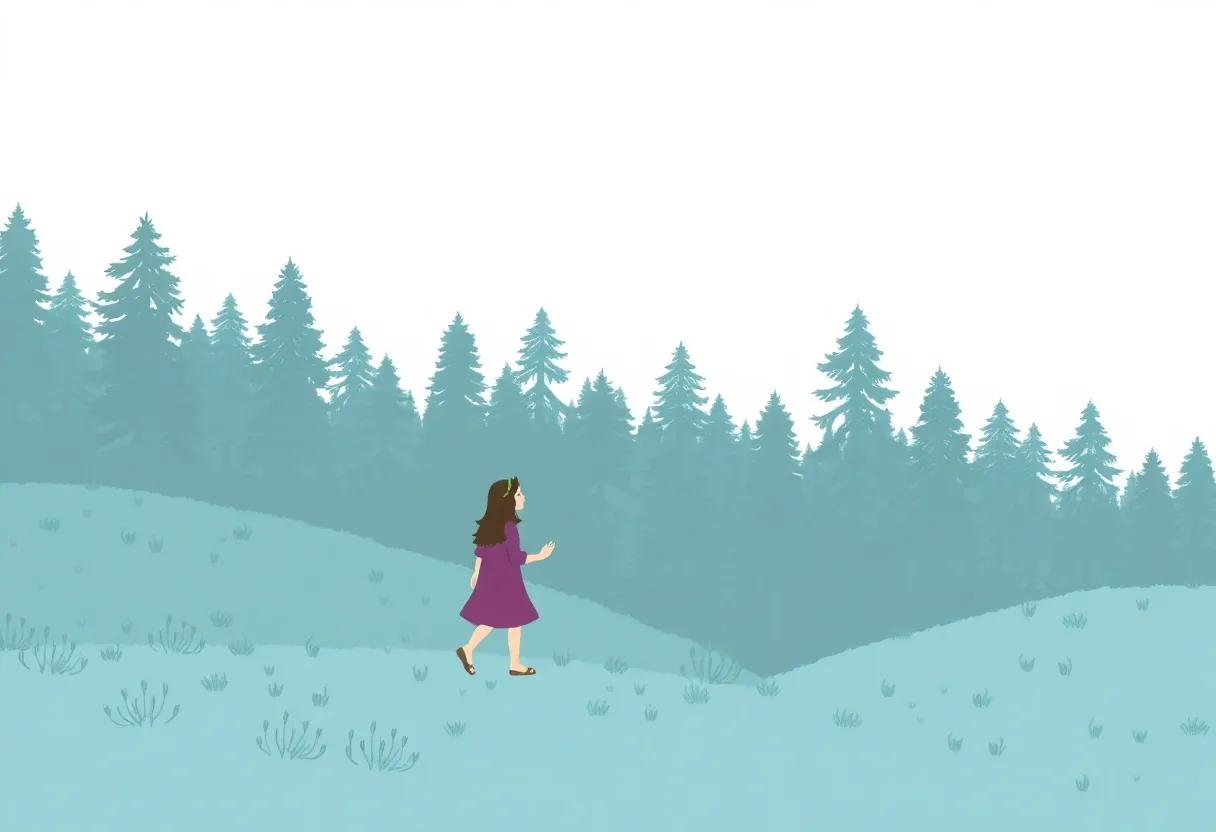
Astrid Lindgren’s masterful use of vivid and sensory-rich language transports readers straight into the heart of the untamed wilderness that surrounds Ronia’s world. The dense forests breathe with life through her descriptions-the whisper of leaves in the wind, the coarse textures of ancient tree bark, and the mysterious shadows cast by moonlight create an environment that feels alive and brimming with secrets. This tactile imagery not only paints a mystical backdrop but also mirrors the characters’ inner journeys,echoing the unpredictability and freedom they crave. Every element of the wild-from the sparkling streams to the rustling underbrush-works in harmony to amplify the story’s enchantment and pull readers deeper into the narrative’s magical pulse.
By embedding nature as a dynamic character itself,Lindgren invites readers to experience both the beauty and danger of the forest,reinforcing themes of growth and discovery. The wilderness becomes a stage where friendships are forged and tests of courage unfold,highlighted by moments such as:
- Ronia’s daring escapades through shadowed valleys
- The gentle companionship between child and animal
- The silent understanding shared beneath the ancient trees
This immersive storytelling approach evokes a timeless quality,making the magic of the forest and its freedom resonate long after the final page is turned.
| Element of Description | Effect on Storytelling |
|---|---|
| Tactile textures | Creates immersive, relatable environment |
| Natural sounds | Highlights tension and tranquility |
| light and shadow play | Enhances mystery and mood shifts |
The Symbolism Behind Ronia’s Adventures: Understanding Courage and Independence in Childhood
Ronia’s journey is much more than a childhood tale-it’s a vivid portrayal of the wild,unpolished essence of courage that every child carries within.As she navigates the dense forests and towering castles, her bravery shines not simply in fearless acts but in moments of quiet defiance and personal growth. The forests symbolize a vast world of unknown challenges, encouraging children to face their fears and embrace independence. ronia’s adventures reveal that courage is less about the absence of fear and more about the strength to pursue one’s own path despite it.
Moreover, the story delicately intertwines the theme of independence with the blossoming of genuine friendship. Ronia’s bond with Birk emerges as a symbol of trust and mutual respect, transcending clan rivalries and societal expectations. Their relationship teaches that true independence does not mean isolation – it includes recognizing the value of emotional connections. Key elements reflected in Ronia’s character include:
- Self-reliance: Learning to depend on one’s judgment and instincts.
- Empathy: Understanding others’ perspectives even amidst conflict.
- Rebellion: Challenging outdated rules to create new possibilities.
Analyzing the Complex relationship Between Ronia and Her Father as a Representation of Generational Values
At the heart of Ronia’s journey lies a nuanced depiction of the clash between tradition and individuality, embodied in her relationship with her father, Mattis. His stern yet protective demeanor reveals a deep-rooted belief in authority and legacy, reflecting the generational values that prioritize family honor and control. Yet, Ronia’s spirited independence challenges these norms, as she gravitates towards freedom and self-discovery rather than mere obedience. This tension showcases how generational divides frequently enough stem not from malice but from differing worldviews shaped by the evolving social landscape.
Their dynamic unfolds through several key themes:
- Protection vs. Autonomy: Mattis’s desire to shield Ronia contrasts with her craving for freedom.
- Legacy vs. Change: The father’s attachment to tradition opposes Ronia’s embrace of new ideas.
- Fear vs. Courage: Mattis’s cautious nature often clashes with Ronia’s bold spirit.
| Generational Value | Mattis’s Perspective | Ronia’s perspective |
|---|---|---|
| Family Loyalty | Central and unquestioned | Important but open to expansion |
| Rules and Boundaries | Strict enforcement | Meant to be challenged |
| Interaction with Outsiders | Distrustful and guarded | Welcoming and curious |
Exploring the narrative Structure That Balances Action,Emotion,and Moral Lessons Seamlessly
In Ronia,the Robber’s Daughter,Astrid Lindgren masterfully intertwines dynamic action sequences with deep emotional currents and thoughtful moral reflections. The story propels readers through wild forest chases, daring escapes, and tense confrontations, all of which keep the pace vibrant and engaging. Yet, these moments of adrenaline are artfully balanced by intimate scenes exploring Ronia’s inner world: her longing for belonging, her tender friendship with Birk, and the complex loyalties that challenge her. This ebb and flow in the narrative invites readers to feel the pulse of adventure while simultaneously contemplating the complexities of trust and identity.
What sets this narrative apart is how its lessons are woven naturally into the fabric of the story, never feeling forced or didactic. Themes such as freedom, loyalty, and the courage to defy inherited prejudices emerge subtly as the characters grow and learn.The moral compass is guided by the characters’ choices rather than direct exposition, encouraging readers to reflect on their own values.Consider the following key elements that synthesize the tale’s balance:
- Character-driven action: Conflicts arise from personal relationships as much as external threats.
- Emotional authenticity: Moments of joy and sorrow deepen character connections and reader empathy.
- Thematic resonance: Freedom and friendship serve as recurring motifs that anchor the story’s heart.
| Element | Purpose | Effect on Reader |
|---|---|---|
| Forest Setting | Symbolizes freedom and the unknown | Evokes adventure and curiosity |
| Ronia & Birk’s Friendship | challenges family rivalry | Encourages empathy and open-mindedness |
| Robber Clan Conflicts | Creates tension and stakes | Maintains suspense and engagement |
The Influence of Scandinavian Folklore on the Mythical Creatures and Setting of the Story
Astrid Lindgren’s enchanting narrative unfolds within a world deeply rooted in scandinavian folklore, where mythical creatures and natural elements intertwine to create a vivid backdrop. From the mysterious tomte guarding the forests to the elusive skurling lurking in shadowy groves, the story weaves traditional folklore into its fabric, enriching the themes of freedom and friendship. These creatures, often embodying nature’s whimsy and untamed spirit, serve not only as guardians of the wilderness but as symbolic bridges between humans and the natural world. Their presence hints at an ancient dialog-a reminder of the respect, fear, and harmony that defines human interaction with the environment.
The setting amplifies the essence of this mythic connection by drawing upon archetypal landscapes famed in Scandinavian tales.Towering cliffs,dense forests,and misty rivers form more than just scenic backdrops; they function as living,breathing characters within the story. Below is a brief overview of some key mythical influences that shape the story’s atmosphere:
| Creature | Characteristic | Role in Story |
|---|---|---|
| Tomte | Small, protective forest spirits | Guardians of Ronia’s domain, symbolizing trust with nature |
| Skurling | Shadowy, mischievous beings | Introduce mystery and tension, challenging the characters |
| Hallhart | Ghostly apparitions of past robbers | echoes of history, anchoring themes of legacy and family |
why Ronia the Robber’s Daughter Remains Relevant in Contemporary Discussions of Personal Freedom and Ethics
Ronia the Robber’s Daughter continues to resonate as it challenges conventional boundaries around personal freedom within tightly knit social structures. In a world frequently enough polarized by ideological extremes,Ronia’s journey illustrates that true freedom arises not from abandoning one’s roots but from redefining them. Her willingness to question her tribe’s legacy and forge her own ethical path speaks to contemporary readers navigating the tension between tradition and self-determination. This narrative encourages us to reflect on *how much* freedom is absolutely possible when bound by community expectations, and whether ethical integrity can be maintained without alienation.
Moreover, the ethical dilemmas portrayed in Ronia’s story offer timeless lessons about loyalty, justice, and empathy. Her relationship with Birk-a member of a rival clan-illustrates a delicate balance between personal allegiance and global morality. Their friendship defies social norms,suggesting that ethical choices often require courage to transcend inherited hostility. The following table outlines key ethical themes explored through Ronia’s experiences:
| Theme | Modern Relevance |
|---|---|
| Freedom vs. Duty | Balancing individual liberty with communal duties |
| Bridging Divides | crossing cultural and ideological boundaries through empathy |
| Ethical Courage | Standing up for justice despite social pressures |
- Explores the complexities of inherited moral codes
- Challenges the black-and-white views of good and evil
- Highlights the importance of personal integrity in community life
Creative Ways to Use Ronia’s Story in Educational Settings to Foster Empathy and Critical Thinking
Incorporate role-playing activities where students embody characters from Ronia, the Robber’s Daughter, navigating complex choices that challenge their values on loyalty and fairness. This immersive method encourages learners to step into others’ shoes, fostering a deep sense of empathy. To deepen understanding, have students debate the motivations driving Ronia and her friends, sparking critical inquiry into concepts of freedom and social rules. Use open-ended questions such as “what would you do if faced with Ronia’s dilemma?” or “How do fear and friendship influence decisions?” to elicit nuanced perspectives.
Thematic discussions can be enhanced with creative group projects. For instance, students might compose short modern-day stories inspired by Ronia’s spirit of rebellion and connection to nature, or create illustrated maps charting Ronia’s journey and relationships. Below is a simple framework to guide project ideas that balance creativity and critical thought:
| Activity | Objective | Skills Fostered |
|---|---|---|
| character Journals | Explore inner thoughts and empathy | Creative writing, perspective-taking |
| Debate Club | Analyze ethical dimensions of rebellion | Critical thinking, argumentation |
| Story Mapping | Visualize narrative and social connections | Interpretation, collaboration |
| Modern Adaptations | Connect themes to present-day issues | Creativity, critical reflection |
Recommendations for Readers Who Enjoy Adventure Tales Blending Fantasy with Deep Human Connections
Fans who are captivated by tales where magical landscapes intersect with the heartfelt intricacies of human relationships will find a rich tapestry in stories akin to Ronia, the Robber’s Daughter. These narratives thrive on a delicate balance between thrilling escapades and emotional depth,inviting readers to explore not just other worlds,but the profound bonds that define us. For those eager to embark on similar journeys, consider diving into works that weave fantastical quests with the tenderness of friendship, loyalty, and self-discovery. Embracing stories where characters grow not just through external challenges but through the connections they forge offers a truly immersive experience.
Below are some recommended books and series that capture this fusion beautifully:
- Erin Hunter’s Warriors series – A compelling blend of adventure and clan loyalty in a fantasy world of wild cats.
- Neil Gaiman’s Coraline – A dark fantasy that subtly unveils the strength found in courage and family ties.
- Shannon Hale’s Princess Academy – Where friendship and community shape a young girl’s destiny amid fantastical challenges.
- Garth Nix’s Old Kingdom series – A vivid world of magic entwined with personal sacrifice and the power of trust.
- Katherine Arden’s Winternight Trilogy – Folklore and fierce human connections merge in a hauntingly beautiful narrative.
| Title | Author | Key Element |
|---|---|---|
| Warriors | Erin Hunter | Clan loyalty |
| Coraline | Neil Gaiman | Dark fantasy |
| Princess Academy | Shannon hale | Friendship & community |
| old Kingdom | Garth Nix | Magic & sacrifice |
| Winternight Trilogy | Katherine Arden | Folklore & connection |
An Insightful Look into Astrid Lindgren’s Life and Literary legacy that Shaped Ronia the Robber’s Daughter
Astrid Lindgren’s life was as adventurous and profound as the tales she spun for generations.Born into the serene landscapes of sweden,Lindgren’s early experiences with nature,freedom,and a strong sense of independence deeply influenced her storytelling. Her childhood reverence for the forests and wild lands breathed life into Ronia, the Robber’s Daughter, a story where freedom is not just a setting but a powerful theme woven throughout every chapter. Lindgren’s determination to challenge societal norms-especially in children’s literature-created characters that defy convention, encouraging young readers to explore beyond boundaries and value authentic connections.
Beyond the enchanting forest and daring adventures, Lindgren’s narrative is a testament to the enduring strength of friendship and loyalty. The dynamic bond between Ronia and Birk serves as a mirror reflecting Lindgren’s belief in the essential human need for trust and solidarity. The novel’s underlying messages emphasize:
- Respect for Nature: Encouraging readers to cherish and protect the natural world.
- Individual Freedom: Advocating for self-discovery and personal courage.
- Breaking Barriers: Highlighting the power of friendship to unite opposing forces.
This combination of heartfelt themes and a vividly imagined world ensures her legacy endures, inspiring readers to embrace independence while honoring the ties that bind.
Ronia, the Robber’s Daughter invites readers into a world where the wild forest mirrors the untamed spirit of youth, and where freedom and friendship intertwine in ways both delicate and profound. Astrid Lindgren’s storytelling doesn’t simply entertain; it gently challenges us to consider the boundaries we navigate-between loyalty and independence, fear and courage. Whether you venture through the pages seeking adventure or a quiet reflection on human connection,Ronia’s journey remains a timeless companion,reminding us that the truest freedom often lies in the bonds we choose to forge.