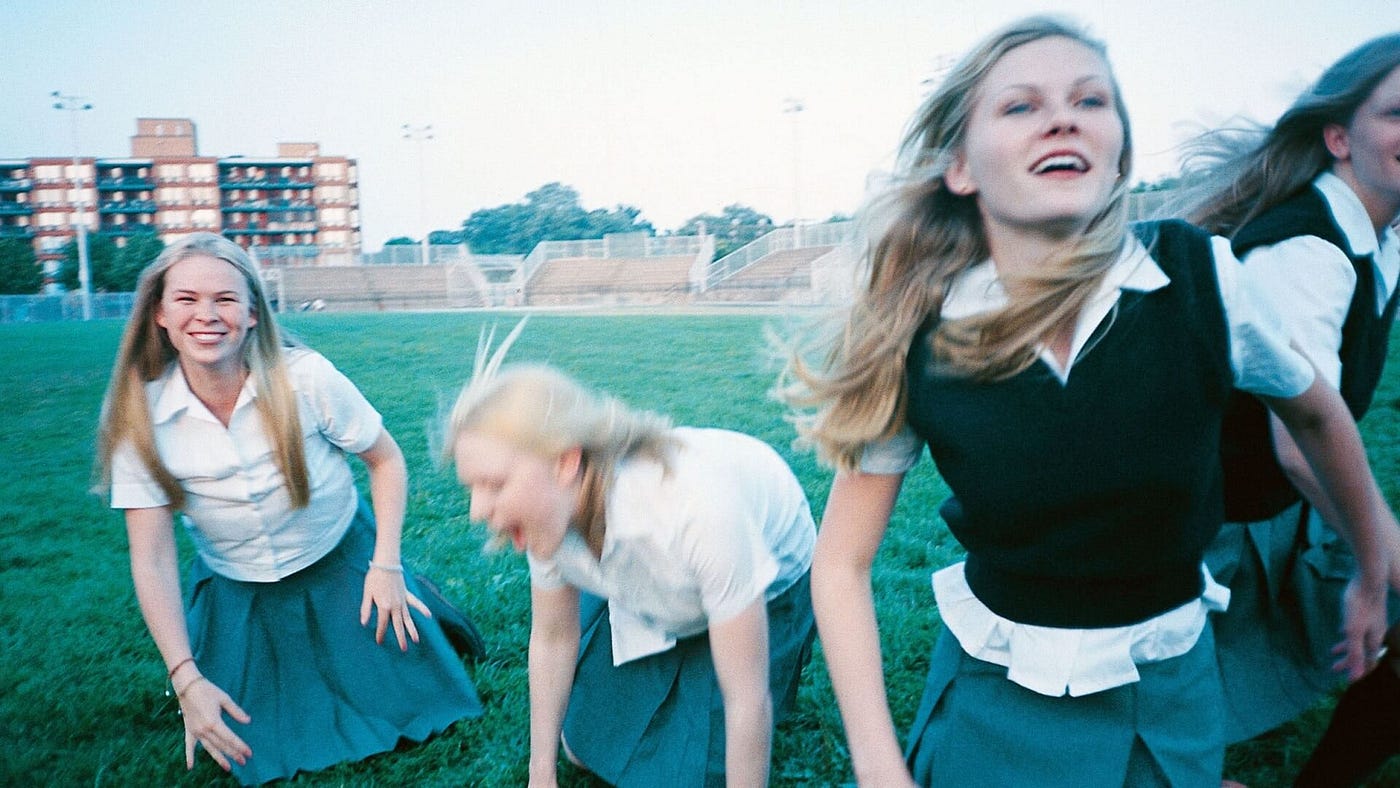
In the quiet shadows of a seemingly idyllic suburban neighborhood, hidden stories whisper beneath manicured lawns and white picket fences. Jeffrey Eugenides’ The Virgin Suicides peels back the polished facade of suburban life to reveal a haunting tapestry woven with mystery, melancholy, and the aching complexities of adolescence. Unraveling Suburbia’s Secrets: A Reflective Look at The Virgin Suicides invites readers to revisit this poignant narrative with fresh eyes, examining how the novel’s delicate balance of nostalgia and tragedy continues to resonate in our understanding of youth and loss. This review delves into the layers of eugenides’ work, exploring its themes, narrative style, and enduring impact on the literary landscape.
Exploring the Enigmatic Atmosphere and Haunting Tone that Define The Virgin Suicides’s Suburban Setting
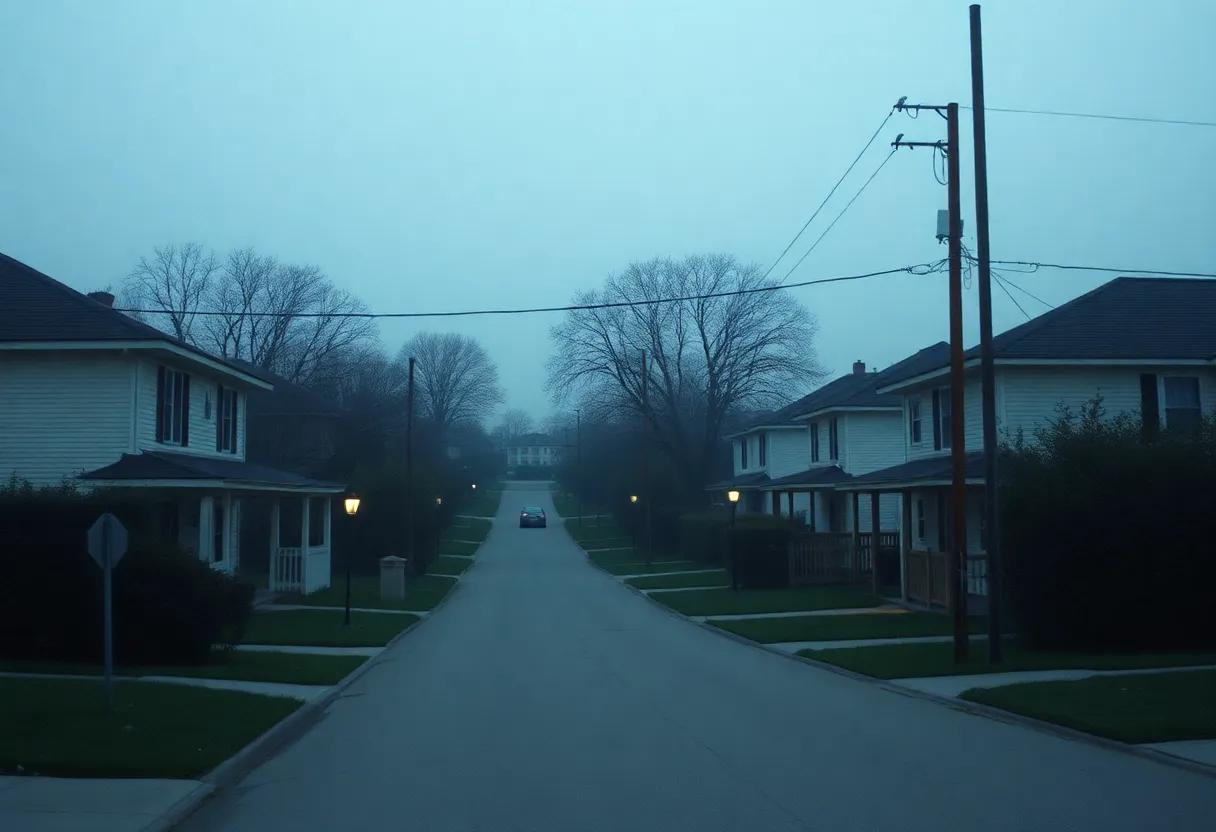
At the heart of this haunting narrative lies a suburban world painted with a palette of muted colors and a heavy fog of nostalgia.The neighborhood’s perfectly trimmed lawns and pastel-colored homes become more than mere background-they transform into silent witnesses to the creeping melancholy that envelops the story. there’s a palpable tension in the air, where the manicured façade contrasts sharply with the dark mysteries simmering beneath. the Virgin Suicides masterfully captures this duality, allowing the audience to feel both the warmth of youthful memory and the cold grip of inevitable loss. Every creaking floorboard, every shadowed hallway seems to echo with a story untold, blurring the line between reality and dreamlike reverie.
- Stillness as a character: The silence of the suburb embodies the unspoken grief.
- Light and shadow: Cinematic contrasts emphasize secrecy and isolation.
- Symbolic patios and windows: Boundaries between the visible and the hidden.
| Element | Atmospheric contribution | Emotional Effect |
|---|---|---|
| Dim streetlights | Create uncertainty | Heighten suspense |
| Seasonal transitions | Signal change and decay | Evokes nostalgia |
| Muted color schemes | Suggest suppressed emotions | Builds somber mood |
Within this suburban labyrinth, the tone is both melancholic and hypnotic. It is indeed as if time itself has slowed, folding memories over one another until they blur into a seamless echo chamber of longing and loss. the Virgin Suicides skillfully evokes a sense of distance, not only in space but in emotional accessibility.The omnipresent narration paints a bittersweet tableau, where innocence flirts with darkness, and the suburb’s charm is inseparable from an intangible sense of mourning. Such a setting invites reflection on the fragile boundaries between perception and reality, between the everyday and the extraordinary, ultimately defining this story’s enduring poignancy.
Best-Selling Books in This Category


- Ryan, Michael (Author)

- Used Book in Good Condition
Deconstructing the Complex Portrayal of Teenage Innocence and the Labyrinth of Adolescence in the Narrative

Within the intricate weave of suburban life, the narrative captures teenage innocence as a fragile, almost sacred thread caught in the relentless push and pull of adolescence. The girls, cloaked in an ethereal purity, are neither mere victims nor idealized icons; instead, they embody the paradox of youthful grace shadowed by burgeoning confusion and repression.Their world is painted in soft pastels tinted with underlying tension, where everyday moments become charged with symbolic weight – a faded photograph, a whispered secret, a paused breath.This delicate balance reveals how innocence is not simply lost but intricately folded into the maze of growing up, where each corridor holds both promise and peril.
The labyrinthine journey through adolescence is mirrored by the community’s gaze, simultaneously fascinated and fearful, constructing a mosaic of misunderstanding and myth.The narrative subtly maps the complex emotions swirling beneath the surface:
- Yearning for connection amidst isolation and misunderstanding
- Confronting boundaries imposed by family, society, and self
- Negotiating identity in spaces that fluctuate between safety and danger
| Aspect | Manifestation | Suburban Significance |
|---|---|---|
| Innocence | Glimmers in small rituals and memories | Fragile yet preserved by social expectations |
| Adolescence | Marked by confusion and silent rebellion | A rite influenced by conformity and hidden truths |
| Community | Watchful, judgmental, and myth-making | Creates a paradoxical cocoon and cage |
Through this prism, the narrative invites readers to reflect on how adolescent innocence and the confusing transitions of youth extend beyond the individual, shaped and distorted by the collective suburban psyche – a place where secrets fester beneath manicured lawns, and the path to adulthood is anything but straightforward.
Analyzing the Symbolism of Light, darkness, and Seasonal Change as Pillars of the Story’s emotional Depth
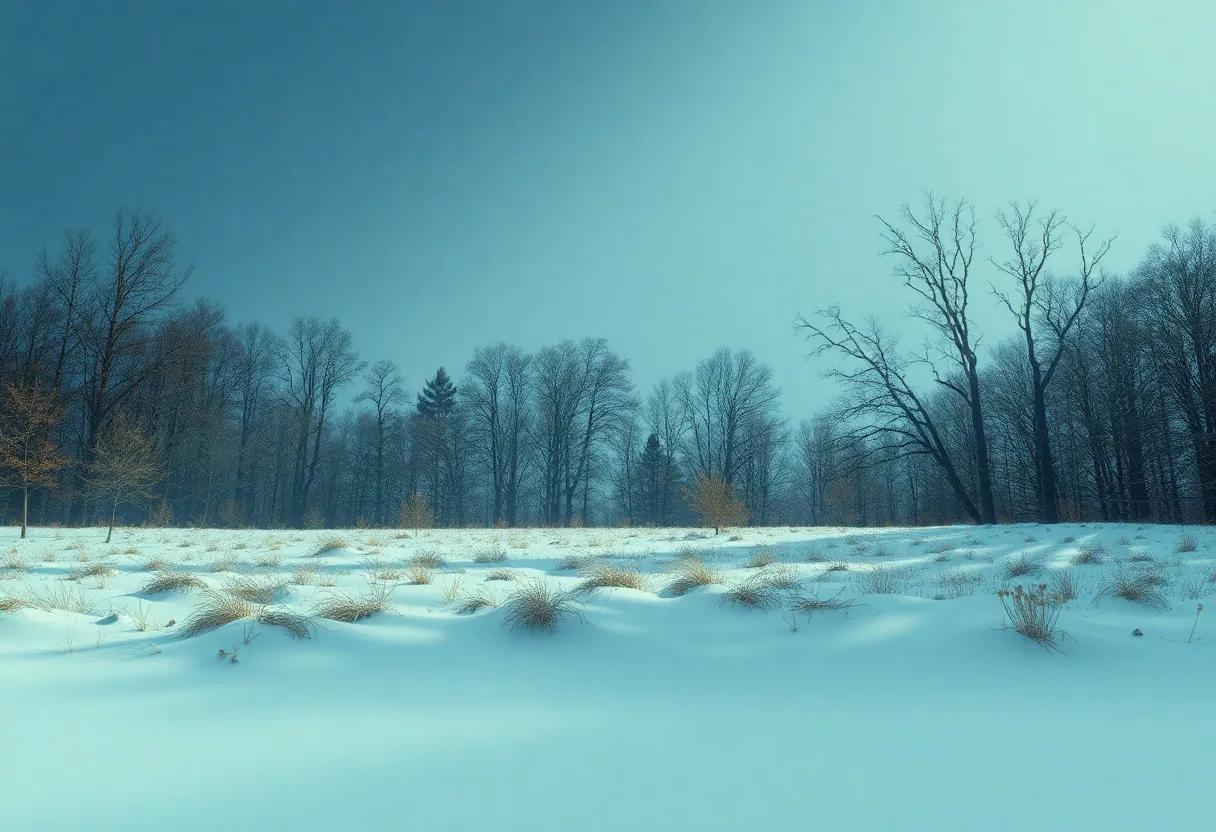
In The Virgin Suicides, light and darkness function not merely as visual elements but as profound metaphors interwoven within the narrative’s emotional fabric. Light often symbolizes fleeting moments of innocence and hope, flickering through the suburban monotony like a fragile glow of youth yearning to break free. Conversely, darkness envelops the story’s core, representing both literal nightfall and the encroaching shadows of repression and despair that consume the Lisbon sisters. This interplay shapes an atmosphere heavy with tension, where the boundary between illumination and obscurity blurs, echoing the characters’ inner turmoil and the community’s collective blindness to their silent suffering.
The motif of seasonal change further deepens this emotional landscape, mirroring the inevitable cycles of life, death, and renewal. Each season is laden with symbolism: spring’s promise tainted by tragic undercurrents, summer’s heat intensifying the girls’ volatile existence, autumn casting the melancholy of decay, and winter blanketing the neighborhood in cold desolation. These shifts are not merely backdrop but active participants in the story’s emotional rhythm, as reflected in the following overview:
| Season | Symbolism | Emotional Resonance |
|---|---|---|
| Spring | Renewal & Fragility | Hope tinged with vulnerability |
| Summer | Passion & Confinement | Intense desire yet suffocating limitations |
| autumn | Decay & Transition | Melancholy and inevitability |
| Winter | Death & Silence | Finality and emotional numbness |
- Light captures moments of truth and vulnerability, often rare and transient.
- Darkness symbolizes both the unknown and the characters’ internal battles.
- Seasonal shifts underscore the passage of time and the cyclical nature of grief and memory.
The role of Unreliable Narration in Shaping Reader Perception and Enhancing The Virgin Suicides’s Mystery
In The Virgin Suicides, unreliable narration acts as a clever device that blurs the lines between truth and perception, pulling readers deep into a labyrinth of suburban secrets. The story unfolds through the collective voice of neighborhood boys whose memories are tainted by infatuation, conjecture, and youthful idealization. Their viewpoint is fragmented and clouded by nostalgia, which not only amplifies the enigma surrounding the lisbon sisters but also challenges readers to question the authenticity of every detail presented. This subtle distortion of reality enhances the novel’s haunting atmosphere, turning straightforward events into enigmatic puzzles that resist definitive interpretation.
The use of an unreliable narrator invites readers to engage actively with the text, as they sift through layers of emotion and bias to piece together the narrative’s true core. Several narrative elements emphasize this role:
- Selective Memory: Events are recalled with gaps and inconsistencies that mirror the boys’ subjective experiences.
- Idealization: The Lisbon sisters are elevated to almost mythical status, clouding the factual with romanticized impressions.
- Fragmented Perspective: Pieces of details arrive disjointedly,compelling readers to reconstruct the timeline and motives.
| Aspect | Effect on Reader |
|---|---|
| Inconsistent details | Creates suspicion, promotes deeper analysis |
| Emotional coloring | Evokes empathy and mystery |
| Limited viewpoint | Heightens sense of intrigue and subjectivity |
Examining Family Dynamics and the Impact of Parental Control on the Lisbon sisters’ Tragic Fates
Within the quiet streets of suburban Lisbon, the sisters’ lives unfold under a suffocating veil of parental oversight. Their father’s strict enforcement of rules and their mother’s anxious vigilance transform the family home into a gilded cage, isolating the girls from the world beyond. This relentless control, tho born out of fear and protection, fractures the sisters’ sense of autonomy, planting seeds of rebellion and despair. In a chilling dance, conformity becomes both their refuge and their prison, where moments of freedom are fleeting and heavily policed.
The layers of tension within the household manifest in subtle yet powerful ways:
- The Lisbon parents’ refusal to acknowledge their daughters’ emotional needs
- Ironclad curfews and strict rules that suppress natural adolescent exploration
- Social isolation enforced by controlling their interactions with peers and community
- The unspoken pressure to uphold appearances even at the cost of internal turmoil
| Parental Control Tactic | Effect on the Sisters |
|---|---|
| Strict curfews | Limited socialization,increased secrecy |
| Monitored Communication | Restricted emotional expression |
| Limiting Outside Interaction | Heightened feelings of isolation |
| Enforcement of Appearances | Pressure to conform masking inner struggles |
As the sisters grapple with the constraints imposed upon them,their tragic trajectory becomes a somber meditation on the consequences of domineering parenting. The Lisbon family dynamic,steeped deeply in control and misunderstanding,offers a poignant commentary on how denial of young voices and the repression of natural growth can lead to irreversible heartbreak. Their story is a haunting reminder that parental love, when distorted by fear, can inadvertently sow the seeds of tragedy.
Reflecting on the Themes of Isolation and Longing That Pervade the Suburban Landscape and Characters’ Minds
Within the seemingly serene suburban streets, a heavy fog of isolation and longing silently weaves through the lives of the characters, blurring the edges of their desires and fears. The conformity and order of the neighborhood mask turbulent inner worlds where silent cries echo beneath manicured lawns and white picket fences. This tension between outward normalcy and inward turmoil becomes a haunting motif, illustrating how physical proximity does not guarantee emotional connection.The characters embody this paradox – their yearning for intimacy is continually thwarted by invisible barriers,creating a landscape both familiar and eerily alien.
The narrative subtly unpacks these emotional landscapes through poignant moments and symbolic details, inviting readers to consider how the suburban environment shapes the characters’ psyches. Some key elements reflecting this dynamic include:
- Constricted spaces: the homes and streets act almost as cages, containing youthful curiosity and suppressed rebellion.
- Silent observation: Characters frequently enough watch others from a distance, revealing both interest and detachment.
- Yearning for escape: An acute awareness of limitations fuels a powerful desire to break free, while also entangling characters in nostalgia and melancholy.
| Theme | Suburban Element | Character Impact |
|---|---|---|
| Isolation | Silent streets | Emotional distancing |
| Longing | Locked doors | Yearning for connection |
| Confinement | Fenced yards | Stifled freedom |
How cinematic Adaptations influence the Reader’s Experience and Bring New Dimensions to the Original Text
The transition from page to screen offers a unique lens through which readers can reimagine a story they thought they knew intimately. Cinematic adaptations do more than just visualize – they infuse the narrative with sensory textures that text alone can only hint at. For instance, in The virgin Suicides, Sofia Coppola’s ethereal direction turns the suburban ennui and tragic innocence into a haunting visual poem. The muted pastel color palettes, dreamlike cinematography, and carefully curated soundtrack evoke a deep sense of nostalgia and loss that resonates differently than the original prose. Its this layering of audio-visual elements that invites readers to experience the story with a new emotional palette, frequently enough unveiling subtle nuances and unspoken tensions left in the margins of the novel.
- Enhanced Atmosphere: Film breathes mood and tone into quiet settings, making the familiar feel eerily unfamiliar.
- Character Depth: Actors’ nuanced performances can reveal motivations and complexities beneath the text.
- Temporal Fluidity: Nonlinear editing techniques allow a reordering of events that recasts narrative meaning.
Furthermore, these adaptations foster a dynamic dialog between reader and viewer, encouraging reinterpretation and personal reflection. The novel’s ambiguous voices transform into haunting visual memories, creating a dual experience that enriches understanding. The interplay between word and image can even be mapped out, as the table below demonstrates, highlighting key experiential shifts from page to screen.
| Aspect | Original Text | Cinematic Adaptation |
|---|---|---|
| Medium | Internal monologues, layered narration | Visual symbolism, music, actor expressions |
| Emotional Impact | Subtle psychological undertones | Immediate sensory engagement |
| Storytelling Approach | Fragmented, reflective recollections | Fluid, dreamlike sequences |
The Intersection of Nostalgia and Tragedy Creating a Timeless Exploration of Youth within The Virgin Suicides
The Virgin Suicides delicately weaves a tapestry of youthful innocence caught in the crosshairs of suburban melancholy. The film’s portrayal of adolescence is not merely about coming-of-age but about the haunting aftermath of loss that colors every memory with shades of longing. Through the ethereal lens of nostalgia, the story recalls a time when the world felt limitless, yet the underlying tragedy casts a long shadow, exposing the fragility that frequently enough accompanies growing up. This bittersweet interplay invites viewers to reflect on the paradox of youth-where beauty and sorrow coexist, and innocence is both cherished and irretrievably lost.
Within this nuanced narrative, characters exist in a suspended reality-caught between past and present, life and death, hope and despair. The suburban setting itself becomes a character, emblematic of the claustrophobia and quiet secrets lurking behind manicured lawns and picket fences. The film’s use of dreamy cinematography paired with poignant storytelling opens a space to explore:
- The idealization of adolescence as a fleeting paradise
- the impact of collective mourning on a community’s psyche
- The tension between innocence and experience that defines the threshold of adulthood
Together, these elements create a timeless reflection on youth that transcends its 1970s backdrop-capturing global emotions that resonate across generations.
| Theme | Portrayal in Film |
|---|---|
| Nostalgia | Dream-like narration and soft-focused visuals |
| Tragedy | Inevitable loss shaping memories |
| Youth | Innocence intertwined with curiosity and fear |
Recommendations for Readers Interested in Psychological Drama and Thought-provoking Character Studies
For those drawn to the delicate interplay of psyche and circumstance, films and books that dissect the intricacies of human emotion and societal pressures offer a profound experience. Works that evoke a sense of lingering melancholy while peeling back layers of seemingly ordinary lives invite readers and viewers to question the boundaries between perception and reality. The Virgin Suicides excels in this, presenting characters who are both enigmatic and painfully relatable, making it a must-explore for enthusiasts who crave stories that prioritize depth of character and subtle emotional resonance over plot-driven action.
To further immerse yourself in this genre, consider exploring narratives characterized by:
- Ambiguous moral landscapes and internal conflict
- Slow-building tension centered around everyday life
- Rich, symbolic imagery complementing character progress
- Nuances of psychological isolation and interpersonal dynamics
| Recommended Titles | Medium | Core Theme |
|---|---|---|
| we need to Talk About Kevin | Book & Film | Mother-Son Complexity |
| revolutionary Road | Book & Film | Suburban Malaise |
| Manchester by the Sea | film | Grief & Redemption |
| never Let Me go | Book & Film | Memory & Identity |
Insight into the Author’s Life and Inspirations Behind Crafting the Haunting World of The Virgin Suicides
Jeffrey Eugenides drew heavily from his own suburban upbringing in Detroit when creating the haunting atmosphere of The Virgin Suicides. His memories of neighborhood dynamics-where silence and secrecy frequently enough masked turbulent undercurrents-infuse the novel with a palpable tension.The author’s fascination with how seemingly perfect families can harbor unspoken despair is reflected in the Lisbon household,where the daughters’ isolation mirrors the broader societal tendency to overlook deep emotional scars. This nuanced portrayal stems from Eugenides’ keen observation of suburban life as both a sanctuary and a prison,a duality that remains central to the book’s enduring impact.
Influences behind the novel span beyond personal experience, incorporating cultural and literary inspirations that shaped eugenides’ creative vision. he has cited:
- 1960s Americana – capturing the era’s rigid social norms and gender expectations
- Psychological studies – exploring the complexity of adolescence and family dynamics
- Folklore and myth – weaving a modern-day tragedy with timeless themes of loss and longing
Through this layered approach, Eugenides invites readers to look beyond surface-level perceptions of suburban tranquility and uncover the deeper, frequently enough unsettling truths. His craft lies in balancing the ethereal with the real, creating a world where every whisper and shadow tells a story.
In closing, The Virgin Suicides invites readers into a world where the quiet veneer of suburbia conceals complex, often unsettling truths. Through its reflective narrative and haunting atmosphere, the novel challenges us to reconsider the stories lurking beneath ordinary façades. Whether approached as a poignant coming-of-age tale or a subtle critique of societal expectations, this work remains a compelling exploration of memory, loss, and the elusive nature of understanding. It leaves us not with clear answers, but with lingering questions-an invitation to look deeper into the shadows of our own neighborhoods and histories.