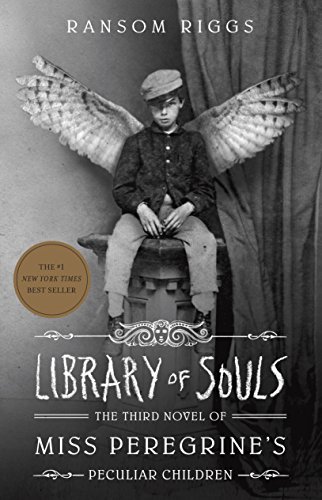
In the dim corridors of fantasy literature, where peculiar wonders and haunting secrets intertwine, Ransom Riggs’ Library of Souls stands as a compelling chapter that both challenges and enchants its readers. As the third installment in the Miss peregrine’s Peculiar Children series, this novel delves deeper into the enigmatic world riggs has painstakingly crafted-a realm where peculiarities are not just quirks but keys to survival, identity, and power. Unlocking Shadows: Exploring the Depths of Ransom Riggs’ Library of Souls invites readers to journey beyond the surface of the story, shedding light on the intricate narrative threads and thematic depths that underpin this richly imagined tale. Through this exploration, the review seeks to unravel the layers of Riggs’ creation, examining how the novel expands the peculiar universe while grappling with the shadows that lurk within and beyond its pages.
The Enigmatic Atmosphere of Library of Souls and Its Role in Enhancing the Reader’s Experience
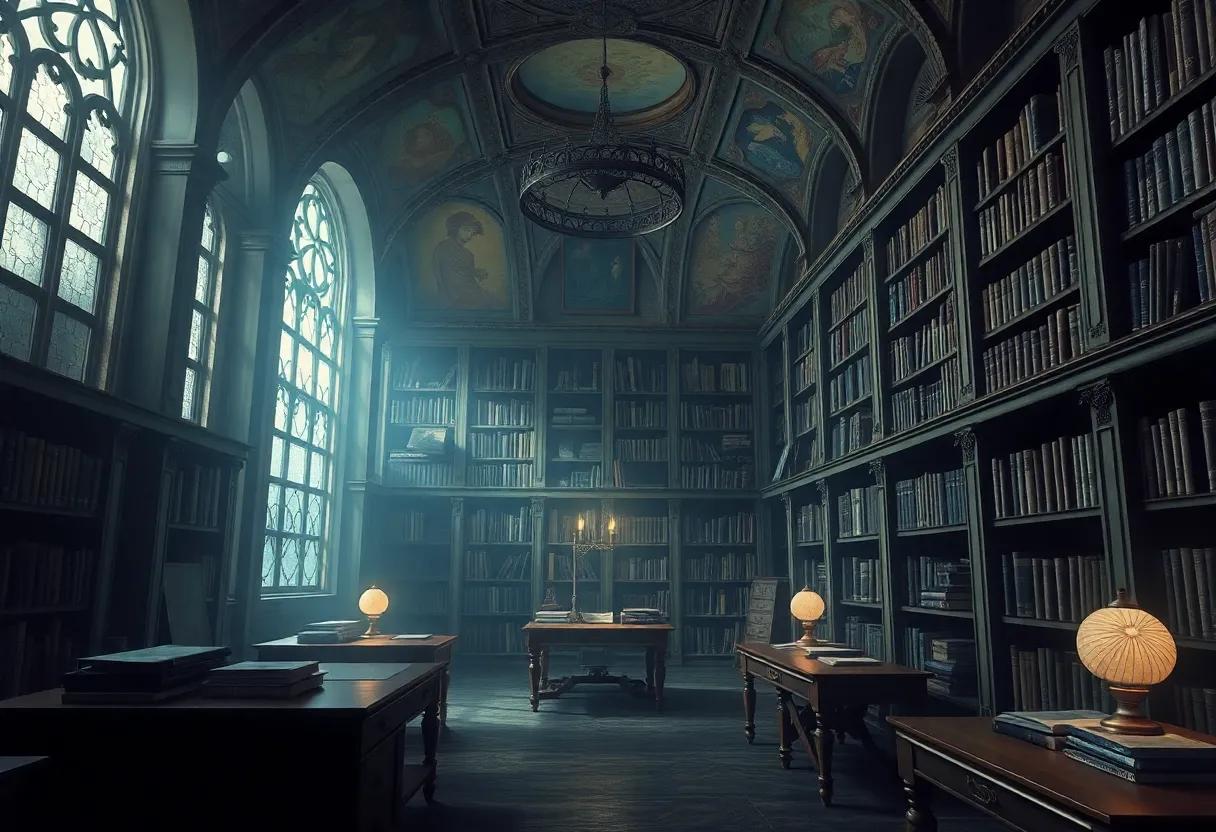
The palpable tension permeating the world of Library of Souls serves as more than mere backdrop; it transforms the narrative into a living, breathing entity that envelops the reader. Through Riggs’ masterful use of shadow-laden settings, eerie silent corridors, and cryptic relics, the atmosphere becomes a conduit for the story’s emotional weight. Darkness and mystery weave together, crafting a space where every flicker of light promises both discovery and danger, pulling readers deeper into the unsettling yet mesmerizing realm. This deliberate crafting of space heightens suspense and engages the senses, making the uncanny tangible and the unknown thrillingly close.*
- Visual contrasts: The interplay of dimly lit rooms against sudden bursts of light accentuates unpredictability.
- Soundscapes: Silent whispers and distant echoes prompt imagination to fill in unseen horrors.
- Textural elements: Descriptions of worn pages, cold metal, and brittle bones evoke a tactile eeriness.
Such an immersive atmosphere does more than set mood; it subtly mirrors the internal struggles of the protagonists, aligning reader emotions with character arcs. This synergistic affect enriches narrative depth,allowing readers not only to observe but to feel the story’s enigmatic pulse. To illustrate the layers of atmosphere Riggs employs, consider the following succinct breakdown:
Best-Selling Books in This Category


| Atmospheric Element | Purpose | Emotional Impact |
|---|---|---|
| Fog & Mist | Obscuring truths | Curiosity + Unease |
| Ancient Artifacts | Linking past & present | Nostalgia + Intrigue |
| Shadowy figures | Symbolizing fears | Fear + Suspense |
Ultimately, the atmosphere acts as an invisible character-simultaneously comforting and threatening-that immerses readers in the shadowed depths of Riggs’ universe, enhancing every twist and turning page with emotional resonance and unsettling beauty.
Character Development and Emotional Depth That Drive the Story forward in Library of Souls

Ransom Riggs crafts a tapestry of intricate personalities in Library of Souls, where each character embodies more than just a role in the plot-they represent the complex interplay of fear, courage, and redemption. The evolving relationships, especially between Jacob Portman and his peculiar companions, reveal layers of vulnerability and resilience. This emotional depth invites readers to empathize with their struggles, making their quests feel personal. Riggs masterfully balances moments of quiet introspection with high-stakes drama, pushing characters to confront not only external threats but their own inner demons, thus driving the narrative forward with a compelling mix of tension and growth.
Emotional resonance is further amplified through subtle character arcs that ripple through the storyline. For example, the conversion of lesser-known figures into pivotal players adds richness and unpredictability. Here’s a glimpse into how these dynamics unfold:
- Jacob’s Emerging Leadership: From uncertain adolescent to determined protector.
- Emma’s Inner Conflict: Balancing loyalty with personal sacrifice.
- New Peculiar Allies: Each brings unique backstories fueling the collective purpose.
| Character | Key Emotional Challenge | Impact on Plot |
|---|---|---|
| Jacob Portman | Identity and duty | Drives mission focus and decisions |
| Emma Bloom | Loyalty vs.freedom | Creates tension and growth |
| Newborn Peculiar | Trust and acceptance | Expands team dynamics |
Exploring the Complex Themes of Loss, Identity, and Courage Within Ransom Riggs’ Narrative

Ransom Riggs weaves a tapestry of profound emotions where loss is not simply an event but a lingering shadow shaping his characters’ destinies. At every turn, grief acts as both a weight and a catalyst – pushing individuals to confront the ghosts of their pasts while yearning for connection and belonging. The delicate interplay between what is lost and what is retained creates an enduring tension,revealing that loss can simultaneously devastate and illuminate one’s path toward self-discovery.
Alongside loss, identity emerges as a fluid, often elusive construct. Riggs challenges readers to consider how identity is shaped not only by heritage and memories but also through acts of courage – both quiet and bold. Courage here is not mere bravado but an intimate resolve,demonstrated through choices that realign one’s sense of self amid chaos.This dynamic is underscored by key themes throughout the narrative:
- The fight to preserve individuality in a world demanding conformity.
- Reclaiming hidden histories as a foundation for belonging.
- Facing fear and uncertainty with unwavering determination.
| Theme | Portrayal | impact on Characters |
|---|---|---|
| Loss | Emotional scars and quests for closure | Motivates growth and resilience |
| Identity | Heritage, memory, and transformation | Shapes self-understanding and choices |
| Courage | Defiance against internal and external adversity | Drives pivotal moments of liberation |
How the Unique Blend of Vintage Photographs Shapes the storytelling and Visual Appeal
Ransom Riggs masterfully weaves vintage photographs into library of Souls, creating a visual narrative that transcends conventional storytelling. these arresting images serve not only as eerie embellishments but as integral pieces of the puzzle, inviting readers to dive deeper into the mysteries that underpin the story. The aged textures and haunting expressions captured in the photos breathe life into the characters’ backstories and enhance the atmospheric tension, making the narrative intensely immersive. Each picture functions almost like a portal, linking past and present, reality and fantasy, drawing readers into an intimate dialog with the unknown.
The unique nature of this collage-like narrative technique also transforms the book into a tactile experience where images and text coexist in a delicate balance. The photographs, often unsettling yet captivating, break up the text and guide readers’ imaginations, making abstract concepts visually palpable.To illustrate the interplay between storytelling elements, consider this simple breakdown:
| Story element | Photograph Role | Effect on Reader |
|---|---|---|
| Character Development | Visualizing personalities | Deepens empathy and curiosity |
| Plot Progression | symbolic clues | Enhances mystery and anticipation |
| atmosphere | sets tone and mood | Immerses and unsettles |
- Emotion: Photographs inject nuanced emotional layers.
- Continuity: seamlessly bridges narrative chapters.
- Engagement: Invokes active reader interpretation.
This fusion of vintage imagery and text not only defines the book’s aesthetic but also enriches its storytelling fabric,compelling readers to piece together the enigma bit by bit,like assembling fragments of a forgotten memory.
Pacing and Plot Twists That Keep Readers Engaged Through the Intricacies of Library of Souls
Ransom Riggs masterfully balances a rhythm in Library of Souls that keeps readers perpetually on the edge of their seats. The narrative flows with a deliberate variability,oscillating between moments of intense action and quieter,character-driven scenes that deepen emotional investment. This careful modulation allows readers to catch their breath while still feeling the underlying tension of the story’s escalating stakes. The pacing is never rushed, yet never stagnant; every chapter feels purposeful, driving the plot forward through layers of mystery and revelation. Through this, Riggs cultivates an immersive experience where the complications of the story feel authentic rather than overwhelming.
plot twists are not mere shocks but rather organic evolutions that reshape the protagonist’s journey in unexpected ways. key revelations are seeded early, only to bloom when least anticipated, ensuring the suspense sustains itself without losing credibility. Consider the table below, wich outlines the impact and timing of pivotal twists throughout the novel:
| Plot Twist | Chapter | Effect on Story |
|---|---|---|
| Discovery of New Curses | 5 | Expands supernatural lore |
| Betrayal by a Confidant | 11 | raises emotional stakes |
| Unveiling of Hidden Library Sections | 16 | Reveals crucial clues |
| Unexpected Alliance | 22 | Shifts power dynamics |
This intricate pacing combined with well-placed twists not only sustains engagement but also invites readers to actively piece together the tangled threads of the plot, enhancing the depth and satisfaction of the reading experience.
The Symbolism of Shadows and Hidden Memories as a Reflection of the Characters’ Inner Struggles
In library of Souls,shadows extend far beyond mere absence of light; they become tangible manifestations of the characters’ hidden fears,regrets,and unresolved conflicts. Riggs uses the interplay of darkness and memory as a metaphorical canvas, illustrating how the past clings to the psyche, shaping actions and decisions in subtle yet profound ways. The shadows often serve as a visual reminder that what is unseen-forgotten memories, suppressed emotions-holds equal weight to what is presented. This duality challenges the characters, forcing them to navigate both the visible world and the labyrinth of their inner selves simultaneously, reflecting a tension between external survival and internal reconciliation.
- Memory as a double-edged sword: A source of power and vulnerability,memories embedded in shadows protect and haunt.
- Hidden struggles: Shadows symbolize the personal battles each character fights in silence, away from the spotlight.
- Identity fractured: As characters confront shadows of their past,their fragmented sense of self begins to coalesce.
The narrative’s intricate layering is further enriched by a subtle visual and thematic structure, as shown in the following breakdown:
| Element | Symbolism | Character Impact |
|---|---|---|
| Shadows | Unseen fears and suppressed memories | Triggers growth through introspection |
| Hidden Memories | Lost fragments of identity and truth | Compels characters to redefine themselves |
| Darkness | Unknown challenges and internal chaos | Forces confrontation and acceptance |
Comparing Library of Souls to its Predecessors in the Miss Peregrine Series for New and returning Fans
Ransom Riggs’ Library of Souls marks a pivotal turn in the Miss Peregrine series, delivering a richer, darker narrative that both new readers and die-hard fans will appreciate. Unlike its predecessors, which predominantly focus on the enchanting isolated world of the peculiars, this installment expands the scope into broader, more perilous territories. Returning fans will find familiar faces grappling with unprecedented stakes,while newcomers are gently ushered into a universe where shadows hold more secrets than light. The book’s layered storytelling balances mystery and action,allowing readers to experience the evolution of characters through challenges that test their loyalties and the vrey fabric of their world.
Highlights that distinguish this sequel include:
- Deeper character development: Personal histories and motivations become more intricate, adding emotional weight.
- A darker, more mature tone: Themes explore loss, sacrifice, and identity with a nuanced sophistication.
- Expansive worldbuilding: New locales introduce fresh peculiar abilities and cultures, enriching the mythos.
- Increased suspense and urgency: The stakes escalate, drawing readers into high-stakes scenarios rarely seen before in the series.
| Feature | Early Books | Library of Souls |
|---|---|---|
| Tone | Whimsical, mysterious | Darker, intense |
| World Scope | Isolated peculiar enclaves | Global, diverse environments |
| Character focus | Introduction and discovery | Complex growth and conflict |
| Plot Pace | Steady, exploratory | Fast, suspense-driven |
recommendations for Readers Who Enjoy Dark Fantasy Interwoven with Historical Elements and Mystery
For aficionados captivated by the eerie blend of shadowed fantasy and the haunting whispers of history, several works weave mystery into the fabric of their tales as masterfully as Library of Souls. These narratives plunge readers into worlds where dark secrets lurk beneath crumbling architectures and forgotten bloodlines, inviting explorers to decipher cryptic symbols and unravel ancestral enigmas.Dive into universes dripping with atmosphere – where the past’s spectral presence shapes the sinister present, and every answer births deeper questions.
Here are some compelling reads to kindle your fascination:
- The Witch’s Heart by Genevieve Gornichec – A mythic retelling that entwines Norse legend with haunting truths.
- Serpent & Dove by Shelby Mahurin - Where forbidden magic clashes against a history of sectarian animosity.
- The Shadow of the Wind by Carlos Ruiz Zafón – A labyrinthine mystery set amidst the twisted streets of post-war Barcelona.
- The Golem and the jinni by Helene Wecker - Colliding Middle Eastern and Jewish folklore in a richly textured historical cityscape.
| Title | Historical Era | Mystery Element |
|---|---|---|
| The Bone Season | Early 21st century, Alternate Future | Supernatural Espionage |
| Jonathan Strange & mr Norrell | 19th Century England | Forbidden Magic and Political Intrigue |
| Caraval | Timeless, Fantasy-Realm | Secrets Within a Magical Game |
The Role of Secondary Characters and Their Impact on the Protagonist’s journey and Growth
Secondary characters in Library of Souls serve as more than mere companions or foils; they are pivotal catalysts propelling Jacob’s transformation from a hesitant youth into a determined hero. Each secondary character embodies unique traits that both challenge and complement Jacob’s worldview, creating a rich tapestry of influence. For instance, Emma’s stoic bravery constantly tests Jacob’s resolve, pushing him beyond his comfort zone, while millard’s wit and resilience inject moments of levity amid darkness, reminding Jacob of the power of hope even in despair. These interactions form a dynamic interplay where growth emerges organically, not in isolation.
By navigating the intricate relationships with his allies and adversaries, Jacob’s journey reflects a profound emotional evolution. The impact of these characters can be distilled into key behavioral shifts, as summarized below:
| Character | trait | Impact on Jacob |
|---|---|---|
| Emma Bloom | Courageous & Protective | Fuels Jacob’s determination and sense of responsibility |
| Millard Nullings | Clever & Humorous | Offers emotional grounding and comic relief |
| Hugh Apiston | Loyal & Brave | Instills the value of unwavering friendship |
Ultimately, the secondary characters act as mirrors and mentors, reflecting facets of Jacob’s own strengths and insecurities. Their diverse qualities and challenges expose him to lessons of trust, sacrifice, and courage-essentials on his path toward self-discovery. without their presence, Jacob’s heroism would feel isolated; rather, their collective influence enriches his narrative, making his evolution resonate deeply with readers.
How Ransom Riggs Balances Mythical Elements with Realistic Emotions and Settings to Create Immersive Worlds
Ransom Riggs masterfully intertwines the fantastical and the tangible, crafting a narrative where mythical creatures and eerie folklore exist not as distant fantasies, but as visceral realities deeply rooted in human experience. His approach is subtle yet profound: the supernatural elements are never merely decorative but serve as metaphors for inner struggles, childhood trauma, and the complexities of identity. This delicate balance allows readers to engage with the story on multiple levels-enchanted by peculiar wonders, but ultimately grounded by emotional truths that resonate universally.
The immersive quality of Riggs’ worlds also stems from his meticulous attention to setting-a blend of atmospheric landscapes and everyday minutiae that anchor the extraordinary within believable environments. Whether it’s the hauntingly dilapidated orphanages or the fog-choked woods teeming with mysterious forces,each locale is painted with authentic detail. Key techniques in his world-building include:
- Layering historical elements with speculative fiction to build a rich temporal texture
- Using sensory descriptions that evoke mood and hint at hidden dangers
- Embedding flawed, relatable characters whose fears and desires mirror our own
| Element | Purpose | Impact on Reader |
|---|---|---|
| Mythical Creatures | Symbolize internal conflict | Creates emotional resonance |
| Realistic Settings | Anchor story in believability | Enhances immersion |
| Flawed Protagonists | Mirror human complexity | Fosters reader empathy |
The Use of Setting as a Character: Places That Enrich the Narrative and Add Depth to the Story
In Library of Souls, Ransom Riggs masterfully transforms setting into a living, breathing entity that influences the emotional resonance and narrative trajectory. The eerie townscapes, forgotten ruins, and mist-laden forests serve not just as backdrops but as active participants shaping the characters’ journeys. Each setting pulses with its own history and secrets, revealing layers of past tragedies and hidden motifs that deepen the reader’s immersion. the landscapes echo the protagonists’ internal struggles, reflecting themes of isolation, darkness, and resilience, making the habitat inseparable from the story’s heart.
The novel’s use of settings can be viewed as a dynamic collage, where places almost acquire personalities of their own. From the claustrophobic narrow streets that harbor suspicion to the vast, shadowed forests that symbolize the unknown, the narrative gains richness and texture. These environments not only anchor the plot but also heighten tension and surprise through their unpredictable nature. To visualize this interplay, consider the table below illustrating key locations alongside their symbolic significance and narrative role:
| Location | Symbolic Meaning | Narrative Function |
|---|---|---|
| The Forgotten Library | Knowledge & Lost Memories | Unlocking Hidden Secrets |
| The Shadowed Forest | Fear & Transformation | Testing Characters’ Resolve |
| The Abandoned Manor | Decay & Haunting Pasts | Confrontation with History |
Themes of Friendship and Loyalty That Resonate Throughout the Pages of library of Souls
Within the eerie and enchanting world created by Ransom Riggs, the bonds between characters serve as the invisible thread weaving the narrative together. The intricate relationships in Library of Souls showcase how friendship is not merely a background element but a powerful force that drives decisions and fuels courage. As the characters delve deeper into haunted landscapes and confront malevolent shadows, their unwavering loyalty becomes both a shield and a weapon. This loyalty is tested constantly, emphasizing that real allegiance is not about blind faith, but about standing firm through trials and sacrifices.
Riggs also explores the multifaceted nature of friendship through various dynamics, highlighting that loyalty is expressed in many forms. The story reveals:
- Protective instincts: Friends stepping into danger without hesitation when one is at risk.
- Unspoken understanding: The silent communication and trust that transcend words.
- Forgiveness and growth: Navigating mistakes to emerge stronger and more connected.
These elements create a rich tapestry of connections that resonate deeply, making readers reflect on their own relationships and the courage it takes to truly commit to another soul in the face of darkness.
A Closer Look at Ransom Riggs the Writer: His Style, Inspirations, and Contribution to Contemporary Fantasy
Ransom Riggs crafts his narratives with a distinctive voice that dances gracefully between eerie nostalgia and vibrant imagination. His writing style is marked by a deft balance of lyrical prose and accessible dialogue, which invites readers into his richly textured world without overwhelming them. Riggs’ infusion of vintage photography as narrative elements punctuates his storytelling with a haunting authenticity, creating a multisensory experience that lingers long after the page is turned. The seamless weaving of dark whimsy and poignant character development reveals a writer who understands the power of shadows-not merely as tools of suspense but as mirrors reflecting human vulnerability and hope.
At the heart of Riggs’ creative impetus lies a constellation of inspirations ranging from classic fairy tales and gothic literature to cinematic suspense and the enigmatic allure of forgotten history. his exploration of themes such as identity,otherness,and the resilience of the human spirit contributes a fresh resonance to contemporary fantasy. Below is a glimpse into key elements shaping his oeuvre:
- Visual Storytelling: Incorporation of authentic antique photographs that deepen the narrative’s emotional impact.
- Character Complexity: Protagonists who wrestle with inner demons and moral ambiguity.
- Blending Genres: Merging horror, fantasy, and historical fiction to create a unique literary amalgam.
- Cultural Memory: Revisiting lost histories and folklore to enrich modern tales.
Unlocking Shadows: Exploring the Depths of Ransom Riggs’ Library of Souls serves as a thoughtful guide through the eerie and intricate corridors of Riggs’ imagination. It invites readers not only to revisit the hauntingly beautiful world he’s crafted but also to uncover new perspectives within its shadows. Whether you’re a longtime fan or a curious newcomer, this exploration offers a balanced reflection that enriches the experience without overshadowing the story’s mystery. As the final page turns, one is left with a deeper appreciation for the layers woven into Riggs’ narrative-a reminder that sometimes, the most compelling stories lie just beneath the surface, waiting to be unlocked.